
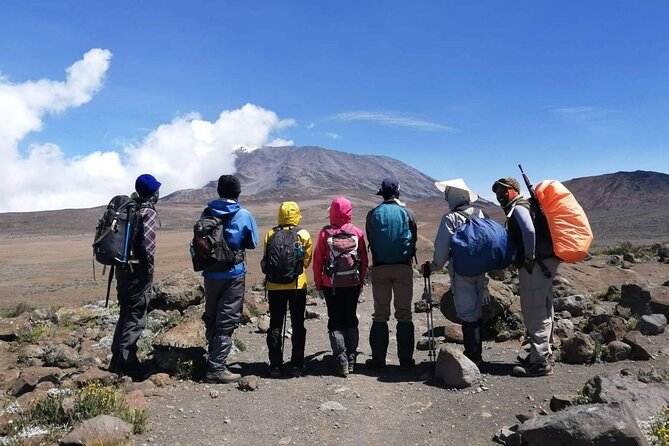
Reviewed · KILIMANJARO CLIMBS
Kilimanjaro Trek 6 Days Marangu Route
The Marangu Route gives you a rare bit of comfort on Kilimanjaro: you sleep in shared mountain huts instead of tents. That makes this a practical choice if you want the full summit challenge without carrying a home on your back or sleeping on the ground each night.
I like the private format, which keeps the climb focused on your group, and I like that the package includes guides, porters, a cook, park fees, hut fees, meals, transfers, and two hotel nights. The main concern is the schedule. The standard plan is a demanding five-day climb, and the extra acclimatization day is worth serious thought if your body needs more time at altitude.
Key points to know before you book
- Hut accommodation: The Marangu Route uses shared huts at the mountain camps, not tents.
- Private climbing team: Only your group participates, with guides, assistant guides, porters, and a cook.
- Strong support package: Park fees, rescue fees, hut fees, meals, water, transfers, and hotel nights are included.
- Optional acclimatization day: Adding a sixth day gives you more time to adjust before summit night.
- A very long summit day: Day four covers about 27 kilometers, with roughly 10 hours of hiking and a large descent.
- Local guiding team: Robert and Donovan are named as guides who have supported climbers with motivation and practical help.
Why the Marangu Route suits some climbers better
Kilimanjaro’s Marangu Route is often chosen for its straightforward logistics. You begin near Marangu village, reach the gate by road, register with the park, and then walk through a changing series of natural zones. At night, you stay in huts with shared sleeping space.
That hut setup is the route’s defining feature. You do not need to pitch a tent, and the arrangement can feel easier for climbers who prefer a bed and solid shelter. The huts are shared, though, so you should not expect a private room or hotel-style quiet.
The camps also offer a few comforts that surprise people. Mineral water, soft drinks, chocolates, and beer are available for purchase at each camp. These extras are not included in the tour price, but a cold drink or snack can feel useful after a long uphill walk.
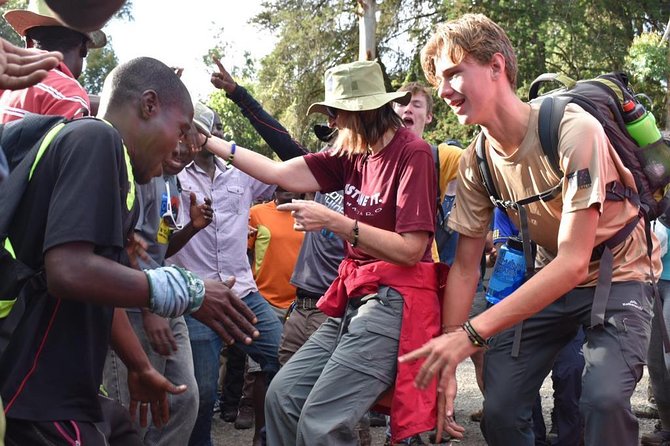
The private arrangement matters most on a mountain like Kilimanjaro. You can move at a pace that suits your group, ask for breaks, and speak directly with the guides about how you are feeling. The crew includes expert guides, assistant guides, porters, and a cook. One published account names Robert and Donovan as guides who provided steady motivation and support during the climb.
More Hiking Tours in Moshi
- Private Kilimanjaro Hike 7 Day Lemosho Route
★ 5.0 · 60 reviews - Best Kilimanjaro hiking day trip tour with Kilinge Adventures
★ 4.5 · 54 reviews - #1. Best Kilimanjaro Day hike Tour-Machame Route-ISMANI
★ 4.2 · 47 reviews
What $1,846.16 covers
At $1,846.16 per person, this is not a bare-bones mountain walk. The price includes one hotel night before the climb and one after it, both with breakfast. You also receive transfers to and from the mountain gates, park entry fees, Marangu hut fees, forest fees, rescue fees, and 18 percent VAT on tour services.
On the mountain, the cook prepares three meals a day. Bottled water is provided on the first day, while water higher on the mountain is boiled and filtered. An emergency oxygen tank is also carried as part of the support plan.
That list gives the price real value. Kilimanjaro costs are not limited to a guide and a park ticket. A properly supported climb requires permits, food, mountain transport, porters, hut space, and emergency planning. Here, many of those major costs are handled in advance.
You still need to budget for several items. Personal gear is not included, although missing equipment can be rented in Moshi. Listed rental prices include $40 for a sleeping bag, $35 for a duffle bag, $40 for hiking boots, and $10 for walking sticks. You also pay for hotel lunches and dinners, drinks, laundry, visas, insurance, cameras, and flights.
Tips for the guides, assistant guides, cook, and porters are not included. Treat that as a real part of your budget, not an optional afterthought. The package says crew wages follow rates approved by the Kilimanjaro Park Authority and relevant associations, but gratuities remain your responsibility.
Day one, Marangu Gate to Mandara Hut
The morning starts with a climbing briefing, followed by a transfer from the hotel toward Marangu Gate at about 9:00 a.m. The stated meeting time is 8:30 a.m., so you should be ready early. The drive takes roughly 45 minutes.
At the gate, you complete the usual registration formalities. This is also the point to check your daypack. Carry only what you need for the day, such as a camera, rain jacket, extra clothing, skin protection, and personal items. Porters handle the larger equipment and supplies.
The first hike covers about 12 kilometers and takes around five hours. You gain approximately 720 meters while walking through montane forest. This is a gentle introduction compared with the summit day, but it still sets the rhythm for the week.
The forest section gives you shade and a softer trail underfoot. It can also be wet, so a rain jacket belongs in your small pack even if the morning begins clear. You finish at Mandara Hut, where the hut-based character of the Marangu Route begins in earnest.
Day two, Mandara to Horombo through moorland
Day two is longer and steeper. You walk about 15 kilometers in roughly six hours, gaining around 1,020 meters. The route begins with a short stretch of forest before opening into moorland near the Maundi Crater.
The suggested detour to the Maundi Crater rim is one of the best small choices on the route. From there, you may see Kibo Crater and, on a clear day, Kibo’s glaciers. The detour adds a scenic pause and a good photo stop, but you should keep an eye on your energy. A short side trip is still extra work at altitude.
This is the day when the mountain begins to feel less like an ordinary hike. The trees thin out, the air feels cooler, and the views open. You carry a picnic lunch, so you can eat during the day rather than waiting for the next hut.
Horombo is an important camp because it is used on both the ascent and descent. The climb description places you at Horombo after leaving Mandara, with the moorland route providing the main change in scenery.
More Kilimanjaro routes:
- Kilimanjaro climb by Lemosho Route (7-day)
★ 5.0 · 651 reviews - Kilimanjaro climb, Machame Route (7-day)
★ 5.0 · 262 reviews - Kilimanjaro Climbing Lemosho Route 8 Days.
★ 5.0 · 186 reviews - Climbing Kilimanjaro – Machame Route
★ 5.0 · 170 reviews
Day three, the Saddle and alpine desert
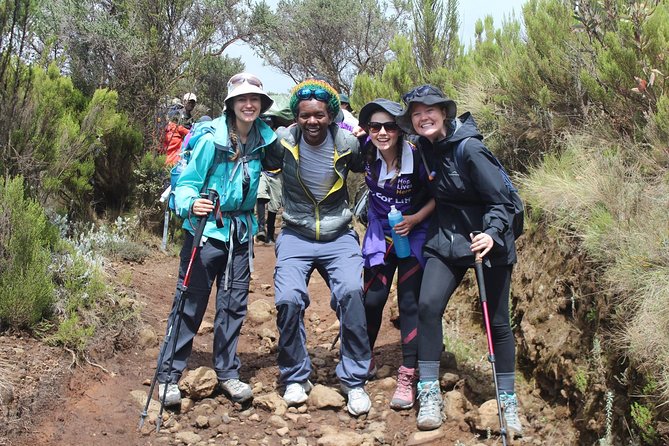
The third day takes you about 15 kilometers through alpine desert, with roughly six hours of hiking and a gain of about 980 meters. By now, oxygen is noticeably thinner, and the advice is simple: walk slowly, drink enough water, and do not race stronger members of your group.
You have two trail choices toward the Saddle, the broad high area between Mawenzi and Kibo. The lower route is recommended because it is easier and passes the last watering point before the return to Horombo.
This water detail matters. You need to stock up before leaving the last reliable point because the next watering stop is back at Horombo, reached after the summit attempt. Keep your water plan clear, and ask the crew how much you should carry for the section ahead.
The alpine desert is spare and exposed. There is less shelter, less vegetation, and less visual distraction. The day is not as long as summit day, but the altitude makes it tiring. If you add the optional acclimatization day, this is the part of the trip where that extra time can help most.
Day four, the midnight start and Uhuru Peak
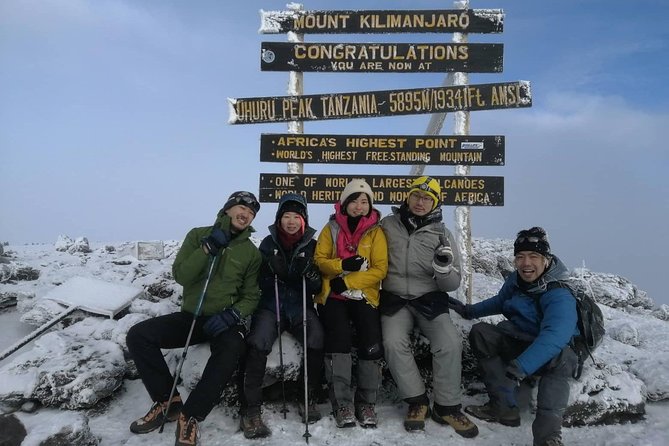
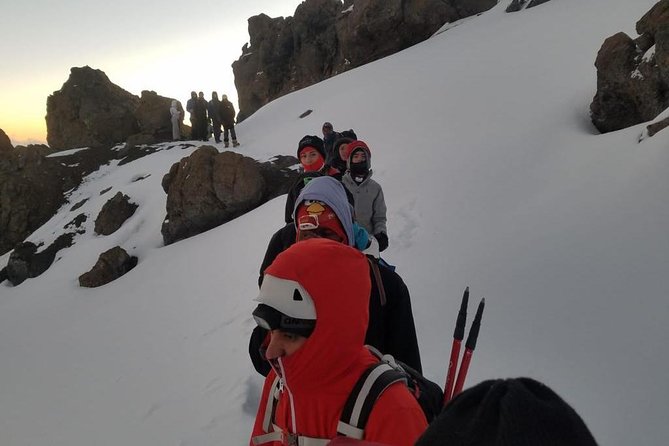
The summit push is the hardest part of the climb. You wake just before midnight and begin walking in the cold and darkness. The route rises over rocky ground toward Hans Meyer Cave at about 5,150 meters, where you can take a short rest.
From there, the trail continues toward Gillman’s Point at approximately 5,680 meters. This is described as the steepest and most demanding section, with loose stone underfoot. You should move carefully and keep your pace slow. The point is not to impress anyone during the first hours. The point is to preserve enough strength to continue.
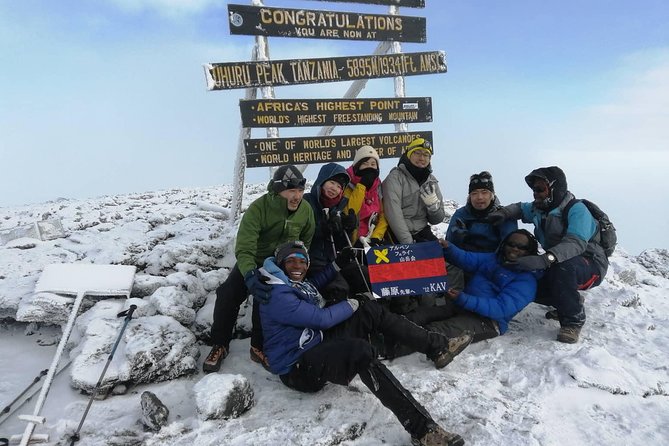
After Gillman’s Point, you may walk through snow for about two hours before reaching Uhuru Peak, the summit of Kilimanjaro. The climb description gives the full day about 10 hours, covering approximately 27 kilometers, with a gain of around 1,195 meters and a descent of about 2,175 meters.
That distance explains why summit day can feel overwhelming. You are not simply walking up and stopping at the top. You climb in the night, reach the summit, turn around, and descend a great deal of ground before sleeping again.
A green certificate is awarded for Gillman’s Point, while a gold certificate is awarded for Uhuru Peak. The distinction is useful because it recognizes the high-altitude achievement even if you do not make the final stretch to the summit.
Day five, the long return to Marangu Gate
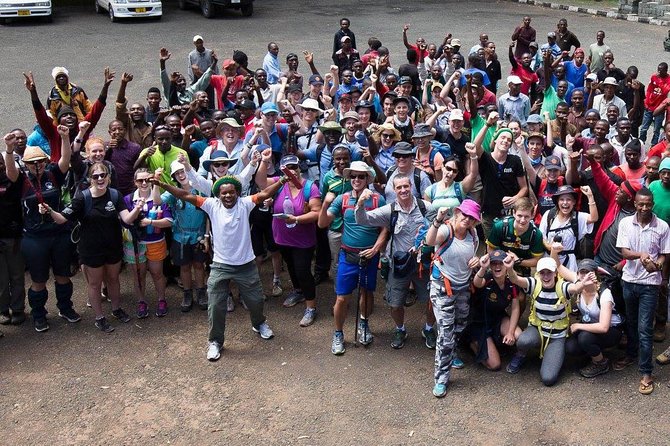
After an early breakfast, you continue downhill through moorland and then rainforest, passing Mandara Hut before reaching Marangu Gate. The stated hiking time is about six hours, with roughly 27 kilometers of walking and a descent of about 1,740 meters.
Downhill is not automatically easy. After the summit push, your legs may be tired, and a long descent can be hard on knees and feet. Use walking sticks if you have them, take care on wet sections, and keep your rain jacket accessible as the route returns to the forest.
At the gate, you sign out and receive your certificate. A road transfer then takes you back to the hotel. The included post-climb night is valuable here. You can shower, eat, sleep in a regular bed, and recover before dealing with onward travel.
Should you add the sixth day?
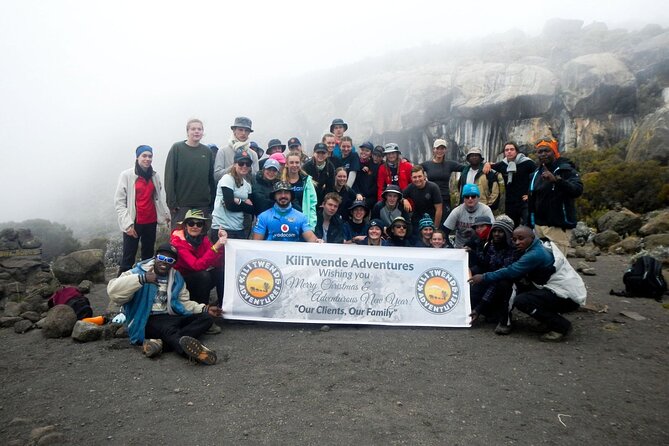
The product is described as a five-day Marangu climb with an optional extra day for acclimatization, while the title calls it a six-day trek. Clarify the exact schedule before booking. The supplied day-by-day plan itself shows five hiking days.
The extra day is not just a luxury add-on. Kilimanjaro is high enough that your body needs time to adjust, and the summit day already combines a midnight start, a major ascent, a summit attempt, and a long descent. A slower plan can be the better value if it improves your chance of reaching Uhuru Peak safely.
The available information does not specify the exact activities or camp for the additional acclimatization day. Ask the operator what the day includes, where you sleep, and whether food, hut fees, and guiding remain covered.
Packing and physical demands
You need a moderate level of physical fitness for this tour. That wording should not be read as meaning easy. The distances are long, the elevation gains are substantial, and the summit day reaches a level where breathing and pace become major concerns.
Your daypack should hold the items needed for that day’s hike, including extra clothing, rain protection, personal skin care, and a camera if you want one. Larger equipment and supplies are handled by porters, but personal gear remains your responsibility.
If you lack a sleeping bag, duffle bag, hiking boots, or walking sticks, you can rent these in Moshi at the listed rates. Build in time to sort this out before the mountain transfer. Good boots are especially important because the route shifts from forest trail to moorland, alpine desert, scree, and possible snow.
The crew prepares meals and provides boiled and filtered mountain water after the first day. You can buy additional drinks and snacks at camps, but do not assume those purchases replace your own water planning.
Who should choose this climb?
I would point this tour toward someone who wants a private Kilimanjaro attempt, prefers huts to tents, and values having a full mountain crew in place. It suits you if you are comfortable with long walking days and want a package that handles the major park and support costs.
It may be less suitable if you want a relaxed sightseeing holiday or a short high-altitude walk. The summit day is serious, and the five-day schedule leaves little room for adjustment. If you are unsure about altitude, choose the extra day only after confirming the details with Kilitwende Adventures.
The private format is also useful for families or pairs who want to stay together. One published account describes a mother and daughter climbing with the team, with Robert and Donovan providing support. The same account highlights the wider crew of porters, cooks, and guides as a central part of the experience.
Booking details worth checking
Pickup is offered, and the activity uses a mobile ticket. Confirmation is provided when you book, and the experience begins around 8:30 a.m. The tour is private, so only your group participates.
Free cancellation is available if you cancel at least 24 hours before the local start time. Changes or cancellations inside that window are not accepted for a refund.
Before paying, confirm three points in writing: the actual five-day or six-day schedule, the amount of any required tip, and which personal equipment you need to rent. Those answers will give you a more accurate total than the headline price alone.
Should you book the Marangu Route with Kilitwende Adventures?
Book it if you want hut accommodation, a private crew, and a package with most major mountain costs included. The route offers a clear progression from forest to summit, and the support team covers the practical work that lets you concentrate on walking.
I would favor the six-day version if it is available and clearly priced. The five-day plan is possible on paper, but the high-altitude summit day is long and demanding. The extra acclimatization time may be the smartest use of your money.
Skip it if you want a tent-based route, private sleeping space, or a shorter summit schedule. For a determined climber who accepts the physical challenge and prepares properly, this Marangu package offers a practical way to take on Kilimanjaro with local guides, porters, food, huts, and transfers already arranged.
FAQ
How long is the Kilimanjaro climb?
The detailed hiking plan covers five days. An optional sixth day can be added for acclimatization, so confirm the exact duration when booking.
Where does the climb begin?
The climb begins at Marangu Gate, reached by road from the Marangu village area. The transfer from the hotel takes about 45 minutes.
Does the tour use tents?
No. The Marangu Route uses shared hut accommodation at the mountain camps.
Is this a private tour?
Yes. Only your group participates in the activity.
Are meals included?
Three meals a day are included during the climb. The package lists four breakfasts, four dinners, and five lunches. Hotel lunches, hotel dinners, and drinks in Moshi are not included.
Is drinking water provided?
Bottled water is provided on the first day. On the mountain, water is boiled and filtered. You should carry enough water for the section beyond the last watering point before returning to Horombo.
What happens if I do not reach Uhuru Peak?
You can still receive a certificate for reaching Gillman’s Point. Gillman’s Point receives a green certificate, while reaching Uhuru Peak earns a gold certificate.
More six day trips in Moshi & Kilimanjaro
- Kilimanjaro climb, Lemosho Route (6-day)
★ 5.0 · 129 reviews - Kilimanjaro climb, Marangu route (6-day)
★ 5.0 · 72 reviews - 6 Days 5 Night Safari
★ 5.0 · 57 reviews - 6 Days Tanzania Classic Safari
★ 5.0 · 52 reviews
More Hiking Tours in Moshi & Kilimanjaro
- Best Kilimanjaro Adventure 7 days Machame route Trekking
★ 5.0 · 42 reviews - Kilimanjaro 7 Day Private Trekking Experience
★ 5.0 · 40 reviews - 8 Days Kilimanjaro Hike via Lemosho Route
★ 5.0 · 39 reviews - The Best & Unique Kilimanjaro Hiking tour 7 days Machame route
★ 5.0 · 34 reviews
Newly listed around Moshi & Kilimanjaro
- Climb Mount Kilimanjaro: 7 Days Machame Route★ 5.0 · 3 reviews
- 6 Days Mount Kilimanjaro Climbing via Rongai Route★ 5.0 · 3 reviews
- Explore 1 day Ngorongoro Crater Budget Group Safari from Arusha★ 5.0 · 3 reviews
- Mt. Kilimanjaro Day Hiking★ 5.0 · 3 reviews
- Chemka (Kikuletwa) Hot Springs, Tanzania★ 5.0 · 3 reviews
- Guided City tour of Moshi★ 4.3 · 3 reviews
- 8 Day Tanzania Family Safari★ 5.0 · 3 reviews
- Serengeti Safari with Sirikwa Travel★ 5.0 · 3 reviews
Kilimanjaro Climbs, compared.








Browse the lists this tour appears in