
Reviewed · MOSHI & KILIMANJARO TOURS
6 Days Tanzania Classic Safari
Tarangire’s giant baobabs, Ngorongoro’s crater floor, and the open plains of the Serengeti make this six-day safari a powerful first look at northern Tanzania. You move through four major parks and conservation areas, so the scenery and animal life keep changing.
I like the private format, which gives your group control over the pace, and I like the mix of lodges and tented camps, including Arusha Coffee Lodge and Kubu Kubu Tented Lodge. The main tradeoff is time: this is a packed route with several early starts, long drives, and a final day that must connect a full park visit with your airport transfer.
Key points to know before booking
- Four major safari areas: Tarangire, Ngorongoro, Serengeti, and Lake Manyara all appear in one six-day route.
- Private guiding: Only your group takes part, with a personal guide and vehicle.
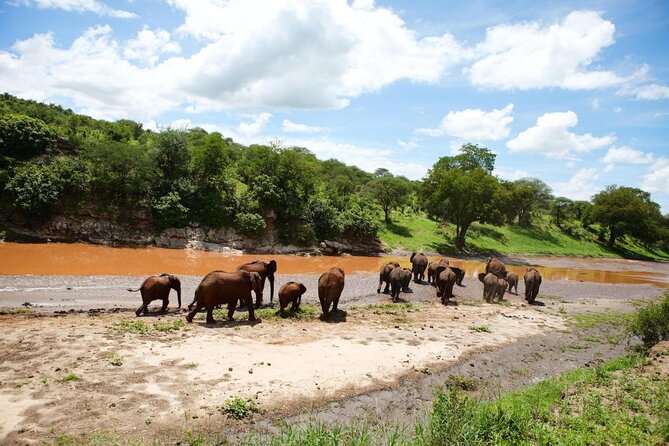
- Excellent elephant country: Tarangire is known for large elephant gatherings among baobabs and acacias.
- A crater safari: Ngorongoro gives you a compact wildlife area with a chance to see black rhino and flamingos.
- Lodges plus tented camps: The plan mixes established lodge comfort with a more classic safari-camp feel.
- Water and meals included: Park fees, five breakfasts, five lunches, five dinners, and unlimited drinking water are covered.
A fast, wildlife-heavy route through northern Tanzania
At $4,297 per person, this is not a budget outing. But the price includes private touring, park entry fees, five nights of meals, drinking water, airport pickup, accommodation, and a guide. Those costs add up quickly in Tanzania, so the value depends less on finding the cheapest safari and more on how much time you want to save planning transport, lodging, permits, and daily park access.
This itinerary is designed for someone who wants the famous Northern Circuit in a short window. You see Tarangire, Ngorongoro, Serengeti, and Lake Manyara rather than spending several days in one park. That gives you variety, but it also means you spend a fair amount of time on the road.
The private setup matters. Your group does not have to share the vehicle, and the guide can respond to your interests. If you want more time with elephants, birds, or predators, say so clearly. The exact pace will still depend on park rules, road conditions, animal movements, and the airport schedule.
Gilmag’s guiding team includes Eric, Gilbert, Nickson, Chris, and Abu, all named in past safari arrangements. The strongest praise centers on guide service, route knowledge, friendly support, and help with timing. You should confirm your assigned guide before departure, since the itinerary does not promise one particular person.
More Safaris in Moshi
- Safari Serengeti And Ngorongoro
★ 5.0 · 288 reviews - Big Five Safari In Tanzania
★ 5.0 · 99 reviews - Unforgettable Tanzania Safari And Zanzibar Beach
★ 5.0 · 97 reviews
Arrival at Arusha and Elewana Arusha Coffee Lodge
Your safari starts at Kilimanjaro International Airport. A Gilmag representative meets you after customs and immigration, then takes you to Arusha for dinner, an overnight stay, and a briefing about the days ahead.
The first day is listed as about 12 hours, but most of that is the international arrival and transfer period. You are not spending the whole day in a game vehicle. The overnight at Elewana Arusha Coffee Lodge gives you a comfortable place to recover before the first early departure.
This opening night is useful, especially after a long flight. You can ask about packed lunches, departure times, clothing, and the daily routine before setting out. If your flight arrives late, confirm how the briefing and dinner will work.
Day 2: Tarangire’s elephants and baobab country
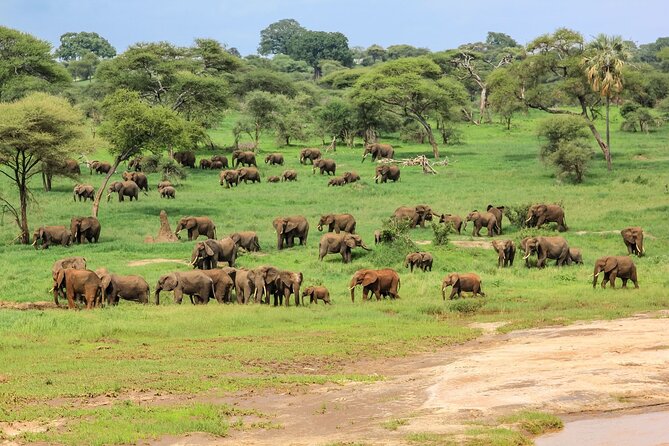
After breakfast, your guide picks you up and drives about 125 kilometers from Arusha to Tarangire National Park. You travel with a packed lunch, then begin game viewing in a park known for its baobab trees, acacias, and large elephant population.
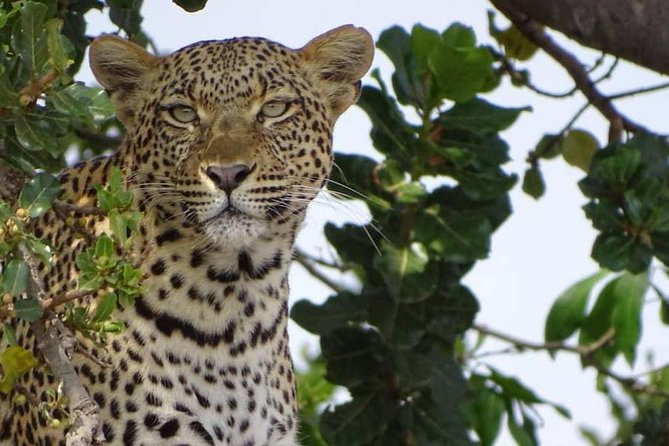
Tarangire is a fine first park because it offers a strong visual change from Arusha and a good chance to see large mammals quickly. Elephants are the headline act, but the possible list includes leopard, ostrich, lion, warthog, zebra, and cheetah. You might also encounter the endangered African wild dog, though no safari can promise a sighting.
Lunch is taken as a picnic overlooking the Tarangire River. That setting makes the meal part of the experience rather than a stop at a restaurant. The afternoon continues with a game drive before you return to your accommodation.
The practical catch is the length of the day. The schedule runs about 12 hours, including the drive to the park, game viewing, lunch, and the return journey. That is a lot of sitting, even in a safari vehicle. Bring sun protection, a hat, and patience for rougher roads.
Tarangire is described as slightly away from the main safari route. That can mean a quieter feel than the most famous sections of the circuit, though conditions and traffic vary. I especially like that the park is not treated as a quick photo stop. You get a full day to see how elephants use the river and woodland.
Day 3: Ngorongoro Crater from the rim to the floor
Day 3 begins at 6 AM with breakfast, lunch boxes, and a drive into the Ngorongoro Conservation Area. The key event is the descent of about 600 meters into the crater, where you spend the day among grassland, water, woodland, and wildlife concentrated inside the collapsed volcanic basin.
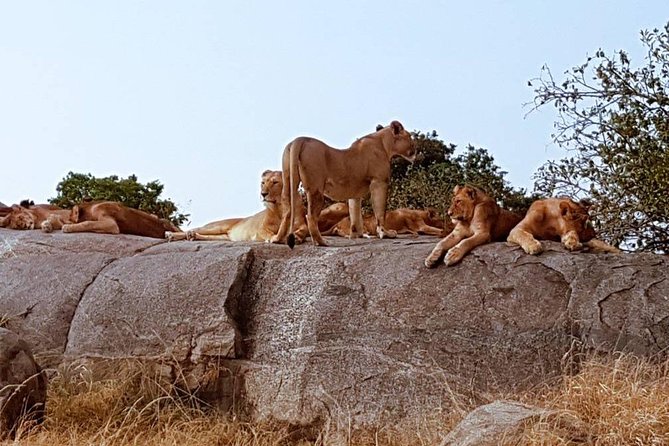
Ngorongoro is one of the most efficient wildlife stops in Tanzania. The enclosed setting can make animal viewing feel unusually focused, and the itinerary specifically highlights the endangered black rhino. At Lake Magadi, you might see flamingos, while the broader crater floor can produce gazelles, warthogs, hippos, zebras, waterbucks, hyenas, jackals, and lions.
Lions may rest near vehicles for shade, but treat that as a possibility rather than a guarantee. Wildlife is wild, and sightings change from one hour to the next.
You leave the crater around 3 PM, climb out, exit the park, and continue toward central Serengeti for dinner and an overnight at Kubu Kubu Tented Lodge. This is an important point in the route. You get a major crater visit, but you also have a transfer afterward, so the day is both scenic and tiring.
Kubu Kubu provides the tented-camp part of the trip. The overall accommodation plan is not camping in the basic, sleep-on-the-ground sense described by many people when they hear tented camp. The listed properties are lodges and tented lodges, but you should ask Gilmag for the exact room and tent details before paying.
More Safaris in Moshi & Kilimanjaro:
- 8-Day Essence of Tanzania Safari – Luxury
★ 5.0 · 72 reviews - Great Migration Safari In Tanzania
★ 5.0 · 71 reviews - Serengeti, Ngorongoro and Tarangire 4 Days Safari
★ 5.0 · 59 reviews - 6 Days 5 Night Safari
★ 5.0 · 57 reviews
Day 4: A full Serengeti game drive
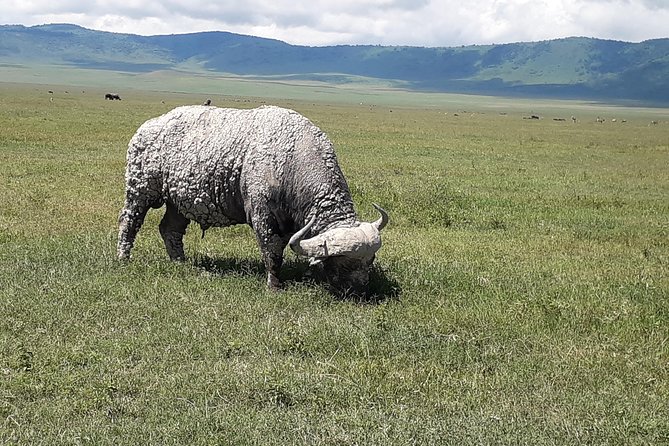
The Serengeti gets the longest dedicated wildlife day. After breakfast, you leave with lunch boxes and spend the day covering as much of the park as possible.
The Seronera area is a strong base because it can put you within reach of different parts of the Serengeti. The route description points to the southern plains and the Mara River area in the north, with seasonal migration timing listed as April, May, and November. Those dates are broad guideposts, not a promise that herds will be beside your vehicle.
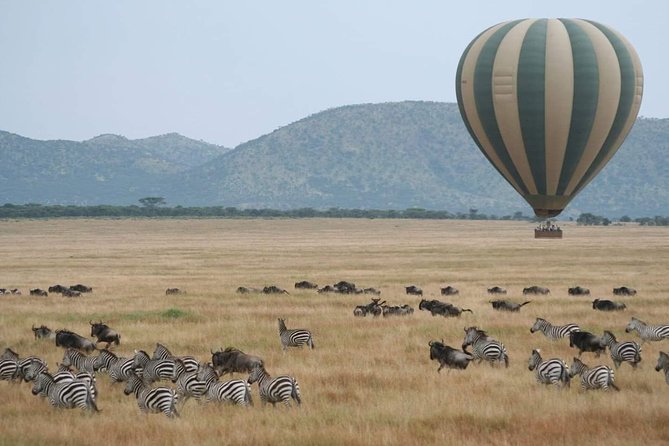
You can see resident wildlife throughout the year. Possible sightings include elephant, buffalo, gazelle, zebra, lion, and other predators and herbivores. The day also brings a wide range of habitats, including swamps, woodland, soda lakes, and the short-grass plains that have made the Serengeti famous.
I like this day because it gives the park room to work. You are not simply driving in, taking one photograph, and leaving. Your guide can search different areas, follow fresh sightings, and adjust the route. Still, the phrase covering as much area as possible should be taken seriously. This is likely to be a long day in the vehicle, with a packed lunch rather than a leisurely lodge break.
The Serengeti can be the emotional center of a first safari. Even when large predators stay out of sight, the open plains and moving herds provide the sense of scale people come to Tanzania to find. Keep expectations flexible. A migration season is not a wildlife schedule, and no guide controls where animals choose to move.
Day 5: A short Serengeti morning and overnight in Karatu
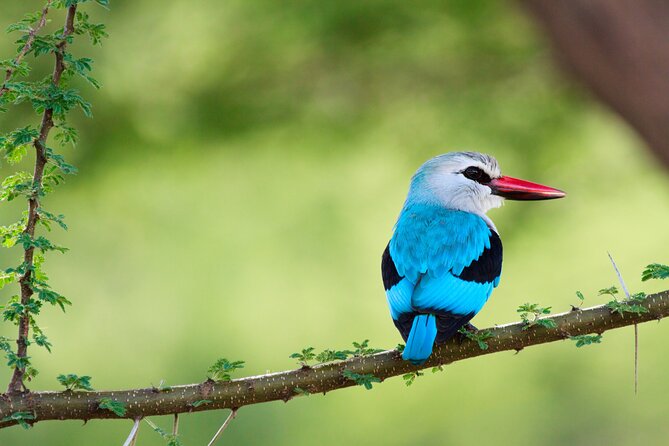
Day 5 starts early with another half-day game drive in the Serengeti. You leave after breakfast with a packed lunch, then exit the park in the afternoon and drive through the Ngorongoro Conservation Area to Karatu.
This morning gives you one more chance to see the Serengeti before the route turns back toward the Arusha area. It also breaks up the return journey, rather than forcing you to drive all the way back in one push.
You spend the night at Kitela Lodge in Karatu, with dinner included. Karatu is a practical stop between the crater and Lake Manyara. The town also keeps the final park day from becoming even more punishing.
The weakness is that your Serengeti time is split between a full day and a half day, with travel on both sides. If the Serengeti is your main reason for coming to Tanzania, ask if the schedule can be adjusted to add another night there. If you want a broad sample of the Northern Circuit, the current plan makes sense.
Day 6: Lake Manyara and the airport connection
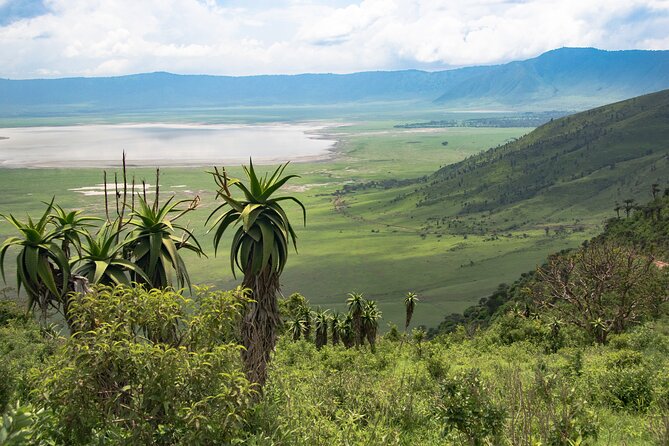
After an early breakfast, you drive to Lake Manyara National Park with lunch boxes for game viewing. The park is known for its soda lake, pink-hued flamingos, baboons, birdlife, and views across the water.
Lake Manyara offers a different kind of safari from the Serengeti. The park includes forest and wetland areas, and you may see elephant, giraffe, hippo, impala, dik-dik, waterbuck, flamingo, and monkeys. More than 500 bird species are associated with the park, making this a particularly good stop for anyone who enjoys birds as much as big mammals.
The route also names tree-climbing lions and leopards as possible sightings. Again, keep that in the might find category. They are memorable possibilities, not fixed attractions.
After game viewing, you drive back to Arusha and continue to Kilimanjaro International Airport for your onward flight. This is the most important planning concern in the whole trip. The day is described as a full park visit followed by the airport transfer, so you should not schedule a tight connection. Confirm the expected drop-off time with Gilmag and allow a generous buffer.
The supplied duration for this day is shown as 12 minutes, which is clearly inconsistent with the driving and game-viewing plan. Treat the written itinerary, not that duration field, as the useful guide: this is a long final day.
Lodging, meals, and what the price really covers
The accommodation plan includes Elewana Arusha Coffee Lodge, Kubu Kubu Tented Lodge, and Kitela Lodge, with the full property list subject to confirmation. The mix gives you lodge comfort in Arusha and Karatu and a tented-camp atmosphere in the Serengeti.
Five breakfasts, five lunches, and five dinners are included. Lunch is often a packed box on game-drive days, which is sensible because it keeps you in the park during the best viewing hours. Unlimited drinking water is also included, a useful cost and packing benefit.
Alcoholic and nonalcoholic drinks beyond the supplied water are not included. Laundry is extra, and tips are not included. Bring a way to track your spending, since small extras can accumulate after several lodge nights.
At $4,297 per person, the tour is best judged as a private, organized safari rather than a simple six-day holiday. The value is strongest if you want one company handling the airport meeting, private guide, park fees, accommodations, meals, and route planning. It is less compelling if you want a slow trip with long rest periods or if you are comfortable arranging each piece yourself.
Who will enjoy this safari most
I would recommend this route to a first-time safari visitor with six days available and a strong wish list. You get elephants, possible big cats, flamingos, baboons, rhinos, zebra, wildebeest, and many other animals across four distinct areas.
It also suits families and couples who value a private vehicle. Past safari arrangements have included families, a 14-year-old traveling with a parent, solo trips, and custom programs adjusted to time and budget. The moderate fitness requirement suggests no strenuous hiking is central, but you still need to cope with early breakfasts, bumpy roads, heat, and long vehicle days.
This is not the best pick for someone who dislikes early mornings or wants a relaxed lodge holiday. It is also not ideal if one particular animal or migration event is your only goal. The route gives you many chances, not guarantees.
Booking confirmation is provided at the time of reservation. Pickup is offered, group discounts are available, and free cancellation applies when you cancel at least 24 hours before the local start time. Changes or cancellations inside that window are not accepted for a refund.
Should you book the six-day Tanzania Classic Safari?
Book it if you want a well-organized private introduction to Tanzania’s Northern Circuit and you are willing to trade slow travel for variety. The strongest features are the four major safari areas, experienced guide support, included park fees, and accommodation that goes beyond basic camping.
Before you commit, ask three direct questions: who will guide your group, exactly where will you sleep each night, and what airport drop-off time is expected on Day 6? I would also ask if the Serengeti portion can be adjusted if that park matters most to you.
If your priority is maximum variety in limited time, this is a strong choice. If your priority is rest, fewer transfers, or a lower price, choose a longer, slower itinerary or reduce the number of parks.
FAQ
How long is the safari?
The experience lasts approximately six days.
Is this a private tour?
Yes. Only your group participates in the activity.
Which national parks and conservation areas are included?
The route includes Tarangire National Park, Ngorongoro Conservation Area and Crater, Serengeti National Park, and Lake Manyara National Park.
Where does the safari begin?
The safari begins with pickup at Kilimanjaro International Airport, followed by a drive to Arusha City.
Is airport pickup offered?
Yes. Pickup is offered, and a Gilmag Safaris representative meets you after customs and immigration at Kilimanjaro International Airport.
Are meals included?
Yes. Five breakfasts, five lunches, and five dinners are included.
Is drinking water included?
Yes. An unlimited supply of drinking water is included.
Are park entry fees included?
Yes. All park entry fees are included. Laundry, alcoholic and nonalcoholic beverages, and tipping are not included.
More six day trips in Moshi & Kilimanjaro
- Kilimanjaro climb, Lemosho Route (6-day)
★ 5.0 · 129 reviews - Kilimanjaro climb, Marangu route (6-day)
★ 5.0 · 72 reviews - The Best of Machame Route in 6 Days: Your World’s Summit Guide
★ 5.0 · 44 reviews - 6 Days Machame Route Kilimanjaro Climbing
★ 5.0 · 42 reviews
Newly listed around Moshi & Kilimanjaro
- Climb Mount Kilimanjaro: 7 Days Machame Route★ 5.0 · 3 reviews
- 6 Days Mount Kilimanjaro Climbing via Rongai Route★ 5.0 · 3 reviews
- Explore 1 day Ngorongoro Crater Budget Group Safari from Arusha★ 5.0 · 3 reviews
- Mt. Kilimanjaro Day Hiking★ 5.0 · 3 reviews
- Chemka (Kikuletwa) Hot Springs, Tanzania★ 5.0 · 3 reviews
- Guided City tour of Moshi★ 4.3 · 3 reviews
- 8 Day Tanzania Family Safari★ 5.0 · 3 reviews
- Serengeti Safari with Sirikwa Travel★ 5.0 · 3 reviews
Moshi & Kilimanjaro Tours, compared.
Browse the lists this tour appears in