
Reviewed · KILIMANJARO CLIMBS
Kilimanjaro climb, Machame Route (7-day)
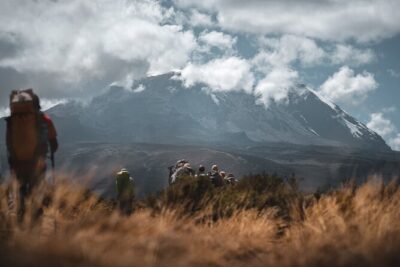
Kilimanjaro’s Machame Route gives you the mountain in chapters: rainforest, open high country, Lava Tower, the Barranco Wall, and a long night toward Uhuru Peak. This seven-day climb is demanding, but its climb-high, sleep-lower pattern gives your body useful time to adjust.
I like the strong safety setup, with certified Wilderness First Responder guides, oxygen, oximeters, medical kits, and regular health checks. I also like the practical comfort: a hotel with hot water and a pool, proper tents, a dining tent, hot drinks, and cooks who can handle vegan, halal, gluten-free, lactose-free, and vegetarian meals.
The catch is simple: seven mountain days do not make Kilimanjaro easy. Summit day can last about 12 hours, begins at night, and puts altitude ahead of technical climbing skill. You need moderate fitness, sensible gear, patience, and a willingness to turn back if your body is not coping.
Key points before you commit
- The summit attempt begins at night from 4,640 meters, then climbs to Uhuru Peak at 5,895 meters.
- The Machame Route uses altitude wisely, including a Lava Tower acclimatization stop at 4,630 meters before descending to Barranco Camp.
- A personal guide accompanies each pair during the summit ascent, allowing close attention when the air gets thin.
- The crew carries camp equipment and cooks mountain meals, while you carry your personal hiking gear.
- The $3,377 price covers major park and operating costs, but not flights, insurance, visa fees, personal gear, hotel meals, or crew tips.
- You spend two nights at Aishi Machame Hotel, one before the climb and one after the descent.
What the seven-day Machame climb is really like
This is sold as a nine-day experience because the mountain portion is wrapped around a hotel arrival night and a final rest night. You arrive at Kilimanjaro International Airport, transfer to Aishi Machame Hotel, spend seven days on the mountain, return to the hotel, and then head to the airport.
That schedule is useful. You are not expected to land in Tanzania and start hiking at once. The first evening gives you time to sleep, meet the operating team, check your kit, and ask questions at the briefing.
The climb itself is not a technical mountaineering expedition in the usual sense. The summit route is described as technically simple, but the altitude is the serious opponent. The steepest challenge is often putting one foot ahead of the other when the air is thin, the ground is rough, and sleep has been short.
More Kilimanjaro routes:
- Kilimanjaro climb by Lemosho Route (7-day)
★ 5.0 · 651 reviews - Kilimanjaro Climbing Lemosho Route 8 Days.
★ 5.0 · 186 reviews - Climbing Kilimanjaro – Machame Route
★ 5.0 · 170 reviews
Arrival day at Aishi Machame Hotel
Your airport pickup from JRO is included, as is ground transportation to the hotel. Check-in begins at 2:00 PM, so plan your arrival time with that in mind.
Aishi Machame Hotel provides the basics you want before a major climb: rooms, hot water, Internet access, staff assistance, and a swimming pool. Breakfast is included during the hotel stay, but hotel lunch and dinner are extra, with an average price of about $15 per person for either meal.
The evening briefing is more important than it sounds. This is when the team checks that you are ready, explains the route, and deals with any missing equipment or last-minute concerns. Use this time to be honest about your health, medications, fitness, and worries. A mountain guide can help you manage a problem early. They cannot fix information you failed to share.
The guide team has included leaders such as Victor, Joseph, and Stanford on past departures. Ask who will lead your group and who your mountain support staff are. Knowing names makes the long days feel more personal, and the crew is a major part of how this climb works.
Day 1 on the mountain: Machame Gate to Machame Camp
The first mountain morning starts with a briefing at the hotel, followed by a drive to Machame Gate at about 1,800 meters. Park permits are handled there, and the group registers with the search and rescue service before setting off.
The trail enters rainforest, which gives the opening day a cool, shaded feel. It also brings a strong chance of tropical rain. Pack your raincoat where you can reach it, not at the bottom of a duffel bag carried by a porter. Spare clothes matter too, since wet socks and damp layers can make a moderate walk feel much harder.
The hike to Machame Camp at 3,010 meters takes about six hours. This is a sensible day to learn the group’s pace. Do not race ahead to prove your fitness. The goal is to arrive with energy, eat, drink, and begin the slow work of acclimatization.
Porters carry the camp equipment, while you are responsible for the personal items you need during the day. Ask in advance about the weight and size of your personal bag. The supplied description confirms that personal equipment is not included, although gear hire is available.
Day 2: Shira Camp and the first acclimatization hike
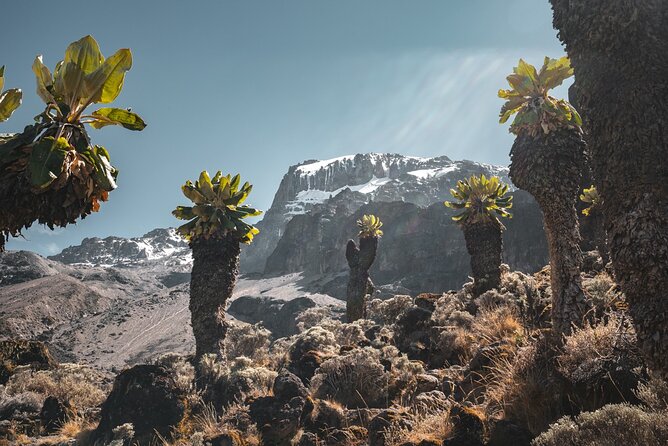
After breakfast, you climb toward Shira Camp at 3,845 meters. The rainforest fades, and the views open toward the Shira Plateau. This change in scenery is one of the pleasures of the Machame Route. You begin among trees, then move into a more exposed, high-altitude world.
The walking itself is not presented as unusually difficult, but you may feel the altitude. The advice here is the same advice that keeps working on Kilimanjaro: walk slowly, drink regularly, and pay attention to headaches, nausea, unusual fatigue, or breathlessness.
After lunch and rest at Shira, you take an acclimatization hike toward Lava Tower Camp, gaining about 300 meters before returning to Shira for the night. This is valuable because you climb higher than your sleeping altitude, then descend. That pattern gives your body more exposure to elevation without forcing you to sleep at the highest point reached that day.
The day takes around seven hours. It is not just a transfer from one camp to another. The extra hike is part of the reason a seven-day itinerary is more sensible than trying to rush the mountain in fewer days.
More week long trips in Moshi & Kilimanjaro:
- Climbing Kilimanjaro through 7 days Machame Route
★ 5.0 · 151 reviews - 7 Days Kilimanjaro via Machame route affordable price
★ 5.0 · 110 reviews - Private Kilimanjaro Hike 7 Day Lemosho Route
★ 5.0 · 60 reviews - 7-Day Magical Tanzania Safari -Premium High End Package
★ 5.0 · 53 reviews
Day 3: Lava Tower, 4,630 meters, then Barranco Camp
This is a key day. You leave Shira at 3,845 meters and climb toward Lava Tower at 4,630 meters. The trail includes repeated ascents and descents, and you may feel uncomfortable as the altitude rises.
The plan calls for spending at least one to two hours at Lava Tower, where lunch is served. That stop is not wasted time. It is part of the acclimatization strategy, and you should resist the temptation to hurry through it.
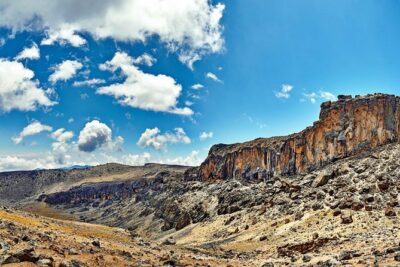
After Lava Tower, you descend to Barranco Camp at 3,960 meters. The change is welcome, but the day still lasts about eight hours. You get your first close look at the Barranco Wall, a broad and steep rock feature that can look more intimidating than it is.
The following morning takes you up the wall. The route is described as a straightforward hiking trail, but you still need to use your hands at points and move carefully if the trail is crowded. This is one place where an early start helps. Leaving camp early can reduce congestion and give you a calmer climb.
Day 4: Barranco Wall, Karanga Camp, and another high walk
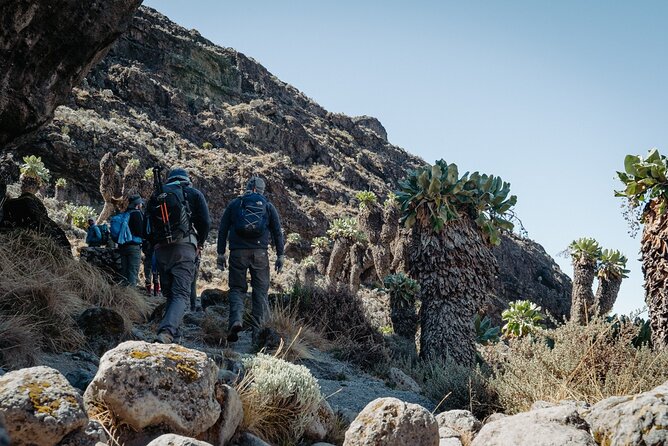
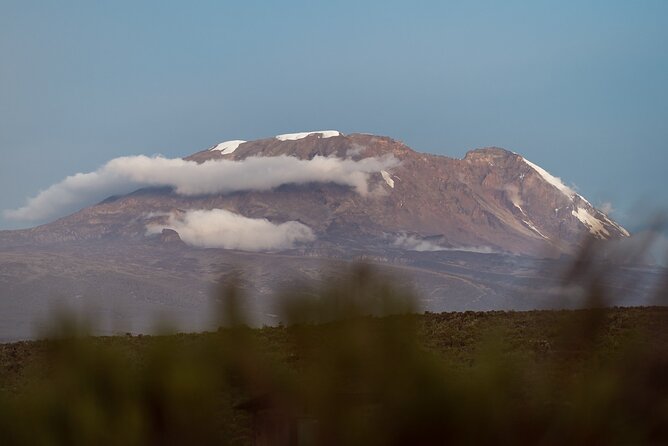
You start early with the Barranco Wall. The ascent takes about an hour, followed by a rest and time for photographs with Kibo, the main volcanic summit massif, in view.
The route to Karanga Camp at 4,035 meters then becomes a series of climbs and descents. This can be tiring because the trail does not simply rise in a straight line. Guides set the pace for the group, and that matters more than speed. A strong hiker who walks too quickly can create trouble for everyone later.
Warm lunch is served at Karanga. After resting, you take another acclimatization hike toward Barafu Camp before returning to sleep. Again, the design is deliberate: climb higher, return to your camp, and use the daylight to prepare for the summit push.
This is the point where the trip begins to feel serious. You are high, the scenery is more exposed, and the next camp will be the launch point for Uhuru Peak. Keep your evening routine simple. Organize your headlamp, water, warm layers, snacks, gloves, and summit clothing before trying to rest.
Day 5: Karanga to Barafu Summit Camp
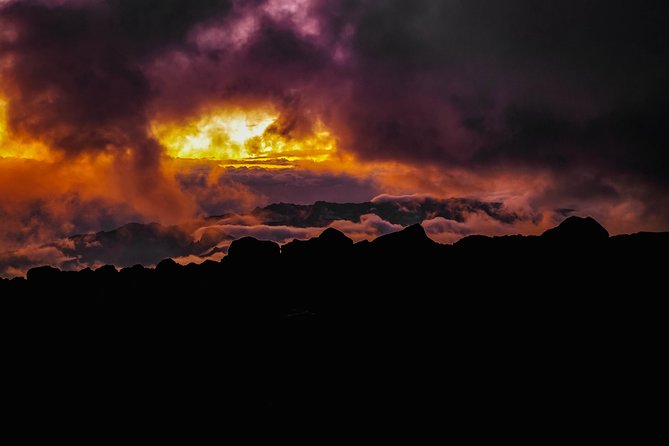
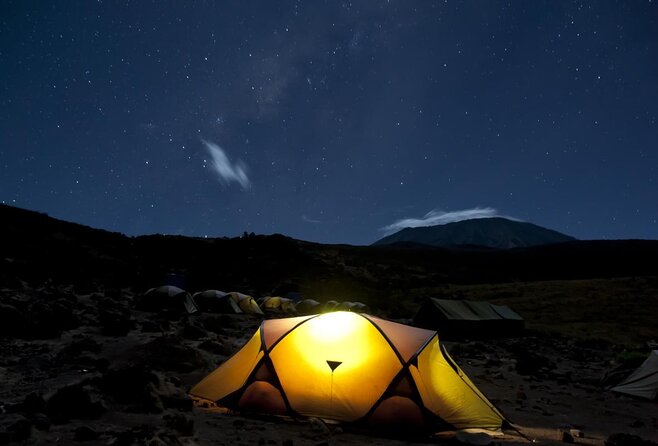
The walk from Karanga at 4,035 meters to Barafu at 4,640 meters takes about seven hours. Barafu means ice, and the camp marks the start of the night summit attempt.
The mountain crew sets up tents and sleeping bags ahead of your arrival. You are served dinner, then take an acclimatization hike toward Kosovo Summit Camp at about 4,800 meters before returning to Barafu.
That short extra outing may feel like an annoying chore when you would rather sleep. It is still one of the route’s useful features. Your body gets another controlled exposure to altitude, and you learn how you feel at nearly 4,800 meters.
Rest is the main task after dinner. Do not expect a normal night. The summit departure is at night, so your sleep may come in fragments. Keep your equipment arranged and make the most of whatever rest you can get.
Day 6: The Uhuru Peak summit attempt
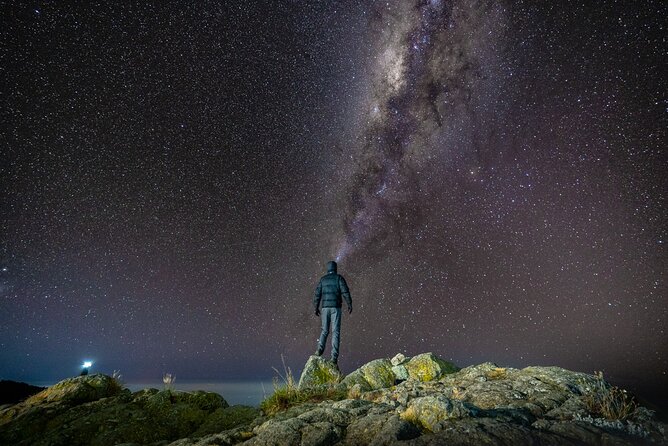
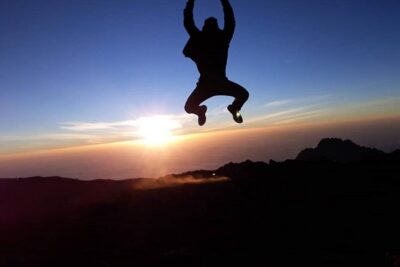
You leave Barafu at about 4,640 meters during the night and climb toward Uhuru Peak at 5,895 meters. The summit day lasts about 12 hours, including the climb, return to Barafu, rest, and continued descent to Millennium Camp.
Technically, the route is not described as complex. The high altitude is what makes it hard. You may be walking slowly, taking short steps, and stopping often. That is normal. Your guide’s job is to monitor your physical and mental condition, and each pair of climbers receives a personal guide for the ascent.
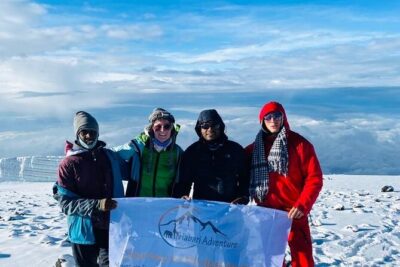
At Uhuru Peak, you have reached Africa’s highest point. If conditions and energy allow, you may descend to the nearest glacier, but this is optional. The summit itself is the main goal, and the mountain does not reward unnecessary exertion.
After returning to Barafu, you rest for about two hours before continuing to Millennium Camp at 3,820 meters. The descent deserves as much attention as the ascent. Fatigue, loose ground, and tired legs increase the chance of slips and falls. Watch your footing, use trekking poles if you have them, and do not let the excitement of success make you careless.
Oxygen tanks, oximeters, medical kits, and medical check-ups are included. These are useful safeguards, not guarantees. No equipment removes the need to follow your guide’s instructions or accept a retreat if altitude sickness becomes serious.
Day 7: Millennium Camp to Mweka Gate
After sleeping at 3,820 meters, you wake in rainforest and feel the psychological lift of being lower. Breakfast comes before the final descent to Mweka Gate at 1,640 meters.
The route covers about 12 kilometers and takes four to five hours. Compared with summit day, it is a gentler finish, though your knees and feet may disagree. Take care on the way down and keep drinking.
At the gate, the group gathers to mark the end of the climb. You can share comments in the company guestbook, receive a commemorative certificate at the office, and transfer back to the hotel. The certificate is a small thing, but after seven mountain days it feels well earned.
Food, tents, porters, and daily comfort
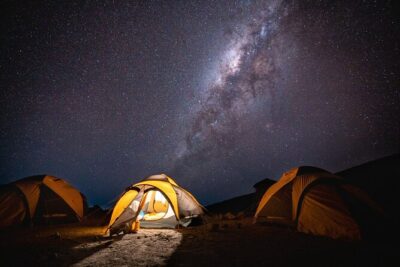
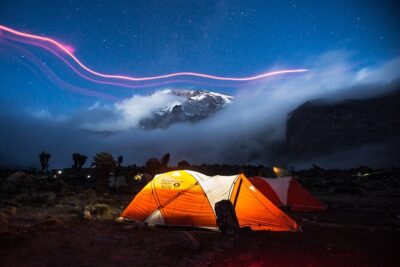
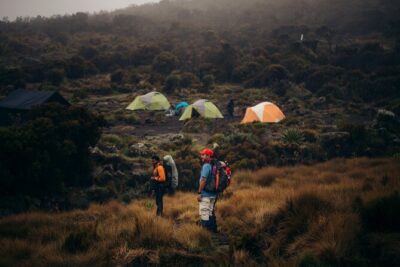
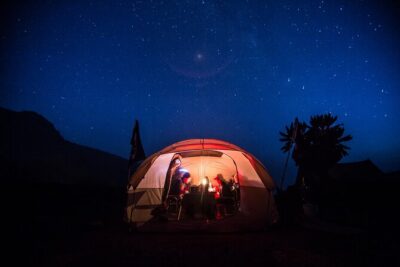
The camp setup is more organized than a basic self-supported trek. You sleep in North Face VE-25 tents, normally two hikers per tent. A dining tent comes with tables, chairs, crockery, and cutlery, and the crew provides sleeping pads.
Cooks prepare breakfast, lunch, and dinner on the mountain. Six lunches, eight breakfasts, and six dinners are included across the nine-day plan. Tea, coffee, juices, soda, and other drinks are also provided on Kilimanjaro.
Meal flexibility is a real advantage. Vegetarian, vegan, lactose-free, gluten-free, halal, and other plans can be arranged. Tell the company clearly when booking and repeat your needs at the briefing. Bring personal snacks you already know you can eat, since appetite can become unpredictable at altitude.
The porters carry the camp equipment, and camp masters and cooks handle the daily work behind the scenes. This support lets you concentrate on walking, but it also creates a responsibility: pack only what you need, respect porter welfare, and budget for tips based on your satisfaction.
Is $3,377 good value?
At $3,377 per person, this is not a budget hike. The price includes airport pickup and drop-off, all ground transport, two hotel nights, park fees, mountain tents, group equipment, meals, drinks, guides, porters, cooks, medical checks, oxygen, oximeters, and medical kits.
Those inclusions matter because Kilimanjaro costs can rise quickly once you add park charges, crew wages, camp equipment, hotel transfers, and food. Paying more for a well-supported climb may also be sensible when safety and organization are your main concerns.
You still need to pay for flights, a Tanzanian visa, personal hiking clothing, boots, and a sleeping bag. Most nationals pay $50 for the visa at JRO, while US passport holders pay $100. Travel insurance is strongly recommended and should cover mountain trekking. Tips are optional, and single hotel or tent accommodation costs extra.
The value is strongest if you want a managed expedition rather than a stripped-down trek. If you already own all your gear and are comparing only the mountain days, the price may feel high. If you want airport handling, hotel nights, meals, medical monitoring, and a full support crew in one package, the cost is easier to justify.
Who should book this Machame Route climb?
This trip suits you if you have moderate fitness and can handle long days of walking, steep sections, early starts, and one very demanding summit day. You do not need to be an expert climber, but you do need to train for sustained uphill and downhill walking.
It is a good choice for small private groups, families with adult children, charity teams, and solo climbers who want organized support. The activity is private, so only your own group participates, though the number of people in your group is not specified.
It is less suitable if you want a relaxed holiday with a little mountain walking added. The hotel nights are comfortable, but the central experience is a serious high-altitude trek. Rain is probable in the rainforest, and conditions can be less predictable during the rainy season, even though some departures may have quieter trails.
Free cancellation is available when you cancel at least 24 hours before the local start time. Changes or cancellations inside that window are not accepted for a refund.
Should you book it?
I would choose this climb if you want a carefully managed Kilimanjaro attempt with a strong focus on safety, food, acclimatization, and crew support. The Lava Tower stop, repeated acclimatization hikes, personal summit guides for each pair, and medical equipment all add practical value.
Before paying, confirm the current guide assignment, equipment rental costs, single-room supplement, porter tipping guidance, and exactly what your insurance must cover. You should also arrive with properly broken-in boots, reliable rain gear, warm summit layers, and realistic expectations.
Book this Machame Route experience if reaching Uhuru Peak matters more than keeping the trip cheap or easy. Skip it if you are not ready for a night ascent and a 12-hour summit day. Kilimanjaro is accessible to prepared hikers, but it is never casual.
FAQ
How long does the full experience last?
The full program lasts about nine days. It includes arrival and hotel transfer, seven days on the mountain, a post-climb hotel night, and airport transfer.
What is the starting point for the climb?
The climb begins at Machame Gate in Kilimanjaro National Park, at about 1,800 meters. Pickup and ground transportation from the hotel are included.
Is airport transportation included?
Yes. Pickup and drop-off at Kilimanjaro International Airport are included in the price.
Are park fees included?
Yes. All fees collected by Kilimanjaro National Park are included.
Are meals provided?
Mountain meals are provided, including eight breakfasts, six lunches, and six dinners. Drinks such as tea, coffee, juices, and soda are included on Kilimanjaro. Hotel lunch and dinner cost extra.
What is not included in the price?
International or domestic flights, the Tanzanian visa, personal hiking equipment, insurance, hotel lunch and dinner, crew tips, and single accommodation are not included. Personal equipment and gear can be hired for an additional cost.
Newly listed around Moshi & Kilimanjaro
- Climb Mount Kilimanjaro: 7 Days Machame Route★ 5.0 · 3 reviews
- 6 Days Mount Kilimanjaro Climbing via Rongai Route★ 5.0 · 3 reviews
- Explore 1 day Ngorongoro Crater Budget Group Safari from Arusha★ 5.0 · 3 reviews
- Mt. Kilimanjaro Day Hiking★ 5.0 · 3 reviews
- Chemka (Kikuletwa) Hot Springs, Tanzania★ 5.0 · 3 reviews
- Guided City tour of Moshi★ 4.3 · 3 reviews
- 8 Day Tanzania Family Safari★ 5.0 · 3 reviews
- Serengeti Safari with Sirikwa Travel★ 5.0 · 3 reviews
Kilimanjaro Climbs, compared.
Browse the lists this tour appears in