
Reviewed · KILIMANJARO CLIMBS
Climbing Kilimanjaro through 7 days Machame Route
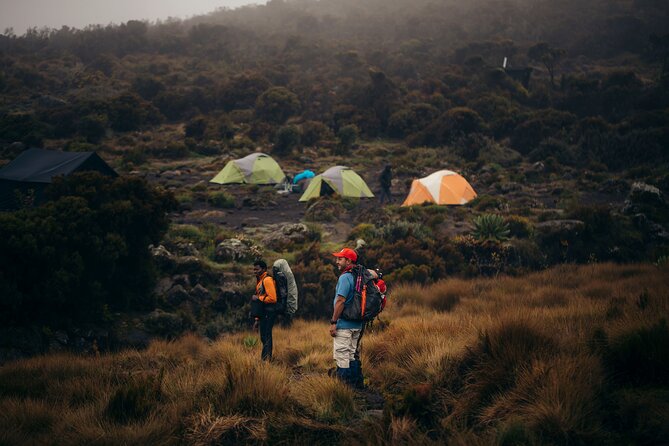
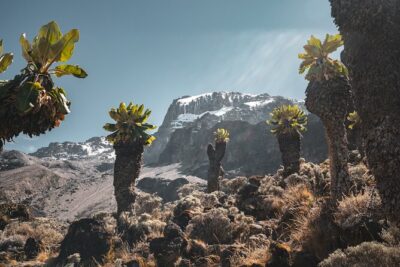
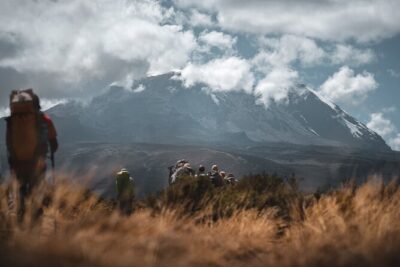
The best thing about this 7-day Machame Route climb is the changing scenery. You begin in rainforest, cross high volcanic ground, pass the Lava Tower and Barranco Wall, then reach the summit before descending by a different trail. It feels like a real mountain journey, not simply a long uphill walk.
I like the strong guide support, including daily health checks and emergency oxygen carried on the mountain. I also like that the price covers private transport, tents, a dining setup, three daily meals, porters, and a full mountain crew. The main consideration is the route’s physical demand. Machame is longer and steeper in places than Marangu, and seven days still gives you little room for a slow recovery if altitude affects you.
- Walk through several climate zones: Begin in rainforest, then move through high volcanic terrain toward Barafu Camp and the summit.
- Use the walk-high, sleep-low pattern: The route passes Lava Tower before Barranco, which supports acclimatization.
- Climb the Great Barranco Wall: This is one of the route’s most memorable physical sections.
- Rely on a full mountain crew: Guides, a chef, a waiter, and porters handle camp, meals, and support.
- Receive daily health checks: Guides monitor your condition and offer practical advice throughout the climb.
- Descend by Mweka: You return by a different trail instead of retracing the ascent.
Why the 7-day Machame Route works
Machame is often called the Whiskey Route, while Marangu is known as the Coca Cola Route. The nickname makes Machame sound like a technical climbing route, but that is not quite right. Its challenge comes from the longer distance, steeper stretches, camping, and high-altitude summit push.
For you, the key benefit is acclimatization. The route climbs toward Lava Tower, then drops toward Barranco Camp. That walk high, sleep low pattern gives your body a better chance to adjust than a simple steady climb would.
Seven days is important here. A shorter Machame itinerary may appeal because it costs less time, but it also gives you less time to adapt to altitude. The seven-day plan is still demanding, yet it allows a more measured progression before the final night and summit morning.
This is a private activity, so only your own group takes part. That can make a big difference on a mountain where pace matters. You are not forced to keep up with strangers, and the guides can pay closer attention to how you are moving and feeling.
What the $2,425 price covers
The listed price is $2,425 per person. That is a substantial amount, but it includes much more than a permit and a guide. The package covers private transportation, all fees and taxes, camping equipment, meals, and the mountain crew.
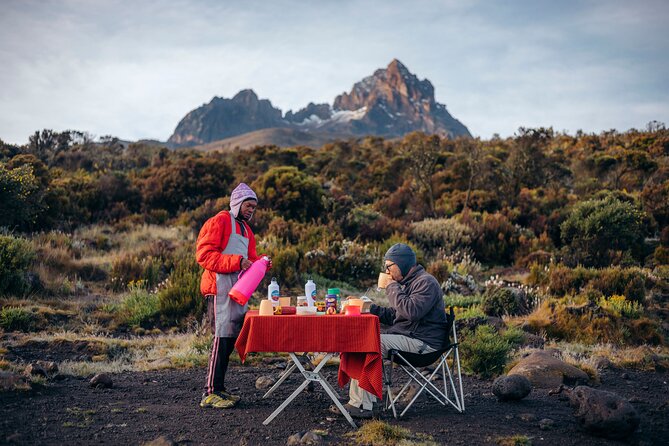
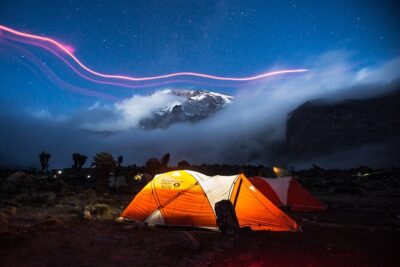
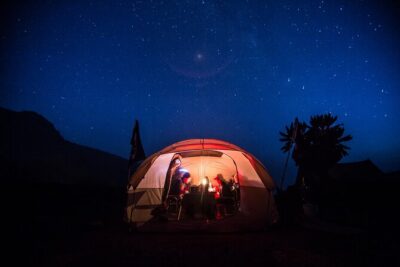
Your camp equipment includes private tents, a dining tent, tents for the crew, tables, chairs, mattresses, cutlery, and cooking utensils. That matters because a seven-day climb is not just a series of walks. Each evening requires a functioning camp, a place to eat, and a way to rest before the next day.
Breakfast, lunch, and dinner are provided on every mountain day. Coffee and tea are included as well. Freshly prepared food is one of the more valuable parts of this package, since you need regular meals during long days at altitude and do not have to organize food supplies yourself.
You also pay for the guides, chef, waiter, and porters through the package. The company says its guides have at least eight years of mountain experience and Wilderness First Responder certification. The team also carries an emergency oxygen cylinder.
The price does not include pre- or post-climb accommodation in Moshi. That can be arranged on request, but you should ask for the cost before booking. You will also want to confirm exactly what transport is included around your arrival and departure, since pickup is offered but the stated meeting point is the Moshi Leopard Hotel.
More Kilimanjaro routes:
- Kilimanjaro climb by Lemosho Route (7-day)
★ 5.0 · 651 reviews - Kilimanjaro climb, Machame Route (7-day)
★ 5.0 · 262 reviews - Kilimanjaro Climbing Lemosho Route 8 Days.
★ 5.0 · 186 reviews
Day 1: Machame Gate and the rainforest
The climb begins at Machame Gate, listed at about 1,800 meters. From there, the route approaches Kilimanjaro from the southwest and enters the rainforest.
This first section gives you a clear sense of the mountain’s scale. The forest is not just a warm-up backdrop. It is the first major ecological zone, with dense plant life and a very different feel from the open slopes higher up.
Your guide can add useful context about Kilimanjaro’s flora and fauna. That is one of the advantages of using a team familiar with the mountain’s natural environment rather than treating the route as a simple fitness challenge.
The first day is also a lesson in pace. You need to get used to the slow rhythm of high-altitude trekking from the start. Guides on this route repeatedly stress moving slowly, and the local phrase pole pole is likely to become part of your daily vocabulary.
The provided information does not list the exact camp names, walking distance, or elevation gain for each day, so confirm those details before departure. Ask also how long you should expect to walk on day one and what time the group leaves Machame Gate.
Day 2 and the approach to Shira Camp
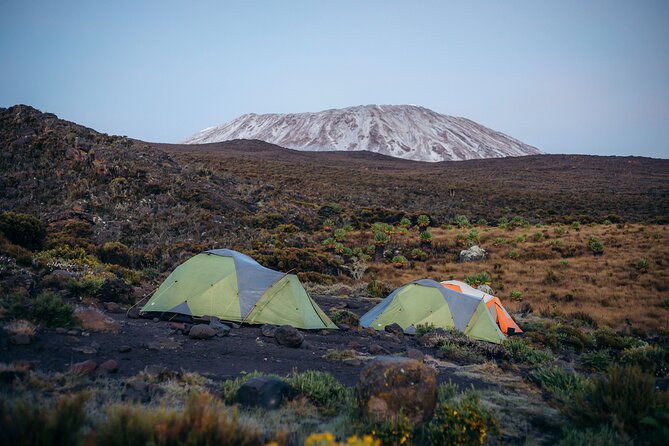
After the rainforest, the route continues upward toward Shira Camp. The surroundings open up as you leave the lower forest zone behind and gain a broader view of Kilimanjaro’s upper slopes.
Shira is an important point on the route because the Lemosho Route joins from the west. That gives this section a wider sense of Kilimanjaro’s network of routes, even though your own climb began at Machame Gate.
You will already be sleeping at a much higher altitude than where you started. The climb may feel manageable at this stage, which is exactly why you should take the health checks seriously. Altitude problems can develop gradually, and a strong first day does not guarantee an easy summit push.
Fresh meals and a proper dining tent make evenings more organized. You can eat, drink coffee or tea, discuss the next day with the guide, and focus on recovery rather than camp chores.
Lava Tower, Barranco, and the value of a slower route
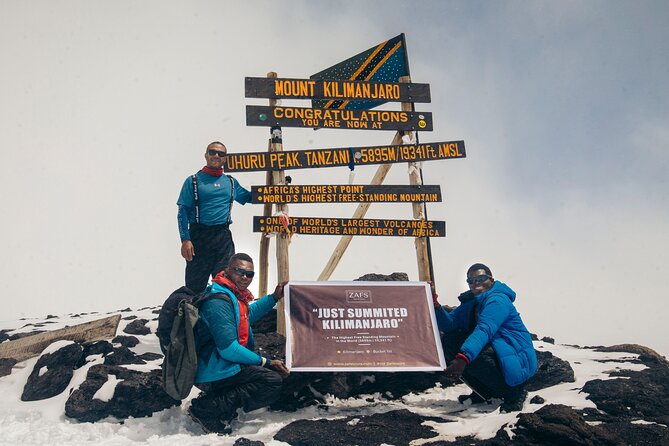
One of the most useful parts of the Machame itinerary is the traverse toward Lava Tower before continuing to Barranco. The route takes you high, then brings you down to sleep lower.
This section can feel strange. You may climb toward a high point and then lose some elevation instead of heading directly to the next camp. That is not wasted effort. It is a deliberate part of the route’s acclimatization design.
Barranco is also where the mountain becomes more dramatic. The Great Barranco Wall rises ahead, creating one of the clearest physical landmarks of the entire climb. You do not need technical climbing skills for the route as described, but the wall is steeper and more demanding than the gentler trail sections.
I would treat this day as a test of patience, not speed. Keep your hands free, follow the guide’s instructions, and avoid spending energy trying to rush through a section that is meant to be taken carefully.
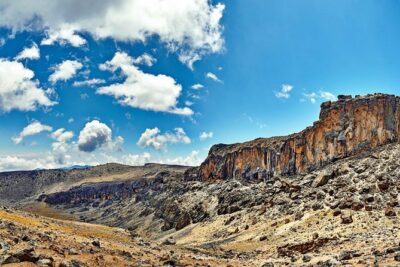
The route’s changing terrain is a major reason to choose Machame. You get rainforest, open high ground, volcanic features, a steep wall, and summit terrain in one continuous trip. The cost is that your legs and lungs have to deal with more variation than they would on an easier-feeling route.
More week long trips in Moshi & Kilimanjaro:
- 7 Days Kilimanjaro via Machame route affordable price
★ 5.0 · 110 reviews - Private Kilimanjaro Hike 7 Day Lemosho Route
★ 5.0 · 60 reviews - 7-Day Magical Tanzania Safari -Premium High End Package
★ 5.0 · 53 reviews - 7 Days Machame route – Kilimanjaro
★ 5.0 · 45 reviews
From Barranco Wall to Barafu Camp
After Barranco, the route continues across the southern side of Kilimanjaro toward Barafu Camp. This is the high camp used before the summit attempt.
The approach to Barafu is a serious stage of the climb. You have already spent several days walking uphill and sleeping at altitude, and the route continues to feel more exposed and demanding. Your guide’s job becomes more than navigation. The guide also controls the pace, checks your condition, and helps decide when you need food, water, or rest.
The company says health checks take place every day. Use them honestly. Do not hide a headache, nausea, unusual tiredness, or breathing trouble because you are worried about slowing the group. The purpose of the checks is to help the guide make safe decisions before a problem becomes severe.
At Barafu, rest becomes your main task. The final summit effort is not simply another walking day. You need to conserve energy, follow the guide’s instructions, and prepare mentally for a long, difficult push.
The exact summit departure time is not provided. Ask about it before you start, since the meeting information gives a start time of 12:00 am but does not explain whether that refers to the summit departure or the overall activity start. That detail should be clear in your final confirmation.
Summit day: the hardest part of the climb
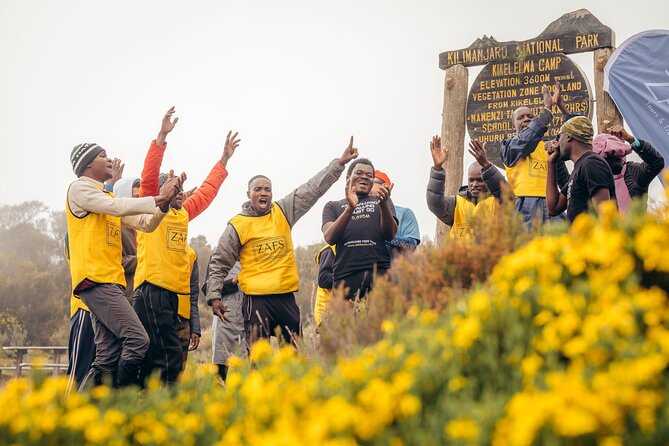
The summit attempt is the point where the route’s length and altitude catch up with you. You may feel tired before you even begin, which is why the slow pace and careful preparation matter so much.
Guides from this operator, including names associated with its Kilimanjaro team such as Alex, Gabriel, Musa, Mushi, and Farooq, are repeatedly described as supportive, motivating, and attentive to individual pace. You should still confirm who will lead your specific group, since the assigned team can vary.
The company says its guides have climbed the mountain many times and that some members of the wider team have been on Kilimanjaro more than 100 times. That experience is useful when conditions change or someone in the group struggles, but no guide can remove the physical effects of altitude.
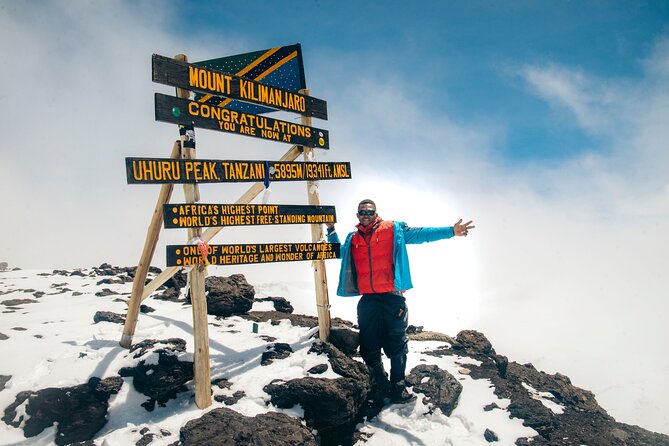
Emergency oxygen is carried on every climb. It is reassuring equipment, but it should not make you treat the summit as guaranteed. Oxygen is a safety measure, not a substitute for good acclimatization or a medical decision to turn back when necessary.
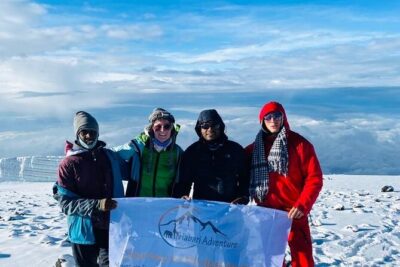
The most useful support may be the simple kind: a steady pace, regular checks, warm encouragement, and clear advice. Several people who completed the climb with this team credit the guides and crew with helping them reach the summit. That tells you where much of the package’s practical value lies.
Descending by the Mweka Trail
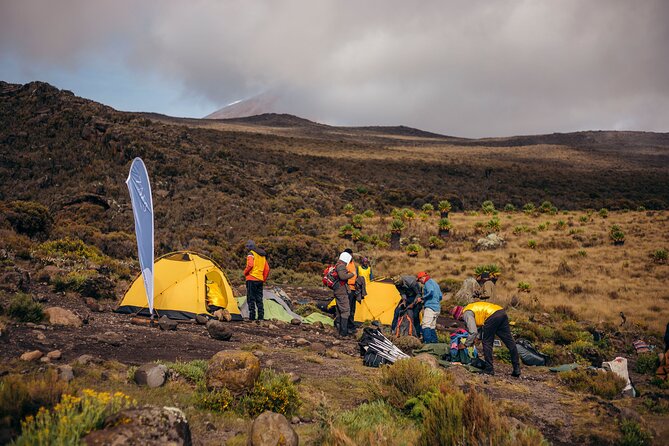
After the summit, you descend by the Mweka Trail instead of returning along the ascent route. This is a welcome change when your legs are tired and you have already seen the upper sections from the other direction.
The descent also lets you experience another part of Kilimanjaro’s terrain. You do not simply reverse the same seven-day journey, and that makes the route feel more complete.
Do not underestimate the descent. Going downhill can be hard on tired knees and feet, particularly after the summit effort. Your pace may be faster than on the ascent, but you still need to follow the guide and pay attention to footing.
The information provided confirms that the activity ends back at the meeting point in Moshi. It does not specify the exact arrival time, so leave flexibility in your onward plans.
Food, tents, and the mountain crew
For many people, the camp setup determines how manageable a long climb feels. Here, the package includes private tents, a dining tent, mattresses, tables, chairs, and cooking equipment.
You are not expected to arrange your own meals on the mountain. A chef prepares breakfast, lunch, and dinner each day, with coffee and tea included. The food is described as fresh and nutritious, and several accounts praise the meals and the care taken with camp arrangements.
That support gives you more time to rest and prepare for the next stage. It also means the crew is doing demanding work behind the scenes, from carrying supplies to setting up camp and serving meals.
The package includes porters, but the information does not state the porter-to-climber ratio or the company’s baggage allowance. Ask about both. Also ask how tipping is handled, since no tipping guidance is included in the supplied details.
The people who make the climb possible
Your guide is the central figure, but the experience depends on the entire team. The package includes experienced guides, a chef, a waiter, and porters.
The strongest praise for this operator focuses on the staff’s care and encouragement. Specific names connected with the team include Alex, Gabriel, Mushi, Farooq, Musa, Danis, and Frank. You should not assume all of them will be on your climb, but their presence in the company’s wider guiding team gives you useful names to ask about when discussing your booking.
The guides are described as friendly and easy to talk to, while the crew is credited with keeping meals timely and camp arrangements in order. Some people also say the team helped them maintain their own pace rather than rushing them.
That point matters. A Kilimanjaro climb is not a race, and the right guide will balance summit ambition with safety. You should make your own health and comfort clear from the start so the team knows how best to support you.
Who should book this climb?
This route suits you if you want a full seven-day Kilimanjaro experience with varied scenery, camping, and strong logistical support. You need a moderate level of physical fitness and must be ready for long uphill days, uneven ground, cold conditions at higher elevations, and a demanding summit attempt.
It is a good fit for a private group that wants its own pace. It can also work for a solo person who is comfortable joining a group arranged by the operator, though the exact group format should be confirmed because the activity is described as private and limited to your own party.
This is not the best choice if you want a short, easy mountain holiday or prefer lodge accommodation. Pre- and post-climb accommodation in Moshi is not included, and the route itself uses tents.
The route also requires realistic expectations. A strong success rate does not mean every person reaches the summit. Your health, preparation, pace, and response to altitude all matter.
Booking details worth checking first
The meeting point is the Moshi Leopard Hotel on Market Street, Tanzania. Pickup is offered, but confirm the pickup arrangement and time rather than assuming it is automatic.
Confirmation is provided at booking. The stated start time is 12:00 am, which may relate to the summit phase or the activity’s system listing, so ask the operator to clarify the schedule for your specific date.
Free cancellation is available if you cancel at least 24 hours before the experience start time. Cancelling later, or making changes within 24 hours, does not qualify for a refund. If the minimum number of people is not reached and the operator cancels, you are offered another date, another experience, or a full refund.
Should you book the ZAFS Machame climb?
I would choose this climb if you value a well-supported seven-day route more than the lowest possible price. The package combines the scenic Machame trail with meals, tents, transport, porters, daily health checks, emergency oxygen, and an experienced mountain crew.
The strongest reasons to book are the route’s walk-high, sleep-low profile and the steady guide support. The main reasons to pause are the physical demands, the lack of included Moshi accommodation, and the need to clarify exact daily distances, summit timing, pickup details, porter allowances, and the assigned guide team.
Book it if you are prepared to move slowly, listen to your guides, and treat safety as more important than reaching the top at any cost. If that sounds like your kind of adventure, this seven-day Machame plan gives you a serious and well-organized way to take on Kilimanjaro.
FAQ
How long is the Kilimanjaro Machame Route experience?
The climb lasts approximately seven days.
Where does the climb begin?
The route begins at Machame Gate, at an altitude of about 1,800 meters.
Where is the meeting point?
The stated meeting point is Moshi Leopard Hotel on Market Street in Tanzania.
Is transportation included?
Private transportation is included, and pickup is offered. Confirm the exact pickup arrangement with ZAFS Tours before the climb.
What meals are included?
Breakfast, lunch, and dinner are provided each day on the mountain. Coffee and tea are also included.
Is camping equipment included?
Yes. The package includes private tents, a dining tent, crew tents, tables, chairs, mattresses, cutlery, and utensils.
Who is included in the mountain crew?
The package includes experienced guides, a chef, a waiter, and porters. The company says its guides have at least eight years of experience and Wilderness First Responder certification.
Is accommodation in Moshi included?
No. Pre- and post-climb accommodation in Moshi is not included, but it is available on request.
What is the cancellation policy?
You can cancel for a full refund up to 24 hours before the experience start time. Cancellations or changes made less than 24 hours before the start are not accepted for a refund.
Newly listed around Moshi & Kilimanjaro
- Climb Mount Kilimanjaro: 7 Days Machame Route★ 5.0 · 3 reviews
- 6 Days Mount Kilimanjaro Climbing via Rongai Route★ 5.0 · 3 reviews
- Explore 1 day Ngorongoro Crater Budget Group Safari from Arusha★ 5.0 · 3 reviews
- Mt. Kilimanjaro Day Hiking★ 5.0 · 3 reviews
- Chemka (Kikuletwa) Hot Springs, Tanzania★ 5.0 · 3 reviews
- Guided City tour of Moshi★ 4.3 · 3 reviews
- 8 Day Tanzania Family Safari★ 5.0 · 3 reviews
- Rongai Route 7 Days★ 5.0 · 3 reviews
Kilimanjaro Climbs, compared.
Browse the lists this tour appears in