
Reviewed · KILIMANJARO CLIMBS
7 Days Kilimanjaro via Machame route affordable price
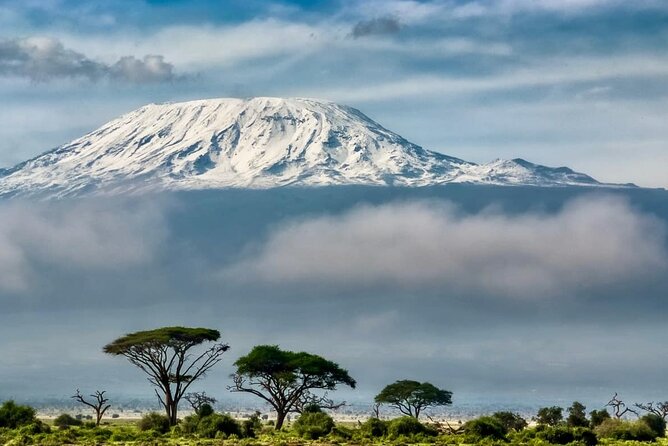
Kilimanjaro’s Machame Route gives you the mountain in changing chapters: wet rainforest, open highland, volcanic rock, glaciers, and a sunrise summit at 19,341 feet. You climb slowly, sleep in camps, and let the crew handle permits, meals, tents, and the return drive to Moshi.
I like the built-in acclimatization day around Lava Tower and Barranco, even though it looks odd on paper to gain little net height. I also like the private format, plus the practical support of airport transfers, a lodge night, and camping equipment. The catch is that summit night is hard, cold, and sleep-deprived, and this six-day hiking schedule is less forgiving than a longer route.
Key points to know before booking
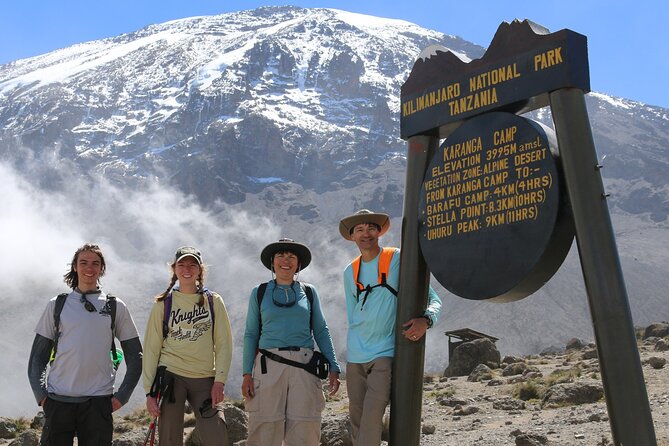
- The route changes character daily: Expect rainforest on day one, the Shira Plateau on day two, Lava Tower and Barranco on day three, then the Barranco Wall and Barafu Camp.
- Summit morning starts around midnight to 2 a.m.: You reach Stella Point for sunrise, then continue around the crater rim to Uhuru Peak.
- Private means your group alone takes part: This is useful if you want your own pace and direct contact with your guide.
- Chief’s Tours provides the mountain basics: Park fees, camping gear, meals, crew wages, oxygen, gate transfers, and private transport are included.
- The $2,400 price covers a lot: It is not just a guiding fee, since food, permits, transfers, camping, and a Moshi lodge night are part of the package.
- Budget for extras: Tips, visa costs, insurance, personal spending, and rented climbing gear are not included.
Why the Machame Route earns its reputation
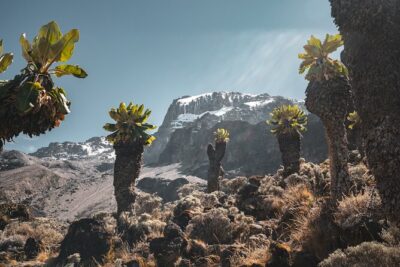
Machame is often called the scenic route because it does not simply march uphill and back down the same corridor. You cross different sides of the mountain, gaining broad views and useful height exposure before returning to sleep lower at Barranco.
That route design matters. Altitude is the main challenge on Kilimanjaro, not technical climbing. You do not need ropes or rock-climbing skills for this itinerary, but you do need to walk for several hours on rough, steep, and sometimes slippery ground.
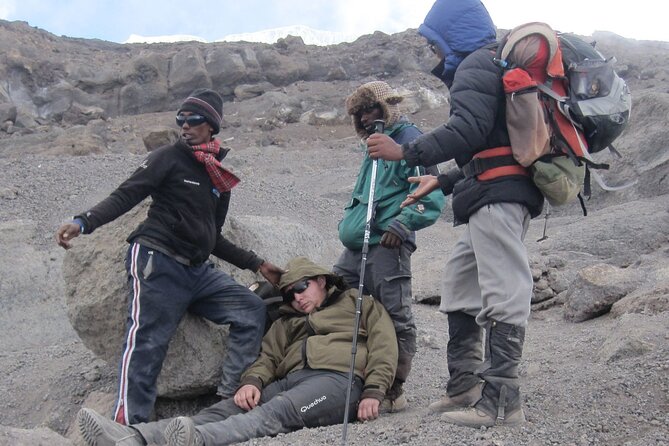
The schedule includes a key acclimatization pattern: climb high toward Lava Tower, then descend to Barranco Camp. You reach about 15,250 feet at the tower before sleeping at roughly 13,077 feet. That can make the next stages more manageable, though no schedule removes the risk of altitude sickness.
This is a private tour, so only your own group participates. I like that arrangement for couples, families, or friends who want decisions handled around their condition rather than a large mixed group. It also means the price is tied to your party size and should be confirmed carefully before you book.
More Kilimanjaro routes:
- Kilimanjaro climb by Lemosho Route (7-day)
★ 5.0 · 651 reviews - Kilimanjaro climb, Machame Route (7-day)
★ 5.0 · 262 reviews - Kilimanjaro Climbing Lemosho Route 8 Days.
★ 5.0 · 186 reviews
Day one, Moshi to the rainforest gate
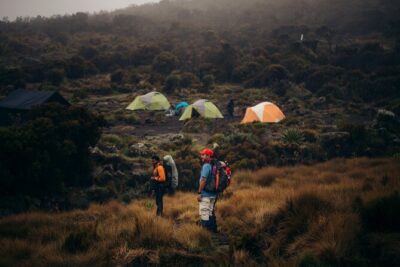
The morning begins with pickup from your Moshi hotel and a drive of about 45 minutes through Machame village to Kilimanjaro National Park Gate. The gate is more than a formality. Permits must be issued, supplies organized, and the mountain crew assembled, so you may spend time watching the practical machinery of a major trek get underway.
Once walking begins, the trail enters rainforest. The route climbs from about 5,942 feet to 9,911 feet, with roughly 1,210 meters of gain. The stated walking time is around six hours, though your pace and gate formalities can affect the day.
This is a pleasant opening, but do not underestimate it. Lower sections can be muddy and slippery, especially where rain collects on the trail. Gaiters and trekking poles are genuinely useful here, not decorative extras for photographs.
Your guide points out local plants, wildlife, and forest features as you walk. You should expect a gradual introduction rather than a dramatic summit push. The best approach is to keep your pace easy, drink regularly, and avoid burning energy simply because you feel strong at low altitude.
Day two, leaving the trees for Shira
After breakfast, the forest gives way to more open ground. You climb from about 9,911 feet to 12,595 feet, gaining approximately 818 meters over around four hours.
The route crosses a valley and follows a steep, rocky ridge before turning west toward a river gorge. Shira Camp is the night’s destination, and temperatures begin to drop as the trees disappear.
This is where the trip starts to feel like a high-altitude trek rather than a forest hike. You have less shelter from wind and weather, and the air feels thinner. Pack a warm layer where you can reach it quickly. Do not wait until camp to discover that your cold-weather clothing is buried in a duffel.
The shorter walking time can be welcome, but the altitude gain is still noticeable. If you feel headache, nausea, unusual tiredness, or difficulty walking normally, tell your guide early. A private group helps here because your guide can focus closely on your condition.
Day three, Lava Tower and the Barranco descent
Day three is one of the most valuable days in the schedule. You begin near 12,595 feet and finish around 13,077 feet, but you climb much higher during the day.
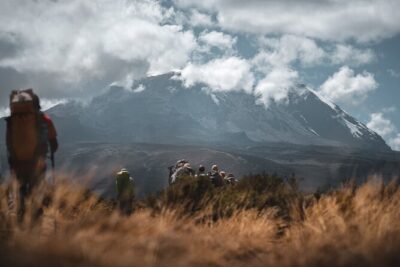
From the Shira Plateau, the trail heads east along a ridge toward Kibo, Kilimanjaro’s highest cone. You then turn southeast toward Lava Tower, also called Shark’s Tooth, at about 15,250 feet. After the tower, the route descends to Barranco Camp.
The walking time is about six hours. The day’s net gain is modest, only about 147 meters, but the high point gives your body more exposure to altitude. This is the classic climb-high, sleep-lower pattern, and it is one reason a route with this shape can be preferable to a rushed ascent.
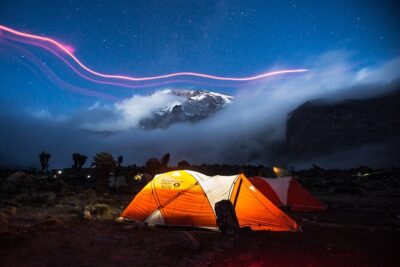
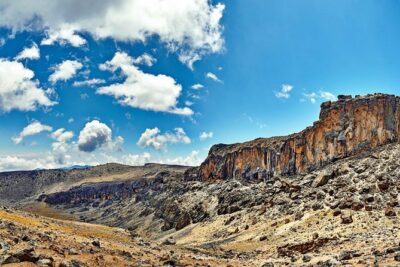
The descent to Barranco is not a wasted section. It brings you into a striking volcanic setting, with the Barranco Wall looming over camp. You may feel tired by the time you arrive, but this is also one of the most memorable evenings because the next morning’s route is visible from the tents.
More week long trips in Moshi & Kilimanjaro:
- Climbing Kilimanjaro through 7 days Machame Route
★ 5.0 · 151 reviews - Private Kilimanjaro Hike 7 Day Lemosho Route
★ 5.0 · 60 reviews - 7-Day Magical Tanzania Safari -Premium High End Package
★ 5.0 · 53 reviews - 7 Days Machame route – Kilimanjaro
★ 5.0 · 45 reviews
Day four, the Barranco Wall and Barafu Camp
After breakfast, you tackle the Barranco Wall. The word wall sounds alarming, but the itinerary describes it as an adventurous steep ridge rather than a technical climbing pitch. You use your hands at points and move carefully over rock while the crew carries equipment along the route.
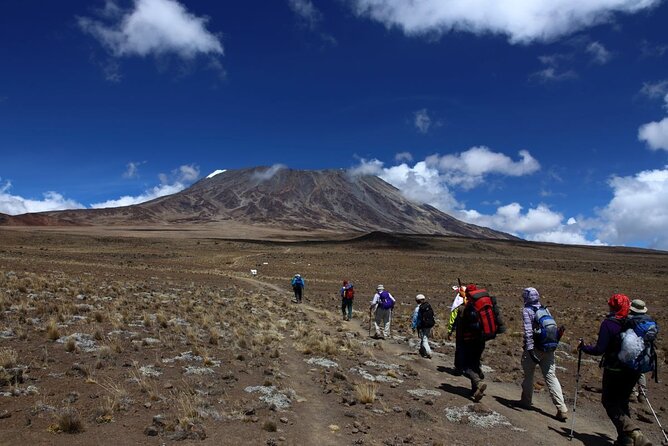
The day continues through the Karanga Valley and toward the junction with the Mweka Trail. You climb from about 13,077 feet to intermediate elevations and then reach Barafu Camp at roughly 15,295 feet. The walking time is listed at about six hours.
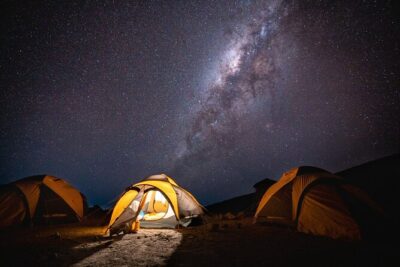
This is a demanding day because it combines a steep start with preparation for summit night. Barafu means ice, and the camp is exposed, high, and cold. The schedule calls for an early dinner and rest, but do not expect a normal night of sleep. You will likely be settling in with your summit clothing, water, headlamp, and snacks before trying to rest.
Barafu marks the completion of the South Circuit, which offers views of the summit from several directions. It is a useful place to take stock. Check your gloves, layers, poles, and headlamp before darkness. Any small gear problem feels much larger at 2 a.m.
Day five, Uhuru Peak at 19,341 feet
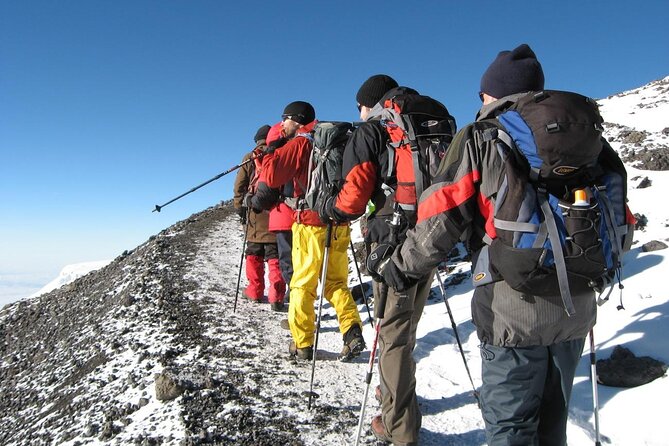
Summit night begins between midnight and 2 a.m. This is the trip’s toughest section, both physically and mentally. You leave Barafu at about 15,295 feet and climb through scree between the Rebmann and Ratzel glaciers.
The route uses switchbacks toward Stella Point on the crater rim. The surface is loose, so patience matters. Short steps, a steady rhythm, and the guide’s pace are more useful than speed. The cold and lack of sleep can make the climb feel longer than the mileage suggests.
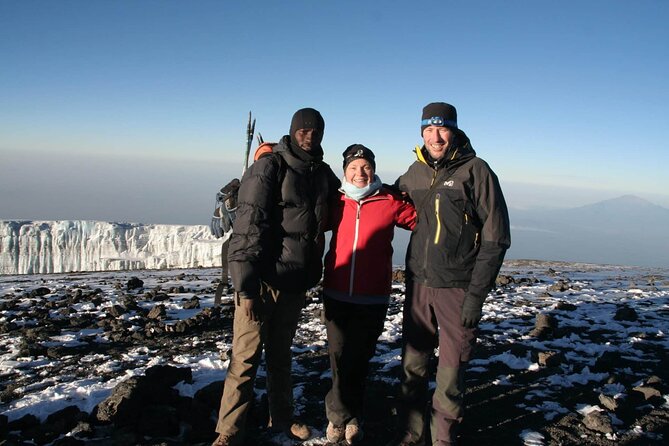
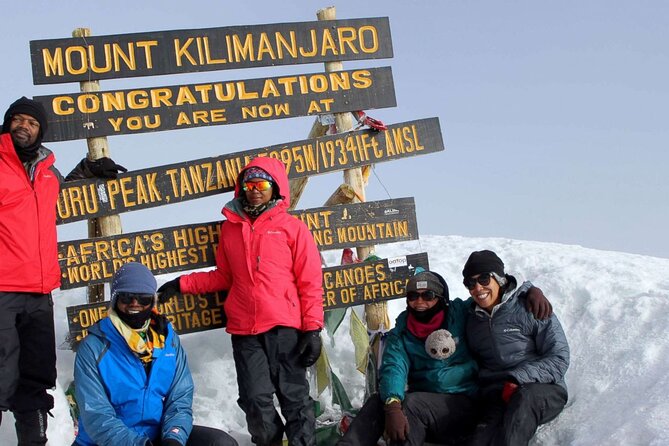
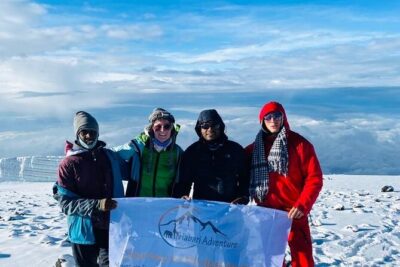
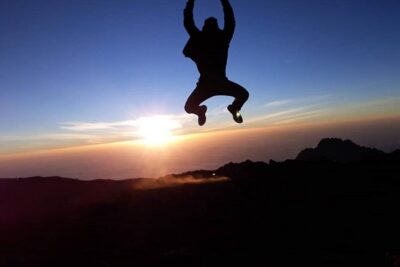
At Stella Point, you may pause for sunrise. This is one of the great rewards of the route, but the stop can be brief because you still have to continue around the crater rim to Uhuru Peak. The summit stands at 19,341 feet, and the itinerary lists an altitude gain of about 1,233 meters from Barafu.
The summit itself is a dormant volcanic high point, not a technical climbing objective. Still, high altitude can affect even fit people. The inclusion of an oxygen cylinder is reassuring, but oxygen is not a substitute for medical judgment or a proper response to altitude symptoms.
After Uhuru Peak, you descend to Barafu and continue to a lower camp around 10,190 feet. The total descent is roughly 2,789 meters. That is a very long day, and the downhill portion can be hard on knees and feet after the summit effort.
Do not judge your success by how quickly you return. The summit is the achievement, but a controlled descent is part of completing the mountain safely.
Day six, Mweka Gate and a hot shower in Moshi
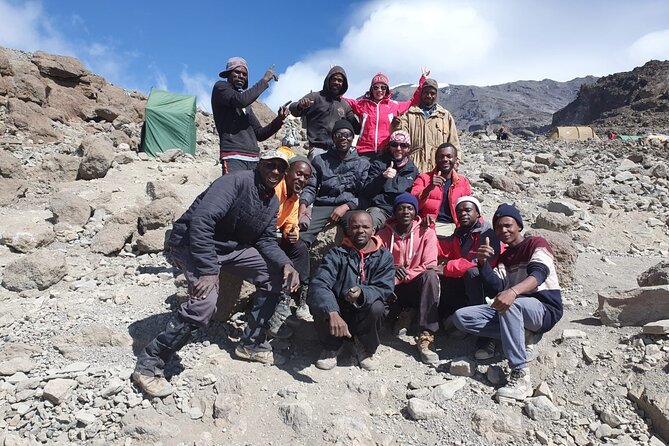
After breakfast, you have a team appreciation and bonding ceremony before saying goodbye to the mountain crew. You then descend from about 10,190 feet to Mweka Park Gate at roughly 5,358 feet.
The walk is listed at about three hours, but wet, muddy, steep ground can slow you down. The lower trail may feel warmer and heavier underfoot than the high route. Keep gaiters and trekking poles available for the descent, even if you packed them away after the rainforest.
At the gate, you receive your summit certificates. A vehicle meets you at Mweka village for the approximately 30-minute drive back to Moshi. The package includes an overnight at Kilele Lodge with bed and breakfast before you continue home, on safari, or to Zanzibar.
That lodge night is a small but meaningful part of the price. After several nights camping, a shower, a proper bed, dinner, and time to celebrate can change the final impression of the trip.
What the $2,400 price includes
At $2,400 per person, this is a substantial purchase, but the comparison should be made against what is included rather than against a bare guiding quote.
The package covers private transportation, park fees and taxes, a professional guide, camping equipment, gate transfers, meals, airport transfers, and an oxygen cylinder. You receive five breakfasts, six lunches, and six dinners according to the listed inclusions. The itinerary also includes the Moshi lodge night after the descent.
The price also states that crew wages are fair and sustainable. That matters on Kilimanjaro, where the size and treatment of the support team can shape both the experience and the ethics of the trek. You should still ask for a clear tipping guideline before arrival, since tips are not included.
You must pay separately for personal expenses, visa fees, international travel insurance, and any climbing gear you rent. The supplied equipment provision may cover camping needs, but it does not automatically mean every jacket, boot, sleeping item, or technical accessory is included. Ask for the exact equipment list.
Past arrangements described by the company include airport pickups at very early hours and help supplying gear for people who arrived without a complete kit. That suggests useful flexibility, but confirm rental prices and availability in writing.
Guides, crew, and the private format
The company has used guides including Washington and Nicholas on Kilimanjaro trips. Washington is described as having reached the summit nearly 200 times, which is the sort of field experience you want when weather, altitude, and fatigue make judgment important. Guide assignments can change, so treat these names as examples rather than a promise.
The strongest pattern in the available feedback is praise for communication, gear checks, food, airport transfers, and attentive mountain support. One solo female participant arranged a climb at very short notice, while another group needed help outfitting a member. Those details point to a company used to handling practical problems, not just selling a route.
Food is included throughout the trek, and several comments single it out as a strength. That is important because appetite often drops at altitude, while you still need calories for long walking days.
The private format should suit you if you value direct communication and a group made up only of your companions. It may be less attractive if you are a solo climber hoping to share costs with a larger party. Ask how the $2,400 rate changes for one person, a couple, or a larger private group.
Who should choose this climb
I would consider this route a good fit if you have moderate physical fitness and can prepare for consecutive days of walking. You should be comfortable with six-hour trekking days, steep rocky sections, muddy trails, cold nights, and a long summit push.
It is especially suitable for:
- Couples, friends, and families wanting a private climb
- Hikers who value scenery over the simplest route
- People who want meals, transfers, camping, and permits organized together
- Climbers who appreciate local guide support and a post-trek lodge night
- Budget-minded visitors who still want a full-service package
I would think twice if you want a relaxed ascent with generous recovery time. The itinerary is advertised as seven days, but the hiking schedule provided has six mountain days, so ask the operator to explain the full calendar, including arrival, lodge, and departure arrangements.
You also need insurance that covers high-altitude trekking and evacuation. That is not included, and it is not a sensible place to cut costs.
Booking details worth checking
Pickup is offered, mobile tickets are available, and confirmation is received at booking. The tour is near public transportation, though the main practical transfers are already arranged.
Free cancellation applies when you cancel at least 24 hours before the experience start time. Cancellations or changes made inside that window are not accepted for a refund, and the cut-off follows local Tanzanian time.
Before paying, ask four direct questions: Which guide is assigned? What exact gear is included? What is the recommended tip amount? How is the seven-day schedule counted when the mountain itinerary lists six hiking days?
The tour is commonly booked about 17 days ahead, but a climb of this scale deserves earlier planning if you need flights, visas, insurance, or rental equipment.
Should you book this Machame trek?
Book it if you want a scenic Kilimanjaro route with private guiding, included meals and transfers, and a package that handles most of the mountain logistics for $2,400. The strong points are the Machame scenery, the Lava Tower acclimatization pattern, the sunrise summit attempt, and the practical support from a locally run company.
Do not book it without clarifying the duration, equipment list, guide assignment, and tipping expectations. The six-day mountain schedule is intense, and summit success is never guaranteed simply because the route is well organized.
For a fit, prepared climber who wants a full-service private trek rather than a bare-bones arrangement, this looks like a solid-value choice. If your priority is the best possible altitude adjustment, ask about adding a day. On Kilimanjaro, extra time is usually worth more than a cheaper quote.
FAQ
How long is the Kilimanjaro experience?
The tour is presented as a seven-day experience, while the mountain itinerary lists six hiking days. Ask Chief’s Tours how the additional day is scheduled.
What route does the trek use?
The climb uses the Machame Route, known for moving through rainforest, the Shira Plateau, Lava Tower, Barranco, and Barafu before reaching Uhuru Peak.
How high is the summit?
Uhuru Peak is listed at 19,341 feet, or 5,895 meters.
Is the tour private?
Yes. Only your own group participates in this private tour or activity.
What meals are included?
The package includes six lunches, five breakfasts, and six dinners.
Are park fees included?
Yes. All fees and taxes are included in the package price.
Is transportation provided?
Yes. Private transportation, airport transfers, gate transfers, and pickup from your Moshi hotel are included.
Is camping equipment provided?
Kilimanjaro camping equipment is included. Personal climbing gear rental is not included, so ask for the exact equipment list and rental costs.
Do I need to be physically fit?
You should have a moderate physical fitness level. The route includes several walking days, steep rocky sections, muddy trails, and a difficult overnight summit attempt.
What is the cancellation policy?
You can receive a full refund if you cancel at least 24 hours before the experience start time. Cancellations or changes made less than 24 hours before the start are not refunded or accepted.
Newly listed around Moshi & Kilimanjaro
- Climb Mount Kilimanjaro: 7 Days Machame Route★ 5.0 · 3 reviews
- 6 Days Mount Kilimanjaro Climbing via Rongai Route★ 5.0 · 3 reviews
- Explore 1 day Ngorongoro Crater Budget Group Safari from Arusha★ 5.0 · 3 reviews
- Mt. Kilimanjaro Day Hiking★ 5.0 · 3 reviews
- Chemka (Kikuletwa) Hot Springs, Tanzania★ 5.0 · 3 reviews
- Guided City tour of Moshi★ 4.3 · 3 reviews
- 8 Day Tanzania Family Safari★ 5.0 · 3 reviews
- Serengeti Safari with Sirikwa Travel★ 5.0 · 3 reviews
Kilimanjaro Climbs, compared.
Browse the lists this tour appears in