
Reviewed · KILIMANJARO CLIMBS
Kilimanjaro climb, Marangu route (6-day)
Kilimanjaro’s Marangu Route gives you a rare mix of simple hut lodging and a full high-altitude climb. Over six hiking days, you move from humid rainforest to volcanic moorland, then to the cold, dry slopes beneath Uhuru Peak at 5,895 meters.
I like the built-in acclimatization walks around Horombo Hut, and I like that park fees, meals, porters, cooks, medical checks, and airport transfers are included. The main caution is the schedule: summit night and the following descent make Day 6 a very long, tiring push, while six days gives you less acclimatization time than longer routes.
Key points to know before booking
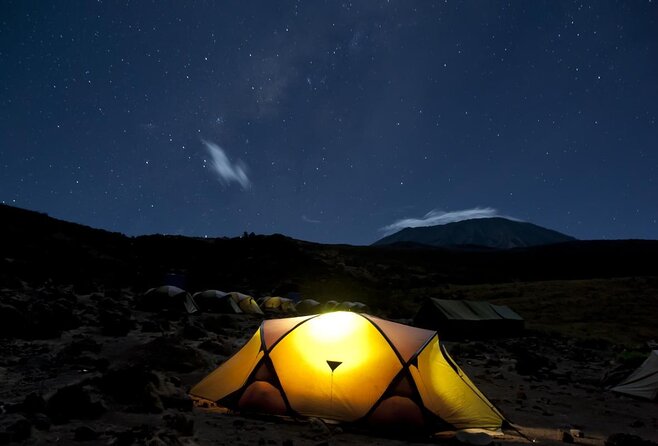
- Hut-based climbing: Sleep in shared mountain huts rather than tents, with 8 to 16 people per hut under park rules.
- A serious summit night: Leave Kibo Hut around midnight, climb to Uhuru Peak, rest briefly, then descend to Horombo Hut.
- Two useful acclimatization walks: Horombo includes hikes toward Kibo Hut, reaching about 4,500 meters before returning lower.
- Strong practical support: Certified Wilderness First Responder guides work with porters, cooks, oxygen, oximeters, and medical kits.
- A well-covered package: The $2,902 price includes park charges, food, drinks on the mountain, two hotel nights, transport, and group equipment.
- Ask about your guide team: Names connected with this operation include Rashid, Charles, Justin, Joseph, and Richard Chande, though your assigned guides are not guaranteed.
What six days on the Marangu Route really means
This is often called the Coca-Cola Route, a nickname tied to its popularity and hut accommodation. The route is not a soft walk, though. You still gain roughly 4,000 vertical meters, sleep at altitude, and face cold, wind, fatigue, and thin air near the summit.
The six hiking days run from Marangu Gate to Mandara Hut, Horombo Hut, Kibo Hut, Uhuru Peak, and back out through Marangu Gate. The first days are manageable for anyone with moderate fitness, but the summit attempt is a different matter. Altitude, not technical climbing, is the chief challenge.
You do not need rock-climbing skills for this route. You do need to walk for several hours on uneven ground, manage your pace, eat when you are not very hungry, and tell your guide quickly if you feel unwell.
The package is described as a private activity for your own group, while the climb itself uses group support and shared huts. Confirm the exact group arrangement before paying if you want a private climb rather than a shared departure.
More Kilimanjaro routes:
- Kilimanjaro climb by Lemosho Route (7-day)
★ 5.0 · 651 reviews - Kilimanjaro climb, Machame Route (7-day)
★ 5.0 · 262 reviews - Kilimanjaro Climbing Lemosho Route 8 Days.
★ 5.0 · 186 reviews
Arrival in Moshi and the first briefing
Your trip begins with pickup at Kilimanjaro International Airport, known by its code JRO. An Altezza Travel representative meets you and transfers you to Aishi Machame Hotel near the mountain foothills.
The hotel stay covers the basics: a room, hot water, Internet access, staff assistance, and a swimming pool. You receive breakfast during the hotel stay, but hotel lunch and dinner cost extra, with an average price of about $15 per person for either meal.
The evening briefing is important. This is when the team checks that you have the personal gear needed for the climb and explains how the mountain days will work. Use this meeting to ask about sleeping-bag hire, clothing, water, pace, tipping, and the planned summit schedule.
The next morning begins around 9:00 a.m. with a guide and mountain crew meeting you at the hotel. You then drive to Marangu Gate, at 1,860 meters, where permits are handled and climbers register with the park’s search and rescue service.
Day 2: Marangu Gate to Mandara Hut
The first hike covers about 8 kilometers and takes roughly 4 to 5 hours, though the full day is listed at around seven hours once gate procedures and camp arrangements are included. The route enters Kilimanjaro’s rainforest, where tropical showers are common.
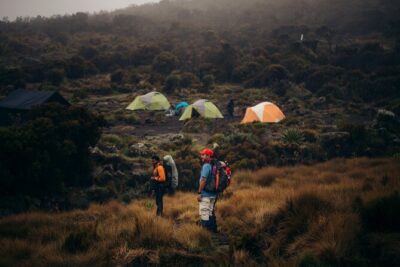
This is a pleasant introduction to the mountain. The forest is greener, warmer, and more sheltered than the upper slopes, but rain can turn the trail wet. Carry your rain jacket in your daypack, not buried inside luggage carried by a porter. Pack spare socks and a dry change of clothes as well.
Mandara Hut sits at about 2,700 meters. The support crew handles the camp basics and prepares dinner. Huts are shared, not private rooms, and the park rules allow roughly 8 to 16 people in each hut. That arrangement gives you a bed and shelter, but not silence or hotel-style privacy.
The first night is a good test of your routine. Keep your sleeping items dry, organize your headlamp and warm layers, and drink steadily. You want an easy system before the days become colder and longer.
Day 3: Mandara Hut to Horombo Hut
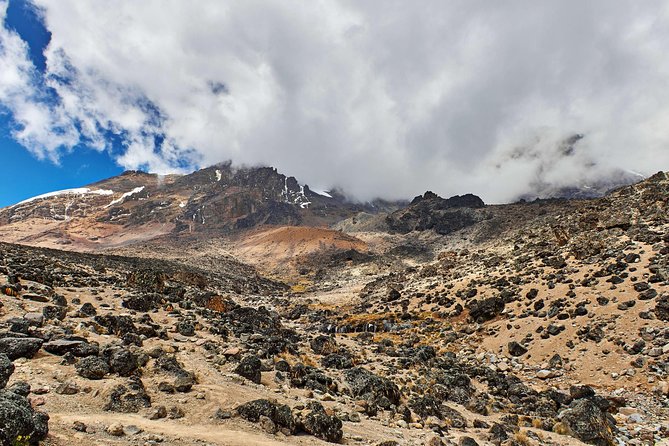
After breakfast, you walk toward Horombo Hut at 3,720 meters. The day takes about eight hours and brings a change in scenery as the forest gives way to open moorland and high volcanic terrain.
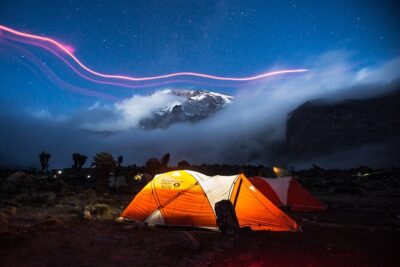
The reward is the view. From Horombo, you can see Kibo and Mawenzi, two of Kilimanjaro’s volcanic cones. Kibo is the broad summit massif you will approach next. Mawenzi has a sharper, more broken profile and makes the high camp feel far more dramatic.
After lunch, you take an acclimatization walk toward Kibo Hut, gaining about 200 meters before returning to Horombo. This is not wasted mileage. Walking higher and sleeping lower gives your body a useful chance to adjust.
Take the acclimatization hike seriously, but keep it easy. The point is not to prove fitness. Walk slowly, listen to your guide, and report headache, nausea, unusual fatigue, or breathing trouble. The crew provides medical checks, oximeters, oxygen tanks, and medical kits, but those tools do not replace honest communication from you.
More six day trips in Moshi & Kilimanjaro:
- Kilimanjaro climb, Lemosho Route (6-day)
★ 5.0 · 129 reviews - 6 Days 5 Night Safari
★ 5.0 · 57 reviews - 6 Days Tanzania Classic Safari
★ 5.0 · 52 reviews - The Best of Machame Route in 6 Days: Your World’s Summit Guide
★ 5.0 · 44 reviews
Day 4: The second acclimatization walk near Horombo
Day 4 is shorter, with a 3 to 4 hour hike covering about 5 to 8 kilometers. You again head toward Kibo Hut, reaching a destination point around 4,500 meters before returning to Horombo.
This is one of the best parts of the schedule. A six-day ascent is still compact, so the extra acclimatization day helps prepare you for sleeping at Kibo Hut and making the summit attempt soon afterward.
After lunch, you can rest, photograph Mawenzi, or sleep. Choose rest. The afternoon may feel too easy compared with the summit day ahead, but conserving energy is the smart move.
You will likely spend much of the day in the hut area rather than covering new ground. That can feel slow for an active person, yet the pause has real value. A climb can fail because of poor acclimatization, not lack of determination.
Day 5: Horombo Hut to Kibo Hut
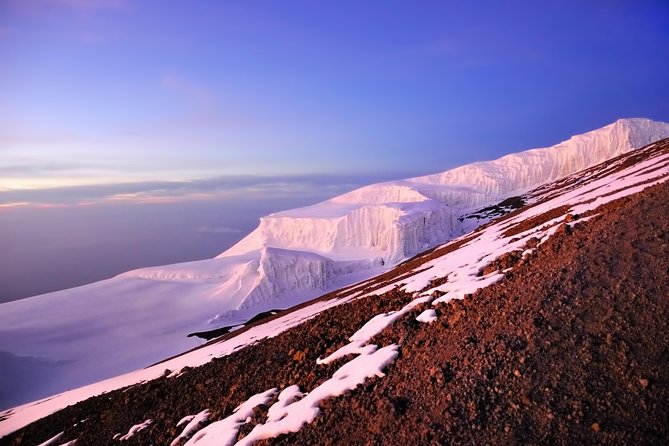
The walk to Kibo Hut gains about 980 meters, reaching 4,700 meters. The distance is around 10 kilometers, and the day can take 4 to 8 hours depending on pace and conditions.
The trail crosses increasingly bare high-altitude ground. Vegetation thins out, the air feels colder, and the broad volcanic setting becomes more exposed. There are no technical obstacles listed for this section, but the altitude makes ordinary walking feel harder.
Once you reach Kibo Hut, eat lunch and rest. The advice here is plain and useful: avoid strenuous activity, drink water, and sleep if you can. You may not sleep deeply at 4,700 meters, so do not panic if the night feels broken.
Prepare your summit clothes and daypack before lying down. Put your warmest layers, gloves, hat, headlamp, water, snacks, and rain protection where you can reach them. You do not want to sort through every bag at midnight.
Day 6: Kibo Hut to Uhuru Peak and Horombo Hut
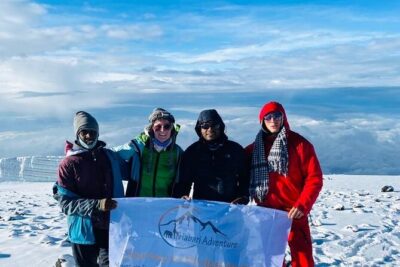
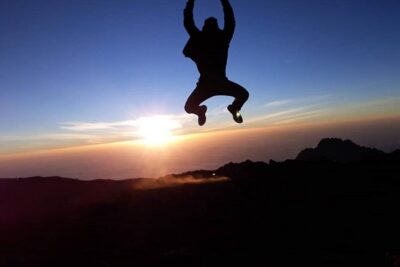
Summit day begins at night, usually around midnight according to the schedule. You climb from Kibo Hut at 4,700 meters to Uhuru Peak at 5,895 meters, then descend to Kibo for about two hours of rest before continuing to Horombo Hut.
The ascent is described as moderate physically, but that wording needs context. The altitude is severe, the air is cold, and the hours are long. A route that feels manageable on the lower mountain can become a slow mental test near the summit.
Each pair of climbers is accompanied by its own guide for the summit push. The guide monitors stamina and mental condition, sets a controlled pace, and helps decide how to respond if altitude symptoms appear. This close supervision is one of the strongest safety features of the package.
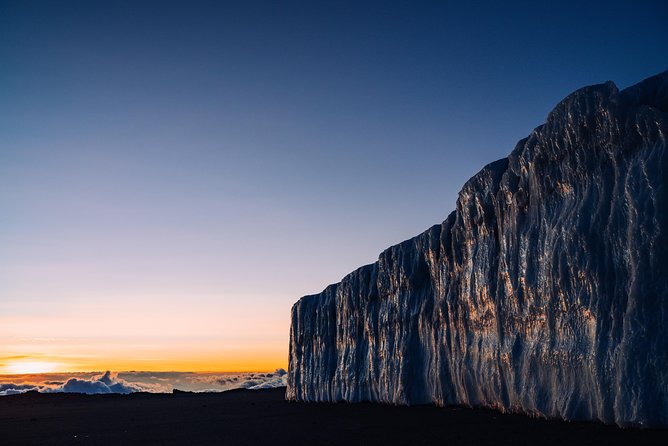
After Uhuru Peak, you can descend toward the nearest glacier if conditions and energy allow. Treat that as optional. The summit itself is the main objective, and the descent is not the time to spend precious strength on an extra detour.
The warning about accidents during descent deserves attention. Tired legs and loose volcanic ground create a poor combination. Use trekking poles if you have them, follow your guide’s pace, and keep drinking even when the excitement of reaching the top is wearing off.
The entire day is listed at about 12 hours. That is a serious endurance day, followed by another night at Horombo. You should expect little comfort at the end beyond food, shelter, and the satisfaction of being down from the highest section.
Day 7: Horombo Hut to Marangu Gate
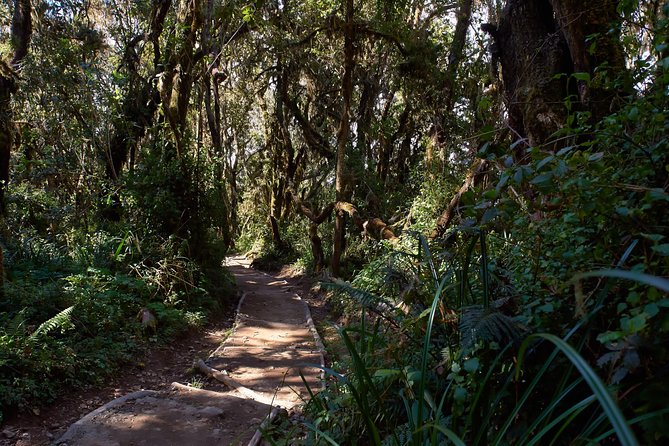
After breakfast, you descend all the way to Marangu Gate at 1,860 meters. The distance is about 18 kilometers, with a hiking time of 5 to 6 hours.
Your legs may prefer a shorter day, but descending through the forest is a clear improvement over the cold summit zone. The route retraces the lower section, so you get a second look at the rainforest from a different direction.
At the gate, the group gathers to celebrate, record opinions in a guestbook, and receive commemorative certificates at the company office. You then transfer back to the hotel.
This is also the right point to settle tips for the mountain crew. Tips are optional and based on your satisfaction, but you should budget for them before arriving. Porters and cooks are central to the experience, carrying equipment and preparing meals while you focus on the climb.
Day 8: Hotel rest and airport transfer
The last day is for rest at Aishi Machame Hotel and transfer to the airport. Hotel checkout is at 11:00 a.m. If you have an evening flight, a late checkout can be arranged for an extra fee.
The package includes airport pickup and drop-off, but it does not include your international or domestic air ticket. It also does not include the Tanzanian visa, which is available at JRO for $50 for most nationalities and $100 for United States passport holders.
Food, huts, and mountain support
Three meals a day are provided on the mountain, with breakfast, lunch, and dinner included on the listed climbing days. The menu is described as energy-rich, with several choices at each meal, plus tea, coffee, juice, soda, and similar drinks.
Dietary planning is unusually broad. Vegetarian, vegan, lactose-free, gluten-free, halal, and other meal plans can be arranged. Tell the operator before arrival, then repeat your needs at the briefing so the kitchen team has clear instructions.
The huts are a practical advantage over tent camping. You do not need to help pitch a sleeping tent, and you have a fixed shelter each night. The tradeoff is shared sleeping space, basic conditions, and less privacy. Bring earplugs if you are sensitive to hut noise.
The company supplies sleeping mats, chairs, crockery, cutlery, and other group equipment. You still need personal clothing, hiking boots, a sleeping bag, and your own daypack. Personal gear can be hired, but the supplied information does not give rental prices, so ask for those before booking.
Is the $2,902 price fair?
At $2,902 per person, this is not a budget walk. It is a fairly complete climbing package, though. The price covers two hotel nights, all ground transport, airport transfers, national park fees, hut accommodation, food, mountain drinks, group equipment, professional guides, porters, cooks, medical checks, oxygen, oximeters, and medical kits.
Park fees alone can make a Kilimanjaro package expensive, and the support crew adds real value. You are not simply paying for a person to point toward the summit. The operation handles food, equipment, permits, transport, hut logistics, and health monitoring across eight calendar days.
Still, add the costs that remain outside the headline price:
- Flights to Tanzania
- Visa fees
- Personal clothing, boots, and sleeping bag
- Hotel lunch and dinner
- Travel insurance covering mountain trekking
- Optional crew tips
- Single hotel accommodation
The value is best for you if you want a managed climb with a broad support system and do not want to arrange every detail separately. If you already own all equipment and can organize permits, transfers, food, and a qualified crew at a lower rate, you may find cheaper options. Compare what each company includes, not just the advertised price.
Who should choose this climb?
This route suits you if you have moderate physical fitness, want hut accommodation, and prefer a clear support structure. It can also work well for families or milestone trips, provided every participant understands that summit night is demanding and that the pace must remain slow.
The route is less suitable if you want solitude. Marangu is popular, and hut sleeping means sharing space. It is also a poor fit if you dislike fixed schedules, long descents, or high-altitude cold.
Past climbing parties have used guides named Rashid, Charles, Justin, Joseph, and Richard Chande, with especially strong attention given to encouragement, safety, food, and communication. Ask if any of these guides are available, but do not assume a particular person will lead your group.
Book travel insurance that specifically covers mountain trekking. Free cancellation is available up to 24 hours before the experience starts, but changes or cancellations inside that period are not refundable.
Should you book the Marangu climb?
I would book this climb if you want Kilimanjaro with huts instead of tents, a well-covered package, and close guide supervision on summit night. The acclimatization walks at Horombo are a valuable feature, and the included park fees, food, crew, transport, and medical equipment make the price easier to justify.
I would look for a longer route if your main goal is the best possible acclimatization schedule. Six climbing days is workable, but it leaves little spare time if you struggle with altitude or lose a day to poor weather.
Before paying, confirm your guide assignment, personal gear rental costs, group size, hotel room arrangement, dietary plan, and tipping expectations. If those details suit you, Altezza Travel’s Marangu package offers a practical, strongly supported way to attempt Africa’s highest free-standing mountain.
FAQ
How long does the full experience last?
The full experience lasts approximately eight days. The six climbing days run from Day 2 through Day 7, with a hotel and airport day before the climb and another hotel and transfer day after it.
What time does the experience start?
The listed start time is 9:00 a.m. The mountain crew meets you at the hotel in the morning before you travel to Marangu Gate.
Are airport transfers included?
Yes. Pickup and drop-off at Kilimanjaro International Airport are included, along with all ground transportation during the experience.
Where do I sleep on the mountain?
You sleep in shared huts on Kilimanjaro. National park rules require shared accommodation, with approximately 8 to 16 people per hut.
Are meals included?
Yes. Breakfast, lunch, and dinner are included on the mountain. Drinks such as tea, coffee, juices, and soda are also provided. Hotel lunch and dinner are not included.
Can dietary requirements be accommodated?
Yes. Vegetarian, vegan, lactose-free, gluten-free, halal, and other meal plans are available when arranged in advance.
Are park fees included?
Yes. All fees collected by Kilimanjaro National Park are included in the price.
What personal equipment do I need?
You must provide personal hiking clothing, boots, a sleeping bag, and similar gear. Personal equipment is available for hire, but the hire cost is extra.
Newly listed around Moshi & Kilimanjaro
- Climb Mount Kilimanjaro: 7 Days Machame Route★ 5.0 · 3 reviews
- 6 Days Mount Kilimanjaro Climbing via Rongai Route★ 5.0 · 3 reviews
- Explore 1 day Ngorongoro Crater Budget Group Safari from Arusha★ 5.0 · 3 reviews
- Mt. Kilimanjaro Day Hiking★ 5.0 · 3 reviews
- Chemka (Kikuletwa) Hot Springs, Tanzania★ 5.0 · 3 reviews
- Guided City tour of Moshi★ 4.3 · 3 reviews
- 8 Day Tanzania Family Safari★ 5.0 · 3 reviews
- Serengeti Safari with Sirikwa Travel★ 5.0 · 3 reviews
Kilimanjaro Climbs, compared.
Browse the lists this tour appears in