
Reviewed · KILIMANJARO CLIMBS
Climb Kilimanjaro, 7 Days Machame Route Hiking
The best part of this Kilimanjaro climb is the Machame Route’s gradual rise, which gives you a better chance to adjust to altitude than a steeper route. I like the scenic forest approach, the chance to spot Colobus monkeys, and the practical camp support: porters set up tents, boil water, and prepare food before you arrive. The route is also quieter than Marangu, though the seven-day schedule remains tiring and an extra acclimatization day is worth considering.
I also like that the $900 price includes transportation, accommodation, meals, sleeping bags, tents, climbing gear, and a professional guide. The main caution is that the published day-by-day plan does not give a clear camp-by-camp schedule, summit timing, or exact elevation profile beyond Machame Camp at 2,980 meters. Ask for those details before paying.
Key points to know before climbing
- A gradual seven-day route: Machame is longer than Marangu but gentler than Umbwe, with useful high-and-low acclimatization.
- Wet first-stage conditions: Rain, mud, and fog are normal, especially in the lower forest.
- Camp support is included: Porters carry equipment, set up tents, boil drinking water, and help prepare meals.
- Small group size: The maximum is 14 people, large enough for company but still manageable on a narrow trail.
- An extra day may help: An additional night at Shira or Karanga Valley is recommended for stronger acclimatization.
- A strong value package: Six breakfasts, six lunches, six dinners, accommodation, transfers, water, tents, sleeping bags, and gear are included.
Why the Machame Route is a smart Kilimanjaro choice
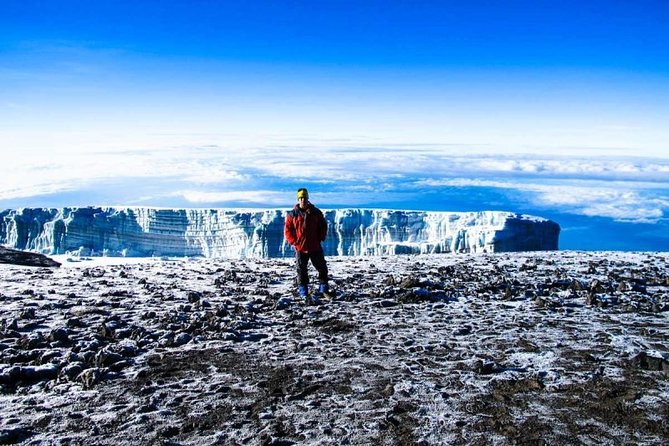
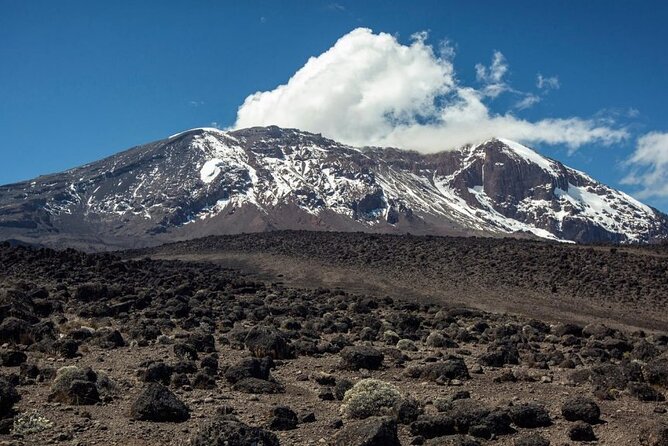
Kilimanjaro is not a technical climb in the usual rock-climbing sense, but it is a serious high-altitude trek. The challenge comes from long walking days, cold conditions, changing weather, and thin air near the top. You need steady fitness and patience more than speed.
Machame is often called the Whiskey Route. It is a scenic approach with a slower rise than Umbwe and a more demanding trail than Marangu. That middle ground is the route’s main appeal. You get a quieter mountain path and better altitude planning than the shortest options, but you must accept more walking and camping.
I like the way the route uses gradual ascent and the trek high, sleep low principle. This gives your body more time to respond to altitude. The schedule is still only seven days, so an extra day at Shira or Karanga Valley could be a sensible upgrade if your budget and timetable allow it.
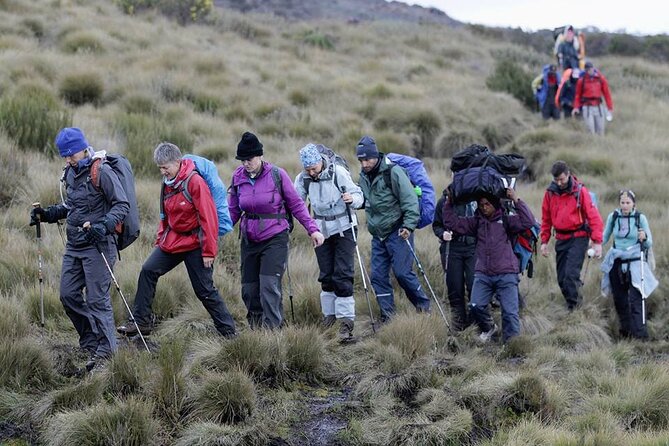
The lower section is not a gentle stroll. Expect wet ground, slippery mud, rain, and poor visibility in fog. You may also see Colobus monkeys in the forest, which adds a welcome wildlife moment before the mountain becomes more open and severe.
More Hiking Tours in Moshi
- Private Kilimanjaro Hike 7 Day Lemosho Route
★ 5.0 · 60 reviews - Best Kilimanjaro hiking day trip tour with Kilinge Adventures
★ 4.5 · 54 reviews - #1. Best Kilimanjaro Day hike Tour-Machame Route-ISMANI
★ 4.2 · 47 reviews
Day 1: Rain, forest, and Machame Camp at 2,980 meters
The first part of the climb takes you into the Mount Kilimanjaro area through the Machame Route. The trail is scenic, but the conditions can be rough. Rain and mud are specifically part of the expected experience, so waterproof clothing and shoes with good grip matter from the start.
The forest can also be foggy. That reduces distant views, but it gives the first day a cool, damp character and makes any wildlife sighting more memorable. Keep an eye out for Colobus monkeys, especially in the wooded section.
About halfway up the trail, you stop for lunch. This break matters more than it sounds. Eating steadily helps you avoid the low-energy crash that can make the final hours feel much harder. Use the pause to drink water, adjust clothing, and check your feet before continuing.
You reach Machame Camp at roughly 2,980 meters in the late afternoon or early evening. The porters and chef move ahead of the hiking group, so they can prepare camp before you arrive. Your tent should be ready, drinking water boiled, and snacks prepared.
After washing up, you receive a hot dinner. That routine is one of the strongest practical features of a supported mountain climb. You do not have to arrive cold and exhausted, then start assembling camp or searching for food. You can focus on drying out, eating, and sleeping.
Days 2 and 3: Let the route do its acclimatization work
The supplied schedule describes the same Machame Route plan for each day rather than giving separate camp names, elevations, or walking times. That makes the exact progression difficult to judge in advance. Before departure, ask the operator for the planned camp locations, approximate hiking hours, and daily elevation gains.
The value of the middle days is their pace. The company describes shorter walking days as part of its acclimatization plan. That is a good approach. Altitude does not care how fit you feel at sea level, and rushing uphill can create problems even for strong walkers.
You should walk slowly and keep your effort even. The goal is not to reach camp first. The porters will usually be ahead, setting up the next camp and preparing water and food. Your job is to conserve energy for the later stages.
The route is described as quieter than Marangu. That can make the walk feel less crowded and give you more time to notice the changing terrain. The forest section gives way to higher mountain ground as you climb, though the exact scenery for each day is not supplied.
Your support package includes breakfast, lunch, and dinner for six days, plus mineral water. That covers the listed meal service for the seven-day schedule, but ask how water is distributed during each hiking day. The description confirms boiled drinking water at camp and mineral water as an inclusion, yet it does not specify daily quantities.
Day 4: The value of an extra night at Shira or Karanga
An extra day at Shira or Karanga Valley is recommended for better acclimatization. It is not clearly included in the advertised seven-day plan, so confirm the added cost, meals, accommodation, and revised return date before booking.
I would take this recommendation seriously if you have limited high-altitude trekking experience. A slower schedule gives you more time to adjust and can make the later push less punishing. It also provides a rest from constant forward progress, although a rest day at altitude may still include a short acclimatization walk.
Do not treat an extra day as a guarantee of reaching the summit. It improves the schedule, but altitude affects people differently. A responsible guide should monitor how you are coping and make safety the first priority.
The company’s previous groups included daily health checks, according to the supplied trip details. That is useful practice on a climb where headaches, nausea, unusual tiredness, and poor sleep can become important warning signs. Ask how those checks are handled and what happens if someone needs to stop.
More Kilimanjaro routes:
- Kilimanjaro climb by Lemosho Route (7-day)
★ 5.0 · 651 reviews - Kilimanjaro climb, Machame Route (7-day)
★ 5.0 · 262 reviews - Kilimanjaro Climbing Lemosho Route 8 Days.
★ 5.0 · 186 reviews - Climbing Kilimanjaro – Machame Route
★ 5.0 · 170 reviews
Days 5 and 6: Tiring walking and mountain routine
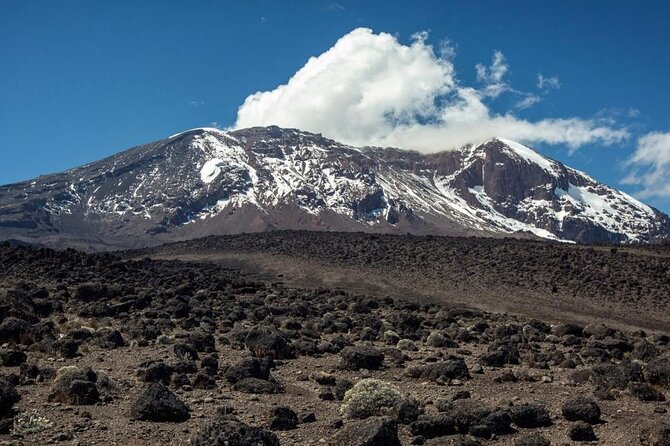
The final middle days are described as tiring, with the itinerary designed around shorter walking periods for acclimatization. That balance is important. A route can be gradual and still wear you down through repeated uphill walking, cold mornings, damp clothing, and nights in a tent.
By this point, camp routines should feel familiar. You walk with your day pack while the porters carry the larger camping load. At camp, you can wash up, drink prepared water, eat a hot meal, and settle into your sleeping bag.
The included equipment is a major part of the package’s value. Sleeping bags, tents, and climbing gear are listed, which can save you the cost and trouble of arranging a complete kit in Tanzania. Still, ask for an itemized equipment list. All climbing gears is broad wording, and you need to know exactly what is supplied and what you must bring yourself.
You should also ask what type of accommodation is used before and after the mountain section. All accommodation is listed as included, but the information provided does not name the hotels, lodges, or camp standards. That is a fair question, especially if you are comparing several operators at different prices.
Day 7: The hardest day needs clearer planning
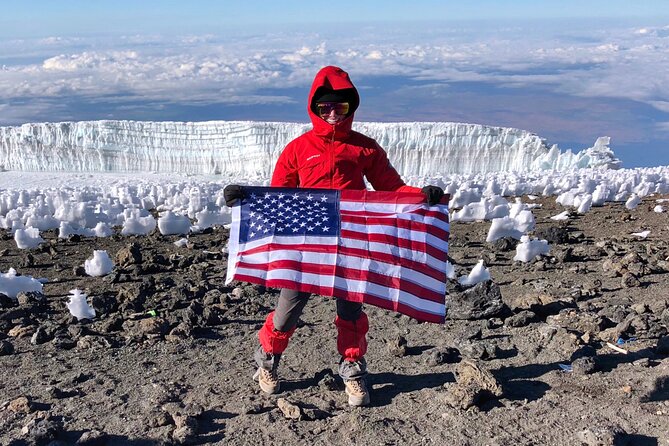
The seven-day schedule ends on Day 7, but the supplied itinerary does not state the summit hour, summit elevation, final camp, descent route, or return time. These are the details I would want in writing before booking.
A Kilimanjaro summit day normally requires careful timing, but the exact plan here is not published. Ask when you leave camp, how long the summit attempt is expected to take, where you sleep afterward, and how transportation connects with the end of the trek.
The route’s high success rate is linked to its topography and acclimatization pattern, not to an easy trail. You still need to prepare for a tough finish. The most useful attitude is slow progress, regular drinking, and listening to your guide rather than trying to match the fastest person in the group.
The seven-day duration is approximately seven days, so allow flexibility around flights. The meeting information lists Kilimanjaro Airport and Kilimanjaro National Park, while pickup and private transportation are offered. Confirm the exact airport pickup point, hotel transfer details, and final drop-off before arrival.
What the $900 price really covers
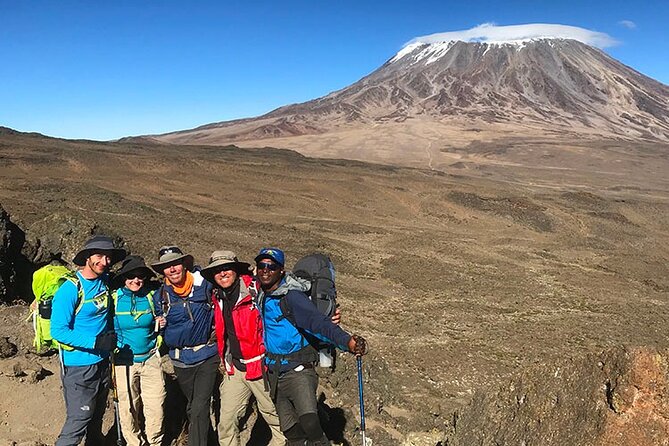
At $900 per person, this package has strong apparent value because it includes much more than guiding alone. You receive:
- Private transportation and all transfers
- All listed accommodation
- A professional guide
- Mineral water
- Sleeping bags, tents, and climbing gear
- Six breakfasts
- Six lunches
- Six dinners
The meal count makes sense for a seven-day itinerary, but I would still ask how meals are handled on the longest hiking or summit day. The package includes six meals of each type, yet the description does not explain the timing of food during the final push.
Group discounts may reduce the per-person cost, and the maximum group size is 14. A group of that size can create a friendly social atmosphere, but it may also move at different speeds. Ask how the guide team manages varied abilities and how many guides and porters are assigned.
Tips and parking fees are not included. The price also does not spell out extra nights, personal insurance, flights, visas, or items outside the listed gear. Do not assume those costs are covered. Request a full written list of inclusions and exclusions.
The guide team and the human side of the climb
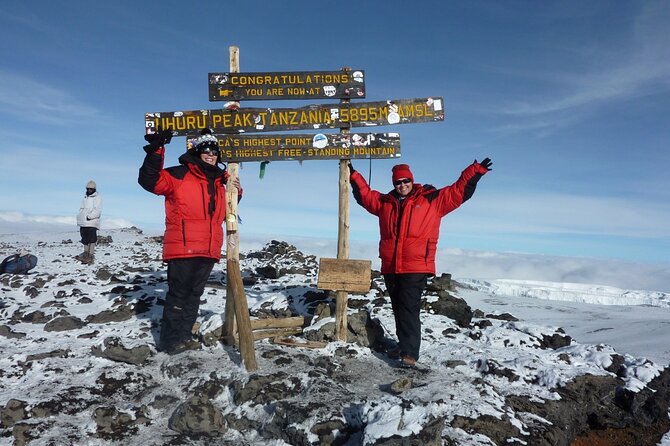
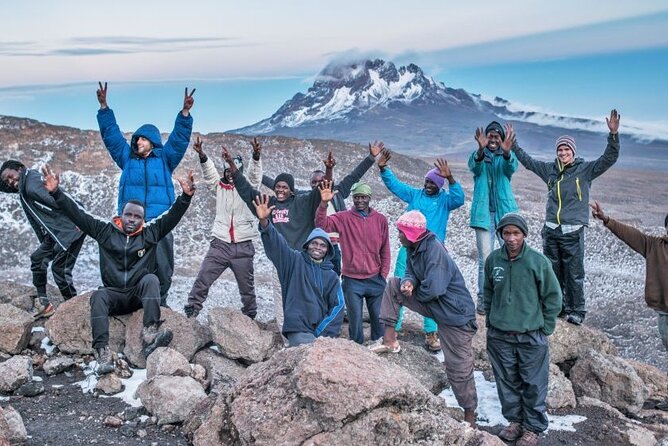
The supplied trip material names several guides and staff connected with past arrangements, including Tiffany, Sia, Victor, and Idress. It does not confirm which person will lead your particular departure, so ask for the assigned guide’s name before you go.
That matters because your guide is central to the experience. The guide sets the walking pace, checks how you are handling altitude, explains the environment, and helps the group make sensible decisions. Previous trip details praise professional planning, daily health checks, friendly service, and careful guiding.
The porters and chef also shape the climb. They move quickly to establish camp, boil water, and prepare snacks and dinner. You should pack a small day bag with the things you need while walking, since the main luggage may be carried separately.
A group maximum of 14 is reasonable for a mountain route. It gives you company and support without becoming a huge procession. Still, group size alone does not tell you the guide-to-climber ratio, so ask about that before confirming.
Conditions, clothing, and preparation
Rain, mud, and fog are not minor details here. They can slow you down, make the trail slippery, and leave you cold if your clothing does not dry quickly. Bring waterproof layers, spare socks, and a way to protect anything you need inside your day pack.
The information confirms sleeping bags and climbing gear, but it does not provide a packing list. Ask what you need to supply, especially clothing, footwear, personal medicines, and rain protection. You should also confirm the sleeping bag temperature rating if you are sensitive to cold.
Most people can participate, according to the activity details, but that should not be mistaken for a promise that the climb will suit every fitness level. This is a seven-day high-altitude hike with tiring walking days. A medical discussion with your doctor is sensible if you have any health concerns.
The confirmation arrives at booking, and mobile tickets are offered. Free cancellation is available up to 24 hours before the start time. Within 24 hours, the payment is not refunded, and changes are not accepted, based on local time.
Who should book this Machame climb?
I would recommend it to someone who wants a supported Kilimanjaro climb with a gradual route, camping, shared group energy, and most major costs bundled into one price. It also suits people who prefer a quieter trail than Marangu and want porters and a chef handling camp duties.
It is less suitable if you need a precise, published day-by-day plan before booking. The current information does not list each camp, walking distance, summit schedule, or guide assignment. Those gaps are easy to address with a few questions, but you should ask them.
The climb also demands patience. You will deal with wet lower trails, fog, mud, tiring walks, and altitude. The reward is a scenic route with a sensible acclimatization design and a team that handles much of the mountain routine.
Should you book the seven-day Machame Route?
Book this climb if the $900 price fits your budget and the operator confirms the missing practical details in writing. The included transport, meals, camping equipment, water, guide, and gear make it an attractive package, while the gradual route and optional extra acclimatization day are real advantages.
I would not book without asking for the complete camp schedule, daily distances, summit-day timing, equipment list, guide-to-climber ratio, and details about extra fees. If those answers are clear, this is a solid choice for a demanding but well-supported Kilimanjaro attempt.
FAQ
How long is the Kilimanjaro climb?
The climb takes approximately seven days.
Which route does the climb use?
It uses the Machame Route, also called the Whiskey Route.
Where does the experience take place?
The experience is connected with Moshi, Kilimanjaro Airport, and Kilimanjaro National Park in Tanzania.
What is the maximum group size?
The maximum group size is 14 people.
Is transportation included?
Yes. Private transportation and all transfers are included, and pickup is offered.
Are tents and sleeping bags included?
Yes. Sleeping bags, tents, and climbing gear are listed as included.
Are meals included?
Yes. The package includes six breakfasts, six lunches, and six dinners.
Is drinking water provided?
Yes. Mineral water is included, and drinking water is boiled at camp.
Can the itinerary include an extra acclimatization day?
An extra day at Shira or Karanga Valley is recommended for better acclimatization, but the supplied information does not confirm that it is included in the $900 price.
What is the cancellation policy?
You can cancel at least 24 hours before the experience starts for a full refund. Cancellations or changes made within 24 hours are not accepted and are not refunded.
More week long trips in Moshi & Kilimanjaro
- Climbing Kilimanjaro through 7 days Machame Route
★ 5.0 · 151 reviews - 7 Days Kilimanjaro via Machame route affordable price
★ 5.0 · 110 reviews - 7-Day Magical Tanzania Safari -Premium High End Package
★ 5.0 · 53 reviews - 7 Days Machame route – Kilimanjaro
★ 5.0 · 45 reviews
More Hiking Tours in Moshi & Kilimanjaro
- Best Kilimanjaro Adventure 7 days Machame route Trekking
★ 5.0 · 42 reviews - Kilimanjaro 7 Day Private Trekking Experience
★ 5.0 · 40 reviews - 8 Days Kilimanjaro Hike via Lemosho Route
★ 5.0 · 39 reviews - The Best & Unique Kilimanjaro Hiking tour 7 days Machame route
★ 5.0 · 34 reviews
Newly listed around Moshi & Kilimanjaro
- Climb Mount Kilimanjaro: 7 Days Machame Route★ 5.0 · 3 reviews
- 6 Days Mount Kilimanjaro Climbing via Rongai Route★ 5.0 · 3 reviews
- Explore 1 day Ngorongoro Crater Budget Group Safari from Arusha★ 5.0 · 3 reviews
- Mt. Kilimanjaro Day Hiking★ 5.0 · 3 reviews
- Chemka (Kikuletwa) Hot Springs, Tanzania★ 5.0 · 3 reviews
- Guided City tour of Moshi★ 4.3 · 3 reviews
- 8 Day Tanzania Family Safari★ 5.0 · 3 reviews
- Rongai Route 7 Days★ 5.0 · 3 reviews
Kilimanjaro Climbs, compared.








Browse the lists this tour appears in