
Reviewed · KILIMANJARO CLIMBS
6 Days Machame Route Hike
The Machame Route gives you Kilimanjaro the hard-but-scenic way. You walk through montane forest, sleep in tents every night, and finish by descending the Mweka Trail. It is a six-day climb with a better acclimatization rhythm than shorter itineraries, but it still demands fitness, patience, and a good tolerance for cold, fatigue, and basic camp life.
I like the tent-based mountain experience, which feels more like a proper trek than a lodge-to-lodge outing. I also like the steady guide support reported from Tanzania Joy Tours, including guides such as Joseph, Patrick, Kelvin, Cosmas, and assistant guide Michael. The main drawback is clear: day five can bring muscle pain, cold, darkness, and serious fatigue, so this is not a casual hike.
Key points before you book
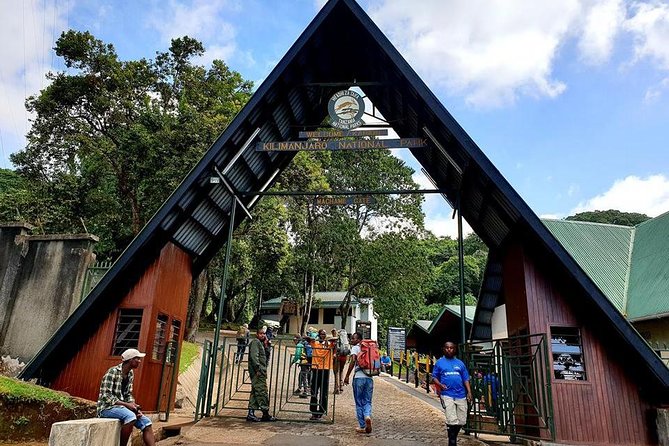
- Machame Gate to Machame Camp: Your first hiking day covers about 11 kilometers through montane forest and takes roughly five to six hours.
- Six days on the mountain: The extra time gives you a more manageable acclimatization schedule than a very short climb.
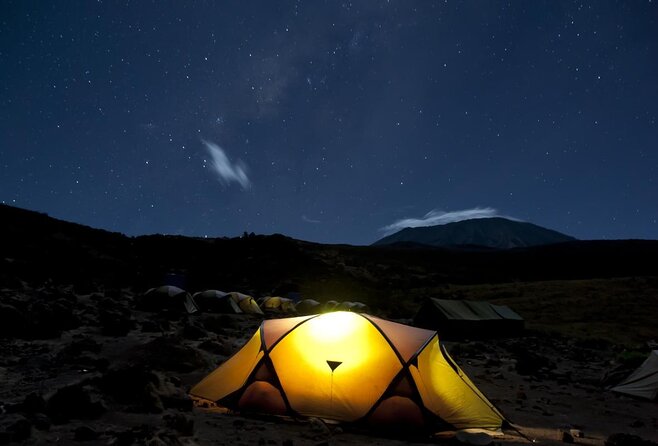
- Camping every night: Tents are included, with meals served in a dinner tent or outside on a blanket.
- A demanding final phase: The fifth day is known for cold, fatigue, darkness, and a much harder effort than the first four days.
- Mweka descent: You return by the Mweka Trail and spend the last mountain night at Mweka or Millennium Camp.
- Private departure: Only your own group takes part, with pickup offered from Moshi.
Why the Machame Route feels different
Kilimanjaro routes have personalities. Marangu is often treated as the simpler, more direct option, while Machame is the more rugged choice, with tent camping and a trail known for scenery. That distinction matters because your nights are part of the experience here, not just a place to sleep between walks.
You leave Moshi and head toward Machame Gate, passing through the village of Machame on the lower slopes. From there, the route begins in forest and gradually changes as you gain height. The supplied plan describes a winding trail up a ridge, with muddy and slippery ground possible at lower elevations.
I would choose Machame if you want the mountain to feel like a real trek rather than a straightforward ascent. You should also know that the six-day schedule is still compact. More time would generally mean more breathing room, but this trip is designed for people with moderate fitness and some hiking experience.
More Hiking Tours in Moshi
- Private Kilimanjaro Hike 7 Day Lemosho Route
★ 5.0 · 60 reviews - Best Kilimanjaro hiking day trip tour with Kilinge Adventures
★ 4.5 · 54 reviews - #1. Best Kilimanjaro Day hike Tour-Machame Route-ISMANI
★ 4.2 · 47 reviews
Day 1: Moshi to Machame Gate and the forest trail
The drive from Moshi to the park gate takes about 45 minutes. That short transfer is useful because the real work begins soon after you leave the gate, and you do not lose half a day sitting in a vehicle.
The first trail section runs through montane forest. It is not simply a gentle woodland walk. The route winds upward along a ridge, and the lower section can be muddy and slippery. I would bring gaiters and trekking poles, exactly because a wet forest trail can turn a moderate climb into a tiring balancing act.
The planned distance is 11 kilometers, or about seven miles. Hiking time is listed at five to six hours, with an elevation gain from roughly 1,830 meters to 3,050 meters. That is a serious first day, but the pace should leave room for breaks and for your body to begin adjusting to altitude.
You finish at Machame Camp. Tents are included, and meals are served in a dinner tent or outside on a blanket. That arrangement is practical rather than luxurious, so pack with comfort in mind. A warm layer, dry socks, and a headlamp are more useful here than extra casual clothing.
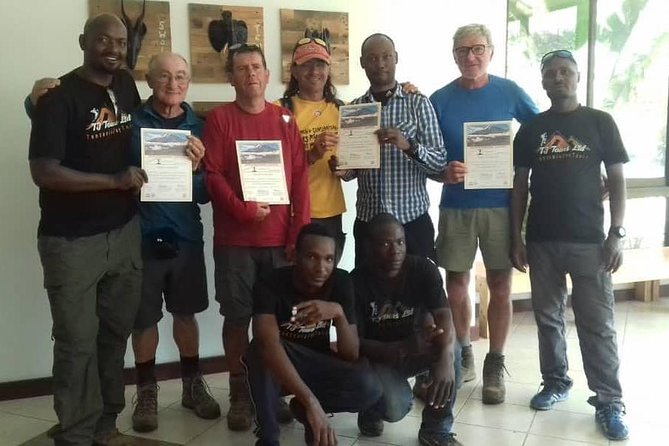
The first day also gives you an early test of the crew. Past trips have included guides named Patrick, Joseph, Kelvin, Cosmas, and assistant guide Michael. The strongest praise has focused on patient support, good humor, and guides who adapt to changing conditions. Those qualities matter more than a fast pace on Kilimanjaro.
Days 2 through 4: finding your rhythm above the forest
The supplied plan does not provide the exact camp names, distances, or elevation figures for days two through four, so I would not pretend to give you a precise hour-by-hour schedule. What is clear is that these first four trekking days are generally considered less punishing than day five, giving you time to settle into the daily routine.
That routine is simple: walk, eat, rest, and repeat. You sleep in tents, and meals are prepared for the group. Several trips with this operator have specifically praised the cooking, which is no small matter when you are using energy all day and spending nights at altitude.
The private format is another useful feature. Only your group participates, so the guide can work with your pace and mood rather than managing a large mixed party. That does not make the route easy, but it can make the day feel less rushed and more personal.
Use these middle days wisely. Walk slowly, drink regularly, and do not treat a relatively comfortable morning as proof that the whole climb will be easy. The route is designed for acclimatization, but your response to altitude is individual. Your guide remains an important part of that process.
The changing habitat is one reason Machame is popular. You begin in forest, then continue into higher, more exposed country as the mountain takes over. The supplied material does not name every zone or viewpoint, so I would focus less on checking off scenery and more on noticing the change in air, plants, trail surface, and temperature.
Day 5: the day that tests your decision
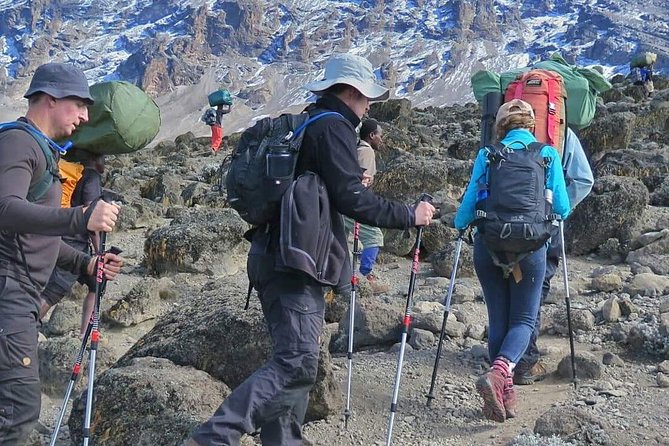
The fifth day is where the climb becomes a serious physical and mental challenge. The experience descriptions point to muscle pain, fatigue, cold, darkness, and a much harder effort than the earlier days. You should read that as a practical warning, not as a reason to avoid the route.
This is the point when good guide work becomes crucial. Joseph is credited with helping one climber through the hardest stretch, while Kelvin is described as attentive and able to adjust to changing situations. Other trips have named Patrick, Cosmas, and Michael as part of supportive teams. You should still expect to do the work yourself, but careful pacing and encouragement can make a major difference.
The darkness is worth taking seriously. It changes how fast you move and makes warm clothing, reliable footwear, and a headlamp especially important. The cold can also feel sharper after hours of walking, so keep your insulating layers accessible rather than buried in your main bag.
Some groups have completed the route in six days after initially planning seven, but that should not be treated as a target. A shorter schedule can work for a fit group with favorable conditions, yet the standard six-day plan already asks a lot from your body. Follow the guide’s judgment rather than trying to prove something to the mountain.
The operator’s team has also been praised for kindness, friendliness, humor, and a good mood during difficult moments. That may sound like a small detail, but on a long summit day, a calm crew can help you keep moving when your legs and confidence are running low.
More Kilimanjaro routes:
- Kilimanjaro climb by Lemosho Route (7-day)
★ 5.0 · 651 reviews - Kilimanjaro climb, Machame Route (7-day)
★ 5.0 · 262 reviews - Kilimanjaro Climbing Lemosho Route 8 Days.
★ 5.0 · 186 reviews - Climbing Kilimanjaro – Machame Route
★ 5.0 · 170 reviews
Day 6 and the return by Mweka Trail
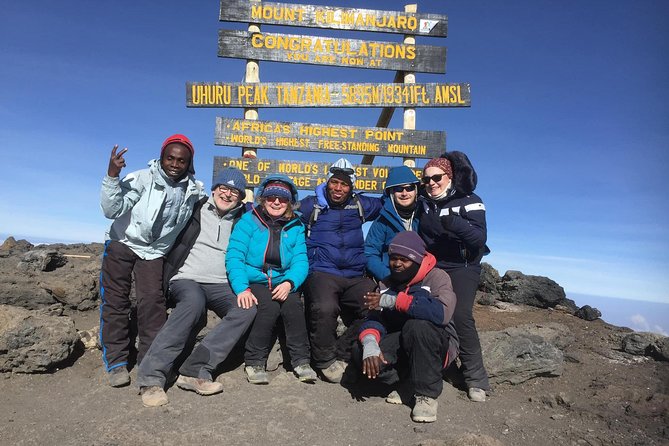
The final mountain phase includes descent by the Mweka Trail. The last night on the mountain is planned for either Mweka Camp or Millennium Camp, depending on the itinerary used by the group.
Descending is not simply the easy half. Your knees and feet have already taken a beating, and uneven ground can be tiring after the hardest day of the climb. The Mweka route gives you a different way down, but you should still keep your trekking poles handy and avoid rushing.
The return to Moshi marks the end of the activity at the meeting point. Pickup is offered, and the listed start and end point is Moshi Urban, Tanzania. Since no separate hotel schedule or transfer details are supplied, confirm the exact pickup arrangement before you go.
Camping, food, and what the price means
The price is $2,342.95 per person. That is a substantial amount, but a multi-day Kilimanjaro climb is not priced like a day hike. You are paying for a private mountain operation, tents, meals, guides, porters and camp support as described through the experience, park access arrangements, and several days of logistical work.
The exact inclusion list is not supplied, so I would ask the operator what the price covers before paying. In particular, confirm park fees, transfers, porter support, sleeping equipment, tips, and any pre- or post-climb accommodation. Those details can change the real value by a large amount.
I like that the experience makes the camping arrangement clear. You are not promised hotel comfort on the mountain. You sleep in tents and eat in a dinner tent or outside, which keeps the cost and feel closer to a traditional trek.
Food appears to be one of the operation’s strong points. Several accounts specifically praise the cook and the quality of the meals. Even so, bring any snacks or dietary items you rely on, and tell the company about food needs before departure. The provided details do not state how special diets are handled.
Fitness, equipment, and daily comfort
The required fitness level is moderate, but that phrase should not fool you. The route includes long uphill days, altitude, rough ground, cold, and a very demanding fifth day. You should have some hiking experience and be comfortable walking for five to six hours at a time.
For the first day, gaiters and trekking poles are especially sensible because the forest trail may be muddy and slippery. You will also want dependable hiking boots, warm layers, rain protection, gloves, a hat, dry socks, and a headlamp. These are practical suggestions based on the trail and conditions described, not a substitute for the operator’s final packing list.
Keep your system simple. Put warm clothing where you can reach it, protect spare clothes from wet ground, and avoid carrying items you will not use. On a tent-based climb, small improvements in organization become valuable after several tired days.
Altitude is the central issue, not just leg strength. The six-day plan helps by spreading the climb over more time than a rushed itinerary, but it cannot guarantee that you will feel well. Stay close to your guide’s instructions and do not hide symptoms to protect your summit goal.
Guide support and the private-group advantage
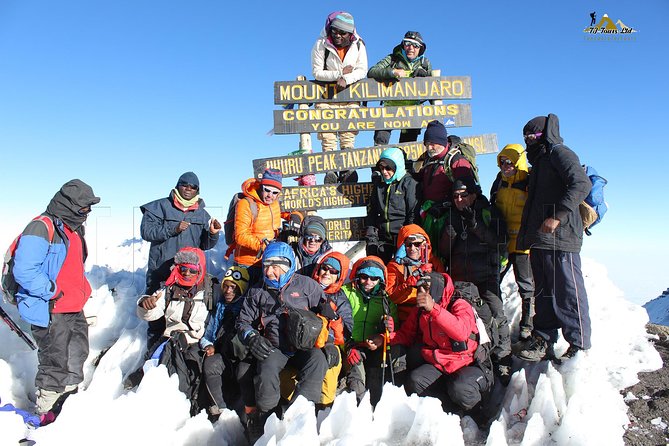
The strongest part of this experience is the human support. Guides named in accounts connected with the operator include Ringo, Nemence, Patrick, Joseph, Kelvin, Cosmas, and Michael. You may not receive those exact guides, but the recurring picture is of a team that stays attentive, encouraging, and adaptable.
That matters because a Kilimanjaro guide does more than point out the trail. The guide sets the pace, helps the group manage difficult sections, and notices when someone is struggling. The supplied experiences also praise porters and the cook, which suggests that the support system extends beyond the person walking at the front.
The private format gives your group a quieter experience than a large shared departure. It can also make decisions more flexible. On the other hand, private does not mean effortless or completely customizable. Confirm how many people are in your group and what flexibility is possible before booking.
Who should book this climb
I would recommend this route to a fit hiker who wants scenery, tent camping, and a stronger sense of adventure than the more direct alternatives. It is also a good match if you value a private group and want guide support throughout a demanding climb.
I would hesitate if you have no recent hiking experience, dislike sleeping in tents, or expect a comfortable holiday with a little walking added. The route may be scenic, but day five can be cold, dark, painful, and exhausting.
The six-day duration makes the climb more approachable than an ultra-short itinerary, yet it remains a serious mountain trip. You need the right attitude: slow progress, basic camp conditions, and no guarantee that your body will cooperate.
Booking includes free cancellation up to 24 hours before the local start time for a full refund. Changes or cancellations inside that 24-hour window are not accepted for a refund, so check your plans carefully before the cutoff.
Should you book the six-day Machame Route?
Book it if you want a scenic, tent-based Kilimanjaro climb with a private group and a crew known for steady encouragement. The price is high, but it may offer solid value if the confirmed inclusions cover the major mountain costs and you want a supported expedition rather than an independent attempt.
Think twice if you are choosing it only because six days sounds short. Machame rewards patience and fitness, and the fifth day can be punishing. Ask for the full inclusion list, confirm the pickup plan from Moshi, check which guide and camp schedule you will receive, and make sure your equipment is ready for mud, cold, and long hours on foot.
FAQ
Where does the Machame Route hike start and end?
The activity starts in Moshi Urban, Tanzania, with pickup offered. It ends back at the meeting point in Moshi.
How long does the experience last?
The hike lasts approximately six days.
Is this a private tour?
Yes. Only your group participates in the activity.
Where do I sleep during the climb?
All climbers sleep in tents, and the tents are included. Meals are served in a dinner tent or outside on a blanket.
How long is the first hiking day?
The first day covers about 11 kilometers, or seven miles, and takes around five to six hours.
What happens on the final mountain night?
The descent uses the Mweka Trail, with the final night on the mountain at either Mweka Camp or Millennium Camp.
More six day trips in Moshi & Kilimanjaro
- Kilimanjaro climb, Lemosho Route (6-day)
★ 5.0 · 129 reviews - Kilimanjaro climb, Marangu route (6-day)
★ 5.0 · 72 reviews - 6 Days 5 Night Safari
★ 5.0 · 57 reviews - 6 Days Tanzania Classic Safari
★ 5.0 · 52 reviews
More Hiking Tours in Moshi & Kilimanjaro
- Best Kilimanjaro Adventure 7 days Machame route Trekking
★ 5.0 · 42 reviews - Kilimanjaro 7 Day Private Trekking Experience
★ 5.0 · 40 reviews - 8 Days Kilimanjaro Hike via Lemosho Route
★ 5.0 · 39 reviews - 6 Days Machame Route Kilimanjaro Climbing Trekking Tour
★ 5.0 · 34 reviews
Newly listed around Moshi & Kilimanjaro
- Climb Mount Kilimanjaro: 7 Days Machame Route★ 5.0 · 3 reviews
- 6 Days Mount Kilimanjaro Climbing via Rongai Route★ 5.0 · 3 reviews
- Explore 1 day Ngorongoro Crater Budget Group Safari from Arusha★ 5.0 · 3 reviews
- Mt. Kilimanjaro Day Hiking★ 5.0 · 3 reviews
- Chemka (Kikuletwa) Hot Springs, Tanzania★ 5.0 · 3 reviews
- Guided City tour of Moshi★ 4.3 · 3 reviews
- 8 Day Tanzania Family Safari★ 5.0 · 3 reviews
- Serengeti Safari with Sirikwa Travel★ 5.0 · 3 reviews
Kilimanjaro Climbs, compared.








Browse the lists this tour appears in