
Reviewed · KILIMANJARO CLIMBS
6-Day Private Guided Machame Hike Tour at Kilimanjaro
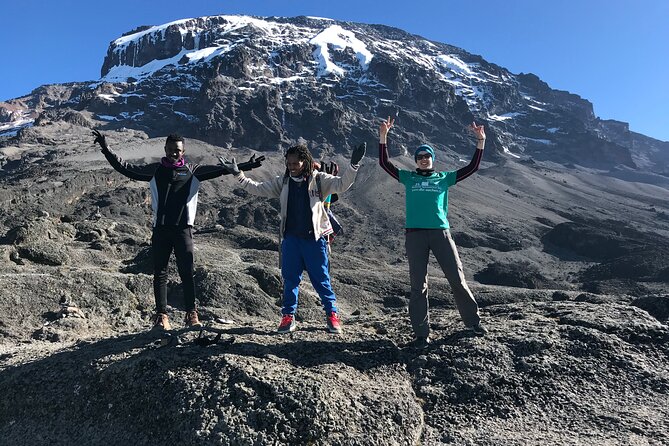
Kilimanjaro’s Machame Route gives you the mountain in bold stages: rainforest, giant heathers, bare ridges, volcanic rock, Barranco Wall, and a midnight push toward Uhuru Peak. This private six-day climb is run by Tarry Adventures and Safaris, a locally owned Moshi company that checks your gear before departure and assigns a dedicated mountain crew.
I like the practical preparation, especially the pre-climb inspection and meeting with your guide. I also like the human side of the operation: the company says it pays guides and porters well and directs part of its climbing profit toward sending a child to school. Guides named in the trip details include Martin, Jackson, and Steward, although your assigned guide may differ.
The main consideration is the schedule. This is a demanding high-altitude climb, not a casual walking holiday, and the summit attempt comes after several hard days. The published daily timings are also a little unclear, with some long day labels that do not match the stated hiking hours, so ask for the exact plan before you book.
Key points to know before booking
- Private Machame Route climb: Only your group participates, with pickup from your accommodation in Moshi.
- Gear check before departure: The guide and company inspect staff and customer equipment before the trek begins.
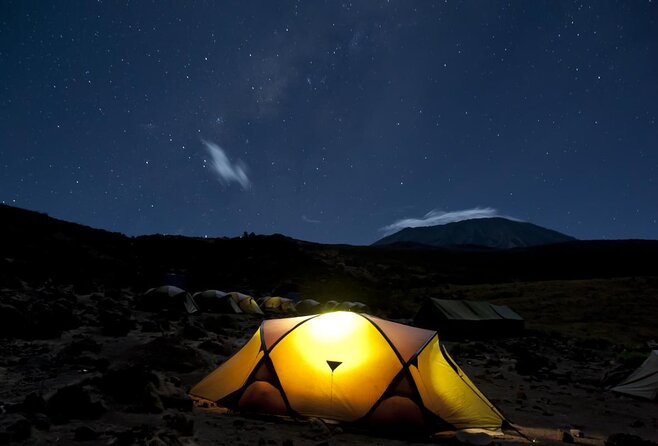
- Strong mountain support: The crew may include a guide, porters, cook, and waiter, with meals prepared on the mountain.
- Classic Kilimanjaro scenery: Expect rainforest, giant heathers, Senecias, Lava Tower, Barranco Wall, glaciers, and high volcanic camps.
- Midnight summit attempt: You climb toward Stella Point and Uhuru Peak in the early hours, often over snow near the top.
- Cost and inclusions: The price is $2,000 per person, including five breakfasts, five lunches, five dinners, park admission, and transport back after the descent. Personal hiking gear is extra.
What you are paying for at $2,000
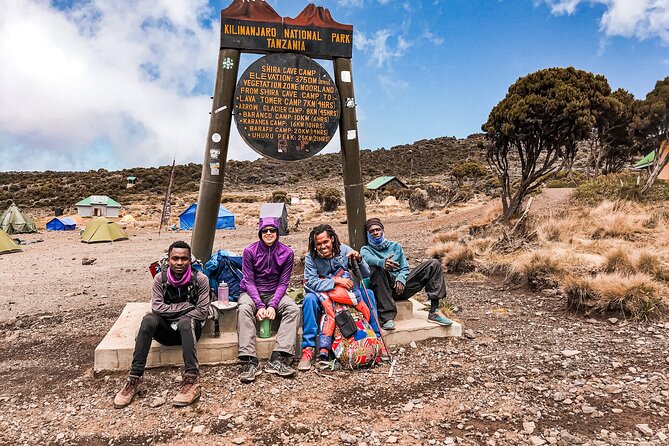
At $2,000 per person, this is not simply a six-day walk with a mountain view. The price covers a private organized climb, park admission, pickup, a mountain support crew, five breakfasts, five lunches, and five dinners. That matters on Kilimanjaro, where carrying food, camping equipment, and personal gear can quickly turn a tough climb into a miserable one.
The company also presents itself as locally owned, certified, and licensed. More important for you, it says staff welfare is part of the operating model. Guides and porters are paid well, and part of the profit from each climb helps send a child to school. You should still ask how tips are handled and what crew members are included in your particular quote, but this gives the price a useful social angle.
The food receives especially warm praise in the supplied comments. One climber describes hot meals three times a day, while another singles out the food as great. The included meal plan lists breakfast, lunch, and dinner for five days, so confirm whether hot meals are provided on every scheduled meal and whether special diets can be accommodated.
Personal hiking gear is not included. That can mean boots, warm layers, waterproof clothing, gloves, or other equipment, depending on what you already own. The pre-climb inspection is a real advantage here. Guide Jackson once took time to borrow missing clothing and utensils for a climber, but you should treat that as helpful goodwill, not as a guaranteed equipment rental service.
More Hiking Tours in Moshi
- Private Kilimanjaro Hike 7 Day Lemosho Route
★ 5.0 · 60 reviews - Best Kilimanjaro hiking day trip tour with Kilinge Adventures
★ 4.5 · 54 reviews - #1. Best Kilimanjaro Day hike Tour-Machame Route-ISMANI
★ 4.2 · 47 reviews
Day 1: Machame Gate and the rainforest
Your guide picks you up from your accommodation and drives you to Machame Gate for registration. This is where you meet the rest of the crew and begin the walk through the lower slopes of Kilimanjaro.
The first section passes through rainforest and giant heathers. You can expect roughly six hours of hiking to the first overnight camp, though the published day label also shows 13 hours, which likely includes transport, registration, and camp procedures. Ask the company to clarify the full door-to-door timing.
This opening day is a useful test of your boots, pack, clothing, and pacing. The forest offers more shade than the upper mountain, but the trail still requires steady effort. I would keep your first day conservative. You have no prize for reaching camp exhausted, and the bigger goal is to preserve energy for the high camps and summit night.
The gear inspection before this stage deserves attention. A private trip is more comfortable when the guide knows what you are carrying and can spot a weak rain jacket, poor footwear, or insufficient warm clothing before you are far from the gate.
Day 2: Rocky ridges and the first Senecias
Day two brings short, steep, rocky, and dusty trails. The route becomes more exposed, with little shade and plenty of heat. You cross ridges and begin to see the giant Senecio plants that make the upper slopes feel so different from the forest below.
This is described as a slow hiking day with frequent breaks and time for acclimatization. That pace is a good thing. Altitude is not impressed by enthusiasm, and taking regular breaks gives your body more time to adjust.
The lack of shade is the practical issue. You will want sun protection, enough drinking water, and clothing you can adjust as the temperature changes. The route may look less dramatic than the rainforest, but the open ridges give you a better sense of the mountain’s scale.
The published timing again appears confusing, showing 14 hours beside a route described as a slow hike with breaks. Ask whether that figure refers to the complete operating day or is a software error. You need a clear idea of when you leave camp, when you stop for lunch, and when you are expected to arrive.
Day 3: Lava Tower and the descent to Barranco
Day three starts over boulders and scattered rock before a steady climb toward Lava Tower. Lunch is planned around noon. The route reaches about 14,850 feet at Lava Tower, where some climbers may feel a mild headache because of the altitude change.
The option to climb Lava Tower is an important detail. It may appeal if you feel strong, but you should not treat it as compulsory. The useful acclimatization principle here is climb high, then sleep lower. After Lava Tower, you descend for about two hours on dusty, rocky trails to Barranco Camp at roughly 13,000 feet.
That descent can feel strange after working hard to gain height, but it prepares you for later stages. I would follow the guide’s advice closely and report any headache or unusual symptoms. A private group makes it easier to discuss how you feel without being rushed by a large party.
The route is only listed as about six hours of hiking, despite the day heading showing 6 hours, so this is one of the clearer days in the plan. At camp, you will be in position for one of the mountain’s best-known sections: Barranco Wall.
More Kilimanjaro routes:
- Kilimanjaro climb by Lemosho Route (7-day)
★ 5.0 · 651 reviews - Kilimanjaro climb, Machame Route (7-day)
★ 5.0 · 262 reviews - Kilimanjaro Climbing Lemosho Route 8 Days.
★ 5.0 · 186 reviews - Climbing Kilimanjaro – Machame Route
★ 5.0 · 170 reviews
Day 4: Barranco Wall to exposed Barafu Camp
Barranco Wall looks more frightening from below than it usually feels once you begin climbing. The route takes you up this imposing obstacle, then toward the area below Heim Glacier. The reward is a closer sense of Kilimanjaro’s high mountain scenery, with rock, ice, and open sky replacing the lower forest.
The climb is not presented as technical rock climbing, but it is still a demanding high-altitude scramble over uneven ground. Use your hands where needed, listen to your guide, and take your time. A narrow route can feel more serious when you are tired and carrying a pack.
From Barranco, you continue toward Barafu Camp. Barafu means ice in Swahili, but the camp is described as bleak, stony, exposed, and vulnerable to strong winds. Tents are pitched on a narrow ridge, and the terrain should be checked before dark so you can move safely around camp.
This is a day when comfort becomes a secondary concern. You are not arriving at a cozy mountain lodge. You are reaching the launch point for the summit attempt, and you need to organize your clothing, water, headlamp, and personal items before trying to rest.
The planned hiking time is about eight hours. That is a substantial day before the hardest section of the climb. Eat what you can, drink steadily, and tell the guide if you are struggling. The crew’s care is one of the strongest parts of this trip, with support from guides, porters, cooks, and waiters described as central to getting climbers upward.
Day 5: The midnight push to Uhuru Peak
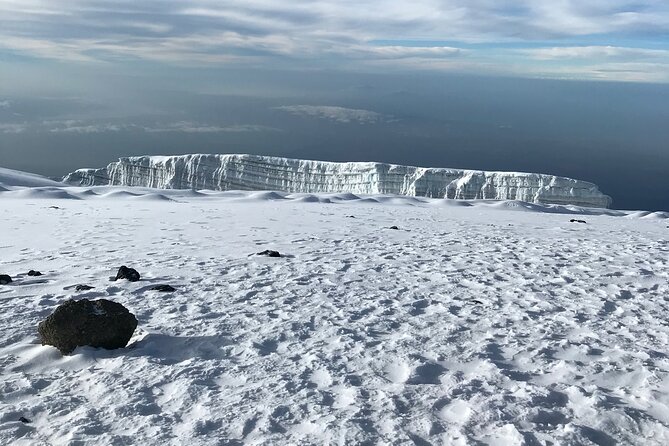
The summit attempt begins very early, usually between midnight and 2 a.m. You climb northwest toward Stella Point, passing between the Rebmann and Ratzel glaciers. This is the most physically and mentally difficult part of the itinerary.
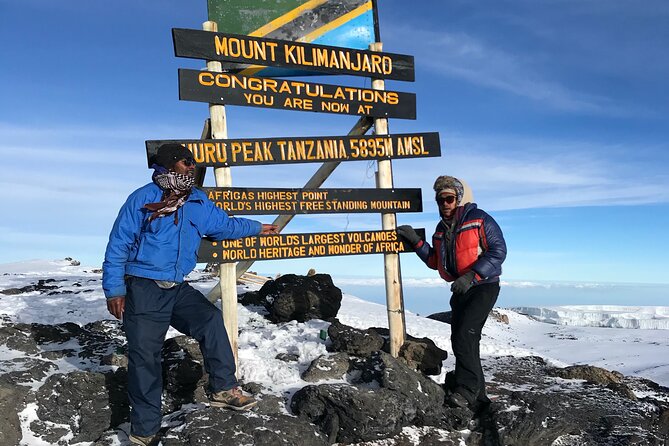
At Stella Point, around 5,700 meters, you stop for a short rest. If the weather cooperates, sunrise provides the day’s great reward. From there, snow may appear on the roughly one-hour ascent to Uhuru Peak, at 5,895 meters, the highest point on Kilimanjaro and in Africa.
The supplied schedule shows only seven minutes for this stop, which clearly cannot describe the full summit day. The written plan gives the useful information: the attempt begins around midnight, Stella Point comes first, and the final walk to Uhuru Peak takes about an hour from Stella Point. Ask for the complete summit-day schedule and the planned descent before you depart.
You should also understand that reaching Stella Point and reaching Uhuru Peak are treated differently. Climbers who reach Stella Point receive green certificates, while those who reach Uhuru Peak receive gold certificates. That distinction matters if you are setting a personal goal, but your guide should put your health first.
The summit is not guaranteed. Weather, altitude, exhaustion, and medical concerns can change the plan. A good private guide will help you make a sound decision rather than turn the peak into a contest.
Day 6: The long descent to Mweka Gate
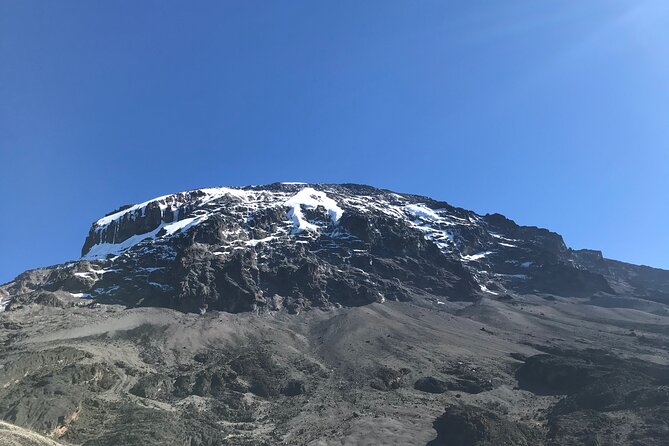
After breakfast, you make the scenic descent toward the park gate. The stated hiking time is four to six hours, though knee trouble can make it longer. This is a good reminder that going downhill is not automatically easy. Tired legs and sore joints can make the final stretch slow.
At Mweka Gate, you sign the register and receive your summit certificate if you reached Stella Point or Uhuru Peak. A vehicle then meets you at Mweka village and takes you back to your accommodation.
One piece of advice in the schedule deserves a careful reading: do not pay porter tips until you and all your gear have reached the gate safely. That is practical financial advice, but you should also clarify the company’s tipping system before the trek. Find out whether tips are pooled, recommended by role, or handled another way, and carry the appropriate local currency if needed.
The final day has a satisfying rhythm. You leave the severe upper camps behind, walk down through changing vegetation, complete the formalities at the gate, and return to Moshi by vehicle. It is not a rest day, but it should feel like a clear end to the climb.
Guides, crew, and the value of a private group
The supplied trip details identify Peter as the person handling arrangements and mention guides Martin, Jackson, and Steward. Peter arranged a pre-climb meeting with Martin for some climbers, while Jackson helped one climber find missing clothing and utensils. Steward is also thanked for support during the climb.
Your actual guide may be different, so confirm the name before departure. The pre-trek meeting is worth using well. Ask the guide to inspect every item, explain the summit schedule, describe the meal plan, and tell you what happens if weather or altitude changes the route.
This is a private activity, meaning only your group participates. That can make the pace more personal and the conversations with the guide easier. It also means your group carries more responsibility for communicating honestly. If one person is much slower or less acclimatized, the day’s plan may need to change.
The crew can include a guide, porters, cook, and waiter. That level of support is a major part of the cost and helps explain why this is more than a basic trek. It also gives you a direct chance to see how responsibly the company treats its staff. Ask about porter loads, wages, sleeping arrangements, and tipping expectations before setting out.
What to pack and what to confirm
Your personal equipment is not included, so make a written gear list before you arrive in Moshi. The company checks equipment, but that does not remove your responsibility to bring suitable clothing and footwear.
Pay particular attention to:
- Warm clothing for Barafu and the summit attempt
- Waterproof clothing for rain on the lower route
- Reliable hiking footwear
- Sun protection for exposed ridges
- Gloves and other cold-weather items
- Utensils or personal items requested by the company
- Any personal hiking gear not included in the price
The information confirms pickup, mobile ticketing, group discounts, and nearby public transportation. Confirmation is received at booking. The activity requires a strong level of physical fitness, so do not book this as a first test of your stamina without careful preparation.
You can cancel for a full refund if you do so at least 24 hours before the start time. Changes or cancellations inside that period are not accepted for a refund. Poor weather or failure to reach the minimum number of participants may lead to a new date, another experience, or a full refund.
Who should book this climb?
I would recommend it to a fit hiker who wants a private Kilimanjaro attempt with a local Moshi company and substantial crew support. It suits someone who values a pre-climb gear check, hot meals, personal guide attention, and a route with major scenery changes.
It is less suitable if you want a relaxed walking holiday, dislike early starts, or need a highly polished schedule with every daily time listed perfectly. The unclear hour labels should be settled before payment, and the summit day will test both your body and your resolve.
Should you book the 6-day Machame hike?
Book this tour if you want a serious, well-supported private climb and you like the idea of spending your money with a local company that highlights staff welfare and education support. The gear inspection, named guide contacts, meals, transport, and full mountain crew give the $2,000 price practical value.
Before booking, confirm your guide’s name, the exact daily timings, what personal equipment you must supply, the meal arrangements, and the tipping procedure. If you are physically ready and accept that Uhuru Peak depends on weather and altitude, this is a strong choice for a classic six-day Machame climb.
FAQ
Where does the 6-day Machame hike begin?
The tour begins with pickup from your accommodation in Moshi, followed by transport to Machame Gate for registration.
Is this a private tour?
Yes. Only your group participates in the activity.
What is included in the price?
The price includes pickup, park admission, five breakfasts, five lunches, and five dinners. Group discounts are also offered.
Is personal hiking equipment included?
No. Personal hiking gear is not included. The company does inspect your equipment before the climb begins.
What level of fitness do I need?
You should have a strong physical fitness level. The route includes steep, rocky, dusty trails, high-altitude camps, the Barranco Wall, and a very demanding summit attempt.
How high is Uhuru Peak?
Uhuru Peak is listed at 5,895 meters. It is the highest point on Mount Kilimanjaro and in Africa.
What happens at Stella Point?
Stella Point is on the crater rim at about 5,700 meters. You stop there for a short rest before the final ascent toward Uhuru Peak. Climbers reaching Stella Point receive green certificates.
How do I receive a gold summit certificate?
Climbers who reach Uhuru Peak at 5,895 meters receive gold certificates at Mweka Gate.
Can I cancel for a full refund?
Yes, if you cancel at least 24 hours before the experience starts. Cancellations made less than 24 hours before the start time are not refunded. Weather or minimum-participant cancellations may result in another date, another experience, or a full refund.
More six day trips in Moshi & Kilimanjaro
- Kilimanjaro climb, Lemosho Route (6-day)
★ 5.0 · 129 reviews - Kilimanjaro climb, Marangu route (6-day)
★ 5.0 · 72 reviews - 6 Days 5 Night Safari
★ 5.0 · 57 reviews - 6 Days Tanzania Classic Safari
★ 5.0 · 52 reviews
More Hiking Tours in Moshi & Kilimanjaro
- Best Kilimanjaro Adventure 7 days Machame route Trekking
★ 5.0 · 42 reviews - Kilimanjaro 7 Day Private Trekking Experience
★ 5.0 · 40 reviews - 8 Days Kilimanjaro Hike via Lemosho Route
★ 5.0 · 39 reviews - 6 Days Machame Route Kilimanjaro Climbing Trekking Tour
★ 5.0 · 34 reviews
Newly listed around Moshi & Kilimanjaro
- Climb Mount Kilimanjaro: 7 Days Machame Route★ 5.0 · 3 reviews
- 6 Days Mount Kilimanjaro Climbing via Rongai Route★ 5.0 · 3 reviews
- Explore 1 day Ngorongoro Crater Budget Group Safari from Arusha★ 5.0 · 3 reviews
- Mt. Kilimanjaro Day Hiking★ 5.0 · 3 reviews
- Chemka (Kikuletwa) Hot Springs, Tanzania★ 5.0 · 3 reviews
- Guided City tour of Moshi★ 4.3 · 3 reviews
- 8 Day Tanzania Family Safari★ 5.0 · 3 reviews
- Serengeti Safari with Sirikwa Travel★ 5.0 · 3 reviews
Kilimanjaro Climbs, compared.








Browse the lists this tour appears in