
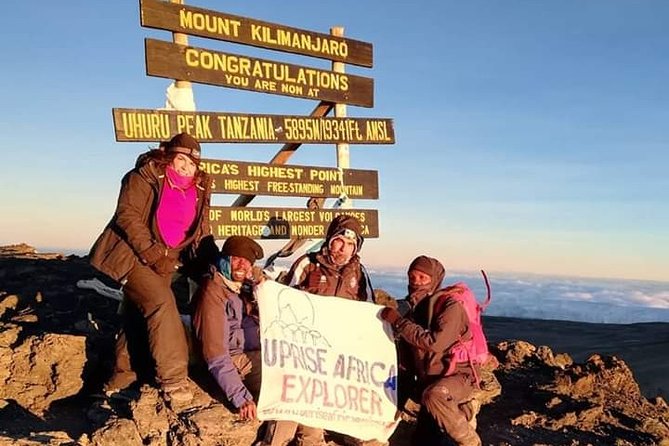
Reviewed · KILIMANJARO CLIMBS
Kilimanjaro Trekking 7Days 6Night Lemosho Route
Kilimanjaro’s Lemosho route gives you the mountain in chapters: forest alive with possible wildlife sightings, open moorland, volcanic ridges, steep walls, and the cold upper slopes near Africa’s highest point. The route is scenic and usually quieter than the more direct options, but it asks more of your legs and lungs.
I like the small group limit of 10, since it gives the guides room to watch your pace and respond when altitude starts to affect you. I also like that the package covers park fees, camping equipment, meals, and the full trek, while past groups have singled out guides such as Sanga, Francis, and Kissima for calm support.
The main caution is the itinerary itself. The supplied schedule leaves some details out for Day 3 and Day 6, including the exact summit-day plan, so you should ask Uprise Africa Explorer to confirm those timings, camps, gear, transfers, and summit arrangements before paying.
Key points to know before choosing Lemosho
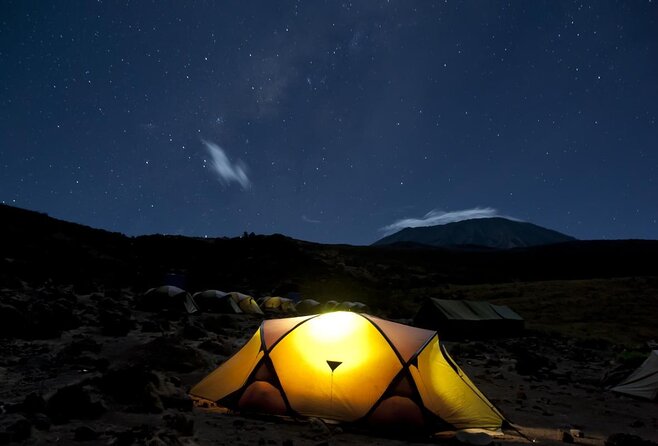
- Seven days and six nights: You climb gradually through several climate zones, with overnight camps reaching about 4,850 meters at Barafu.
- A scenic western approach: Lemosho begins at Londorossi Park Gate and crosses forest, giant heather, Shira Ridge, and the South Circuit.
- A tougher route than the listed Mangaru option: The reward is more varied scenery, but the trail includes long walking days and steep sections.
- A group of no more than 10: This is a useful size for keeping contact with your guides without making the trek feel crowded.
- Meals and mountain costs are included: Breakfast, lunch, dinner, trekking fees, and camping equipment are covered, though you should confirm exactly what personal gear is available to rent.
- Mweka provides the exit: After the summit attempt, you descend to Mweka Park Gate, collect summit certificates, and return to your hotel.
Why the Lemosho route is worth the extra effort
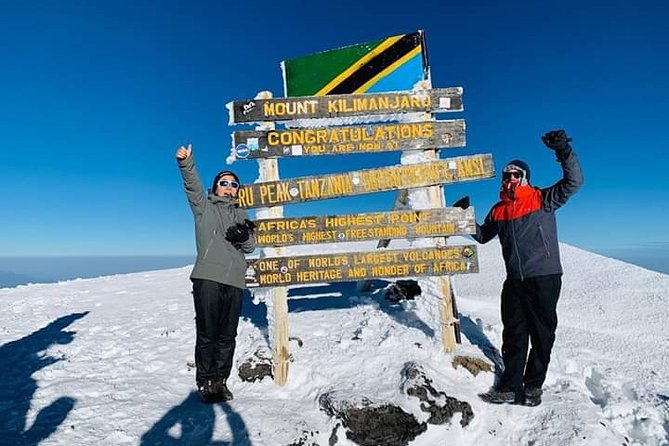
Lemosho is a good choice if you want more than a straightforward march toward the summit. The trail starts on the western side of Kilimanjaro and spends time in lower forest before opening onto the broad Shira area. That change in scenery is one of the route’s best features.
You begin among tall trees and a sense of remoteness. The early trail can feel like a proper wilderness walk rather than a busy mountain highway. An armed park ranger accompanies the first forest section because buffalo, elephant, and other wildlife can be present. Sightings are not promised, but the possibility adds a real East African edge to the opening day.
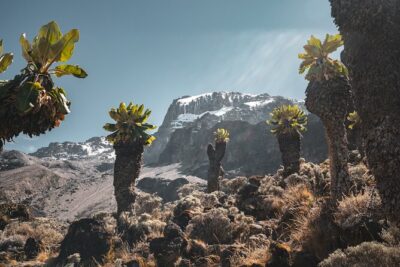
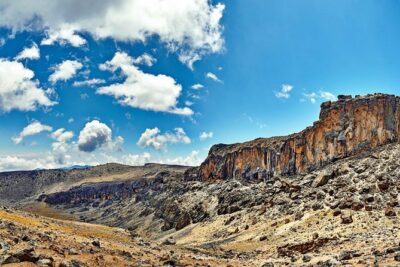
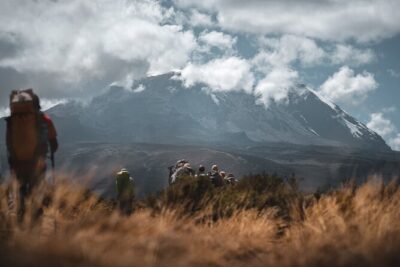
The route then climbs through giant heather and moorland, where the forest gives way to open ground and volcanic rock. On clear days, you may see Uhuru Peak from Shira Ridge, along with views toward the northern ice fields on the western side of the mountain.
That gradual change is valuable for acclimatization. You gain height over several days instead of rushing upward. No route removes the risk of altitude sickness, but a longer approach gives you more time to notice how your body is responding.
More Hiking Tours in Moshi
- Private Kilimanjaro Hike 7 Day Lemosho Route
★ 5.0 · 60 reviews - Best Kilimanjaro hiking day trip tour with Kilinge Adventures
★ 4.5 · 54 reviews - #1. Best Kilimanjaro Day hike Tour-Machame Route-ISMANI
★ 4.2 · 47 reviews
Day 1: Londorossi Gate to Mti Mkubwa
The day begins in Moshi with a trek briefing and a gear check. This is not just paperwork. Use it to make sure your boots, warm layers, rain protection, sleeping gear, and pack are ready before you reach the trail.
The drive to Londorossi Park Gate takes about three hours. After registration, you start walking with the park ranger through the forest. The day’s hike is listed at two to three hours and about 6 kilometers, ending at Mti Mkubwa Camp at 2,650 meters.
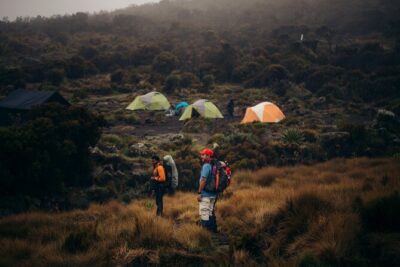
This is a gentle introduction by Kilimanjaro standards. You have time to settle into the walking rhythm, meet the support team, and learn how the camp routine works. Keep your day pack light, since you will want water, a rain layer, snacks, sunscreen, and any personal medication close at hand.
The drawback is the long transfer before the hiking starts. If your airport arrival or hotel night has been tiring, the early road journey can make Day 1 feel longer than its short walking distance suggests.
Day 2: Mti Mkubwa to Shira 2
Day 2 is one of the longer walking days, with seven to eight hours on the trail and roughly 16 kilometers. After breakfast, the path steepens as you enter the giant heather zone.
The scenery opens up here. Heather plants sit among volcanic rock formations, and several stream crossings break up the climb. The trail reaches Shira Ridge, where clear weather may reveal Uhuru Peak and the northern ice fields.
You finish at Shira 2 Camp, at about 3,850 meters. That is a sizeable gain from Mti Mkubwa, so the slow pace matters. Do not treat this as a day for racing ahead. The point is to keep moving steadily, drink regularly, and arrive with enough energy to eat and rest.
I would pay close attention to how the guide manages this stage. The company’s groups have praised guides for supporting people with altitude symptoms and giving practical advice. That kind of close supervision matters more than a polished camp meal or fast walking time.
The concern is simple: 16 kilometers at altitude is a serious day. Even fit hikers can feel worn down by the end. Ask about the expected departure time and what happens if your pace falls behind the group.
Day 3: Confirm the missing middle section
The supplied schedule does not clearly provide a complete Day 3 itinerary. It contains repeated Day 1 and Day 2 text, followed by a partial reference to five hours of hiking. That is not enough detail to tell you the exact camp, distance, elevation, or route for this day.
This missing information is important because the middle of a Kilimanjaro trek is where pacing and acclimatization begin to matter most. Before booking, ask for the current day-by-day program and confirm the overnight location.
You should also ask how the team handles a change in pace, bad weather, or altitude symptoms. The general package is clear about meals and fees, but the exact daily structure needs clarification.
More Kilimanjaro routes:
- Kilimanjaro climb by Lemosho Route (7-day)
★ 5.0 · 651 reviews - Kilimanjaro climb, Machame Route (7-day)
★ 5.0 · 262 reviews - Kilimanjaro Climbing Lemosho Route 8 Days.
★ 5.0 · 186 reviews - Climbing Kilimanjaro – Machame Route
★ 5.0 · 170 reviews
Day 4: Barranco Camp, the wall, and Karanga
The published route description places Day 4 at Barranco Camp, followed by a three to four-hour hike of about 5 kilometers to Karanga Camp. The day begins with the Barranco Wall, rising to roughly 4,250 meters.
The wall takes about 1.5 hours to reach the top. It is steep, but the description does not present it as technical climbing. Expect a hands-on walking section where you may use the rock for balance and move carefully behind the guide.
At the top, the trail becomes more level before descending into the Karanga Valley at about 4,050 meters. You then pass the junction connecting with the Mweka Trail and spend the night at Karanga Campsite.
This is a smart part of the route because the trail takes you high and then drops you lower for the night. That up-and-down pattern helps you experience altitude without simply sleeping at the highest point you reached.
The distance is short, but do not mistake that for an easy day. The Barranco Wall can feel demanding, and the descent into the valley puts more work on tired knees. Trekking poles may be useful, though the tour information does not specify whether they are supplied.
Day 5: Karanga to Barafu Camp
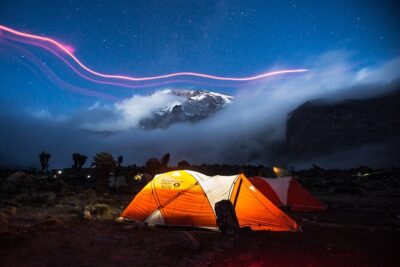
Day 5 is another short walking day, listed at three to four hours and about 4 kilometers. The aim is to reach Barafu Camp, where you complete the South Circuit and camp with views toward the summit.
Barafu sits at about 4,850 meters, according to the route’s elevation details. At this height, ordinary tasks feel slower. Getting dressed, eating, and packing can take more effort, so keep your camp routine simple and organized.
The South Circuit is a major scenic benefit. You see the summit and glaciers from different angles instead of viewing the mountain from one side only. The approach also gives you time to prepare mentally for the summit attempt.
The hard part is the early finish followed by a long wait at high altitude. The itinerary does not explain the exact rest period or summit departure time. Ask the operator how much time you will spend at Barafu, when you should expect to leave for the summit, and what happens to your belongings while you climb.
Day 6: The summit day needs clarification
Day 6 is not fully described in the supplied program. The listing appears to show a partial five-hour entry, but it does not give a complete summit itinerary, distance, starting time, summit elevation, or overnight arrangement.
That omission matters. A Kilimanjaro summit day is the physical and emotional center of the trip, so you should have clear instructions before departure. Confirm when you leave Barafu, where you go after reaching Uhuru Peak, how long the summit section usually takes, and where you sleep afterward.
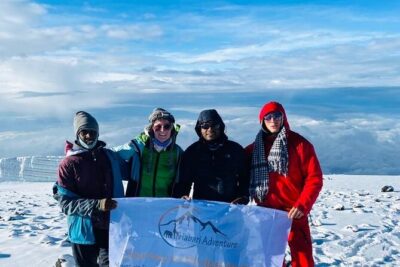
The tour is sold as a Mount Kilimanjaro summit climb, and the final day refers to receiving summit certificates. Still, the precise Day 6 plan should be supplied to you in writing.
Pack your summit items so they are easy to reach: your warmest layers, gloves, hat, headlamp if provided or required, water, and any personal medicine. The available information does not state which personal equipment is included, so do not assume that every item in a standard packing list comes with the tour.
Day 7: Mweka descent and the return to Moshi
The final day begins after breakfast at about 3,090 meters. You descend for three to four hours over roughly 10 kilometers to Mweka Park Gate.
The downhill route is a useful change after the upper mountain. It is still tiring, especially on knees and toes, so take care with your footing. At the gate, you receive summit certificates, and a vehicle takes you back to your hotel.
This transfer is one of the package’s practical strengths. After six nights of camping and a major physical effort, having transport waiting at Mweka keeps the final day simple.
The schedule does not state the exact hotel, arrival time, or whether airport drop-off is included. One booking description indicates pickup is offered, and a published company response refers to airport pickup and drop-off, but you should confirm what your own reservation includes.
Guides, cooks, and porters shape the experience
A Kilimanjaro climb is not just a walking holiday. Your experience depends heavily on the guide team and the people who prepare camp, carry supplies, and cook.
Names associated with this operator include Sanga, Francis, Kissima, Nguma, Peter, Innocent, and Michael Gudluck. You may not receive one of these guides, since staffing can change, but the company’s strongest praise centers on personal care, friendly support, food, and good organization.
The food has earned repeated approval, with the mountain cook Schabari singled out for creative meals. That matters because appetite can drop at altitude, and warm, reliable meals give you a better chance of keeping up your energy.
The porters are also described as helpful and kind. You should still ask how porter welfare is handled and what weight limits apply. The supplied information does not spell out those policies, so a responsible booking conversation should cover them.
A small group of up to 10 is a good balance. You get the social energy of a group, but the guide can still notice if you are walking too fast, falling behind, or showing signs of altitude trouble.
What the $3,000 price really covers
At $3,000 per person, this is a major purchase, but it includes many costs that can otherwise build quickly. The package covers park fees, taxes, trekking services, camping equipment, breakfast for six mornings, lunch for seven days, and dinner for six nights.
That broad coverage gives the price reasonable value for a guided, multi-day mountain trip. You are paying not only for a guide, but also for permits, camp support, food, transport connected to the route, and a team working behind the scenes.
Still, read the inclusions carefully. The information does not list flights, hotel nights, personal trekking equipment, tips, or the Tanzanian visa. The visa is stated separately at $50 or $100 per person on arrival, depending on nationality, with American residents specifically listed at the $100 level.
Ask about sleeping bags, trekking poles, clothing for the summit, airport transfers, and hotel nights. One of the company’s groups specifically recommended renting summit gear from the operator, which suggests equipment rental may be available, but the exact cost is not provided here.
Who should choose this seven-day climb?
This route suits you if you want a scenic approach and are comfortable with a demanding week outdoors. It is a strong option for people who value a local company, close guide contact, full meals, and a route that spends time away from the most direct trail.
It can also suit older or less experienced hikers if you prepare sensibly and communicate clearly with the guide team. A 67-year-old solo climber is among the people associated with this itinerary, but that should not be read as a promise that the route will be easy. Fitness, health, preparation, and altitude response vary widely.
Families should ask extra questions. One account describes a family with young children on a seven-day climb, but the activity information only says most people can participate. It does not provide a minimum age or child-specific support policy.
You should reconsider if you dislike camping, struggle with long uphill days, or want a tightly detailed schedule before booking. The missing Day 3 and Day 6 descriptions are fixable, but you need those answers first.
Booking details and cancellation terms
The listed start time is 11:00 a.m., and confirmation is provided when you book. Pickup is offered, but confirm the exact location and whether it means hotel pickup, airport pickup, or both.
The maximum group size is 10. Most people can participate, but the experience requires good weather, and the operator may offer another date or a full refund if poor weather causes cancellation.
Cancellation terms are time-sensitive. Cancel at least six full days before the local start time for a full refund. Cancellation two to six full days ahead receives a 50 percent refund, while cancellation less than two full days ahead receives no refund.
Should you book the Lemosho route?
I would choose this climb if scenery, a slower approach, and strong personal support matter more to you than the shortest or easiest route. The combination of Lemosho’s forest and moorland, the Shira views, Barranco Wall, South Circuit, included meals, and a group capped at 10 makes the package appealing.
I would book only after getting a written version of the complete itinerary. Confirm the summit schedule, Day 3 camp, Day 6 arrangements, personal gear rentals, airport transfers, hotel nights, tips, and visa costs.
If Uprise Africa Explorer answers those points clearly, the $3,000 price looks fair for a full-service seven-day climb. If the missing details remain vague, compare another operator before committing. Kilimanjaro is too demanding, and too expensive, for unclear planning.
FAQ
How long is the Kilimanjaro Lemosho trek?
The experience lasts approximately seven days and includes six nights of camping.
How large is the trekking group?
The activity has a maximum of 10 participants.
What meals are included?
Breakfast is included for six days, lunch for seven days, and dinner for six days.
Is camping equipment included?
Yes, the package states that camping equipment is included. You should confirm whether personal items such as sleeping bags and trekking poles are covered or available at an extra rental cost.
Is the Tanzanian visa included?
No. The visa is not included. The listed cost is $50 or $100 per person on arrival at the airport, with American residents listed at $100.
What happens after the descent?
After breakfast on Day 7, you descend to Mweka Park Gate, receive summit certificates, and take a vehicle back to your hotel.
More week long trips in Moshi & Kilimanjaro
- Climbing Kilimanjaro through 7 days Machame Route
★ 5.0 · 151 reviews - 7 Days Kilimanjaro via Machame route affordable price
★ 5.0 · 110 reviews - 7-Day Magical Tanzania Safari -Premium High End Package
★ 5.0 · 53 reviews - 7 Days Machame route – Kilimanjaro
★ 5.0 · 45 reviews
More Hiking Tours in Moshi & Kilimanjaro
- Best Kilimanjaro Adventure 7 days Machame route Trekking
★ 5.0 · 42 reviews - Kilimanjaro 7 Day Private Trekking Experience
★ 5.0 · 40 reviews - 8 Days Kilimanjaro Hike via Lemosho Route
★ 5.0 · 39 reviews - The Best & Unique Kilimanjaro Hiking tour 7 days Machame route
★ 5.0 · 34 reviews
Newly listed around Moshi & Kilimanjaro
- Climb Mount Kilimanjaro: 7 Days Machame Route★ 5.0 · 3 reviews
- 6 Days Mount Kilimanjaro Climbing via Rongai Route★ 5.0 · 3 reviews
- Explore 1 day Ngorongoro Crater Budget Group Safari from Arusha★ 5.0 · 3 reviews
- Mt. Kilimanjaro Day Hiking★ 5.0 · 3 reviews
- Chemka (Kikuletwa) Hot Springs, Tanzania★ 5.0 · 3 reviews
- Guided City tour of Moshi★ 4.3 · 3 reviews
- 8 Day Tanzania Family Safari★ 5.0 · 3 reviews
- Serengeti Safari with Sirikwa Travel★ 5.0 · 3 reviews
Kilimanjaro Climbs, compared.
Browse the lists this tour appears in