
Reviewed · KILIMANJARO CLIMBS
Hiking Mt Kilimanjaro 7 days scenic route & moderate challenge
The Machame Route gives you Kilimanjaro in its most scenic form, moving from wet rainforest to open moorland, rocky alpine desert, and the icy summit of Uhuru Peak. The route is famous for good views, but it is no casual stroll. Seven days means a steep and demanding climb, followed by a long summit night.
I like the way the route uses Lava Tower and the descent to Barranco for altitude practice. I also like the small group limit of eight, which should make it easier for the guides to watch your pace and condition. The biggest consideration is the short schedule. You need reasonable fitness, patience, and a willingness to hike through mud, cold, scree, and very little sleep.
Key points to know before you book
- The Machame Route is Kilimanjaro’s scenic choice: You pass through five distinct mountain zones, from rainforest to summit ice.
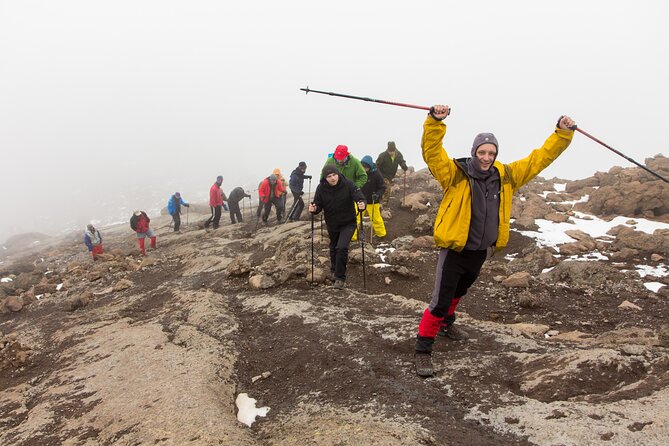
- The summit day is the real test: You start around 11:30 p.m. and may spend 12 hours hiking, first to Stella Point and then to Uhuru Peak.
- Lava Tower helps with acclimatization: You climb to about 4,630 meters, then sleep lower at Barranco Camp.
- The Barranco Wall looks worse than it feels: This Class 2 section requires hands and feet in places, but it is not technical climbing.
- The group is limited to eight people: The support team may include guides, porters, and a cook.
- The price is $2,650.16 per person: The value depends on the quality of mountain support and what is included beyond the listed park admissions.
Why the Machame Route is so popular
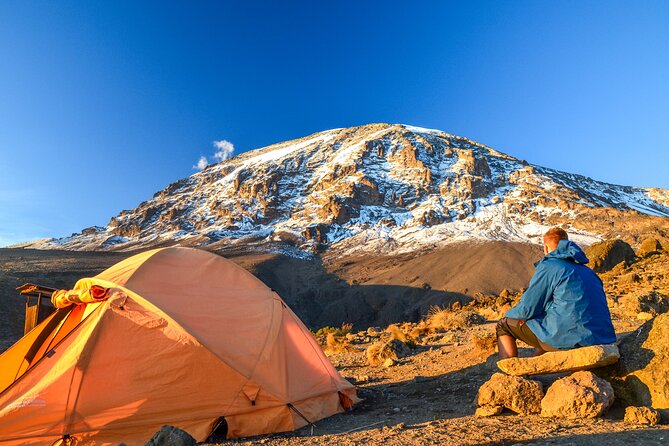
Kilimanjaro is not one long, identical climb. The Machame Route changes character almost every day. You begin under tall forest, walk through open moorland, cross a broad rocky plateau, and then enter a stark alpine zone where vegetation becomes scarce. Near the top, the air is thin, the ground is loose, and snow may cover the trail.
That variety is the route’s main reward. You get more than a summit photo. You see the mountain changing around you, which makes the long hours easier to understand and remember.
The route is also called the Whiskey Route, a nickname that hints at its tougher character compared with easier sounding alternatives. Here, moderate fitness should not be read as easy. The seven-day version is suitable for someone who hikes or backpacks and has some experience at altitude, but it can be a poor fit if you rarely walk uphill or have never spent long days on rough ground.
The group limit of eight is useful. On a mountain where altitude symptoms can appear quickly, a smaller party gives the guides more room to monitor breathing, headaches, irritability, and pace. Previous successful departures included guides such as Gastro and Sam, with English-speaking support, porters, and a cook.
More Hiking Tours in Moshi
- Private Kilimanjaro Hike 7 Day Lemosho Route
★ 5.0 · 60 reviews - Best Kilimanjaro hiking day trip tour with Kilinge Adventures
★ 4.5 · 54 reviews - #1. Best Kilimanjaro Day hike Tour-Machame Route-ISMANI
★ 4.2 · 47 reviews
Day 1: From Arusha to the muddy Machame forest
Your day begins with an early breakfast and pickup from Arusha, at roughly 1,400 meters. You drive toward Machame Village, where mineral water is available and you receive a packed lunch.
The final road section depends on conditions. If vehicles cannot reach the gate, you walk about three muddy kilometers, a journey that can take an hour. That detail matters in wet weather. You may begin the climb before officially entering the park, and your shoes can get dirty before the main trail even starts.
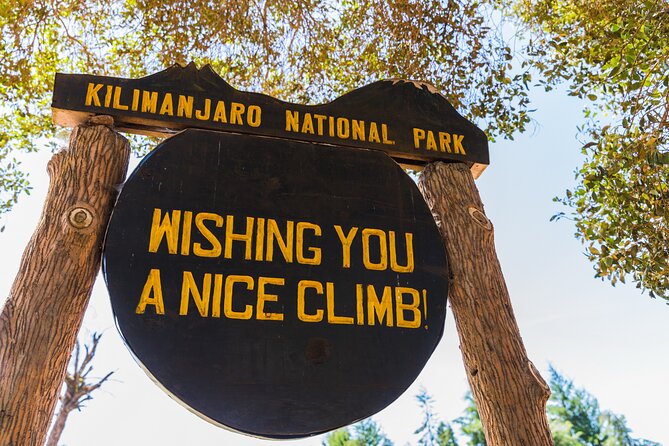
After registration at Machame Gate, the rainforest arrives almost at once. This first section is lush but often wet. Rain can turn the path into a slippery, soggy track, so waterproof clothing and shoes with a firm sole are practical rather than optional comforts.
You stop for lunch around the middle of the hike before continuing to Machame Camp. The exact hiking time is not provided here, but the day is long enough to feel like a full first test. The camp lies in the forest zone, where damp conditions and tired legs set the tone for the climb.
I like this opening because it makes the transition from ordinary road travel to mountain life very clear. The drawback is simple: if rain arrives, the first day can feel more like a muddy endurance walk than a gentle introduction.
Day 2: Moorland and the open Shira Plateau
Day two covers about nine kilometers and takes roughly six hours. You leave the forest behind after about an hour of climbing, then follow a gentler trail through moorland for another two hours.
This is a welcome change. The trees thin out, the views open, and you can begin to see the larger shape of Kilimanjaro. After lunch and a rest, you continue along a rocky ridge toward the Shira Plateau.
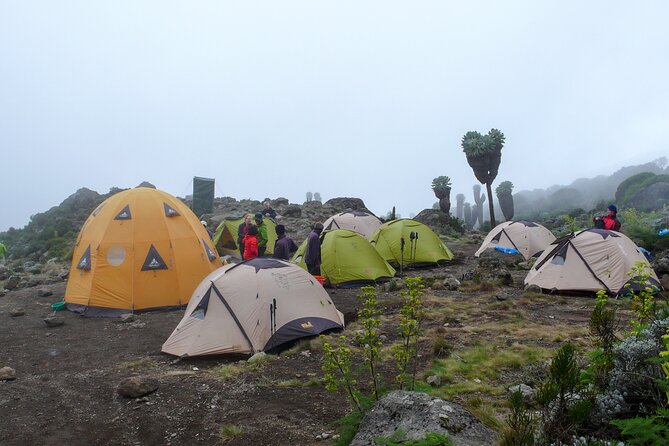
The route brings views toward the Western Breach and its glaciers. You are now west of Kibo, the volcanic summit cone that holds Uhuru Peak. Shira Camp sits at about 3,840 meters, an exposed position where temperatures can fall well below freezing.
The porters boil water for drinking and washing, then dinner follows at camp. The cold becomes more serious here, especially after sunset. You should keep warm layers, gloves, and a hat easy to reach instead of buried at the bottom of your bag.
This day is shorter than the first in feel, but the altitude begins to matter. You might notice that ordinary tasks take longer. Walk slowly, drink when offered, and do not treat a headache or unusual breathlessness as something to ignore.
Day 3: Lava Tower gives you altitude practice
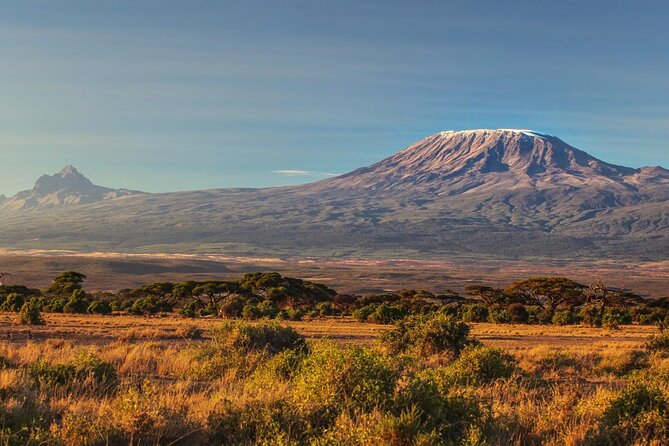
Day three is one of the most useful and difficult days on the route. The trail turns east into a rocky, semi-desert zone and climbs for about five hours toward Lava Tower at approximately 4,630 meters.
Lunch is served near the tower before you tackle a rocky scree path. Loose ground makes the climb tiring, and the thin air can produce breathlessness, irritability, or headaches for the first time. This is where a calm pace matters. Rushing only spends energy you will need later.
After reaching Lava Tower, you descend nearly 680 meters to Barranco Camp, around 3,950 meters. The high point followed by a lower sleeping altitude is a classic acclimatization pattern. You get time at height without spending the night at the highest point of the day.
This is the toughest day so far, but it has a clear purpose. I particularly like the logic of the route here: climb high, then sleep lower. It is hard work, yet the effort helps your body adjust before the summit push.
Do not judge your chances by how you feel at the start of the morning. Altitude symptoms can change during the day. Tell your guide about headaches, breathlessness, or irritability early. The mountain team is there to watch for these signs, and previous groups were specifically supported by guides alert to altitude sickness.
More Kilimanjaro routes:
- Kilimanjaro climb by Lemosho Route (7-day)
★ 5.0 · 651 reviews - Kilimanjaro climb, Machame Route (7-day)
★ 5.0 · 262 reviews - Kilimanjaro Climbing Lemosho Route 8 Days.
★ 5.0 · 186 reviews - Climbing Kilimanjaro – Machame Route
★ 5.0 · 170 reviews
Day 4: The Barranco Wall and the Karanga Valley
After breakfast, you face the Great Barranco Wall. From below, it can look intimidating, but this Class 2 section is generally a hands-and-feet scramble rather than technical climbing.
You need to be comfortable with uneven rock and steep steps. The route is not described as requiring climbing equipment, but you should expect to place your hands on the rock and move carefully. Your reward at the top is a view toward Heim Glacier and a position above the clouds.
The trail then rises and falls through the Karanga Valley. This is a shorter day, about four to five hours over roughly five kilometers, and it works well as another acclimatization stage.
That balance is important. You are not simply gaining height every hour. The route makes you work, then gives you a chance to recover. The day can still feel demanding because the previous climb to Lava Tower is fresh in your legs, but it is less punishing than the summit approach.
Day 5: Barafu Camp prepares you for the night
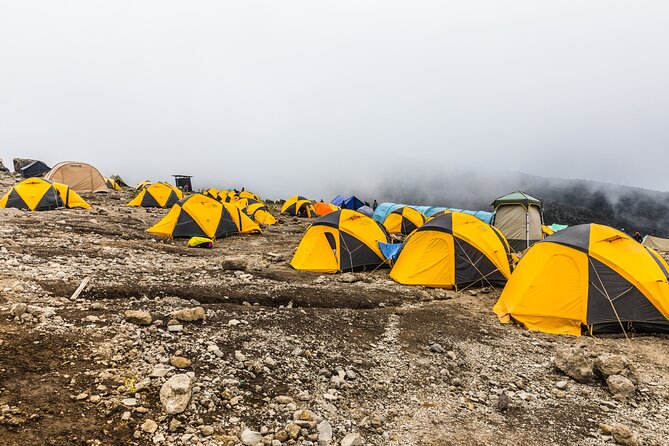
Day five covers about four kilometers and takes two to three hours. You leave Karanga Camp at 3,959 meters and join the Mweka Route, which you will use during the descent.
After about an hour, you reach Barafu Hut. This is the final water stop for the porters because there is no accessible water at Barafu Camp. That fact explains why water is boiled and carried for drinking and washing, and why you should take care with your own supply.
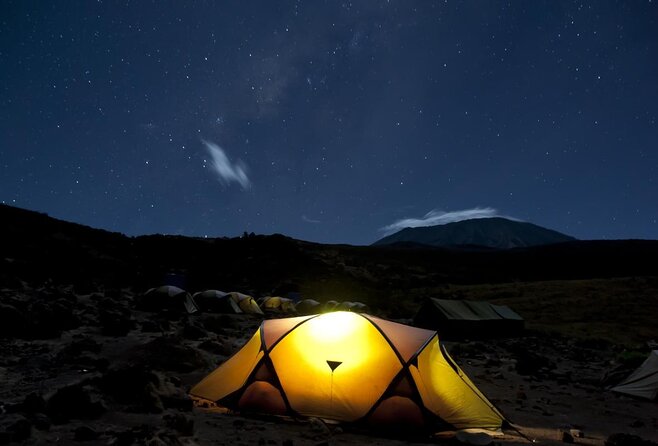
Barafu means ice in Swahili. The camp sits on a rocky, exposed ridge at about 4,550 meters. Tents can face wind and rocks, so you should get familiar with your camp area before darkness falls.
Dinner is served early. The plan is to rest before getting up around 11:30 p.m. for the summit attempt. In practice, this is a strange day. You hike only a few hours, but your mind is already focused on the hardest section ahead.
Keep your summit clothing ready before lying down. You do not want to sort socks, gloves, and layers in the middle of the night while cold and tired. The supplied information does not specify an equipment list, so ask the operator what is provided and what you must bring.
Day 6: Stella Point, Uhuru Peak, and the long descent
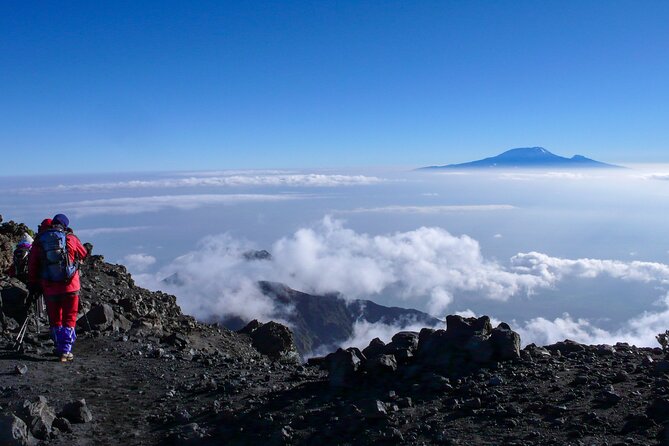
Summit day begins with tea and biscuits around 11:30 p.m. You walk into the darkness and climb northwest through heavy scree toward Stella Point on the crater rim.
The six-hour climb to Stella Point is often the most difficult part mentally and physically. The slope is slow, the air is thin, and the darkness hides the scale of the route. You may feel that every step takes effort. This is where a steady pace and close attention to your guide matter most.
At Stella Point, about 5,685 meters, you stop briefly. Weather permitting, sunrise provides one of the great rewards of the climb. From there, you normally encounter snow during the roughly two-hour ascent to Uhuru Peak at 5,895 meters.
Time at the summit depends on the weather. You should not linger if conditions are poor or your guide tells you to move. At this height, cold and wind can become serious quickly, and the summit is a place to celebrate briefly before beginning the descent.
The descent is not an easy afterthought. Your legs have already worked for many hours, and loose scree can make downhill walking awkward. After reaching the summit area, you descend toward Barafu Camp and continue to the lower camp described for the day. The full day lasts about 12 hours, so this is the point where strong preparation matters most.
A successful finish does not mean you reached Uhuru Peak only. Reaching Stella Point earns a green certificate, while reaching Uhuru Peak earns a gold certificate. Both require a serious high-altitude effort.
Day 7: Forest descent, certificates, and a mountain farewell
After breakfast, the support team holds a celebration with dancing and singing. This is also when you present tips to the guides, assistant guides, cook, and porters.
The ceremony gives the trip a human ending. Kilimanjaro is not climbed by one person alone. Your guides set the pace and monitor your condition, while porters and the cook make camp life possible. Since tipping is part of the final mountain ritual, ask before departure about expected amounts and how the money should be distributed.
You then descend through the forest for about three hours to Mweka Gate. The distance is listed as roughly 15 kilometers, so the descent can remain tiring even after the summit is behind you.
At the gate, hikers sign their names to receive certificates. From there, you continue for about an hour, covering three kilometers to Mweka Village. The day is short in the schedule but still includes substantial walking, especially for tired knees and feet.
What the $2,650.16 price means
At $2,650.16 per person, this is a major travel expense, but Kilimanjaro is not a simple day hike. The seven-day price reflects a staffed mountain operation with guides, assistant guides, porters, and a cook, as well as park access shown for the first six days.
The listing does not spell out every inclusion, such as hotel nights, transfers after the climb, equipment, meals outside the mountain, or tipping. I would ask for a written list before paying. The pickup description refers to Arusha, while the experience location is Moshi, so confirm exactly where your transport begins and ends.
The value is strongest if you want a guided, organized climb and do not want to arrange mountain staff yourself. The small group cap also matters. A party of up to eight can offer more personal attention than a large commercial group.
The price is less attractive if you are comparing only the number of hiking days. This is a demanding mountain trip, not seven sightseeing days, and the quality of altitude monitoring and camp support can matter more than a low headline cost.
Free cancellation is available when you cancel at least 24 hours before the local start time. Poor weather may lead to a new date or a full refund. Changes made within 24 hours are not accepted, and late cancellations are not refunded.
Who should choose this seven-day climb
Choose this route if you want:
- A scenic path with major changes in vegetation and terrain
- A small group capped at eight people
- A structured acclimatization day at Lava Tower
- A guide-led summit attempt with porters and a cook
- A serious hiking challenge completed in one week
Think twice if you have no hiking or backpacking background. The route includes mud, steep trails, rocky scree, cold exposed camps, a hands-and-feet section on the Barranco Wall, and a 12-hour summit day.
You also need to be honest about altitude. A strong level of ordinary fitness cannot guarantee an easy summit. The trip is designed to help you adjust, but symptoms can still appear. Follow your guide’s pace and report problems early.
The experience can suit a family with older teenagers if everyone has the needed fitness and commitment. One successful group included children aged 15 and 17, but that should not be taken as a promise that the route will feel easy for young hikers.
Should you book the Machame Route?
I would book this seven-day climb if scenic variety matters to you and you are ready for a real physical challenge. The Lava Tower acclimatization day, the Barranco Wall, the small group size, and the strong guide support make the route appealing.
I would not choose it simply because it is called moderate. The seven-day schedule is compact, and summit day begins near midnight after several days of exertion. Ask about inclusions, pickup details, equipment, and tipping before booking, then train for long uphill days.
If you want Kilimanjaro’s classic scenery and accept discomfort as part of the deal, this is a serious and rewarding option. If you prefer a gentler pace, look for a longer itinerary rather than assuming the Machame Route will be forgiving.
FAQ
Where does the Kilimanjaro hike begin?
The pickup information says you are collected from Arusha at about 1,400 meters and driven to Machame Village. The experience location is listed as Moshi, so confirm your exact pickup point with Safari Soles Tours.
How long does the experience last?
The climb lasts approximately seven days.
How large is the group?
The activity has a maximum of eight travelers.
Is pickup available?
Yes. Pickup is offered, with the itinerary describing an early pickup from Arusha.
What fitness level is required?
You should have a moderate physical fitness level. The route is also described as difficult, steep, and challenging, so hiking or backpacking experience is useful.
What is the highest point reached?
Uhuru Peak is at 5,895 meters. Stella Point, on the crater rim, is at about 5,685 meters.
How long is the summit day?
The summit day lasts about 12 hours. You begin around 11:30 p.m., walk to Stella Point, continue toward Uhuru Peak, and descend afterward.
Is the Barranco Wall technical climbing?
The Barranco Wall is described as a Class 2 hike. It may look intimidating, but it is generally tackled as a hands-and-feet scramble rather than a technical climb.
Are park admission tickets included?
Admission tickets are listed as included for days one through six. Day seven shows admission as free.
What happens if bad weather cancels the climb?
If poor weather causes cancellation, you are offered a different date or a full refund. For a normal cancellation, you must cancel at least 24 hours before the local start time to receive a full refund.
More week long trips in Moshi & Kilimanjaro
- Climbing Kilimanjaro through 7 days Machame Route
★ 5.0 · 151 reviews - 7 Days Kilimanjaro via Machame route affordable price
★ 5.0 · 110 reviews - 7-Day Magical Tanzania Safari -Premium High End Package
★ 5.0 · 53 reviews - 7 Days Machame route – Kilimanjaro
★ 5.0 · 45 reviews
More Hiking Tours in Moshi & Kilimanjaro
- Best Kilimanjaro Adventure 7 days Machame route Trekking
★ 5.0 · 42 reviews - Kilimanjaro 7 Day Private Trekking Experience
★ 5.0 · 40 reviews - 8 Days Kilimanjaro Hike via Lemosho Route
★ 5.0 · 39 reviews - 6 Days Machame Route Kilimanjaro Climbing Trekking Tour
★ 5.0 · 34 reviews
Newly listed around Moshi & Kilimanjaro
- Climb Mount Kilimanjaro: 7 Days Machame Route★ 5.0 · 3 reviews
- 6 Days Mount Kilimanjaro Climbing via Rongai Route★ 5.0 · 3 reviews
- Explore 1 day Ngorongoro Crater Budget Group Safari from Arusha★ 5.0 · 3 reviews
- Mt. Kilimanjaro Day Hiking★ 5.0 · 3 reviews
- Chemka (Kikuletwa) Hot Springs, Tanzania★ 5.0 · 3 reviews
- Guided City tour of Moshi★ 4.3 · 3 reviews
- 8 Day Tanzania Family Safari★ 5.0 · 3 reviews
- Serengeti Safari with Sirikwa Travel★ 5.0 · 3 reviews
Kilimanjaro Climbs, compared.








Browse the lists this tour appears in