
Reviewed · MOSHI & KILIMANJARO TOURS
4 days adventure camping safari
The big attraction here is simple: in four days, you move through Tarangire, Serengeti, and Ngorongoro, three of northern Tanzania’s finest wildlife areas. You sleep in supplied mobile tents, eat meals prepared for the group, and spend long hours watching animals from a roofed 4×4.
I like the range of scenery and wildlife, and I like that the price includes camping gear, park fees, meals, water, and a professional guide. Guides such as Simon, Chadi, Jeff, and Chedy have been singled out for sharp animal spotting, humor, and useful explanations. The trade-off is hard road time and basic camping, so this is not a soft-bed safari.
Key points before you book
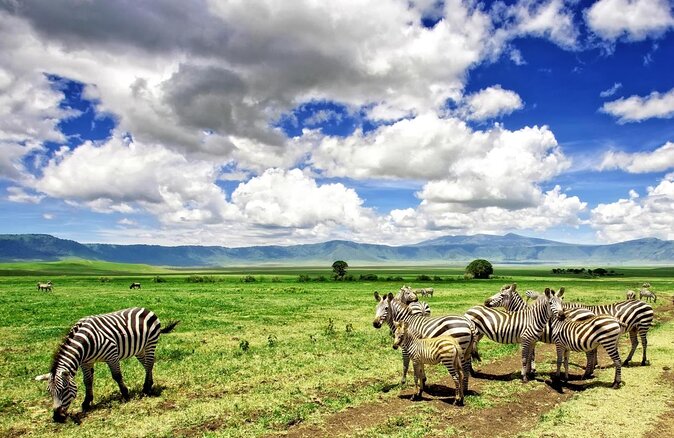
- Three major parks in four days: Tarangire, the Serengeti, and Ngorongoro each offer a different setting and style of game viewing.
- Camping equipment is supplied: You do not need to bring a tent, and three breakfasts, four lunches, three dinners, and bottled water are included.
- Long game-drive days: The schedule includes days of up to 12 hours, with early starts and late returns.
- A roofed 4×4 helps with viewing: The safari jeep has a pop-up roof, cooler fridge, and charging ports.
- The Maasai village visit costs extra: This optional stop carries a $20 entrance fee.
- Excellent guide reports: Simon, Chadi, Jeff, and Chedy are praised for animal knowledge, driving, humor, and care.
Why this four-day route works
This trip packs a lot into a short time. You get one full day in Tarangire, two substantial stretches around the Serengeti, and a crater visit at Ngorongoro. I like this route for a first safari because it gives you variety instead of asking you to spend all four days in one park.
The price is $1,650 per person. That is not the rock-bottom figure for a Tanzania safari, but it covers the costly parts that can quickly add up: park admission, a 4×4 safari vehicle, camping equipment, a guide, food, and water. You are paying for access to three famous parks and for the transport needed to connect them.
You should still compare the final arrangement carefully. The activity is described as private, with only your group taking part, yet past arrangements have also included joined or shared groups. Ask for written confirmation of the group setup, sleeping arrangements, and exact start and finish points before paying.
More Safaris in Moshi
- Safari Serengeti And Ngorongoro
★ 5.0 · 288 reviews - Big Five Safari In Tanzania
★ 5.0 · 99 reviews - Unforgettable Tanzania Safari And Zanzibar Beach
★ 5.0 · 97 reviews
Tarangire: elephants and an easy wildlife start
Day one is a full game drive in Tarangire National Park, lasting about nine hours. The park is presented as the first major wildlife stop, and it gives you a strong chance to see elephants, wildebeest, buffaloes, zebras, gazelles, and predators such as lions, cheetahs, and leopards.
Tarangire is a useful opening act because the animal list is broad. You are not simply driving in search of one famous species. Herbivores may gather in visible groups, while a guide watches the edges for cats. A good guide matters here. Simon, Chadi, Jeff, and Chedy have all been praised for spotting animals and explaining what you are seeing.
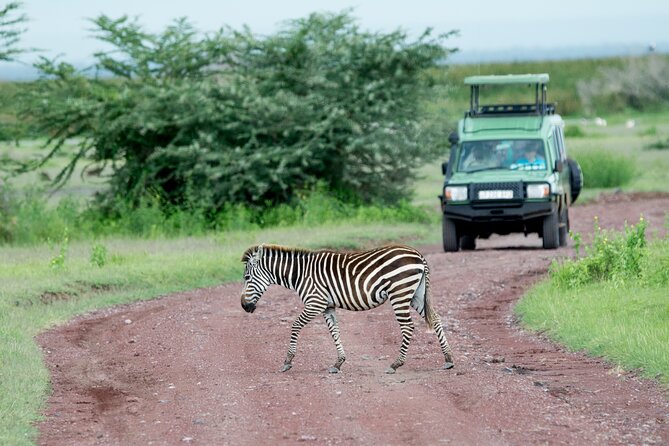
The pop-up roof is one of the most useful pieces of equipment in the package. You can stand or sit with a clearer view above the vehicle, which helps when animals are close or partly hidden by grass. The cooler fridge is practical on a long hot drive, and charging ports help you keep cameras and phones ready.
A nine-hour game drive is also tiring. You will spend much of the day in the vehicle, and the road conditions can make the ride feel rough. Pack a small day bag with sunglasses, sunscreen, a hat, and a light layer. The trip supplies bottled water, but you should carry it where you can reach it without asking the driver each time.
Ngorongoro Viewpoint and the optional Maasai visit
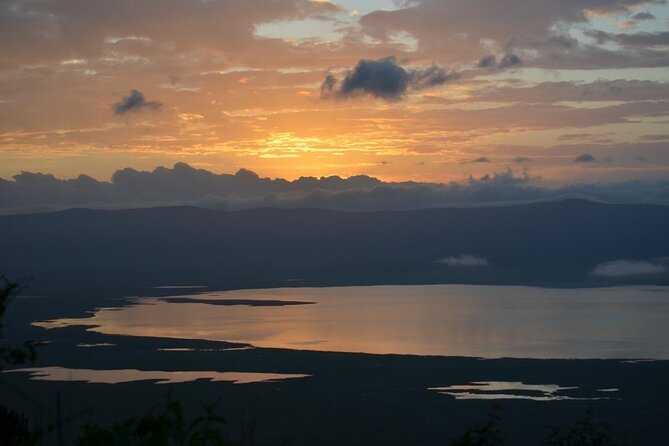
The second day begins with a viewpoint over Ngorongoro Crater, a short stop of about 20 minutes. The view is the kind that rewards a pause. From above, the crater’s huge enclosed floor gives you a quick sense of why this place is such a powerful part of the northern circuit.
Twenty minutes is enough for photographs and a first look, but not enough for a slow visit. Treat it as a scenic stop rather than a full activity. The real crater game drive comes on day four.
The route may also include an optional Maasai village visit lasting about 45 minutes. The entrance fee is $20, and it is not included in the tour price. This is a useful choice if you want cultural context alongside wildlife, but it should remain your choice. You do not need to add it simply because it is on the route.
The village visit is described as an opportunity to learn about Maasai traditions, including warrior customs, lion hunting traditions, and the practice of drinking animal blood. The information also notes that some of these traditions belong to the past, with blood drinking retained in some form. Approach this stop with respect and curiosity, rather than expecting a staged wildlife story.
Serengeti at sunset, then camp near the animals
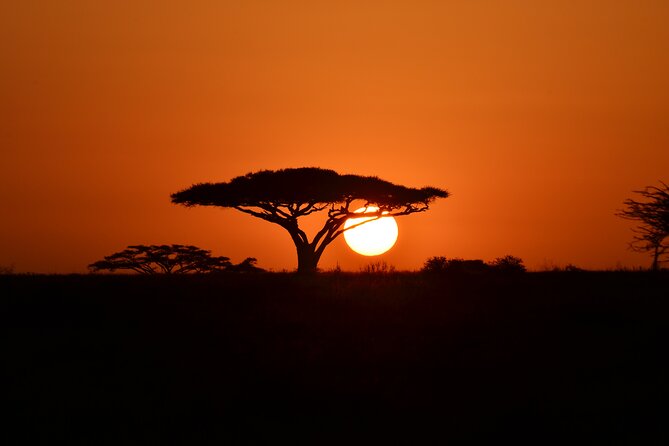
After the Ngorongoro stops, you continue toward Serengeti National Park and arrive in the afternoon. The plan is to game-drive through Seronera, the central Serengeti area, into the late evening. This is one of the best parts of the schedule because the afternoon light can soften the plains and make animal watching feel especially dramatic.
The itinerary specifically allows for a sunset game drive. You may see predators hunting or feeding, though no safari can promise a kill or a Big Five sighting. The sensible expectation is frequent wildlife possibilities, not a guaranteed checklist.
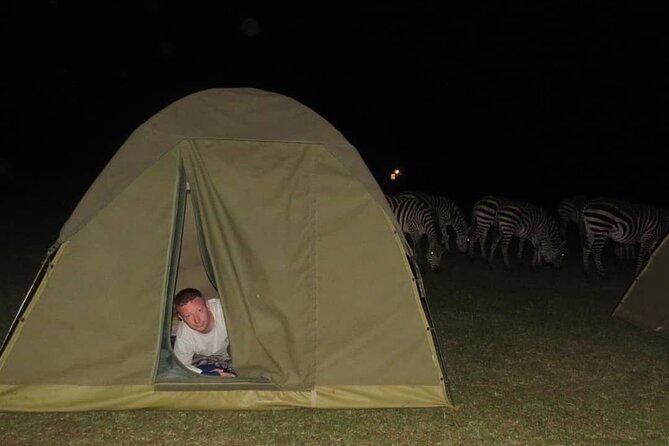
You then head to Seronera campsite. The supplied information says animals can sometimes be seen around camp, with hyenas especially likely, and that active rangers provide close protection. That detail tells you something important about the camping style. You are not camping in an isolated wilderness without oversight, but you are also not staying in a sealed hotel compound.
Follow every camp safety instruction. Do not wander away from the marked area, approach animals, or leave food exposed. The presence of rangers is reassuring, but it does not turn wild animals into harmless neighbors.
A 12-hour day is listed for this section. That includes driving, game viewing, and the move to camp. It is a thrilling schedule, but it leaves little room for idling. If you need regular rest, have limited stamina, or dislike long vehicle journeys, this route may feel too compressed.
More camping safaris in Moshi & Kilimanjaro:
- 4 Days Group Joining Camping Safari to Tarangire Serengeti Ngorongoro Crater
★ 5.0 · 50 reviews - 6 Days Tanzania Budget Camping Safari with Migration
★ 5.0 · 31 reviews - 5 days Tanzania Camping Safari
★ 5.0 · 29 reviews - 3 Days Camping Safari Tarangire, Lake Manyara and Ngorongoro Crater
★ 4.5 · 6 reviews
Early Serengeti game drive and the road out
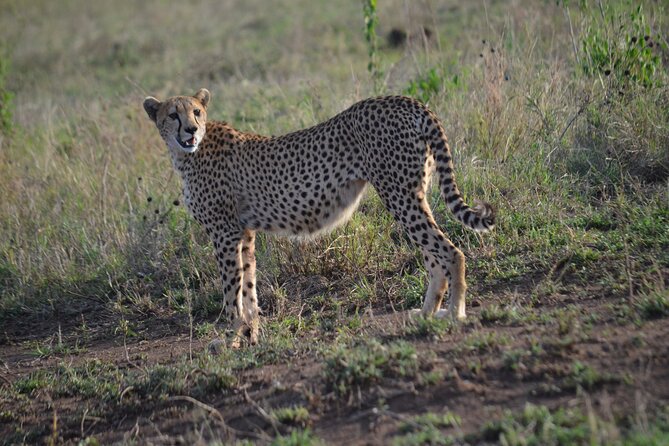
Day three begins after an early breakfast with another game drive. The goal is to see animals while the morning is still cool, then return to camp for lunch before continuing through the park and exiting toward Simba campsite.
The early start is worth accepting. Predators and other animals can be more active at the beginning of the day, and the low light can create striking views. The exact sightings will depend on location, season, and luck, but the schedule gives you two useful Serengeti windows: late afternoon into sunset on day two, and early morning on day three.
The afternoon drive as you leave the Serengeti gives you more than a simple transfer. You continue watching for animals while making progress toward the next camp. The itinerary notes that animals may also appear near campsites, so keep your eyes open during arrival and departure.
Again, this is a 12-hour day. You should be comfortable with an early breakfast, a long time in a safari vehicle, and a camp-to-camp routine. The reward is more time in the Serengeti, rather than losing half a day to a plain road transfer.
Past guide feedback gives this part of the trip an important human dimension. Simon is described as a funny and capable driver who explained animals and local life. Chadi is praised for being kind and for not rushing the group. Jeff is noted for adding local perspective, while Chedy is described as caring and entertaining. Guide quality can shape a safari more than the printed route, so confirm who will lead your departure if that matters to you.
The Ngorongoro crater floor and the search for rhino
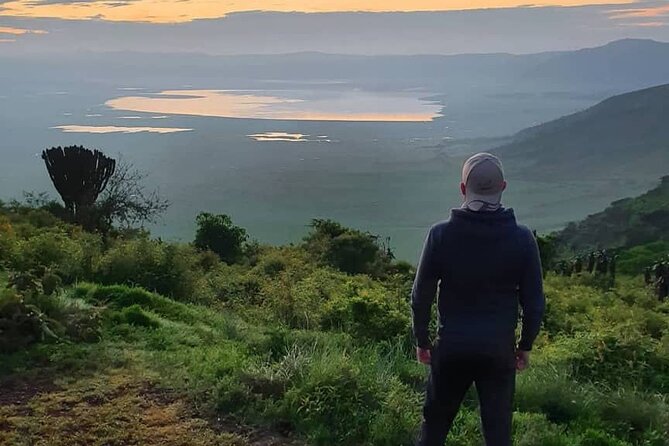
Day four returns you to Ngorongoro Crater. After an early breakfast, you descend into the crater for a game drive focused partly on black rhinos. Rhinos are described as among the hardest animals to spot here, so you should see the search as a special possibility, not a promise.
Ngorongoro is different from the Serengeti. The crater floor concentrates a large range of animals in a contained setting, which can make game viewing feel efficient. You may find many species easier to spot than on open plains, while the rhino search adds patience and uncertainty.
After lunch, you continue game viewing, then ascend to camp, pack, and begin the return journey to Arusha. The listed duration is about seven hours. That makes the final day a full outing, not a relaxed morning followed by a short drive.
The schedule is ambitious. You could finish with a memorable final sighting, but you may also feel worn out by the time you reach Arusha. If you have a same-day flight, allow plenty of margin and confirm the actual arrival plan directly with Safari Soles Tours.
Camping, meals, and what the price really covers
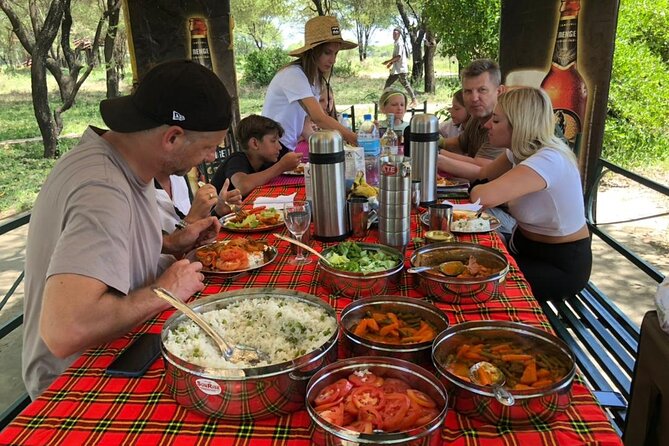
This is an adventure camping safari, not a luxury lodge circuit. The operator supplies the camping equipment, so you avoid bringing a full tent and the other bulky items needed to sleep outdoors. The exact tent style and bedding details are not specified, so ask what is provided before departure if you need a particular mattress or sleeping setup.
Food is included throughout the main route:
- Three breakfasts
- Four lunches
- Three dinners
- Bottled water
Food quality has been a repeated strength of the operation. Cooks named Action and Geoffrey have received warm praise, with meals described as delicious and a major part of the experience. That matters on a demanding safari. A good hot meal after hours on dusty roads is not a small luxury.
The package also includes all fees and taxes, a professional guide, and the 4×4 jeep. Tipping is not included. Carry enough local currency for tips and for the $20 Maasai village entrance if you choose that stop, though the supplied information does not specify the preferred tipping amount.
At $1,650, the value rests on how much time you spend in the parks. You are not buying a short wildlife outing with a single overnight stay. You receive four days of transport, park access, camping support, meals, water, and guiding across a large route. The price makes more sense if you want the classic northern circuit and are happy with basic nights.
The vehicle and the rhythm of a safari day
The safari jeep has four-wheel drive, a pop-up roof, a cooler fridge, and charging ports. These features are practical rather than decorative. Four-wheel drive is suited to rough park roads, the roof improves viewing, the fridge helps keep drinks cool, and charging ports protect your photo supply.
The vehicle is your main base for long stretches. You should expect dust, bumps, changing temperatures, and repeated early starts. The schedule lists nine to 12 hours for several days, so bring patience along with your camera.
The trip offers pickup, and airport transfers have been arranged for some past bookings. Still, the exact pickup point should be confirmed in writing. The activity is based in Moshi, while the route returns to Arusha, so do not assume that every hotel transfer or airport connection is automatically included.
The booking confirmation is issued at the time of reservation. Most people can participate, but the supplied information does not give a detailed mobility assessment. If you have a physical limitation, ask specific questions about vehicle access, walking at camp, and getting in and out of the jeep.
Who will enjoy this safari most
I would choose this experience if you want a classic Tanzania safari but prefer camping to expensive lodges. It suits people who value time in the parks, enjoy meeting like-minded campers, and can handle long days without needing a polished hotel routine.
It also works well for families with older children. A past booking included children aged 12 and 14, but the operator does not publish a broad age policy. Ask before booking if your children are younger or if you have special needs.
You may want a different style of trip if you need guaranteed private space, short drives, or high-end accommodation. The word adventure is doing real work here. Nights are basic, the schedule is packed, and wildlife sightings depend on nature.
The main strengths are clear: excellent park selection, useful vehicle equipment, included meals and camping gear, and guides who bring humor and animal expertise. The main cautions are equally clear: long days, an extra fee for the Maasai village, and some uncertainty about private versus shared arrangements.
Should you book Safari Soles Tours?
Book this safari if you want to cover northern Tanzania’s major parks in four days and you are comfortable trading comfort for access and time. The chance to watch a Serengeti sunset, search for black rhinos in Ngorongoro, and see elephants in Tarangire gives the route real variety.
Before booking, confirm four things: the group size, the exact camping equipment, the pickup and Arusha drop-off plan, and the identity of your guide. If you get clear answers and accept the long driving days, $1,650 can be fair value for a well-equipped camping safari with food and park costs already handled.
FAQ
Where does the safari begin?
The experience is based in Moshi, Tanzania, and pickup is offered. Confirm your exact pickup point before departure.
How long does the safari last?
The safari lasts approximately four days and includes three nights of camping.
Which national parks are included?
The route visits Tarangire National Park, Serengeti National Park, and Ngorongoro Crater.
Is the Maasai village visit included?
No. The Maasai village visit is optional and has a $20 entrance fee that is not included.
Is camping equipment provided?
Yes. Camping equipment is included in the tour price.
Are meals included?
Yes. The package includes three breakfasts, four lunches, and three dinners.
Is bottled water included?
Yes. Bottled water is supplied during the trip.
What kind of safari vehicle is used?
The safari uses a 4×4 jeep with a pop-up roof, cooler fridge, and charging ports.
Is tipping included?
No. Tipping is not included in the listed price.
More four day trips in Moshi & Kilimanjaro
- 4-day Tanzania Safari
★ 5.0 · 53 reviews - 4 Day Private Tour Throughout Tarangire, Serengeti and Ngorongoro
★ 5.0 · 42 reviews - 4-Day Private Guided Tanzania Safari Tarangire, Serengeti, Manyara
★ 5.0 · 28 reviews - 4 Days Tanzania Budget Safari
★ 5.0 · 26 reviews
More Safaris in Moshi & Kilimanjaro
- 8-Day Essence of Tanzania Safari – Luxury
★ 5.0 · 72 reviews - Great Migration Safari In Tanzania
★ 5.0 · 71 reviews - Serengeti, Ngorongoro and Tarangire 4 Days Safari
★ 5.0 · 59 reviews - 6 Days 5 Night Safari
★ 5.0 · 57 reviews
Newly listed around Moshi & Kilimanjaro
- Climb Mount Kilimanjaro: 7 Days Machame Route★ 5.0 · 3 reviews
- 6 Days Mount Kilimanjaro Climbing via Rongai Route★ 5.0 · 3 reviews
- Explore 1 day Ngorongoro Crater Budget Group Safari from Arusha★ 5.0 · 3 reviews
- Mt. Kilimanjaro Day Hiking★ 5.0 · 3 reviews
- Chemka (Kikuletwa) Hot Springs, Tanzania★ 5.0 · 3 reviews
- Guided City tour of Moshi★ 4.3 · 3 reviews
- 8 Day Tanzania Family Safari★ 5.0 · 3 reviews
- Serengeti Safari with Sirikwa Travel★ 5.0 · 3 reviews
Moshi & Kilimanjaro Tours, compared.

Browse the lists this tour appears in