
Reviewed · SERENGETI & NGORONGORO SAFARIS
4-Day Private Guided Tanzania Safari Tarangire, Serengeti, Manyara
The great draw here is the variety packed into four days: elephant country in Tarangire, the wildlife-filled Ngorongoro Crater, the wide grasslands of the Serengeti, and the birdlife of Lake Manyara. If the seasonal migration is in the right place, you may also see huge herds of wildebeest and zebra moving across the plains.
I like the private format, since your guide can adjust the pace and focus on the animals you most want to see. I also like the range of scenery, from giant baobabs and crater walls to marshes, forests, open savannah, and a lake visited by flamingos. The main drawback is the pace: four parks in four days means long drives and limited time in some areas, especially the Serengeti.
Key points to know before you book
- Four major parks in one compact route: Tarangire, Ngorongoro, Serengeti, and Lake Manyara each offer a different type of wildlife viewing.
- A genuinely private safari: Only your group takes part, so you can ask for more time with elephants, predators, birds, or scenery.
- Strong guide reports: Denis, Gasper, Sifuni, Justin, Lio, and Julius are among the guides praised for animal-spotting, safe driving, flexibility, and clear explanations.
- The Big Five are possible: Several past outings with this company have found lion, leopard, elephant, buffalo, and rhinoceros, though no safari can promise every sighting.
- The migration is seasonal: The large wildebeest and zebra crossings depend on rainfall and change from year to year.
- The price reflects a full private circuit: At $1,994 per person, the value depends heavily on your group size, included lodging, and how much you value a private vehicle and guide.
Four parks, four very different safari moods
This route gives you a useful introduction to northern Tanzania without asking you to spend the entire trip in one park. That variety is the heart of the experience.
Tarangire is known for elephants and baobabs. Ngorongoro gives you a concentrated wildlife setting inside an old volcanic crater. The Serengeti supplies the big open spaces and the possibility of migration sightings. Lake Manyara finishes with a smaller park that brings together water, woodland, cliffs, grassland, monkeys, and birds.
That sounds ideal on paper, but the route is busy. You will have early breakfasts, picnic lunches, several long road sections, and game drives that can last six to eight hours. I would choose this trip if you want a broad first look at Tanzania and have only four days. If you have more time, adding a night in the Serengeti would make the schedule less rushed.
The private setup helps. You are not tied to the interests or energy level of a larger group. If your group wants to watch a pride of lions for an extra few minutes, stop for a bird, or move on from a distant antelope sighting, you can discuss that with your guide.
More Safaris in Moshi
- Safari Serengeti And Ngorongoro
★ 5.0 · 288 reviews - Big Five Safari In Tanzania
★ 5.0 · 99 reviews - Unforgettable Tanzania Safari And Zanzibar Beach
★ 5.0 · 97 reviews
Day 1: Tarangire and the elephants beneath baobabs
After breakfast, you head to Tarangire National Park for a game drive and picnic lunch. The park is Tanzania’s third largest national park, but its appeal is not simply size. The Tarangire River draws animals during dry periods and acts as the park’s main permanent water source.
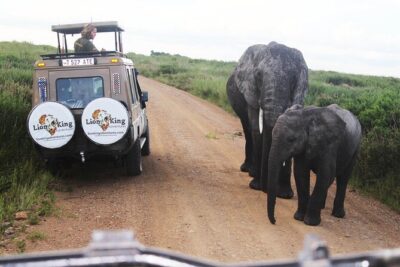
The first thing you notice is likely to be the baobabs. Their thick trunks and strange, spreading shapes give the park a strong sense of place. Elephants feeding below them can look surprisingly small beside these trees. Tarangire is noted for an unusually large elephant population, with numbers that can reach several thousand.
You might also see lions, leopards, cheetahs, buffalo, giraffes, zebras, and other grassland animals. The park rewards slow, patient searching. A guide who can read animal behavior and scan the trees carefully matters here, especially when looking for cats that may be resting out of sight.
The listed drive lasts about eight hours, including the game drive and picnic lunch. That makes this a full opening day, not a gentle introduction. Wear practical clothing, bring sun protection, and expect dust and road time. The tradeoff is worthwhile if elephants and distinctive scenery are high on your list.
Your overnight stay is at an accommodation arranged for the safari. The exact lodge is not specified, so ask for its name, location, and meal arrangements before paying. That information can make a real difference to your comfort and to the amount of driving on the next morning.
Day 2: Down into the Ngorongoro Crater
Day two begins early with breakfast and packed lunch boxes before the drive to Ngorongoro Crater. You then descend about 2,000 feet, or more than 600 meters, to the crater floor for a half-day game drive.
The crater is special because its enclosed setting can bring many animals into a relatively compact area. You may explore open savannah where lions hunt, forest sections used by monkeys and elephants, and a lake area where flamingos may gather. The crater floor also includes marshes, with hippos and birds around the wet areas.
Lunch is taken at a picnic site overlooking the marshes. That setting adds more than a meal stop. It gives you a chance to pause, take in the crater walls, and watch for movement in the water and grass.
Rhinoceros are among the animals associated with the crater, along with lions and other large mammals. Sightings are never guaranteed, but the enclosed geography gives you a good chance to see a broad mix of wildlife during a half-day visit.
The day is scheduled for about seven hours. The practical issue is that the crater visit involves a steep descent and ascent, followed by road travel. The payoff is one of Tanzania’s most memorable natural settings, but you should not expect a slow, secluded wilderness experience. The crater is a major attraction, and other safari vehicles may be present.
Day 3: Six to seven hours across the Serengeti
The Serengeti is the emotional center of this safari. You leave after another early breakfast, with the game drive beginning around 6:30 a.m., and spend roughly six to seven hours exploring the park.
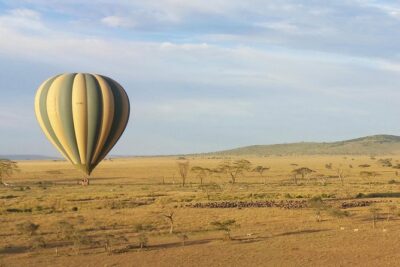
The name is linked with endless plains, and the open setting is exactly what makes the Serengeti feel so different from Tarangire or Ngorongoro. You may see impala, buffalo, crocodiles, hippos, giraffes, zebras, and large herds of antelope. The open ground also gives predators room to hunt, so lion, leopard, and cheetah are among the most sought-after sightings.
The migration is the headline attraction, but it needs careful wording. About 1.5 million wildebeest, 250,000 zebras, and 500,000 antelope are associated with the annual movement, yet the herds do not follow a fixed timetable. Rainfall controls their route, and the timing varies from year to year.
That means you should not book this four-day trip solely for a river crossing or a particular herd location. You may find large groups of animals, but the exact experience depends on the season and the route taken that year. Ask the operator where the itinerary is expected to spend time during your travel dates.
A good guide is particularly valuable in the Serengeti. The park is huge, and animal sightings can depend on communication, local experience, and the ability to position the vehicle without rushing. Guides named Denis, Gasper, Justin, Lio, and Julius have been singled out for strong animal-spotting, clear explanations, flexibility, and driving skill. Your assigned guide may be different, so treat those names as examples rather than a promise.
The day ends with a return toward Karatu, arriving at the arranged accommodation. This is one of the route’s less obvious compromises. The Serengeti is far-reaching, and returning toward Karatu after a long game drive adds road time. You gain a visit to the park within a short holiday, but you lose some hours that could otherwise be spent inside the Serengeti.
More Serengeti and Ngorongoro itineraries:
- Serengeti, Ngorongoro and Tarangire 4 Days Safari
★ 5.0 · 59 reviews - 5 Days Camping Tarangire, Serengeti & Ngorongoro crater & Visiting Maasai
★ 5.0 · 58 reviews - 4 Days Group Joining Camping Safari to Tarangire Serengeti Ngorongoro Crater
★ 5.0 · 50 reviews - 3-Day Ngorongoro Crater Manyara and Tarangire Safari from Arusha
★ 5.0 · 49 reviews
Day 4: Flamingos and forest at Lake Manyara
After breakfast, you drive to Lake Manyara National Park for the final game drive, then continue to Arusha. The park is smaller than the Serengeti and Tarangire, but it packs several habitats into a tight area.
The shallow, salty lake expands and contracts with the seasons. At the right time, thousands of flamingos gather around it, along with many other bird species. The park is associated with more than 500 types of birds, so you do not need to be a dedicated bird-watcher to enjoy the variety.
Away from the water, you may see monkeys in the woodland, giraffes, zebras, wildebeest, buffalo, and elephants. With luck, lions may be resting in trees, a sight for which Lake Manyara is especially known. The scenery shifts between open plains, forest, baobab-dotted cliffs, and the lake itself.
The final game drive lasts about seven hours. That is plenty of time for a good visit, but remember that this is also your departure day. The route returns to Arusha rather than Moshi, so confirm where you want to finish and how that fits with your next hotel, flight, or onward plan.
Lake Manyara works well as a finale because it changes the focus from large herds and big predators to birds, woodland, and varied terrain. It is not a replacement for extra Serengeti time, but it adds a different type of park to the trip.
What the private guiding adds
The strongest part of this experience is not simply the list of parks. It is the ability to travel with one guide and one private group.
The company has arranged private trips for couples, families, honeymooners, and larger parties using two vehicles. Guides have been praised for handling children, adjusting plans, helping when flights changed, and accommodating dietary needs such as gluten-free meals. Those details matter because safari days are long and plans can shift.
Names associated with especially positive experiences include Denis, Gasper, Sifuni, Justin, Lio, and Julius. The praise centers on practical strengths: safe driving, good English, animal knowledge, patience, and the ability to offer choices rather than force one fixed plan.
You should still ask a few direct questions before booking. Find out who your guide is expected to be, what type of safari vehicle will be used, where each night is located, and how much time is planned inside the Serengeti itself. A private label does not automatically mean a luxury vehicle or a flexible schedule, so get the details in writing.
Food, lodges, and the daily rhythm
The schedule includes breakfast, picnic lunch boxes on the longer park days, dinner, and overnight accommodation. Picnic meals are practical because they keep you near the wildlife rather than sending you out of the park for lunch.
The quality and location of the lodges are important, yet no specific properties are named in the information provided. Ask whether the accommodation is in Tarangire, near Karatu, or farther away. A lodge that looks close on a map can alter the next day’s start time when park roads are involved.
The rhythm is simple: early breakfast, a long drive or game drive, lunch outdoors, more wildlife viewing, then dinner and sleep. You will spend many hours seated in the safari vehicle. That is normal for this kind of trip, but the four-day schedule may feel tiring if you prefer late mornings or unhurried hotel time.
Is $1,994 per person good value?
The price is $1,994 per person. I would judge it as a substantial but potentially fair price for a private, four-day lodge safari covering four major parks.
The value comes from the private vehicle and guide, park access, transport across a large circuit, game drives, meals listed in the schedule, and lodge accommodation. You are paying not only for time in the parks but also for the planning and driving needed to connect them.
The key missing detail is the precise list of inclusions. Before booking, confirm the accommodation category, park fees, meals, transfers, and any extra charges. Compare like with like. A lower price may involve a shared vehicle, fewer park visits, camping, or less time in the Serengeti.
The price becomes more attractive for a small private group that values control over the day. For a solo person or couple, it is a larger outlay, though the private format can still be worthwhile if seeing the Big Five and covering several parks matter more than keeping costs down.
Who will enjoy this safari most?
I would recommend this route to a first-time safari visitor who wants the classic northern Tanzania parks in a short holiday. It also suits families, since the private setting allows the guide to adjust the day and past outings have included children successfully.
It is a good fit for photographers who want variety: elephants and baobabs in Tarangire, crater views, open Serengeti plains, flamingos, and woodland wildlife. It also suits anyone hoping for the Big Five, while keeping expectations realistic about luck and timing.
I would hesitate to recommend it to you if your main goal is an extended migration stay. The Serengeti day is impressive, but one main day there gives you limited flexibility if the herds are far from the planned route. Add nights if migration viewing is your top priority.
The tour is also less suited to anyone who dislikes early starts, long drives, or picnic lunches. This is an active safari, not a resort break with occasional wildlife outings.
Booking advice for a smoother four days
The experience is offered from Moshi, with pickup available, and the stated meeting time is 12:00 a.m. That midnight time is unusual, so confirm the actual pickup hour directly before the trip. The route finishes in Arusha on day four, another detail worth checking against your hotel plans.
Confirmation is provided at booking, group discounts are available, and only your own group participates. Most people can take part, but the schedule still calls for long days in a vehicle and early starts.
The cancellation terms are strict: the experience is non-refundable and cannot be changed for any reason. Only book once your dates, flights, accommodation needs, and group size are settled.
Should you book it?
Book this safari if you want a high-impact first taste of northern Tanzania and value a private guide who can adjust the day around your group. Tarangire, Ngorongoro, Serengeti, and Lake Manyara give you an unusually broad mix of animals and scenery in four days.
Think twice if you want slow travel or a migration-focused trip. In that case, spend more nights in the Serengeti and reduce the number of parks. For most first-time visitors with limited time, though, this route offers a strong range of classic Tanzania experiences, provided you accept the early mornings and long road sections.
FAQ
Where does the safari start?
The experience is based in Moshi, Tanzania, and pickup is offered. The listed meeting time is 12:00 a.m., so confirm the exact pickup arrangement before departure.
Which national parks are included?
The route includes Tarangire National Park, Ngorongoro Crater, Serengeti National Park, and Lake Manyara National Park.
Is this a private safari?
Yes. Only your group participates in the activity.
How long is each day?
The listed activities last about eight hours on day one and about seven hours on days two, three, and four. These times include game drives and travel connected with the day’s visit.
Can I see the Great Migration?
You may see migrating wildebeest, zebras, and antelope, but their movement depends on rainfall and changes from year to year. No particular herd location or crossing is guaranteed.
Where does the safari finish?
After the Lake Manyara game drive on day four, the route returns to Arusha. Confirm the final drop-off details if your plans continue elsewhere.
More four day trips in Moshi & Kilimanjaro
- 4-day Tanzania Safari
★ 5.0 · 53 reviews - 4 days adventure camping safari
★ 5.0 · 44 reviews - 4 Day Private Tour Throughout Tarangire, Serengeti and Ngorongoro
★ 5.0 · 42 reviews - 4 Days Tanzania Budget Safari
★ 5.0 · 26 reviews
More Safaris in Moshi & Kilimanjaro
- 8-Day Essence of Tanzania Safari – Luxury
★ 5.0 · 72 reviews - Great Migration Safari In Tanzania
★ 5.0 · 71 reviews - 6 Days 5 Night Safari
★ 5.0 · 57 reviews - 7-Day Magical Tanzania Safari -Premium High End Package
★ 5.0 · 53 reviews
Newly listed around Moshi & Kilimanjaro
- Climb Mount Kilimanjaro: 7 Days Machame Route★ 5.0 · 3 reviews
- 6 Days Mount Kilimanjaro Climbing via Rongai Route★ 5.0 · 3 reviews
- Explore 1 day Ngorongoro Crater Budget Group Safari from Arusha★ 5.0 · 3 reviews
- Mt. Kilimanjaro Day Hiking★ 5.0 · 3 reviews
- Chemka (Kikuletwa) Hot Springs, Tanzania★ 5.0 · 3 reviews
- Guided City tour of Moshi★ 4.3 · 3 reviews
- 8 Day Tanzania Family Safari★ 5.0 · 3 reviews
- Serengeti Safari with Sirikwa Travel★ 5.0 · 3 reviews
Serengeti & Ngorongoro Safaris, compared.
Balloon Safari & Bush Breakfast in Serengeti – Miracle Experience
Read our review →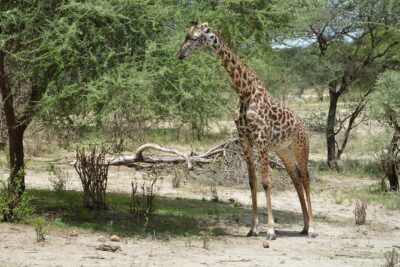

Private 6-Day Tarangire Manyara Crater and Serengeti with Mid-Range Lodges
Read our review →
5 Days Camping Tarangire, Serengeti & Ngorongoro crater & Visiting Maasai
Read our review →Browse the lists this tour appears in