
Reviewed · MOSHI & KILIMANJARO TOURS
4 Days Tanzania Budget Safari
Tarangire’s elephant herds and Ngorongoro Crater’s crowded wildlife plains are the main draw here. In four days, you get three major parks, several long game drives, and nights in public campsites rather than lodges. The small group limit of seven keeps the vehicle from feeling too crowded.
I like the practical setup: transportation, park fees, meals, camping gear, and an English-speaking safari cook are included. I also like the chance to see three very different settings, from Tarangire’s baobabs and river country to Lake Manyara’s Rift Valley views and the enclosed plains of Ngorongoro. The trade-off is a busy schedule, with early starts and long hours on rough park roads.
Key points at a glance
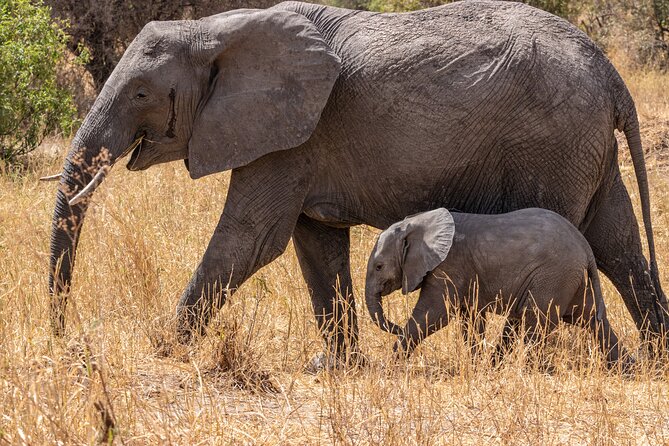
- Elephants in Tarangire: The first game drive focuses on one of northern Tanzania’s best areas for large elephant herds.
- Three parks in four days: You visit Tarangire, Lake Manyara, and Ngorongoro Crater without adding Serengeti driving time.
- Public campsite nights: This is a genuine budget safari, with tents and simple camps rather than lodges.
- A maximum of seven people: The small group size gives you a better chance of a window seat and easier communication with the guide.
- Meals are handled for you: The safari cook prepares three breakfasts, three dinners, and four lunches.
- A strong final wildlife day: Ngorongoro Crater offers some of the best odds of seeing lions, buffalo, elephants, and possibly rhinos in one morning.
What this four-day safari is really offering
This is a compact northern Tanzania safari built around variety. You are not spending all four days in one park. Instead, the route gives you three distinct wildlife areas, each with its own character.
Tarangire is the big-elephant day. Lake Manyara adds birds, forest, monkeys, hippos, and the dramatic Rift Valley Escarpment. Ngorongoro Crater provides the most concentrated wildlife viewing, with open grassland and acacia forest inside a huge volcanic caldera.
At $1,320 per person, the price makes the most sense if you want the full safari structure without paying lodge rates. You receive park access, a 4×4 vehicle, camping, meals, a cook, and guiding in one package. Flights, drinks, visas, insurance, tips, and personal purchases are extra, so the advertised price is not your final Tanzania budget.
The format suits you if you value time in the parks more than comfort at camp. You will sleep in tents at public campsites, including a campsite inside Tarangire on the first night. That brings you closer to the basic rhythm of safari life, but it also means fewer comforts than you would find at a lodge or permanent tented camp.
The tour accepts up to seven people. That is a useful limit for a budget trip. A full vehicle can still feel social and busy, but seven is more manageable than a large shared departure. Your guide and driver organize the route, while the safari cook prepares the included meals.
The provider’s wider guiding team includes people named in past bookings such as Charles, Emmanuel, Noël, Frank, Oredi, and Nikson. You should not assume one particular guide will lead your departure, but it is worth asking for the assigned guide’s name before you travel. Several past trips praised the guides for explaining Tanzania, spotting animals, and adjusting food arrangements when needed.
More Safaris in Moshi
- Safari Serengeti And Ngorongoro
★ 5.0 · 288 reviews - Big Five Safari In Tanzania
★ 5.0 · 99 reviews - Unforgettable Tanzania Safari And Zanzibar Beach
★ 5.0 · 97 reviews
Day 1: Tarangire’s elephants and river country
The safari begins with a short morning briefing before the drive southwest to Tarangire National Park. The listed park time is about eight hours, so this is not a quick introductory stop. You should expect a full game-drive day followed by a late-afternoon arrival at camp.
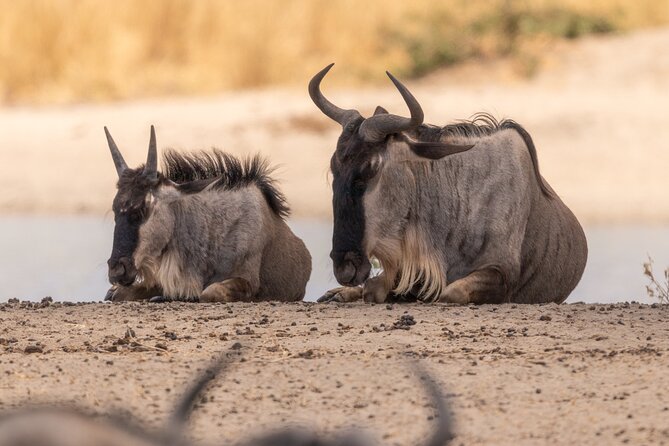
Tarangire has a pleasing mix of open grass, acacia woodland, and forest. Its river and swamps draw animals, especially during dry periods, and the park is known for large elephant herds. You might also see buffalo, giraffes, kudus, hyenas, lions, leopards, and a wide range of birds.
The birdlife is part of the appeal. Yellow-breasted lovebirds are among the smaller, more colorful species you might spot. The park’s appeal is not limited to the Big Five. A good guide can help you notice the less obvious wildlife, including antelope and woodland birds that are easy to miss from an untrained eye.
Tarangire is a strong first park because it gives you big scenery and a good chance of seeing elephants without requiring the long transfer to the Serengeti. The river and swamp areas also create natural places to pause and watch animals gather.
The downside is the amount of driving. The route from Moshi or the airport toward Tarangire takes time, and a full day in the vehicle can feel tiring, especially after an international flight. If you are arriving the same morning, confirm the pickup plan and allow enough time to rest before the safari begins.
Late in the afternoon, you reach a campsite inside the park and sleep in tents. Camping inside Tarangire reduces the need to leave the park immediately after the game drive. It also gives you the most direct connection with the outdoors on this itinerary. Expect a simple public campsite rather than a private lodge-style setting.
Day 2: Lake Manyara and the Rift Valley Escarpment
After breakfast, you leave Tarangire and pass through Mto wa Mbu on the way to Lake Manyara National Park. The park time is listed at about six hours, making this a shorter game-drive day than Tarangire or Ngorongoro.
Lake Manyara stretches along the base of the Rift Valley Escarpment. The contrast between the shallow alkaline lake, forest, open areas, and steep escarpment gives this day a different feel from Tarangire. The views are a major part of the visit, particularly when you can see the valley’s sharp rise beyond the park.
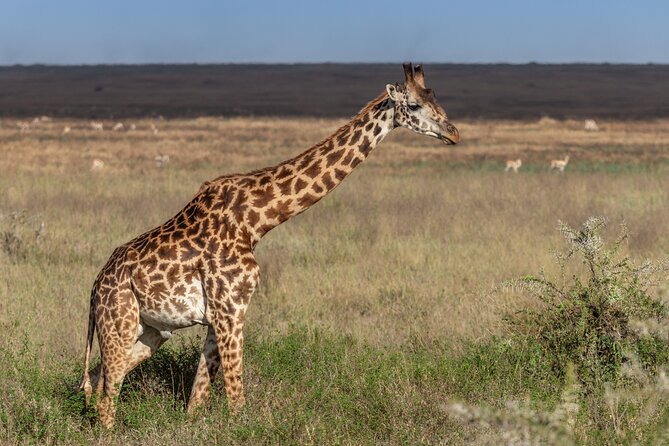
Birds can be especially rewarding here. Flamingos may gather in large numbers around the lake, although sightings depend on conditions and season. You might also see buffalo, elephants, hippos, Masai giraffes, baboons, and monkeys in the forest.
Lake Manyara is also associated with tree-climbing lions. They are not guaranteed, but if you find them resting in acacia branches, it is an unusual and memorable sight. The park’s forest makes the animal search different from the open plains of Ngorongoro.
The practical strength of this stop is variety. You get forest animals, water birds, hippos, and Rift Valley scenery in a relatively short visit. The limitation is that Lake Manyara can feel like a rushed middle day when placed between two larger safari destinations. You will leave Tarangire, complete a game drive, and continue with the route, so there is not much unstructured time.
The supplied itinerary cuts off part of the final sentence for this day, so the exact campsite arrangement should be confirmed before booking. It does make clear that camping is part of the four-day plan and that meals are included.
Day 3: Ngorongoro Crater’s concentrated wildlife
Day three begins early. After breakfast at camp, you travel down a steep trail into Ngorongoro Crater for an extensive game drive and picnic lunch. The listed duration is about nine hours, making this the longest and most demanding wildlife day.
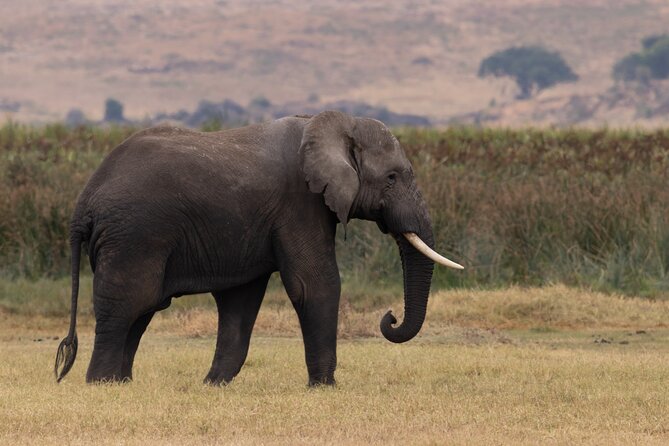
The crater is special because its enclosed setting supports a high concentration of animals. Grass plains and acacia forest provide habitat for much of the wildlife associated with the East African savannah. In a few hours, you might see lion, elephant, buffalo, rhino, and leopard, along with eland, mountain reedbuck, and hyenas.
A Big Five sighting is never something a responsible guide can promise. Still, Ngorongoro is one of the better places on this short route to look for several of these animals in one day. Rhino sightings are possible but not certain, and leopards are often difficult to spot even when they are nearby.
The crater is the itinerary’s wildlife centerpiece. The combination of open plains, steep crater walls, and many animals in a relatively compact area can make the game drive feel very productive. The picnic lunch inside the crater also keeps you in the viewing area rather than sending you out to eat elsewhere.
You should also prepare for a demanding road day. The route into and out of the crater is steep, and the game drive lasts for much of the day. You may be sharing the vehicle with other people, so patience matters when one person wants to stop longer for a sighting.
After leaving the Ngorongoro Conservation Area, you continue to Mto wa Mbu for the night. You sleep in a tent at a campsite. This keeps the price down, but it also means day three ends with another transfer rather than a quiet lodge afternoon.
More Safaris in Moshi & Kilimanjaro:
- 8-Day Essence of Tanzania Safari – Luxury
★ 5.0 · 72 reviews - Great Migration Safari In Tanzania
★ 5.0 · 71 reviews - Serengeti, Ngorongoro and Tarangire 4 Days Safari
★ 5.0 · 59 reviews - 6 Days 5 Night Safari
★ 5.0 · 57 reviews
Day 4: A short return to Arusha
The final morning is more relaxed. After breakfast, you leave Mto wa Mbu and travel back to Arusha, arriving around midday. The listed journey takes about four hours.
You can be dropped in Arusha city center or at the airport. The material also gives Kilimanjaro Airport as the starting meeting point, so you should confirm the exact pickup and drop-off arrangement when booking. The route information refers to Arusha, while the meeting point information refers to Kilimanjaro Airport and Kilimanjaro National Park, so do not leave this detail vague if you have a same-day flight.
This final leg is useful if you are connecting to another part of Tanzania. It is not a sightseeing day. The value is in getting you back to town after the crater visit without adding another park or another night.
Camping under the stars, with a cook on the road
Camping is the defining budget feature. You spend the nights in tents at public campsites, including one inside Tarangire and another at Mto wa Mbu after the crater day.
That arrangement can be a pleasure if you want a simple outdoor safari and do not need a private room every night. It also keeps the cost far below a lodge-based itinerary. The phrase under the stars should not be read as luxury camping. Public campsites are practical and social, not polished resort spaces.
The safari cook is an important part of the package. Three breakfasts, three dinners, and four lunches are included, including the picnic lunch in Ngorongoro Crater. You do not need to organize every meal between game drives, which saves time and money.
Food preferences deserve an early conversation. One past booking raised a concern about a lunch box, and the operator adjusted the arrangement. That suggests you should state dietary needs and dislikes before departure rather than hope the standard meal suits you.
WiFi is listed on board, along with the 4×4 safari vehicle. Connection quality in remote areas can vary, so treat WiFi as a useful extra, not a reason to expect steady service throughout every game drive.
How the small group affects the experience
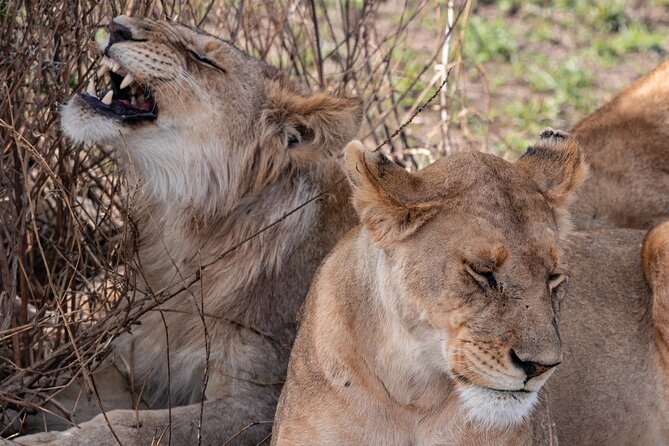
The maximum of seven people is one of the clearest advantages. You are still on a shared safari, but the group is small enough for the guide to communicate without shouting across a packed vehicle.
A smaller group can also make wildlife stops easier. Everyone has a better chance of finding a window position, and there are fewer competing requests about where to stop or how long to watch an animal. That said, seven people can still have different interests and energy levels.
The guide and driver are central to the quality of the experience. They handle park timing, animal spotting, road decisions, and communication with the cook. Guides named in past trips, including Charles, Emmanuel, Noël, Frank, Oredi, and Nikson, received strong praise for professionalism, explanations, and effort to find animals. Your assigned guide may be someone else, so ask about language and guiding arrangements before departure if that matters to you.
The tour is described as suitable for most people. Still, the long vehicle days, rough park roads, steep crater route, and public camping require a reasonable level of comfort with basic conditions. This is not the right choice if you want short drives, private transfers, or guaranteed quiet time.
What the $1,320 price includes, and what it does not
The package includes:
- Transportation in a 4×4 safari vehicle
- Camping according to the route
- Park fees and taxes
- An English-speaking safari cook
- Three breakfasts
- Three dinners
- Four lunches
- WiFi on board
- Pickup service
This is a solid list for a four-day budget safari. The included park fees matter, since they can be a large part of safari costs. Meals and camping also remove two expenses that can add up quickly.
You still need to budget for flights, visa fees, alcoholic and soft drinks, tips, travel insurance, souvenirs, and other personal spending. The price is per person, and the group size can reach seven, so ask whether your departure is guaranteed and how room in the vehicle will be arranged.
The value is strongest for someone who wants three major northern Tanzania parks in a short period and accepts public camping. It is weaker for someone who would rather visit fewer parks at a slower pace or spend nights in lodges.
Practical details before you book
Confirmation is provided at booking. Pickup is offered, and the stated start point is Kilimanjaro Airport, with operating hours listed from 7:00 AM to 11:30 PM every day.
Cancellation is free if you cancel at least 24 hours before the experience starts. Cancellations made less than 24 hours before the start time are not refunded, and changes inside that period are not accepted. The cut-off uses local Tanzanian time.
Ask these questions before paying:
- Is the pickup from Kilimanjaro Airport, Moshi, or both?
- Where exactly do you sleep on the second night?
- Who is the assigned guide and cook?
- Can the cook handle your dietary needs?
- Is the group already formed, and how many people will share the vehicle?
- Is the final drop-off at Arusha city center or the airport?
These are ordinary planning questions, but they matter on a short safari. A clear answer about timing and sleeping arrangements prevents unpleasant surprises.
Who should book this safari?
I would point this safari toward you if you have four days, want to see a lot, and prefer spending money on park access rather than lodge comfort. It is also a good fit if elephants, crater wildlife, birds, and changing scenery all appeal to you.
It suits first-time safari visitors who want a guided route with meals and transport arranged. The English-speaking setup is straightforward, and the small group limit is more comfortable than a large coach-style departure.
I would hesitate if you need a slow pace. Day three is long, and every day includes either a transfer, a game drive, or both. I would also choose another format if private bathrooms, lodge beds, or a quiet afternoon are essential.
Should you book the four-day Tanzania budget safari?
Book it if you want a focused introduction to northern Tanzania and are happy with tents, shared transport, and early starts. Tarangire, Lake Manyara, and Ngorongoro give you a well-chosen mix of elephants, birds, forest, Rift Valley views, and dense crater wildlife.
Skip it if you want Serengeti, more relaxed pacing, or lodge-based comfort. At $1,320, this is a practical safari package, not a luxury escape. Its best qualities are the compact route, included meals and park costs, small group size, and the chance to spend three nights close to the parks.
FAQ
How long is the safari?
The safari lasts approximately four days, with the final return to Arusha scheduled around midday on day four.
Which parks and wildlife areas are included?
The route includes Tarangire National Park, Lake Manyara National Park, and the Ngorongoro Conservation Area, including a game drive in Ngorongoro Crater.
How many people can join the tour?
The maximum group size is seven people.
Are meals included?
Yes. The package includes three breakfasts, three dinners, and four lunches. An English-speaking safari cook prepares the included meals.
Where do you sleep?
You camp in tents at public campsites. The first night is at a campsite inside Tarangire National Park, and the third night is at a campsite in Mto wa Mbu. The exact second-night arrangement should be confirmed before booking.
Is transportation included?
Yes. Transportation is provided in a 4×4 safari vehicle, and pickup is offered. Drop-off is available in Arusha city center or at the airport.
What is not included in the price?
Flights, optional activities, alcoholic and soft drinks, visa fees, tips, personal spending money, souvenirs, and travel insurance are not included.
More four day trips in Moshi & Kilimanjaro
- 4-day Tanzania Safari
★ 5.0 · 53 reviews - 4 Days Group Joining Camping Safari to Tarangire Serengeti Ngorongoro Crater
★ 5.0 · 50 reviews - 4 days adventure camping safari
★ 5.0 · 44 reviews - 4 Day Private Tour Throughout Tarangire, Serengeti and Ngorongoro
★ 5.0 · 42 reviews
Newly listed around Moshi & Kilimanjaro
- Climb Mount Kilimanjaro: 7 Days Machame Route★ 5.0 · 3 reviews
- 6 Days Mount Kilimanjaro Climbing via Rongai Route★ 5.0 · 3 reviews
- Explore 1 day Ngorongoro Crater Budget Group Safari from Arusha★ 5.0 · 3 reviews
- Mt. Kilimanjaro Day Hiking★ 5.0 · 3 reviews
- Chemka (Kikuletwa) Hot Springs, Tanzania★ 5.0 · 3 reviews
- Guided City tour of Moshi★ 4.3 · 3 reviews
- 8 Day Tanzania Family Safari★ 5.0 · 3 reviews
- Serengeti Safari with Sirikwa Travel★ 5.0 · 3 reviews
Moshi & Kilimanjaro Tours, compared.

Browse the lists this tour appears in