
Reviewed · MOSHI & KILIMANJARO TOURS
4-day Tanzania Safari
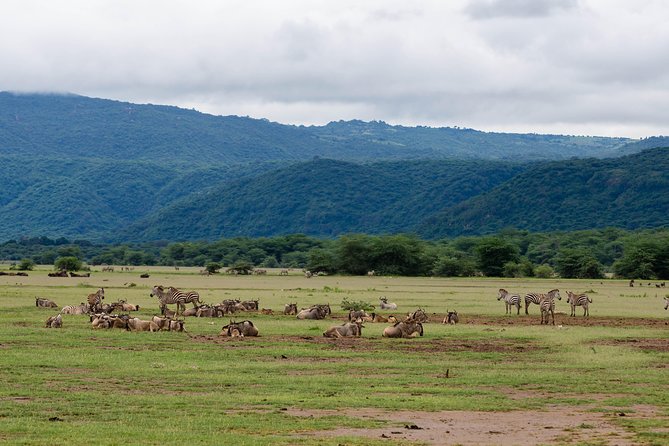
Tarangire’s elephant herds, Ngorongoro’s crowded wildlife basin, and the open plains of the Serengeti give you three very different views of northern Tanzania in only four full safari days. The trip uses a private group, so your guide can spend time looking for the animals you most want to see, from lions to the famously elusive leopard.
I like the strong park combination, which gives you varied scenery and better odds of seeing the Big Five. I also like the practical setup: airport transfers, park fees, meals, bottled drinks, Wi-Fi in parts of the route, and a well-equipped Land Cruiser are included.
The main consideration is the pace. You spend long hours on rough roads and move between parks quickly, and the price of $3,296.40 per person is substantial. Four safari days is enough for a fine introduction, but not enough to explore every corner of the Serengeti or guarantee all five headline animals.
Key points to know before booking
- Four full game-drive days: Tarangire, Ngorongoro Crater, and central Serengeti form the heart of the trip.
- Private group format: Only your own party takes part, which gives you more say in stops and wildlife searches.
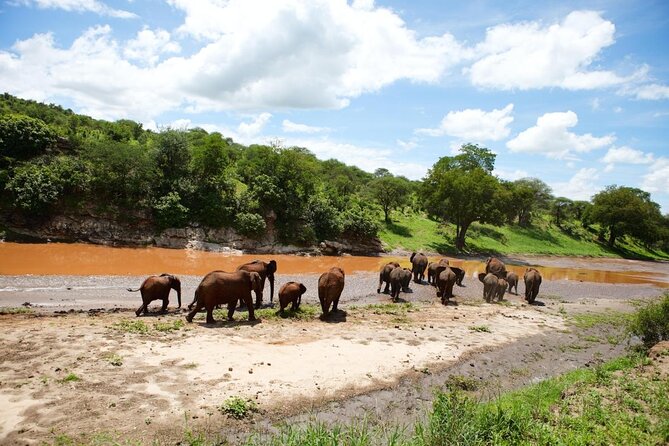
- Elephant country first: Tarangire is especially strong for close views of large elephant herds during dry periods.
- Comfortable but active travel: Expect 3 to 4-star lodges, long drives, packed lunches, and bumpy park roads.
- A well-equipped safari vehicle: The 4×4 Land Cruiser has a pop-up roof, refrigerator, power sockets, ergonomic seats, and one pair of binoculars per vehicle.
- A guide can shape the experience: Guides such as Noel, Fidelis, Aaron, Allan, and Valance have received strong praise, though your assigned guide is not guaranteed.
Four safari days, six calendar days
The title describes the wildlife portion accurately, but the full program takes about six days. Day 1 brings you from Kilimanjaro International Airport to Arusha. Days 2 through 5 contain the four main safari days. Day 6 is for rest and the airport transfer.
That arrangement is useful if you are arriving at Kilimanjaro Airport, climbing Mount Kilimanjaro first, or simply want the company to handle the transport around your safari. You do not have to arrange separate airport rides or find your own hotel for the nights before and after the park circuit.
The tradeoff is that two of your six days are mainly transfer and hotel days. This is not a six-day game-drive program. I would think of it as a four-day safari with two practical bookends.
The tour starts at about 9:00 AM, but the day-by-day schedule gives a more specific early start on safari morning. After breakfast, pickup from the Arusha hotel is planned for around 7:30 AM, with arrival at Tarangire at about 10:00 AM.
More Safaris in Moshi
- Safari Serengeti And Ngorongoro
★ 5.0 · 288 reviews - Big Five Safari In Tanzania
★ 5.0 · 99 reviews - Unforgettable Tanzania Safari And Zanzibar Beach
★ 5.0 · 97 reviews
Day 1: Arriving at Kilimanjaro and settling in Arusha
At Kilimanjaro International Airport, an Altezza representative meets you and takes you to the Arusha hotel. The itinerary names Mount Meru Hotel, and the included hotel stay covers breakfast.
Check-in begins at 2:00 PM. If you arrive earlier, early check-in may be arranged for an added fee. That is a small detail, but it matters after an overnight flight. If you want a room immediately on arrival, settle that point before you fly.
The first day is intentionally quiet. You have time to recover, organize your bags, and meet the practical side of the trip before the early safari start. If your international arrival is delayed, having airport pickup and a hotel already arranged removes a fair amount of stress.
Some arrangements described by past customers used other Arusha hotels, including Gran Melia, so confirm the exact property assigned to your booking. The important point is that accommodation before and after the safari is included according to the program.
Day 2: Tarangire’s elephants and baobabs
Tarangire is a smart opening park because it offers a different feel from the Serengeti. In the dry season, the Tarangire River can be the only dependable water source for many kilometers, drawing large numbers of elephants and other animals toward it.
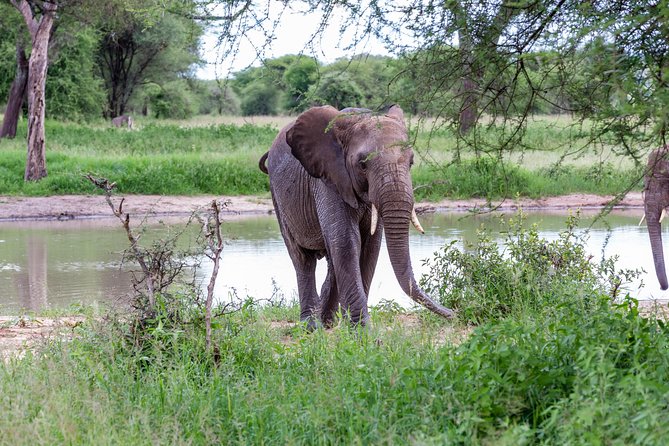
The strongest elephant viewing is generally associated with June through October and December through March, according to the program. Elephants here are often calm around vehicles and may come close. Your guide should explain safe viewing behavior and keep a respectful distance, even when the animals seem relaxed.
You have about seven hours in the park, with arrival around 10:00 AM after breakfast and the drive from Arusha. That is a good amount of time for a first game drive, though the transfer means you do not get a full dawn-to-dusk park day.
Tarangire also helps you ease into safari rhythm. You will learn how the pop-up roof works, how to keep your camera ready, and how much patience wildlife viewing requires. An elephant herd may be obvious at first glance, while a lion or leopard can demand a careful search through grass and trees.
The road conditions are part of the deal. The route through the bush can be rough, so the vehicle’s ergonomic seats and open roof are useful rather than decorative features. Bring a soft-sided day bag, keep valuables secure, and expect dust and jolts.
Day 3: Ngorongoro Crater, a compact wildlife world
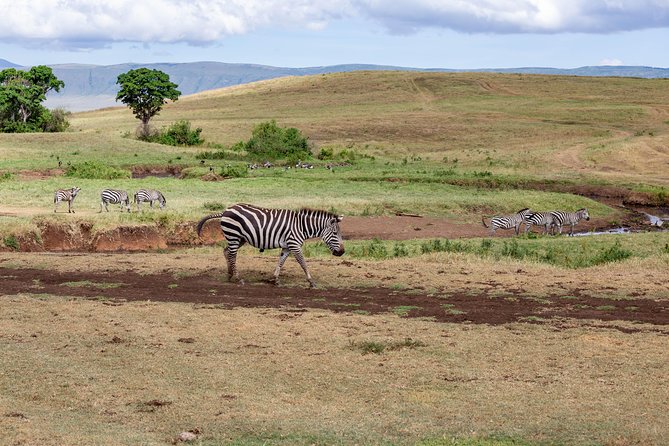
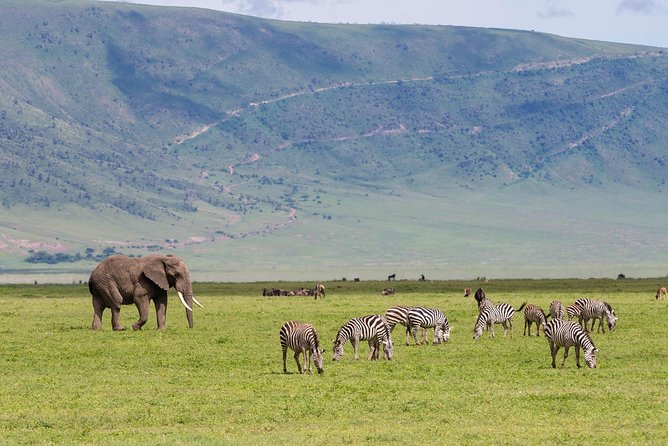
Ngorongoro Crater is the most concentrated wildlife stop on this route. The crater formed from an ancient volcano, and its enclosed setting allows you to see a large number of animals in a relatively compact area.
The descent takes about half an hour. You pass through lush forest before reaching the crater floor, so the drive itself offers a marked change from Tarangire’s drier country and the open Serengeti plains.
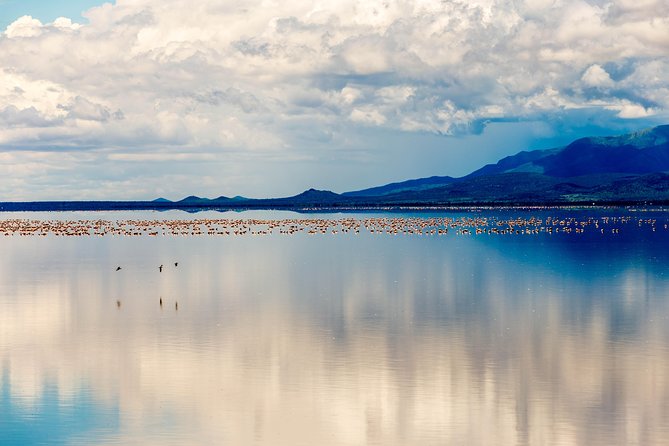
The planned game drive lasts about seven hours. A picnic stop beside Lake Magadi gives you time to eat and rest, with wildlife often visible in the surrounding area. Keep your attention on the scene even during lunch. The picnic stop is not simply a pause from the safari, it is part of it.
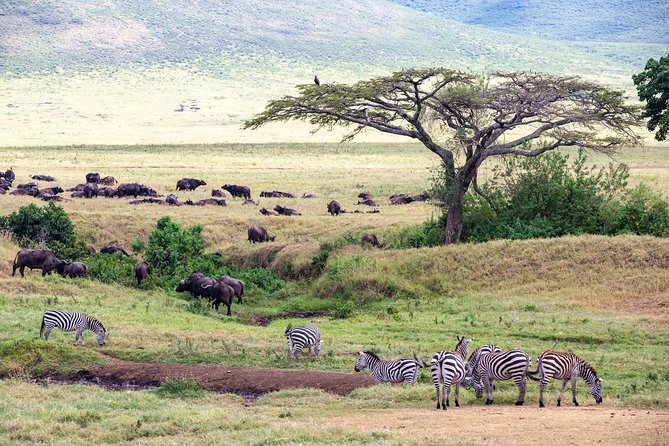
Ngorongoro can feel busy because many vehicles concentrate in one contained area. That is the price of its excellent animal density. You may see lions, buffalo, elephants, and other species within a shorter period than in the wide Serengeti, but you have less of the feeling that you are alone in endless bush.
For many people, this is the day that makes the route worthwhile. You get a strong chance to see a broad mix of wildlife without spending hours crossing a huge park in search of the next sighting. The limitation is that a single crater visit cannot show you every habitat within the wider conservation area.
More Safaris in Moshi & Kilimanjaro:
- 8-Day Essence of Tanzania Safari – Luxury
★ 5.0 · 72 reviews - Great Migration Safari In Tanzania
★ 5.0 · 71 reviews - Serengeti, Ngorongoro and Tarangire 4 Days Safari
★ 5.0 · 59 reviews - 6 Days 5 Night Safari
★ 5.0 · 57 reviews
Days 4 and 5: Searching the central Serengeti
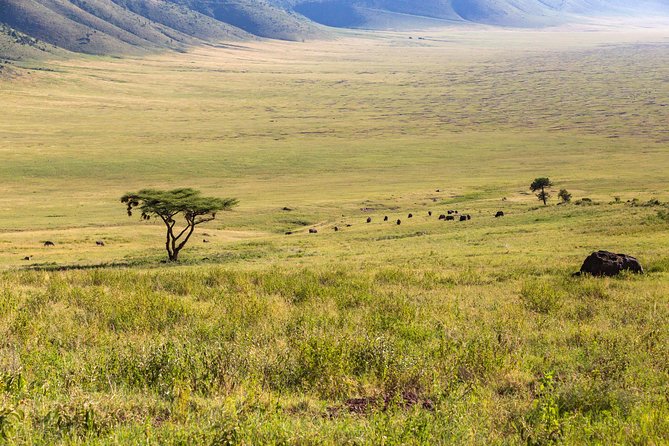
After breakfast, you head toward Seronera in central Serengeti. This is the open country most people picture when they think of an East African safari: wide grass plains, distant animals, and a sense of space that Tarangire and Ngorongoro cannot quite match.
Your guide will search for the animals that interest you most. That flexibility is especially valuable in the Serengeti, where a short change of direction can lead to a completely different sighting. Guides such as Noel and Fidelis have been singled out for friendly service, careful driving, and sharp wildlife spotting. Aaron, Allan, and Valance have also received warm praise in accounts of other Altezza safari arrangements, but names depend on staffing and are not promised.
Near lunchtime on the first Serengeti day, you may stop at the Serengeti Visitor Centre. A lunchbox is provided, and the center offers information about the park’s animals and its history. You can also look for hyraxes, small mammals that are surprisingly close relatives of elephants.
The afternoon option is worth considering. You can return to camp for lunch and a nap, then go back out before sunset. That break can make a real difference after several hours on rough roads. If you are determined to maximize every possible wildlife minute, you may prefer a longer drive instead, but fatigue can make the last hours less enjoyable.
The second Serengeti day gives you a chance to see new areas and search again. This extra day is important. The park is too large for one visit to offer much more than a glimpse, and animal sightings are never scheduled like museum stops.
The Serengeti is a UNESCO World Heritage Site because of its important ecosystem, large animal populations, and annual Great Migration. Timing matters greatly. The migration is not guaranteed to be in the same area during every month, so ask the tour manager how the planned route fits your travel dates.
You should also keep expectations sensible. The route improves your chances of seeing elephant, buffalo, leopard, rhino, and lion, but it cannot promise the full Big Five. One account specifically noted missing the leopard and planning to return for another chance. That is normal safari reality, not a flaw in the trip.
Lodges, meals, and the comfort level
The program uses comfortable 3 to 4-star lodges in the Serengeti, along with accommodation in Arusha before and after the safari. The exact lodge names can vary, so ask for the confirmed properties before booking if accommodation style matters to you.
Five breakfasts, four lunches, and five dinners are included. Lunch is often carried in a box during a game-drive day, while dinners are taken at the accommodation. Bottled water, soft drinks, hot coffee, and tea are supplied in the vehicle, though drinks at some lodges may cost extra.
Alcohol is not included. Travel insurance, flights, visas, and guide tips are also separate costs. I would budget for those before deciding that the advertised price fits your trip.
Wi-Fi is listed as available across about 60 to 75 percent of the territory covered. That is enough for occasional messages in connected areas, but not a reason to expect constant service. The safari is a good place to accept a few offline hours.
What the $3,296.40 price includes
At $3,296.40 per person, this is not a budget safari. It is also not just a fee for four game drives. The price includes airport pickup and drop-off, park entry and concession fees, accommodation before and after the safari, lodges during the route, meals, a certified English-speaking guide, and a private vehicle for your group.
The Land Cruiser includes a pop-up roof for open views, power sockets, a refrigerator, and comfortable seats. Park fees alone can make northern Tanzania expensive, so having them already covered makes the quoted total easier to assess.
You also receive 24/7 phone and email support, a medical kit, and AMREF Flying Doctors air ambulance service. Those provisions do not replace travel insurance, but they add practical support in a remote region.
The value is strongest for people who want one company to manage the moving parts. If you are comparing only the number of safari days, the cost may look high. If you count the private vehicle, guide, transfers, park charges, meals, lodging, and emergency support, the price becomes easier to understand.
Ask about group discounts if you are booking with several people. The activity is private to your own group, and a larger party may spread some of the per-vehicle cost more effectively, though the exact discount is not specified.
The guide makes the difference
A safari vehicle can take you to a park, but the guide shapes what you actually notice. The guide reads tracks, watches animal behavior, explains the scenery, and decides how long to remain at a sighting.
The strongest praise connected to this trip and related Altezza arrangements centers on guides who were friendly, patient, skilled drivers, and good at locating wildlife. Fidelis is repeatedly associated with careful navigation and animal spotting. Noel is described as warm, communicative, and especially attentive to the group.
You should still tell the guide what matters to you. Some people want birds, elephants, or family-friendly pacing. Others want lions, cats, or more time at a single sighting. Because the group is private, you have more room to discuss those choices than you would on a large coach tour.
One pair of binoculars is included per vehicle. That is useful, but if several people want to scan distant birds or animals at once, bringing your own binoculars would be sensible.
Who should book this safari
I would recommend this route to a first-time safari visitor who wants the major northern Tanzania parks without committing to a longer two-week program. It also suits people combining safari with a Kilimanjaro climb, since airport transfers, hotel nights, and the transition between activities are handled by one company.
Families can benefit from the private format because the group can discuss breaks and interests with the guide. Past arrangements included children aged 12 and 15, though the supplied information does not give a formal minimum age, so ask before booking with younger children.
This is less suitable if you dislike long drives, rough roads, early starts, or changing accommodation. It also may disappoint you if you expect a guaranteed Big Five checklist or a luxury lodge standard above the stated 3 to 4-star level.
The cancellation terms are worth noting before you pay. A full refund is available when you cancel at least six full days before the start time. Cancel two to six full days before departure and the refund is 50 percent. Less than two full days before departure brings no refund, and changes follow the same cutoff rules.
Should you book the four-day Tanzania safari?
Book it if you want a well-organized first safari with three major parks, a private vehicle, and enough time in the Serengeti to do more than simply pass through. Tarangire gives you elephants, Ngorongoro offers concentrated wildlife, and Serengeti supplies the scale and drama.
Think twice if you want a slow safari with several nights in one area. The program covers a lot of ground, and four game-drive days can feel busy. I would also confirm the assigned guide, exact lodges, seasonal wildlife expectations, and any extra lodge charges before paying.
For a short northern Tanzania safari, the route makes good practical sense. You pay for convenience and a strong park lineup, not a guarantee that every sighting will fall into place. That is a fair bargain if you value experienced guiding, solid logistics, and a private trip more than the lowest possible price.
FAQ
How long does the full experience take?
The full program lasts about six days. It includes four full safari days, one arrival day in Arusha, and one final hotel and airport-transfer day.
Which parks are included?
The safari visits Tarangire National Park, the Ngorongoro Conservation Area and Crater, and Serengeti National Park, including the central Seronera area.
Is airport pickup included?
Yes. Pickup from Kilimanjaro International Airport and drop-off there after the safari are included.
Is this a private or shared tour?
It is a private activity for your own group. Group discounts may be available.
What type of vehicle is used?
The safari uses a newer Land Cruiser 4×4 with a pop-up roof, ergonomic seats, a refrigerator, and power sockets.
Are park fees included?
Yes. National park entry fees and concession fees for the full tour are included.
Are meals included?
Five breakfasts, four lunches, and five dinners are included. Bottled water, soft drinks, hot coffee, and tea are provided in the safari vehicle, though some lodge drinks may cost extra.
Is accommodation included?
Yes. Accommodation before and after the safari and the listed safari lodges are included. The safari uses comfortable 3 to 4-star lodges in the Serengeti.
What is not included in the price?
Flights, travel insurance, visa fees, guide tips, alcohol, and some lodge drinks are not included.
More four day trips in Moshi & Kilimanjaro
- 4 Days Group Joining Camping Safari to Tarangire Serengeti Ngorongoro Crater
★ 5.0 · 50 reviews - 4 days adventure camping safari
★ 5.0 · 44 reviews - 4 Day Private Tour Throughout Tarangire, Serengeti and Ngorongoro
★ 5.0 · 42 reviews - 4-Day Private Guided Tanzania Safari Tarangire, Serengeti, Manyara
★ 5.0 · 28 reviews
Newly listed around Moshi & Kilimanjaro
- Climb Mount Kilimanjaro: 7 Days Machame Route★ 5.0 · 3 reviews
- 6 Days Mount Kilimanjaro Climbing via Rongai Route★ 5.0 · 3 reviews
- Explore 1 day Ngorongoro Crater Budget Group Safari from Arusha★ 5.0 · 3 reviews
- Mt. Kilimanjaro Day Hiking★ 5.0 · 3 reviews
- Chemka (Kikuletwa) Hot Springs, Tanzania★ 5.0 · 3 reviews
- Guided City tour of Moshi★ 4.3 · 3 reviews
- 8 Day Tanzania Family Safari★ 5.0 · 3 reviews
- Rongai Route 7 Days★ 5.0 · 3 reviews
Moshi & Kilimanjaro Tours, compared.
Browse the lists this tour appears in