
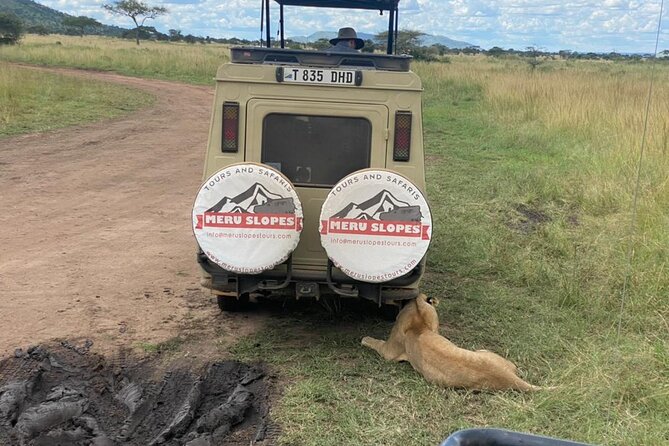
Reviewed · SERENGETI & NGORONGORO SAFARIS
5 Days Camping Tarangire, Serengeti & Ngorongoro crater & Visiting Maasai
The great appeal here is the range: in five busy days, you move from Tarangire’s baobabs and elephant herds to the Serengeti’s open plains, then down into Ngorongoro Crater. You also get a taste of local life around Mto wa Mbu, with a private guide rather than a fixed coach group.
I like the strong wildlife itinerary, especially the full day in the Serengeti and the early visit to Ngorongoro Crater. I also like the practical value: meals, drinking water, safari-vehicle Wi-Fi, park fees, and a night before and after the safari are included in the $1,254 price.
The trade-off is real: this is camping, not a soft-bed safari. Long drives, early starts, basic campsites, and uneven bathroom standards can wear you down. The published pickup times also differ, with 8:00 a.m. in the day plan and 9:00 a.m. in the general details, so confirm that before you arrive.
Key points to know before booking
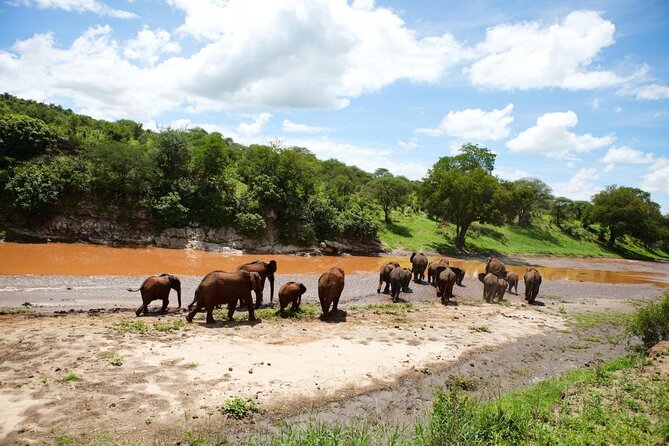
- Tarangire begins the wildlife count with elephants and baobabs: The park is only about 115 kilometers from Arusha, but the drive and full-day game viewing make Day 1 a long start.
- Serengeti gets the most time: You have an afternoon drive on Day 2 and a full day on Day 3, with the Seronera area as the main base for wildlife watching.
- Migration sightings depend on the month: June through September gives you the best stated chance for the main movement, while January through March is the calving period.
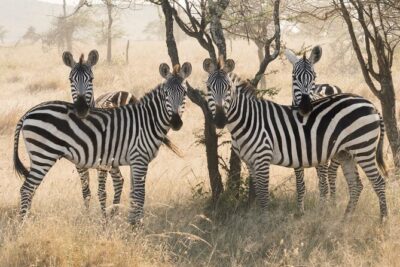
- Ngorongoro Crater is the compact wildlife finale: Its enclosed setting can give you quick sightings of zebras, wildebeest, gazelles, elephants, birds, and possibly black rhino.
- Camping keeps the price down but lowers comfort: The experience includes five breakfasts, five lunches, and five dinners, yet campsite toilets and general conditions may vary.
- The cultural stop is Mto wa Mbu: The plan describes village life and banana plantations with more than 30 banana varieties, but it does not give firm details of a separate Maasai visit.
What the $1,254 price really buys you
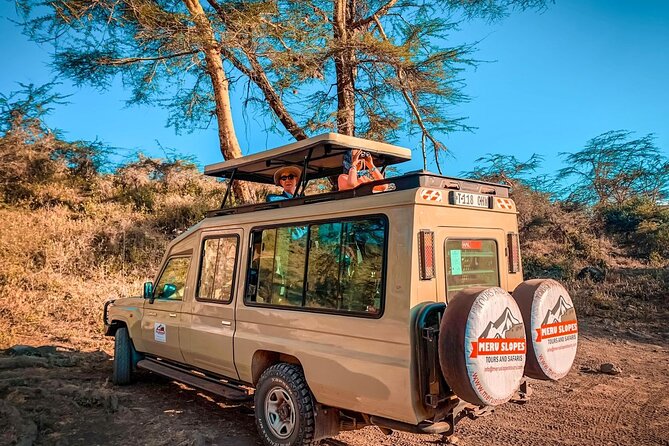
At $1,254 per person, this is priced as a value safari rather than a luxury one. You are paying for access to three of Tanzania’s best-known wildlife areas, a private tour capped at six people, a guide and safari vehicle, park charges, meals, water, and accommodation before and after the main route.
That package matters. A safari can become expensive once you add park entry, food, transfers, and extra lodging. Here, the night before the safari and the night after it are included, which is useful if you are arriving in Arusha without wanting to arrange separate hotels.
The accommodation arrangement needs a close look. The itinerary names Jambo Lodge after Tarangire and Simba Campsite near Ngorongoro, while the main product is described as a camping safari. The pre- and post-safari lodging is also included, but the exact property and room setup should be confirmed before you pay.
Food is covered throughout the five days. Vegetarian meals are available if you advise the operator when booking. Unlimited drinking water is included, a small but important benefit on long drives in warm conditions.
Safari-vehicle Wi-Fi is another useful extra, though you should treat it as a convenience rather than the main reason to choose the trip. The real value comes from having a private guide and access to the parks.
More Serengeti and Ngorongoro itineraries:
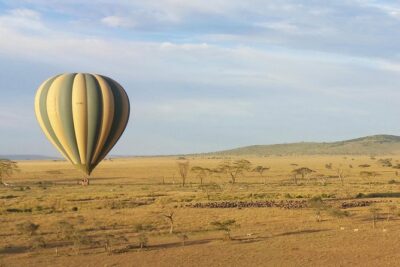
- Balloon Safari & Bush Breakfast in Serengeti – Miracle Experience
★ 5.0 · 1,646 reviews - 3 Days Serengeti & Ngorongoro Group Camping Safari
★ 5.0 · 574 reviews - 5-Day Highlights mid-Range Crater, Serengeti, Tarangire
★ 5.0 · 296 reviews
Day 1: Tarangire’s elephants and giant baobabs
Pickup from your Arusha hotel is listed for 8:00 a.m., followed by a drive of about three hours to Tarangire National Park. The general meeting information gives a 9:00 a.m. start, so ask for the exact collection time in writing.
Tarangire covers about 2,800 square kilometers and takes its name from the Tarangire River, an important water source for wildlife. That helps explain why the park is especially rewarding for elephant sightings. The itinerary also calls out baobab trees and tree-climbing pythons, along with lions, leopards, and other animals.
You have a full-day game drive inside the park. This is a strong opening because the setting changes quickly from the roads around Arusha to open bush, river country, and enormous old trees. I would keep your first day flexible and resist judging the whole safari by the first hour. Wildlife viewing is never a timed exhibit, and the best sightings may come later in the drive.
After the park, you continue to Jambo Lodge for dinner and the night. The combination of a long road transfer and a full game drive makes Day 1 tiring, but it also gives you a proper first safari day rather than a short afternoon introduction.
Day 2: From Karatu highlands to the Seronera plains
After breakfast, you pass through the high farmland around Karatu and the Ngorongoro Conservation Area before descending toward the Serengeti. This road section is not just wasted transit. It shows how quickly Tanzania’s scenery changes, from cultivated highlands to broad open country.
The destination is the central Serengeti, particularly the Seronera area. The Seronera River draws animals to a dependable water source, and the area is described as one of the park’s strongest wildlife zones. You should arrive around lunchtime, then head out for an afternoon game drive that continues toward sunset.
This is a nine-hour day, so expect a lot of time in the vehicle. That is normal for a safari covering this much ground, but it is worth knowing if you prefer a slower schedule. The reward is access to a central area where you may see a broad mix of species rather than focusing on one animal alone.
The Serengeti is one of the two UNESCO World Heritage sites named for this experience, along with the Ngorongoro area. Its importance is not only scenic. The huge open plains support one of Africa’s most famous annual wildlife movements, along with resident predators and grazing animals.
Day 3: A full Serengeti day and migration timing
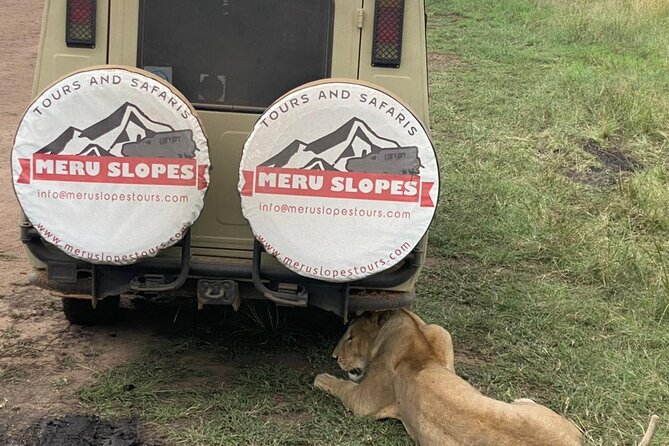
Day 3 gives you the most generous wildlife schedule. After an early breakfast, you spend the day on game drives in key areas of the Serengeti, returning to camp for dinner and the night.
This is the day when your guide’s skill matters most. Guides such as Samwel, Samuel, Douglas, Johnson, and Jacob are named in the available trip feedback, but you should not assume a particular person will lead your departure. The best guide for you will be patient with questions, clear about the day’s plan, and willing to adjust the route when wildlife activity changes.
The itinerary promises an effort to follow the wildebeest migration, but migration viewing depends heavily on timing. June through September is presented as the best period for the major movement, including the possibility of reaching northern Serengeti for Mara River crossings. January through March is the better stated window for calving.
That wording is important. A migration safari cannot guarantee a crossing or a precise herd location. The animals follow rain and grazing conditions, and the movement changes from year to year. If migration is your main goal, give the operator your dates and ask which Serengeti section is planned for that season.
Even outside migration months, the Serengeti remains worthwhile. You may see lions, elephants, zebras, giraffes, hippos, and many other species. A full day gives you time to watch animal behavior rather than simply collect quick sightings.
More Maasai village visits:
- Maasai village visit, Materuni waterfalls & coffee experience
★ 4.5 · 95 reviews - 7-Day Private Tanzania Safari with Sunset Walking on the Crater Rim and Maasai
★ 5.0 · 40 reviews - Kilimanjaro: Maasai Village Visit, Waterfalls, & Coffee Tour
★ 4.9 · 27 reviews - Arusha: Maasai Village Tour
★ 4.8 · 22 reviews
Day 4: Sunrise, a final Serengeti drive, and the crater rim
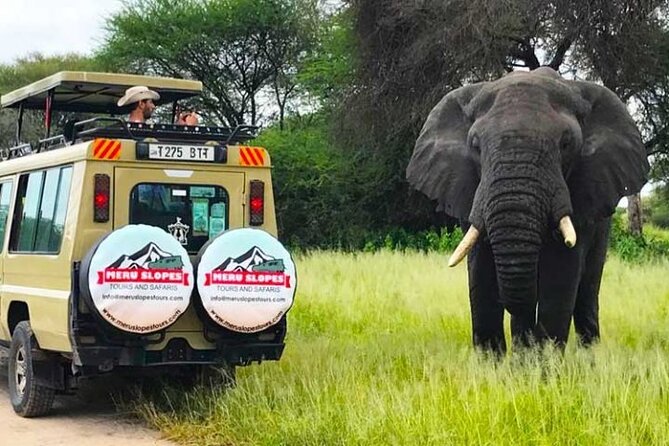
Day 4 starts at about 5:45 a.m. with an early breakfast. You then head out for a morning drive and may see sunrise inside the Serengeti before returning to camp around 11:30 a.m. for a hot lunch and packing.
After lunch, the route continues through the Serengeti toward Ngorongoro Crater, with more game viewing along the way. You spend the night at Simba Campsite near the crater.
This is another ten-hour day, and it combines a dawn start, wildlife viewing, packing, and a long transfer. The timing makes sense geographically, but it is not gentle. If you need regular rest or struggle with early mornings, this is one of the days to consider carefully.
The advantage is that you reach the crater area before the final morning. You do not waste Day 5 driving in from far away, and you can begin the crater visit early when the light is good and animal activity may be higher.
Day 5: Down into Ngorongoro Crater
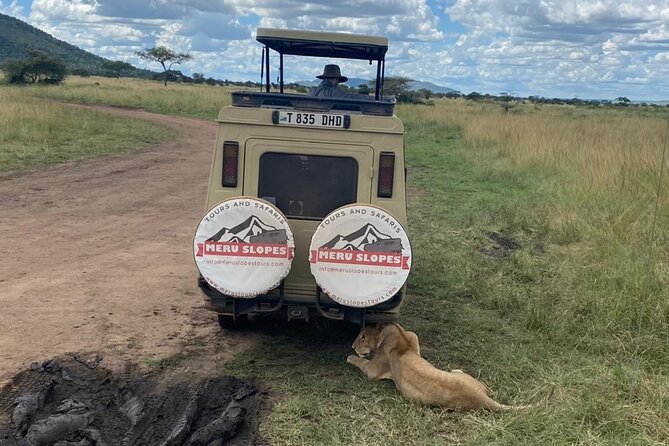
Early risers get the first reward: views of the sun rising over the crater rim. After breakfast, you take the steep track down into Ngorongoro Crater for a game drive.
The crater is about 610 meters deep and covers roughly 260 square kilometers. The enclosed setting supports a dense animal population, estimated in the itinerary at about 25,000 animals. That concentration is why Ngorongoro often produces fast, varied sightings.
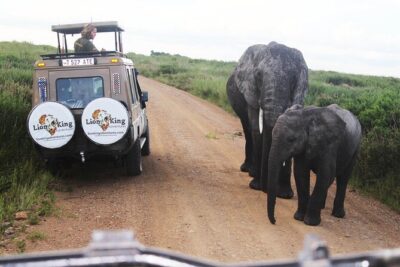
You might see wildebeest, zebras, gazelles, elephants, and hundreds of bird species. With luck, you may spot the endangered black rhino in the grass. No sighting is certain, but the crater’s compact geography gives you a good chance to see several kinds of wildlife in a single morning.
The steep descent and later climb are part of the experience, not just transport. You get a dramatic sense of the crater’s scale, though the rough track may be tiring after several days of camping and long drives.
After lunch, you ascend and head toward Mto wa Mbu for a short village visit. The local guide introduces community life and takes you through banana plantations where more than 30 varieties are grown. You are encouraged to ask questions about the social and economic side of the community.
The title refers to visiting Maasai, but the detailed day plan specifically describes Mto wa Mbu and its banana-growing community. If meeting Maasai people is essential to your decision, ask the operator to confirm exactly what cultural visit is included, rather than assuming the village stop is a Maasai experience.
You then continue to Arusha for the final overnight stay. The day is listed at about eight hours, including the crater and village stop.
Camping comfort, food, and the human side of the trip
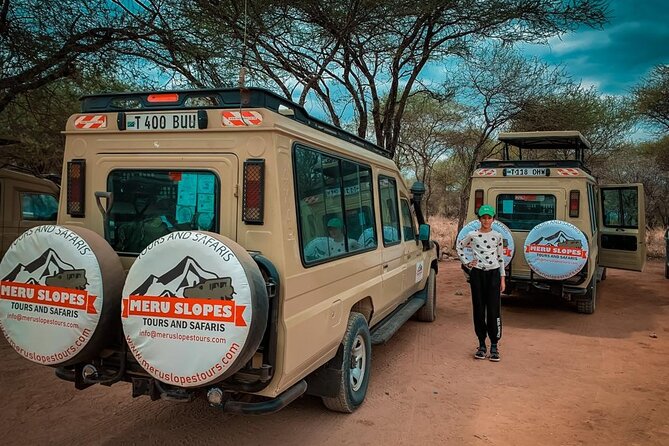
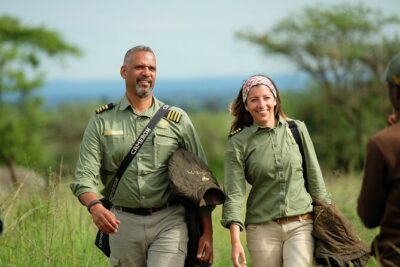
The safari is supported by a guide, driver, and cook. Saleem and Johanna are among the cooks praised in the trip feedback, while Samwel, Samuel, Douglas, Johnson, and Jacob are named as guides or drivers. Their roles matter because your guide handles animal spotting and route choices, while the cook has a direct effect on how well you manage five active days.
Several accounts describe excellent meals and strong guide support. A guide who explains animal behavior, answers repeated questions, and knows where to look can turn a quiet stretch of road into a useful lesson in ecology.
Still, camping standards are not uniform. Some campsite facilities have been described as clean enough, while other accounts point to poor toilets and uncomfortable conditions. That contrast is the main warning attached to this tour. Ask what kind of tent, bedding, washroom access, and lodge room you will receive before departure.
You should also pack for practicality: comfortable clothes, a warm layer for early mornings, sun protection, and personal toiletries. Those suggestions are basic, but the schedule gives you little spare time to solve small comfort problems once you are in the parks.
Private group size and guide quality
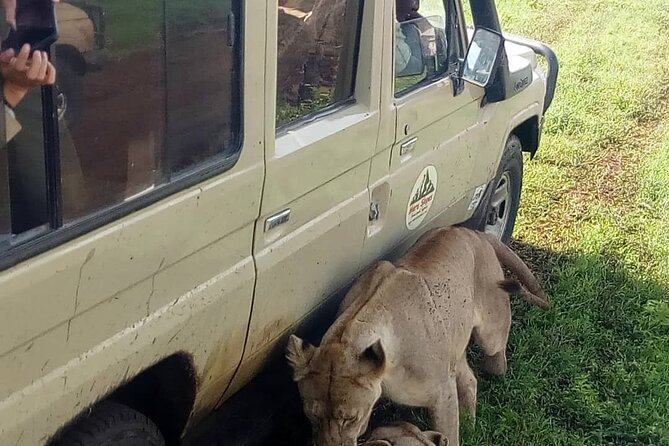
The maximum group size is six people, which is a useful middle ground. You get more personal attention than on a large safari bus, while the cost remains lower than a fully private luxury trip.
The guide will be able to explain the local ecosystem during the drives. That educational side is worth valuing. You are not only looking for animals, you are also learning why Tarangire’s river matters, why Seronera attracts wildlife, and how rainfall influences migration.
The phrase private tour can be read in different ways, so confirm whether the vehicle and guide are exclusively yours or simply limited to a small group. The information promises a private experience and a maximum of six people, but it does not spell out every operating arrangement.
The multilingual guide option may help if you are more comfortable receiving explanations in a language other than English. Ask which languages are available for your departure.
Who will enjoy this safari most
I would recommend this trip to you if wildlife comes first, you want to see several major parks in one short visit, and you accept that camping lowers the price by lowering comfort.
It also suits people who value a private guide, want meals and water handled in advance, and appreciate having lodging before and after the safari. The included Arusha accommodation removes some planning work from a trip that already involves long road days.
I would hesitate if you want polished hotels, short transfers, or a slow pace. The itinerary includes several days of eight to ten hours, early breakfasts, packing in camp, and long drives between parks.
Families with older children, active couples, friends, and solo visitors comfortable in a small group could all fit the format. Most people can participate, but the supplied details do not promise special arrangements for mobility needs, so ask directly if that affects you.
Final call: book it for the parks, not the plumbing
This is a strong-value route through three major wildlife areas. Tarangire gives you elephants and baobabs, the Serengeti gives you the most time and the best migration potential, and Ngorongoro offers a concentrated final game drive. The Mto wa Mbu visit adds a useful community angle.
The 4.9 rating from 230 ratings and 99 percent recommendation indicate very strong overall satisfaction, with especially high praise for guides, drivers, cooks, communication, and wildlife knowledge. At the same time, the low ratings focus on campsite bathrooms, discomfort, and food or health concerns, so those issues should not be brushed aside.
Book this safari if you want the broad Tanzania highlights at a controlled price and are ready for basic camping. Before booking, confirm the pickup time, exact campsites, bedding, sanitation, the identity or language of your guide, and whether the promised Maasai visit is separate from Mto wa Mbu. If you need comfort more than savings, choose a lodge-based option instead.
Free cancellation is available when you cancel at least 24 hours before the local start time. Flights and tips are not included.
FAQ
How long is the safari?
The experience lasts approximately five days and includes visits to Tarangire National Park, Serengeti National Park, Ngorongoro Crater, and Mto wa Mbu.
What is included in the price?
The price includes park fees and taxes, unlimited drinking water, Wi-Fi in the safari vehicle, accommodation the night before and after the safari, five breakfasts, five lunches, and five dinners.
How many people can join the tour?
The maximum group size is six people. The experience is described as a private tour with a personalized guide service.
Can I request vegetarian meals?
Yes. Vegetarian food is available, but you should advise the operator when booking.
When is the best time to see the wildebeest migration?
The stated best chance for the main migration is June through September. Wildebeest calving is listed for January through March, and conditions vary each year.
Is a Maasai visit included?
The title refers to visiting Maasai, but the detailed schedule specifically describes a visit to Mto wa Mbu village and its banana plantations. Confirm the exact cultural activity with the operator before booking if a Maasai visit is important to you.
More five day trips in Arusha
- 5 Days Group Camping Safari
★ 5.0 · 730 reviews - Tanzania Simba Safari – 5 Days
★ 5.0 · 217 reviews - 5 Days Budget Private Safari, Tanzania
★ 5.0 · 191 reviews - 5-Day Private Northern Tanzania Safari from Arusha
★ 5.0 · 182 reviews
Newly listed around Arusha
- 5-Day Private Safari Tour in Tanzania’s Wildlife★ 5.0 · 3 reviews
- 3 Days private safari Tarangire ,Ngorongroro crater &Manyara★ 5.0 · 3 reviews
- 3 Day Sharing Safari – Manyara, Ngorongoro Crater and Tarangire National Parks★ 5.0 · 3 reviews
- Tarangire National Park Day Trip★ 5.0 · 3 reviews
- 2 Days Tarangire and Ngorongoro Crater Tour★ 5.0 · 3 reviews
- 6 -Day Tarangire, Manyara, Serengeti & Ngorongoro★ 5.0 · 3 reviews
- 5 Days Group Camping Safari★ 4.7 · 3 reviews
- 7-Day Mt. Kilimanjaro Hiking: Machame Route★ 5.0 · 3 reviews
Serengeti & Ngorongoro Safaris, compared.
Balloon Safari & Bush Breakfast in Serengeti – Miracle Experience
Read our review →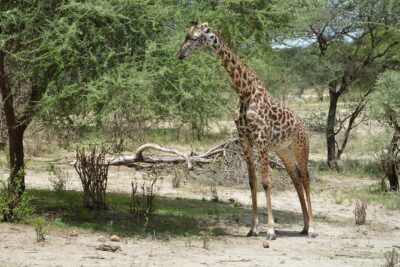
Private 6-Day Tarangire Manyara Crater and Serengeti with Mid-Range Lodges
Read our review →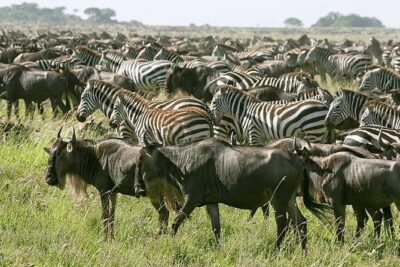
4 Days Join Group tour Tarangire Serengeti and Ngorongoro crater
Read our review →Browse the lists this tour appears in