
Reviewed · MAASAI VILLAGE VISITS
7-Day Private Tanzania Safari with Sunset Walking on the Crater Rim and Maasai
The rare treat here is not only seeing Tanzania’s famous animals, but seeing them from several different angles: elephants beside Tarangire’s river, lions on Serengeti plains, and a sunset walk high above Ngorongoro Crater. The private format lets your guide shape game drives around your interests instead of following a fixed group schedule.
I especially like the mix of major parks and human culture. You get a full Serengeti day, a close look at Maasai customs, and the unusual chance to walk the crater rim rather than simply photograph it from a vehicle. The possible drawback is the pace: several days include up to 12 hours of driving and wildlife viewing, and the safari price does not include international flights, extra nights, or tips.
Key points to know before booking
- A private seven-day route covers Tarangire, Serengeti, Ngorongoro Crater, and Lake Manyara.
- Sunset walking on the crater rim adds a quieter, more personal moment to a vehicle-based safari.
- The Maasai village visit includes fire-making, beadwork, and a chance to meet people in their homes, with interpretation from your guide when needed.
- Guide quality matters here, and named guides including Frederick, Benjamin, Mwita, Shafino, Leonard, Salehe, and Joseph have been praised for animal spotting, calm driving, and clear explanations.
- The itinerary is wildlife-heavy, with a full Serengeti game-drive day and shorter drives in Tarangire, Ngorongoro, and Lake Manyara.
- The $3,731 price is per person, with meals and park fees included, but accommodation before and after the seven-day program is extra.
A private northern Tanzania safari with a strong wildlife mix
This is a classic northern Tanzania circuit, but it has a useful twist. Instead of spending every night simply moving between parks, the program adds a Maasai cultural visit and a sunset walk on the Ngorongoro rim.
You begin in Arusha, Tanzania’s main safari staging point, and then travel through a chain of very different settings. Tarangire brings elephant country and acacia trees. Serengeti provides the grand open plains and the best chance to follow the drama of predator and prey. Ngorongoro packs a remarkable number of animals into a collapsed volcanic crater. Lake Manyara finishes with forest, cliffs, birds, and tree-climbing lions.
I like private tours for this kind of trip because a good guide can adjust the day. If you want more time with elephants, birds, big cats, or photography, you can ask. The named guides associated with this company, including Frederick, Benjamin, Mwita, Shafino, and Leonard, are repeatedly praised for finding animals, answering questions, and driving with care.
That said, this is not a leisurely lodge holiday. The route covers a lot of ground. Roads and game-drive tracks can make the days tiring, and Day 4 is scheduled for as much as 12 hours in the Serengeti. You should be comfortable with long periods in a safari vehicle.
More Safaris in Arusha
- Balloon Safari & Bush Breakfast in Serengeti – Miracle Experience
★ 5.0 · 1,646 reviews - 4 Days Group Camping Safari
★ 5.0 · 1,101 reviews - 5 Days Group Camping Safari
★ 5.0 · 730 reviews
Day 1: Arusha is your practical starting point
On arrival at Arusha or Kilimanjaro Airport, a Lion King representative picks you up and takes you to your Arusha accommodation. This first night is for rest and preparation.
That sounds simple, but it is useful. You do not need to land and immediately begin a long park transfer. Arusha gives you a buffer before the early starts and dusty roads ahead.
The accommodation for this night is included in the opening arrangement, but the tour terms say that extra accommodation before or after the main program is not included. If your flight schedule requires an additional night, plan and budget for it separately.
The listed start time is 8:30 a.m. On arrival day, confirm the exact pickup details with the operator, especially if you arrive at Kilimanjaro Airport rather than in Arusha.
Day 2: Tarangire brings elephants and broad open country
The first safari day heads from Arusha toward Tarangire National Park. The road crosses gently rolling Maasai plains, where you may see people in colorful clothing walking, cycling, herding cattle, or using donkey carts.
This approach is part of the experience. You are not just being transported from one attraction to another. The changing countryside gives you an early look at daily life beyond the parks.
Tarangire is best known for its large elephant herds. The park also includes seasonal swamps, open savanna, acacia trees, and the Tarangire River, which helps draw wildlife. From the open roof of the safari vehicle, you may see zebra, wildebeest, buffalo, and elephant, along with many other species.
The scheduled visit lasts about eight hours and park admission is included. I would treat this as a strong opening day because it offers a good mix without requiring the longest transfer of the trip.
The main tradeoff is that Tarangire is only one day here. If elephants are your top priority, tell your guide early. Guides such as Benjamin and Shafino have been praised for adjusting the route and finding good viewing positions, so your requests can matter.
Day 3: A long transfer into the Serengeti
After breakfast, you travel through the fertile highlands, where the Iraqw people grow wheat, coffee, and corn. The road then passes through the Ngorongoro Conservation Area, giving you a view of the crater before continuing toward Serengeti National Park.
You are expected to reach the Serengeti around midday. The listed duration is about seven hours, so this is partly a travel day and partly an introduction to one of Africa’s best-known wildlife areas.
The Serengeti is not one uniform plain. It includes grasslands, swamps, lakes, savanna, and mountains. That variety supports large numbers of herbivores and predators. Depending on the season, you may see signs of the wildebeest and zebra migration as they move in search of food and water.
Migration timing is not fixed. Rainfall controls the movement, and conditions change from year to year. The itinerary notes a general pattern of animals moving from northern woodlands and hills toward the southern plains in November and December, then returning north during the longer rains from April to June.
I would not book this trip solely on the promise of seeing the migration at a precise spot. Book it for the Serengeti itself. The resident wildlife is present beyond the migration, and a strong guide can make a big difference in locating lions, cheetahs, leopards, buffalo, crocodiles, and hippos.
More Walking Tours in Arusha
- Arusha Guided Walking City Tour, Culture, Lifestyle & History
★ 5.0 · 150 reviews - 4 Days lodge safari Tarangire , Ngorongoro crater & Walking
★ 5.0 · 39 reviews - Tanzania – Arusha NP – Private Guided 4×4 Safari – Game Drive & Walking
★ 5.0 · 30 reviews - Private Walking Tour with Giraffes
★ 5.0 · 18 reviews
Day 4: The full Serengeti game-drive day
Day 4 is the heart of the safari. You have the whole day for game drives, with up to 12 hours listed for the activity.
This long day gives you the best chance to see the Serengeti at different times and in different areas. The park supports impala, buffalo, crocodile, hippo, zebra, antelope, and wildebeest, as well as the predators that follow them.
The possibility of seeing lion, elephant, buffalo, rhino, and leopard makes this the day to keep your expectations broad. Seeing all five is never something a responsible operator can guarantee, but the itinerary is designed to give you a serious chance.
The value of a private guide is clearest here. Frederick is praised for tailoring the day to personal interests and locating less common animals. Benjamin is praised for patient driving and choosing good angles for photographs. Mwita and Shafino are also singled out for animal knowledge and attentive service.
A 12-hour game drive can be thrilling, but it can also wear you down. You may spend long stretches scanning grass and shrubs before anything dramatic happens. That waiting is part of a real safari, not a flaw, but you should be ready for it.
Day 5: Maasai culture and the crater rim at sunset
After an early breakfast, you take another Serengeti game drive before traveling toward the Ngorongoro Conservation Area. This gives you one more chance to look for the Big Five before leaving the park.
The most distinctive part of the day is the Maasai village visit. The activity lasts about an hour and includes demonstrations of fire-making and beadwork. You may also meet villagers in their homes, with your guide interpreting when needed.
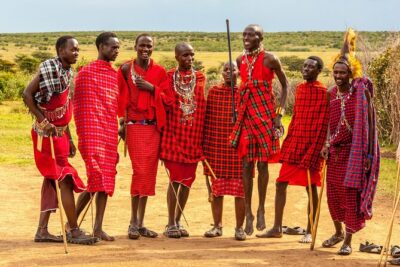
I value this stop because it adds context to the scenery. The Maasai are not simply part of the view along the roadside. A guided visit can help you understand customary practices and create a more direct connection with people who live in the region.
Approach the visit with respect. Listen, ask questions, and remember that it is a hosted cultural experience, not a staged wildlife encounter. The itinerary gives you a chance to learn, but it does not promise a specific set of interactions.
After the village, you drive to the crater rim. The title of the experience highlights a sunset walk there, one of the trip’s most unusual features. From the rim, you can look into the vast volcanic bowl as the light changes. It is a welcome contrast to sitting in a vehicle all day.
The full day is listed at about 12 hours, so this is another demanding one. The payoff is the combination of a final Serengeti drive, Maasai culture, and an evening walk above the crater.
Day 6: Ngorongoro Crater concentrates the wildlife
Early risers get the best chance to see sunrise from the crater edge. After breakfast, you descend into Ngorongoro Crater on the steep, adventurous track.
The crater formed about three million years ago. It is roughly 610 meters deep and covers about 260 square kilometers. More than 25,000 ungulates live within the crater, and the enclosed setting often makes wildlife viewing feel especially concentrated.
Within a short time, you may see wildebeest, zebra, gazelle, elephant, and many bird species. The crater is also one of the strongest places on this route for looking for the Big Five, including rhino and leopard.
The setting is spectacular, but do not expect the crater to feel empty or remote. Its fame and compact wildlife area make it a major stop on the northern circuit. The reward is the density of animals and the dramatic view from above.
The crater visit lasts about eight hours and park admission is included. I would keep this day focused. After the long Serengeti and rim day, the shorter schedule gives you time to enjoy the crater without adding another marathon.
Day 7: Lake Manyara closes the circuit with variety
The final destination is Lake Manyara National Park, about 120 kilometers west of Arusha. The park is named for its shallow salt lake, which can cover around 70 percent of the park during the right seasonal conditions.
The lake floods and dries over time, and it can attract thousands of flamingos along with more than 500 other bird species. Even if birding is not your main goal, this is a good place to watch for changing colors, movement, and feeding activity.
Lake Manyara also brings a different setting from the Serengeti. You may pass through open grassland, primate-filled woodland, and baobab-dotted cliffs. Possible sightings include monkeys, giraffe, zebra, wildebeest, buffalo, elephant, and lions resting in trees.
That final detail is one reason the park earns its place on the route. After several days of open plains, woodland and cliffs give you a fresh set of views and animal behavior.
The park visit is listed at about eight hours with admission included. The supplied information does not specify the final drop-off or a post-tour hotel, so confirm how the day ends before arranging an onward flight or extra accommodation.
What $3,731 per person gets you
At $3,731 per person, this is a major purchase. The value depends on what is included in your quoted package, but the listed inclusions cover all fees and taxes, seven breakfasts, six lunches, and six dinners.
You also receive private-tour service rather than joining a mixed group. That matters when you want to stop for photographs, ask detailed questions, or adjust the day around wildlife. The itinerary includes four major wildlife areas, an overnight start in Arusha, the Maasai visit, and the crater-rim walk.
The price does not include international flights, extra accommodation before or after the program, or tips. Those costs can change the total significantly, so build them into your planning.
The strongest value comes from the range of experiences. You are not paying only for park entry. You are also paying for a guide, vehicle time, planning, meals, and access to a route that links Tarangire, Serengeti, Ngorongoro, and Lake Manyara.
The guide can make or break the experience
Safari guides do far more than drive. They read animal behavior, share information about plants and birds, communicate with other drivers, and decide when it is worth waiting.
The strongest praise here centers on the guides. Shafino is described as especially strong on animals, plants, and birds. Gilbert is praised for smooth driving and confidence behind the wheel. Mwita is described as attentive and engaging, while Frederick is noted for combining a packed route with time to rest.
Benjamin is repeatedly valued for calm driving, patience, clean vehicles, and finding good photographic angles. Salehe is described as polite, friendly, and experienced. Leonard is praised for knowing when to wait and where to place the vehicle. Joseph is remembered for strong organization and safari experience.
You cannot select every guide in advance from the information provided, but you can tell the company your priorities. Mention photography, birds, big cats, elephants, cultural visits, or a slower pace before departure.
Who should book this safari
I would recommend this trip to someone visiting Tanzania for the first time who wants the major northern parks in one organized package. It suits couples, families, and private groups that value flexibility and do not want to share every game drive with strangers.
It is also a good match for people who want more than a checklist of animals. The Maasai visit and crater-rim walk add human and physical experiences that break up the vehicle time.
I would hesitate if you dislike early breakfasts, long drives, rough park tracks, or full-day outdoor schedules. The 12-hour Serengeti and Ngorongoro-area days require energy. I would also compare accommodation details carefully before booking, since the supplied information confirms meals and fees but does not name the properties.
The experience is non-refundable and cannot be changed after cancellation. That makes travel insurance and careful date planning sensible.
Should you book it?
Book this safari if you want a private, wildlife-first route with the classic northern Tanzania parks plus two memorable extras: Maasai culture and a sunset walk on the Ngorongoro rim.
The best reason to choose it is the balance of settings. Tarangire gives you elephants, Serengeti gives you time and scale, Ngorongoro gives you concentrated wildlife, and Lake Manyara adds forest, birds, and tree-climbing lions.
Before paying, confirm the accommodation names, final drop-off, and any details about the sunset walk. If you are comfortable with long days and the price fits your budget, this is a strong seven-day introduction to Tanzania.
FAQ
Where does the safari begin?
The safari begins with pickup at Arusha or Kilimanjaro Airport. The first night is spent in Arusha.
How long is the experience?
The tour lasts approximately seven days.
Is this a private tour?
Yes. Only your group participates in the private activity.
Which national parks and areas are included?
The route includes Tarangire National Park, Serengeti National Park, the Ngorongoro Conservation Area and Crater, and Lake Manyara National Park.
Is the Maasai village visit included?
Yes. The itinerary includes an approximately one-hour visit with fire-making, beadwork, and an opportunity to meet villagers in their homes. Your guide can interpret when needed.
Is sunset walking on the crater rim included?
Yes. The experience includes walking on the Ngorongoro crater rim at sunset.
What meals are included?
The package includes seven breakfasts, six lunches, and six dinners.
Are park fees and taxes included?
Yes. All fees and taxes are included, and admission is specifically included for Tarangire, Ngorongoro Crater, and Lake Manyara.
What is not included in the price?
International flights, additional accommodation before or after the tour, and tips are not included.
More evening outings in Arusha
- The Best 2-Days 1-night Tanzania Budget Group Joining Safari Tour
★ 5.0 · 14 reviews - 4 Day Tanzania Afordable Safari ft Two Night Serengeti
★ 5.0 · 11 reviews - Sunset Tour in Arusha
★ 4.4 · 11 reviews - 2 Days 1 Night Tarangire & Ngorongoro Crater
★ 5.0 · 8 reviews
More Maasai village visits
- 5 Days Camping Tarangire, Serengeti & Ngorongoro crater & Visiting Maasai
★ 5.0 · 229 reviews - Maasai village visit, Materuni waterfalls & coffee experience
★ 4.5 · 95 reviews - Kilimanjaro: Maasai Village Visit, Waterfalls, & Coffee Tour
★ 4.9 · 27 reviews - Arusha: Maasai Village Tour
★ 4.8 · 22 reviews
Newly listed around Arusha
- 5-Day Private Safari Tour in Tanzania’s Wildlife★ 5.0 · 3 reviews
- 3 Days private safari Tarangire ,Ngorongroro crater &Manyara★ 5.0 · 3 reviews
- 3 Day Sharing Safari – Manyara, Ngorongoro Crater and Tarangire National Parks★ 5.0 · 3 reviews
- Tarangire National Park Day Trip★ 5.0 · 3 reviews
- 2 Days Tarangire and Ngorongoro Crater Tour★ 5.0 · 3 reviews
- 6 -Day Tarangire, Manyara, Serengeti & Ngorongoro★ 5.0 · 3 reviews
- 5 Days Group Camping Safari★ 4.7 · 3 reviews
- Private 4×4 Vitara Safari in Arusha National Park★ 5.0 · 3 reviews
Maasai Village Visits, compared.
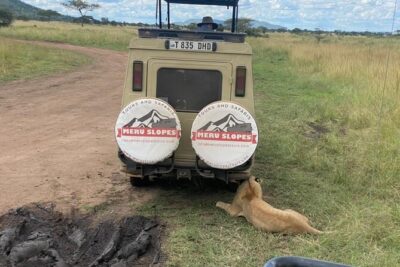
5 Days Camping Tarangire, Serengeti & Ngorongoro crater & Visiting Maasai
Read our review →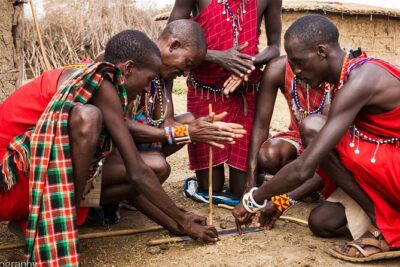
Maasai village visit, Materuni waterfalls & coffee experience
Read our review →5 Days Camping Tarangire, Serengeti & Ngorongoro crater & Visiting Maasai
Read our review →
Maasai village visit and Chemka hot-springs with hot lunch.
Read our review →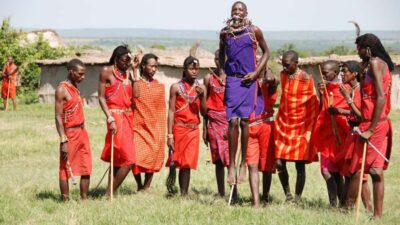
Kilimanjaro: Maasai Village Visit, Waterfalls, & Coffee Tour
Read our review →
Browse the lists this tour appears in