
Reviewed · MAASAI VILLAGE VISITS
Arusha: Maasai Village Tour
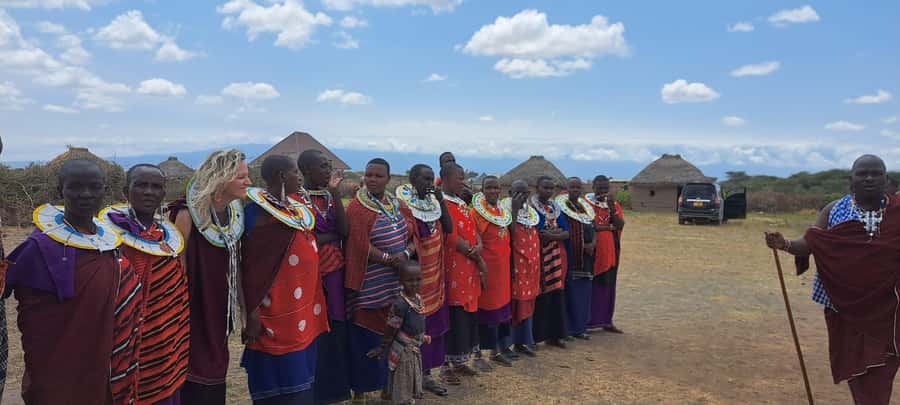
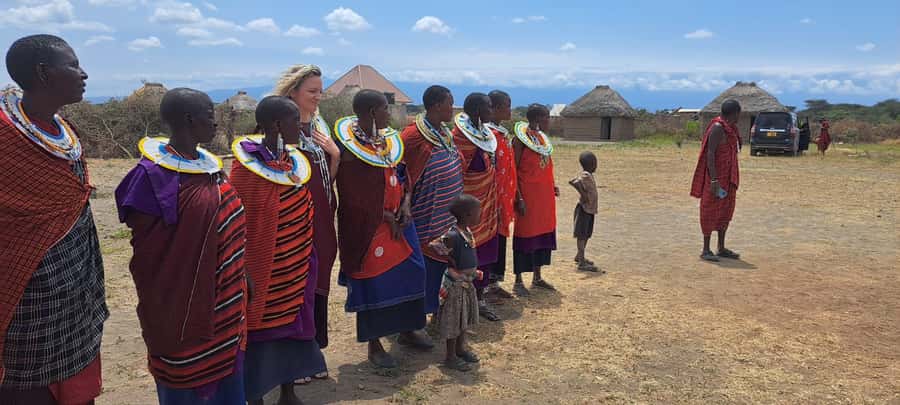
The highlight here is the Maasai boma visit, where a village elder introduces you to daily life, home building, beliefs, social structure, and traditional medicine. You are not simply looking at a village from the roadside. You are invited to take part, including dressing in Maasai clothing and joining the famous jumping dance.
I like the way the tour combines a real cultural visit with a full day out from Arusha. I also like the human touch provided by guides such as Imran, who has been praised for his easy conversation, strong English, and broad knowledge of Tanzania. The main consideration is the strong sun and the sales pressure some visitors feel when Maasai women offer handmade items at the end.
Key points at a glance
- A four-hour Maasai cultural visit: Spend enough time at the boma to learn about homes, customs, medicine, beliefs, and community life.
- A village elder leads the welcome: Your introduction comes through a local voice rather than a guide speaking for the community.
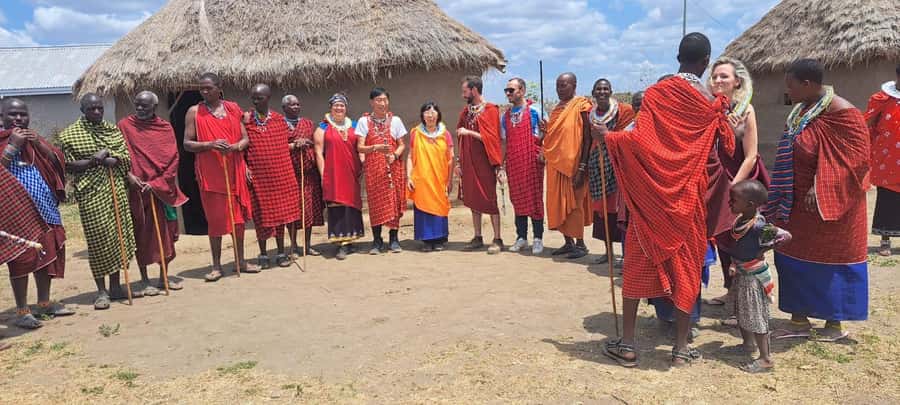
- You can join the jumping dance: Traditional clothing and participation make this more than a sightseeing stop.
- Arusha transport is included: The drive takes about 1.5 hours each way in a dark grey van.
- Lunch and water are provided: That matters on a long, sunny day outside the city.
- Optional nature add-ons: You can extend the outing with Chemka Hot Springs or a nearby waterfall.
From Arusha to the Maasai boma
The day begins with pickup in Arusha, followed by a scenic drive of about 1.5 hours. Transportation is included, and the vehicle is described as a dark grey van, a useful detail if you are watching for your pickup.
That drive is part of the experience, not just dead time between stops. It gives you a chance to speak with your guide about Tanzania before arriving at the boma. Imran is one guide named in connection with this experience, and his role has included sharing information about Tanzanian people, local customs, and places to visit. Guides may vary, but English and Swahili are the stated tour languages.
The total day runs from six to 8.5 hours. The difference depends on the exact start time and any added stop, so you should keep the rest of your schedule fairly open. I would not pair this with a tight afternoon booking, airport transfer, or another major excursion.
The ride also means you should prepare for a day in the sun. Bring sunscreen and a hat, since the heat can be intense at the village. Comfortable clothing and shoes make sense, especially if you plan to take part in dancing or add a short walk to a waterfall.
More Maasai village visits:
- 5 Days Camping Tarangire, Serengeti & Ngorongoro crater & Visiting Maasai
★ 5.0 · 229 reviews - Maasai village visit, Materuni waterfalls & coffee experience
★ 4.5 · 95 reviews - 7-Day Private Tanzania Safari with Sunset Walking on the Crater Rim and Maasai
★ 5.0 · 40 reviews
Meeting the elder at the boma
At the village, a welcoming elder introduces you to Maasai traditions and daily life. This is the central reason to book the tour. The visit gives you a chance to ask questions and hear explanations about the community from someone connected to it.
You learn how Maasai homes are built and how the village is organized. The tour also covers customs, spiritual beliefs, and traditional herbal medicine. These subjects help you understand that the boma is not only a group of houses. It is a community shaped by family roles, shared beliefs, work, and a close relationship with livestock and the surrounding area.
The value of this part depends partly on how curious you are. If you ask questions, listen carefully, and accept that some customs may be explained in broad terms, the visit can give you a useful introduction to Maasai life. If you want a long academic study of Maasai society, this half-day format will feel too short. It is best viewed as an accessible cultural encounter rather than a university course.
The tour presents the village as authentic, but you should still remember that any organized cultural visit has a visitor-facing side. You are welcomed, shown specific parts of community life, dressed in traditional clothing, and invited to dance. That does not make the experience worthless. It simply means you should approach it with respect and curiosity, not expect an unplanned private visit to everyday family life.
Seeing how Maasai homes and society work
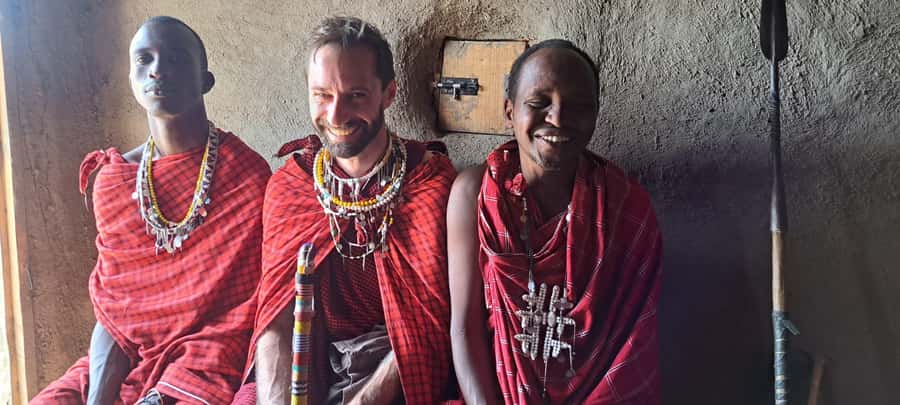
The explanation of home building is one of the most useful parts for visitors who want more than photographs. You can see the structure for yourself and learn how the homes fit into village life.
The tour also explains social organization. That helps connect the physical setting with the people who use it. Instead of seeing a boma as a collection of traditional structures, you get a basic picture of how the community is arranged and how customs guide daily life.
Traditional medicine is another subject covered during the visit. The information is presented as part of Maasai beliefs and practice. You can listen, ask questions, and compare it with medical traditions you know, but you should not treat a cultural explanation as medical advice.
The same applies to spiritual beliefs. The best approach is to listen without trying to rank one system above another. A good cultural tour does not need to turn every custom into a performance for approval. It should give you enough context to understand what you are seeing, and this visit aims to do that within its four-hour village program.
Wearing Maasai clothing and joining the dance
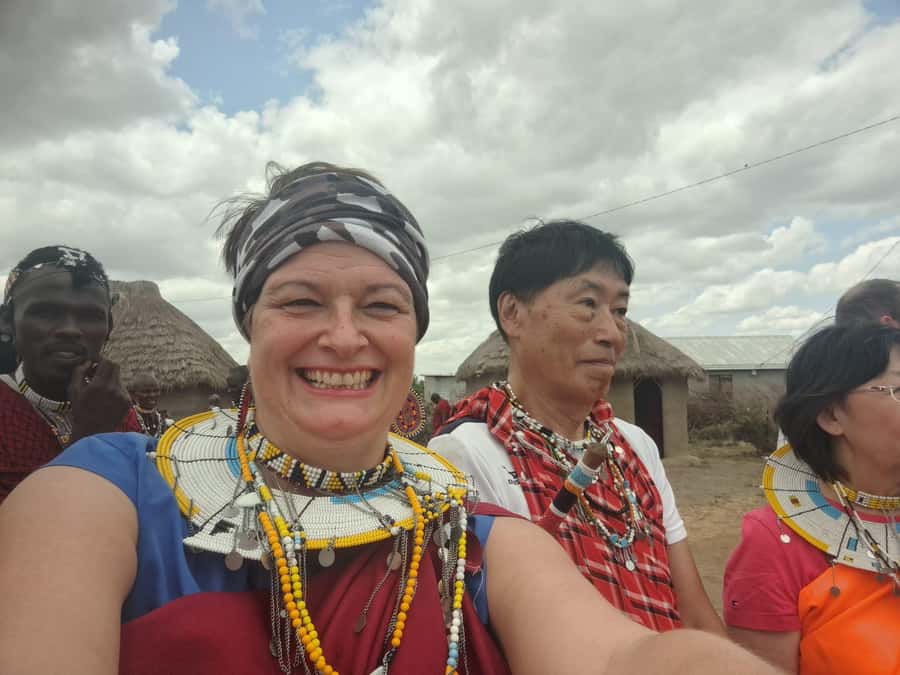
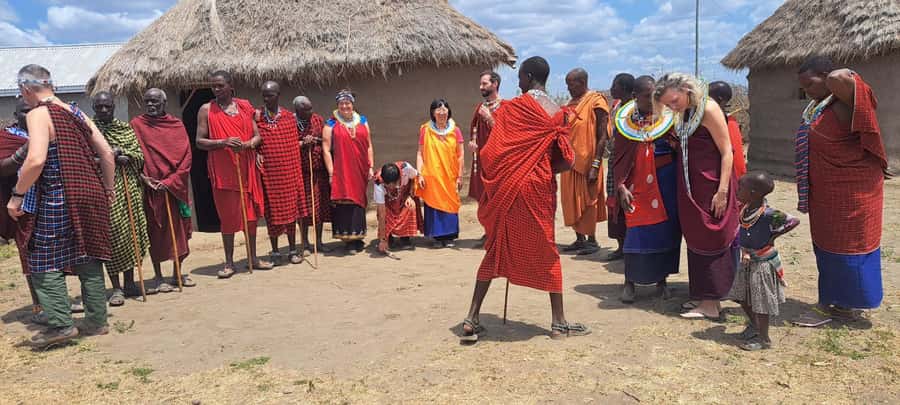
The tour becomes more physical and playful when you are dressed in Maasai clothing and invited to join the jumping dance. This is the moment many people will remember most clearly.
The dance is linked with strength, unity, and joy, and joining in gives you a direct role rather than leaving you at the edge of the group with a camera. You do not need to be a trained dancer. The point is participation, not polished technique.
Still, participation should remain respectful. Follow the lead of the village members, ask before taking close-up photographs, and treat the clothing as cultural attire rather than a costume for a joke. A little humility goes a long way, especially when you are being welcomed into a community for only part of a day.
Some visitors may prefer to watch rather than dance. That is reasonable. You can still learn from the demonstration and the explanations around it. If you have mobility concerns, the activity is listed as wheelchair accessible, though the exact conditions at the boma and during the dance are not detailed. Contact the provider before booking if you need specific assistance.
A few more Arusha days to compare
- Balloon Safari & Bush Breakfast in Serengeti – Miracle Experience
★ 5.0 · 1,646 reviews - Tanzania Classic – 7 Days
★ 5.0 · 1,151 reviews - 4 Days Group Camping Safari
★ 5.0 · 1,101 reviews - 5 Days Group Camping Safari
★ 5.0 · 730 reviews
Lunch, water, and the practical rhythm of the day
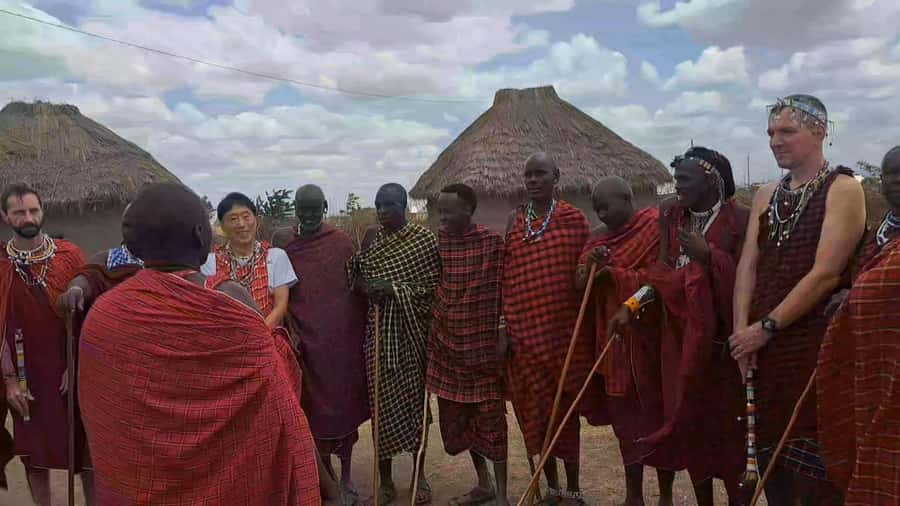
Lunch and water are included, which makes the $110 price easier to assess. You are paying for transport from Arusha, an English or Swahili guided experience, access to the boma, food, and a substantial block of cultural programming.
The price is not a bargain-basement village stop, but it can be fair value if you want a planned cultural day without arranging separate transport, food, and guiding. The 1.5-hour drive each way takes a large part of the outing, yet it also makes the experience possible from Arusha without asking you to organize a private vehicle.
The tour does not list a group size, so I would not assume a private or small-group setting. If group size matters to you, ask before booking. A smaller group may make conversation with the elder easier, while a larger group can make the dance more lively but may feel less personal.
Bring extra cash if you may want to buy crafts or jewelry. One visitor felt pressured to purchase items from Maasai women and found some pieces expensive at about $10 each. Buying something can be a meaningful way to support local sellers, but it should remain your choice. You do not need to buy simply because the sales happen at the end of a warm cultural visit.
Adding Chemka Hot Springs or a waterfall
You can make the day longer with a visit to Chemka Hot Springs or a nearby waterfall. These are add-on options, not part of the core package described by the included services, so check the available choice and any extra cost before you confirm.
Chemka Hot Springs offers a relaxing swim in clear water. That can be a welcome change after the sun and activity at the boma. Pack or wear suitable swim clothing only if the add-on is confirmed, since the basic tour information does not say that swimming equipment is supplied.
The waterfall option involves a short walk. It adds a little movement and scenery without turning the whole day into a strenuous hike. Exact trail conditions are not provided, so ask about the route if you have mobility limits or prefer to avoid uneven ground.
I like the idea of adding one of these stops if you have a free day in Arusha. If your main goal is cultural learning, keep the boma visit as the priority. The optional nature stop should support the day, not crowd out the conversation and activities that make the tour different from a standard sightseeing drive.
The guides make a real difference
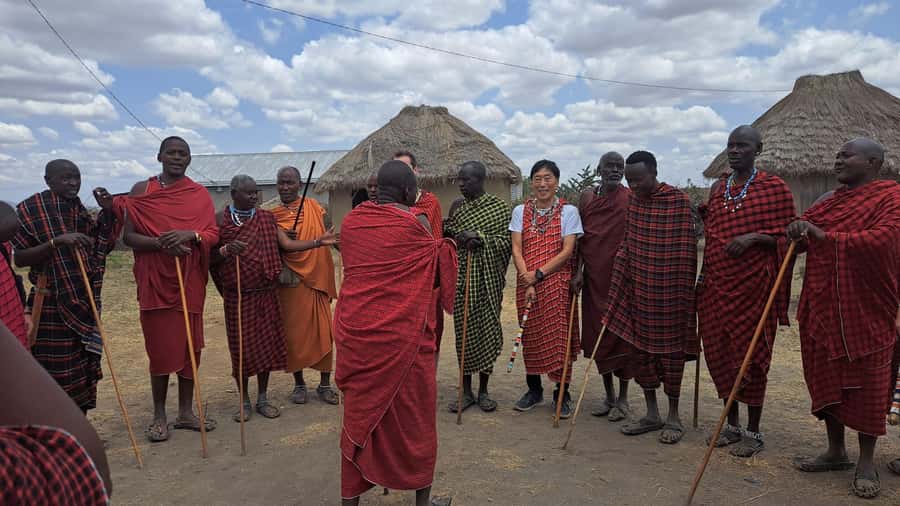
The guide is important on this tour because there is a long drive and a lot of cultural information to connect. A good guide can explain what you are seeing without speaking over the village elder.
Imran has received specific praise for being friendly, funny, easy to talk with, and fluent in English. He has also shared information about Tanzania and offered recommendations beyond the tour itself. If he is assigned to your outing, you can expect an engaging presence during the drive and between activities. Since guides can change, treat his availability as a possibility, not a promise.
The village elder remains the key local voice. That balance matters. Your guide can handle timing, transport, and translation, while the elder explains traditions and village life from within the community.
The experience is offered in English and Swahili. If you need another language, the supplied information does not indicate that one is available.
Who will enjoy this day most
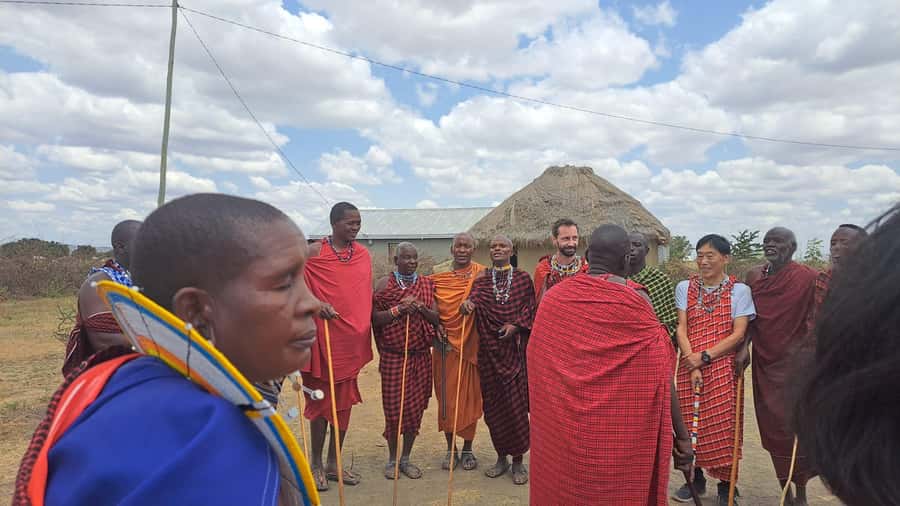
I would recommend this tour to you if you want a direct introduction to Maasai culture and prefer taking part to simply observing. It suits first-time visitors to Tanzania, people staying in Arusha before or after a safari, and anyone who wants a cultural experience that includes conversation, movement, and a local meal.
It is also a good choice if you do not want to arrange rural transport on your own. Pickup, the van, lunch, and water are included, so the day is easy to organize.
You may want to choose another activity if you dislike staged participation, do not want to dance, or prefer a quiet museum-style presentation. The traditional clothing and jumping dance are central features, not minor extras.
The tour is also less suitable for a tightly planned day. With two long drives and a village program of about four hours, it needs room in your schedule. Strong sun is another real issue. Sunscreen, a hat, water, and light clothing will make the day more comfortable, even though water is supplied.
Booking, flexibility, and the $110 value
The cost is $110 per person. For that amount, you receive transportation, access to the Maasai village, an English-speaking tour, lunch, and water. The cultural content is the main value, while the included logistics save you from piecing together a rural visit yourself.
You can cancel up to 24 hours before the tour for a full refund, and the reserve-now, pay-later option gives you some flexibility. Starting times vary, so check availability for your date.
Wheelchair access is listed, but the information does not explain every part of the route, vehicle setup, or dance area. If accessibility is essential for you, ask for exact details before paying.
My own value test is simple: book it if you would happily pay for a guided cultural meeting and a full day outside Arusha. Skip the add-on if it pushes the day beyond your comfort level. The core visit already fills most of the outing.
Should you book the Maasai Village Tour?
Book this experience if you want to meet a village elder, learn how Maasai homes and community life work, and take part in a traditional dance. The combination of local explanations, clothing, music, movement, lunch, and transport gives you a fuller cultural day than a quick roadside photo stop.
Go with realistic expectations. This is a guided visit designed for visitors, not an unscripted stay in a private home. You may also face craft sales at the end, and the sun can be strong. If you bring sunscreen, a hat, an open mind, and a clear budget for souvenirs, the $110 price can be worthwhile.
The tour is especially appealing when you have one free day in Arusha and want something different from a wildlife drive. Add Chemka Hot Springs or the waterfall only after checking the timing and extra arrangements. For a practical, participatory introduction to Maasai culture, this is a strong choice.
FAQ
Where does the Maasai Village Tour start?
Pickup is included from Arusha, including your hotel or residence.
How long does the tour last?
The full experience lasts about six to 8.5 hours. The drive to the village takes about 1.5 hours, the guided village visit lasts about four hours, and the return drive takes another 1.5 hours.
How much does the tour cost?
The listed price is $110 per person.
What is included in the price?
The price includes access to the Maasai village, an English-speaking tour, transportation, lunch, and water.
Which languages are available?
The live tour guide is available in English and Swahili.
Is hotel pickup included?
Yes. Pickup is included, and transportation is provided in a dark grey van.
Can I cancel for a refund?
Yes. You can cancel up to 24 hours in advance for a full refund.
Can I reserve now and pay later?
Yes. The activity allows you to reserve your place and pay later.
Is the tour wheelchair accessible?
Yes, the activity is listed as wheelchair accessible. The supplied information does not specify the accessibility details for every village area or activity, so ask the provider about your needs before booking.
Newly listed around Arusha
- 5-Day Private Safari Tour in Tanzania’s Wildlife★ 5.0 · 3 reviews
- 3 Days private safari Tarangire ,Ngorongroro crater &Manyara★ 5.0 · 3 reviews
- 3 Day Sharing Safari – Manyara, Ngorongoro Crater and Tarangire National Parks★ 5.0 · 3 reviews
- Tarangire National Park Day Trip★ 5.0 · 3 reviews
- 2 Days Tarangire and Ngorongoro Crater Tour★ 5.0 · 3 reviews
- 6 -Day Tarangire, Manyara, Serengeti & Ngorongoro★ 5.0 · 3 reviews
- 5 Days Group Camping Safari★ 4.7 · 3 reviews
- 4 Days Tanzania Safari★ 4.5 · 3 reviews
Maasai Village Visits, compared.
5 Days Camping Tarangire, Serengeti & Ngorongoro crater & Visiting Maasai
Read our review →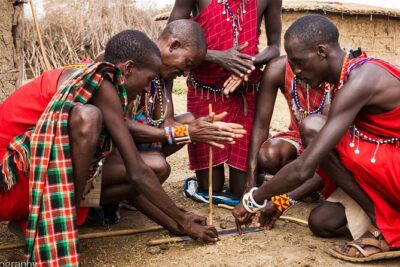
Maasai village visit, Materuni waterfalls & coffee experience
Read our review →5 Days Camping Tarangire, Serengeti & Ngorongoro crater & Visiting Maasai
Read our review →
7-Day Private Tanzania Safari with Sunset Walking on the Crater Rim and Maasai
Read our review →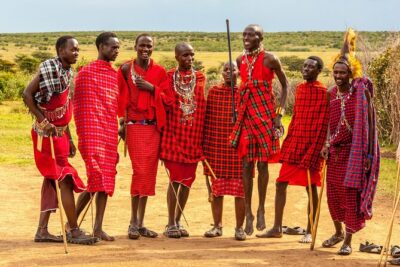
Maasai village visit and Chemka hot-springs with hot lunch.
Read our review →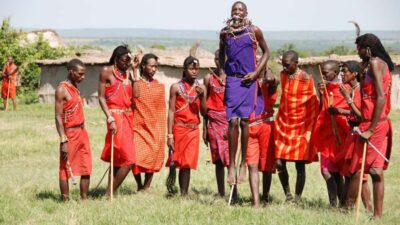
Kilimanjaro: Maasai Village Visit, Waterfalls, & Coffee Tour
Read our review →Browse the lists this tour appears in