
Reviewed · ARUSHA TOURS
4 Days Group Camping Safari
Three of Tanzania’s finest wildlife areas fit into four busy days here: elephant country in Tarangire, the wide plains of the Serengeti, and Ngorongoro Crater, where animals gather around dependable water. It is a fast, rewarding route for a first safari from Arusha.
I like the variety, since every park brings a different feel. I also like the small group size, capped at six, plus the included camping gear and meals. The main tradeoff is comfort: this is basic camping, and the days involve long drives and early starts.
Key points at a glance
- Three major wildlife areas: Tarangire, Serengeti, and Ngorongoro Crater all fit into four days.
- Strong chance of classic wildlife: Lions, elephants, zebra, giraffes, buffalo, hippos, and more are possible.
- Small group format: A maximum of six people allows better access to the guide and easier viewing from the 4×4.
- Meals and camping equipment included: Breakfast, lunch, and dinner are provided for all four days.
- Two UNESCO World Heritage sites: Serengeti National Park and Ngorongoro Conservation Area add special cultural and natural importance.
- Rough but real camping: Camps are sufficient, but sleeping tents may feel small, so pack with comfort in mind.
A fast route through Tanzania’s best-known parks
This safari is built around quantity and variety. In four days, you travel from Arusha toward Tarangire, continue across the Ngorongoro highlands to the Serengeti, spend a second day in the Serengeti, then finish in Ngorongoro Crater.
That schedule works well if you have limited time. You will not spend several days in one private reserve or luxury lodge, but you will see three famous wildlife zones and take several game drives. The route also gives you a useful sense of how Tanzania changes from dry woodland to open grassland and then to the enclosed world of the crater.
The price is $900 per person. For a four-day safari with transport, park visits, camping equipment, and all listed meals, that can be good value, especially compared with a lodge-based safari. You are paying for access to several high-cost parks and a dedicated safari vehicle rather than simply a transfer between towns.
Still, value depends on your expectations. If you want spacious tents, private bathrooms, or a relaxed pace, this is not the right version of a safari. If you want a focused wildlife trip with basic camping and plenty of time on the road, the price makes more sense.
More Safaris in Arusha
- Balloon Safari & Bush Breakfast in Serengeti – Miracle Experience
★ 5.0 · 1,646 reviews - 5 Days Group Camping Safari
★ 5.0 · 730 reviews - 3 Days Serengeti & Ngorongoro Group Camping Safari
★ 5.0 · 574 reviews
Day one: elephants and baobabs in Tarangire
Pickup follows breakfast, usually between 8:30 and 9:00 in the morning. The first major stop is Tarangire National Park, where you arrive for lunch before an afternoon game drive.
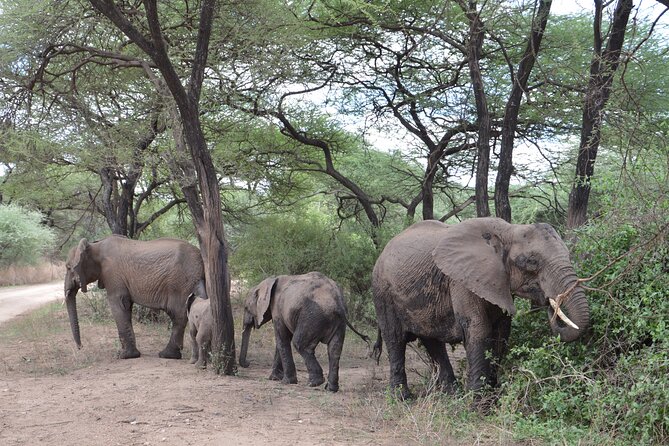
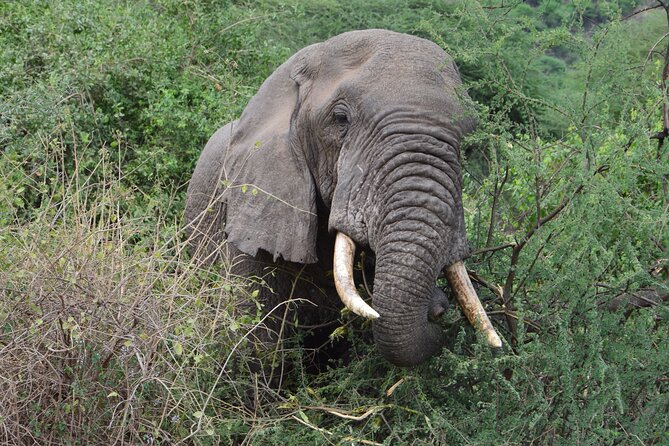
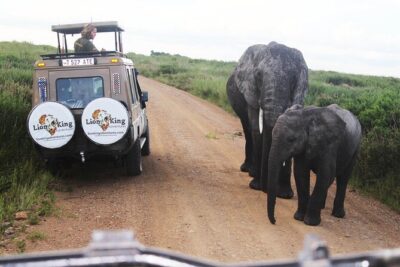
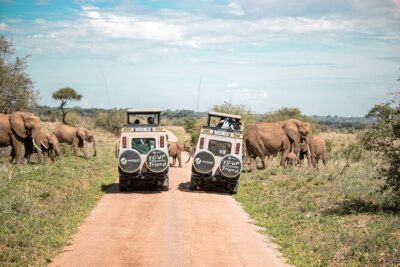
Tarangire is an excellent opening act because it feels different from the Serengeti. The park is known for its large elephant population and striking baobab trees. These old trees give the park a distinctive look and provide a memorable setting for your first wildlife sightings.
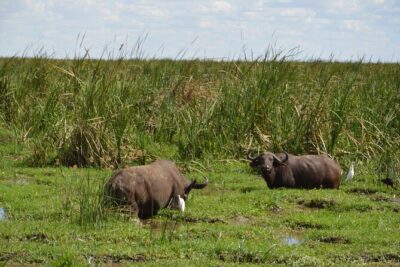
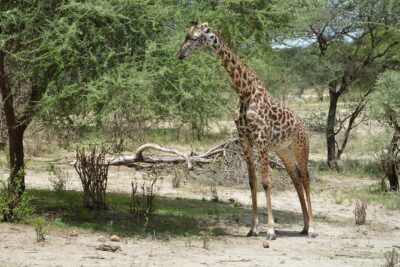
During the June to November dry season, animals gather in larger numbers. You might see herds of zebra, wildebeest, and Cape buffalo, sometimes numbering in the thousands. Giraffes, impalas, waterbuck, dik-dik, eland, Grant’s gazelles, vervet monkeys, banded mongooses, and olive baboons are also listed among the park’s regular wildlife.
Predators include lions, leopards, cheetahs, caracals, honey badgers, and African wild dogs. As with any wildlife trip, no sighting is guaranteed, but Tarangire gives your guide several kinds of habitat to search.
I particularly like starting here because the afternoon drive offers an immediate introduction to safari routines. You learn how the guide reads animal behavior, where to look, and how the vehicle is positioned for a clear view. Guides such as Amir and Mandela have been praised for finding animals and maneuvering the vehicle carefully, though your assigned guide may be different.
The six-hour schedule is useful but not leisurely. After breakfast, the park drive, lunch, and onward travel, you should expect a full day. Keep sunscreen, water, and any personal essentials close at hand rather than packed away.
Day two: entering the Serengeti through the highlands
After breakfast, you leave for Serengeti National Park by way of Karatu and the Ngorongoro Conservation Area. The road passes through high farmland before dropping toward the open Serengeti plains.
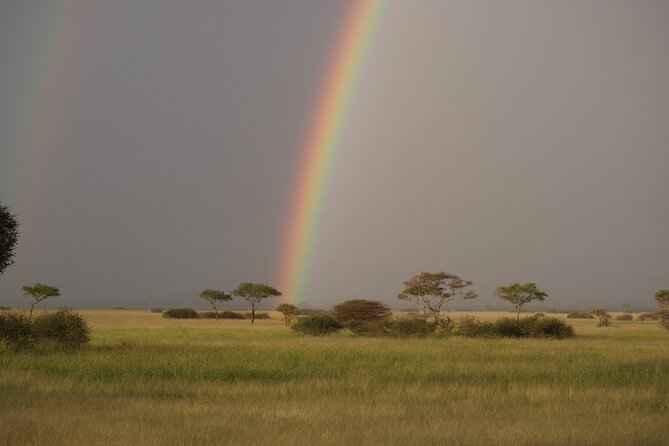
That change in scenery is one of the pleasures of the route. You begin among cultivated highland areas, then move toward a much more open setting where the horizon seems to stretch for miles. The first view of the Serengeti is one of the trip’s major moments, even before you see an animal.
The drive continues toward the Seronera area in central Serengeti. Seronera is one of the park’s key wildlife zones because the Seronera River provides water and draws animals throughout the year. This gives you a good chance to see several species in one region rather than spending the afternoon searching across a huge park.
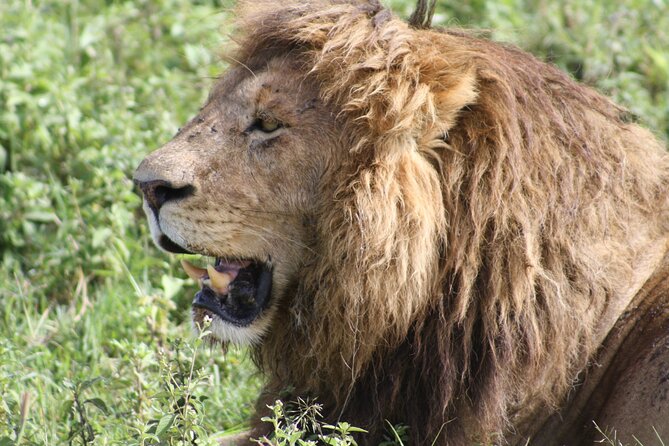
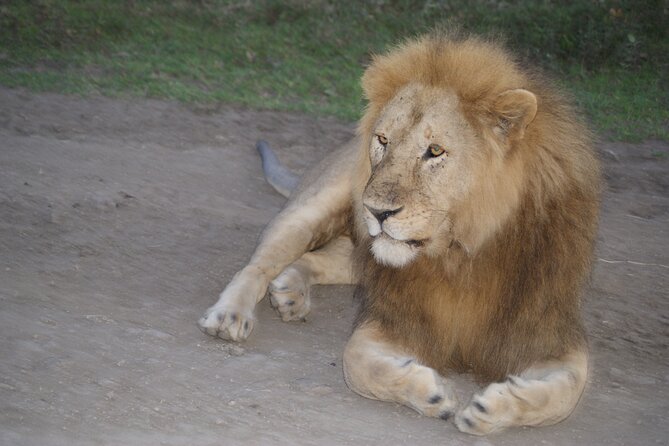
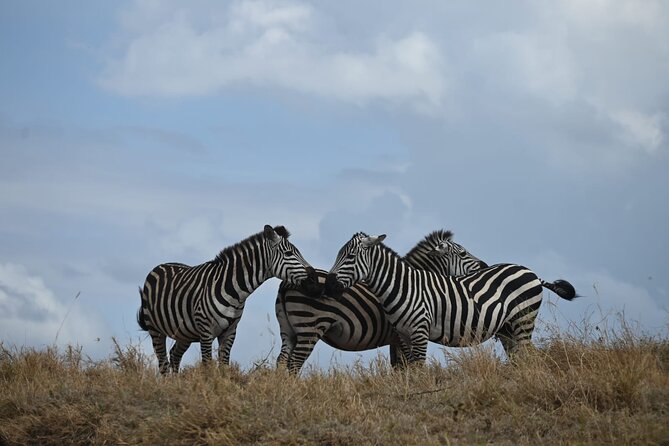
You arrive around lunchtime, then head out for an afternoon game drive. Lions, elephants, zebra, giraffes, buffalo, and hippos are among the animals you may hope to find. The Serengeti also supports hyenas, jackals, cheetahs, and leopards, though some sightings require patience and a sharp-eyed guide.
The strength of this day is access to central Serengeti on a short schedule. The weakness is the amount of road time. The Serengeti is enormous, and reaching the central area from the Ngorongoro side takes time. You should choose this safari for its broad reach, not because every hour is spent watching animals.
Day three: an early Serengeti game drive
Day three starts with coffee, tea, and biscuits before an early morning game drive. You continue with lunch boxes and spend roughly 8:00 to 14:30 on the drive before leaving for the Ngorongoro Conservation Area.
Morning is an important time for wildlife viewing. The cooler hours can be active, and an early departure gives you more time in the park before the long transfer. This is also your best chance to enjoy another look at the Seronera area rather than treating the Serengeti as a single afternoon stop.
The schedule combines game viewing with a major relocation. You will watch for animals along the route as you head toward your dinner and overnight stop in the Ngorongoro area. That means the day is not just a transfer, but it is still a demanding one.
The practical lesson is to pack lightly for the vehicle and keep a warm layer handy if needed. The supplied details do not specify the exact campsite facilities, but the camping is described as basic and sufficient. One recurring concern is that the sleeping tents may be smaller than some people expect.
Food is a strong part of the setup. Breakfast, lunch, and dinner are included for all four days, and the cook has received special praise, including a mention of Tito. Meals are described as adequate or very good, but you should not expect restaurant-style choice every evening.
More camping safaris in Arusha:
- 2 Days Tarangire and Ngorongoro Group Camping Safari
★ 5.0 · 146 reviews - 6 Days Tanzania Budget Camping Safari
★ 5.0 · 145 reviews - 3 Day Serengeti National Park & Ngorongoro Crater Camping Safari
★ 5.0 · 142 reviews - 3 Days Tarangire, Ngorongoro & Lake Manyara Group Camping Safari
★ 5.0 · 102 reviews
Day four: descending into Ngorongoro Crater
The final wildlife day begins with an early breakfast and a descent of more than 600 meters into Ngorongoro Crater. The crater is a natural enclosure with a year-round water supply and grazing areas, so it supports a remarkable concentration of wildlife.
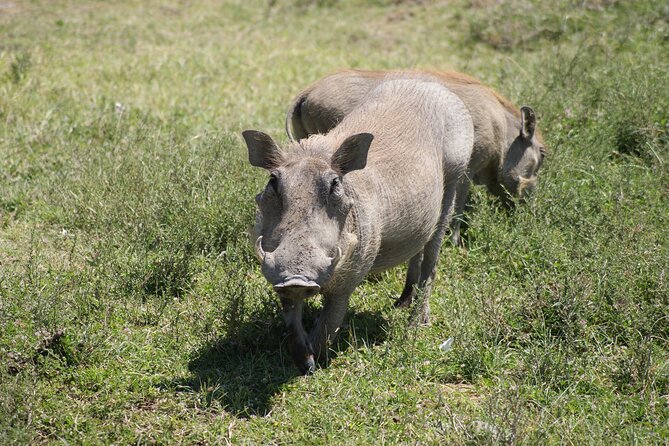
Inside, you might see wildebeest, zebra, buffalo, eland, warthogs, hippos, and large African elephants. The crater is also known for predators, including lions, hyenas, jackals, cheetahs, and the elusive leopard.
Lake Magadi, a large shallow alkaline lake in the southwestern part of the crater, is one of the main features. The lake adds another setting for wildlife viewing, and you might see animals around its edges depending on conditions and the day’s route.
Ngorongoro is often the most concentrated wildlife stop of the trip. You have a chance to see many species in a relatively contained area, which makes it a smart final day for a short safari. It is also one of two UNESCO World Heritage sites connected with this route, along with Serengeti National Park.
The crater is not a private enclosure, so the number and position of animals will vary. You may see a lion close to the vehicle, or you may spend time looking across the grassland for a distant predator. The guide’s skill matters here, particularly when spotting animals that blend into the surroundings.
What the small group and 4×4 mean for you
The maximum group size is six people. That is a useful middle ground: you get the social side of a group safari without being placed in a very large vehicle.
A small group also makes practical matters easier. You have a better chance of hearing the guide’s explanation about the local ecosystem, asking questions, and getting a decent viewing position. When a lion or leopard appears, having fewer people competing for attention can make the moment less hectic.
The tour details also describe a private guide and private 4×4 safari vehicle, while the overall activity is capped at six participants. Because those descriptions can mean slightly different arrangements, I would confirm the exact vehicle and whether the departure is private or shared before paying.
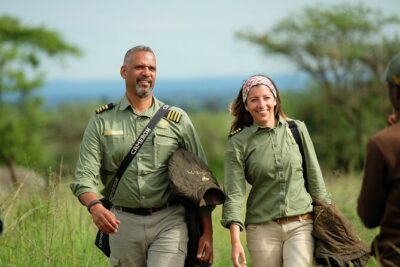
The guide is central to the experience. A skilled guide does more than point out animals. The guide explains how the parks connect, why animals gather near water, and how to distinguish species in a crowded herd. Specific names praised in the supplied information include Amir and Mandela, but there is no guarantee that either will lead your departure.
Camping, meals, and what to pack
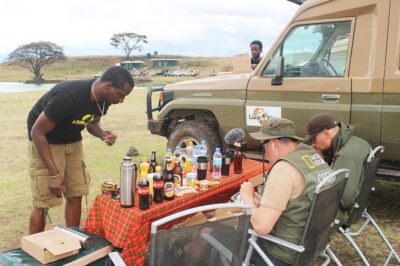
This is camping, not glamping. The equipment and meals are included, which keeps the $900 price from climbing through add-on costs, but the camps are basic. Tents are described as sufficient, while some people wished they were larger.
Pack for function rather than fashion. Bring sunscreen, a towel, and personal toiletries. A sleeping bag or extra sleeping comfort may also be worth considering, since the camping is described as rough and ready and at least one recommendation specifically points toward bringing your own sleeping bag.
The exact equipment supplied is not itemized, so ask what is included before departure if you have strong requirements. The same applies to bedding and washing arrangements.
Meals are included as breakfast, lunch, and dinner each day. Breakfast on day three is lighter, with coffee, tea, and biscuits before the early game drive, followed by lunch boxes. This makes sense for the schedule, but you may want to carry any personal snacks that are important to you.
Who will enjoy this safari most
I would choose this trip if you have four days, want to see the famous northern Tanzania parks, and are comfortable with basic camping. It suits people who would rather spend their budget on park access and game drives than on lodge rooms.
It is also a good fit for families and small groups. The supplied comments describe a family trip with professional guiding, satisfying food, and sightings of the Big Five. Most participants can take part, and pickup is offered.
You should think twice if you need spacious accommodation, a slow schedule, or a high level of privacy. The route covers a lot of ground, and the daily six-hour activity blocks do not include every hour spent driving between parks.
Booking timing, pickup, and cancellation
The tour is booked an average of 76 days ahead, which suggests that planning early is sensible, especially for a preferred travel date. Confirmation is received at booking, and pickup is offered in Arusha.
The listed operating period runs from July 1 through December 31, 2025, with hours shown from midnight to 11:30 p.m. daily. Those hours reflect the booking window rather than the actual safari schedule, since the listed departures begin after breakfast and the game drives start early.
The activity accepts mobile tickets and allows free cancellation up to 24 hours before the start time. Cancellations made less than 24 hours ahead are not refunded, and changes inside that window are not accepted.
Should you book the four-day camping safari?
I would book it if your priority is maximum park variety in minimum time. Tarangire gives you elephants and baobabs, the Serengeti supplies huge open plains and Seronera wildlife, and Ngorongoro offers a concentrated final game drive. The guide, cook, and small group can make the demanding schedule work well.
I would not book it if you are really seeking comfort rather than access. The tents are basic, some may feel small, and the road time is substantial. But for a first northern Tanzania safari at $900 per person, with meals, equipment, park visits, and a group capped at six, this is a strong practical choice for an active visitor who accepts simple camping.
FAQ
How long is the safari?
The safari lasts approximately four days.
Which parks and protected areas are included?
The route includes Tarangire National Park, Serengeti National Park, the Ngorongoro Conservation Area, and Ngorongoro Crater.
How much does the safari cost?
The listed price is $900 per person.
Is pickup available?
Yes, pickup is offered. The departure begins after breakfast, generally between 8:30 and 9:00 on the first day.
How large is the group?
The activity has a maximum of six participants.
Are meals included?
Yes. Breakfast, lunch, and dinner are included for all four days.
Is camping equipment included?
Yes, camping equipment is included. The camps are basic, and the sleeping tents may feel small.
Which animals might I see?
Possible sightings include lions, elephants, zebra, giraffes, buffalo, hippos, wildebeest, cheetahs, hyenas, leopards, and many other species. Wildlife sightings are not guaranteed.
Does the safari visit UNESCO World Heritage sites?
Yes. The route visits two UNESCO World Heritage sites, Serengeti National Park and the Ngorongoro Conservation Area.
Can I cancel for a full refund?
Yes, if you cancel at least 24 hours before the experience begins. Cancellations made less than 24 hours before the start time are not refunded.
More four day trips in Arusha
- 4 Days Join Group tour Tarangire Serengeti and Ngorongoro crater
★ 5.0 · 219 reviews - 4-Day Safari from Arusha: Tarangire, Serengeti and Ngorongoro
★ 5.0 · 173 reviews - 4 Days safari Tour Tanzania
★ 5.0 · 159 reviews - 4 Days Tarangire Serengeti Ngorongoro Crater
★ 5.0 · 117 reviews
Newly listed around Arusha
- 5-Day Private Safari Tour in Tanzania’s Wildlife★ 5.0 · 3 reviews
- 3 Days private safari Tarangire ,Ngorongroro crater &Manyara★ 5.0 · 3 reviews
- 3 Day Sharing Safari – Manyara, Ngorongoro Crater and Tarangire National Parks★ 5.0 · 3 reviews
- Tarangire National Park Day Trip★ 5.0 · 3 reviews
- 2 Days Tarangire and Ngorongoro Crater Tour★ 5.0 · 3 reviews
- 6 -Day Tarangire, Manyara, Serengeti & Ngorongoro★ 5.0 · 3 reviews
- 5 Days Group Camping Safari★ 4.7 · 3 reviews
- 4 Days Tanzania Safari★ 4.5 · 3 reviews
Arusha Tours, compared.
Balloon Safari & Bush Breakfast in Serengeti – Miracle Experience
Read our review →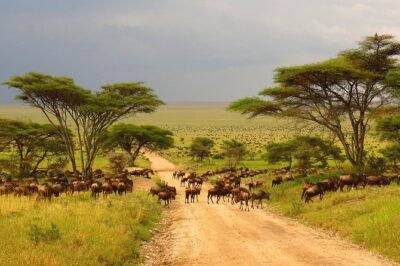
Browse the lists this tour appears in