
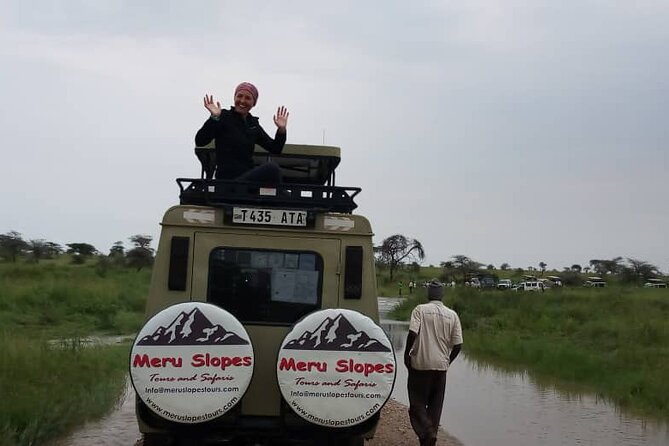
Reviewed · ARUSHA TOURS
6 Days Tanzania Budget Camping Safari
The main draw here is range: in six days, you visit four of northern Tanzania’s best-known wildlife areas, from elephant country in Tarangire to the open plains of Serengeti and the wildlife-packed Ngorongoro Crater. The trip also adds a walking tour in Mto wa Mbu, where you taste local food and see village life beyond the safari vehicle.
I like the small group limit of six and the practical all-in setup, with meals, water, accommodation, park fees, transport, and a guide included. I also like that the trip does not treat wildlife as the whole story. The Mto wa Mbu visit and Maasai boma stop give you a glimpse of local life. The main consideration is the pace: long drives, early breakfasts, dusty roads, and simple camping are part of the bargain.
Key points at a glance
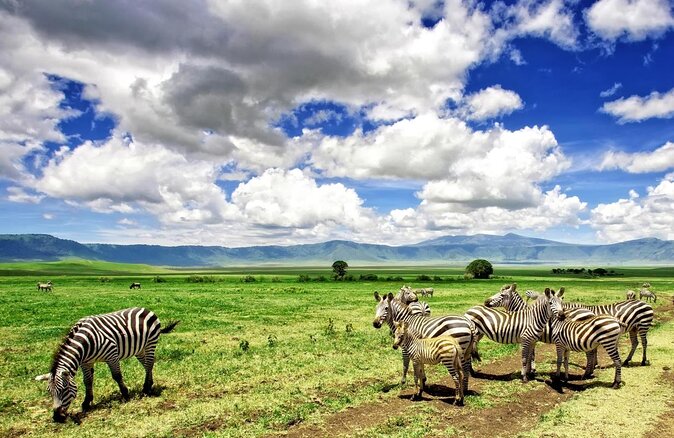
- Four major wildlife parks: Tarangire, Serengeti, Ngorongoro, and Lake Manyara are covered in one six-day route.
- Small-group safari: The vehicle holds a maximum of six participants, which matters when you want a clear view from the window.
- Migration timing matters: June through September gives the best chance of seeing the main movement, while calving usually takes place from January through March.
- A real camping component: Nights include campsite accommodation, though the overall trip may combine tents with lodge or hotel nights.
- Strong guiding is central: Guides such as Nuru, Robert, Mohamed, and others have been praised for spotting leopards, cheetahs, rhinos, and lions.
- Useful extras are included: Unlimited mineral water, Wi-Fi in the safari jeep, coffee and tea, airport rescue cover through AMREF Flying Doctors, and accommodation in Arusha are part of the package.
What $1,600 buys you on this safari
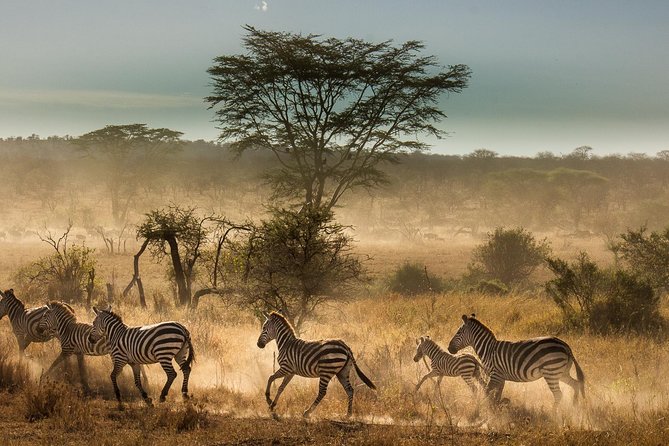
At $1,600 per person, the cost works out to roughly $267 per day. That is not pocket change, but it covers a lot: park access, transport from Arusha, a professional driver-guide, accommodation, meals, water, taxes, and the long transfers between parks.
The value comes from combining several costly pieces into one booking. You are not paying separately for each national park, arranging different vehicles, or finding a cook and campsite along the way. The route also includes two nights of hotel accommodation in Arusha town, according to the package details, although you should confirm exactly where those nights fall because the day-by-day schedule ends with a return to Arusha after Lake Manyara.
This is a budget safari, not a luxury lodge holiday. Some nights are in campsites, meals are supplied as part of the schedule, and much of the day is spent on rough park roads. The upside is more time in the parks and a lower price than a fully lodge-based trip. The trade-off is less privacy and less comfort.
The six-person maximum is important. A larger vehicle can make wildlife viewing feel crowded, especially when several people want to photograph the same lion or rhino. With six or fewer people, you have a better chance of getting a useful window position and a little breathing room.
More Safaris in Arusha
- Balloon Safari & Bush Breakfast in Serengeti – Miracle Experience
★ 5.0 · 1,646 reviews - 4 Days Group Camping Safari
★ 5.0 · 1,101 reviews - 5 Days Group Camping Safari
★ 5.0 · 730 reviews
Day 1: Elephants and baobabs in Tarangire
Pickup is scheduled from an Arusha hotel at 8 a.m., followed by a drive of about three hours to Tarangire National Park. The park lies roughly 115 kilometers from Arusha and covers about 2,800 square kilometers, so this first day is not just a quick introduction. You get a full game drive before heading to Jambo Lodge for dinner and the night.
Tarangire is a fine opening act because it has a clear personality. The Tarangire River draws animals to water, and the park is especially known for large elephant groups, baobab trees, and pythons that can climb trees. Lions, leopards, and other animals are also found here.
I like starting with Tarangire because it gives you a chance to settle into the safari rhythm without immediately attempting the longest transfer. You will spend much of the day in the vehicle, so wear comfortable clothes and keep your camera, water, and binoculars close rather than buried in luggage.
The first day is also a reminder that game viewing is not a checklist. You might see several large mammals quickly, or spend time watching one animal behave in a way that is more interesting than a rushed search for the next species. Your guide’s ability to read tracks and communicate with other vehicles can make a real difference.
Day 2: Crossing toward the endless plains of Serengeti
After breakfast, you pack your luggage into the safari jeep and travel toward Serengeti. Lunch is eaten in the vehicle, and the route includes views of the Rift Valley and Ngorongoro Crater before arrival in central Serengeti at about 3 p.m.
This is a long day, listed at around 10 hours, with driving and game viewing mixed together. The arrival timing means you should not expect a full day on the central plains. Instead, you get an afternoon and evening game drive, including the chance to watch sunset, before dinner and an overnight stay at Seronera campsite inside Serengeti.
That location matters. Staying inside the park reduces the need to leave early and return from outside accommodation, giving you more time among the animals. It also means accepting basic camping conditions. The schedule supplies accommodation, food, and camping arrangements, but it does not promise hotel-style facilities at Seronera.
Serengeti is famous for its huge open plains and the annual movement of about 1.5 million herbivores and associated predators. The animals do not follow a fixed calendar, so your guide will adjust the route to current conditions. This flexibility is useful, but it also means no operator can promise a specific migration scene on a particular day.
Day 3: A full Serengeti game drive
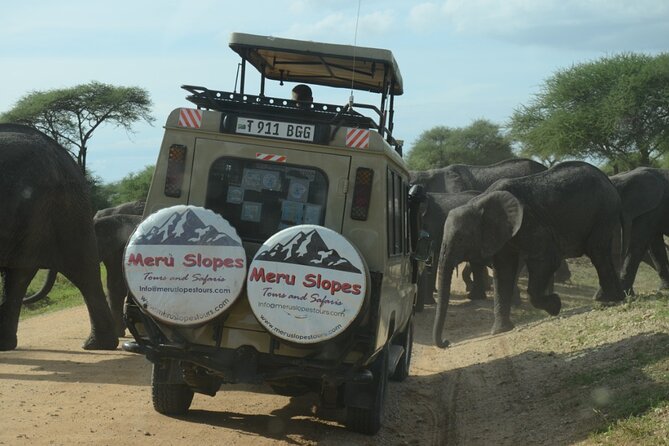
Day three is the safari’s most focused wildlife day. You have an early breakfast, then spend the day on game drives in Serengeti, with the guide taking you toward areas where animals are currently active.
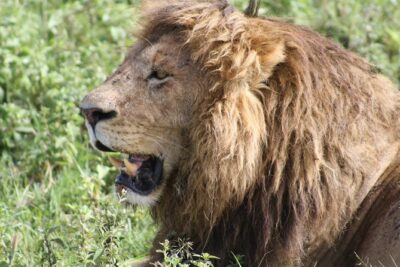
A full day gives you better odds than a short stop. You have time to follow a pride of lions, wait near a promising area, or travel farther across the plains when the first part of the morning is quiet. Guides named Nuru, Robert, and Mohamed have been singled out for good animal spotting and for locating leopards, cheetahs, rhinos, and big cats. The guide assigned to your vehicle may be different, but strong field skills are a major part of what you are paying for.
The migration note deserves careful attention. June through September is described as the best general period for seeing the main movement. Calving usually falls between January and March. From July through September, the route may shift toward northern Serengeti, where the Mara River crossings can take place.
Do not book this safari only because you expect to see a river crossing. The timing of rain, food, and animal movement changes every year, and the schedule covers central Serengeti as well as other regions. You are booking a chance to see one of Africa’s great wildlife systems, not a guaranteed single event.
More camping safaris in Arusha:
- 3 Days Serengeti & Ngorongoro Group Camping Safari
★ 5.0 · 574 reviews - 2 Days Tarangire and Ngorongoro Group Camping Safari
★ 5.0 · 146 reviews - 3 Day Serengeti National Park & Ngorongoro Crater Camping Safari
★ 5.0 · 142 reviews - 3 Days Tarangire, Ngorongoro & Lake Manyara Group Camping Safari
★ 5.0 · 102 reviews
Day 4: Sunrise in Serengeti and a night near Ngorongoro
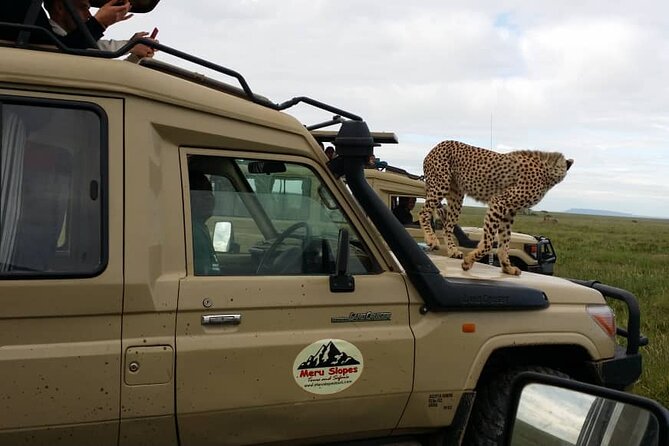
The fourth morning begins very early, around 5:45 a.m., with breakfast and a sunrise game drive. You continue through the morning until about 11:30, return to camp for a hot lunch, pack the vehicle, and then continue toward Ngorongoro.
The schedule includes additional game viewing while traveling out of Serengeti, followed by dinner and an overnight stay at Simba campsite in the Ngorongoro Conservation Area. The listed duration is about 10 hours, so this is another full day with little idle time.
The early start is worth understanding before you book. Sunrise is one of the best times for cooler temperatures and active animals, but you need to be comfortable waking before dawn. A warm layer, a small flashlight, and clothing that can handle dust are sensible choices. The supplied coffee and tea are welcome on mornings like this.
This day works as a transition between two very different types of wildlife viewing. Serengeti gives you vast open space and moving herds. Ngorongoro offers a contained crater floor with a high concentration of animals. You do not get as much uninterrupted time in either place as you would on a single-park trip, but you see more of northern Tanzania in one circuit.
Day 5: The Ngorongoro Crater and Mto wa Mbu
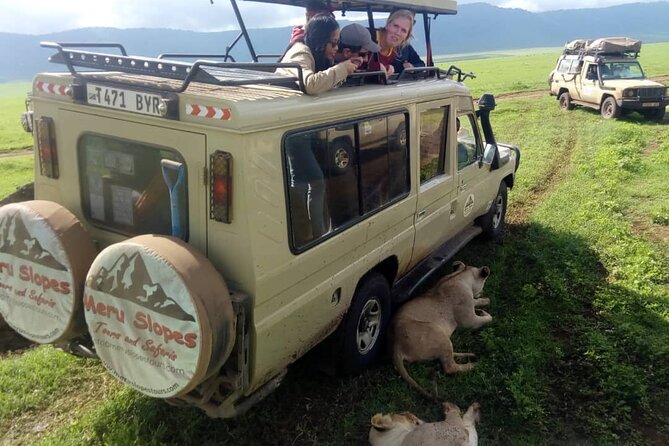
Breakfast is scheduled for about 5:30 a.m., followed by the descent into Ngorongoro Crater. The crater floor is the day’s main attraction, with the possibility of seeing the Big Five, many bird species, and black rhino. Lunch is taken inside the crater while you continue watching the natural surroundings.
The game drive lasts about six to seven hours. Flamingos may gather around the water, and the enclosed setting can make wildlife viewing feel concentrated compared with the broad Serengeti plains. Still, sightings are never guaranteed, and the crater is not a zoo. Your guide will need to balance the search for animals with park rules and road conditions.
After the crater, the itinerary includes a walking tour in Mto wa Mbu village. This is one of the most useful additions because it changes the pace and subject of the trip. You can see banana plantations, visit local projects, taste Tanzanian food, and learn about daily life through a community-run cultural program.
You then continue to Jambo Lodge for dinner and the night. The day is listed at about eight hours for the crater section, with the village walk adding roughly one hour. Since the schedule is packed, keep your expectations practical. This is a short cultural introduction rather than a long independent village stay, but it gives you contact with local life that many wildlife-only routes skip.
There is one scheduling inconsistency worth noting. The itinerary labels day five as Ngorongoro to Lake Manyara, yet places the Mto wa Mbu visit and Jambo Lodge overnight on the same day, with Lake Manyara set for day six. Ask the operator to confirm the final accommodation plan before paying.
Day 6: Lake Manyara and the return to Arusha
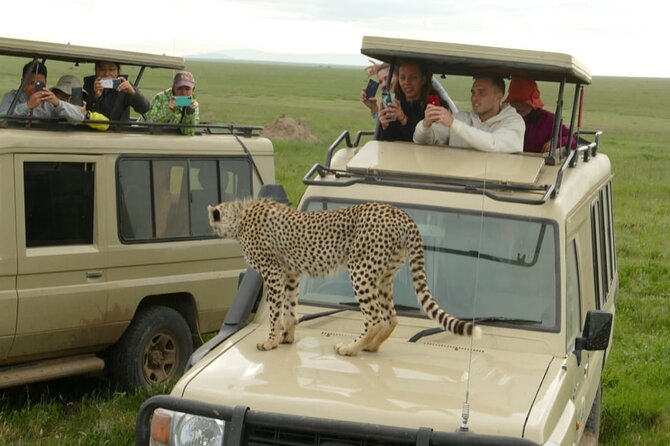
After breakfast, you travel to Lake Manyara National Park for a full-day game drive. The park is known for tree-climbing lions, flamingos attracted by algae in the lake, and a hot spring.
Lake Manyara offers a different setting from both Serengeti and Ngorongoro. Instead of wide grassland, you get a park associated with lake, woodland, and varied bird life. The shorter scale can make this a good final stop, though the drive back to Arusha means you should expect a long day. The schedule lists about eight hours and says you return to Arusha afterward.
A Maasai boma visit is also included on this day. You can see how residents live and learn about Maasai culture and traditions. As with Mto wa Mbu, the value is in adding a human side to the route. Go with respect, listen carefully, and remember that a cultural stop is not simply another photo opportunity.
The supplied details say the activity ends back at the meeting point, Arusha Tourist Inn on Sokoine Road. They also mention dinner and an overnight in Arusha on day six, while the headline duration is six days. Confirm whether that final night is included in your specific booking, especially if you have an early flight or another tour planned.
Camping, lodges, and daily comfort
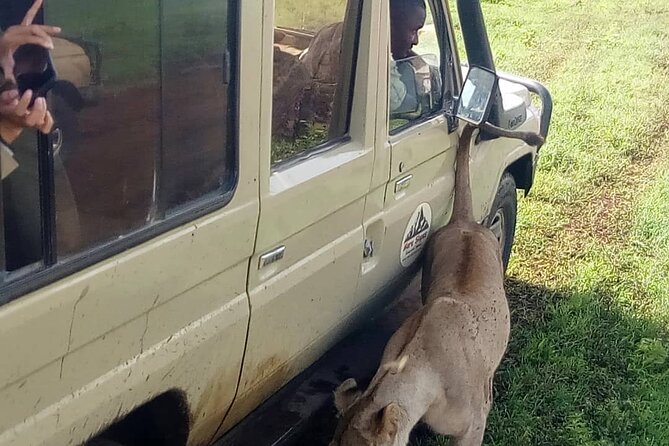
The word budget is doing useful work here. You receive accommodation for the full trip, but you should not expect six nights of equal style. The route includes campsites in Serengeti and near Ngorongoro, Jambo Lodge nights, and two Arusha hotel nights in the package description.
Some arrangements have used three nights in tents and three nights in a hotel or lodge. The exact split can vary, so ask before arrival. Camping gives you a closer feel for the parks and keeps the price down, but it also means simple facilities and less personal space.
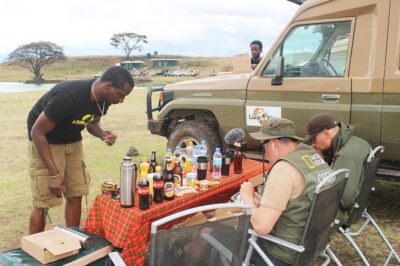
Meals are included according to the itinerary: seven breakfasts, seven lunches, and six dinners are listed, although the trip length and final Arusha night make it wise to confirm the count. Unlimited mineral water, coffee, and tea are included. Alcohol is not included but can be purchased separately.
Wi-Fi inside the safari jeep is a helpful extra, though you should not plan your entire trip around having a strong connection in remote park areas. The vehicle is your dining room on some transfer days, your viewing platform on game drives, and your main place to rest between stops.
Guides, vehicle time, and the real pace
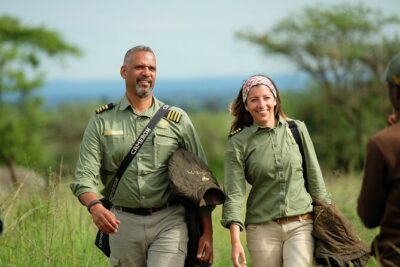
The guide is the person who can make or break a safari. This package includes a professional driver-guide, and the strongest praise has focused on guides who know where animals are likely to be, communicate well, answer questions, and stop or reposition the vehicle when you need a better photograph.
Names associated with especially positive experiences include Nuru, Robert, Mohamed, and Moody, along with cooks such as Gideon and Gadi. You may not receive one of these exact team members, but the comments point to the importance of the whole crew: guide, driver, cook, and booking contact.
You should also prepare for many hours in the jeep. The itinerary includes three-hour transfers, en-route game drives, early starts, and long park days of eight to ten hours. This is a good trip for someone who wants maximum park coverage and does not mind a bumpy ride. It is less suitable if you want slow mornings or a resort-style holiday.
Children must be accompanied by an adult, and most people can participate. The maximum group size is six. Pickup and drop-off at your accommodation are available, though the stated meeting point is Arusha Tourist Inn, so confirm the exact pickup arrangement with the operator.
Who should book this six-day route?
I would choose this safari if you want to see the major northern circuit parks in one trip and want costs kept under control. It suits first-time safari visitors who appreciate having transport, meals, accommodation, and park planning handled together.
It also suits photographers and wildlife fans who value full game-drive days in Serengeti and Ngorongoro. The route offers credible chances for lions, elephants, leopards, cheetahs, rhinos, flamingos, and other animals, but no responsible safari can guarantee a full species list.
I would think twice if you dislike camping, rough roads, early breakfasts, or changing accommodation. I would also consider a longer itinerary if the migration is your only goal. Six days gives you a broad sample, but a longer stay gives you more flexibility when animals are far from the usual route.
The free cancellation policy allows a full refund if you cancel at least 24 hours before the start time. Changes made inside that window are not accepted, and poor weather may lead to a new date or full refund.
Should you book it?
Book this safari if your priority is maximum northern Tanzania coverage for a fixed price, with a small group and plenty of included services. Tarangire, Serengeti, Ngorongoro, Lake Manyara, Mto wa Mbu, and a Maasai cultural visit make this a well-rounded route rather than a wildlife-only dash.
Before booking, confirm the precise hotel and tent split, the final night in Arusha, the meal count, and which guide and vehicle arrangements apply to your departure. If you accept the early starts and basic camping, the $1,600 price offers solid value. If you want guaranteed migration crossings or polished lodge comfort, choose a longer or more upscale safari instead.
FAQ
Where does the safari start?
The stated meeting point is Arusha Tourist Inn on Sokoine Road in Arusha, Tanzania. Pickup from your accommodation is also offered.
Where does the safari end?
The activity ends back at the meeting point in Arusha.
How many people can join the safari?
The maximum group size is six participants.
Which national parks are included?
The route includes Tarangire National Park, Serengeti National Park, Ngorongoro Conservation Area and Crater, and Lake Manyara National Park.
Is the Great Migration guaranteed?
No. The migration changes each year. The best general chance is listed as June through September, calving is usually January through March, and Mara River crossings may occur in northern Serengeti from July through September.
Is accommodation included?
Yes. Six nights of accommodation are supplied in the package details, including lodge, campsite, and Arusha hotel accommodation. Confirm the exact split before booking.
Are meals included?
Yes. Meals are included according to the itinerary. The package lists breakfast, lunch, and dinner, along with coffee and tea.
Is drinking water included?
Yes. Unlimited mineral water is included throughout the safari.
Can the booking be canceled for a full refund?
Yes, if you cancel at least 24 hours before the experience start time. Cancellations or changes made less than 24 hours in advance are not accepted for a refund.
More six day trips in Arusha
- Tanzania Wildlife Encounters – 6 Days
★ 5.0 · 277 reviews - Private 6-Day Tarangire Manyara Crater and Serengeti with Mid-Range Lodges
★ 5.0 · 238 reviews - 6 Days Private Budget Safari
★ 5.0 · 163 reviews - Tanzania Enticing Explorations – 6 Days
★ 5.0 · 106 reviews
Newly listed around Arusha
- 5-Day Private Safari Tour in Tanzania’s Wildlife★ 5.0 · 3 reviews
- 3 Day Sharing Safari – Manyara, Ngorongoro Crater and Tarangire National Parks★ 5.0 · 3 reviews
- 3 Days private safari Tarangire ,Ngorongroro crater &Manyara★ 5.0 · 3 reviews
- Tarangire National Park Day Trip★ 5.0 · 3 reviews
- 2 Days Tarangire and Ngorongoro Crater Tour★ 5.0 · 3 reviews
- 6 -Day Tarangire, Manyara, Serengeti & Ngorongoro★ 5.0 · 3 reviews
- 5 Days Group Camping Safari★ 4.7 · 3 reviews
- Private 4×4 Vitara Safari in Arusha National Park★ 5.0 · 3 reviews
Arusha Tours, compared.
Balloon Safari & Bush Breakfast in Serengeti – Miracle Experience
Read our review →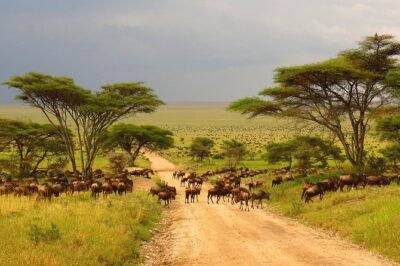
Browse the lists this tour appears in