
Reviewed · ARUSHA TOURS
6 Days Private Budget Safari
Tarangire’s elephant herds and huge baobabs are only the opening act. This six-day private safari takes you from Arusha to four of northern Tanzania’s best-known wildlife areas, ending with flamingos and birdlife at Lake Manyara. The route mixes game drives, bush picnics, campsite nights, and lodge stays rather than giving you one polished resort experience.
I like the private format, since your group sets the pace and shares the vehicle only with one another. I also like the food plan: six breakfasts and lunches, five dinners, picnic meals in the parks, and hot meals at camp reduce the daily fuss. The main catch is the amount of driving, especially on the rough road toward Serengeti, and some days begin very early.
Key points to know before booking
- Tarangire opens the trip with elephants and baobabs, plus a picnic site with a fine view.
- Serengeti receives the most time, including a full game-drive day and a sunset near Seronera.
- Ngorongoro Crater offers the best chance for a compact wildlife day, including a possible black rhino sighting.
- Lake Manyara finishes the route with flamingos, tree-climbing lions, and more than 300 bird species.
- Meals are included, with both picnic and hot lunch options during the safari.
- The $2,300 price needs careful comparison, especially regarding exactly what is covered beyond meals and park admission details.
What six days in northern Tanzania really feels like
This is a classic northern Tanzania circuit, but it is not a gentle sightseeing holiday. You spend long hours in a safari vehicle, often on rough roads, with the reward of reaching wide-open wildlife areas where the next bend may reveal elephants, giraffes, lions, or a flock of flamingos.
The private setup matters. You are not waiting for a large coach to load or trying to match your schedule to strangers. If someone in your group wants more time watching a pride of lions or stopping for bird photographs, you have a better chance of making that request work. The tour starts with hotel pickup at about 7:30 in the morning, and the operator says most people can participate.
Serengeti Wakanda Tours & Safaris has received a 5 out of 5 rating from 164 listed reviews, with 100 percent recommending the experience. The praise is strongest for the guides, food, communication, and the company’s ability to make a private trip feel personal. Guides named in the feedback include Bashir, Andrew, Francis, Edward, Zefa, Felix, Benjamin, and Joshua, while staff members such as Glory, Goodluck, Ushma, Aishwarya, and Anu are praised for trip planning and communication.
That does not remove the need to ask questions before paying. Safari quality depends heavily on the assigned guide, vehicle, camp arrangements, and road conditions. Ask who will guide your group, what kind of vehicle is used, and which lodgings are confirmed.
More Safaris in Arusha
- Balloon Safari & Bush Breakfast in Serengeti – Miracle Experience
★ 5.0 · 1,646 reviews - 4 Days Group Camping Safari
★ 5.0 · 1,101 reviews - 5 Days Group Camping Safari
★ 5.0 · 730 reviews
Day 1: elephants and baobabs in Tarangire
Your first morning begins with hotel pickup after breakfast, followed by a drive of about two hours to Tarangire National Park. That is a manageable start compared with the longer road stretches later in the week.
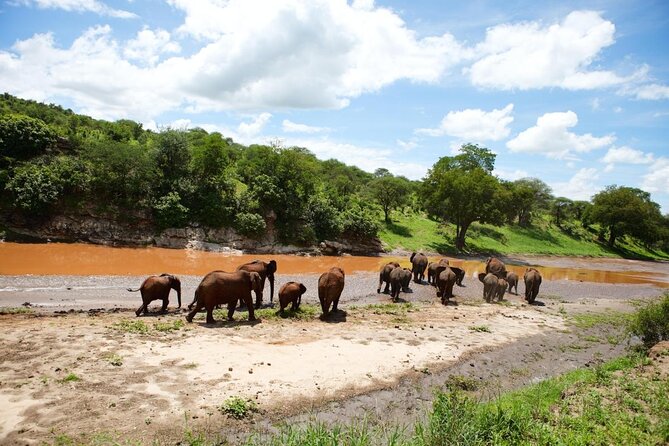
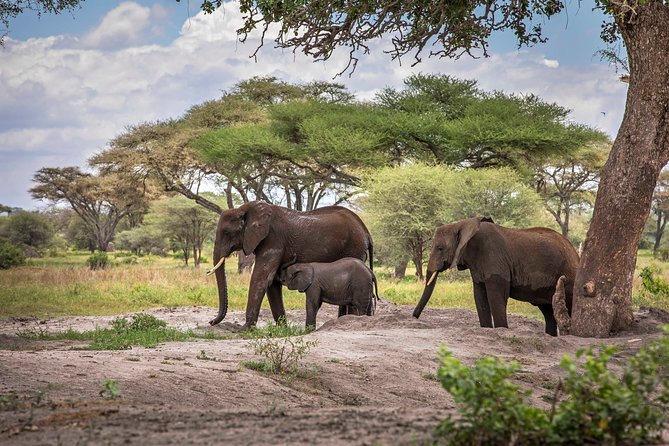
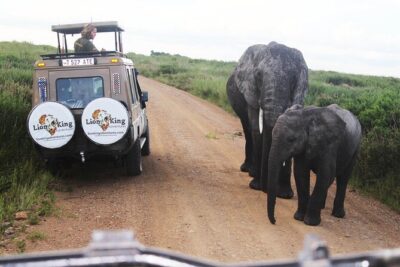
Tarangire is especially appealing if elephants are high on your list. The park is known for large elephant herds and ancient baobab trees, those thick-trunked giants that give the park a look unlike the open grasslands of Serengeti. From the open roof of the vehicle, you can watch the scenery shift between seasonal swamps, savanna, and the Tarangire River.
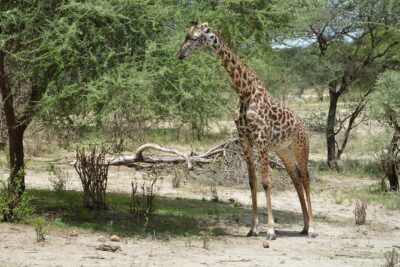
The river is the practical heart of the day. Wildlife gathers around water, so you might find elephants, giraffes, impalas, zebras, warthogs, elands, lions, leopards, and many kinds of birds. No safari can promise a particular animal, but Tarangire gives you a strong range of possibilities right away.
Lunch is a picnic at a site with a spectacular view, followed by more game viewing before you continue to Fig Tree Lodge for dinner and the night. I like this first-day rhythm. You see a major park without trying to cram in a second destination, and the picnic gives you a proper break from the vehicle.
The drawback is simple: six hours of park activity and driving can feel long on the first day, especially after an international flight or an early start. Wear comfortable clothes, keep water close, and bring a light layer for the open vehicle.
Day 2: the rough road to Serengeti
After breakfast, you leave for Serengeti. The drive takes about four to five hours and crosses the crater highlands before reaching the broad plains. The road is described plainly as long and bumpy, so this is one of the days when comfort matters less than patience.
The route itself is part of the safari. You are not simply being transferred between airports. The changing views and chance sightings make the drive feel like a moving game trip, although you should not expect the same steady animal watching as inside the parks.
A picnic lunch comes before the afternoon drive and park check-in. The day ends with sunset near the Seronera area, followed by dinner and overnight accommodation at Seronera campsite. That sunset is one of the trip’s more memorable set pieces. The open plains, late light, and return to camp afterward give you a strong sense of place without adding a separate sunset excursion.
The tradeoff is that you lose much of the day to road travel. If you prefer fewer transfers and more time in one park, a longer Serengeti itinerary would be easier on the body. On this six-day route, though, the rough crossing is the price of reaching the park by road.
Day 3: a full Serengeti game-drive day
Day three is the heart of the safari. You start around 6 in the morning for a sunrise game drive, when animals may be active and the light is best for photographs. The plan allows a full day in Serengeti, with a return to camp for hot lunch before an afternoon drive.
The stated goal is to search for the Big Five, but the Serengeti is not only about large mammals. More than 500 bird species have been recorded in the park, including ostriches, secretary birds, and black eagles. If you enjoy birds, ask your guide to slow down for them instead of treating every stop as a hunt for lions and leopards.
The hot lunch at camp is a welcome detail. A picnic is fun, but a warm meal and a short rest can make the afternoon much more enjoyable. The schedule then sends you back into the park until sunset, followed by dinner and another night at the campsite.
This is a long day, listed at about ten hours. That gives you the best chance of seeing a broad mix of wildlife, but it can also be tiring. You should expect dust, heat, and extended periods seated in the vehicle. The private arrangement helps here because your group can discuss when to pause or return, though the planned game-drive hours still shape the day.
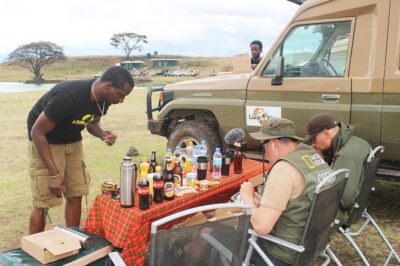
The operator’s cooks receive unusually strong praise in the supplied feedback. One named cook, Idris, is singled out for preparing fresh meals from scratch, while Ashraf is praised for cooking and helping make the trip feel comfortable. Other comments praise cooked meals and hamper-style food over repetitive packed lunches. If food matters to you, ask in advance how meals will be handled for your departure.
A change of scene while you are in Arusha:
- Tanzania Classic – 7 Days
★ 5.0 · 1,151 reviews - Materuni Waterfalls, coffee tour & Kikuletwa Hot Springs
★ 5.0 · 643 reviews - 3 Days Serengeti & Ngorongoro Group Camping Safari
★ 5.0 · 574 reviews - 7-Day Premium Luxury Tanzania Safari All-Inclusive
★ 5.0 · 426 reviews
Day 4: one last Serengeti morning, then Ngorongoro
You rise early again, around 6, for a sunrise drive. Breakfast is served at a picnic site in the bush, followed by more wildlife viewing before you return to camp around noon.
This morning gives you a second chance at animals you missed on day three. It also prevents the Serengeti stay from feeling like a simple overnight stop. After hot lunch, you load the vehicle and continue to Ngorongoro, where you have dinner and sleep at Simba campsite.
The order makes sense. You get a strong full day and two early drives in Serengeti before moving on, rather than arriving late and leaving before you have seen much. Still, the day combines another early start with a transfer, so it is not a restful one.
If you are sensitive to sleep loss, plan your expectations carefully. The most productive game drives often happen at sunrise, and this trip uses that timing more than once. Bring a small day bag with sunscreen, a hat, water, camera batteries, and anything you need during the long vehicle hours.
Day 5: descending into Ngorongoro Crater
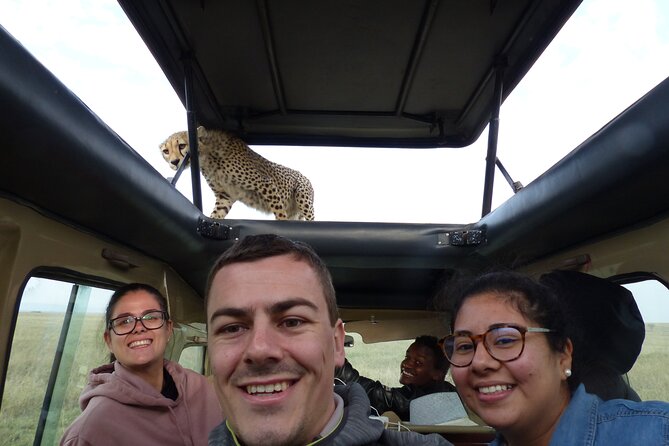
After an early breakfast, you descend into Ngorongoro Crater. The crater packs a remarkable variety of East African wildlife into a contained area, making it one of the most efficient game-viewing days on the route.
The rare black rhino is the headline possibility. Seeing one is never guaranteed, and your guide cannot control the animal’s location, but the crater gives you a chance to look for it alongside other indigenous wildlife. The compact setting can feel very different from Serengeti’s endless plains.
You choose between a picnic lunch at Hippo Lake or a hot lunch at camp. That choice is useful. A picnic keeps you in the crater and saves a return trip, while a hot meal offers more comfort. Ask about the timing on the day, since the best option may depend on the drive plan and where your group is viewing animals.
The crater portion lasts about five hours, then you continue to Fig Tree Lodge for relaxation, dinner, and overnight accommodation. After the early start and several days of road travel, the lodge night should feel like a helpful change of pace.
One practical point deserves attention: the itinerary names Fig Tree Lodge on both day one and day five, while the park nights are at campsites. Confirm the exact accommodation category before booking. Budget safari can mean a very good value, but it usually signals simpler lodging than a high-end tented camp or luxury lodge.
Day 6: flamingos and forest at Lake Manyara
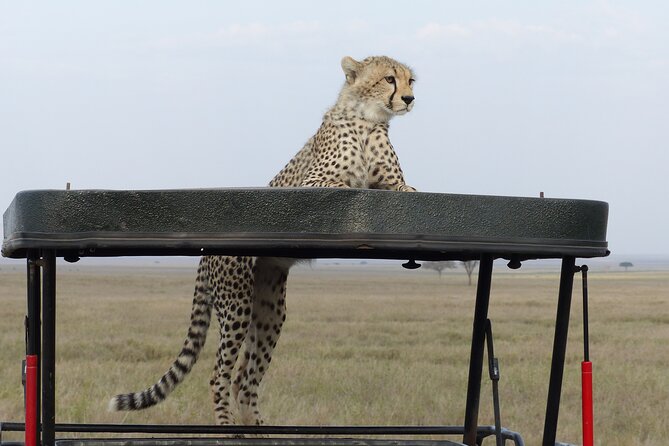
The final park is Lake Manyara, reached after breakfast by a short drive of about five minutes to the park gate from the accommodation. The park is smaller than Serengeti, but its habitats change quickly.
A salt lake covers a large part of the park, flooding and drying with the seasons. That seasonal water draws thousands of flamingos, along with more than 300 other bird species. If you enjoy bird photography, this is a worthwhile final stop, especially after the open grasslands and large mammals of the previous days.
Lake Manyara is also known for tree-climbing lions. The park includes grassy plains, primate-filled woodlands, and baobab-dotted cliffs, so the viewing here is not a repeat of Serengeti. You might spend less time scanning a distant plain and more time watching a mixed setting of trees, water, and birdlife.
The drive back to Arusha is expected to finish around 4 in the afternoon. The operator says the schedule can be flexible if you have a flight to catch, but you should still give yourself a sensible buffer. A safari road day can change with animal sightings, traffic, park formalities, or weather.
Food, camps, and the budget question
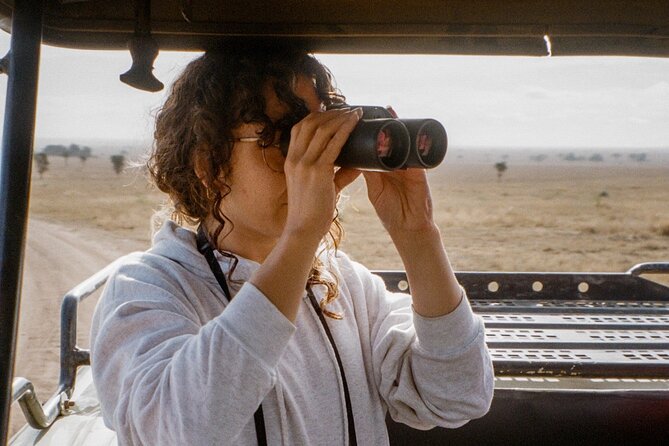
At $2,300 per person, this is not a low-cost day tour. It is a six-day private safari with multiple national parks, overnight stays, a dedicated safari schedule, and meals listed throughout the trip. The value comes from combining four major destinations without asking you to arrange separate transfers, park visits, meals, and guiding.
The listed meal coverage is six breakfasts, six lunches, and five dinners. That is a strong practical feature because food in remote areas is not something you want to organize from scratch each day. Picnic lunches suit game-drive days, while hot lunches at camp give you a break from packed food.
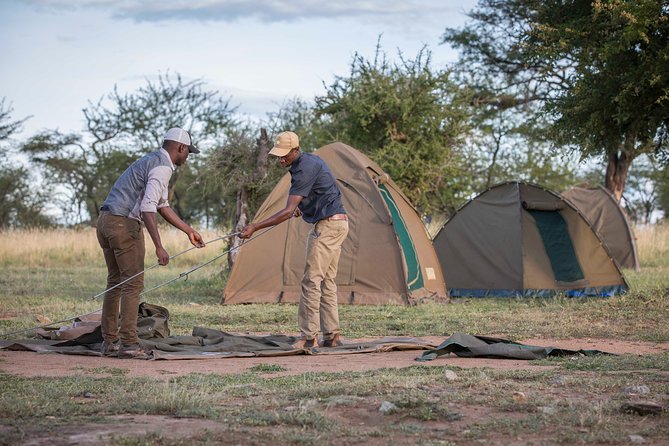
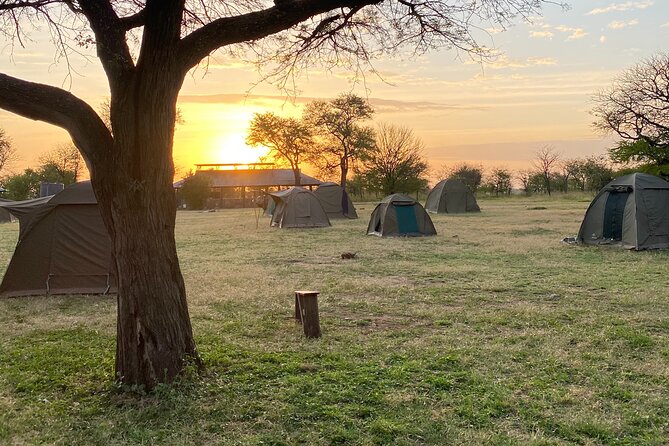
The accommodation mix is part of the budget compromise. You spend nights at Fig Tree Lodge, Seronera campsite, and Simba campsite, with Fig Tree Lodge listed again after Ngorongoro. Campsites can put you closer to the safari setting, but you should not assume they offer lodge-level comfort. Confirm whether tents, bedding, showers, electricity, and any campsite fees are covered in the quoted price.
The supplied details specifically list tips and gratuities as not included. Set aside money for that separate cost, and ask the operator if any other expenses are extra. The listed admission tickets show no charge on the first four park stops and admission included for Ngorongoro and Lake Manyara, but the full price breakdown is not provided.
The guide can shape the whole trip
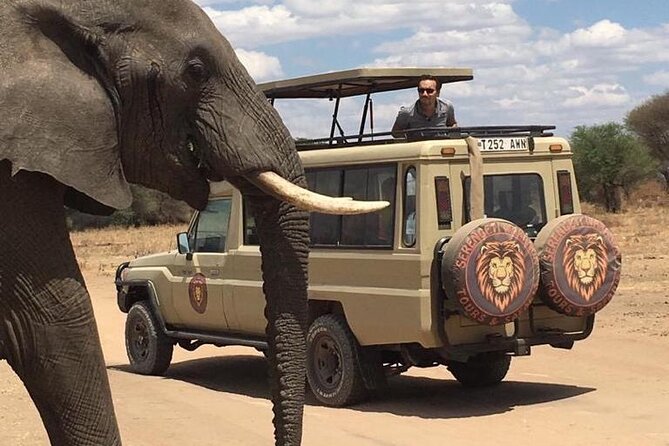
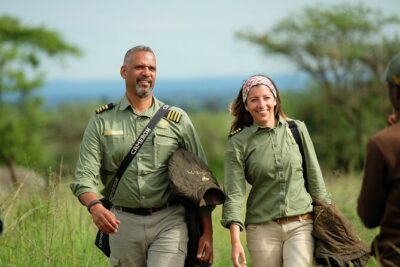
A good safari guide does more than point toward animals. The guide sets the pace, explains behavior, spots birds, handles the rough roads, and helps you decide when a sighting is worth staying for. The strongest praise connected to this operation centers on guides such as Bashir, Andrew, Francis, Edward, Zefa, Felix, and Benjamin.
Before you book, ask which guide is assigned to your private group. You can also ask how many people the vehicle holds, since private does not automatically mean spacious. The open-roof vehicle is ideal for viewing and photography, but long hours inside any vehicle can feel tight if the group is large.
Communication is another strength tied to the operator. Staff named Glory, Goodluck, Ushma, and Aishwarya are praised for handling arrangements, answering questions, and helping with late flight changes. That matters because a safari has many moving parts, especially if your arrival or departure plans shift.
Who should choose this safari?
I would point this trip toward someone who wants the major northern Tanzania parks in a single six-day route and values a private vehicle more than luxury lodging. It also suits people who want meals handled, enjoy early starts, and are comfortable with long drives on rough roads.
It is a good fit for families and first-time safari visitors who want help with the full route. The private setting can make the trip less stressful, particularly when the group has its own interests or needs a flexible return to Arusha.
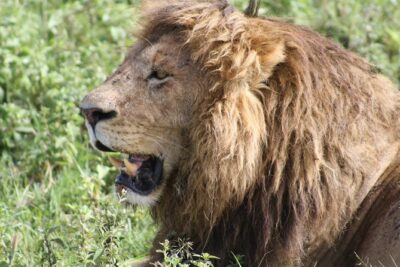
I would be more cautious if you want slow mornings, premium accommodation, or long stays in one park. The schedule is active, the road to Serengeti is bumpy, and two sunrise starts come close together. Wildlife sightings are never guaranteed, either, including the black rhino and tree-climbing lions.
Should you book the six-day route?
Book it if you want a broad, efficient introduction to northern Tanzania, with Tarangire’s elephants, Serengeti’s open plains, Ngorongoro’s concentrated wildlife, and Lake Manyara’s birdlife all in one trip. The private format, included meals, experienced named guides, and strong overall rating make the $2,300 price worth considering.
Before committing, get the accommodation list, vehicle details, guide assignment, and complete price breakdown in writing. If those answers match your comfort level, this is a practical safari for seeing a lot in six days. If you would rather trade one park for more rest and longer stays, choose a slower itinerary instead.
FAQ
Where does the safari start?
The safari starts in Arusha, Tanzania, with hotel pickup offered at about 7:30 in the morning.
How long does the safari last?
The experience lasts approximately six days.
Which national parks are included?
The route includes Tarangire National Park, Serengeti National Park, Ngorongoro Crater, and Lake Manyara National Park.
Is this a private tour?
Yes. Only your group participates in the private tour or activity.
Are meals included?
Yes. The package lists six breakfasts, six lunches, and five dinners. Picnic and hot lunch options are included in the itinerary.
Where do you stay overnight?
The itinerary lists Fig Tree Lodge, Seronera campsite, and Simba campsite as overnight locations.
Is tipping included?
No. Tips and gratuities are not included.
Can you cancel for a full refund?
Yes, if you cancel at least 24 hours before the experience start time. Cancellations made less than 24 hours in advance are not refunded. If poor weather or failure to meet the minimum number of participants cancels the experience, you are offered another date or experience, or a full refund.
More six day trips in Arusha
- Tanzania Wildlife Encounters – 6 Days
★ 5.0 · 277 reviews - Private 6-Day Tarangire Manyara Crater and Serengeti with Mid-Range Lodges
★ 5.0 · 238 reviews - 6 Days Tanzania Budget Camping Safari
★ 5.0 · 145 reviews - Tanzania Enticing Explorations – 6 Days
★ 5.0 · 106 reviews
Newly listed around Arusha
- 5-Day Private Safari Tour in Tanzania’s Wildlife★ 5.0 · 3 reviews
- 3 Days private safari Tarangire ,Ngorongroro crater &Manyara★ 5.0 · 3 reviews
- 3 Day Sharing Safari – Manyara, Ngorongoro Crater and Tarangire National Parks★ 5.0 · 3 reviews
- Tarangire National Park Day Trip★ 5.0 · 3 reviews
- 2 Days Tarangire and Ngorongoro Crater Tour★ 5.0 · 3 reviews
- 6 -Day Tarangire, Manyara, Serengeti & Ngorongoro★ 5.0 · 3 reviews
- 5 Days Group Camping Safari★ 4.7 · 3 reviews
- Private 4×4 Vitara Safari in Arusha National Park★ 5.0 · 3 reviews
Arusha Tours, compared.
Balloon Safari & Bush Breakfast in Serengeti – Miracle Experience
Read our review →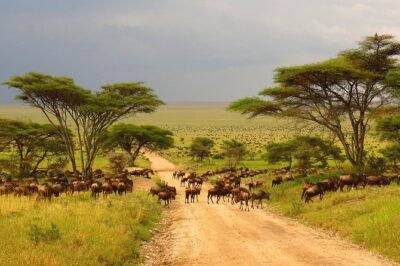
Browse the lists this tour appears in