
Reviewed · SERENGETI & NGORONGORO SAFARIS
2 Days 1 Night Tarangire & Ngorongoro Crater
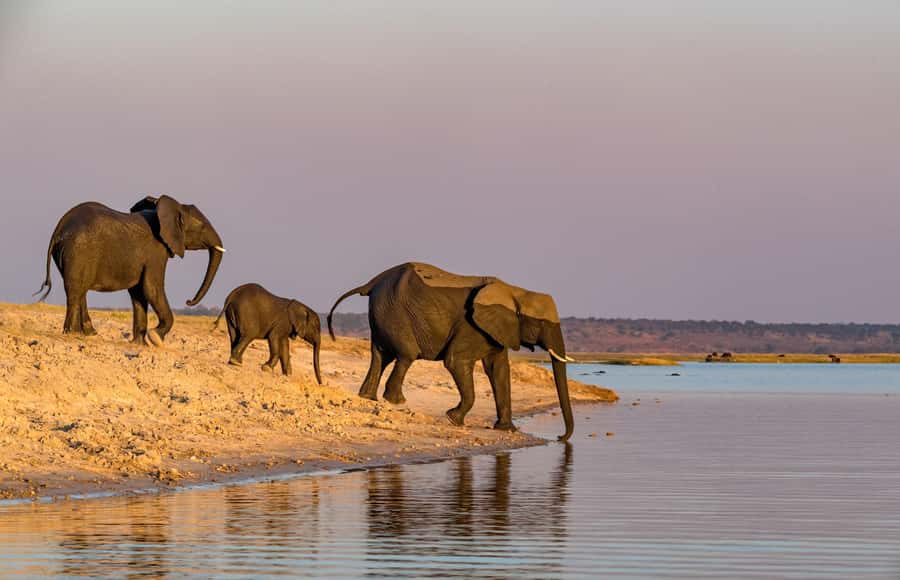
Tarangire’s giant baobabs and close elephant encounters make a strong opening act, then Ngorongoro Crater brings you face to face with one of Africa’s great wildlife settings. It is a compact safari, but the scenery changes fast.
I like the well-planned two-park route and the fact that a professional guide, 4×4 Land Cruiser, meals, park fees, and drinking water are included. I also like the overnight stop, which breaks up what would otherwise be a very long day from Arusha.
The main drawback is the pace. Day two starts before sunrise, includes a five-hour crater drive, and finishes with roughly four hours on the road back to Arusha. You get a lot, but you will need energy.
Key points to know before booking
- Tarangire is the elephant highlight: The Tarangire River, big herds, and baobab trees create a memorable first safari day.
- Ngorongoro brings the rarest sighting: Black rhinos may appear on the crater floor, along with lions, buffalo, hippos, hyenas, and cheetahs.
- The second day is demanding: A 6:30 AM crater descent is followed by lunch, a steep climb out, and a long return to Arusha.
- You have real vehicle flexibility: Private and small-group options are available, which matters for comfort and photo stops.
- The overnight stay adds comfort: The accommodation has been described as clean and pleasant, with dinner, a bar, and evening entertainment on at least one departure.
- The price covers the costly basics: At $730 per person, park charges, camping or concession fees, guiding, meals, water, taxes, and the safari vehicle are included.
Two famous parks in one short safari
This two-day, one-night safari is designed for you if time in northern Tanzania is limited but you still want two major wildlife areas. You leave from Arusha at about 8:30 AM, visit Tarangire on the first day, sleep near the park, and then make an early trip into Ngorongoro Crater before returning to Arusha by about 6:00 PM.
That plan is efficient, but it is not leisurely. You spend much of day one in the vehicle, and day two is an early start followed by a long drive. The payoff is variety: Tarangire feels open, dry, and giant-scale, while Ngorongoro packs a remarkable range of animals into a volcanic bowl.
You can book a private safari or join a small group. A private vehicle gives you more say over pauses and photo stops. A small group can cost less per person and adds company, but you have less control over the rhythm of the day.
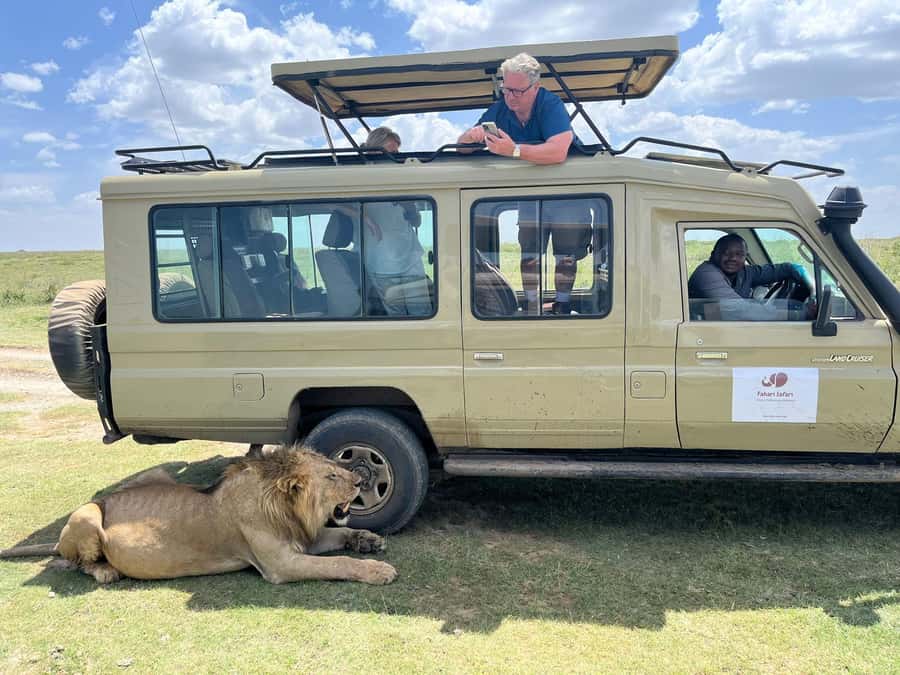
The tour uses a 4×4 Land Cruiser, a sensible choice for rough park roads and long hours of viewing wildlife. English-speaking guides lead the experience. Their job is not only to drive, but also to look for animals, explain what you are seeing, and help you make the most of each stop.
More Serengeti and Ngorongoro itineraries:
- Balloon Safari & Bush Breakfast in Serengeti – Miracle Experience
★ 5.0 · 1,646 reviews - 3 Days Serengeti & Ngorongoro Group Camping Safari
★ 5.0 · 574 reviews - 5-Day Highlights mid-Range Crater, Serengeti, Tarangire
★ 5.0 · 296 reviews
Day one: baobabs and elephants in Tarangire
Your pickup from an Arusha hotel is scheduled for 8:30 AM. From there, you head toward Tarangire National Park with a packed picnic lunch, allowing a full day for game viewing rather than a quick pass through.
Tarangire is known for its large elephant herds and ancient-looking baobabs. Those trees give the park a special look, with thick trunks and high branches that make the animals below seem small. The Tarangire River is the park’s central feature and helps draw wildlife, especially during dry periods.
The animal list is broad. You might see lions, leopards, cheetahs, buffalo, giraffes, zebras, lesser kudu, oryx, and eland. No safari can promise a particular sighting, but Tarangire gives you plenty to watch even when a famous predator is not nearby. Elephants moving through the trees, giraffes crossing open ground, and zebra near the river can make ordinary minutes feel worthwhile.
I like the way Tarangire works as the first stop. You are not saving all the excitement for the crater. The park gives you a full wildlife day, plus a different setting from what comes next. One practical point: the packed lunch keeps the schedule moving, but you should expect a picnic rather than a restaurant meal during the game drive.
The guides are happy to stop for photographs, according to the experience details provided by previous bookings. That matters here because Tarangire’s appeal is often in the small scenes: an elephant beneath a baobab, a giraffe framed by distant hills, or a herd crossing the road at a slow, unhurried pace.
Some people prefer Tarangire to Ngorongoro because the animals can feel closer. Others find the crater more dramatic. I would not treat that as a competition. Tarangire gives you a more spread-out safari with distinctive trees and large herds, while the crater offers a concentrated setting with more animals visible across a smaller area.
The overnight stay: a useful break, not just a bed
After the Tarangire game drive, you return to your camp or lodge for dinner. The exact property is not specified in the tour details, so you should confirm the accommodation before departure if that matters to you.
The overnight stop is important because it prevents the first day from ending with a long transfer back to Arusha. One departure included a clean, pleasant lodge with a good dinner, bar service, and evening music, dancers, and acrobats. Those extras will not define the safari, but they can make the night feel like part of the experience rather than a simple stopover.
You should also expect some variation in the atmosphere and facilities depending on the accommodation assigned. The information confirms camp or lodge accommodation, but not a named property or room category. If you need a particular standard, ask before paying.
Meals are included according to the schedule. Lunch is provided on the game-drive days, and dinner is served at the overnight accommodation. One especially useful detail is the quality of the local food reported on one departure, a welcome change from generic packed lunches that can appear elsewhere in the parks.
Day two: an early descent into Ngorongoro Crater
Breakfast is quick, and the descent into Ngorongoro Crater begins at about 6:30 AM. That early start is not merely a scheduling trick. It gives you time on the crater floor during a prime part of the morning and leaves room for the drive back to Arusha later.
Ngorongoro is the world’s largest inactive, intact, and unfilled volcanic caldera. Its floor covers about 260 square kilometres and lies more than 2,000 feet below the rim. Those numbers explain the feeling of the place: you are in a huge natural bowl, with steep walls surrounding a busy wildlife area.
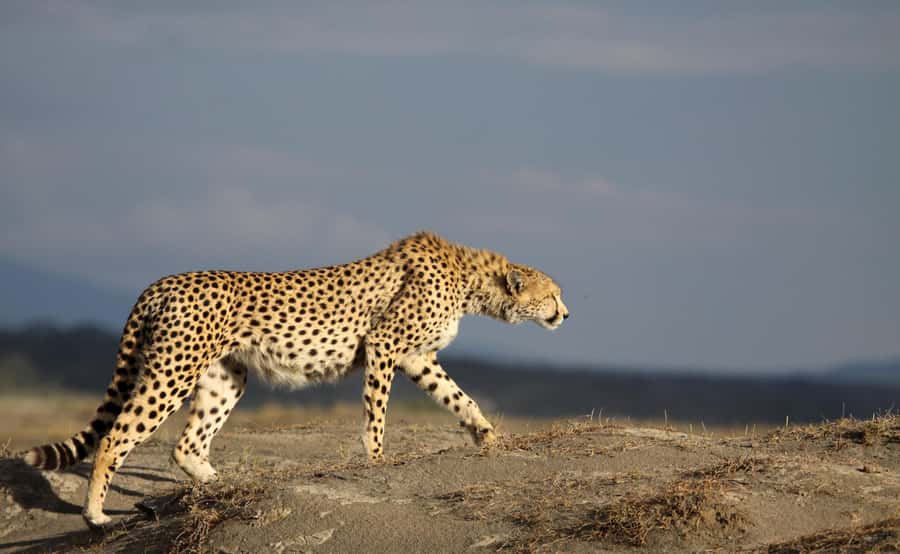
The five-hour game drive focuses on animal action. You may see African elephants, buffalo, black rhinos, hippos, hyenas, cheetahs, and lions. The crater is particularly valuable if seeing a rhino is high on your list. One outing produced two rhinos at fairly close range, although no sighting is guaranteed.
Bring a camera, but also bring patience. Animals in the crater are not always close to the vehicle. Some may be far enough away that binoculars help, and one account specifically noted that animals in Ngorongoro were sometimes distant. That is a useful counterpoint to the idea that the crater always provides easy, close views.
The crater’s open setting can make animals easier to spot than in thicker vegetation. At the same time, many vehicles may be looking toward the same lion or rhino. Your guide’s skill in reading the situation matters. The tour includes a professional driver and guide, but no individual guide names are supplied, so you cannot choose a particular guide in advance.
More evening outings in Arusha:
- 7-Day Private Tanzania Safari with Sunset Walking on the Crater Rim and Maasai
★ 5.0 · 40 reviews - The Best 2-Days 1-night Tanzania Budget Group Joining Safari Tour
★ 5.0 · 14 reviews - 4 Day Tanzania Afordable Safari ft Two Night Serengeti
★ 5.0 · 11 reviews - Sunset Tour in Arusha
★ 4.4 · 11 reviews
Picnic lunch at the hippo pool and the climb out
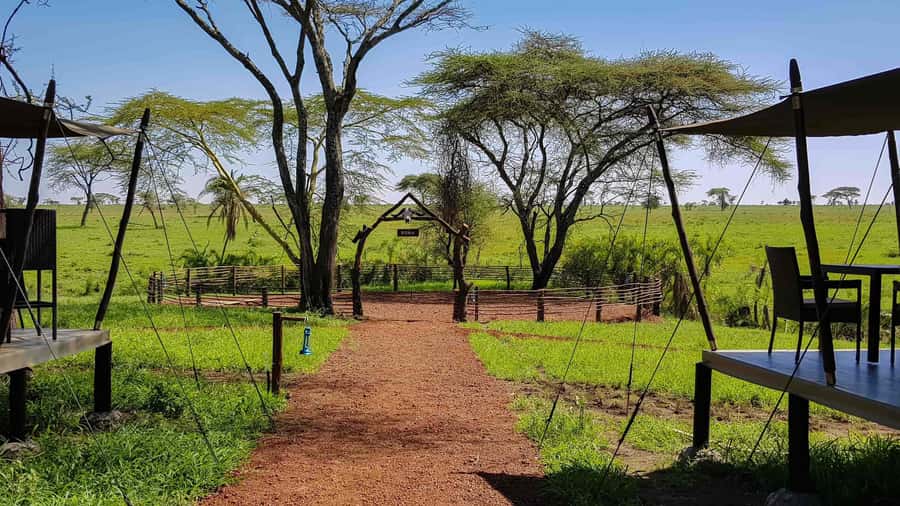
After the crater drive, you stop for a picnic lunch near the hippo pool. It is a scenic place to pause, but you should follow the guide’s instructions closely around water and wildlife. This is a working safari stop, not a long restaurant break.
Then comes the steep ascent to the crater exit. The change in height is striking, and it marks the end of the wildlife portion of the trip. From the top, you still have about four hours of driving to Arusha, with arrival expected around 6:00 PM.
That final transfer is the hardest part of the itinerary. If you have an evening flight, train, or fixed appointment, do not schedule it too tightly. Airport transfers are not included unless specifically stated, and extra accommodation before or after the safari is also not included. The tour ends with a drop-off at your preferred location in Arusha, not necessarily at the airport.
What the $730 price really includes
At $730 per person, this is not a budget day trip, but the price needs to be read alongside what is covered. Park fees for non-residents, concession or camping fees, daily game drives, a professional driver-guide, the 4×4 vehicle, taxes and VAT, meals, and two litres of drinking water per person per day are included.
Safari park charges alone can make a short northern Tanzania trip expensive. Including those fees removes one of the biggest sources of surprise cost. The vehicle and guide are also central to the experience, not minor add-ons.
The value is strongest if you want a short, organized safari from Arusha and do not want to arrange permits, park entry, transport, accommodation, and meals separately. It is less compelling if you already have a vehicle, guide, or lodging arranged, or if you want a slower three or four-night safari with more time in each park.
International flights, airport transfers unless stated, extra nights, personal purchases, insurance, visa fees, and activities outside the plan are not included. Government increases to taxes or park fees may also be added. Keep those costs in your budget.
Guides, vehicles, and the feel of the day
The guide can make or break a safari, especially on a schedule this tight. You need someone who can spot animals, explain behavior, handle the vehicle well, and keep the day moving without making it feel rushed.
The available feedback points to guides who were entertaining, informative, and willing to stop for photographs. Good communication also matters when you are alone or joining a small group. One solo visitor felt secure throughout the trip, which is useful if you are booking without companions.
No guide names are provided, and the tour is offered in English. If you need another language, confirm before booking rather than assuming it will be available.
The choice between private and small-group travel deserves attention. A private safari is likely the better fit if you want flexibility, quiet, or a tailored pace. A small group can be more social and may help keep the price manageable. The itinerary specifically allows both, but the exact group size is not given.
What to pack for this two-day route
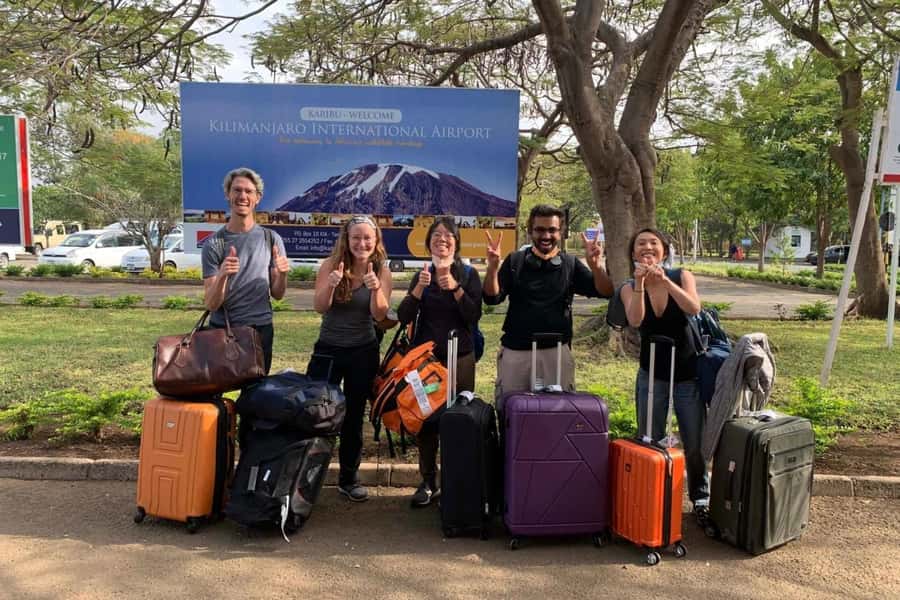
Keep your packing practical. You will spend long hours in a safari vehicle, so comfortable clothing, sun protection, a camera, and binoculars are sensible choices. Drinking water is supplied at two litres per person per day, but you may want to confirm how it is presented and bring a reusable bottle.
The early crater start means a light layer can be useful at dawn, while the afternoon may feel warmer. A small day bag keeps essentials close without cluttering the vehicle.
Do not plan on changing clothes repeatedly or carrying a large suitcase inside the vehicle. The tour details do not specify luggage limits, so check with Fahari Safari if you have bulky bags.
Who should book this safari
I would recommend this route to a first-time safari visitor who has two days available and wants the major highlights without building a complicated itinerary. It also suits solo visitors, couples, and small groups who value an included guide, fixed transport, and a comfortable night between park visits.
It is a good choice if elephants, lions, rhinos, baobabs, and crater scenery are all on your wish list. The two parks offer enough contrast to make the short duration feel worthwhile.
I would hesitate if you dislike early mornings, long road transfers, or tightly scheduled days. Ngorongoro on day two is spectacular, but the five-hour crater drive followed by roughly four hours to Arusha can leave you tired. If your priority is rest, slow photography, or several chances to return to the same area, choose a longer safari.
Fahari Safari currently has a perfect five-star score from eight verified bookings, with especially strong praise for organization, guide support, food, safety, and the overall schedule. That is a small sample, so I would treat it as encouraging rather than proof that every departure will be identical.
Should you book the Tarangire and Ngorongoro safari?
Book it if you want two famous northern Tanzania parks in two efficient days, with the major costs handled in advance. Tarangire supplies the elephants and baobabs; Ngorongoro supplies the dramatic crater setting and a good chance of seeing a wide range of animals, including the possibility of black rhino.
Before paying, confirm the name and standard of the overnight property, the expected group size, and the final drop-off plan in Arusha. If those details suit you, $730 can be fair value for a fully arranged short safari.
Skip it if you need a relaxed pace or must connect immediately to a flight. For everyone else, this is a compact, high-impact introduction to Tanzania’s wildlife, with enough comfort to make the long days manageable.
FAQ
How long is the Tarangire and Ngorongoro safari?
The scheduled experience lasts two days and one night. The activity description also gives a duration range of two to three days, so you should confirm the exact dates and timing when checking availability.
Where does the safari start and finish?
It starts with pickup from your hotel in Arusha at about 8:30 AM and ends with drop-off at your preferred location in Arusha at around 6:00 PM on day two.
Is the tour private or shared?
Private and small-group options are available. The exact group size is not specified, so confirm that detail before booking.
What language does the guide speak?
The live tour guide service is listed in English, and English is the stated tour language.
Are meals and drinking water included?
Yes. Meals are included according to the itinerary, and drinking water is provided at two litres per person per day during the safari.
What is not included in the $730 price?
International flights, airport transfers unless specifically mentioned, extra accommodation, souvenirs and other personal items, travel insurance, visa fees, government increases to taxes or park fees, and activities not listed in the itinerary are excluded.
More two day trips in Arusha
- 2 Days Tarangire and Ngorongoro Group Camping Safari
★ 5.0 · 146 reviews - 2 Days Group Joining Camping Safari Tarangire Park and Ngorongoro Crater
★ 4.5 · 28 reviews - 2 days Mid Range Safari in Ngorongoro and Tarangire Big 5 Parks
★ 5.0 · 27 reviews - 2 Days Joined Group Tarangire and Ngorongoro Crater National Park
★ 4.5 · 17 reviews
Newly listed around Arusha
- 5-Day Private Safari Tour in Tanzania’s Wildlife★ 5.0 · 3 reviews
- 3 Day Sharing Safari – Manyara, Ngorongoro Crater and Tarangire National Parks★ 5.0 · 3 reviews
- 3 Days private safari Tarangire ,Ngorongroro crater &Manyara★ 5.0 · 3 reviews
- Tarangire National Park Day Trip★ 5.0 · 3 reviews
- 6 -Day Tarangire, Manyara, Serengeti & Ngorongoro★ 5.0 · 3 reviews
- 2 Days Tarangire and Ngorongoro Crater Tour★ 5.0 · 3 reviews
- 5 Days Group Camping Safari★ 4.7 · 3 reviews
- 7-Day Mt. Kilimanjaro Hiking: Machame Route★ 5.0 · 3 reviews
Serengeti & Ngorongoro Safaris, compared.


Balloon Safari & Bush Breakfast in Serengeti – Miracle Experience
Read our review →




Private 6-Day Tarangire Manyara Crater and Serengeti with Mid-Range Lodges
Read our review →
5 Days Camping Tarangire, Serengeti & Ngorongoro crater & Visiting Maasai
Read our review →Browse the lists this tour appears in