
Reviewed · SERENGETI & NGORONGORO SAFARIS
3 Days Camping Safari Tarangire, Lake Manyara and Ngorongoro Crater
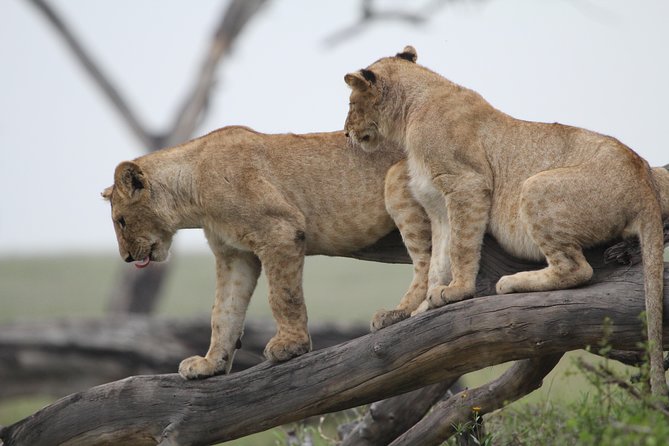
Tarangire’s elephant herds, Lake Manyara’s tree-climbing lions, and Ngorongoro’s rhinos make this a brisk but exciting three-day safari. You move through three very different wildlife areas, with a professional guide helping you spot animals that can hide in plain sight. Ngorongoro Crater is the grand finale, with lions, buffaloes, hippos, and possible rhino sightings on the crater floor.
I like the small maximum group of six and the included 4×4 Land Cruiser with a pop-up roof. I also like that the price covers park fees, camping equipment, meals, and three liters of mineral water per person each day. The main tradeoff is the pace: each day is long, and the route leaves little spare time for rest or a slow camp morning.
Key points to know before booking
- Three major wildlife areas in three days: Tarangire, Lake Manyara, and Ngorongoro each offer a different setting and animal mix.
- Small group size: The vehicle holds a maximum of six people, which matters when you want a clear view through the pop-up roof.
- Guide quality matters here: Guides named Sam, Hamadi, and Shaffie are associated with strong reports of animal-spotting skill and good organization.
- Camping keeps the price in check: Tents, mattresses, meals, water, transport, and park fees are included, but accommodation before and after the safari is not.
- Big Five chances, not a guarantee: Lions, elephants, buffaloes, leopards, and black rhinos may be seen, with rhino sightings especially dependent on luck and conditions.
- The schedule is demanding: Expect about six hours on day one, eight hours on day two, and seven hours on day three.
Three parks, one compact northern Tanzania route
This safari gives you a quick look at three of northern Tanzania’s best-known wildlife areas. That variety is the central reason to choose it. Tarangire is known for elephants and open wildlife viewing, Lake Manyara brings a different mix of forest, lake, baboons, and birds, while Ngorongoro offers a concentrated final game drive inside a volcanic crater.
The route begins from Moshi, with pickup available at your hotel or another agreed point. The stated meeting point is Kilimanjaro Airport in Kilimanjaro National Park, Tanzania, so you should confirm the exact pickup place and time before departure. The package also offers hotel drop-off, but accommodation before and after the safari in Arusha is not included.
The group limit of six is a useful detail. A smaller vehicle makes it easier to share sightings and move from one side of the pop-up roof to the other. It also reduces the chance of a crowded vehicle blocking your view when an animal appears beside the track.
Still, this is not a leisurely lodge safari. You will cover considerable ground, spend hours in the vehicle, and camp between park visits. If your priority is seeing several famous wildlife areas in a short period, the schedule works well. If you want long afternoons at camp, it may feel rushed.
More Safaris in Moshi
- Safari Serengeti And Ngorongoro
★ 5.0 · 288 reviews - Big Five Safari In Tanzania
★ 5.0 · 99 reviews - Unforgettable Tanzania Safari And Zanzibar Beach
★ 5.0 · 97 reviews
Day one: Tarangire and its elephant country
Your first drive takes you to Tarangire National Park. The listed park time is about six hours, including the game drive and the exit toward camp. This is a useful first stop because Tarangire offers a strong chance to see large animals soon after the trip begins.
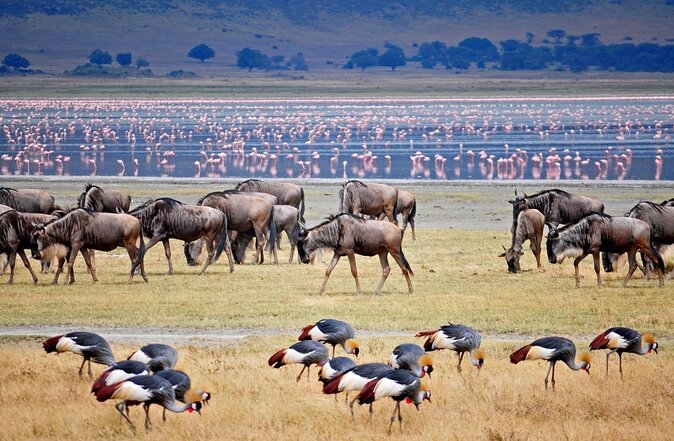
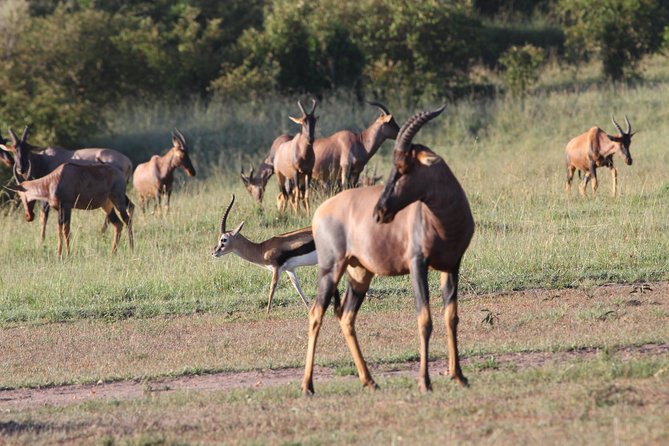
The park is especially associated with big elephant herds. You may also see zebras, gazelles, buffaloes, ostriches, hornbills, and other bird species. That mix gives the day a good balance. It is not only about searching for predators. You might spend one moment watching elephants move across open ground and the next looking for an ostrich or a hornbill.
Your guide’s skill can make a major difference. Sam is specifically named as a guide who could spot animals before the people in the vehicle did. That ability matters on a safari, where a lion may be partly hidden or a distant animal may look like a patch of shade. Ask your guide questions as you go. The operator presents the guides as ready to explain both wildlife and the surroundings, and that conversation can add much to the drive.
After the game drive, you leave the park for camp, dinner, and the night. Camping equipment includes tents and mattresses. The information does not specify the exact camp location, tent style, showers, toilets, or whether staff prepare the campsite, so confirm those points if comfort at camp is important to you.
Tarangire is a good opening day, but the six-hour estimate does not mean six relaxed hours of wildlife viewing. It includes movement, stops, and the journey toward camp. You should be ready for a full day with an early start and a long ride.
Day two: Lake Manyara’s forest, lake, and birdlife
After breakfast, you drive to Lake Manyara National Park. This is the longest listed day, at about eight hours. That time includes the park visit and the drive to the next camp, so you should expect a full schedule from morning until evening.
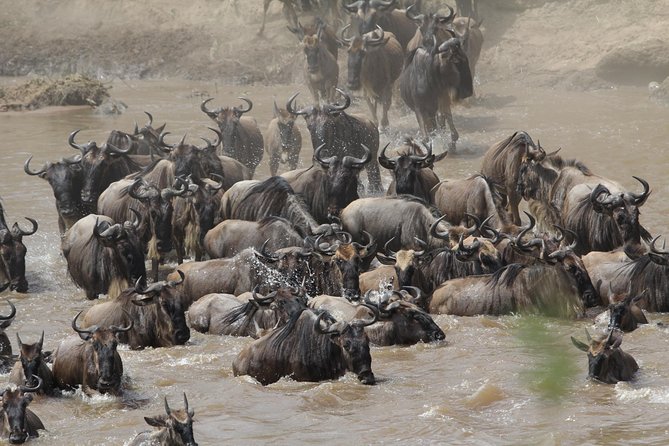
Lake Manyara is known for tree-climbing lions, although seeing them is never guaranteed. The park is also noted for its large baboon population. Giraffes, hippos, wildebeests, zebras, and elephants may also appear, giving you plenty to watch even if the lions stay out of sight.
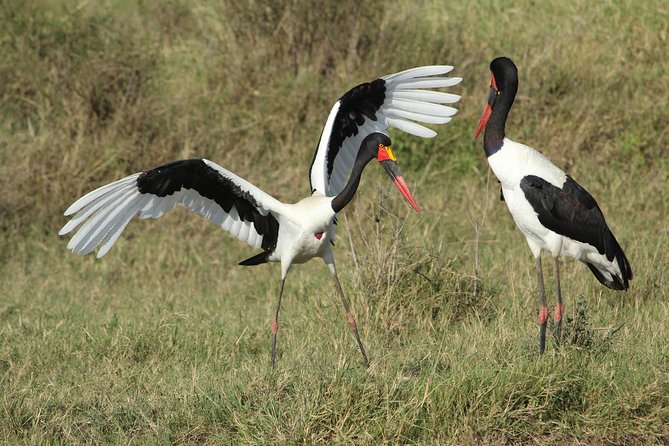
Birdlife is another reason to include Manyara. The park supports hundreds of bird species, with cranes, eagles, egrets, storks, and kori bustards among the birds that may be seen during the wider safari. If you enjoy birds, tell your guide early. A guide who knows you are interested in more than large mammals can help you pay attention to smaller and less obvious sightings.
The change from Tarangire to Manyara is part of the appeal. You are not repeating the same game drive twice. Manyara offers a different setting, with wildlife around the lake and in wooded areas. Baboons can provide lively sightings, while hippos and water birds add another side to the park.
The drawback is the length of the day. Eight hours in a safari vehicle can be tiring, especially after the first day. You will want comfortable clothes, sun protection, and patience. The package provides three liters of mineral water per person per day, which is generous and useful, but you still need to pace yourself.
After Manyara, you drive to camp for the second night. Dinner is included for two nights, matching the two camping evenings. Breakfast is listed for all three days, and lunch is included each day, with lunchboxes served on the final crater day.
Day three: Ngorongoro Crater and the search for rhino
The last day takes you into Ngorongoro Crater, a UNESCO World Heritage site and one of Tanzania’s most famous wildlife destinations. The listed duration is about seven hours, including the crater visit, lunch, the climb back up the crater walls, and the return toward Arusha.
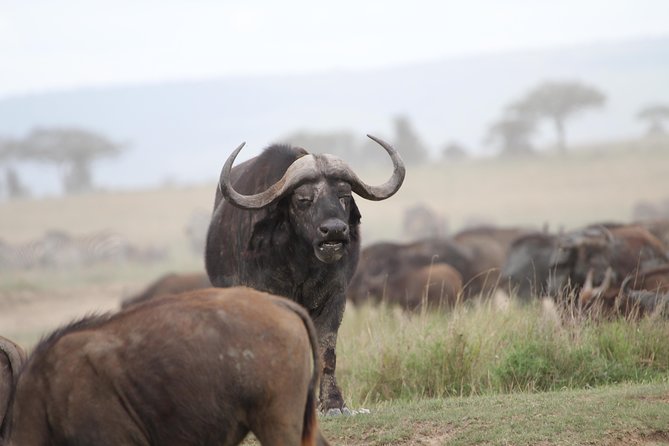
Ngorongoro is the strongest day for concentrated wildlife viewing. The crater floor is home to lions, elephants, buffaloes, hyenas, hippos, baboons, jackals, waterbucks, elands, and other animals. The area is also one of the better places on this route to hope for a black rhino, a rare and endangered animal.
That wording matters: hope for, not expect. Safari sightings depend on animal movement, weather, visibility, and timing. The trip gives you a serious chance to see many species, but no responsible guide can promise every member of the Big Five. Leopards and black rhinos are particularly uncertain.
The crater setting gives this day a strong sense of place. You are looking across a contained natural area where many species live close together. Elephants may cross the crater floor, lions may wait near prey, and hippos can be found in suitable water areas. Your guide’s judgment will help determine where to spend time and when to move on.
A packed lunch is served at a picnic point. The supplied details do not identify the picnic location or menu, so do not book this expecting a particular meal. After lunch, you ascend the crater walls and continue back to Arusha for an overnight stay at your hotel. That hotel night is not included in the safari price, so arrange it separately.
The seven-hour estimate is practical but still demanding. By the third day, you may be tired, yet Ngorongoro is the part of the route most likely to feel worth the effort. It brings together the largest number of possible species in one final game drive.
More Serengeti and Ngorongoro itineraries:
- Serengeti, Ngorongoro and Tarangire 4 Days Safari
★ 5.0 · 59 reviews - 5 Days Camping Tarangire, Serengeti & Ngorongoro crater & Visiting Maasai
★ 5.0 · 58 reviews - 4 Days Group Joining Camping Safari to Tarangire Serengeti Ngorongoro Crater
★ 5.0 · 50 reviews - 3-Day Ngorongoro Crater Manyara and Tarangire Safari from Arusha
★ 5.0 · 49 reviews
What the $780 price covers
At $780 per person, this is not a bare transport package. The price includes pickup and drop-off at your hotel, park entry fees, transport in a 4×4 safari Land Cruiser with a pop-up roof, camping tents and mattresses, three liters of mineral water per person each day, three breakfasts, three lunches, and two dinners.
Park fees are important. They can form a large part of a safari budget, so having them included makes the published price easier to compare with other three-day options. The Land Cruiser also matters more than it may seem. A pop-up roof gives you standing viewing space and a better angle for animals and birds than a standard vehicle.
Camping helps keep the cost below a similar trip using lodges, though it also means fewer comforts. The details do not state the level of camp facilities, so ask about toilets, showers, bedding beyond the mattress, and meal preparation before paying if those points affect your choice.
The price does not include accommodation before or after the safari in Arusha. Airport pickup and drop-off are also excluded, despite the fact that the tour offers hotel pickup. Personal items are not included either. Build those costs into your budget rather than treating $780 as the complete door-to-door total.
For a small-group safari with park fees, a dedicated 4×4, meals, water, and camping equipment, the price can offer good value. The value is strongest if you want three major parks in a short time and do not need lodge accommodation. It is less attractive if you prefer a slow pace or want every night covered by a hotel or permanent camp.
The guides can shape the entire experience
Safari guides do more than drive. They decide where to look, how long to wait, how to position the vehicle, and which smaller sightings deserve attention. Several guide names appear in the supplied information, including Sam, Hamadi, and Shaffie.
Sam is associated with particularly strong animal-spotting ability. That is the kind of skill you want when searching for a hidden predator or a distant rhino. Hamadi and Shaffie are described as going out of their way to keep the experience enjoyable, while good communication and organization are also linked to the operation.
You should still confirm your assigned guide if a particular name matters to you. The information does not promise that one specific guide will lead every departure. It is sensible to tell the guide what interests you most, whether that means elephants, birds, predators, or photography.
There is also a serious caution to keep in mind. One account describes uncomfortable conduct from an owner during a safari, despite the game drives themselves being good. That concern should not be ignored. Confirm who will handle your booking, who will lead the trip, and how complaints are managed. A professional guide can make a major difference, but clear communication with the operator before departure is wise.
Comfort, pace, and what to pack
This safari is best approached as an active outdoor trip. You will spend long hours in a vehicle, camp for two nights, and move between three park areas. The three-liter daily water allowance is helpful, and meals are covered, but personal comfort items remain your responsibility.
Pack for practical use rather than style. Bring sun protection, light layers, sturdy shoes, and personal toiletries. The supplied details do not list charging facilities, luggage limits, sleeping-bag arrangements, or laundry service, so ask about anything you consider essential.
The mobile ticket and confirmation at booking make the reservation process straightforward. Pickup is offered, but the exact meeting point needs checking because the information names both hotel pickup and Kilimanjaro Airport. Near-public transportation is noted, though you should not assume that it replaces the arranged safari pickup.
Most people can participate, and the maximum group size is six. No specific accessibility details are given. If you have mobility, medical, or dietary needs, discuss them before booking rather than relying on general participation information.
Who will get the most from this safari?
I would choose this trip if you have only three days and want a strong sample of northern Tanzania’s wildlife. It suits someone who values game drives, accepts camping, and wants the included costs kept clear.
It is also a good fit for people who like variety. Tarangire gives you elephants and broad animal variety, Manyara adds baboons, possible tree-climbing lions, hippos, and birdlife, and Ngorongoro offers the best final chance for a concentrated Big Five search.
I would hesitate if you need a slow itinerary, polished lodging, or guaranteed sightings. The long driving days can wear you down, and three parks in three days means you will not have much time to linger. I would also ask detailed questions about camping facilities and the assigned guide before confirming.
The safari suits couples, friends, and small groups who want to share a vehicle without paying for a private luxury trip. Families may also consider it, but the long hours and camping conditions should match the ages and patience of everyone going.
Should you book the Tarangire, Manyara, and Ngorongoro safari?
Book it if the combination of three famous parks, a six-person vehicle, and included park fees is more important to you than extra comfort. The strongest reasons are the varied wildlife, the chance to see elephants and lions, the possibility of rhino sightings in Ngorongoro, and the guide-led searching that turns a distant shape into a real animal.
Before booking, confirm the pickup location, camp facilities, assigned guide, and Arusha hotel arrangements. If you accept the full days and basic camping, $780 can be a sensible price for this much wildlife access in three days.
Free cancellation is available when you cancel at least 24 hours before the start time. Cancellations within 24 hours are not refunded, and changes within that period are not accepted.
FAQ
Where does the safari start?
The tour is based in Moshi, Tanzania. The stated meeting point is Kilimanjaro Airport in Kilimanjaro National Park, Tanzania, and pickup from your hotel is offered. Confirm the exact meeting point with Face of Africa Adventures.
How long does the safari last?
The safari lasts approximately three days. The listed activity times are about six hours on day one, eight hours on day two, and seven hours on day three.
Which parks are included?
The route includes Tarangire National Park, Lake Manyara National Park, and Ngorongoro Crater.
What animals might I see?
Possible sightings include elephants, lions, buffaloes, zebras, gazelles, giraffes, hippos, wildebeests, baboons, hyenas, jackals, waterbucks, elands, ostriches, and many bird species. Black rhinos and leopards may also be seen, but sightings are not guaranteed.
Is the Big Five guaranteed?
No. The tour offers good possibilities of seeing lions, elephants, leopards, buffaloes, and black rhinos, but wildlife sightings depend on conditions and animal movements.
How many people can join the safari?
The maximum group size is six people.
What type of vehicle is used?
Transport is provided in a 4×4 safari Land Cruiser with a pop-up roof.
Are meals included?
Yes. The package includes three breakfasts, three lunches, and two dinners. Lunchboxes are served on the Ngorongoro Crater day.
Is camping equipment provided?
Yes. Tents and mattresses are included. The supplied information does not specify the full range of camp facilities.
Is accommodation in Arusha included?
No. Accommodation before and after the safari in Arusha is not included. The final day returns to Arusha for an overnight stay at your hotel, which you arrange separately.
Is airport transfer included?
Airport pickup and drop-off are not included. Hotel pickup and drop-off are offered, so confirm the arrangement for your location.
What is the cancellation policy?
You receive a full refund if you cancel at least 24 hours before the experience start time. Cancellations or changes made within 24 hours are not accepted and are not refunded.
More Safaris in Moshi & Kilimanjaro
- 8-Day Essence of Tanzania Safari – Luxury
★ 5.0 · 72 reviews - Great Migration Safari In Tanzania
★ 5.0 · 71 reviews - 6 Days 5 Night Safari
★ 5.0 · 57 reviews - 7-Day Magical Tanzania Safari -Premium High End Package
★ 5.0 · 53 reviews
More camping safaris in Moshi & Kilimanjaro
- 4 days adventure camping safari
★ 5.0 · 44 reviews - 6 Days Tanzania Budget Camping Safari with Migration
★ 5.0 · 31 reviews - 5 days Tanzania Camping Safari
★ 5.0 · 29 reviews - 6 Day Private Camping Safari
★ 5.0 · 4 reviews
Newly listed around Moshi & Kilimanjaro
- Climb Mount Kilimanjaro: 7 Days Machame Route★ 5.0 · 3 reviews
- 6 Days Mount Kilimanjaro Climbing via Rongai Route★ 5.0 · 3 reviews
- Mt. Kilimanjaro Day Hiking★ 5.0 · 3 reviews
- Explore 1 day Ngorongoro Crater Budget Group Safari from Arusha★ 5.0 · 3 reviews
- Chemka (Kikuletwa) Hot Springs, Tanzania★ 5.0 · 3 reviews
- Guided City tour of Moshi★ 4.3 · 3 reviews
- 8 Day Tanzania Family Safari★ 5.0 · 3 reviews
- Serengeti Safari with Sirikwa Travel★ 5.0 · 3 reviews
Serengeti & Ngorongoro Safaris, compared.


Balloon Safari & Bush Breakfast in Serengeti – Miracle Experience
Read our review →




Private 6-Day Tarangire Manyara Crater and Serengeti with Mid-Range Lodges
Read our review →
5 Days Camping Tarangire, Serengeti & Ngorongoro crater & Visiting Maasai
Read our review →Browse the lists this tour appears in