
Reviewed · MOSHI & KILIMANJARO TOURS
Full-Day Moshi Private Forest Walk and Local Market Tour
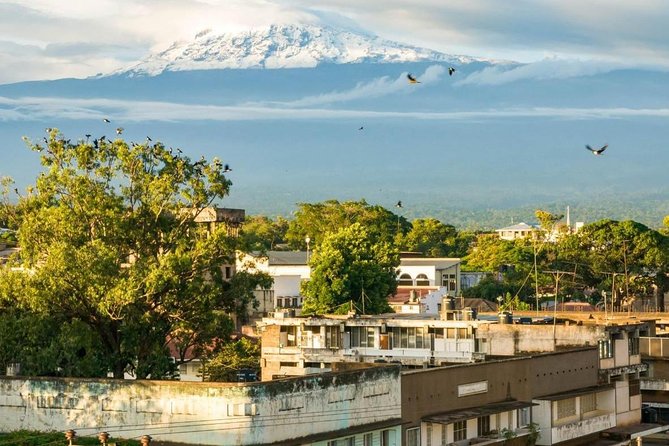
Moshi makes a fine first taste of northern Tanzania, and this tour brings together three very different sides of the town: Kilimanjaro views, a quiet forest, and the everyday food trade at Mbuyuni Market. The private format lets you move at your own pace, with transport, water, entrance fees, and a professional local guide included.
I like the combination of a gentle town introduction and time in Rau Forest, where natural springs support an important water forest. I also like the market stop, since buying fruit or trying a local snack gives you a more direct connection to Moshi than simply looking at monuments.
The main consideration is the long day. The listed stops account for about four hours, but driving and transitions bring the total to roughly seven to nine hours. The market can also be basic and active rather than polished, so this suits you best if you want ordinary local life, not a carefully staged cultural show.
Key things to know before booking
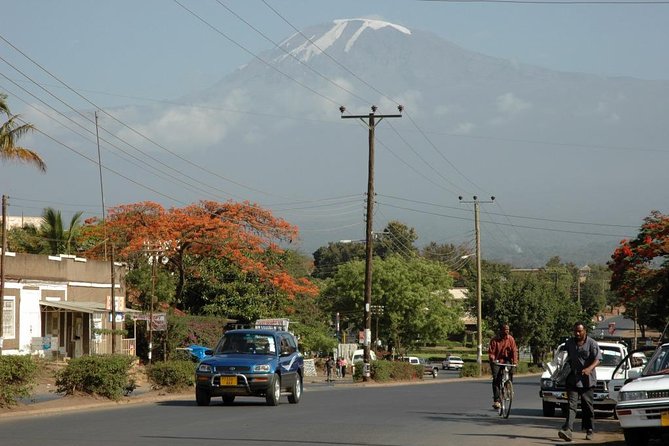
- Moshi and Mount Kilimanjaro come first: Begin with a one-hour town tour and a chance to see the mountain from the city.
- Rau Forest is spring-fed: The reserve sits about 3 kilometers southeast of Moshi and protects natural springs, plants, and wildlife habitat.
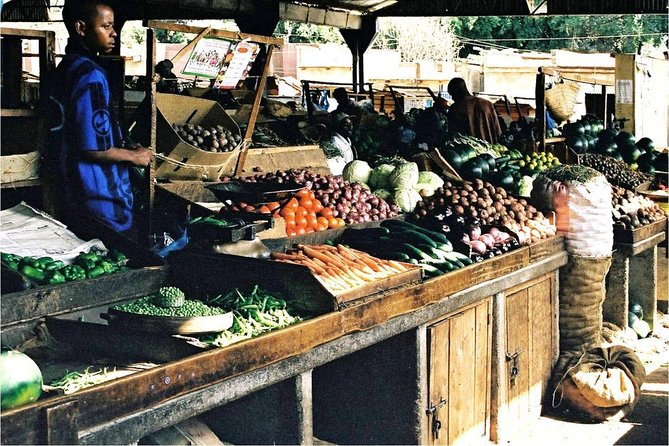
- Mbuyuni is a working food market: Expect fresh farm produce, fruit, and local foods that you can see and buy.
- The tour is private: Only your group participates, making it easier to ask questions or adjust the pace.
- Frazier may be your guide: One particularly personal version of the experience included guide Frazier, a driver, market banana tasting, and forest rituals.
- The $120 price includes the basics: Transport, bottled water, taxes, entrance fees, and the guide’s wage are covered, but meals and personal purchases are not specifically included.
Starting in Moshi beneath Kilimanjaro
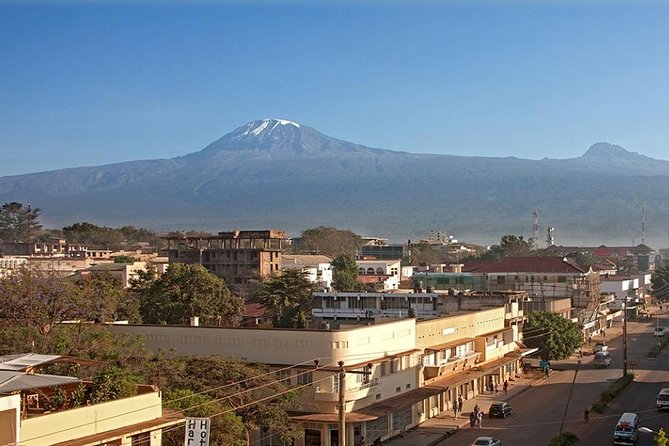
Moshi is not merely a staging point for a Kilimanjaro climb. It is the capital of the Kilimanjaro region, a clean, low-key town with African and Asian influences and a strong connection to coffee farming. This opening hour gives you a useful introduction before the day moves into nature and food.
The town sits at the foot of Mount Kilimanjaro, so the mountain is part of the setting from the start. The tour specifically includes a view of Kilimanjaro in the morning. Bring your camera, but keep your expectations sensible: the appeal is the chance to see the mountain from daily town life, not a mountain expedition or a dedicated summit viewpoint.
I like this first stop because it gives the rest of the day some context. Moshi’s coffee economy, its position in the Kilimanjaro region, and its role as a base for mountain climbers all help explain why the town feels both practical and outward-looking. You are seeing a place where people live and work, not just a transfer point between the airport and a safari lodge.
The town visit lasts about one hour and has no separate admission fee. It is a short orientation rather than a full museum or heritage tour. If your main goal is architecture, major historical sites, or a long guided walk through town, this portion may feel brief. If you want to get your bearings before heading into the forest, it does the job well.
More markets in Moshi & Kilimanjaro:
- Private Market Tour and Tanzanian Cooking Class in Moshi
★ 5.0 · 7 reviews - Stone Town Guided Tour: Culture, Slave Market & Spice Market
★ 4.8 · 44 reviews - Arusha: Traditional Tanzania Cooking Class & Food Market Tour
★ 5.0 · 34 reviews
Walking into Rau Forest’s natural springs
The most distinctive nature stop is Rau Forest, located about 3 kilometers southeast of Moshi. The reserve lies on the gentle south-facing alluvial base of Kilimanjaro, at an altitude of roughly 730 to 765 meters.
Rau is described as an underground water forest, with natural springs that help make it an important biodiversity area and a valuable resource for surrounding communities. That detail matters. This is not simply a patch of trees added to fill an afternoon. The forest’s water system is part of why the area supports plants, wildlife, and local livelihoods.
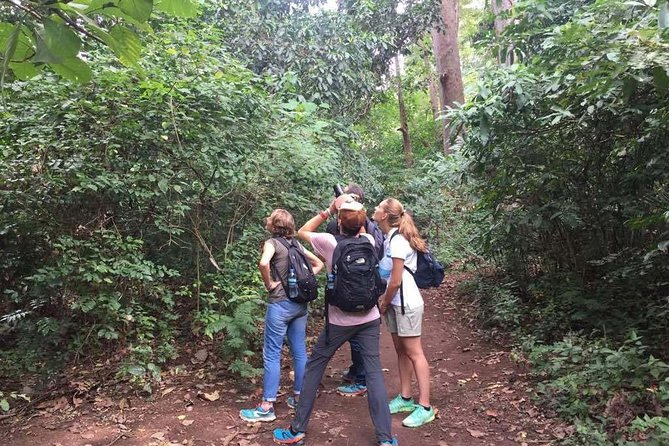
You will spend about two hours here with your guide. The walk is intended as a peaceful nature outing, with attention to the springs and plant life. Since the tour is private, you can ask your guide to explain what you are seeing rather than keeping pace with a large group. The exact walking route and wildlife sightings are not specified, so you should treat the forest as a calm botanical and environmental visit, not a guaranteed animal-watching trip.
Comfortable walking shoes make sense. Bottled water is included, but you should still dress for a warm outdoor day and carry anything you personally need. The tour information does not list a difficulty level, so ask the operator if you have concerns about walking or uneven ground.
A particularly unusual touch is the reference to forest rituals. Guide Frazier’s version of the day included these along with market food tasting. The details of the ritual are not laid out, so do not book expecting a formal ceremony with a fixed program. Instead, ask your guide what is appropriate and what the ritual means. That simple conversation can help keep the experience respectful rather than turning local practice into a photo prop.
The two-hour forest section is likely to be the quietest part of the day. After the town traffic and before the busy market, it gives you room to slow down. I see this as the tour’s strongest stop for anyone who wants a break from the standard climb-and-safari pattern.
Seeing Moshi through Mbuyuni Market
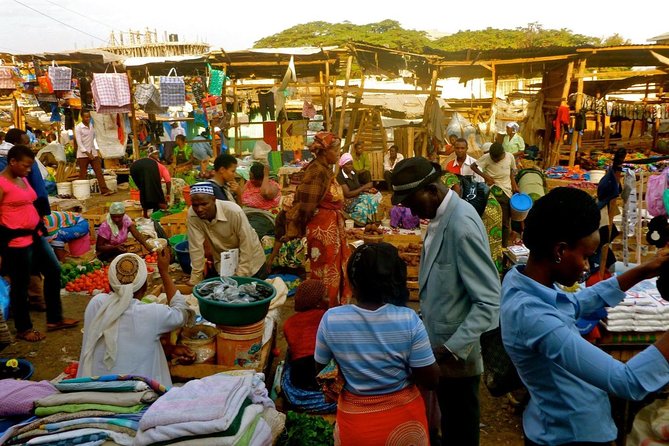
Mbuyuni Market is Moshi’s fresh produce market. Here, the focus is food grown or supplied from local farms: vegetables, fruit, and other local products. The visit lasts about one hour and has no admission charge.
This is the sort of stop where your behavior matters. Walk slowly, watch where you step, and ask your guide before photographing people or stalls. You can buy fresh fruit or local food, but personal purchases are not included in the tour price. Carry some spending money in a suitable form, though the supplied information does not state which payment methods individual sellers accept.
The market gives you a look at what people buy and sell for everyday meals. That makes it more useful than a souvenir shop if you want to understand the region through its food. Fresh-from-the-farm produce also links back to the surrounding agricultural economy and Moshi’s position in a productive part of Tanzania.
The market may be the most social and unpredictable stop of the day. That is part of its value, but it also means you should not expect a quiet, air-conditioned food hall or a fixed tasting menu. The experience can include seeing and purchasing food, and one account of a day with Frazier included eating bananas in the middle of the market. Ask what is safe and suitable before trying anything, especially if you have dietary restrictions.
I like that the market visit comes after the forest. The day moves from town, to nature, to food, giving it a simple rhythm. You see Moshi from several angles: as a regional center, as a place with a spring-fed forest, and as a source of farm produce.
Why the private format matters
Only your group takes part in this activity. That is a meaningful advantage for a day with several different stops. You can spend more time at the market if you are interested in food, or ask for more explanation in Rau Forest, without waiting for a large group to finish taking photographs.
Private also means the quality of the day depends heavily on communication with your guide. Frazier is the only guide named in the available information, and he was paired with a driver for a pickup arranged at short notice. If Frazier is not assigned to your booking, ask for the guide’s name and discuss your interests before departure.
The guide’s wage, private transport, bottled water, all taxes, and entrance fees are included. That keeps the price easier to judge. At $120 per person, the value improves when several people share the private vehicle and want a full day rather than a short city transfer. For a solo visitor, the cost is harder to call a bargain, but the flexibility and private attention may justify it if you do not want to organize separate transport and guides.
Accommodation can be arranged for an additional charge, and airport transfer is also available at extra cost. Neither is part of the stated tour price. Flights, visas, insurance, and personal items are also yours to arrange.
More shopping trips in Moshi & Kilimanjaro:
- Spice , Prison Island ,Stone Town and Slave Market Site Tour
★ 5.0 · 24 reviews - Stone Town Private Tour with Slave Market Tickets
★ 5.0 · 13 reviews - Arusha: Traditional Tanzania Cooking class& Food Market Tour
★ 4.9 · 12 reviews - Tanzanite experience tour – Tanzanite shopping in Arusha
★ 5.0 · 12 reviews
Allow seven to nine hours, not just four
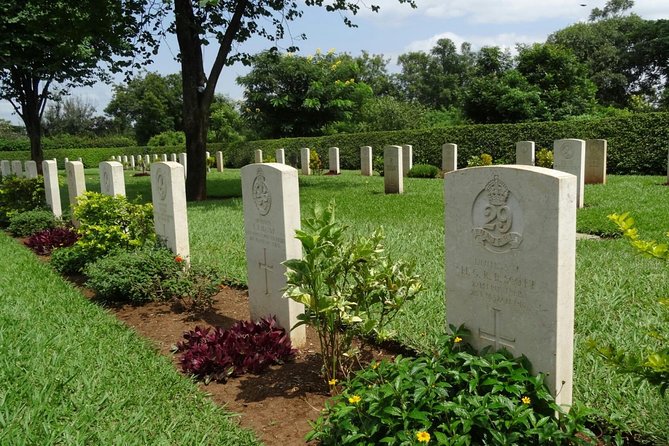
The three listed stops total about four hours: one hour in Moshi, two hours in Rau Forest, and one hour at Mbuyuni Market. The full experience lasts approximately seven to nine hours, which allows for driving, pickup, changes between locations, and the natural pauses of a private day.
That timing makes this a substantial day trip. It is a good match for someone with a free day in Moshi, a spare day before or after climbing Kilimanjaro, or an interest in seeing more than the usual hotel and restaurant circuit.
Pickup is offered, and the activity begins and ends in Moshi Urban, Tanzania. The listed operating schedule covers Monday through Sunday, with hours shown from midnight to 11:30 p.m. That broad window does not guarantee that every departure time is available, so confirm the start time when booking.
The tour has a mobile ticket, and confirmation is received at booking. It is also near public transportation, although private transport is included. Service animals are allowed, and the activity information says most people can participate. Since no detailed accessibility information or walking difficulty is provided, contact the operator first if you need specific support.
The practical value of $120 per person
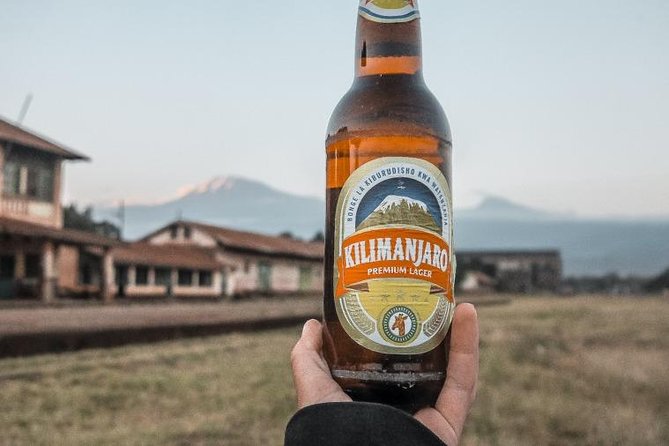
The price is easiest to understand as a package rather than as a charge for individual attractions. Moshi and Mbuyuni Market do not have admission fees, while Rau Forest admission is included. You are mainly paying for a full day of private transport, a professional local guide, planning, and the ability to connect several places without arranging each part yourself.
For two or more people, private transportation spreads the cost and makes the day more appealing. You also avoid paying separately for a town guide, a forest visit, and transport to the market. Bottled water is a small inclusion, but useful on a long day.
The price does not include lunch, a formal food allowance, or anything you buy at the market. Plan for personal spending and do not assume that market sampling is covered. Accommodation and airport transfers cost extra.
I would compare this tour with the cost and effort of booking separate transport and guides. If you value convenience and want local interpretation, $120 can be fair. If you only want a brief Moshi walk or a quick market stop, it is more time and money than you need.
Who will enjoy this Moshi day most
I would recommend this experience to you if you want a broad introduction to Moshi without committing to a strenuous mountain hike. It suits curious first-time visitors, people waiting for a Kilimanjaro climb, and anyone who prefers everyday places over a tightly scripted sightseeing route.
It is also a good choice if you value conversation with a local guide. The combination of coffee-region context, forest plants and springs, and market food gives you several subjects to ask about. The private setup is especially useful if your group has mixed interests.
You may want another activity if your priority is a serious coffee plantation tour, extensive mountain scenery, guaranteed wildlife, or a major cultural performance. Coffee-region access is included as part of the guided Moshi experience, but the supplied details do not promise a dedicated coffee tasting or farm visit. Rau Forest is a nature walk, not a safari, and the market is a working market, not a staged culinary attraction.
Pack comfortable shoes, sun protection, water for your own needs, and money for fruit or local food. Keep your day open, since the total timing can reach nine hours.
Should you book this tour?
Book it if you want one private day that connects Moshi’s town life, Kilimanjaro setting, forest ecology, and food markets. The strongest reasons are the spring-fed Rau Forest, the chance to eat or buy fresh produce at Mbuyuni, and the flexibility of a private guide such as Frazier.
Skip it if you want a short, highly polished excursion or a dedicated mountain, coffee, or wildlife tour. For everyone else, this is a practical way to see Moshi as a living regional town rather than just a place to sleep before climbing Kilimanjaro.
Free cancellation is available if you cancel at least 24 hours before the scheduled start. Cancellations or changes made less than 24 hours ahead are not refunded or accepted.
FAQ
Where does the tour start and finish?
The activity starts in Moshi Urban, Tanzania, and ends back at the meeting point.
How long does the full-day tour last?
The tour lasts approximately seven to nine hours.
Is hotel pickup available?
Pickup is offered. Accommodation arrangements can also be made on request for an additional charge.
Is this a private tour?
Yes. Only your group participates in the activity.
Is Mount Kilimanjaro visible during the tour?
The morning Moshi visit includes a view of Mount Kilimanjaro.
What is Rau Forest?
Rau Forest is a reserve about 3 kilometers southeast of Moshi. It contains natural springs, plants, and an underground water forest that supports biodiversity and nearby livelihoods.
Can I buy food at Mbuyuni Market?
Yes. Mbuyuni Market sells fresh farm produce, fruit, and local food products. Personal purchases are not included in the tour price.
What is included in the price?
The $120 price includes all fees and taxes, bottled water, private transportation, and a professional local guide and the guide’s wage.
Can I cancel for a full refund?
Yes, if you cancel at least 24 hours before the experience starts. Cancellations or changes made less than 24 hours before the start time are not refunded or accepted.
More full day trips in Moshi & Kilimanjaro
- Full Day Private Hiking Tour to Kilimanjaro Mountain
★ 5.0 · 22 reviews - Private Full-Day Trip to Materuni Waterfalls
★ 5.0 · 22 reviews - Private Full-Day Tour Maasai Village and Kikuletwa Hot Spring
★ 5.0 · 12 reviews - Full-Day Private Materuni Waterfalls and Coffee in Tanzania
★ 5.0 · 12 reviews
More Walking Tours in Moshi & Kilimanjaro
- Kilimanjaro: Village Walk, Coffee Tour, Waterfall, and Lunch
★ 4.5 · 56 reviews - 9 Days 8 Nights Walking Safari
★ 5.0 · 11 reviews - Walking Day Tour to Safari in Arusha National Park
★ 5.0 · 5 reviews - Moshi Town: Walking Tour: Theme Urban lifestyle
★ 3.1 · 4 reviews
Newly listed around Moshi & Kilimanjaro
- Climb Mount Kilimanjaro: 7 Days Machame Route★ 5.0 · 3 reviews
- 6 Days Mount Kilimanjaro Climbing via Rongai Route★ 5.0 · 3 reviews
- Explore 1 day Ngorongoro Crater Budget Group Safari from Arusha★ 5.0 · 3 reviews
- Mt. Kilimanjaro Day Hiking★ 5.0 · 3 reviews
- Chemka (Kikuletwa) Hot Springs, Tanzania★ 5.0 · 3 reviews
- Guided City tour of Moshi★ 4.3 · 3 reviews
- 8 Day Tanzania Family Safari★ 5.0 · 3 reviews
- Serengeti Safari with Sirikwa Travel★ 5.0 · 3 reviews
Moshi & Kilimanjaro Tours, compared.








Browse the lists this tour appears in