
Reviewed · STONE TOWN TOURS
Spice , Prison Island ,Stone Town and Slave Market Site Tour
Zanzibar’s story comes into focus when you connect its spice farms, old city streets, and slave-trade sites in one day. This private tour moves from the scent of cloves and cinnamon to the giant tortoises of Prison Island, then into Stone Town and the former slave market.
I like the hands-on spice stop, where you can touch, smell, and taste plants rather than simply look at them. I also like having a private guide and transport, since the day covers four major stops and includes a 30-minute boat ride. The drawback is the pace: eight hours is a lot, and Stone Town receives only about two hours before the final museum visit.
Key points at a glance
- Jambo Spice Farm: Handle and taste cinnamon, vanilla, nutmeg, turmeric, cloves, tropical fruit, and other crops.
- Prison Island boat ride: Reach Changuu Private Island by boat, with views back toward Stone Town.
- Giant tortoises: Meet the island’s famous tortoises and hear how the island was used as a prison, quarantine station, and animal refuge.
- Stone Town walking tour: See carved doors, narrow lanes, markets, and architectural influences from Swahili, Indian, Portuguese, Omani, and British traditions.
- Old Slave Market Museum: Visit the former slave chambers, the museum, Anglican Cathedral, and memorials connected with Zanzibar’s slave trade.
- Private day at $110: Transport, entry fees, bottled water, and an in-person guide are included, which makes the price easier to assess for a small group.
Why this Zanzibar day works
This is a strong choice if you want an introduction to Zanzibar City without arranging four separate outings. The route brings together food and agriculture, island scenery, urban history, and a difficult chapter of the island’s past.
The order also gives the day a natural rhythm. You begin outdoors at a farm, take a boat to an island, walk through the old city, then finish at the most serious historical site. That variety helps, though you should not mistake variety for plenty of free time. Each stop has a fixed share of the day.
The tour begins at 8:30 a.m. and lasts about eight hours. Pickup is offered, and private transportation is included. Your group participates on its own, so you can ask questions and set the pace more easily than on a large group excursion.
Guides are available in English, Spanish, French, German, and Italian. If Hassan is assigned to your group, he has been praised for clear English, detailed answers, and an easy way of explaining Zanzibar’s past. One outing with him also included a drink and lunch at a place with a fine view, though lunch is not listed as an included feature, so confirm that before you count on it.
More Stone Town walks:
- Zanzibar: Stone Town, Spice Tour, Prison Island with Lunch
★ 4.4 · 1,219 reviews - Zanzibar: Prison Island, Stone Town, & Spice Farm Tour
★ 4.5 · 579 reviews - Zanzibar; Prison Island, Nakupenda, StoneTown Tour with BBQ
★ 4.3 · 457 reviews
Jambo Spice Farm, where Zanzibar starts with scent
The first stop takes about three hours at Jambo Spice Farm. For a first visit to Zanzibar, this is one of the most useful places to begin because it explains an everyday part of island life through your senses.
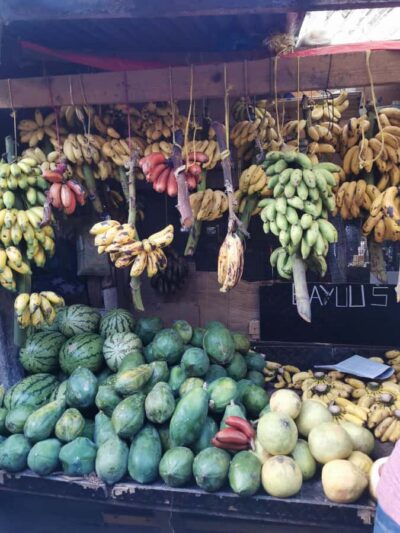
You will encounter lemongrass, nutmeg, cinnamon, turmeric, vanilla, coconut, papaya, chili, black pepper, jackfruit, cardamom, cassava, oranges, and cloves. The attraction is not simply the number of plants. You can touch leaves, smell roots and bark, and taste some of the produce.
That hands-on approach gives the farm real value. A name such as nutmeg means little until you see the plant and smell the spice in its natural form. Cinnamon is not just a powder in a kitchen jar, and cloves are not just a scent associated with holiday cooking. The guide connects the plants to Zanzibar’s agricultural culture as you move through the farm.
The stop is described as an organic farm with plants available throughout the year. You should still expect the exact appearance of the farm to change with the season. Crops do not all look their best at once, but the range of herbs, spices, and fruit keeps the visit varied.
The farm visit ends at a spice stall. You can buy packaged spices, essences, and organic spice soaps, with payment in cash only. Bring cash if you want souvenirs, since the purchase stop is separate from the tour price and card payment is not listed.
Three hours is generous for a farm visit. It leaves room for explanations and tasting, but it also means the opening section takes up more than a third of your day. If plants and local food interest you, that is time well spent. If your priority is Stone Town architecture, you may find the morning a little long.
The 30-minute crossing to Prison Island
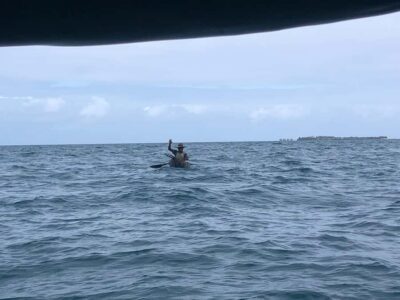
From Stone Town, the boat ride to Prison Island takes about 30 minutes. The crossing gives you an open-water view of the city and adds a welcome change from the road and walking portions of the day.
The island is also known as Changuu Private Island. Its name is tied to a planned prison, but the prison use was not the full story. The island later served as a quarantine hospital, and today it is associated most closely with its giant tortoises and beaches.
The guide introduces you to the tortoises and explains the island’s past. This is a simple but memorable part of the tour, especially if you have not seen these animals before. The visit is not only about taking photographs. The island’s changing uses show how Zanzibar’s role shifted over time, from a place connected to confinement and disease control to a popular short excursion.
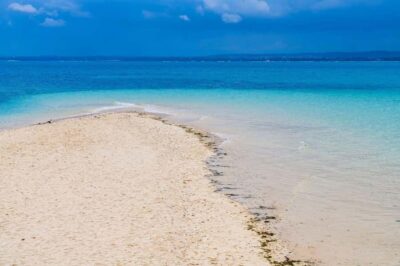
The stop lasts about two hours, including the boat transfer. You should have time for the tortoise area and some beach or island exploration, but the schedule does not promise a long swim or a full beach day. Think of Prison Island as a compact historical and nature stop rather than a resort break.
The boat crossing can also shape your comfort. The tour information specifies the duration, but not the type of boat or sea conditions. If you are sensitive to motion, ask the operator for practical details before booking. Bottled water is included, which is helpful during the warm middle portion of the day.
Stone Town in two hours
Stone Town receives about two hours of walking time. That is enough for an introduction, not enough to see every lane, market, building, and museum at a leisurely pace.
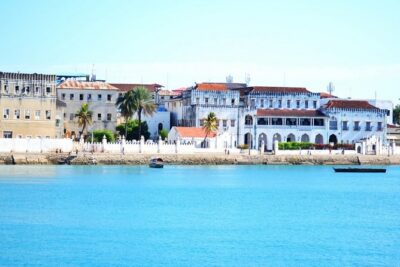
The historic district has been listed as a UNESCO World Heritage Site since 2000. Its buildings reflect Swahili, Indian, Portuguese, Omani, and British influences. You will walk among narrow streets, carved doors, markets, and old structures that show how trade and different cultures shaped Zanzibar City.
The best way to approach this stop is to look closely rather than try to cover too much ground. Pay attention to the carved doors, the changes in building style, and the way the lanes open and close around market areas. A guide adds value here because the visual details can otherwise blur into a general impression of an old town.
The two-hour limit is both useful and restrictive. It keeps the overall day from becoming unwieldy, but it leaves little room for lingering over a market stall or stopping for a long meal. If you want an extended Stone Town visit, plan an additional walk on another day.
Private touring helps at this point. You can ask the guide to explain a particular building or cultural influence instead of simply following a fixed group route. A guide with strong English, such as Hassan, is especially helpful in a district where the history is layered and the streets can feel confusing.
More Prison Island trips:
- Zanzibar: Prison Island and Nakupenda Boat Trip with Lunch
★ 4.1 · 882 reviews - Zanzibar: Prison Island & Nakupenda Boat Tour with BBQ Lunch
★ 4.4 · 554 reviews - Zanzibar: Stone Town, Spice tour & Prison Island with Lunch
★ 4.6 · 453 reviews - Zanzibar: Prison Island & Nakupenda Sandbank Tour with Lunch
★ 4.2 · 265 reviews
The Old Slave Market and Anglican Cathedral
The final stop takes about one hour and focuses on Zanzibar’s connection to the slave trade. You will visit the museum, former slave chambers, slave monuments, and the Anglican Cathedral.
This is the most emotionally difficult part of the day, and it should be treated with attention rather than rushed as just another attraction. The site presents how enslaved people were held and how the trade affected Zanzibar and the wider region. The guide explains the story and answers questions about the chambers, cathedral, and memorials.
The setting gives Stone Town’s commercial past a harder edge. Earlier, you may have been admiring carved doors and old streets. Here, you confront the human cost behind a trading center linked to the movement and sale of enslaved people.
One hour is enough for a focused visit with a guide, but it may feel short if you want to read every display slowly. The museum is best approached with time to listen and reflect. If you have just come from the faster parts of the day, make a deliberate effort to slow down here.
Because this visit deals with trauma and exploitation, the quality of the explanation matters. A guide who can provide context without turning the subject into a collection of dramatic anecdotes is important. The tour is designed to give you that guided background rather than leaving you to interpret the site alone.
What the $110 price includes
At $110 per person, this is not the cheapest way to see Zanzibar City, but the price covers a full private day rather than a single attraction. Included are private transportation, bottled water, all listed fees and taxes, and an in-person guide. The four admissions are also included.
The private format is the main value. You are not paying only for entry to a farm, island, historic district, and museum. You are paying for transport between them, a guide who ties the sites together, and a day arranged around your group.
The value improves if you are traveling with family or friends who prefer their own vehicle and guide. A private group can ask more questions and avoid the compromises that come with a large shared departure. For a solo visitor, the per-person price is harder to justify, but the convenience may still appeal if you want to cover all four places in one day.
Lunch and alcoholic drinks are not included. Bottled water is included, while alcoholic beverages are specifically excluded. Since the tour lasts eight hours, ask how and where lunch fits into the schedule before departure. A meal may be available during the day, but it should not be treated as part of the published inclusions.
The experience is often booked around 60 days ahead. That suggests you should reserve early if your Zanzibar dates are fixed, especially if you need a particular guide language or want a private day during a busy period.
Who will get the most from this tour
I would recommend this tour to a first-time visitor who wants broad coverage in one day. It is particularly useful if you have limited time in Zanzibar City and want to see the spice-growing side of the island as well as its major historic sites.
It also suits people who like explanation with their sightseeing. The farm, Prison Island, Stone Town, and slave market each make more sense when someone explains what you are seeing. The available guide languages make the tour practical for more than English-speaking groups.
Families may appreciate the change of pace, especially the farm and giant tortoises. The day still includes serious history, so parents should be ready to explain the Old Slave Market visit in an age-appropriate way.
This is less suitable if you want a slow beach day, a long Stone Town shopping session, or a single subject explored in depth. The tour covers a lot, and its strength is range. You will see more places, but you will spend less time at each one.
Most people can participate, and pickup is offered. The tour is also near public transportation, though private transport is included. Specific accessibility details are not provided, so ask the operator about walking surfaces, boat boarding, and the physical demands of the old city before booking if those points matter to you.
Practical advice for making the day better
Bring cash for the spice stall. The farm offers packaged spices, essences, and organic soaps, but cash-only purchases are specified.
Wear something suited to a full day that includes walking, farm paths, a boat trip, and time outdoors. The tour information does not set a dress code, but comfortable clothing and shoes will make the day easier.
Keep your schedule open after the 8:30 a.m. start. The listed stops add up to eight hours, and transport between them is part of the day. You will enjoy it more if you do not place an important fixed appointment immediately afterward.
Ask about lunch before setting out. A drink and lunch with the guide has been part of at least one outing, but lunch is not listed among the included items. Clarifying this prevents an awkward surprise.
Use the private format. Ask Hassan, or your assigned guide, to compare the different cultural influences in Stone Town and to explain how the spice trade and slave trade fit into Zanzibar’s past. Those questions can turn a checklist day into a connected history lesson.
The tour offers free cancellation up to 24 hours before the start time. Cancellations made less than 24 hours before departure are not refunded, and changes inside that period are not accepted. The cut-off follows local time.
Should you book the Spice, Prison Island, Stone Town and Slave Market tour?
Book it if you want an efficient, private introduction to Zanzibar City and prefer a guide to explain what you are seeing. The hands-on farm, 30-minute boat trip, giant tortoises, Stone Town walk, and Old Slave Market create a varied day with real cultural and historical weight.
Think twice if you dislike full schedules or want long, unplanned stretches. The biggest compromise is time: three hours at the spice farm and only two hours in Stone Town, followed by a one-hour museum visit.
At $110, the tour makes the most sense for a small private group that values included transport, admissions, water, and a multilingual guide. For a first day in Zanzibar, it gives you a useful map of the island’s flavors, old city, difficult past, and nearby sea. Book it for breadth and context, then return to Stone Town or the coast later if you want to slow down.
FAQ
What time does the tour start?
The tour starts at 8:30 a.m. and lasts about eight hours.
Is hotel pickup available?
Pickup is offered, and private transportation is included.
Is this a private tour?
Yes. Only your group participates in the activity.
Which languages are available for the guide?
In-person guides are available in English, Spanish, French, German, and Italian.
Are entrance fees included?
Yes. All fees and taxes are included, along with admission to the listed stops.
Can I cancel for a full refund?
You can cancel for a full refund up to 24 hours before the experience starts. Cancellations or changes made less than 24 hours before the start time are not accepted for a refund.
More markets in Zanzibar
- Zanzibar:Stone town Street food market walking tour,transfer
★ 4.5 · 9 reviews - Arusha: Traditional Tanzania Cooking Class & Food Market Tour
★ 5.0 · 34 reviews - Arusha: Traditional Tanzania Cooking class& Food Market Tour
★ 4.9 · 12 reviews - Private Market Tour and Tanzanian Cooking Class in Moshi
★ 5.0 · 7 reviews
Other visits to the slave trade history sites
- Stone Town Guided Tour: Culture, Slave Market & Spice Market
★ 4.8 · 44 reviews - Stone Town Private Tour with Slave Market Tickets
★ 5.0 · 13 reviews - Zanzibar: Stone Town Heritage & Slave Market Tour
★ 4.4 · 7 reviews - Zanzibar: Stone Town Tour with Slave Market Ticket
★ 3.5 · 5 reviews
Newly listed around Zanzibar
- Zanzibar: Nungwi/Kendwa Beach Sunset Dhow Cruise with Fruits★ 3.4 · 3 reviews
- Prison Island, Sea Turtles, Rock Restaurant & Relax in Beach★ 4.6 · 3 reviews
- Starfish Beach; The Rock; Kuza Cave; Paje Beach; Salaam Cave Tour★ 4.5 · 3 reviews
- Zanzibar: Half-Day Spice Farm Tour,the flavours of Zanzibar★ 4.7 · 3 reviews
- Joazani forest & Spice farm with lunch★ 5.0 · 3 reviews
- Nakupenda Island Snorkeling Sea trip & Lunch W/Transfer -Zanzibar★ 4.0 · 3 reviews
- Mnemba Island Snorkeling and Dolphin tour★ 5.0 · 3 reviews
- Zanzibar:Jozani forest, Spice farm with Swahili Cuisine clas★ 4.2 · 3 reviews
Stone Town Tours, compared.


Full-Day Private Stone Town +Spice Farm and Prison Island Tour
Read our review →
Browse the lists this tour appears in