

Reviewed · STONE TOWN TOURS
Zanzibar: Stone Town Historical Cultural Walking Guided Tour
Stone Town makes the most sense on foot, where a turn through a narrow alley can reveal an old carved door, a mosque beside a church, or a market stall selling sugar cane juice. This tour gives you that close-up view with a local guide, then covers major sights including the Old Fort and the former slave market.
I like the mix of serious history and ordinary city life, especially the walk through Darajani Market and the chance to hear local stories from guides such as Ali, also called Diamond, and Haidara, who was born and raised in Stone Town. The main consideration is the heat, plus the fact that construction or weather can change which buildings you see.
At a glance
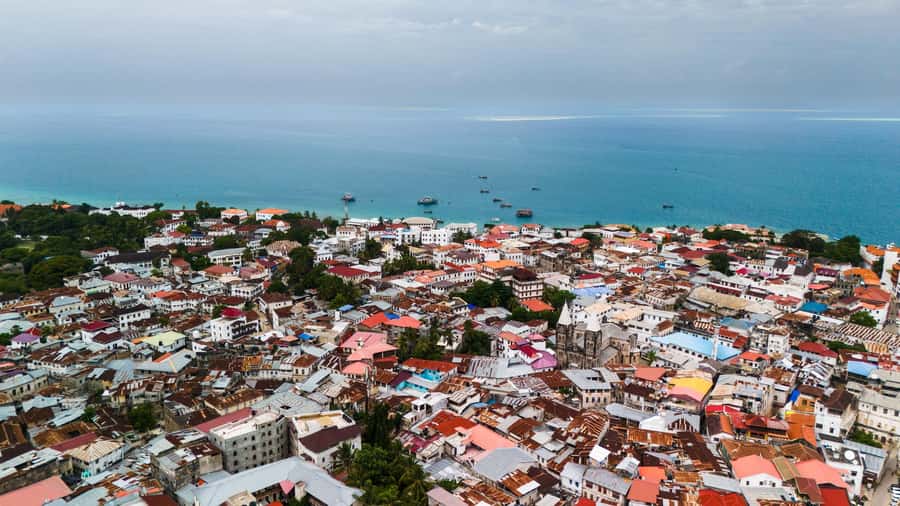
- Stone Town on foot: Follow narrow lanes, old stone houses, markets, places of worship, and local neighborhoods with a guide.
- Major historic stops: Visit the Old Fort and the former slave market, now linked with the Anglican Cathedral.
- A human guide matters: Guides including Ali, Abdalla, Diamond, Ammar, and Haidara are praised for clear English, patience, and personal stories.
- Two useful timing choices: Choose a morning or afternoon departure, with the full outing lasting roughly two to five hours.
- Transfers can save a day: Hotel pickup and return are available when you select that option, including pickups from outside Stone Town.
- Good value at $21: The price includes the walking tour, guide, driver, and slave market entry when the transfer option is selected as applicable.
Why Stone Town works best as a walking tour
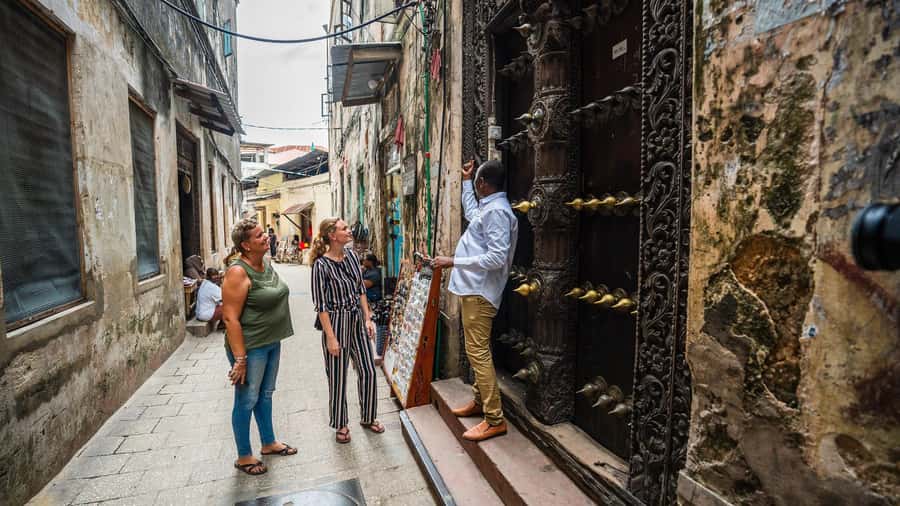
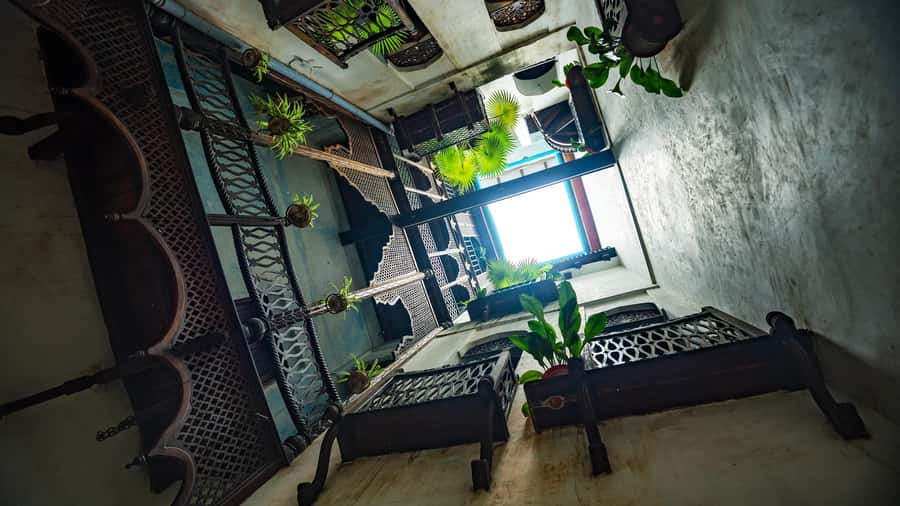
Stone Town is not a place you understand from a vehicle window. Its character is in the details: carved wooden doors, shaded passages, weathered walls, small shops, and the sudden opening of a market square.
I like that the walk joins several parts of Zanzibar’s story. Arab and Swahili traditions meet Indian trade connections, European colonial influence, Christian churches, Islamic mosques, and Hindu temples. You are not simply looking at old buildings. You are seeing how different communities have shared the town over time.
The guide also helps connect Stone Town with the Indian Ocean trade routes and the painful history of slavery. That subject is handled through the former slave market and the Anglican Cathedral stop. Give this part time. It is one of the most serious and meaningful sections of the outing, not a quick photo stop to rush through.
The tour is based around a private group option, and the available language is English. That matters in a maze-like town where a local guide can point out corners you would likely pass without noticing. The walk also gives you chances to see daily life rather than only the formal monuments.
More History Tours in Zanzibar
- Stone Town Historical Walking Tour
★ 5.0 · 143 reviews - Stone Town’s Hidden History: Private Guided Walking Tour
★ 4.6 · 94 reviews - Private Historic Stone Town Tour
★ 5.0 · 79 reviews
Starting from your hotel and reaching town
You can meet the driver at your hotel reception, where you should be ready about five minutes before departure. Pickup and drop-off are included only if you choose the relevant transfer option, so check that choice carefully when booking.
Three transfer choices are available, including an option for pickup from anywhere. This is useful if you are staying away from Stone Town, and one booking from Nungwi had a punctual, easy pickup. The driving portions can take about an hour, depending on your location and the day.
If you are already staying in Stone Town, the logistics are simpler. You can meet in town and spend most of your paid time walking instead of sitting in a vehicle. After the tour, the driver returns you to your hotel when a transfer is included.
Communication is usually handled in English. A little confusion at the start has occurred when arranging pickup, so keep your phone available and make sure the meeting point is clear. The company identifies its safari vehicles with the Beach & Safari Holidays logo.
Old Fort and Stone Town’s main lanes

The Old Fort is one of the first major landmarks on the route. It gives you a strong sense of the town’s defensive past and serves as a useful starting point for understanding why Stone Town developed where it did.
From here, the tour turns into the lanes that make Stone Town memorable. You will walk past old stone homes and see how the town’s design reflects its Arab, African, Indian, and European influences. The guide can put the architecture into context, rather than leaving you to guess what you are seeing.
This is also where the pace matters. Some outings take about two hours and focus on the key sights. A longer version can allow more time for photos, shopping, questions, and side streets. If you want a fast orientation before exploring alone, two hours can be enough. If you prefer stories and pauses, expect the experience to stretch closer to the longer end of the two to five hour range.
The lanes are the real reason to choose a guided walk. You might find small corners that are easy to miss, and local guides can explain how people use the spaces today. Ali and Diamond are both praised for making the walk conversational as well as informative, while Abdalla and Ammar are noted for patience and clear explanations.
The former slave market and Anglican Cathedral
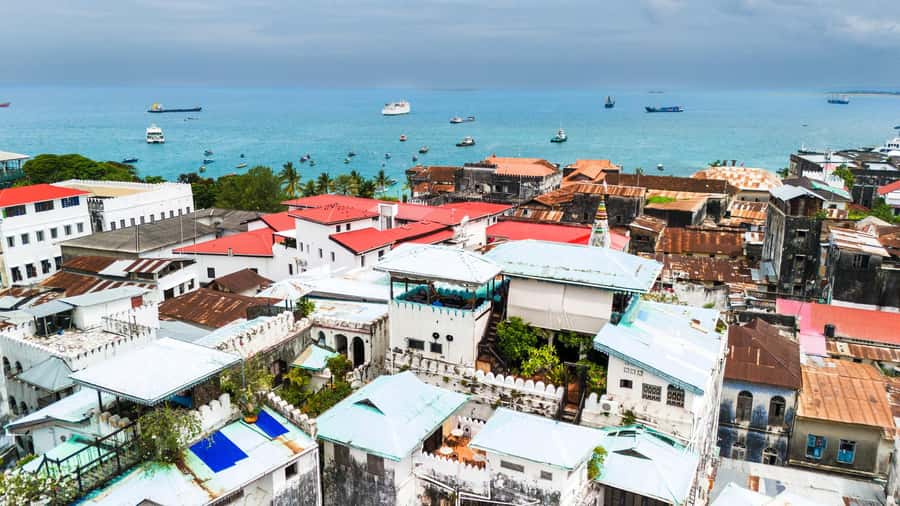
The stop at the Old Slave Market, beside the Anglican Cathedral, brings Zanzibar’s past into sharper focus. Entry to the slave market is included, which is important because this is the one named interior historical site covered in the tour price.
You should not treat this as just another landmark. The exhibition deals with the historic slave trade and its effect on Zanzibar. It can be an emotional visit, and the most useful approach is to slow down and read the material rather than trying to complete the whole tour at top speed.
This section gives the walking route moral weight. Stone Town was shaped by trade, but trade was not always harmless or voluntary. A good guide can help you understand the connections between the town, regional routes, and the people who were exploited through them.
The Anglican Cathedral adds another layer to the stop, showing how later religious and political changes became part of the old town. Mosques, churches, and temples stand near one another throughout Stone Town. That closeness is one of the clearest ways to see the town’s mixed past.
More Walking Tours in Zanzibar
- Stone Town Private Walking Tour
★ 5.0 · 371 reviews - Zanzibar: 3 Hours Private Stone Town walking Tour with Guide
★ 4.6 · 301 reviews - Stonetown: Food Markets and Street Food Walking Tour
★ 4.7 · 151 reviews - Zanzibar Stone Town Walking Tour
★ 5.0 · 145 reviews
Freddie Mercury Museum and modern Zanzibar
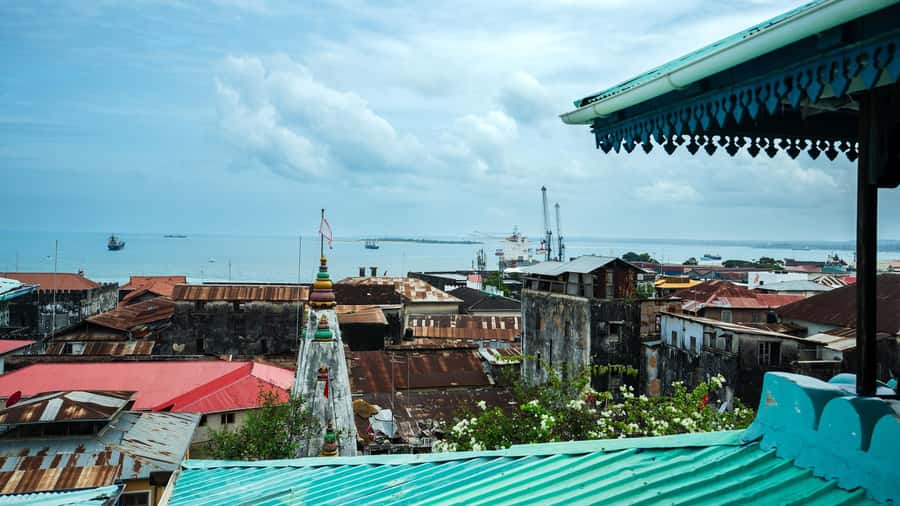
The Freddie Mercury Museum provides a very different kind of history. The stop links Stone Town with one of its most famous modern figures and gives the walk a lighter, more contemporary turn after the slave market.
The museum is listed as a photo stop and guided visit, so check how much time you want to spend there. Some people may find it a highlight, while others may prefer to devote more time to markets and architecture. The guide can help you fit it into the pace of the day.
I like this change of subject because it prevents the tour from becoming a sequence of old buildings and dates. Stone Town is not frozen in the past. Its story includes famous residents, present-day shops, ordinary families, and working markets.
The museum also works well for anyone who wants a few recognizable sights mixed into a wider cultural walk. If you are especially interested in Freddie Mercury, ask the guide early how the stop will be handled so you can plan your time.
Darajani Market and the everyday city
Darajani Market is where the tour becomes most sensory. You will see local commerce in motion, with stalls, shoppers, food, and the sounds of daily life. This is a useful counterpoint to the formal historic sites because it shows how Stone Town functions now.
The market is also the best part of the route for shopping. Souvenirs are available here, and the stop includes time for browsing. I would keep your plans flexible, since shopping can take five minutes or much longer depending on your interests.
A local guide is especially helpful in a market. You can ask about products, watch how people move through the space, and find places that you might not notice on your own. One guide introduced a visitor to sugar cane juice, which became a memorable part of the day. That kind of small, local detail can be more lasting than another monument photo.
The market can be crowded and warm. Keep your belongings secure, stay close enough to hear the guide, and do not expect the same quiet pace you get in the side streets. The point here is contact with working Stone Town, not a polished museum setting.
What the guide adds to the day
The strongest part of this experience is the guide. The route itself is easy to describe, but Stone Town’s value comes from explanation, local judgment, and the ability to adjust the walk to your interests.
Ali, often referred to as Diamond, receives repeated praise for his English, humor, historical background, and friendly manner. He has guided visitors through the main sights while also answering questions and pointing out less obvious corners. Other guides, including Haidara, Abdalla, Ammar, Naseer, and Ali Said, are described as patient, warm, and well informed about Zanzibar.
Haidara’s personal connection is particularly useful. As someone born and raised in Stone Town, he can explain the city through lived experience and show how local people use the town. That does not replace the formal history, but it gives the walk a more personal feel.
You can also shape the experience by stating what you want at the beginning. If you want a broad introduction, the guide can cover the key places in about two hours. If you want more history, market time, or hidden alleys, ask for a slower pace.
The guides have also helped with practical matters, such as suggesting afternoon activities or speaking with a taxi driver. That help is not a formal tour feature, but it can be useful when you are finding your way around Zanzibar.
Heat, rain, construction, and walking pace

Stone Town’s climate affects the outing. Heat and humidity can make a long walk tiring, while rain may alter the route or slow the pace. A casual stroll is often the sensible approach, especially in the middle of the day.
Morning and afternoon departures give you some choice. I would favor the cooler option available on your date, though the best time depends on your wider Zanzibar plans. Carry water, wear comfortable shoes, and bring protection from the sun. These are practical needs for a walking tour, not optional extras.
The route and stops are flexible. Weather and the day’s conditions can change the plan, and construction has temporarily blocked access to some impressive buildings. That means you should see the tour as a guided introduction rather than a guarantee of every interior or exact photo angle.
Rain does not automatically ruin the experience. One outing continued through wet weather and still worked well, but your enjoyment will depend on how comfortable you are walking in those conditions. If a particular building matters most to you, ask about its status at the start.
Is $21 a fair price?

At $21 per person, this is a strong-value introduction to Stone Town. The price covers an English-speaking guide, the guided walk, an experienced driver, and entry to the slave market. Hotel transfers add practical value when you are staying outside town, though you should select the correct pickup option.
The main value is not simply the number of sights. It is the time saved finding them and the context supplied along the way. Stone Town’s lanes can be confusing, and a guide helps you use a short visit well.
Food and personal expenses are not included. Plan separately for drinks, market purchases, souvenirs, or any snack you choose. The tour does not promise a meal, so do not book it expecting lunch to be part of the day.
The private group option can also improve the value for couples, families, or friends who want to ask many questions and adjust the pace. If you are alone, the low price still makes this a reasonable way to get your bearings before returning to places that interest you.
Free cancellation is available up to 24 hours before departure, and you can reserve now and pay later. Those terms are useful if your Zanzibar schedule may change, but still confirm the precise start time and pickup selection before finalizing.
Who should book this Stone Town walk?
I would recommend it to a first-time visitor who wants the main sights, a local perspective, and a clear introduction without spending a full day on a formal excursion. It also suits anyone staying outside Stone Town who wants transport handled as part of the plan.
History-minded visitors will value the Old Fort and former slave market. Culture-focused visitors will enjoy the religious buildings, old homes, narrow lanes, and Darajani Market. Freddie Mercury fans get a dedicated stop, while shoppers have time to look for souvenirs.
It is less suitable if you dislike walking, heat, markets, or flexible schedules. It is also not ideal if you want a private, silent visit to each site with long museum time. This tour keeps moving and blends formal history with ordinary street life.
The rating is 4.5 from 179 bookings, which matches the pattern of the experience: strong guides, good communication, and a useful route, with occasional issues involving heat, pickup confusion, weather, or construction. I would book it for orientation, then return on your own to any museum or market that deserves more time.
Should you book it?
Yes, if you want to understand Stone Town quickly and prefer a local guide to a self-guided walk. The best reasons are the human stories, the Old Slave Market entry, the market visit, and the chance to see side streets you could easily miss.
Choose a morning or afternoon time that suits the heat, select hotel transfer if you are staying outside town, and arrive at reception five minutes early. Tell the guide if you want more history, more shopping, or a gentler pace.
This is not a perfectly fixed museum circuit, and conditions can change. That flexibility is part of the bargain. At $21, it offers a practical first look at Stone Town, with enough substance to help you decide where to spend the rest of your Zanzibar stay.
FAQ
Where does the Stone Town walking tour take place?
The tour takes place in Stone Town on Unguja, Zanzibar. The route includes the Old Fort, former slave market and Anglican Cathedral, Freddie Mercury Museum, Darajani Market, and surrounding streets.
How long does the experience last?
The advertised duration is two to five hours. The walking portion is commonly around two to four hours, while vehicle transfers can add about an hour each way depending on your pickup location.
Is hotel pickup included?
Hotel pickup and drop-off are included only when you select the applicable transfer option. Pickup is available from Stone Town and, through the transfer from anywhere option, from hotels outside Stone Town.
Where should I meet the driver?
If hotel pickup is selected, meet the driver at your hotel reception. Be ready five minutes before departure and look for a Beach & Safari Holidays logo on the safari vehicle.
What language is the tour offered in?
The live guided tour is offered in English.
Is the former slave market entry ticket included?
Yes. Entry to the former slave market is included in the activity.
Are food and shopping included?
No. Food, souvenirs, shopping, and other personal expenses are not included.
Can I choose a morning or afternoon departure?
Yes. You can choose between morning and afternoon departure options, subject to available start times.
Can the itinerary change?
Yes. Stops and timing can change depending on the weather and conditions on the day. Construction may also affect access to some buildings.
More Stone Town walks
- Zanzibar: Stone Town, Spice Tour, Prison Island with Lunch
★ 4.4 · 1,219 reviews - Zanzibar: Prison Island, Stone Town, & Spice Farm Tour
★ 4.5 · 579 reviews - Zanzibar; Prison Island, Nakupenda, StoneTown Tour with BBQ
★ 4.3 · 457 reviews - Zanzibar: Stone Town, Spice tour & Prison Island with Lunch
★ 4.6 · 453 reviews
Newly listed around Zanzibar
- Zanzibar: Nungwi/Kendwa Beach Sunset Dhow Cruise with Fruits★ 3.4 · 3 reviews
- Prison Island, Sea Turtles, Rock Restaurant & Relax in Beach★ 4.6 · 3 reviews
- Starfish Beach; The Rock; Kuza Cave; Paje Beach; Salaam Cave Tour★ 4.5 · 3 reviews
- Zanzibar: Half-Day Spice Farm Tour,the flavours of Zanzibar★ 4.7 · 3 reviews
- Joazani forest & Spice farm with lunch★ 5.0 · 3 reviews
- Nakupenda Island Snorkeling Sea trip & Lunch W/Transfer -Zanzibar★ 4.0 · 3 reviews
- Mnemba Island Snorkeling and Dolphin tour★ 5.0 · 3 reviews
- Zanzibar:Jozani forest, Spice farm with Swahili Cuisine clas★ 4.2 · 3 reviews
Stone Town Tours, compared.




Full-Day Private Stone Town +Spice Farm and Prison Island Tour
Read our review →
Browse the lists this tour appears in