

Reviewed · STONE TOWN TOURS
Zanzibar: Stone Town, Spice Tour, Prison Island with Lunch
Zanzibar’s best introduction may be a day that moves from Stone Town’s carved doors and slave-market history to a spice farm, then out across the water to Prison Island. You get the island’s main cultural sights, local food, and giant tortoises without arranging several separate trips.
I especially like the hands-on spice walk, where you smell cinnamon, crush or taste fresh crops, and try tropical fruit straight from the farm. I also like the range of guides involved: people such as Hassan, Ibrahim, Ali, James, and Abdullah have been praised for bringing local stories to the streets and historic sites.
The trade-off is time. This is a long, full day, and Prison Island can feel rushed. Shared departures may also include hotel pickup delays, while the small boat can move quickly and feel rough when the sea is choppy.
Key points to know before booking
- Spices are the day’s most hands-on stop: Expect cinnamon, cloves, vanilla, turmeric, cardamom, lemongrass, black pepper, coconut, papaya, and more.
- Stone Town gives you the strongest historical context: You’ll see the Old Fort, Sultan’s Palace area, markets, narrow lanes, carved doors, and the former slave-market site.
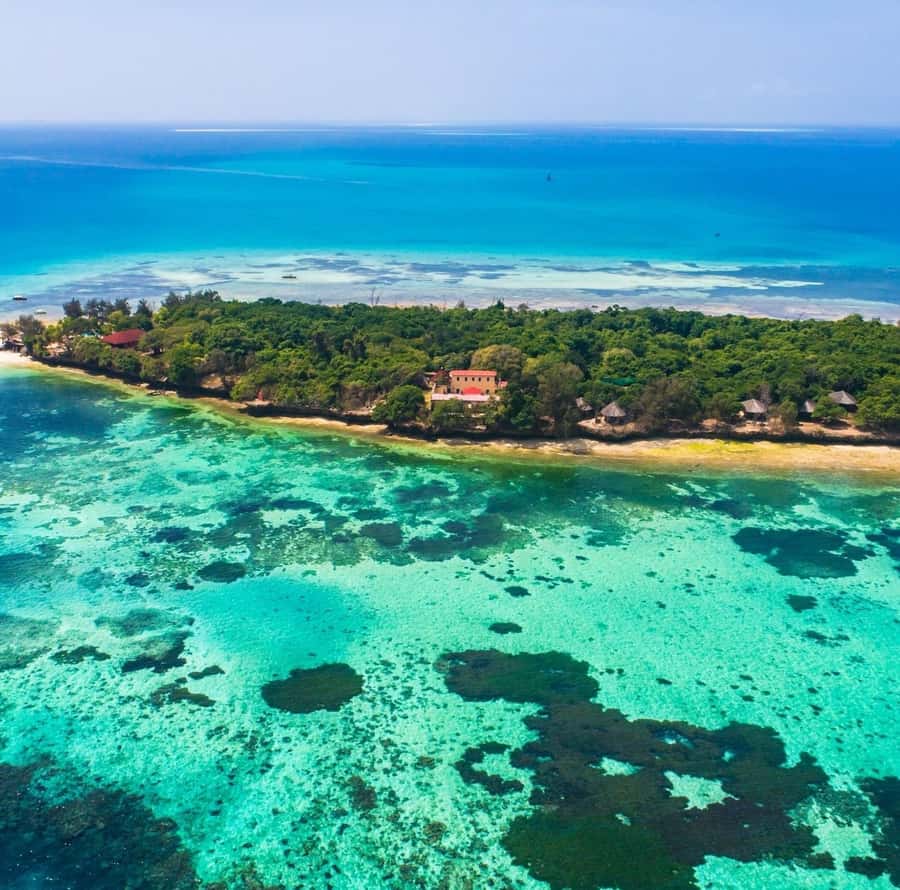
- Prison Island is mainly about tortoises and a short boat ride: The island also has a small museum and buildings linked to its former prison use.
- The $68 price covers a lot: Hotel transport, guiding, water, and the three main visits offer good value, but check which ticket and lunch options are selected.
- Plan for a full day, not a quick outing: The advertised duration is 6 to 9 hours, but some departures have lasted into the evening.
- Bring sun protection and secure footwear: A hat, sunglasses, sunscreen, water shoes or sturdy non-slip shoes, and small bills for tips will make the day easier.
A useful first day on Zanzibar
I see this experience as an orientation to Unguja, Zanzibar’s main island. You move through three very different settings: a historic port city, a working agricultural site, and a small island sanctuary.
That variety is the main reason to choose it. If you have only a short stay, the tour lets you understand why Zanzibar is more than a beach destination. You’ll hear about Arab, Indian, Persian, African, and European connections in Stone Town, then see how spices shaped the island’s trade and food.
The schedule is busy, but the stops fit together. Stone Town explains the port and its past. The farm shows the crops linked to that trade. Prison Island adds a boat ride, sea views, and the chance to see Aldabra giant tortoises up close.
Pickup is available from hotels across Zanzibar island, including the north and south regions. You should wait in the reception area and be ready five minutes before departure. For a shared trip, the group needs at least six participants, and the vehicle may wait while other people are collected from their hotels.
A private group is available if you want more control over the pace. That matters most in Stone Town, where a little extra time for shopping, coffee, photos, or the old market can make the visit feel much less hurried.
More Stone Town walks:
- Zanzibar: Prison Island, Stone Town, & Spice Farm Tour
★ 4.5 · 579 reviews - Zanzibar; Prison Island, Nakupenda, StoneTown Tour with BBQ
★ 4.3 · 457 reviews - Zanzibar: Stone Town, Spice tour & Prison Island with Lunch
★ 4.6 · 453 reviews
Stone Town’s lanes, doors, and difficult past
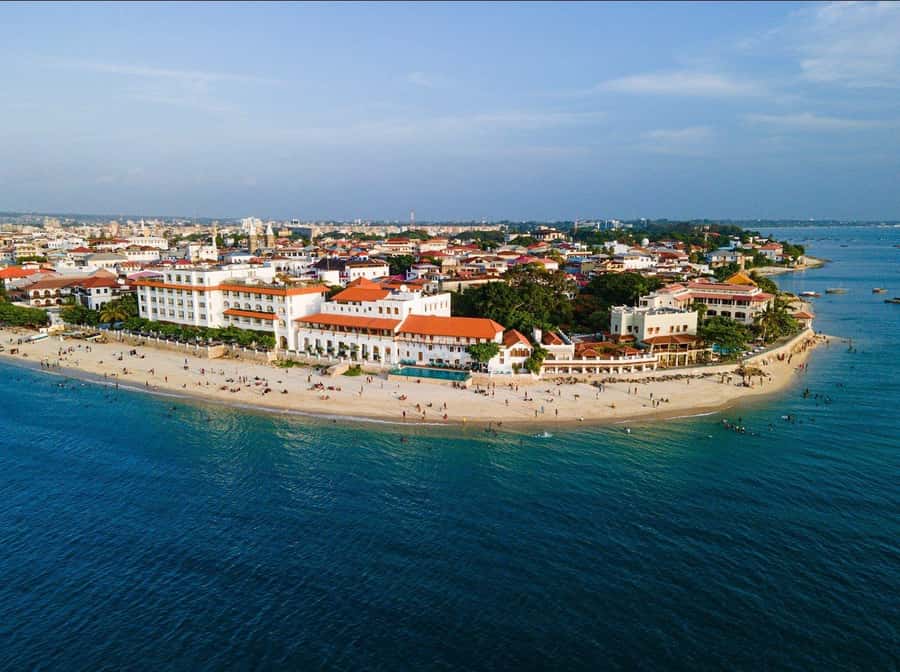
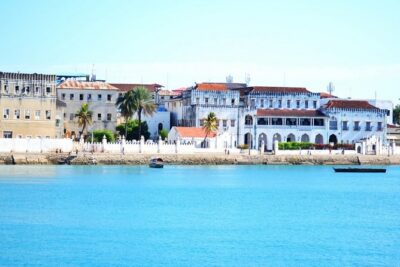
Stone Town is best understood on foot. Its narrow lanes run between tall limestone buildings, with wooden doors, balconies, market stalls, small shops, and sudden glimpses toward the waterfront.
The walking portion lasts about two hours, though the overall timing can change. Guides usually take you past the Old Fort, the Sultan’s Palace area, the Palace Museum, former Arab mansions, daily markets, and the site of the old slave market.
I would pay close attention to the doors. Zanzibari hardwood doorways often carry carved details that reflect the owner’s background, status, or trade connections. They are easy to miss if you rush from one landmark to the next, so stay close to your guide and look up as well as ahead.
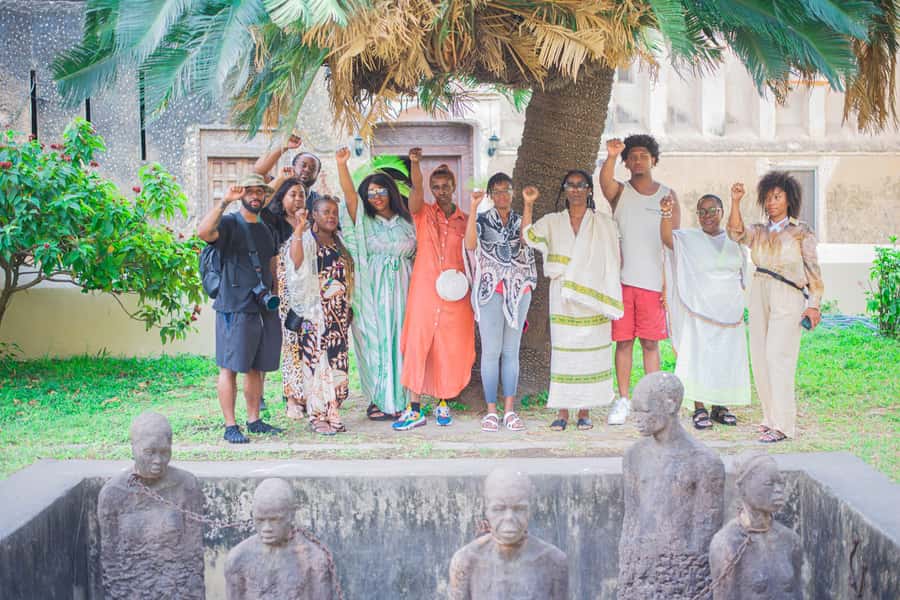
The former slave-market site is an important but painful stop. The visit gives you a clearer view of the human cost behind Zanzibar’s role in regional trade. Entry is listed as a $10 per person fee if that option is selected, so check your booking details rather than assuming it is included.
You may also pass the Old Fort and the house associated with Freddie Mercury. The fort helps anchor the city’s changing political story, while Freddie Mercury’s connection gives the walk a more modern and personal point of interest.
Stone Town is not polished in the way a museum district might be. Streets can feel crowded, and vendors may approach you, especially around shopping areas. I would treat this as part of the city’s character, but set your expectations correctly. The point is not a tidy series of monuments. It is the texture of the old port, the mix of buildings, and the stories that connect the streets.
Some people find the two-hour walk too short, especially if they want to shop or sit at a seaside cafe. Others find the compact visit just right. If Stone Town is your main interest, I would book a separate, slower walking tour. If you want a first look while also visiting the farm and Prison Island, this format works well.
Why the spice farm is often the day’s highlight

The spice farm usually receives the strongest praise, and I can see why. This is not just a drive past fields. You walk through the farm with a local guide and encounter plants by smell, touch, taste, and appearance.
Zanzibar is known as Spice Island because crops such as cloves, nutmeg, cinnamon, and other spices became central to its economy and cooking. The tour also explains that Portuguese traders introduced many spices and herbs to Zanzibar in the 16th century from colonies in South America and India.
You’ll learn about:
- Cinnamon and how its scent differs from the powder in your kitchen
- Cloves, one of Zanzibar’s best-known export crops
- Vanilla, cardamom, turmeric, black pepper, and lemongrass
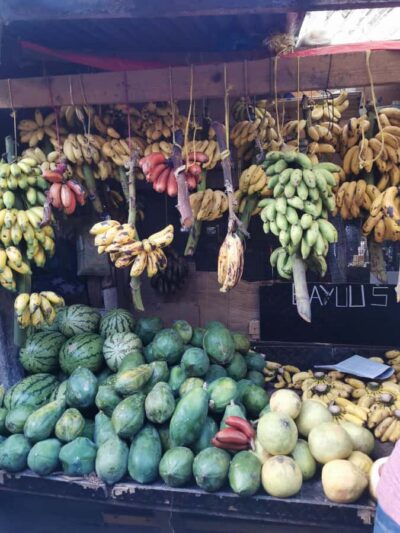
- Cassava, coconut, papaya, chili, and other local crops
- Traditional uses of spices, herbs, and fruits
- How the farm grows and presents its produce
The farm guides are often energetic and playful. Guides and assistants named Ussman, Sultan, Cappuccino, Haitham, and Azizi have helped make the walk lively, with demonstrations and answers to questions. The exact team can vary, but the experience is designed to be interactive rather than formal.
You’ll usually taste tropical fruit during the walk, then sit down to a traditional Swahili lunch. Pilau rice is specifically mentioned, and many people find the meal fresh, filling, and one of the best parts of the stop. The food shows why spices matter beyond their smell. They shape everyday dishes, not just souvenir packets.
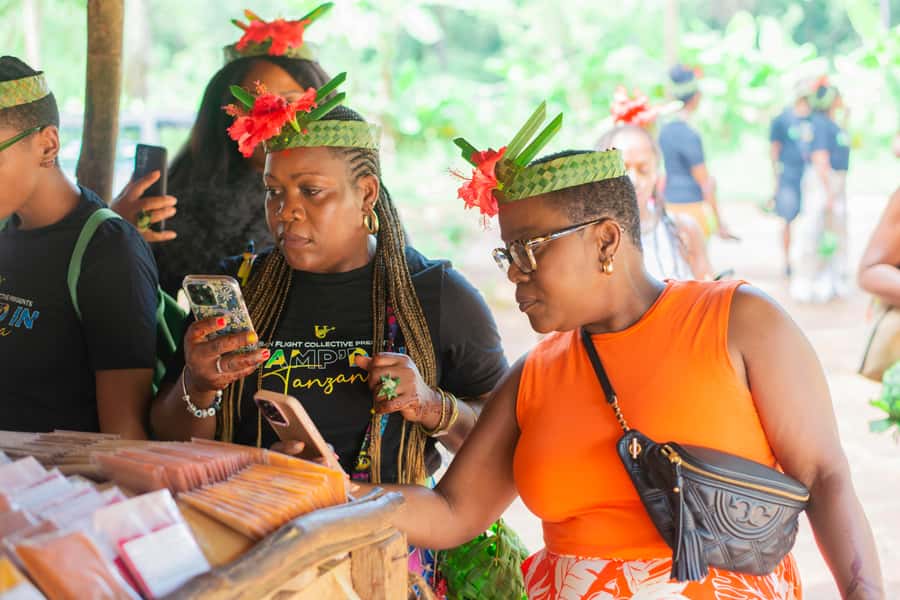
There is also a shopping element. You can buy spices, soaps, and some farm-made cosmetics directly at the site. I like the chance to take home cloves or cinnamon from the place where you learned about them, but you should know that the sales pitch can feel prominent. One family skipped lunch after finding it was not ready and mosquitoes made the wait uncomfortable, so timing and conditions may vary.
The farm portion is listed at roughly three hours, including the guided visit and lunch. Wear shoes that can handle uneven ground, and bring protection from the sun. If you want to buy anything, carry some Tanzanian shillings or small US dollar notes.
The quick boat ride to Prison Island

From Stone Town, you take a boat for about 20 minutes to Changuu, better known as Prison Island. The ride is part of the attraction, but it is not always gentle. Small boats can move fast, and the crossing may feel rough when the water is unsettled.
This is where water shoes or sturdy, non-slip footwear help. You may need to climb in and out of the boat, and the landing area can be wet. One practical point deserves attention: a past participant noted that the boat did not have safety vests. If that concerns you, ask about safety equipment before departure.
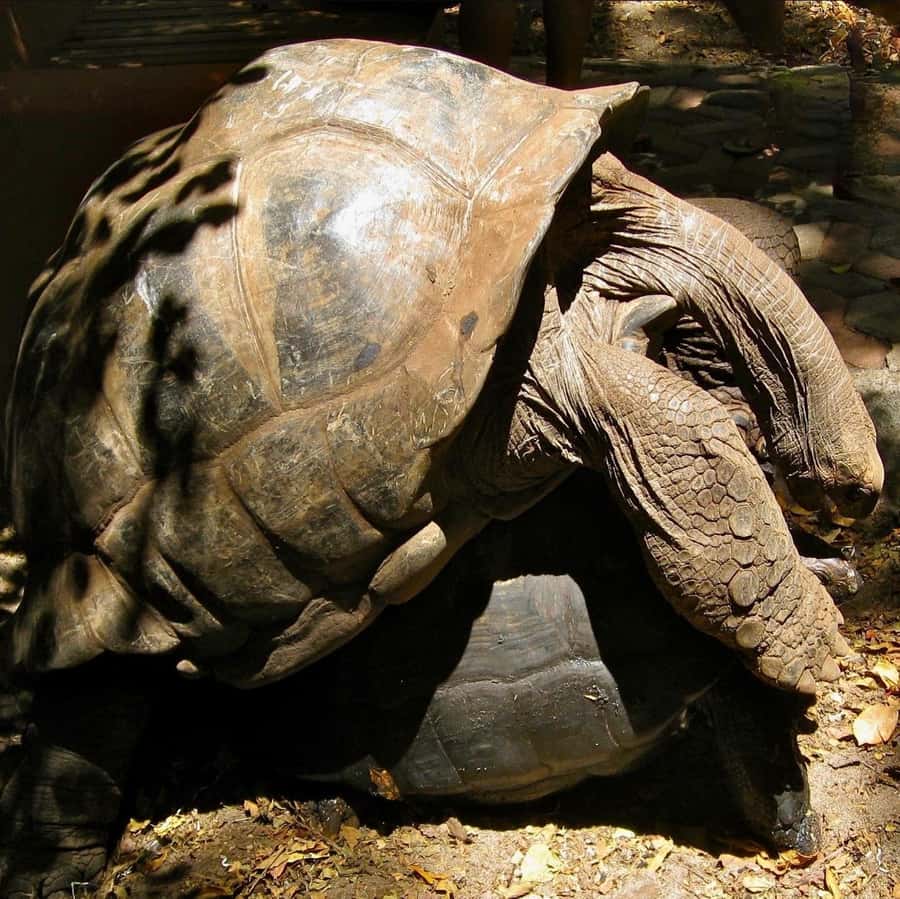
Prison Island’s main draw is its population of Aldabra giant tortoises, originally brought from the Seychelles. These are among the largest tortoises in the world. The information provided describes an oldest resident of about 200 years, with an average weight of roughly 200 kilograms and a lifespan of more than a century.
Seeing these animals close up is memorable. They move slowly, but they are not small or delicate. You can watch them graze, rest, and lumber around the sanctuary. Some are very large, and the chance to see a tortoise reported to be 123 years old has been a highlight for visitors.
The island also has a small museum and buildings tied to its past. Its name refers to its use as a prison for rebellious slaves in the 1860s, though the visit is not limited to the tortoises. Your guide should explain the island’s role in Zanzibar’s trade and colonial story.
Allow about an hour on the island. That is enough to see the tortoises, hear the main history, take photographs, and walk around, but it is not a leisurely half-day visit. The island is smaller than some people expect, and it can become crowded. If you want quiet time by the water or a slow museum visit, you may wish for more time than this schedule allows.
The return boat takes another 20 minutes. Back in Stone Town, you may pass through the city again before the vehicle takes you to your hotel.
More Prison Island trips:
- Zanzibar: Prison Island and Nakupenda Boat Trip with Lunch
★ 4.1 · 882 reviews - Zanzibar: Prison Island & Nakupenda Boat Tour with BBQ Lunch
★ 4.4 · 554 reviews - Zanzibar: Prison Island & Nakupenda Sandbank Tour with Lunch
★ 4.2 · 265 reviews - Full-Day Private Stone Town +Spice Farm and Prison Island Tour
★ 4.5 · 216 reviews
Guides make the difference
The quality of this experience depends heavily on the guide assigned to each section. The farm normally has its own local guides, while another guide may handle Stone Town and Prison Island.
Several guides have been singled out for clear storytelling and personal attention. Hassan has led visitors through both Stone Town and Prison Island, Ibrahim has been praised for explaining the city’s past, and Ali has been noted for finding good photo spots and explaining the markets and lanes. James has provided tours in excellent German, while a German-speaking guide has also been available on some departures.
This does not mean every stop will feel identical. Some people find the information repetitive because several guides explain related parts of Zanzibar’s past. Others enjoy hearing the story from different local perspectives.
If you have special interests, say so early. Ask for more detail about architecture, the slave trade, spices, food, or shopping. Private groups have more room to adjust the pace, and several guides have been willing to answer many questions and accommodate different needs.
You should also expect several staff members throughout the day: driver, main guide, farm guides, assistants, cooks, and boat crew. Carry small bills if you plan to tip. This is not a required tour cost in the information provided, but having cash avoids an awkward scramble at the end.
Transport, timing, and what the $68 covers
At $68 per person, this is good value if your booking includes the main entry fees and lunch. You are paying for hotel pickup and drop-off, a driver, an English-speaking guide, road transfers, the spice farm, the Stone Town walk, boat transportation, Prison Island, bottled water, and possibly the slave-market entry ticket.
Check the selected option carefully. Lunch, Prison Island entry, and the $10 slave-market fee are listed as included only if that option is chosen. Personal expenses are not covered, including shopping and any tips.
The advertised length is 6 to 9 hours. In practice, I would keep the entire day open. Shared hotel pickups take time, and a late start, road delays, or a relaxed private itinerary can push the return well beyond the nine-hour mark. One departure began with an earlier lobby request than expected and returned around 7 pm.
The vehicle is generally described as comfortable, with air conditioning and cold drinks available on some outings. The driver is an important part of the day because the route includes several transfers. Drivers such as Manot, Sulam, and Idi have been praised for being punctual, careful, and helpful.
If you are staying far from Stone Town, ask for the exact pickup time rather than relying only on the general start-time range. The tour is designed for hotel pickup across Zanzibar island, but your location will affect how long you spend on the road.
Who will enjoy this day most
I would choose this tour if you want a broad introduction to Zanzibar and prefer having transport and guides arranged for you. It suits first-time visitors, people on a short stay, and anyone who wants cultural sights between beach days.
It is especially good for you if:
- You want to combine city history, farming, food, and wildlife
- You enjoy asking questions and learning through a guide
- You like a full schedule with several different stops
- You want to see giant tortoises without arranging a separate boat trip
- You are comfortable walking on uneven streets and farm paths
- You value hotel pickup and a fixed route
I would think twice if you dislike long days, shopping stops, boats, or guided sightseeing. It is also not suitable for wheelchair users or people with mobility impairments, and the information specifically excludes people over 75, 80, and 95 years in its suitability notes. The repeated age limits are unclear, so ask the provider for clarification if age is relevant to your booking.
Families can enjoy the fruit tasting and tortoises, but the walking, heat, boat transfer, and full-day schedule may be tiring for very young children. One private family group traveled with a two-year-old, though the activity details do not promise child-specific equipment or arrangements.
Practical tips for a smoother day

Wear light clothing, a hat, sunglasses, and sunscreen. Bring water even though bottled water and lunch may be provided, since the day can be hot and the time between stops may vary.
Use shoes with a firm grip. Water shoes are useful for the boat, while sturdy walking shoes are better if you want support on farm paths and Stone Town’s uneven streets.
Keep your camera ready in Stone Town, but protect it from dust and crowds. At the farm, ask before picking or tasting anything, even when the guide is encouraging samples.
If you want spices or handmade soaps, bring cash. Small bills are also useful for tips. Shopping is part of the experience for many people, but you can politely decline if you are not interested.
For a shared trip, be ready at reception early and expect some waiting during hotel pickups. If you need a strict return time, a private group is the safer choice.
Should you book the Stone Town, Spice Tour, and Prison Island day?
I would book it for a first visit, especially at $68 if lunch and the listed entry fees are included. The spice farm gives you the most memorable hands-on experience, Stone Town adds essential context, and Prison Island supplies the day’s most unusual wildlife encounter.
I would not book it expecting three deep, unhurried tours. Stone Town receives only a short visit, Prison Island can feel crowded or rushed, and the day may run longer than advertised. If you have several days in Zanzibar, consider giving Stone Town its own slower day and using this outing for the farm and island.
For most people, the combination is worth the effort. You’ll leave with a better sense of Zanzibar’s food, architecture, trade, difficult past, and natural attractions, all in one well-filled day.
FAQ
Where does the tour take place?
The experience takes place on Unguja, Zanzibar’s main island, with visits to Stone Town, a private spice farm, and Prison Island, also called Changuu.
How long does the experience last?
The stated duration is 6 to 9 hours. You should keep the full day free because hotel pickups, shared transport, and delays can make the outing longer.
Is hotel pickup included?
Yes. Hotel pickup and drop-off are available on Zanzibar island. Wait at your hotel reception and be ready five minutes before departure.
What language is the tour offered in?
The listed live guide language is English. Some departures have also provided guides in German or Polish, but you should confirm the language available for your date.
Is lunch included?
Lunch is included if you choose the option that includes it. The meal is served at the spice farm and is described as traditional Swahili food, including pilau rice on some departures.
Are entry fees included?
Entry tickets depend on the option selected. Prison Island entry and the $10 per person slave-market entry fee are specifically listed as included only with the relevant option.
What will I see at the spice farm?
You’ll learn about and sample crops including cinnamon, cloves, vanilla, turmeric, cardamom, black pepper, lemongrass, coconut, papaya, chili, cassava, and nutmeg.
What animals will I see on Prison Island?
The main animals are Aldabra giant tortoises brought from the Seychelles. The sanctuary includes very old tortoises, with one described as about 200 years old.
Is the boat ride to Prison Island long?
The boat crossing takes about 20 minutes each way. Small boats can travel quickly, and the ride may feel rough when conditions are choppy.
What should I bring?
Bring sunglasses, a hat, sunscreen, extra water, and water shoes or sturdy non-slip footwear. Small bills are useful for tips and personal purchases.
More lunch stops in Zanzibar
- Mnemba Island: Dolphin Swim & Snorkeling with Optional Lunch
★ 4.3 · 591 reviews - Zanzibar: Safari Blue Lagoon Trip with Snorkeling and Lunch
★ 4.5 · 336 reviews - Zanzibar: Prison Island and Nakupenda Sandbank With Lunch
★ 4.2 · 208 reviews - Zanzibar: Mnemba island Snorkeling & Boat Tour with Lunch
★ 4.3 · 132 reviews
More spice farm mornings
- Spice Tour + Stone Town Tour + Prison Island
★ 4.5 · 130 reviews - Zanzibar: Spice Tour & Stone Town Walking Tour
★ 4.8 · 115 reviews - Zanzibar: Stone Town & Spice Farm Tour with Lunch
★ 4.5 · 97 reviews - Zanzibar: The Swahili Spice Experience – Spice Tour + Culinary Journey
★ 4.7 · 96 reviews
Newly listed around Zanzibar
- Zanzibar: Nungwi/Kendwa Beach Sunset Dhow Cruise with Fruits★ 3.4 · 3 reviews
- Prison Island, Sea Turtles, Rock Restaurant & Relax in Beach★ 4.6 · 3 reviews
- Starfish Beach; The Rock; Kuza Cave; Paje Beach; Salaam Cave Tour★ 4.5 · 3 reviews
- Zanzibar: Half-Day Spice Farm Tour,the flavours of Zanzibar★ 4.7 · 3 reviews
- Joazani forest & Spice farm with lunch★ 5.0 · 3 reviews
- Nakupenda Island Snorkeling Sea trip & Lunch W/Transfer -Zanzibar★ 4.0 · 3 reviews
- Mnemba Island Snorkeling and Dolphin tour★ 5.0 · 3 reviews
- Zanzibar:Jozani forest, Spice farm with Swahili Cuisine clas★ 4.2 · 3 reviews
Stone Town Tours, compared.

Full-Day Private Stone Town +Spice Farm and Prison Island Tour
Read our review →

Browse the lists this tour appears in