

Reviewed · STONE TOWN TOURS
Stone Town Private Walking Tour
Stone Town is easiest to understand from inside its maze of narrow lanes, where carved doors, old forts, markets, churches, mosques, and former palaces sit close together. This private walk gives you a local guide focused on your group, rather than a large crowd trying to keep up.
I like the chance to get your bearings on your first day and the freedom to ask questions or slow down at places that interest you. I also like the practical local advice about food, tuk-tuks, shopping, and places to visit later. The main drawback is time: two hours provides a useful introduction, not a full study of Stone Town.
Key points to know before booking

- Private attention: Only your group takes part, so the pace and questions can be tailored to you.
- A maze made manageable: The walk helps you find major sights among Stone Town’s tight, twisting streets.
- Important historic sites: The route can include the Old Fort, former slave market, House of Wonders, Palace Museum, markets, baths, cathedrals, and Freddie Mercury’s former home.
- Strong guide feedback: Mohammed, Mohammed O. Mohamed, Imran, and Ally Jape are praised for clear explanations, patience, humor, and personal service.
- Good first-day value: At $26.23 per person, the tour is reasonably priced if you want orientation, history, and local suggestions in one short outing.
- Plan around the details: The tour starts in Stone Town, hotel pickup must be requested in advance, and cancellation is free up to 24 hours before departure.
Why Stone Town makes a good walking tour
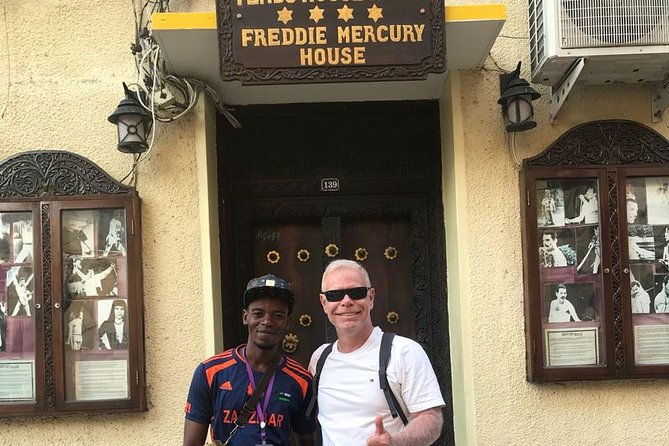
Stone Town is not a place you understand well from a car window. Its historic center is a network of narrow streets and lanes, with more than 2,000 limestone buildings spread across about 50 hectares. The streets can feel confusing at first, and many landmarks are easy to pass without knowing what you are looking at.
That is where a private guide earns the fee. You are not simply following a flag through town. You can stop to ask why a doorway is decorated in a certain way, how Zanzibar’s communities shaped the city, or where to return for lunch.
Stone Town was designated a UNESCO World Heritage Site in 2000. Its character comes from several cultures meeting over time, including African, Arab, Indian, Persian, and European influences. You see that mix in the architecture, religious buildings, market life, and stories connected with trade and slavery.
I would book this early in your Zanzibar stay. The tour is often reserved around 22 days ahead, and its best use is as an orientation walk. After two hours with a guide, you should have a better sense of where the waterfront, markets, forts, museums, and main lanes fit together.
More Walking Tours in Zanzibar
- Zanzibar: 3 Hours Private Stone Town walking Tour with Guide
★ 4.6 · 301 reviews - Zanzibar: Stone Town Historical Cultural Walking Guided Tour
★ 4.5 · 179 reviews - Stonetown: Food Markets and Street Food Walking Tour
★ 4.7 · 151 reviews
Starting at the Zanzibar Tourist Information Center
The listed meeting point is the Zanzibar Tourist Information Center on Mizingani Road. The walk ends back at the same meeting point, which makes planning simple if you are staying nearby or arranging your own transport.
Pickup from hotels in Stone Town is available, but you need to request it and send a message in advance. Transfers from other parts of Zanzibar are not included, and the tour begins in Stone Town. If you are staying elsewhere on the island, allow extra time and cost for reaching the starting point.
The private format matters here. A large group can make a narrow lane feel even tighter, while a private group can move at a more natural pace. You can ask for more history, spend longer at the market, or move along if shopping is not your main goal.
The experience lasts about two hours. Wear comfortable shoes and expect to spend the whole time on foot. The description says most people can participate, but it does not give detailed accessibility information, so ask the operator about your specific needs before booking.
Old Fort and the first lesson in Zanzibar’s past
The Old Fort is one of the natural early stops. It gives the walk a solid starting point because your guide can explain the island’s past before you move into the lanes and markets.
The fort is also a useful reference point for Stone Town. Once you know where it sits, it becomes easier to understand the relationship between the waterfront and the historic center. The tour uses the fort as more than a photo stop, with an introduction to Zanzibar’s history and religion.
A good guide can make this opening section work for both first-time visitors and people who already know something about the island. Mohammed, Imran, and Ally Jape are specifically praised for answering questions and adding personal commentary rather than reciting only dates.
Keep your expectations in check. Two hours cannot explain every period of Zanzibar’s past. If you have a strong interest in history, use the tour as a framework and continue learning at the museums or historic sites afterward.
Former slave market and Anglican Cathedral

The Anglican Cathedral occupies the site of the former slave market, making it one of the most serious stops on the walk. This part of Stone Town’s story deserves time and care, not a quick photograph.
The tour can include the cathedral and the slave market museum. You may hear about the slave trade, abolition, religion, and the different powers involved in Zanzibar’s history. The stop can be emotionally difficult, but it connects the city’s buildings with the people and events behind them.
The presentation may feel introductory. One account found the museum too polished and too focused on the British role in ending slavery. That is a useful warning: the site is important, but you should not expect a complete treatment of a complex subject in a short guided visit.
I still consider this a worthwhile part of the walk. Seeing the location and hearing the history in the place where it happened gives the subject more weight than reading a brief paragraph in a guidebook. Listen carefully, ask questions, and leave room for the subject’s seriousness.
More Stone Town walks:
- Zanzibar: Stone Town, Spice Tour, Prison Island with Lunch
★ 4.4 · 1,219 reviews - Zanzibar: Prison Island, Stone Town, & Spice Farm Tour
★ 4.5 · 579 reviews - Zanzibar; Prison Island, Nakupenda, StoneTown Tour with BBQ
★ 4.3 · 457 reviews - Zanzibar: Stone Town, Spice tour & Prison Island with Lunch
★ 4.6 · 453 reviews
Doors, lanes, and the everyday architecture of Stone Town

Stone Town’s doors are among its most memorable details. Many are large, carved, and carefully decorated, and a guide can point out how their designs reflect the city’s cultural influences and the status or identity of the people who lived behind them.
Without explanation, you might simply see attractive old doors. With Mohammed or another good guide, you can learn to look for patterns and details that turn them into clues about Stone Town’s past.
The narrow streets are just as important. They reveal the daily side of the old quarter: people moving through tight passages, small shops, old walls, and buildings showing different levels of care. One reason I like this walk is that it joins major monuments to ordinary street life.
The architecture is not perfectly preserved. Imran is praised for discussing current challenges tied to maintaining Stone Town’s buildings and keeping the old city livable. That adds useful context. This is not a frozen museum district. It is a working part of Zanzibar City, with residents, businesses, religious buildings, and ongoing pressure on old structures.
House of Wonders, Palace Museum, and Hamamni Baths
The route can also pass the House of Wonders, the Palace Museum, and Hamamni Baths. These sites help fill out the story beyond the slave trade and colonial period.
The House of Wonders is described as the national museum. The Palace Museum adds another view of Zanzibar’s ruling families and court life, while Hamamni Baths show a different part of historic urban life.
Admission tickets are listed as free for the two-hour Stone Town stop. Still, the tour information does not promise entry into every building at every departure, so treat the route as a guided overview of the sites rather than a museum tour with guaranteed interior visits.
This distinction matters. If you want to spend a long time inside a museum, the private walk may feel too quick. If you want to identify the buildings and decide where to return later, the format works well.
Markets, cathedrals, and local advice
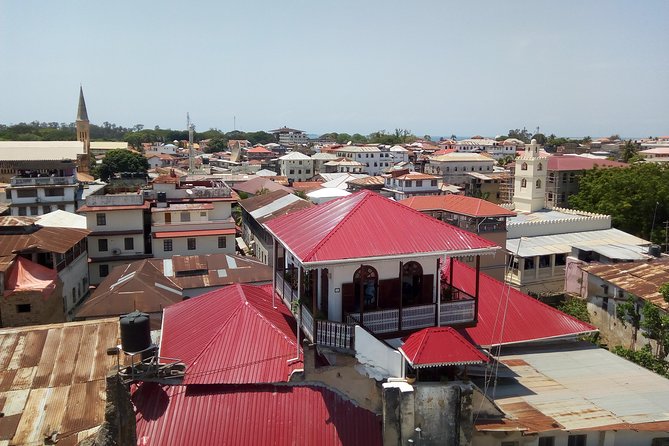
Darajani Market brings a more immediate, everyday side of Stone Town. It is a place to see food, spices, and other goods moving through the city, and the guide can explain what you are seeing rather than leaving you to guess.
The fish market auction is described as a particularly interesting moment. Market conditions can be busy and noisy, so stay close to your guide and keep your belongings secure. The walk is not simply a string of old buildings. It also shows how Stone Town functions now.
The route may include both the Catholic Cathedral and the Anglican Cathedral. Seeing different religious buildings helps explain the city’s mixed cultural character. Your guide can place these sites within Zanzibar’s wider religious and social story.
The practical advice is another strong point. Guides have helped visitors choose lunch at Lukmaan, arrange a tuk-tuk, bargain a little for souvenirs, and decide where to eat or drink later. That kind of help can save you time, especially on your first day.
At the same time, pay attention to the guide’s focus. Two lower-scoring assessments felt the walk leaned too much toward shopping and did not provide enough historical detail. If you want a serious history walk, say so clearly at the beginning. The private format gives you a better chance of shaping the emphasis.
Freddie Mercury’s former home and the tour’s personal side
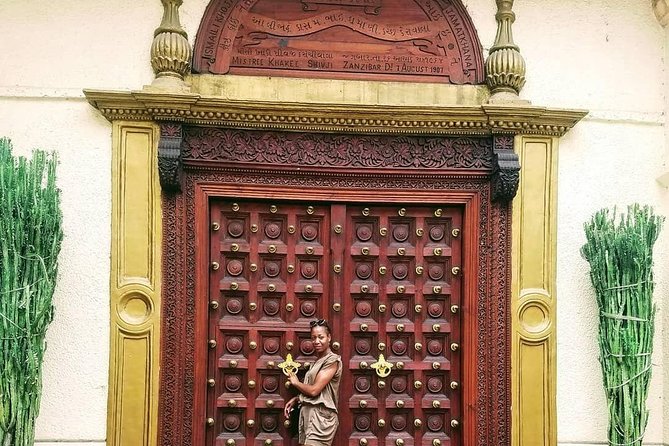
Freddie Mercury’s former home is an unexpected stop for many people. The house connects Stone Town with a globally famous musician and gives the walk a modern cultural detail alongside its older monuments.
It may be a quick exterior stop rather than a full museum visit, so do not book this tour mainly for a Freddie Mercury attraction. It works better as one small part of a wider introduction to the city.
The private guide also gives you room for conversation. Ally Jape is praised for sharing informed opinions as well as factual explanations, while Mohammed is praised for humor, patience, and a friendly manner. Imran is described as articulate and passionate, with insight into both the city’s long past and its present-day problems.
Guide quality will shape your experience more than any single landmark. The tour provider is Zanzibar Walks, and guide assignments can vary. Names such as Mohammed, Mohammed O. Mohamed, Imran, and Ally Jape appear in the supplied experience information, but you should not assume one particular person will lead your departure unless the operator confirms it.
What $26.23 buys you
At $26.23 per person, this is a fair price for a private two-hour introduction, especially if you are traveling alone or with a small group. You are paying for a professional guide, private attention, orientation, and local suggestions, not for transport across the island or a meal.
The value improves if you use the walk as a starting point. Ask where to return, which sites deserve more time, and where to eat. A guide who helps you find Lukmaan or arrange a tuk-tuk can add practical value beyond the official route.
Group discounts are available, though the exact price depends on the group size and booking terms. For a larger party, compare the total cost with a shared tour. The private option is most appealing when you care about questions, pace, and personal attention.
Food, drinks, tips, personal purchases, and transfers from other parts of the island are not included. The tour itself lists admission as free, but do not assume every optional interior visit or activity outside the walk is covered.
The drawbacks to consider
The biggest limitation is the short duration. Stone Town has enough history and architecture for several days of slow exploring, while this walk gives you only about two hours. You will see many important areas, but some stops will receive only an introduction.
The city itself may not match every visitor’s expectations. One less enthusiastic assessment found the streets, doors, and fish auction worthwhile but felt the overall town was less interesting than expected. Stone Town can also feel very busy, especially around the market, and the old buildings are not all in perfect condition.
The shopping issue is worth addressing before you start. Some guides may take you toward souvenir shops or shopping areas, which can be useful if you want gifts but frustrating if you prefer uninterrupted history. Tell your guide what you want from the walk.
There was also an administrative failure reported by one person who was not met at the agreed time and could not initially reach the listed phone number. An email response led to a guide arriving at the hotel within minutes, but the incident shows why you should confirm the meeting details and contact the operator before setting out.
A separate missed tour followed a date-change request that received no reply. Do not assume a change is accepted until you have written confirmation. Free cancellation applies up to 24 hours before the start time, while changes or cancellations inside 24 hours are not accepted and are not refunded. Poor weather can lead to a new date or a full refund.
Who should book this Stone Town walk?
I would choose this tour for a first visit, a short stay, or a first morning after arriving in Zanzibar. It is especially useful if you want a local explanation of the city before exploring alone.
It also suits solo visitors. A private guide can make the city easier to navigate, and you do not need to form your own group. Families and small groups may also value the ability to adjust the pace.
History-minded visitors should book it with realistic expectations. You will get a useful introduction to slavery, religion, architecture, trade, and Zanzibar’s cultural mixture, but not a full academic treatment. Ask for more history and less shopping if that is your priority.
If you dislike walking in busy old cities, have limited mobility, or want a long museum visit, this may not be your best match. The tour stays in Stone Town, lasts two hours, and focuses on seeing many places rather than exploring one site in depth.
My advice on booking
Book this Stone Town private walking tour if you want an affordable, flexible orientation with a local guide. The strongest parts are the private format, the help with the city’s confusing layout, and the chance to connect famous landmarks with daily life.
I would reserve it early, request hotel pickup in writing if needed, and send a message confirming the time and meeting point. At the start, tell your guide whether you want history, architecture, food advice, shopping, or a balanced mix.
Skip it if your main goal is a long museum visit or a specialized study of Zanzibar’s past. For most first-time visitors, though, $26.23 buys a useful first look at Stone Town and a better sense of where to go next.
FAQ
Where does the Stone Town walking tour start?
The listed starting point is the Zanzibar Tourist Information Center on Mizingani Road in Zanzibar, Tanzania.
Where does the tour finish?
The activity ends back at the meeting point.
How long does the walking tour last?
The tour lasts approximately two hours.
Is this a private tour?
Yes. Only your group participates in the activity.
Is hotel pickup available?
Pickup is available from hotels in Stone Town, but you must request it and send a message in advance.
Are transfers from other parts of Zanzibar included?
No. Transfers from other parts of the island are not included, and the tour starts in Stone Town.
What is included in the price?
The price includes a professional tour guide. Food, drinks, gratuities, personal expenses, and transfers from elsewhere on the island are not included.
Can I cancel for a full refund?
Yes. You can cancel at least 24 hours before the local start time for a full refund. Cancellations or changes made less than 24 hours before the start time are not accepted and are not refunded. If poor weather cancels the experience, you are offered another date or a full refund.
Newly listed around Zanzibar
- Zanzibar: Nungwi/Kendwa Beach Sunset Dhow Cruise with Fruits★ 3.4 · 3 reviews
- Prison Island, Sea Turtles, Rock Restaurant & Relax in Beach★ 4.6 · 3 reviews
- Starfish Beach; The Rock; Kuza Cave; Paje Beach; Salaam Cave Tour★ 4.5 · 3 reviews
- Zanzibar: Half-Day Spice Farm Tour,the flavours of Zanzibar★ 4.7 · 3 reviews
- Joazani forest & Spice farm with lunch★ 5.0 · 3 reviews
- Nakupenda Island Snorkeling Sea trip & Lunch W/Transfer -Zanzibar★ 4.0 · 3 reviews
- Mnemba Island Snorkeling and Dolphin tour★ 5.0 · 3 reviews
- Zanzibar:Jozani forest, Spice farm with Swahili Cuisine clas★ 4.2 · 3 reviews
Stone Town Tours, compared.




Full-Day Private Stone Town +Spice Farm and Prison Island Tour
Read our review →

Browse the lists this tour appears in