

Reviewed · MOSHI & KILIMANJARO TOURS
Moshi Town: Walking Tour: Theme Urban lifestyle
Moshi reveals itself best on foot, and this $20 walking tour takes you beyond the usual Kilimanjaro gateway. You move from food stalls and handmade Makonde art to the old train station, bus stand, and KNCU, seeing how ordinary work, trade, transport, and coffee shaped the town.
I like the small groups of up to 10, which should make it easier to ask questions and speak with people along the way. I also like the mix of stops: the market brings daily life close, while KNCU and the train station give the town a useful historical frame.
The main caution is reliability. One verified booking reported that the guide did not arrive and that a refund request had not yet received a reply, so confirm your meeting time before setting out. The two-hour walk also calls for a moderate level of fitness in Moshi’s sun.
Key points to know before you go
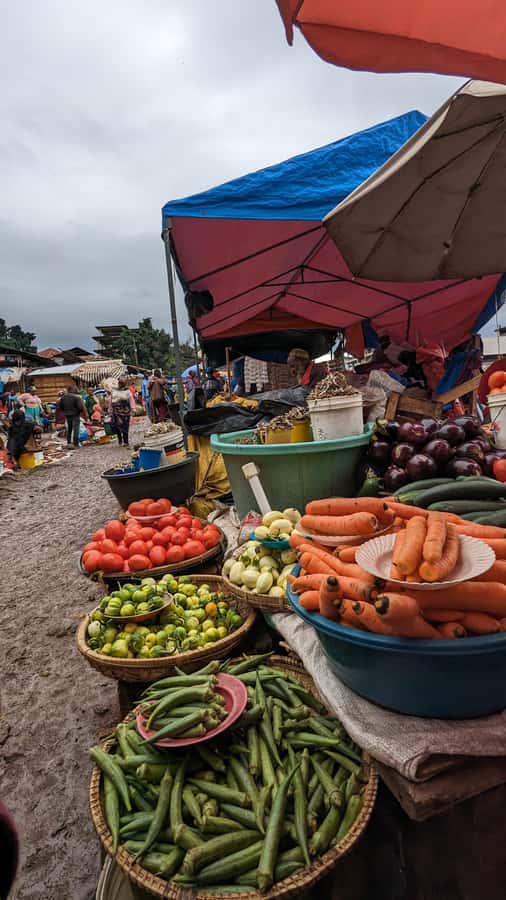
- Mbuyuni Market brings local trade into view: Expect fruits, vegetables, snacks, and a look at how food changes hands in Moshi.
- Makonde art gives the walk a creative stop: The Tinga Tinga Artist Cooperative offers paintings, carvings, and souvenirs made by local artists.
- The old train station connects Moshi to its past: You get historical stories while seeing a place that has returned to active use.
- The bus stand explains daily movement: Your guide covers local routes and regional connections, a useful introduction if you plan to travel around Tanzania.
- KNCU adds the coffee story: The Kilimanjaro Native Cooperative Union helps explain Moshi’s cooperative and economic life.
- Pickup keeps the start simple: You can request pickup at a hotel or hostel, or meet at Coffee Union Cafe or KNCU.
Moshi on foot, from art to everyday trade
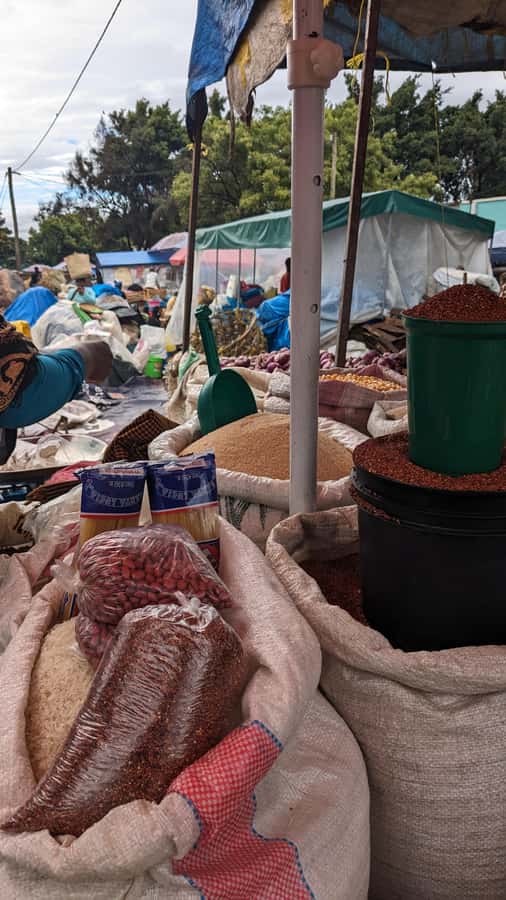
This tour works because it treats Moshi as a living town rather than a waiting room for a Kilimanjaro climb. In two hours, you see places where people create, sell, travel, organize, and eat.
Your guide speaks English or Swahili and leads the walk in a small group. The route has several thirty-minute sections, along with shorter visits at the train station and KNCU. That pace gives you time to look around without turning every stop into a long lecture.
I would use this walk near the beginning of a Moshi stay. It can help you understand the town’s layout, find the main transport point, and get a feel for local food and shopping before you head into the mountains or continue elsewhere in Tanzania.
More Walking Tours in Moshi & Kilimanjaro:
- Kilimanjaro: Village Walk, Coffee Tour, Waterfall, and Lunch
★ 4.5 · 56 reviews - 9 Days 8 Nights Walking Safari
★ 5.0 · 11 reviews - Walking Day Tour to Safari in Arusha National Park
★ 5.0 · 5 reviews
Starting at Coffee Union Cafe or KNCU
You have two central meeting choices: Coffee Union Cafe or KNCU. If you are comfortable finding your way through town, meeting at one of these points is direct. If not, pickup can be arranged from your hotel, hostel, or another chosen location.
That pickup option matters because a walking tour loses some of its appeal if you spend the first part worrying about directions. Confirm the exact meeting point and time ahead of the day, especially given the report of one missed pickup.
The tour ends at either KNCU or Coffee Union Cafe. This makes the route tidy, but it also means you should plan any later transport or meal from one of those two places.
Tinga Tinga Artist Cooperative: paintings, carvings, and local craft
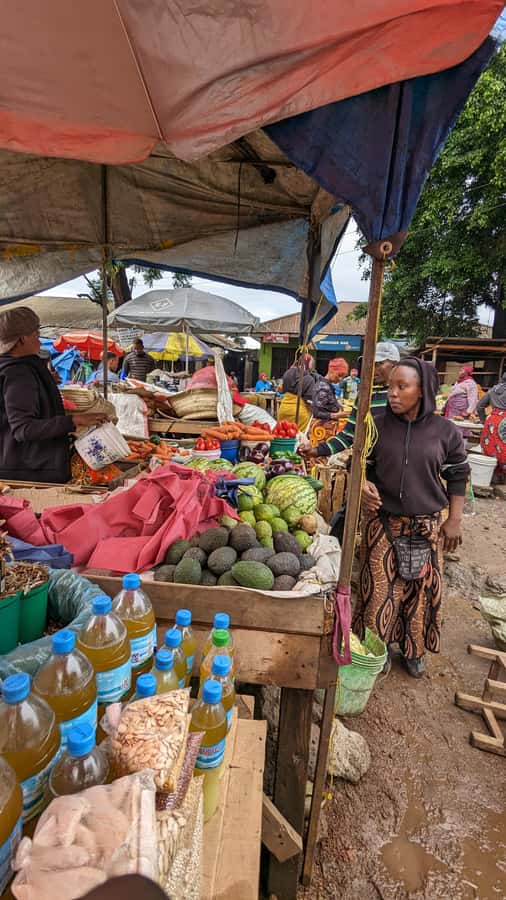
The first listed stop is the Tinga Tinga Artist Cooperative, with about 30 minutes for a visit and walk. This is the artistic side of the route, with paintings, carvings, and souvenirs, including Makonde-style work.
You can expect a chance to see handmade pieces and speak with artists or sellers about what they make. The value here is not simply shopping. Art gives you another way to read local culture, especially through repeated forms, colors, and subjects that may not be explained in a standard town tour.
You also have the option to buy something. I would set a budget before entering the market, then take time to compare pieces rather than feeling rushed into a purchase. The activity includes the opportunity to shop, but it does not say that artwork is included in the $20 price.
The stop may appeal most to you if you want a souvenir with a direct connection to the place you visited. If you are not interested in buying art, the cooperative still gives the walk variety and lets you see an active creative trade.
The train station and Moshi’s changing fortunes
The old train station receives about 20 minutes. It was once dormant and is now active again, making it a useful place to consider how Moshi has changed over time.
Your guide provides historical context and stories at the station. I like this stop because it gives the town a physical marker of movement and development. Markets show Moshi’s daily rhythm, while the station points to wider links beyond town.
Twenty minutes is enough for a concise introduction, not a full railway history. You should expect a short, focused visit rather than an extended museum-style tour.
For anyone interested in how towns grow, this may be one of the more useful stops. It links the local streets to transport, commerce, and the changes that have shaped Moshi.
A few more Moshi & Kilimanjaro days to compare
- Kilimanjaro climb by Lemosho Route (7-day)
★ 5.0 · 651 reviews - Safari Serengeti And Ngorongoro
★ 5.0 · 288 reviews - Kilimanjaro climb, Machame Route (7-day)
★ 5.0 · 262 reviews - Kilimanjaro Climbing Lemosho Route 8 Days.
★ 5.0 · 186 reviews
Mbuyuni Market: food, bargaining, and the daily economy
The walk then reaches Mbuyuni Market for roughly 30 minutes. Here you see fruits and vegetables, local commerce, and the practical work of buying and selling food.
The tour includes sampling local fruits and snacks at the market. That small detail makes the stop more than a pass through stalls. You can use your senses, ask questions, and see which foods are part of ordinary life in Moshi.
Markets also demand a little awareness. Keep your belongings secure, follow your guide’s lead, and ask before photographing people or goods. The supplied information does not promise a private tasting or a set menu, so think of this as a brief introduction rather than a food tour.
There is an important pricing wrinkle. Traditional Moshi dishes and beverages are described as included in one part of the activity details, but they are also listed as not included. I would confirm exactly what food or drink is covered before booking, particularly if tasting local dishes is a main reason for choosing the walk.
Moshi Bus Stand: the town’s practical nerve center
The route spends about 30 minutes at Moshi Bus Stand. Instead of treating transport as background noise, the guide explains how local routes and regional connections work.
This is useful even if you have no bus journey planned. The bus system helps you understand how people move between Moshi and other parts of the area. If you do plan to continue by bus, the explanation may help you recognize the difference between a local route and a longer connection.
The stop is practical rather than scenic. You may find it noisy or crowded, and the information provided does not promise assistance with purchasing a ticket or arranging onward transport. What you receive is an orientation to how the system works.
I appreciate this kind of stop because it deals with a real need. A landmark can be memorable, but knowing how a town’s transport operates can be more useful during the rest of your stay.
KNCU and the coffee connection
The final main stop is KNCU, the Kilimanjaro Native Cooperative Union. The visit includes a ten-minute break and an explanation of the union’s history and importance to Moshi’s social and economic life.
KNCU is a valuable counterpoint to the market. At Mbuyuni, you see small-scale daily trade. At KNCU, you learn about cooperation and the wider organization connected with coffee and local livelihoods.
The activity information also refers to an entrance fee for a coffee curing industry in Moshi Town. That fee is not included. Do not assume this two-hour walk automatically includes entry into the curing facility, since the stated route and the fee note are separate.
The short KNCU stop means you should expect an overview, not an extended coffee-industry tour. If coffee production is your main interest, ask in advance whether the curing industry visit is part of your chosen booking and what extra charge applies.
What the $20 price really buys you
At $20 per person, this is priced as an accessible introduction to Moshi rather than a specialist food, coffee, or art tour. I think the value is strongest if you want a local guide to connect several ordinary places into one clear story.
You are paying for a guided route, local interaction, market sampling, historical explanations, transport orientation, and the convenience of pickup. The small-group limit of 10 also matters. It should give you more room to ask questions than a large coach group, although the actual feel depends on how many people book that day.
The price does not cover artwork purchases. It also does not cover the coffee curing industry entrance fee, and the information about traditional dishes and beverages is contradictory. Confirm that point before you rely on included food.
For a first look at Moshi, $20 is reasonable. I would choose it for context and orientation, not because it replaces a full coffee tour, a dedicated food walk, or a long art-shopping session.
Timing, heat, and walking comfort
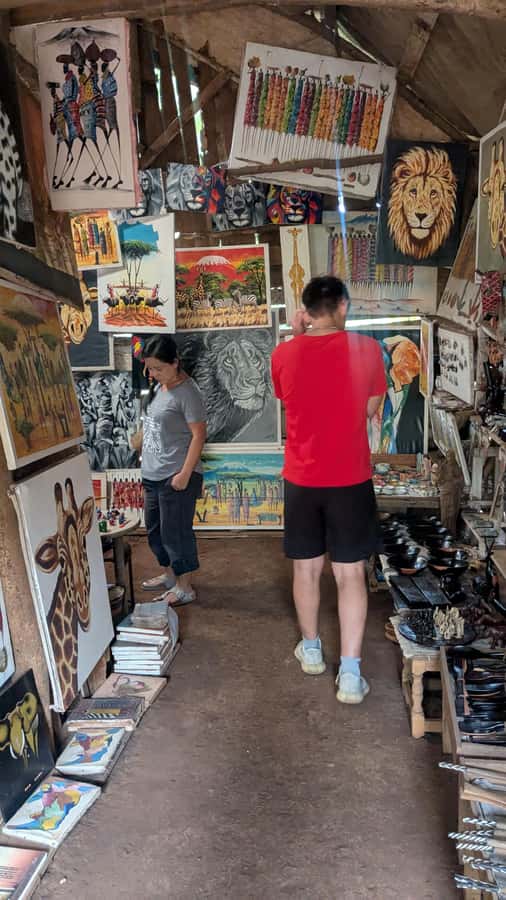
The advertised duration is two hours, but the route involves two hours or more of walking and calls for moderate fitness. The schedule includes 30 minutes at the art cooperative, 20 minutes at the train station, 30 minutes at Mbuyuni Market, 30 minutes at the bus stand, and a 10-minute break at KNCU.
That adds up to more than two hours if every section runs at its full stated length, so leave extra time in your day. Delays can also happen when a guide is explaining local transport or when you stop to speak with people.
Bring sunglasses and sunscreen. The activity details do not specify a water provision, so I would ask about that before departure and plan sensibly for a walk in the sun.
Children under five are not accepted. The tour is wheelchair accessible, but you should still confirm the route details if you need specific mobility support, since this is an urban walk through markets, streets, and transport areas.
The guide can shape the whole visit
The strongest personal feedback points to the guide’s welcome and the tour’s broad introduction to Moshi. James is specifically named as warm and welcoming, and the positive account describes an enjoyable couple of hours with a good all-round look at local culture and people.
That matches the structure of the route. This is not only a sequence of buildings. Its success depends on how well the guide explains what you are seeing, introduces local viewpoints, and helps you understand the links between food, art, transport, and coffee.
At the same time, the no-show report is serious. A missed tour is not a small flaw when you have arranged your day around a fixed walking route. Because the overall posted score is 3.1 from four bookings, I would contact the provider before the date, confirm pickup in writing if possible, and keep the meeting details handy.
The activity offers free cancellation up to 24 hours before departure and a reserve-now, pay-later option. Those terms reduce some booking risk, but they do not remove the need to verify that the guide will meet you.
Who will get the most from this walk
I would recommend this for you if you want a short, human-scale introduction to Moshi before a climb or a longer stay. It suits people who enjoy markets, local transport, handmade art, and the small details of daily town life more than grand monuments.
It also works well if you want to ask questions in English or Swahili and prefer a small group. The pickup option helps if you are staying away from the two central meeting points.
I would be more cautious if you want a polished sightseeing circuit with guaranteed food tastings, a full coffee-factory visit, or a detailed art workshop. The walk offers introductions to those subjects, but not a full specialist program.
It may also be a poor fit if you dislike walking in the heat or need a tightly timed schedule. The route is active, and its value comes from moving through real working parts of town.
Should you book the Moshi urban lifestyle walk?
Book it if you want to understand Moshi through its markets, makers, transport, and cooperative history. At $20, the route offers a fair amount of local context, especially with pickup, a small group, fruit and snack sampling, and a guide such as James who can make the town feel approachable.
Before paying, confirm three points: your exact pickup time, whether traditional dishes and beverages are included, and whether the coffee curing industry entrance is separate. If those details are clear and you are comfortable with a two-hour walk, this is a useful first morning or afternoon in Moshi.
I would not book it solely for coffee, cuisine, or art. For those interests, you may want a more focused activity. Choose this walk for the connections between Moshi’s everyday places, and it can give you a practical start to the town.
FAQ
How long does the Moshi walking tour last?
The advertised duration is two hours, and the activity notes that it involves two hours or more of walking. Leave some extra time because the listed stop lengths may make the visit run beyond two hours.
How much does the tour cost?
The price is $20 per person.
Where can the tour begin?
You can meet at Coffee Union Cafe or KNCU. Pickup can also be arranged from your hotel, hostel, or another chosen location.
Where does the tour end?
The drop-off points are KNCU and Coffee Union Cafe.
What places does the walking tour visit?
The route includes the Tinga Tinga Artist Cooperative, the train station, Mbuyuni Market, Moshi Bus Stand, and KNCU.
What languages does the guide speak?
The live guide is available in English and Swahili.
Is the tour suitable for wheelchair users?
The activity is listed as wheelchair accessible. Because it is a walking route through markets, streets, and transport areas, confirm any specific access needs before booking.
Is food included?
Local fruit and snack sampling at the food market is included. Traditional Moshi dishes and beverages are described both as included and not included, so confirm the exact food arrangements before booking.
Can I cancel the booking?
You can cancel up to 24 hours in advance for a full refund. The activity also offers reserve now and pay later booking.
Newly listed around Moshi & Kilimanjaro
- Climb Mount Kilimanjaro: 7 Days Machame Route★ 5.0 · 3 reviews
- 6 Days Mount Kilimanjaro Climbing via Rongai Route★ 5.0 · 3 reviews
- Explore 1 day Ngorongoro Crater Budget Group Safari from Arusha★ 5.0 · 3 reviews
- Mt. Kilimanjaro Day Hiking★ 5.0 · 3 reviews
- Chemka (Kikuletwa) Hot Springs, Tanzania★ 5.0 · 3 reviews
- Guided City tour of Moshi★ 4.3 · 3 reviews
- 8 Day Tanzania Family Safari★ 5.0 · 3 reviews
- Serengeti Safari with Sirikwa Travel★ 5.0 · 3 reviews
Moshi & Kilimanjaro Tours, compared.








Browse the lists this tour appears in