
Reviewed · KILIMANJARO CLIMBS
Top 6 Days Mt. Kilimanjaro Bike trek Tour by Marangu-Kilema Route
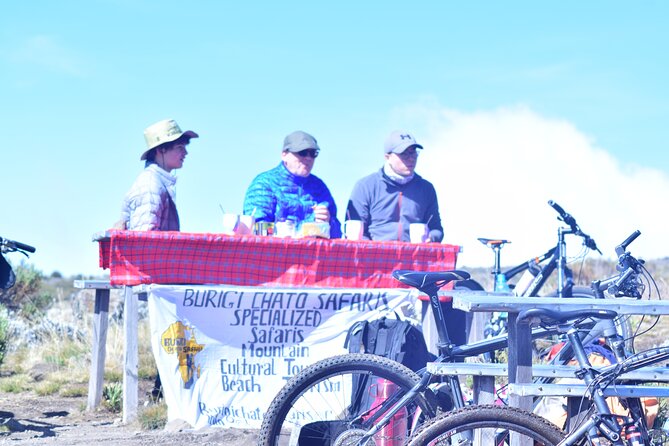
Kilimanjaro by bicycle is not a gentle cycle tour with a few uphill stretches. It is a serious high-altitude climb on the mountain’s only bike-accessible route, with rocky tracks, thin air, freezing summit conditions, and a final push to Uhuru Peak. You ride from the Kilema Gate toward Horombo Hut, cross the stark saddle between Mawenzi and Kibo, then take your bike toward Africa’s highest point.
I like two things right away: the route changes dramatically with altitude, from rainforest to alpine desert and ice, and the practical arrangements are largely handled for you, including transport, meals, porters, crew wages, and park fees. The main caution is that this is not a ride you can judge by distance alone. Some sections are too rocky to cycle, and the summit attempt involves several hours of steep walking in darkness before you get back on the bike.
What makes this Kilimanjaro ride different
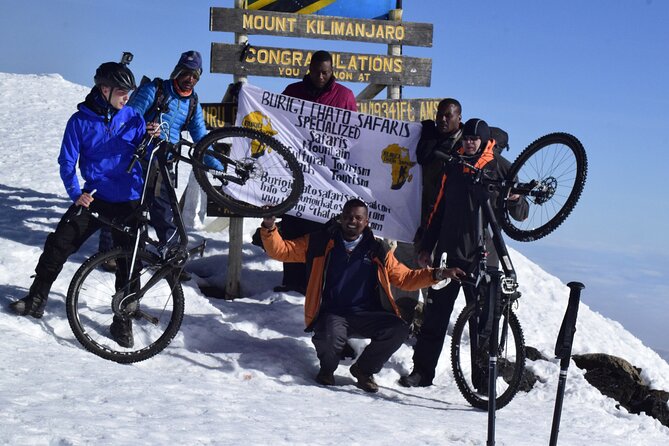
- Kilema is the only bike-accessible summit route, giving cyclists a way to approach Uhuru Peak that ordinary hiking routes do not provide.
- The scenery changes in stages, from forest-like lower slopes to alpine desert, bare volcanic ground, ice fields, and glaciers.
- Horombo Hut and Kibo Hut replace tent camping, which gives you a firmer base for eating and resting, though hut accommodation is still basic.
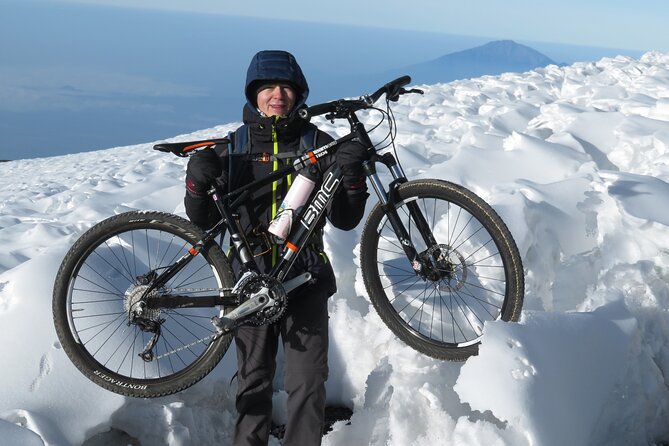
- You will not ride every kilometer, especially near the summit. Expect to push or carry the bicycle over rocky, eroded sections.
- The summit day combines hiking and cycling, with a pre-dawn ascent to Gilman’s Point, a bike ride toward Uhuru Peak, and a long descent to Horombo.
- The price includes a full operating package, but not your bike hire, personal gear, flights, visa, or crew tips.
Starting at Moshi and reaching the Kilema Gate
The tour begins with a transfer from Moshi at about 9:00 a.m. The drive to Marangu Gate takes around 45 minutes, where you register at the park office. From there, the vehicle continues to Kilema Gate at approximately 1,950 meters.
This two-gate arrangement matters. Marangu is the registration point, while Kilema is the actual starting point for the bicycle route. Before riding, you collect your daypack, drinking water, packed lunch, and extra clothing, then check the bicycle.
I would take this bike check seriously. One account associated with the operator describes a guide’s bicycle breaking down during the ride to Horombo. The problem was eventually dealt with, but it shows why you should inspect the brakes, gears, tires, chain, and saddle before leaving the gate. If you are hiring a bike, confirm exactly what repair support and replacement arrangements are available.
More Hiking Tours in Moshi
- Private Kilimanjaro Hike 7 Day Lemosho Route
★ 5.0 · 60 reviews - Best Kilimanjaro hiking day trip tour with Kilinge Adventures
★ 4.5 · 54 reviews - #1. Best Kilimanjaro Day hike Tour-Machame Route-ISMANI
★ 4.2 · 47 reviews
Day 1: 16 kilometers from Kilema to Horombo Hut
The first ride covers about 16 kilometers, climbing from Kilema Gate at 1,950 meters to Horombo Hut at 3,705 meters. The guide rides with you on a mountain bike, and the route takes roughly six hours.
This is a major first day, not a warm-up. The altitude gain is substantial, and the road condition determines how much of the route you can actually ride. A fit cyclist with solid mountain-bike skills may ride much of it, but rough surfaces and steep parts can turn the bicycle into a heavy walking aid.
Horombo is an important stopping point because it gives you your first night high on the mountain. The surrounding vegetation and views begin to feel different from the lower forest, and moving around near the hut helps you see more of the mountain rather than simply collapsing into bed.
The accommodation is in a mountain hut, not a hotel. The package includes meals and porter support, which makes a real difference after this climb. You still need to keep your daypack organized, because water, warm clothing, and personal essentials remain your responsibility.
Day 2: The Mawenzi Hut acclimatization ride
After breakfast, you cycle through alpine desert vegetation toward Mawenzi Hut and return to Horombo. The cycling distance is about 10 kilometers, and the schedule allows as much as 12 hours.
The distance looks modest, but the altitude makes this day useful. You spend most of the ride in alpine desert, with small stones and rough ground under the tires. This is a day for controlled effort rather than speed. You are gaining time at altitude while keeping the night at Horombo, instead of climbing higher too quickly.
I like this part of the plan because it gives you a chance to learn how your body responds before the summit push. You can also sort out practical issues with your bicycle, clothing, water system, and pacing. If a gear problem appears here, it is far better than discovering it near Kibo.
The itinerary allows a long day, but do not read that as 12 hours of nonstop cycling. High-altitude schedules include rest, meals, and slow movement. Your guide will remind you to drink, and you should treat hydration as part of the route, not an optional extra.
Day 3: Crossing the saddle toward Kibo Hut
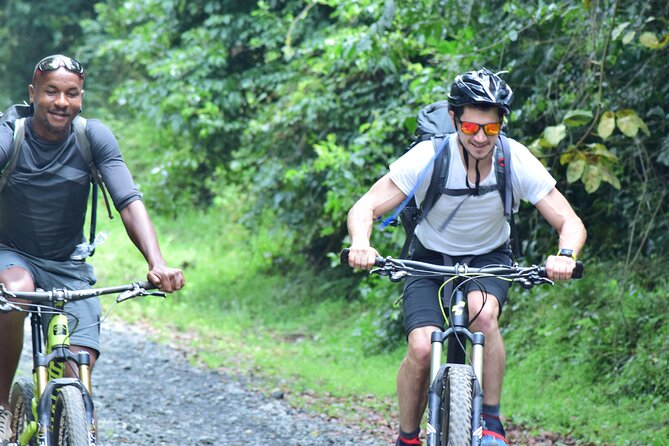
After an early breakfast, the route climbs through alpine desert toward the saddle between Mawenzi and Kibo. The first three kilometers are described as very rocky, stony, and eroded, so cycling is difficult. After that, the trail improves.
The saddle is relatively flat compared with the opening section. That may offer easier riding, but the next seven kilometers toward Kibo Hut are still hard because oxygen levels are low and the cold becomes more serious. The final kilometer is especially strenuous.
This is where the ride becomes a mountain expedition rather than an unusual sightseeing trip. You may be able to pedal sections, but the route is not a smooth trail designed for recreational cycling. Slow cadence and steady breathing matter more than pride. Walking beside the bike is sensible when the surface is loose or the altitude affects your balance.
Kibo Hut sits at about 4,703 meters, according to the route’s elevation information for the summit approach. The hut provides a place to eat and rest before the summit attempt, but sleeping at this height can be difficult. Keep your warm layers, headlamp, water, and summit snacks close by rather than buried in a duffel.
More Kilimanjaro routes:
- Kilimanjaro climb by Lemosho Route (7-day)
★ 5.0 · 651 reviews - Kilimanjaro climb, Machame Route (7-day)
★ 5.0 · 262 reviews - Kilimanjaro Climbing Lemosho Route 8 Days.
★ 5.0 · 186 reviews - Climbing Kilimanjaro – Machame Route
★ 5.0 · 170 reviews
Day 4: Rest, equipment checks, and summit preparation
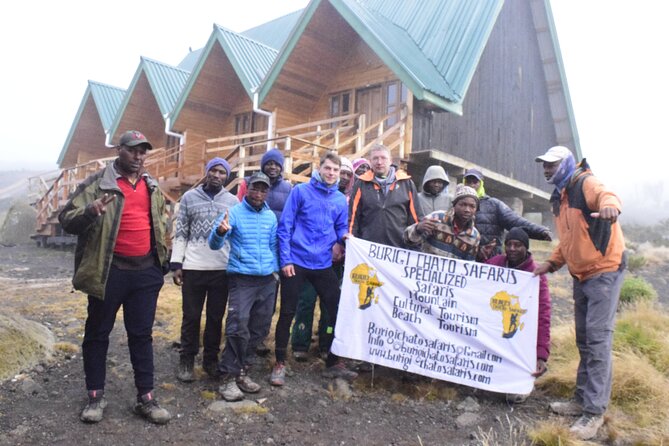
The fourth day is built around rest before the night climb. The schedule describes returning toward Kibo Hut, eating lunch, and resting, with the option of hiking partway up the summit path around 4:00 p.m. to get familiar with the route.
The wording of the daily plan is a little unclear because Kibo Hut is also the overnight base for the summit attempt. Before booking, ask the operator to confirm exactly where you sleep on Day 3 and Day 4, and whether Day 4 involves a move or simply a rest period at Kibo.
This is a valuable day even if the movement is limited. Summit success depends as much on conserving energy as on physical strength. Use the time to prepare thermal clothing, check your headlamp, replace camera and headlamp batteries, and keep spare batteries protected from the cold.
Cold affects water too. One account describes a hydration reservoir freezing during the summit night. You should not depend on a single CamelBak or bottle. Ask your guide how water is protected, and carry an extra insulated container if the operator permits it. Keep drinking regularly, even when you do not feel thirsty.
A partial afternoon walk can help you recognize the first section of the summit path, but it should not become an unplanned workout. The final ascent begins around 4:00 a.m., so your best use of the afternoon is calm preparation and sleep.
Day 5: Gilman’s Point, Uhuru Peak, and the long descent
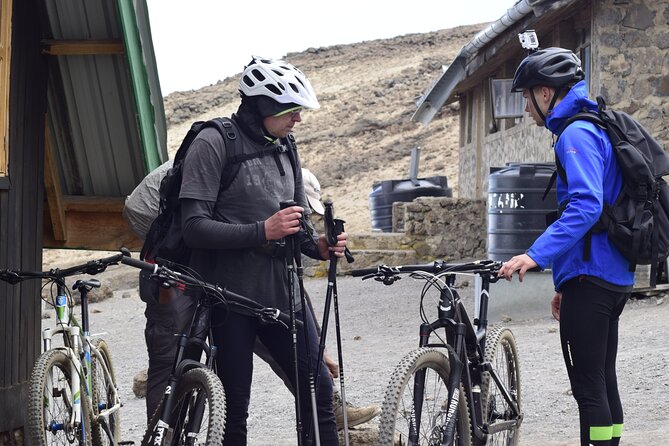
Summit day begins at about 4:00 a.m. You hike up a zigzagging scree slope for around two hours to Hans Meyer’s Cave. From there, the gradient becomes steeper, and you continue for roughly three more hours toward Gilman’s Point.
This first section is on foot. Porters carry the bicycles until the route allows you to use them, so the summit achievement is a combination of hiking, pushing, carrying, and riding. At Gilman’s Point, you take your bicycle and ride toward Uhuru Peak, the highest point on Kilimanjaro.
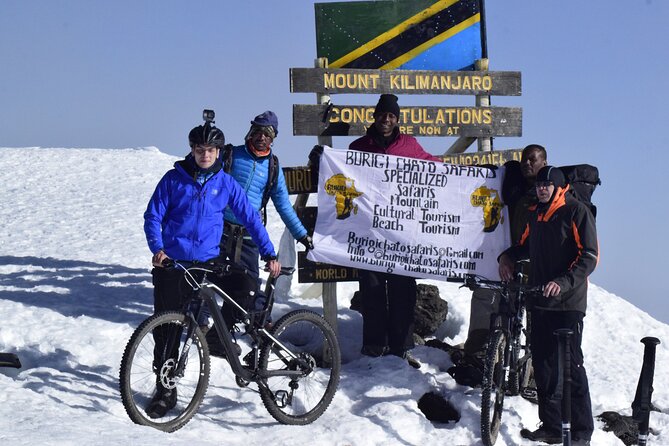
The exact rideable distance near the top will depend on ground, weather, ice, and your condition. The program says you ride to Uhuru Peak, spend a short time taking photographs, then ride back down toward Stella Point. That is a memorable contrast: a slow, breathless climb followed by a fast descent over high volcanic ground.
Do not expect a long summit picnic. You may have only a few minutes at Uhuru Peak before the cold and altitude tell you to move. Keep your camera ready, but do not sacrifice gloves or warm layers for photographs.
After lunch, you ride down to Horombo Hut. The day is listed at about eight hours, though high-altitude timing can vary. The return route is described as alpine desert and icecap terrain from Kibo to Horombo, with limited vegetation. This is likely the most rewarding riding of the trek, but fatigue can make descents risky. Use the brakes, follow the guide’s line, and do not treat the mountain as a downhill race.
One of the strongest practical positives in the available feedback is the crew’s role during difficult moments. Porters are reported to have arrived ahead of the group and had camp arrangements ready on other Kilimanjaro trips with the operator, while guides helped with motivation and first aid when altitude sickness symptoms appeared. That support is valuable, but it does not remove the need to report headache, nausea, dizziness, or unusual weakness immediately.
Day 6: Riding from alpine desert back to rainforest
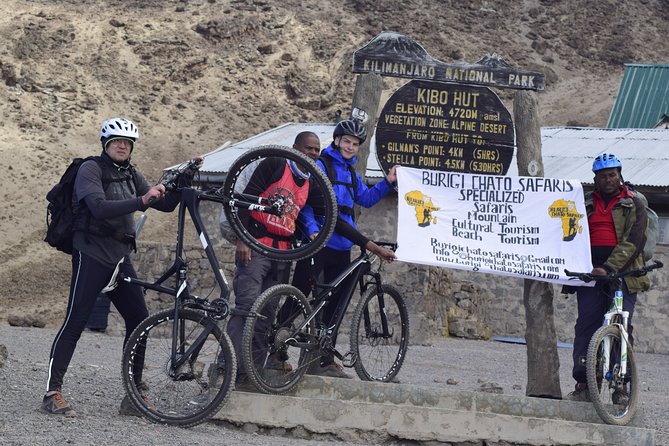
After breakfast, you make the final descent to Kilema Gate, crossing alpine and rainforest zones. The cycling portion is listed at about two hours, followed by a transfer to Marangu Gate for checkout and then transport back to your Moshi hotel.
This short final day gives you the clearest sense of Kilimanjaro’s altitude zones. The dry, sparse upper mountain gives way to thicker forest as you lose height. After several days of cold and exposed terrain, the lower greenery can feel almost startling.
The return transfer is included, as are airport pickup and drop-off according to the package details. Confirm the timing if you have a same-day flight, since the listed duration is approximate and mountain schedules can shift.
What the $3,668 price includes
At $3,668 per person, this is an expensive trip, but the price covers more than guiding and a bicycle route. Included items are private transportation, crew wages, gate transfers, airport pickup and drop-off, park fees, taxes, meals, and porter support.
The listed meals include six dinners, six lunches, and five breakfasts. Hotel accommodation before and after the trek can be arranged through the operator or booked directly by you. Clarify which hotel nights are included in your actual quotation, since the inclusion wording allows either arrangement.
The biggest extra cost is mountain-bike hire, which is specifically excluded. Personal mountain clothing and equipment are also your responsibility. Flights, visas, tips for the crew, and other personal costs are not included.
The value is strongest if you want a packaged expedition with transport and support organized in advance. It is weaker if you already own a suitable bicycle, have your own mountain gear, and prefer to arrange park logistics independently. Ask for a written breakdown covering bike rental, hotel nights, insurance, equipment, and crew tipping before paying.
Who should book this bike trek?
You should have moderate physical fitness at minimum, but I would treat that as a baseline rather than a full description of the challenge. You need mountain-bike skills, comfort on rocky ground, and the patience to walk when riding is unsafe or impossible.
This trip suits a cyclist who wants a demanding mountain objective and accepts that the bicycle will not be used continuously. It also suits someone who values porters, meals, transfers, and a guide-led structure over independent planning.
It is not a good choice if you want a relaxed cycling holiday, dislike cold nights, or expect to pedal all the way from gate to summit. The summit day includes a long pre-dawn hike, and altitude sickness can affect even fit people.
The operator offers non-summit itineraries, so you can ask about a version that reaches a lower point such as the Shira Plateau. That may be a better fit if your main goal is riding Kilimanjaro’s changing zones rather than reaching Uhuru Peak.
Small details that matter before departure
The start time is listed as 9:00 a.m., and pickup is offered. The activity ends back at the meeting point after the return to Moshi.
A maximum group size of 200 is listed, which is unusually high for a bicycle trek. That may be a general booking limit rather than the size of your actual cycling group, so ask how many riders will share your guide and support crew.
The tour is subject to weather. If poor conditions force cancellation, you can choose another date or receive a full refund. You can cancel for a full refund up to 24 hours before the start time, while later changes are not accepted.
Bring a daypack with water, lunch supplies provided for the day, and extra clothing. Keep your summit layers, batteries, and headlamp easy to reach. Most of all, ask clear questions about the bicycle, repairs, hut arrangements on Day 4, group size, and water protection.
Should you book the Kilema bike trek?
Book it if riding toward Africa’s highest summit is the point of your trip, and you are prepared for a hybrid effort involving cycling, hiking, pushing, and carrying. The route’s changing altitude zones, hut stays, porter support, and rare bike access to Uhuru Peak make it far more distinctive than a standard mountain-bike day around Moshi.
Think twice if you want certainty, comfort, or continuous riding. The rocky trail, high-altitude cold, possible bike problems, and frozen water risk demand careful preparation. At this price, I would book only after confirming the bike hire package and the exact Day 3 and Day 4 sleeping plan.
FAQ
How long is the Kilimanjaro bike trek?
The activity lasts approximately six days. The route begins at Kilema Gate and returns to Moshi after the final descent.
Which route does the bicycle trek use?
It uses the Marangu and Kilema access points, with the cycling route beginning at Kilema Gate. Kilema is described as the only bike-accessible route to the summit.
Will I cycle all the way to Uhuru Peak?
The program includes riding toward Uhuru Peak, but parts of the summit route are completed on foot. The early ascent to Gilman’s Point involves hiking, and porters carry the bicycles until riding is possible.
Are mountain bikes included in the price?
No. Mountain-bike hire is not included and must be arranged separately. Personal mountain-trekking gear is also excluded.
What meals are included?
The package lists six dinners, six lunches, and five breakfasts. Confirm the final meal schedule with the operator before departure.
Is transport from Moshi included?
Yes. The package includes private transportation, transfers between the gates, and airport pickup and drop-off. The experience ends back at the meeting point after returning to Moshi.
What happens if bad weather cancels the trek?
If poor weather causes cancellation, you are offered a different date or a full refund. For a normal cancellation, you must cancel at least 24 hours before the local start time for a full refund.
More Bike Tours in Moshi & Kilimanjaro
- 1-Day Moshi Villages bike tour
★ 5.0 · 59 reviews - Chagga Villages in Mount Kilimanjaro Cycling Day Trip
★ 5.0 · 42 reviews - Moshi city bike day trip
★ 5.0 · 17 reviews - Kilimanjaro bike park safari
★ 5.0 · 16 reviews
More Hiking Tours in Moshi & Kilimanjaro
- Best Kilimanjaro Adventure 7 days Machame route Trekking
★ 5.0 · 42 reviews - Kilimanjaro 7 Day Private Trekking Experience
★ 5.0 · 40 reviews - 8 Days Kilimanjaro Hike via Lemosho Route
★ 5.0 · 39 reviews - 6 Days Machame Route Kilimanjaro Climbing Trekking Tour
★ 5.0 · 34 reviews
Newly listed around Moshi & Kilimanjaro
- Climb Mount Kilimanjaro: 7 Days Machame Route★ 5.0 · 3 reviews
- 6 Days Mount Kilimanjaro Climbing via Rongai Route★ 5.0 · 3 reviews
- Explore 1 day Ngorongoro Crater Budget Group Safari from Arusha★ 5.0 · 3 reviews
- Mt. Kilimanjaro Day Hiking★ 5.0 · 3 reviews
- Chemka (Kikuletwa) Hot Springs, Tanzania★ 5.0 · 3 reviews
- Guided City tour of Moshi★ 4.3 · 3 reviews
- 8 Day Tanzania Family Safari★ 5.0 · 3 reviews
- Serengeti Safari with Sirikwa Travel★ 5.0 · 3 reviews
Kilimanjaro Climbs, compared.








Browse the lists this tour appears in