
Reviewed · KILIMANJARO CLIMBS
6 Days Mount Kilimanjaro Climbing via Rongai Route
Rongai gives you a quieter way up Kilimanjaro, with a steady slope, broad views toward Kenya, and less rain than routes on the mountain’s southern side. The route is a sensible choice if you want a more remote feel than Marangu and prefer a gradual climb over steep daily gains.
I like the northern approach, especially for wet-season climbing, and I like the careful attention to preparation, safety, and team organization. Dominic, the owner, is involved from the planning stage through the finish, which adds a useful point of contact for a major trip.
The main drawback is the six-day schedule. It is manageable, but the short acclimatization window leaves little room for a slow adjustment to altitude. You’ll need moderate fitness, the right personal gear, and a calm attitude on the long summit night.
Key points before you book
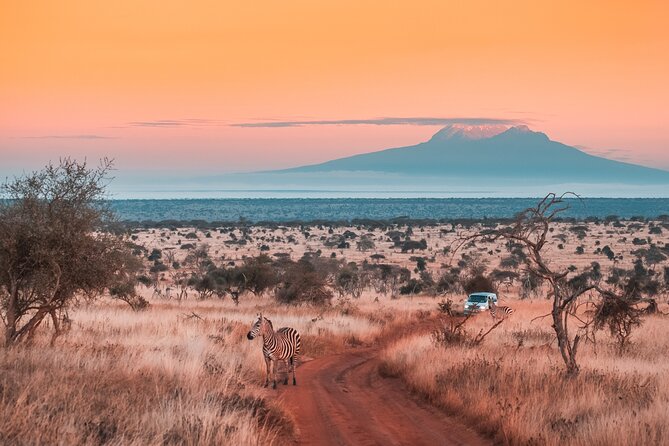
- Rongai begins near Nale Muru: The drive from Moshi takes about four to five hours and passes coffee plantations and villages before you reach the park gate.
- The route is quieter than Marangu: You walk through woodland, moorland, semi-desert, and alpine desert before joining Marangu for the summit section.
- The summit attempt starts around midnight to 2 a.m.: Expect a cold, demanding ascent through heavy scree to Stella Point, then onward to Uhuru Peak.
- The price is $2,200 per person: It includes mountain accommodation, park fees and taxes, hotel transfers, five lunches, six dinners, and five breakfasts.
- The tour is private: Only your group takes part, with pickup and drop-off offered from your Moshi hotel or residence.
- Tips and personal equipment cost extra: Budget separately for climbing-team tips, travel insurance, flights, visas, and items such as gaiters and trekking poles.
Why Rongai may be your best route up Kilimanjaro
Kilimanjaro climbing is less about technical rope work and more about altitude, stamina, weather, and patience. Rongai suits you if you want a route with a relatively moderate slope and a quieter start than the popular Marangu trail.
The northern side receives less precipitation, so Rongai can be a useful choice during the rainy season. That does not mean you should expect dry paths every day. The final descent can still be wet, muddy, and steep, especially near the Marangu Gate.
I also like the change in scenery. The route does not rush you straight toward the summit. You begin among woodland and open moorland, pass into semi-desert, and finish in the stark alpine desert near Kibo. The plants thin out as you gain height, and the views toward Kenya give the first day a memorable sense of distance.
This is a private activity, so your group does not share the trek with unrelated participants. That can make the pace and daily routine easier to manage, though the six-day plan remains fixed around the route and summit schedule.
More Kilimanjaro routes:
- Kilimanjaro climb by Lemosho Route (7-day)
★ 5.0 · 651 reviews - Kilimanjaro climb, Machame Route (7-day)
★ 5.0 · 262 reviews - Kilimanjaro Climbing Lemosho Route 8 Days.
★ 5.0 · 186 reviews
Day 1: Moshi to Simba Camp through Nale Muru
Your morning begins in Moshi at 7 a.m. The drive to the Kilimanjaro National Park Gate takes roughly four to five hours, passing coffee plantations and the village of Nale Muru.
At the gate, you wait while permits are issued and climbing crews prepare their loads. This pause is not wasted time. It gives you a first look at the practical side of Kilimanjaro, where porters, guides, supplies, and paperwork must all come together before anyone heads uphill.
The trail then enters wooded country, with winding paths and information from your guide about local plants, animals, and the surrounding area. The day’s destination is Simba Camp, near the first cave at the edge of the moorland zone.
The camp has wide views across the plains of Kenya. After the long vehicle transfer, the listed hiking period is about seven hours, so this is not a gentle arrival day. You should be ready for a full day from hotel pickup to camp, even if the walking itself feels steady rather than steep.
Day 2: Moorland views and the Second Cave
After breakfast, you continue across moorland on a consistent uphill path. This is one of the more attractive parts of Rongai because the vegetation opens up and the mountain begins to feel larger.
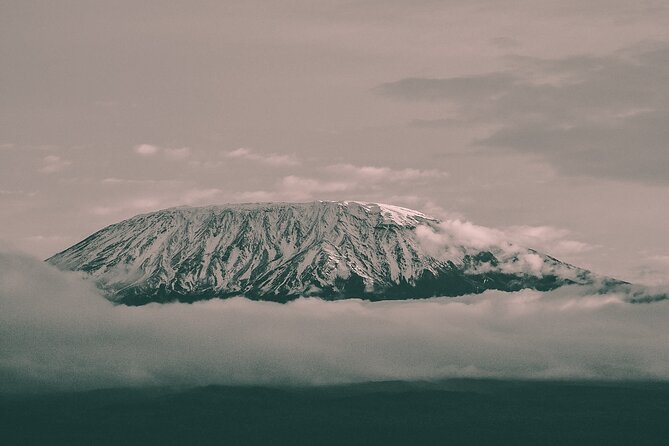
You’ll get views of Kibo, Kilimanjaro’s main volcanic cone, and may see the ice fields along the eastern crater rim. The shrubs become thinner as you approach the Second Cave, a clear sign that the altitude is beginning to shape the environment.
The day is listed at about seven hours. The slope is moderate, but repetition can be tiring. I would keep your pace deliberately slow here. The temptation is to walk quickly while you still feel strong, but conserving energy matters more than arriving early.
Temperatures also begin to fall. Keep a warm layer easy to reach rather than buried in your pack. The point of this stage is not just to cover distance. It is to keep your body adjusting while you move higher.
Day 3: Semi-desert and a closer look at Kibo
Day three takes you into semi-desert terrain. After breakfast and packing, you continue on a steady ascent toward the eastern ice fields.
This is a shorter walking day, listed at about six hours, and that break in the rhythm is helpful. You are gaining height without facing the full strain of the summit push. The scenery becomes barer, and Kibo draws more of your attention with every step.
Your guide should know how you are coping, but you also need to speak up. Headache, nausea, unusual fatigue, or other signs of altitude sickness should not be brushed aside. The instruction to keep your guide informed is important, especially on a six-day route where there is less spare time for adjustment.
I like this day because it puts the mountain’s scale into perspective. The ice fields remain a distant feature, while the trail under your boots becomes increasingly dry and exposed. The experience is visually simple but physically serious.
More six day trips in Moshi & Kilimanjaro:
- Kilimanjaro climb, Lemosho Route (6-day)
★ 5.0 · 129 reviews - Kilimanjaro climb, Marangu route (6-day)
★ 5.0 · 72 reviews - 6 Days 5 Night Safari
★ 5.0 · 57 reviews - 6 Days Tanzania Classic Safari
★ 5.0 · 52 reviews
Day 4: Third Cave to Kibo Huts
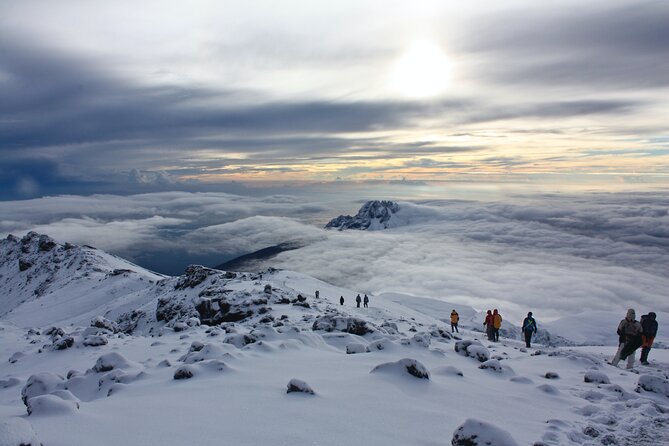
You leave the semi-desert zone early and continue into alpine desert. The route heads toward Kibo Huts, just below the crater wall.
This is the point where Rongai joins the Marangu route. From here, your summit path follows the same final approach used by climbers on Marangu. The day is listed at about six hours, but the important part is what happens after you arrive.
You need to prepare for the summit attempt before bed. Replace batteries in your headlamp and camera, organize warm clothing, and keep the items you need close at hand. The plan is to go to bed by 7 p.m. and rest for a few hours before the midnight to 2 a.m. start.
That early bedtime can be difficult after a full day at altitude. Still, preparation is one of the areas where this trip earns its good reputation. A missing battery, buried glove, or poorly arranged layer becomes a real problem in the dark and cold.
Day 5: Stella Point, Uhuru Peak, and the hardest hours
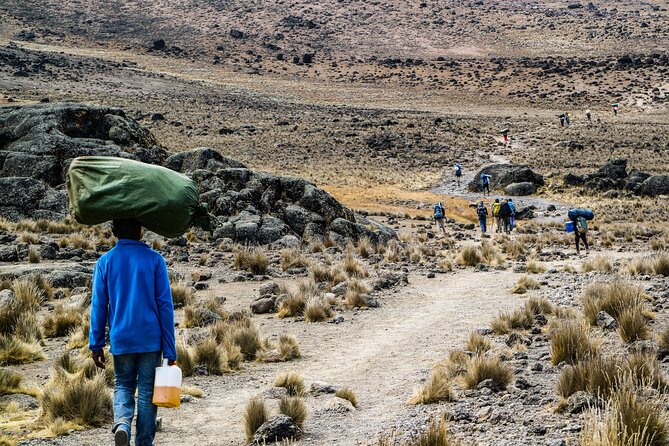
The summit day is the emotional center of the climb and the toughest physical section. You start between midnight and 2 a.m., aiming to reach the crater rim around sunrise.
The trail rises between the Rebmann and Ratzel glaciers, then follows switchbacks through heavy scree toward Stella Point. The ground can shift under your feet, and the cold makes every pause feel longer. You will need to stay focused and move at a patient, even pace.
Stella Point sits on the crater rim and offers a major reward: a sunrise over Kilimanjaro. Faster climbers may see the sun from Uhuru Peak, but reaching Stella Point is already a serious achievement.
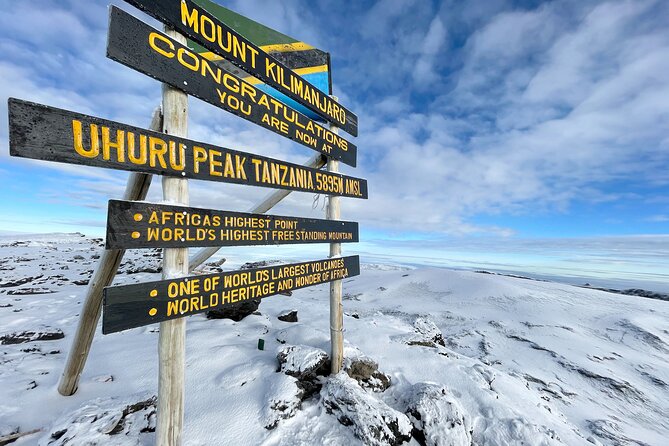
From Stella Point, the final ascent to Uhuru Peak takes about one hour according to the planned schedule. Uhuru is the highest point on Kilimanjaro and the moment the entire route has been building toward.
The day is listed at seven hours, though you should treat that figure as an approximate hiking duration rather than a promise of a short day. The summit attempt, rest stops, descent, and changing conditions all affect the total time. This is where the route’s moderate early slope gives way to a demanding test of altitude and determination.
The most useful mental strategy is simple: think one section at a time. You do not need to feel strong every minute. You need to keep communicating with your guide, follow the pace, stay warm, and watch your footing.
Day 6: Descent through Marangu and the return to Moshi
After breakfast, the team holds a ceremony of appreciation and bonding before the descent begins. It is a fitting end to a shared effort, especially on a private trip where you have spent several days with the same guides, cooks, and porters.
You descend through the Marangu route and stop at Mandara Huts for lunch. At this point, you say goodbye to the climbing crew, including the porters and cooks who supported the mountain portion of the trip.
The final section leads to the Marangu Park Gate, where you receive your summit certificate. A vehicle then takes you back to your Moshi hotel, a drive of about 45 minutes.
Do not underestimate the descent. The weather becomes warmer, but the trail can be wet, muddy, and steep. Gaiters and trekking poles are specifically recommended, and I would take that advice seriously. Tired legs make slippery ground harder to manage, even though you are heading downhill.
What the $2,200 price includes
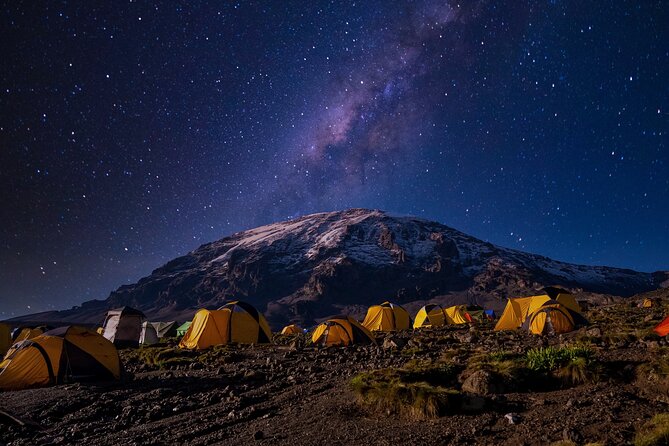
At $2,200 per person, this is not a low-cost mountain outing, but the price covers several major expenses that would otherwise add up quickly.
Included are accommodation during the hike, all fees and taxes, pickup and drop-off at your hotel or residence, five lunches, six dinners, and five breakfasts. The park-related costs are especially important because Kilimanjaro fees form a substantial part of any properly organized climb.
The trip also includes mountain support from the climbing team. The exact accommodation style is not specified beyond mountain accommodation, so I would ask Kentau Safaris what to expect at each camp before booking. You should also confirm meal arrangements and what personal food or snacks, if any, you may want to bring.
The price does not include tips for the climbing team, air tickets, travel insurance, personal gear, or an entry visa. These are not minor extras. Travel insurance is particularly important for a high-altitude climb, and personal equipment can become expensive if you need to buy everything at once.
Dominic is described as being involved from planning through the end of a previous hike, with a cooperative approach to organizing the trip. That direct communication can be valuable before departure, when you need clear answers about packing, pickup, permits, and the expected daily rhythm.
Safety, fitness, and the gear you cannot ignore
You need moderate physical fitness for this climb. The trail is not described as technical, but six days of uphill walking, cold temperatures, poor sleep, and a long summit attempt demand preparation.
Altitude is the biggest concern. Rongai’s steady slope helps, but it does not remove the risk of altitude sickness. Tell your guide promptly if you feel unwell. Trying to hide symptoms to protect your chance of reaching Uhuru Peak is a poor trade.
Pack with the final two days in mind. You will need warm clothing for the alpine desert and summit attempt, a headlamp with fresh batteries, and protection for wet conditions on the descent. Gaiters and trekking poles are recommended, while personal gear remains your responsibility.
The tour begins in Moshi, with pickup offered from a hotel or residence. The meeting time is 7 a.m. Confirmation is provided at booking, and the starting area is near public transportation, though the included pickup makes that less important for most people.
Who will enjoy this climb most
I would recommend Rongai to you if you want a quieter route, prefer a moderate slope, and like the idea of approaching Kilimanjaro from the northern side. It is also a reasonable option for people with less backpacking experience, provided they prepare for the altitude and daily walking.
The private format suits couples, families with suitable fitness, or a group of friends who want to share the climb without unrelated participants. The experience also fits anyone who values clear organization and a team that stays involved from planning to completion.
I would be more cautious if you want a generous acclimatization schedule or dislike early starts. Six days gives you a direct route to the summit, but not much flexibility if you need extra time at altitude. You should also be comfortable with basic mountain accommodation and with paying separately for equipment, insurance, visa costs, and tips.
The strongest qualities here are organization, safety awareness, and team commitment. The main limitation is the compact schedule, not the route itself.
Should you book the Rongai climb?
Book this trip if the northern approach appeals to you, you want a private group, and you are ready for a demanding but well-structured six-day climb. The route offers varied scenery, a quieter start, and a gradual opening to the mountain before the hard summit section.
Before paying, ask Kentau Safaris for the exact accommodation details, a recommended personal gear list, tipping guidance, and the plan for handling altitude symptoms. Those questions will help you judge whether the six-day pace matches your fitness and experience.
Free cancellation is available if you cancel at least 24 hours before the 7 a.m. start time. Cancellations within 24 hours are not refunded, and changes inside that period are not accepted.
FAQ
Where does the Kilimanjaro climb begin?
The experience begins in Moshi, Tanzania, with pickup offered from your hotel or residence. The scheduled start time is 7 a.m.
How long is the Rongai climb?
The climb lasts approximately six days. Daily hiking periods are listed at about six to seven hours, with the summit attempt taking place early on day five.
Is this a private tour?
Yes. Only your group takes part in the activity.
What meals are included?
The package includes five breakfasts, five lunches, and six dinners during the trip.
Is personal climbing gear included?
No. Personal gear is not included. Tips for the climbing team, flights, travel insurance, and an entry visa are also separate expenses.
What is the cancellation policy?
You can receive a full refund if you cancel at least 24 hours before the experience start time. Cancellations or changes made less than 24 hours before the start are not accepted or refunded.
Newly listed around Moshi & Kilimanjaro
- Climb Mount Kilimanjaro: 7 Days Machame Route★ 5.0 · 3 reviews
- Explore 1 day Ngorongoro Crater Budget Group Safari from Arusha★ 5.0 · 3 reviews
- Mt. Kilimanjaro Day Hiking★ 5.0 · 3 reviews
- Chemka (Kikuletwa) Hot Springs, Tanzania★ 5.0 · 3 reviews
- Guided City tour of Moshi★ 4.3 · 3 reviews
- 8 Day Tanzania Family Safari★ 5.0 · 3 reviews
- Serengeti Safari with Sirikwa Travel★ 5.0 · 3 reviews
- Rongai Route 7 Days★ 5.0 · 3 reviews
Kilimanjaro Climbs, compared.








Browse the lists this tour appears in