
Reviewed · ARUSHA TOURS
Arusha: Traditional Tanzania Cooking class& Food Market Tour
Arusha’s best food lesson begins before you reach the kitchen. You walk through a central market, watch vendors weigh produce and meat, and help choose the ingredients for lunch. I like the market visit, because it gives you a clear look at everyday shopping in Tanzania, and I like that the cooking takes place in a small local home rather than a polished demonstration kitchen.
The guides, including Liroy and Israel, make time for questions and help you move through the market safely. The main thing to consider is comfort: the cooking space is simple, drinks are not included, and food handling may not meet the standards you are used to at home. Still, all food is cooked fully, and the $45 price offers a useful half-day look at Arusha life.
Key points at a glance
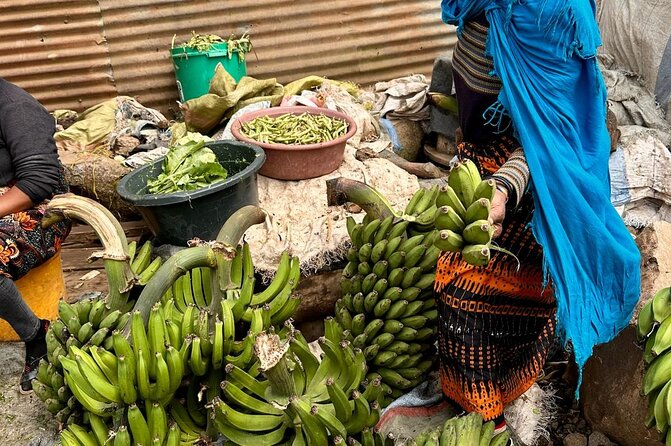
- Shop before you cook: Spend about 30 to 50 minutes at a central Arusha food market choosing ingredients and seeing dry goods, meat, fruit, and vegetables.
- Learn from Neema: The cooking session is led by a local chef who demonstrates each step, then lets you do the work.
- Choose a practical menu: Dishes can include plantain bananas, chapati, ugali, vegetables, and an optional stewed or barbecued meat dish.
- Expect a real home setting: The class takes place in a small local house with a washroom, charcoal and propane stoves, and a relaxed family feel.
- Bring your appetite: You eat the food you prepare, and you may be able to pack leftovers for later.
- Plan for five hours: Hotel pickup and drop-off are included for hotels in Arusha town, while drinks cost extra.
Why the market matters more than a cooking demo
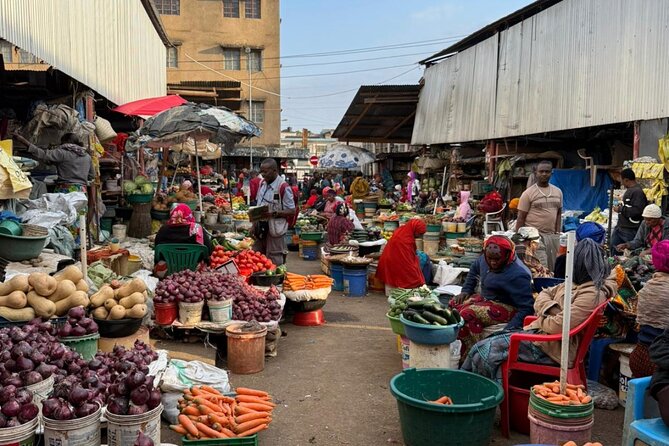
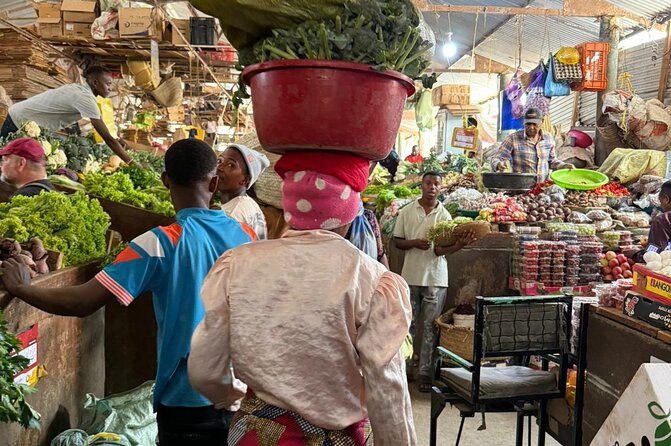
Many cooking classes begin with bowls of premeasured ingredients. This one starts with shopping, which changes the whole lesson. You see where the food comes from, how it is displayed, and what people buy for ordinary meals. You also get a better sense of Tanzanian cooking before you pick up a knife.
The market stop lasts roughly 30 to 50 minutes. That is long enough to look at dry foods, fruit, meat, vegetables, and other staples without turning the visit into a long shopping trip. Your guide explains the products and the work of the vendors, and you can ask questions as you go.
I especially like the chance to take photos. Ask before photographing people, and listen to your guide in crowded areas. One guide, Liroy, has been praised for staying alert around workers carrying heavy loads and moving people out of the way when needed. That small act tells you what sort of market visit this is: active, practical, and not arranged only for tourists.
Some outings use a tuk-tuk for part of the transfer to the market. The exact route can vary, but the point is the same: you are seeing the city through its food trade rather than from behind a coach window. A second, smaller market may also be used to buy ingredients for the class.
More Cooking Classes in Arusha:
- NGO Lifted Strong – Traditional Tanzanian Cooking Class
★ 5.0 · 39 reviews - Arusha: Traditional Tanzania Cooking Class & Food Market Tour
★ 5.0 · 34 reviews - Cooking and Sewing & Jewelry Workshops in Arusha
★ 5.0 · 14 reviews
Meeting Liroy, Israel, and the local team
The guide team can include Liroy, also spelled Leroy in some information, and Israel. They lead the market walk, explain the products, help settle the menu, and answer questions about food and daily life in Tanzania. Their role is more than simply getting you from one place to another.
The best part of this format is the conversation. You can ask why a certain ingredient is used, how a dish is prepared, or what a food means in an ordinary Tanzanian meal. The guides are also there to help you handle the practical parts of the market, from moving through tight spaces to deciding what to buy.
The cooking is led by Neema, who has been described as warm, well prepared, and willing to let you take part rather than watch from a chair. She shows you a task, then hands it over to you while she works on another part of the meal. That makes the class more useful when you return home because you learn the feel of the preparation, not only the order of the steps.
You may also meet other members of the local team during the meal. The social side is important here. You are not just paying for a recipe lesson. You are sharing a kitchen and a meal with people who live in Arusha.
From market basket to Tanzanian plate
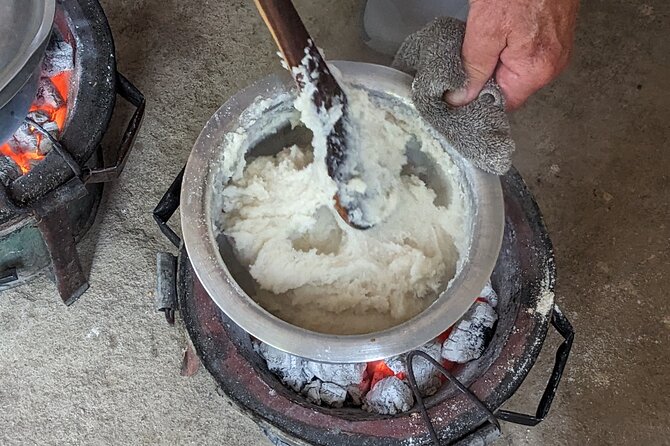
The class lasts between one and three hours, depending on the menu and the pace of the group. You prepare a full plate of common Tanzanian foods, with the precise selection agreed during the shopping portion.
The listed choices include:
- Plantain bananas
- Chapati
- Ugali
- Vegetables
- Stewed or barbecued meat, for those who want it
Some sessions prepare four dishes, while other descriptions refer to choosing three from four local dishes. Treat the menu as flexible rather than fixed. If you have strong preferences or dietary concerns, discuss them with the guide before shopping.
Chapati is a good class dish because it demands hands-on work. You get to see how the dough is handled and cooked, rather than simply receiving a finished flatbread. Ugali offers a different lesson in texture and technique. It is a simple staple, but the method matters, and making it yourself helps you understand how it fits beside vegetables or meat.
Plantain bananas bring another side of the meal. They are not simply a sweet snack in this setting. Cooked plantains work as part of a savory plate, and the class shows you how a familiar ingredient can be used in a different way.
Vegetables round out the meal, while meat is optional. The meat may be stewed or barbecued, depending on the plan. If you do not eat meat, the information provided does not promise a dedicated vegetarian menu, so raise that issue when you book or at pickup.
Cooking in a small Arusha home
The class takes place in a modest local house with a washroom. You should not expect a restaurant school with stainless-steel counters, individual workstations, or a printed chef’s uniform. The simple setting is part of the appeal, but it also sets the right expectations.
Cooking may use both charcoal and propane stoves. That gives you a more realistic picture of how food is prepared in a local home, though it can also make the pace less predictable. A dish may take longer than it would in a professional kitchen, particularly when several people share the work.
One person found the cooking slow, but felt the finished meal made the wait worthwhile. That is fair advice. This is not a fast lesson designed to get you back to your hotel in two hours. It is a social class, and the food is made from the start with the people in the group taking part.
The kitchen hygiene deserves a clear note. Soap and water are available, but handwashing and cleaning of cutting boards may not be as thorough as you expect in the United States or parts of Europe. Meat is fully cooked, but you should still use sensible habits: wash your hands carefully, keep bags away from food, and tell the guide if you have a serious food concern.
If you are comfortable with a basic home kitchen and want a less polished setting, this can feel pleasantly genuine. If you need strict control over cross-contamination or require a highly regulated kitchen, ask questions before reserving.
More Food Tours in Arusha:
- Organic Coffee Tour and Local Food Experience in Arusha
★ 5.0 · 29 reviews - Street Food and Community Walking Tour
★ 5.0 · 12 reviews - Waterfalls, Coffee, Hotsprings, Food Cuisine, & Serval Wildlife
★ 5.0 · 6 reviews - Mama Aziz Food Court
★ 5.0 · 3 reviews
The meal is part of the lesson
After the cooking, you sit down with the group and eat what you made. This is the point when the market visit and the kitchen work come together. You can taste the texture of the chapati, compare the ugali with the vegetables, and understand why the dishes are served together.
I prefer this format to a class that ends with a quick taste at the counter. A shared meal gives you time to talk with Neema, Liroy, Israel, and the rest of the group. Several sessions have included long, friendly conversations, which may be one of the strongest parts of the outing.
The class provides the ingredients and the cooked meal. Drinks are not included. Bring money for beverages, and do not assume water will automatically be waiting in the kitchen. One guide kindly obtained water and a beer during a class, but that should be treated as a helpful gesture, not a listed inclusion.
If food remains, you may be able to pack some for another meal at your hotel. This depends on the amount prepared and what the group eats. It is a nice bonus, especially if you have an evening transfer or an early safari start the next day.
What the $45 price really covers
At $45 per person, this is reasonably priced for a five-hour activity in Arusha. The fee includes hotel pickup and drop-off in Arusha town, the market visit, the cooking instruction, ingredients, and the meal. You are paying for several connected parts rather than only a cooking class.
The market visit adds real value. A class alone could teach you how to prepare chapati or ugali, but shopping with a guide gives you context for the ingredients. Transport also matters. Having pickup from a hotel near the city center removes the need to arrange a taxi for the start and end of the outing.
The value is strongest for someone who wants contact with everyday life in Arusha. If you only want a quick meal or a formal recipe lesson, five hours may feel long. The class can take up to three hours, and the market portion may include pauses for questions, photos, and buying food.
The price does not include accommodation or drinks. It also does not promise a fixed meat dish, exact cooking time, or a private kitchen. Think of it as a hands-on cultural outing with lunch, not a luxury culinary workshop.
Timing, clothing, and practical comfort
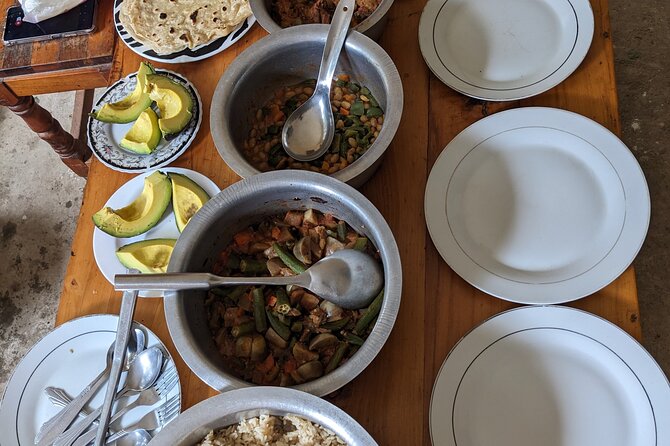
The total duration is five hours, but the cooking portion can vary from one to three hours. Starting times depend on availability, so check the schedule before booking. Pickup is arranged from hotels in Arusha town, and the activity returns you to your hotel at the end.
Wear comfortable clothes and shoes. Long pants are requested, which is sensible for walking through a food market and working in a home kitchen. Avoid loose clothing that could get in the way around a charcoal or propane stove.
You can take photos during the tour. The market is a good place for pictures of produce, displays, and the working environment, but always show courtesy toward vendors and people. Your guide can help you judge when a photo is appropriate.
Weapons and sharp objects are not allowed. That is a simple rule, but remember it if you are carrying a large pocketknife or similar item from another part of your trip.
The activity is conducted in English. Free cancellation is available up to 24 hours before the start for a full refund, and you can reserve now and pay later. Those terms are useful if your Arusha schedule may shift around safari transfers.
Who will enjoy this most
I would choose this for you if food is one of the ways you understand a place. It suits curious eaters, first-time visitors to Tanzania, couples, small groups, and anyone who prefers a home kitchen to a formal venue.
It is also a good fit if you want a gentle introduction to Arusha before or after a safari. The market shows you a side of the city that game drives cannot, and the cooking class leaves you with recipes and basic skills to try at home.
Families may enjoy the activity, though the supplied information does not give a minimum age or specific child arrangements. Ask before booking if you are traveling with young children. The kitchen includes heat and knives, so active supervision would be important.
I would be more cautious if you have strict dietary needs, serious allergies, or high expectations for restaurant-grade hygiene. The menu can be adjusted in some cases, but that is not guaranteed in the information provided. Contact the provider before payment rather than hoping the issue can be handled on the day.
The class also suits people who do not cook often. You are shown each step, and the chef lets you try the work. You do not need to arrive with advanced kitchen skills.
A few limits to keep in mind
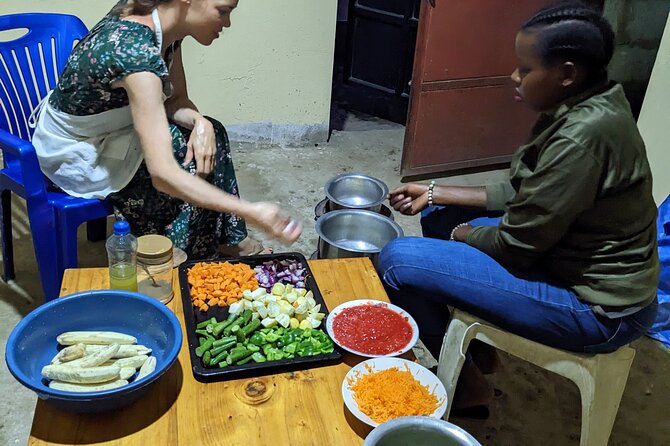
The word traditional can mean different things to different people. Here, it points to familiar home-style dishes such as chapati, ugali, plantain bananas, vegetables, and optional meat. It does not mean an elaborate tasting menu or a survey of every region of Tanzanian cuisine.
The market can be crowded and active, and the cooking space is small. That creates a close local feel, but it may not suit you if you want quiet, lots of personal space, or a polished setting. The pace may also stretch when the group is large or the menu contains several dishes.
The product selection can change with the market and the day. That is part of the point, but it means you should not book with one exact dish in mind unless the provider confirms it.
Even with those limits, the format makes sense. You see ingredients in their normal setting, buy what you will use, prepare the meal with a local chef, and eat together. The connection between those steps is what gives the outing its value.
Should you book this Arusha food tour?
Book it if you want a personal, hands-on look at Tanzanian food and daily life, especially if you enjoy asking questions and do not mind a simple kitchen. The market walk, the time with Liroy or Israel, and the cooking with Neema give the five hours a clear purpose.
I would skip it if you want a short, highly structured class, included drinks, or strict Western-style kitchen procedures. For everyone else, $45 is a fair price for transport, market access, ingredients, instruction, and a shared meal.
Bring comfortable shoes, long pants, and a little patience. You may leave with more than recipes: you will have a better sense of how food moves from Arusha’s market stalls to an everyday home table.
FAQ
How long does the Arusha cooking class and market tour last?
The full activity lasts five hours. The market visit takes about 30 to 50 minutes, while the cooking class lasts between one and three hours.
What is included in the price?
The price includes hotel pickup and drop-off in Arusha town, a visit to a local central food market, cooking instruction with a local chef, ingredients, and a meal of the dishes you prepare.
What does the tour cost?
The listed price is $45 per person.
Where does pickup take place?
Pickup is provided from hotels in Arusha town, near the city center.
Which language is used during the activity?
The tour is conducted in English with a live guide.
Which Tanzanian dishes will I cook?
The menu can include plantain bananas, chapati, ugali, and vegetables. There may also be an option for stewed or barbecued meat.
Can I take photographs at the market?
Yes. You can take photos during the tour, including at the market. Ask before photographing people.
Are drinks included?
No. Drinks are not included in the price.
What should I wear?
Wear comfortable shoes, comfortable clothes, and long pants.
Can I cancel for a refund?
You can cancel up to 24 hours in advance for a full refund. You can also reserve now and pay later.
More shopping trips in Arusha
- Tanzanite experience tour – Tanzanite shopping in Arusha
★ 5.0 · 12 reviews - Zanzibar:Stone town Street food market walking tour,transfer
★ 4.5 · 9 reviews - Private Market Tour and Tanzanian Cooking Class in Moshi
★ 5.0 · 7 reviews - Zanzibar: Stone Town Heritage & Slave Market Tour
★ 4.4 · 7 reviews
More markets in Arusha
- 24 Hours in Arusha—Arusha Museum, Cultural Heritage, Maasai Market, Shanga
★ 5.0 · 4 reviews - Stone Town Guided Tour: Culture, Slave Market & Spice Market
★ 4.8 · 44 reviews - Spice , Prison Island ,Stone Town and Slave Market Site Tour
★ 5.0 · 24 reviews - Stone Town Private Tour with Slave Market Tickets
★ 5.0 · 13 reviews
Newly listed around Arusha
- 5-Day Private Safari Tour in Tanzania’s Wildlife★ 5.0 · 3 reviews
- 3 Days private safari Tarangire ,Ngorongroro crater &Manyara★ 5.0 · 3 reviews
- 3 Day Sharing Safari – Manyara, Ngorongoro Crater and Tarangire National Parks★ 5.0 · 3 reviews
- Tarangire National Park Day Trip★ 5.0 · 3 reviews
- 2 Days Tarangire and Ngorongoro Crater Tour★ 5.0 · 3 reviews
- 6 -Day Tarangire, Manyara, Serengeti & Ngorongoro★ 5.0 · 3 reviews
- 5 Days Group Camping Safari★ 4.7 · 3 reviews
- 4 Days Tanzania Safari★ 4.5 · 3 reviews
Arusha Tours, compared.

Balloon Safari & Bush Breakfast in Serengeti – Miracle Experience
Read our review →






Browse the lists this tour appears in