
Reviewed · ARUSHA TOURS
NGO Lifted Strong – Traditional Tanzanian Cooking Class
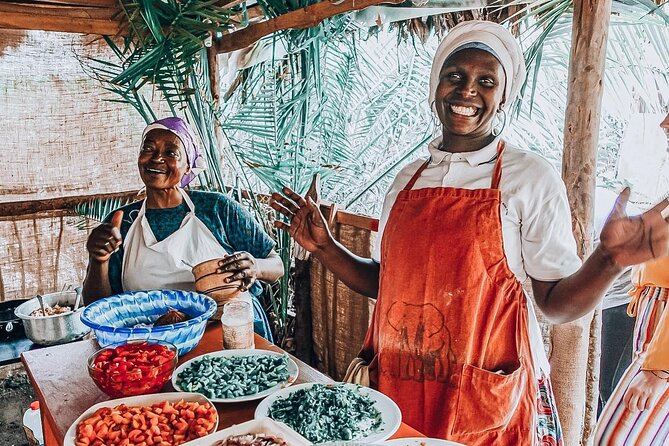
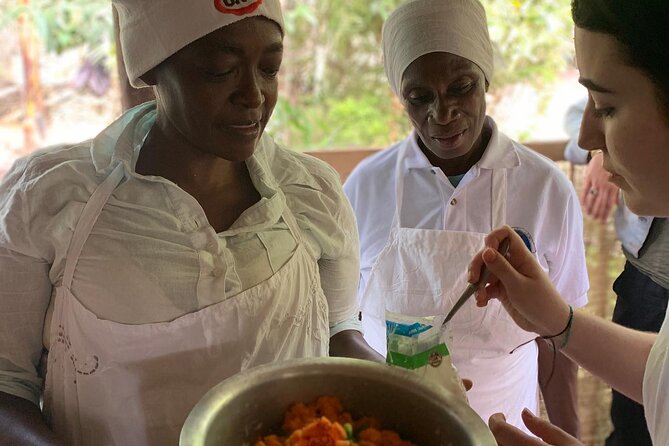
Arusha’s Lifted Strong cooking class is more than a lesson in recipes. You spend an afternoon cooking alongside local women, learning Swahili food names, and hearing about an organization that supports women facing poverty, domestic violence, HIV, and poor health. The food is practical and familiar, with dishes such as samosas, ugali, rice, soup, and cooked bananas.
I like two things especially: your money supports LISCO’s work, and the class feels personal because the group is capped at 10 people. Joyce and her team can also discuss your menu in advance, including vegetarian and vegan choices. The main drawback is that this is more like cooking together than a formal chef-led class, so anyone expecting a polished culinary school may find it relaxed and informal.
Key points to know before you book
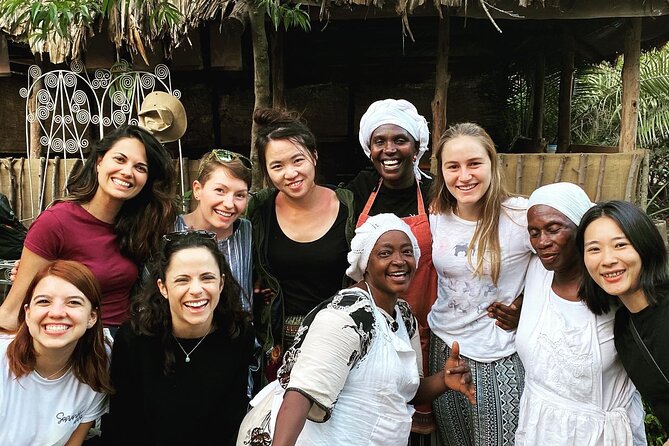
- Cook with the Mama’s: Work beside local women who guide you through preparing Tanzanian dishes and ingredients.
- Learn useful Swahili: Pick up the Swahili names for the foods you handle, an easy way to connect the meal with daily life in Tanzania.
- Support LISCO directly: Your booking helps an organization focused on women dealing with serious social and health challenges.
- Expect a small group: The class accepts no more than 10 people, giving you a better chance to take part rather than simply watch.
- Plan for three hours: The session begins at 2 p.m. and finishes back at the meeting point, leaving the rest of your day free.
- Ask about the menu early: Vegetarian and vegan cooking is available, and the team has adjusted dishes for allergies and dietary needs.
Cooking with LISCO in Arusha
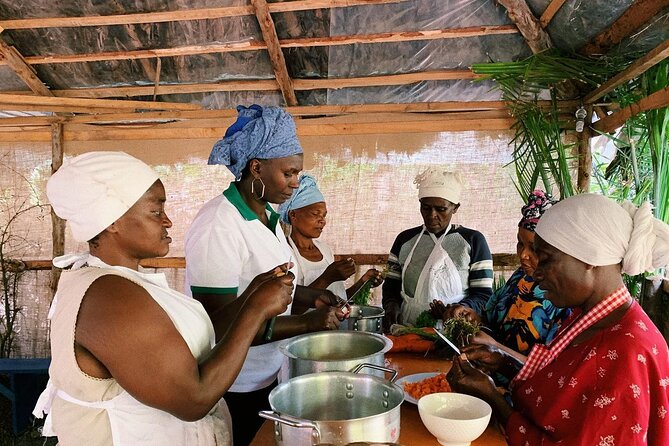
The class takes place at Lifted Strong Community Organization, known as LISCO, in Arusha. You can meet at the center at MJHR+GF, or arrange pickup. The activity starts at 2 p.m. and lasts about three hours, so it fits neatly into an afternoon in town.
That timing matters. You do not need to give up a full day of sightseeing, and you can schedule the class after a morning activity. If you are arriving in Arusha before a safari, it also gives you a useful local activity without the time commitment of a day trip.
The setting is part of the point. This is not a restaurant demonstration designed for an audience. You are there to cook with the women involved in LISCO’s community work. The class gives you time to meet them, ask questions, and see how a social organization uses a simple activity to create income, confidence, and contact with visitors.
The small maximum of 10 people helps. With a large group, a cooking class can turn into a show where one person chops while everyone else watches. Here, you have a better chance to handle ingredients, ask for help, and take part in each stage of the meal.
More Cooking Classes in Arusha:
- Arusha: Traditional Tanzania Cooking Class & Food Market Tour
★ 5.0 · 34 reviews - Cooking and Sewing & Jewelry Workshops in Arusha
★ 5.0 · 14 reviews - Arusha: Traditional Tanzania Cooking class& Food Market Tour
★ 4.9 · 12 reviews
Meet Joyce and the Mama’s
Joyce is one of the people involved in arranging the class, and the Mama’s provide the hands-on cooking guidance. You may hear the women referred to as Mama’s, a warm local term that fits the friendly, communal tone of the session.
Do not expect a chef in a tall hat giving a lecture on professional knife skills. The strongest part of this activity is the shared work. You help prepare produce, follow the women’s methods, and learn the names of ingredients in Swahili as you go.
That informal style is worth understanding before booking. One person may want precise measurements, printed recipes, and a strict timetable. This class appears better suited to someone who wants to cook alongside local women and learn by doing. You will likely gain a stronger sense of how food is prepared in an everyday community setting, even if the lesson does not feel like a formal cooking course.
The women’s work also gives the class its emotional weight. LISCO supports women facing difficult circumstances, including HIV, domestic violence, poverty, and poor health. The cooking activity is enjoyable, but it is tied to a larger effort to help women build a better life.
What you actually cook during the three hours
The exact menu can be discussed with the team ahead of time. That is one of the most useful features of the class, especially if you have food allergies, avoid meat, or want to focus on a certain type of Tanzanian dish.
The food prepared in past sessions has included:
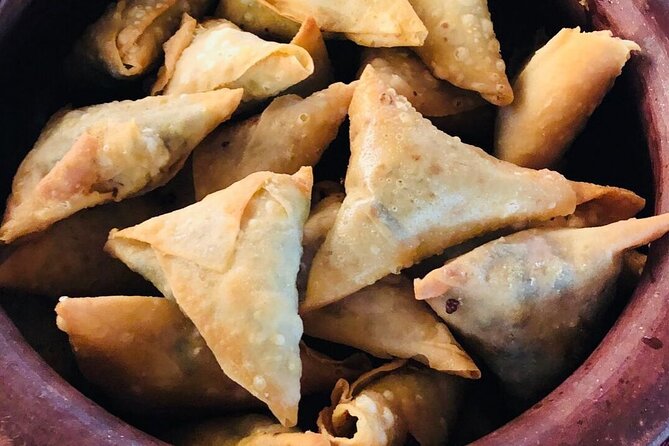
- Samosas
- Soup
- Ugali with vegetables
- Rice
- Cooked bananas
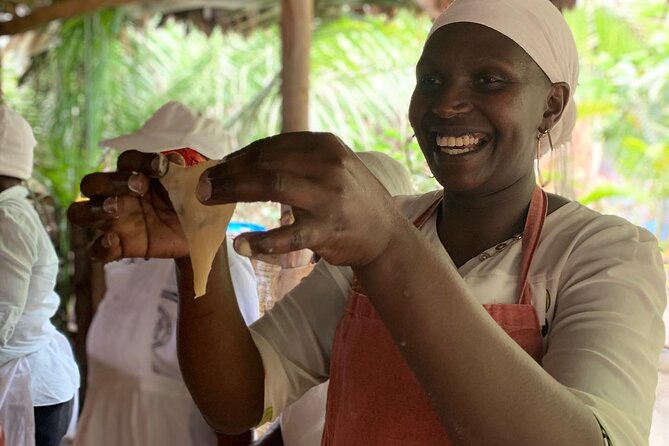
Samosas make a good class dish because there is more to learn than simply putting food in a pot. You can help with the filling, see how the pastry is handled, and learn the steps needed to produce the finished snack. A school group that attended the class focused on samosas and found the women encouraging with younger participants.
Ugali offers a different lesson. This firm maize dish is a basic part of many East African meals, and preparing it with vegetables gives you a chance to understand how a simple staple becomes a complete plate. Rice and cooked bananas add variety, showing that Tanzanian home cooking is not limited to one style or one ingredient.
Soup may be the most approachable choice if you want a gentler introduction. It allows you to see how local produce is combined and seasoned without requiring complicated equipment. The point is not to chase restaurant-style presentation. It is to learn how ordinary ingredients become food shared around a table.
The portions can also be generous. If the group makes more than it can eat during the class, you may be allowed to take some home. That is a small but welcome benefit, especially after spending the afternoon preparing the meal yourself.
A Swahili lesson built into the meal
The class includes the Swahili names for ingredients, which gives the cooking a useful language element. You are not just learning what an ingredient does. You are learning how to identify it in the local language.
That can help during the rest of your time in Tanzania. Even a few food words make market visits, restaurant orders, and conversations easier. You do not need to become fluent. Learning the names of the ingredients in front of you is a natural way to remember them.
I like this approach because the language lesson is tied to something you can see, smell, and taste. You will have a better chance of remembering a Swahili word when it is connected to the banana, rice, vegetable, or samosa you helped prepare.
The class also creates an easy setting for conversation. Cooking gives everyone something to do with their hands, which can make cultural exchange feel less forced. You can ask about the food, the women’s work, and LISCO’s goals while the meal takes shape.
More workshops and classes in Arusha:
- Private Traditional Pottery Class near Arusha
★ 5.0 · 6 reviews - Arusha: Maasai-style Beaded Jewelry Lesson
★ 5.0 · 3 reviews - Arusha: Local Tanzanian Cooking Class by Kingstone Asilia
★ 5.0 · 3 reviews - Zanzibar Cooking Class & Spice Tour
★ 4.5 · 77 reviews
Why the LISCO connection matters
The charitable purpose is not a decorative extra added to a normal cooking class. It is central to the activity. LISCO advocates for and supports women who have faced serious hardships, and your booking contributes to that mission.
That does not mean the class becomes a heavy lecture about social problems. The emphasis remains on cooking and spending time together. Still, you should expect some explanation of the organization and the women it supports. This context gives the afternoon more meaning than a standard food activity.
I see this as a good choice if you want your spending in Arusha to support a local group rather than only a commercial operator. It also gives you a way to meet women through their skills and work, not simply as people presented for a cultural display.
Keep your expectations grounded. A three-hour booking cannot solve the problems LISCO addresses. But it can provide income, attention, and a direct connection between the organization and people who want to support its work. That makes the price easier to assess than a class that offers food alone.
Is $50 a fair price?
The cost is $50 per person. That is not the cheapest way to eat in Arusha, since you could buy a simple meal for far less. But the comparison is not really between a restaurant plate and this class.
Your fee covers an organized three-hour activity, ingredients, instruction from local cooks, a meal, and support for LISCO. It also gives you a small-group setting and a chance to learn about women’s empowerment work in the community. For someone who values that combination, the price is reasonable.
The value is less clear if you mainly want to master a set of recipes. The class is described by its own format as a shared cooking experience, and the relaxed style may not include exact quantities or a take-home recipe booklet. If your priority is technical instruction, ask about the menu and format before you commit.
For me, the best value comes from the human contact and the purpose behind the booking. You are paying for time with the Mama’s, a meal you help make, and a contribution to a local organization. That is a fair exchange for an afternoon.
Pickup, meeting point, and walking considerations
You can meet at the center or arrange pickup. The class ends at the same meeting point, which keeps the afternoon simple and avoids finishing at an unfamiliar location.
If you are walking, allow a little extra time to reach the center. The meeting point is not directly on the main street, though it is described as only a little way beyond it. Confirm the exact arrangements with Joyce or the provider so you know where to go and whether pickup has been set.
The activity is near public transportation, and service animals are allowed. No other detailed accessibility information is provided, so contact LISCO in advance if you have mobility needs or require a specific arrangement.
Confirmation is provided when you book. The experience also requires a minimum number of participants. If that minimum is not met and the session is canceled, you will be offered another date or experience, or receive a full refund.
Choosing your menu and handling dietary needs
Vegetarians and vegans are welcome, but tell the team in advance. The cooking menu can be discussed before the class, and arrangements have been made for dietary restrictions and allergies.
This advance conversation is especially important because the class is built around shared preparation. You want the women to know what you can eat before ingredients are purchased or cooking begins.
Ask specific questions rather than simply saying you have dietary needs. Explain allergies, ingredients you avoid, and whether you are comfortable with shared cooking surfaces. The information provided confirms that vegetarian and vegan options are available, but it does not list every possible substitution.
If you are traveling with friends, this is also a good time to agree on the type of food you want to make. One group chose samosas, while another prepared ugali with vegetables, rice, and cooked bananas. A little planning can make the class feel more personal.
The pace and mood of the afternoon
Plan for a relaxed three hours. The activity is long enough to prepare food, talk with the women, eat together, and learn about LISCO, but short enough that you still have time for other plans.
The atmosphere is welcoming, particularly for children and school groups. The women are described as encouraging with younger participants, which makes this a possible choice for families or educational groups, provided everyone is comfortable taking part in a community-based activity.
Couples and friends may like the social side. You cook together, share tasks, and have a clear topic for conversation. Solo participants can also fit in well because the small group and shared work offer natural ways to meet people.
The key is to bring patience. The pace may not be as exact as a commercial class, and communication can take a little time. That is not necessarily a problem. It is part of choosing a local community activity instead of a polished tourist production.
Who should book this class?
This is a strong fit for you if you want:
- A small-group activity in Arusha
- A local meal you help prepare
- An introduction to Tanzanian ingredients and Swahili food names
- A charitable activity that supports women
- Vegetarian or vegan cooking options
- An afternoon plan lasting about three hours
Families, couples, food-minded visitors, and people interested in responsible tourism should all consider it. The class also suits anyone with a free afternoon before or after other Arusha plans.
You may want to skip it if you dislike informal instruction, want a professional chef, or need a tightly controlled lesson with exact recipes. The class is about cooking together, meeting the Mama’s, and supporting LISCO as much as it is about technique.
The experience has a 4.9 rating from 39 ratings, with 100 percent recommending it. Those numbers fit the main strengths of the activity: warm hosting, tasty food, and a clear community purpose. Still, the format matters more than the score. Book it for the shared experience, not just for a promise of culinary precision.
Cancellation and timing advice
You can cancel for a full refund up to 24 hours before the 2 p.m. start time. Cancellations or changes made less than 24 hours ahead are not refunded or accepted, and the cutoff follows local time in Tanzania.
Because the team may contact you to discuss the menu, keep an eye on your messages after booking. This is the right moment to arrange pickup, state dietary needs, and ask what you will be preparing.
Should you book the Lifted Strong cooking class?
Book this class if you want an enjoyable meal with a clear social purpose. You will learn a few Tanzanian dishes, pick up Swahili food words, meet the women involved in LISCO, and spend a useful afternoon in Arusha.
I would not book it as a substitute for a formal culinary course. I would book it as a community activity where cooking opens the door to conversation and support. At $50, the strongest value is the combination of food, connection, and direct help for LISCO’s work with women.
FAQ
Where does the Tanzanian cooking class take place?
The class starts at Lifted Strong Community Organization in Arusha, at meeting point MJHR+GF. It ends back at the same meeting point.
What time does the activity start?
The class starts at 2 p.m. and lasts approximately three hours.
How many people can join the class?
The activity accepts a maximum of 10 participants.
Can I arrange pickup?
Yes. You can meet at the center or arrange pickup with the provider.
Is the class suitable for vegetarians and vegans?
Yes. Vegetarian and vegan options are available if you inform the team in advance.
What dishes might I prepare?
Possible dishes include samosas, soup, ugali with vegetables, rice, and cooked bananas. The menu can be discussed before the class.
What is the cancellation policy?
You can cancel up to 24 hours before the start time for a full refund. Cancellations or changes made less than 24 hours before the activity are not accepted or refunded.
Newly listed around Arusha
- 5-Day Private Safari Tour in Tanzania’s Wildlife★ 5.0 · 3 reviews
- 3 Days private safari Tarangire ,Ngorongroro crater &Manyara★ 5.0 · 3 reviews
- 3 Day Sharing Safari – Manyara, Ngorongoro Crater and Tarangire National Parks★ 5.0 · 3 reviews
- Tarangire National Park Day Trip★ 5.0 · 3 reviews
- 2 Days Tarangire and Ngorongoro Crater Tour★ 5.0 · 3 reviews
- 6 -Day Tarangire, Manyara, Serengeti & Ngorongoro★ 5.0 · 3 reviews
- 5 Days Group Camping Safari★ 4.7 · 3 reviews
- 4 Days Tanzania Safari★ 4.5 · 3 reviews
Arusha Tours, compared.
Balloon Safari & Bush Breakfast in Serengeti – Miracle Experience
Read our review →




Browse the lists this tour appears in