
Reviewed · SPICE FARM TOURS
Zanzibar Cooking Class & Spice Tour
Zanzibar’s food makes more sense once you have seen where it begins. This five-hour experience takes you from Darajani Market to a spice farm, then into a local kitchen, where you help prepare and eat classic Zanzibari dishes rather than simply ordering them at a hotel.
I like the practical market stop, where you shop for the ingredients you will later cook, and the hands-on class led by hosts such as Lutfia and Rashid. You also get to taste spice-fruit at a community farm, not just hear a list of spice names.
The main caution is timing. One booking problem and one late pickup led to serious frustration, especially for someone catching a flight. Keep your schedule open, confirm the pickup details, and do not book this as a tight final-day activity.
Key points at a glance
- Darajani Market shopping: Begin by seeing and buying the ingredients used in your meal.
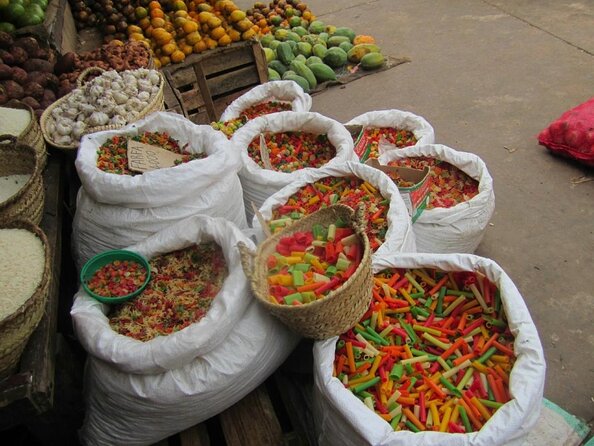
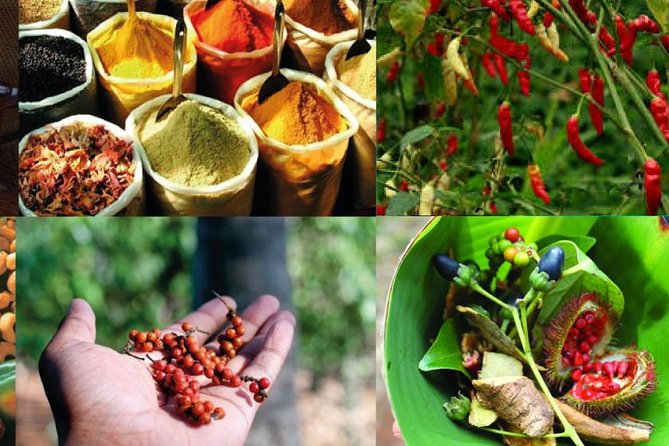
- Community spice farm: Tour the farm and taste spices and tropical fruits in their fresh form.
- Four-plate cooking class: Prepare several traditional dishes, including rice pilau and banana-based food.
- Warm local instruction: Lutfia and Rashid are named as hosts, with Lutfia receiving particular praise for her care and teaching.
- Small-group format: The group limit is 10 people, with private or very small departures possible.
- Flexible start times: Choose a morning pickup around 9:00 a.m. or an afternoon session around 3:00 p.m., then return to your hotel or the stated meeting point.
Why this Zanzibar food tour is worth considering
Many Zanzibar food experiences stop at eating. This one gives you the useful middle steps: shopping, identifying ingredients, learning cooking methods, and sitting down to eat what you helped prepare.
That makes the price of about $40 easier to assess. It is not just a meal, and it is not just a farm visit. You are paying for roughly five hours of guiding, transport from a Stone Town hotel, market shopping, a spice-farm visit, instruction, and lunch. For a small group, that is a fair package if all parts run to schedule.
I especially like the connection between the market and the kitchen. You do not see an ingredient at Darajani and then forget about it. The food you buy becomes part of the lesson. That gives the market visit a purpose and helps you understand how everyday Zanzibari cooking is built.
The experience is also a good fit if you enjoy learning by doing. You are not expected to sit quietly while a cook performs. You help prepare the food, pick up practical tips, and eat the finished meal at the end.
More Cooking Classes in Zanzibar
- Zanzibar: Spice Farm Tour with Traditional Cooking Lesson
★ 4.8 · 77 reviews - Half-Day Kuza Cave Swimming Adventure and Cooking Class
★ 4.5 · 44 reviews - Zanzibar: Spice Farm Tour with Traditional Cooking Class
★ 4.6 · 16 reviews
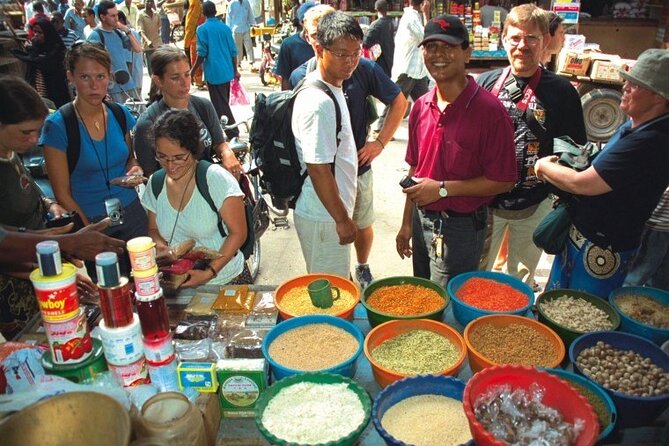
Starting at Darajani Market
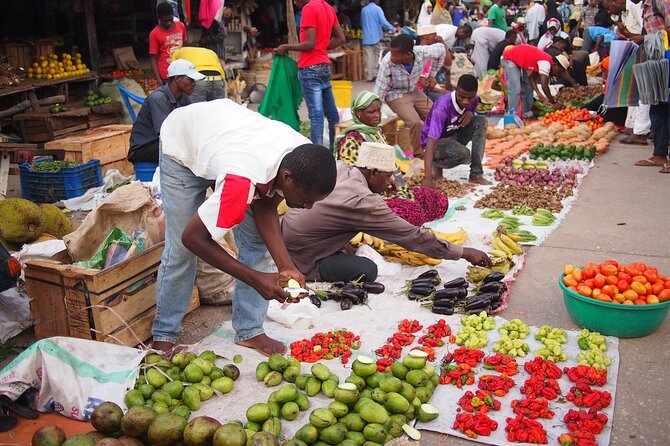
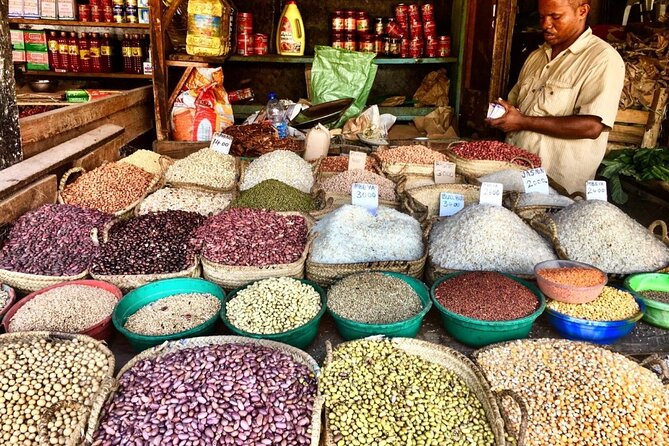
The first stop is Darajani Market in Stone Town. The tour begins with a short guided walk through the local food market, followed by shopping for ingredients used in the cooking class.
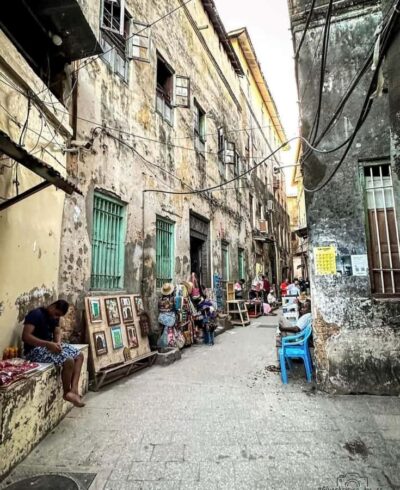
This is a smart opening. Darajani is where you can connect Zanzibari dishes with real produce, spices, and pantry staples before you see them in a prepared meal. The market also gives you a quick look at the daily food trade in Stone Town, rather than presenting Zanzibar as only a beach destination.
You should expect a working market, not a polished food hall. The experience is about seeing ingredients in their normal setting and buying what the group needs. Your guide handles the communication with sellers, while you get to watch the process and ask questions.
One useful detail from the experience is that shopping is part of the class, not an optional extra. You may help choose the food, then see how it is cleaned, seasoned, and cooked later. That makes the class more memorable than a demonstration using ingredients already laid out on a table.
The market portion is described as short, so do not expect a long historical tour of Stone Town or a full market photography session. Its job is to introduce the food and gather supplies. If you want a slower market visit, allow separate time in your Zanzibar schedule.
Tasting spice-fruit at the farm
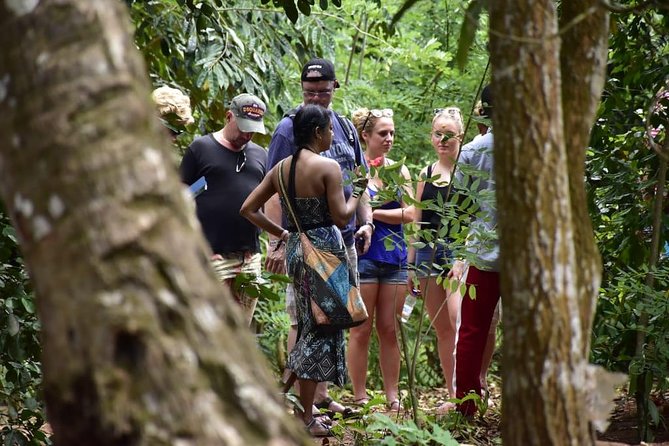
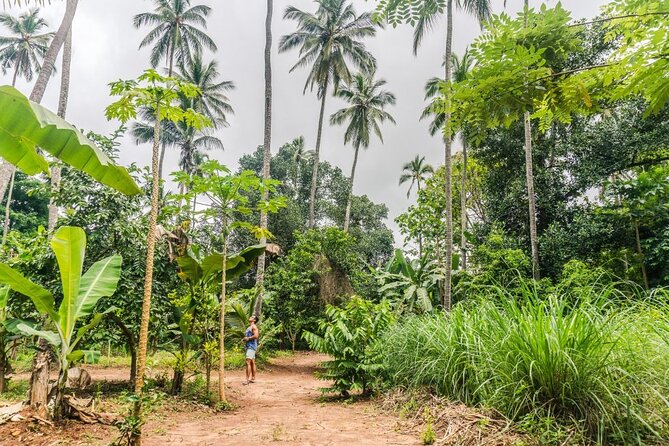
After Darajani Market, you head to a spice farm, including Azusa Spice Farm in the described experience. The farm tour focuses on spices and tropical fruit, with tastings along the way.
This is the part that gives Zanzibar its familiar nickname as a spice island some real meaning. Instead of only buying packaged cinnamon, cloves, or other spices, you get to see plants and taste fruit in a farm setting. The experience includes a community farm, and the tasting element makes it more active than a walk with names and labels alone.
You might find that some ingredients look quite different before they reach a market stall or restaurant kitchen. Tasting them fresh also helps you understand how much flavor comes from the raw plant itself, rather than from a prepared spice blend.
The guide’s role matters here. One especially strong part of the experience is the explanation of how the plants are used and the chance to taste many of the spices and fruits. The farm guide is described as going beyond a basic explanation, showing the plants and making the visit interactive.
Keep your expectations sensible. The farm stop is a tour and tasting, not a long agricultural workshop. The information provided does not promise a specific list of every spice, the exact length of the farm visit, or a full meal there. You should also be prepared for the possibility that the farm may sell products. One account describes the welcome becoming less friendly after a decision not to buy, so you should treat shopping as optional and keep your own boundaries clear.
Cooking a four-plate Zanzibari meal
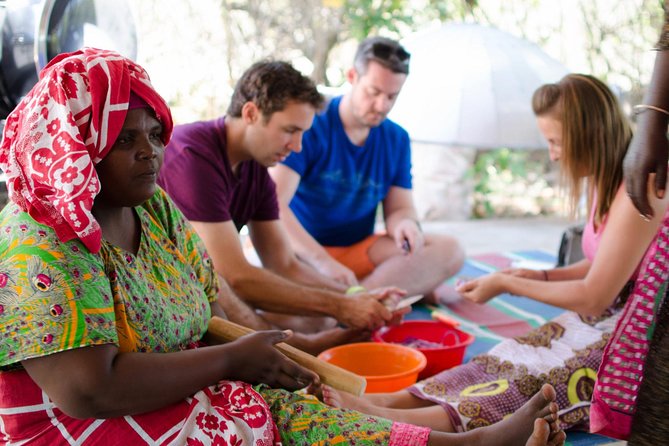
The cooking class is the heart of the day. After the market and farm, you prepare an authentic Zanzibari meal with a local cook, then sit down to eat it for lunch.
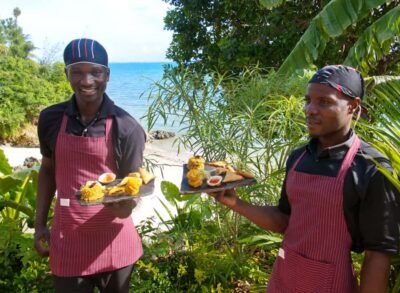
The food can include rice pilau and banana-based dishes, and one session produced a four-plate meal. Exact dishes may vary with the ingredients purchased and the class arrangement, so you should not book expecting one fixed menu unless the operator confirms it in advance.
Rice pilau is a particularly useful dish to learn because it brings together rice, spices, and careful preparation in a way that reflects the wider food culture of the region. You receive tips on preparing it rather than simply being handed a finished plate. The banana dish adds another local touch and shows how familiar ingredients can be used in ways that differ from European cooking.
The teaching style appears to be informal and practical. You help with the cooking, watch the local technique, and then taste the result. That is valuable even if you do not consider yourself a cook, because the lesson gives you a way to remember Zanzibar through flavor and method.
Lutfia receives especially strong praise for being warm, attentive, and willing to make the class personal. One small private group had her full attention, which made the cooking part particularly enjoyable. Lutfia and Rashid are also identified as hosts and cooks, so the experience is not built around a distant instructor giving a formal presentation.
I would ask at the start how much hands-on work you will do. The available information clearly says you help cook, but it does not specify every task or how the work is divided in a larger group. With a maximum of 10 people, the class should still be manageable, but a private or very small departure may provide more time with the cook.
More spice farm mornings:
- Zanzibar: Stone Town, Spice Tour, Prison Island with Lunch
★ 4.4 · 1,219 reviews - Zanzibar: Prison Island, Stone Town, & Spice Farm Tour
★ 4.5 · 579 reviews - Zanzibar: Stone Town, Spice tour & Prison Island with Lunch
★ 4.6 · 453 reviews - Full-Day Private Stone Town +Spice Farm and Prison Island Tour
★ 4.5 · 216 reviews
The meal and the value of learning
Lunch is included after the cooking session. You eat the food prepared during the class, which gives the day a satisfying finish and lets you judge the dishes for yourself.
For me, this is where the $40 price earns its keep. A restaurant meal can show you what Zanzibari food tastes like, but this class gives you the story behind the plate. You see the ingredients at the market, taste some of them at the farm, and then use them in a meal.
The value is strongest for people who want a local activity that is both social and useful. You can take the cooking ideas home, and the market experience may help you recognize dishes on later menus. It also offers a break from the usual Stone Town walking tour, beach outing, or resort meal.
The meal is not described as a fine-dining event. Think of it as the result of a shared cooking session. That is a benefit if you want something relaxed and local, but a drawback if you are seeking a carefully staged culinary performance.
Timing, pickup, and group size
The morning session is listed with pickup at 9:00 a.m., and an afternoon session is offered around 3:00 p.m. The total experience lasts about five hours.
Hotel transfers in Stone Town are included in the tour description. At the same time, the stated meeting information gives a meeting point at R5QQ+697, Zanzibar, Tanzania, and says the activity ends back at the meeting point. Since the itinerary also describes hotel drop-off, confirm the exact pickup and return arrangement before you go.
The time of day affects how you use this experience. A morning start should finish around the middle of the day, making it a natural lunch activity. The afternoon option should finish in the evening, though the exact end time is not stated. Ask for a precise return estimate if you have dinner reservations, a ferry, or another booked activity.
Do not schedule this tour close to a flight. One account describes a late pickup, long delays, and concern about making an evening flight. Another says the operator did not arrive at the agreed location and could not be reached at the time. Those are serious logistical warnings, even though other sessions were described as well handled from pickup to drop-off.
The maximum group size is 10 people. That is small enough to keep the cooking class personal in many cases. You might also end up in a private or nearly private class, but that is not guaranteed. Group discounts are available, so this can work well for friends or families who want to share the experience.
What the day feels like
The day has a clear rhythm: market, farm, kitchen, meal. Each stop prepares you for the next, and the route keeps the experience focused on food rather than adding unrelated sightseeing.
The market is observational and practical. The farm is sensory, with plant explanations and tastings. The cooking class is active. The meal is social and gives you time to enjoy the result.
That mix helps explain why the cooking class receives the strongest praise. The farm provides the setting and background, but the kitchen is where you spend time with the local cook and take part directly. If you have to choose what to pay closest attention to, focus on the cooking methods and the spice combinations.
The hosts also shape the day. Lutfia is described as warm, friendly, and attentive, while Rashid is named as an excellent host and cook. Still, the experience is not perfectly consistent. One account describes a guide who spent too much time talking with companions, and another describes poor communication and a disappointing attitude at the farm. You should enjoy the local, informal nature of the tour while also expecting clear coordination and respectful service.
Who should book this experience
I would recommend this to you if you enjoy food, small-group activities, and meeting local cooks. It suits first-time visitors who want more context for Zanzibar’s cuisine, as well as people who already enjoy cooking and want to learn a few regional techniques.
It is also a good choice for families and groups of friends. The five-hour schedule is long enough to feel substantial without taking up an entire day, and group discounts may improve the value.
You should think twice if you dislike market visits, shared cooking, or flexible timing. The activity is not a quick tasting and may not follow a rigid timetable. It is also a poor choice for the day you leave Zanzibar, especially if you have a flight or ferry later in the day.
The tour is non-refundable and cannot be changed for any reason. That makes it important to confirm your date, start time, meeting point, and transport plan before paying.
Should you book the Zanzibar cooking class and spice tour?
Book it if you want to understand Zanzibar through its food rather than only eat it. The strongest reasons are the market-to-kitchen connection, the fresh spice and fruit tastings, and the chance to cook a multi-dish meal with a local host.
At about $40, the experience offers good value when pickup, the farm visit, cooking instruction, and lunch all run as planned. I would choose a morning departure if possible, confirm the hotel transfer in writing, and leave plenty of room afterward.
Skip it if your schedule is tight, your flight is the same day, or you want a polished culinary school format. The food and personal instruction can be excellent, but the logistics have shown enough inconsistency to require a little caution.
FAQ
How long does the Zanzibar cooking class and spice tour last?
The experience lasts approximately five hours.
What time does the tour start?
The morning session starts with pickup at about 9:00 a.m. An afternoon session is also offered at about 3:00 p.m.
Where does the tour begin?
The listed meeting point is R5QQ+697, Zanzibar, Tanzania. Hotel pickup in Stone Town is also included in the tour description, so confirm the exact arrangement before departure.
Where does the experience end?
The activity information says it ends back at the meeting point. The itinerary also describes drop-off at your hotel, so ask the operator to confirm your return location.
What happens at Darajani Market?
You take a short guided tour of Darajani Market and shop for ingredients that will be used during the cooking class.
What happens at the spice farm?
You tour a spice farm and taste spices and tropical fruits. The experience includes a community farm, and Azusa Spice Farm is named in the activity details.
What food will I cook?
The class teaches classic Zanzibari dishes. The available information specifically mentions rice pilau, banana-based food, and a four-plate meal, but the exact menu may vary.
How many people can join the tour?
The maximum group size is 10 people. Group discounts are available, and some departures may be private or very small.
Can I cancel or change the booking?
No. The experience is non-refundable and cannot be changed for any reason.
More workshops and classes in Zanzibar
- Traditional Zanzibar Cooking Class including Spice Tour
★ 4.5 · 14 reviews - Mnemba Dolphin Tour, Clear Kayak, Cooking Class, Horse Riding
★ 4.5 · 14 reviews - A private half day spice farm with a cooking lesson
★ 5.0 · 13 reviews - Full-Day Private Tour in Zanzibar with Cooking Class
★ 5.0 · 11 reviews
Newly listed around Zanzibar
- Zanzibar: Nungwi/Kendwa Beach Sunset Dhow Cruise with Fruits★ 3.4 · 3 reviews
- Prison Island, Sea Turtles, Rock Restaurant & Relax in Beach★ 4.6 · 3 reviews
- Starfish Beach; The Rock; Kuza Cave; Paje Beach; Salaam Cave Tour★ 4.5 · 3 reviews
- Zanzibar: Half-Day Spice Farm Tour,the flavours of Zanzibar★ 4.7 · 3 reviews
- Joazani forest & Spice farm with lunch★ 5.0 · 3 reviews
- Nakupenda Island Snorkeling Sea trip & Lunch W/Transfer -Zanzibar★ 4.0 · 3 reviews
- Mnemba Island Snorkeling and Dolphin tour★ 5.0 · 3 reviews
- Zanzibar:Jozani forest, Spice farm with Swahili Cuisine clas★ 4.2 · 3 reviews
Spice Farm Tours, compared.



Full-Day Private Stone Town +Spice Farm and Prison Island Tour
Read our review →
The Swahili Spice Experience – Spice Tour + Culinary Journey
Read our review →Browse the lists this tour appears in