
Reviewed · SPICE FARM TOURS
A private half day spice farm with a cooking lesson
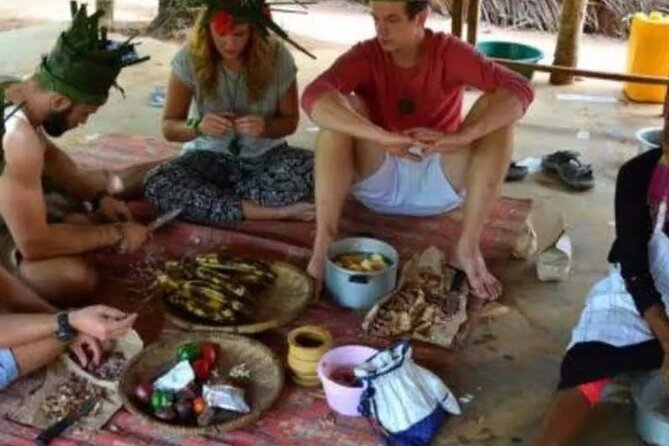
Zanzibar’s spice story makes the most sense with your hands and nose involved. On this private outing, you walk among growing vanilla, cardamom, nutmeg, tropical fruit, and other plants, then head to a local house for a lesson in Swahili cooking. The farm is the classroom, not just a shop with jars on a shelf.
I like two things right away: private transportation from your hotel keeps the day simple, and the cooking class turns sightseeing into something you can remember and repeat at home. Guides named Machano and Messa have been praised for clear explanations, friendly service, and strong knowledge of spices and fruit.
The main consideration is the travel time. One account puts the drive at about an hour each way, and the farm visit itself can take around three hours. The published duration is also shown oddly as 1 day 4 hours 30 minutes, although the program is described as a same-day half-day outing beginning at 10:00 a.m. Confirm the exact return time when booking.
Key points at a glance

- Vanilla, cardamom, and nutmeg grow in the ground around you, giving the spice lesson a real sense of place.
- Tropical fruit tasting is part of the appeal, with opportunities to try fresh fruit during the farm walk.
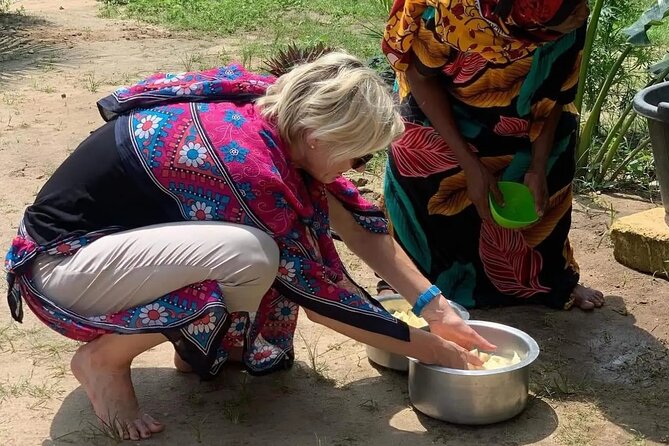
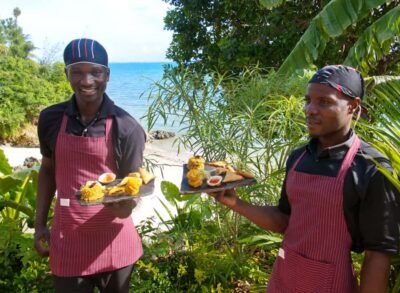
- The cooking lesson takes place at a local house, where you may prepare coconut rice, pilau, roasted plantains, and similar Swahili dishes.
- Your group travels privately, with hotel pickup, private transport, bottled water, and fees included.
- Guides such as Machano and Messa are central to the experience, especially if you want clear explanations about spices and their uses.
- The $90 price is easiest to justify for couples and small groups who value private transport and a hands-on food lesson.
Why Zanzibar is called the Spice Island
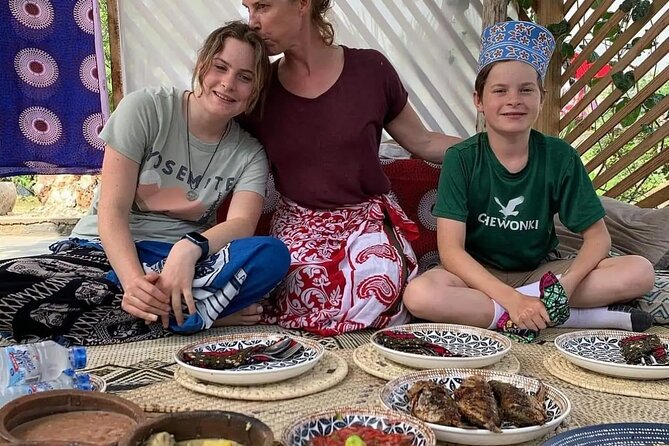
Zanzibar is famous for spices, but the name means more than finding cinnamon or cloves in a market. The useful part of this visit is seeing plants where they grow and learning how ordinary-looking leaves, pods, seeds, and roots become familiar kitchen ingredients.
You may see vanilla, cardamom, and nutmeg during the walk. The exact mix of plants can vary, but the tour description also includes tropical fruit and less common plant species. That variety matters because it gives you a wider picture of the island’s farming traditions rather than one narrow lesson about a single spice.
A guide can explain which parts of a plant are used and how spices fit into cooking. One of the more interesting details from the experience is the connection between spices and traditional medicine. You may leave with a better understanding of why a plant is valued beyond its flavor.
I would not expect a formal botanical garden with labels at every turn. This is a guided farm visit, and its value depends heavily on the person leading you. Machano and Messa are names associated with the experience, and the strongest descriptions of the outing focus on their explanations, friendliness, and ability to communicate clearly.
More Cooking Classes in Zanzibar
- Zanzibar: Spice Farm Tour with Traditional Cooking Lesson
★ 4.8 · 77 reviews - Zanzibar Cooking Class & Spice Tour
★ 4.5 · 77 reviews - Half-Day Kuza Cave Swimming Adventure and Cooking Class
★ 4.5 · 44 reviews
Leaving after breakfast for the northern farms
Pickup is offered from your hotel, with the day described as beginning after breakfast at 10:00 a.m. That is a practical start time. You do not need to rush through an early meal, and you still have much of the day ahead after returning.
The drive heads north from Zanzibar City. The exact distance depends on your hotel and the farm used, but one account describes about an hour on the road. Private transport is included, so you are not dealing with public buses or organizing a separate taxi for the return trip.
This transfer is useful, but it is also the part of the day you should price honestly. If your hotel is far from the farm, a large share of the outing can be spent in the car. Ask for an approximate pickup and return schedule before you set other plans, especially if you have an evening ferry, flight, or dinner reservation.
The private format is a real advantage. Only your group participates, so you can ask questions, pause when a plant interests you, and keep the pace more personal than on a large coach tour. The experience is listed as suitable for most participants, and it is near public transportation, though private pickup is already provided.
Walking through vanilla, cardamom, and nutmeg
The farm walk is the first major stop. Instead of simply buying packaged spices, you get to see the plants in their growing environment and connect the finished ingredient with its source.
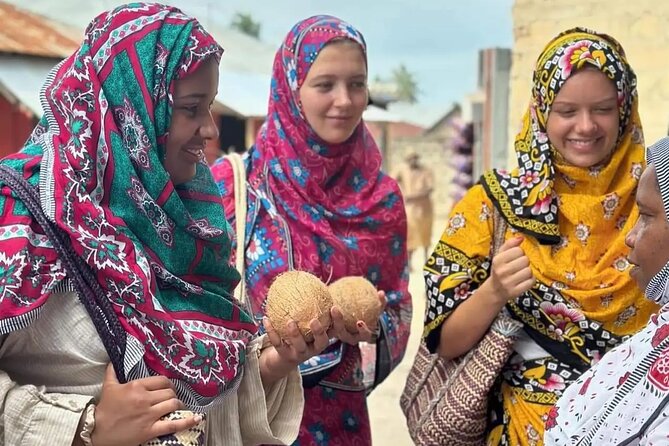
Vanilla is likely to catch your attention. It is familiar in cakes and sweets, yet the plant itself is less obvious to many people. Cardamom and nutmeg offer a different lesson, since their smell and use in savory food can be more surprising than their presence in desserts.
The guide’s role is important here. You may learn how different spices are used in food, which parts are harvested, and why some plants also have medicinal associations. The farm is also a chance to ask practical questions that a souvenir stall cannot answer.
Plan for a walk rather than a quick photo stop. The ground is described as a farm, not a paved attraction, so comfortable shoes are sensible. The supplied information does not give a detailed accessibility assessment, but it says most participants can take part. If you have mobility concerns, ask about the walking surface and route before booking.
Fresh tropical fruit adds a welcome break
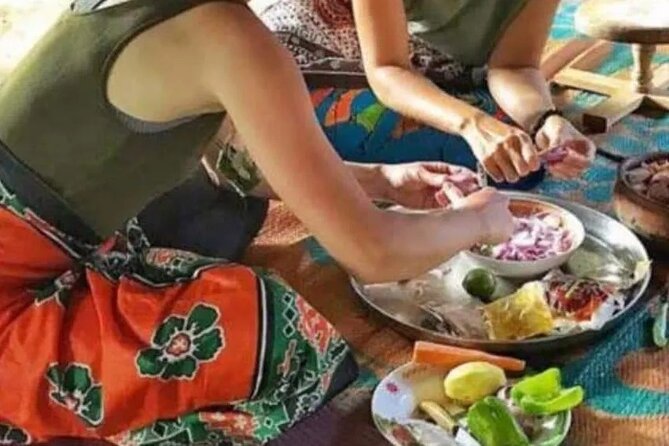
The plants are not limited to spices. Tropical fruits are part of the visit, and fruit tasting is one of the experience’s most appealing small pleasures. You may see fruit growing on the farm and sample some during the tour.
This is where the outing feels less like a lecture. You are looking, smelling, and tasting as you move through the grounds. The fruit also helps show that Zanzibar’s farming culture is not only about export spices or tourist souvenirs.
Do keep your expectations measured. The exact fruits are not listed, and availability can change with the season. The safest assumption is that you will encounter a selection of tropical produce, not a guaranteed menu of specific varieties.
Bottled water is included, which is useful in Zanzibar’s warm climate. Alcoholic drinks are not included, though alcohol is not central to the activity anyway. The main refreshment focus is fruit, water, and the food prepared later in the day.
More spice farm mornings:
- Zanzibar: Stone Town, Spice Tour, Prison Island with Lunch
★ 4.4 · 1,219 reviews - Zanzibar: Prison Island, Stone Town, & Spice Farm Tour
★ 4.5 · 579 reviews - Zanzibar: Stone Town, Spice tour & Prison Island with Lunch
★ 4.6 · 453 reviews - Full-Day Private Stone Town +Spice Farm and Prison Island Tour
★ 4.5 · 216 reviews
Cooking Swahili food at a local house

The cooking lesson is the part that gives this outing its strongest cultural connection. After walking through the farm, you go to a local house and help prepare a traditional Zanzibar dish.
Possible dishes include plain rice cooked with coconut milk, pilau, and roasted plantains. The exact menu may vary, but these examples show the range: fragrant spiced rice, creamy coconut rice, and a simple sweet-savory plantain dish.
I like this format because food gives you a direct way into local culture. You are not only hearing that Zanzibar uses spices. You are seeing how those flavors come together in a meal, then eating the result. The lesson also gives you something practical to take home, even if you later adapt the recipe to ingredients available in your own kitchen.
The phrase cooking lesson should be understood in a relaxed, local sense. The provided details do not promise a professional cooking school, printed recipes, or a long technical course. You should expect participation in preparing food at a local home, with guidance from the host or tour team.
A spoon for cooking is listed among the inclusions, along with all fees and taxes. That wording is a little basic, but it confirms that the activity supplies the stated cooking equipment rather than asking you to bring utensils.
Eating the food you help prepare
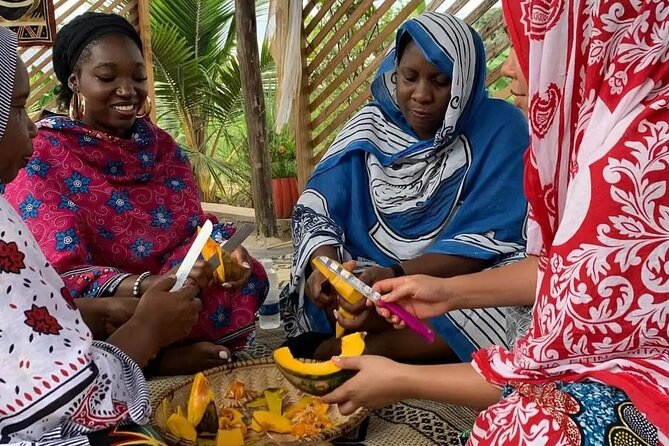
Once the dishes are ready, you can eat them. That sounds simple, but it is an important part of the design. The meal lets you judge the flavors immediately and understand how the spices work in a complete dish.
Pilau is especially useful for that reason. A spice is easier to remember when you taste it in rice than when you smell it from a small packet. Coconut rice and roasted plantains offer a gentler contrast, showing how Zanzibar cooking can move between fragrant, creamy, and naturally sweet flavors.
The food is central enough that you should tell the operator about dietary needs when you book. No specific dietary substitutions are listed, so you should not assume that vegetarian, vegan, allergy-friendly, or religious dietary requests are automatically covered.
The experience includes food prepared during the class, but it does not list alcoholic beverages. If you want drinks beyond the supplied bottled water, plan to arrange those separately.
What the private format is worth at $90
At $90 per person, this is not the cheapest way to see a spice farm. You are paying for more than entry to a plantation, though. The price includes hotel pickup, private transportation, bottled water, the cooking activity, cooking equipment, and all fees and taxes.
For two people or a small group, the private setup can make the price reasonable. You avoid joining strangers, and you have a better chance to ask questions about plants, medicine, cooking, and local food. The cost also covers the return to your hotel, which removes the uncertainty of finding a taxi after the lesson.
For a solo visitor, $90 is a bigger commitment. The same private benefits apply, but there is no group to share the transport cost. I would book it if the cooking class is a priority and you want a personal outing, not simply a quick farm visit.
The value is weaker if you only want to buy spices or take a few photographs. In that case, the drive may feel long for what you receive. The best reason to choose this activity is the combination of farm education and hands-on cooking, not either part alone.
Timing, weather, and the return to your hotel
The stated program starts at 10:00 a.m. after breakfast and ends with transport back to your hotel. The operating hours shown for the booking period are 6:30 a.m. to 10:00 p.m., Monday through Sunday, but that broad window does not mean your personal tour lasts all day. Confirm the pickup time and estimated return directly.
The listing describes the outing as a half-day activity, but the duration field displays 1 day 4 hours 30 minutes. Since the written schedule says you leave after breakfast and return after the farm and cooking visit, treat the duration field as something to clarify rather than as a firm full-day plan.
Good weather is required. If poor weather causes cancellation, you are offered another date or a full refund. For your own plans, avoid placing an important same-day commitment too close to the estimated return.
Cancellation is free if you cancel at least 24 hours before the start time, based on local time. Within 24 hours, the amount paid is not refunded, and late changes are not accepted.
Who will enjoy this outing most
I would recommend this activity to you if food is one of your main ways of understanding a place. The lesson adds purpose to the farm walk, and the meal gives the day a satisfying finish.
It also suits couples, families, and small private groups who want their own vehicle and guide. Most participants can take part, and the private format means the day can be more flexible than a large group excursion.
The experience may be less suitable if you dislike warm outdoor walks, have limited mobility that makes uneven farm ground difficult, or want a tightly timed sightseeing program. The supplied information does not give detailed route or accessibility notes, so ask specific questions before booking.
You should also consider your location. A hotel near Zanzibar City may involve about an hour of driving each way, according to the available account. That is manageable for a half-day cultural outing, but it is not a quick stop between beach activities.
Final advice: book for the cooking, not just the spices
I would book this tour if you want to connect Zanzibar’s famous spices with real food and local instruction. The strongest parts are the private hotel pickup, the walk among growing plants, the chance to taste tropical fruit, and the cooking lesson at a local house.
Book with realistic expectations. The exact dishes, fruit, farm route, guide, and schedule may vary, and the duration information needs clarification. Ask who will guide your group, how long the drive will take from your hotel, what dishes are planned, and how much walking is involved.
For $90 per person, the outing makes the most sense when you value a private experience and an active cooking lesson. If you only want a short spice stop or a shopping opportunity, choose a simpler visit. If you want a taste of Zanzibar that reaches from farm soil to dinner plate, this is a strong choice.
FAQ
Where does the spice farm cooking tour take place?
The activity is based in Zanzibar City with travel to a spice farm north of Zanzibar. Hotel pickup and return transportation are offered.
What time does the tour start?
The written schedule says you leave after breakfast at 10:00 a.m. Confirm the exact pickup time with the operator when booking.
How long does the experience last?
It is described as a half-day activity, but the duration field displays 1 day 4 hours 30 minutes. The farm walk and cooking session are followed by a return to your hotel, so confirm the precise schedule before booking.
Is this a private tour?
Yes. Only your group participates in the activity.
What spices and plants might I see?
The tour includes plants such as vanilla, cardamom, and nutmeg, along with tropical fruits and other less common plant species.
What food may be prepared during the cooking lesson?
Possible dishes include rice cooked with coconut milk, pilau, and roasted plantains. The exact dishes are not guaranteed in the supplied details.
What is included in the $90 price?
The price includes bottled water, a cooking spoon, all fees and taxes, and private transportation.
Can I cancel for a full refund?
Yes, if you cancel at least 24 hours before the experience start time. Cancellations within 24 hours are not refunded. If bad weather causes the operator to cancel, you will be offered another date or a full refund.
More workshops and classes in Zanzibar
- Zanzibar: Spice Farm Tour with Traditional Cooking Class
★ 4.6 · 16 reviews - Traditional Zanzibar Cooking Class including Spice Tour
★ 4.5 · 14 reviews - Mnemba Dolphin Tour, Clear Kayak, Cooking Class, Horse Riding
★ 4.5 · 14 reviews - Full-Day Private Tour in Zanzibar with Cooking Class
★ 5.0 · 11 reviews
More farm visits in Zanzibar
- Zanzibar: Stone Town & Spice Farm Tour with Lunch
★ 4.5 · 97 reviews - Zanzibar:Stone Town & Spice Farm Private Tour Lunch Included
★ 4.2 · 94 reviews - Zanzibar full day Jozani forest + Spice farm and stone town
★ 4.7 · 90 reviews - Zanzibar: Spice Farm & Stone Town Tour with Lunch
★ 4.5 · 80 reviews
Newly listed around Zanzibar
- Zanzibar: Nungwi/Kendwa Beach Sunset Dhow Cruise with Fruits★ 3.4 · 3 reviews
- Prison Island, Sea Turtles, Rock Restaurant & Relax in Beach★ 4.6 · 3 reviews
- Starfish Beach; The Rock; Kuza Cave; Paje Beach; Salaam Cave Tour★ 4.5 · 3 reviews
- Zanzibar: Half-Day Spice Farm Tour,the flavours of Zanzibar★ 4.7 · 3 reviews
- Joazani forest & Spice farm with lunch★ 5.0 · 3 reviews
- Nakupenda Island Snorkeling Sea trip & Lunch W/Transfer -Zanzibar★ 4.0 · 3 reviews
- Mnemba Island Snorkeling and Dolphin tour★ 5.0 · 3 reviews
- Zanzibar:Jozani forest, Spice farm with Swahili Cuisine clas★ 4.2 · 3 reviews
Spice Farm Tours, compared.



Full-Day Private Stone Town +Spice Farm and Prison Island Tour
Read our review →
The Swahili Spice Experience – Spice Tour + Culinary Journey
Read our review →Browse the lists this tour appears in