
Reviewed · SPICE FARM TOURS
Zanzibar: Spice Farm Tour with Traditional Cooking Lesson
Zanzibar’s spices are not just jars in a shop. On this three-hour tour, you smell cinnamon bark, taste fresh coconut, handle ginger, and see vanilla, cardamom, nutmeg, cloves, black pepper, and turmeric growing on an organic farm. I like the way the tour connects the plants to Zanzibar’s food, medicine, trade, and daily life. I also like that lunch is part of the lesson, not simply a meal served at the end.
The best parts are the hands-on cooking and the chance to taste fruit straight from the farm, especially jackfruit and young coconut. The main thing to keep in mind is that the cooking portion may be more of a demonstration with limited participation, depending on the day. The tour can also feel rushed if the schedule slips, so arrive ready to make the most of three hours.
Key points at a glance
- Fresh spices on living plants: Touch, smell, and taste cinnamon, vanilla, cardamom, nutmeg, cloves, pepper, ginger, turmeric, lemongrass, and other crops.
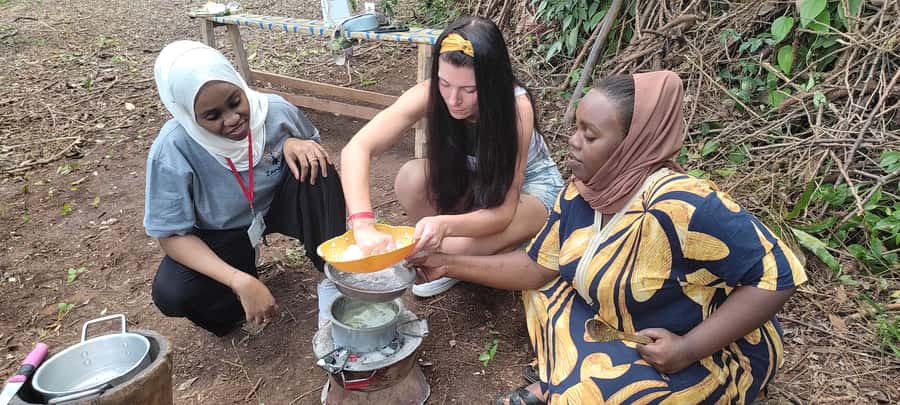
- A Swahili lunch you help prepare: Take part in cassava leaf harvesting, coconut milk making, and local cooking before eating at the farm.
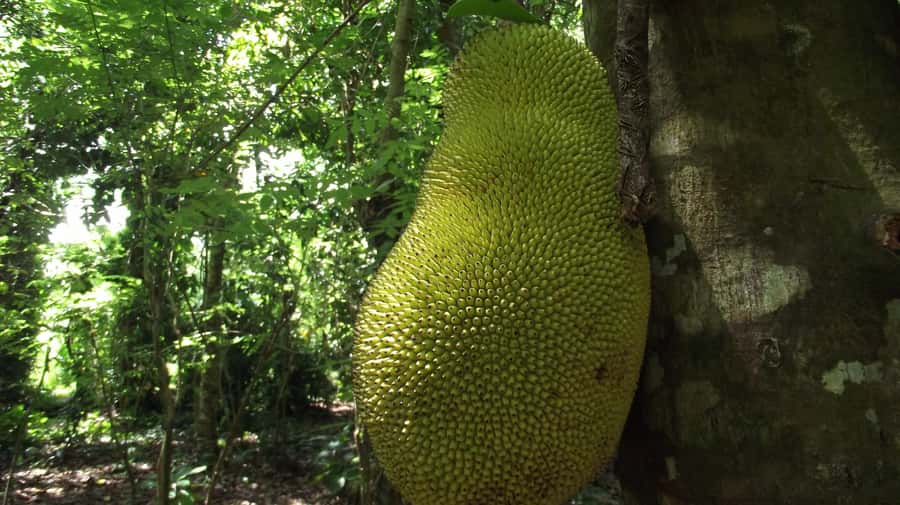
- Fruit tasting included: Try fresh jackfruit, coconut, and other tropical fruit during the visit.
- Private tour with flexible pickup: Meet at Stone Town’s Old Fort at 9:00 AM or arrange pickup from a Zanzibar beach hotel.
- Good guide reports: Chiquito, Ahmad, Abdullah, Khamis, and Juma have all been praised for friendly explanations, humor, and help with photographs.
- Bring cash for the spice shop: Spices can only be purchased with cash, so plan ahead if you want gifts or cooking supplies.
Why Zanzibar’s spice farms matter
Zanzibar and Tanzania’s Mafia Island are often called the Spice Islands because spices have long shaped the islands’ economy, cooking, and contact with the wider world. This tour gives you a useful way to understand that story: not from a museum label, but by standing beside the plants and handling them yourself.
You will see how familiar kitchen ingredients look before they are dried, ground, bottled, or mixed into a curry blend. Cinnamon is especially different in its fresh form, with its fragrant bark still attached to the tree. Vanilla, cardamom, nutmeg, cloves, black pepper, ginger, turmeric, and lemongrass each have their own texture and scent.
I find this kind of visit more useful than simply buying a packet marked Zanzibar spices. You begin to understand what you are buying. You also get a clearer sense of how one small farm can link food, traditional remedies, farming work, and local income.
The guide explains how the plants are grown and how people use them for flavor and medication. English and Swahili are available, and a live guide leads the tour rather than leaving you to walk around on your own.
More Cooking Classes in Zanzibar
- Zanzibar Cooking Class & Spice Tour
★ 4.5 · 77 reviews - Half-Day Kuza Cave Swimming Adventure and Cooking Class
★ 4.5 · 44 reviews - Zanzibar: Spice Farm Tour with Traditional Cooking Class
★ 4.6 · 16 reviews
Arriving from Stone Town or the beach hotels
The standard meeting point is in front of the Old Fort on Mizingani Road in Stone Town at 9:00 AM. This is a simple place to find if you are staying in town. If you are based at a beach hotel, optional pickup is available, including pickup from beach hotels anywhere in Zanzibar.
The pickup option matters because the farm is outside Stone Town and a separate taxi could add cost and planning. At $65 per person, the price includes pickup, a local guide, lunch, and a contribution to the local community. For a private three-hour outing, that is a fair package, especially if you want both a cultural visit and a meal.
The exact pickup time from a beach hotel is not given, so confirm it when booking. The tour itself lasts three hours, and the listed Stone Town meeting time is 9:00 AM. Wear shoes you can walk in, bring water, sunscreen, and a sun hat. The farm visit is outdoors, and you will want your hands free for tasting, touching plants, and joining the cooking tasks.
Walking through the spice plants
The farm walk is the heart of the experience. Instead of seeing finished spices in bowls, you get to smell and taste them in their original form. That difference is the reason to book this tour.
Expect the guide to stop at several plants and explain how each one is used. The tour covers common Western cooking spices such as cinnamon, vanilla, ginger, turmeric, nutmeg, cloves, black pepper, cardamom, and lemongrass. You may also see other herbs and spice plants grown at the farm.
The guide encourages you to use your senses. You can touch leaves, smell fresh plant material, and taste selected ingredients. Fresh spices can be surprisingly mild, sharp, sweet, or earthy compared with their dried supermarket versions. This makes the visit useful for cooks, but you do not need to be especially interested in cooking to enjoy it.
The explanations also place each spice in Zanzibar life. You learn about flavor, traditional remedies, farming, and the role of spices in the island economy. Guides such as Chiquito have been singled out for combining clear information with humor. Other guides, including Abdullah, have received praise for making the experience friendly and easy to follow.
Guide assignments can vary, so do not book expecting one particular person. The important point is that this is a guided visit in English or Swahili, not a self-guided garden stop.
Tasting jackfruit and young coconut

The spice plants are only part of the farm visit. Tropical fruit adds a welcome change of taste and texture, and the tour includes fresh jackfruit, described as the largest fruit in the world. Jackfruit has a sweet, distinctive flavor and a fibrous texture that is quite different from the fruit sold in many Western shops.
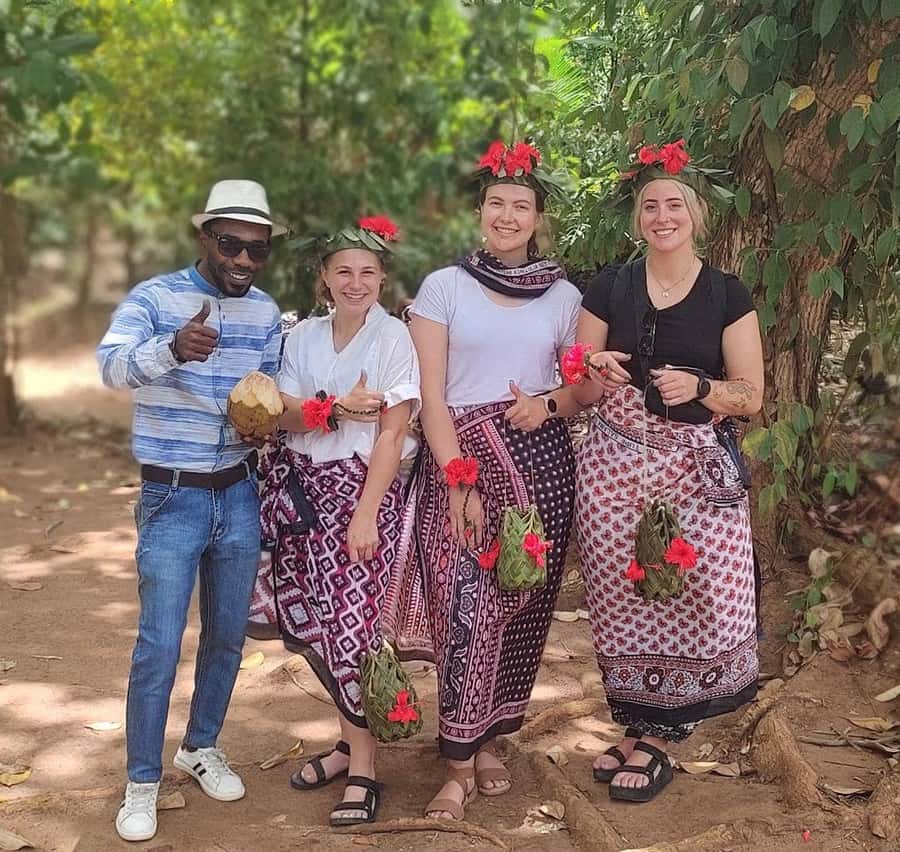
You may also have the chance to taste a young coconut picked from the tree. A coconut tree climber collects fresh fruit for the group, giving you a taste of coconut that has not been sitting in a carton or can.
These moments are simple but valuable. You are not just hearing about local agriculture. You are trying the results. Bring water, but avoid filling up before the tour if you want to enjoy the food and fruit. One reviewer specifically advised not eating beforehand because there is plenty to taste and lunch comes later.
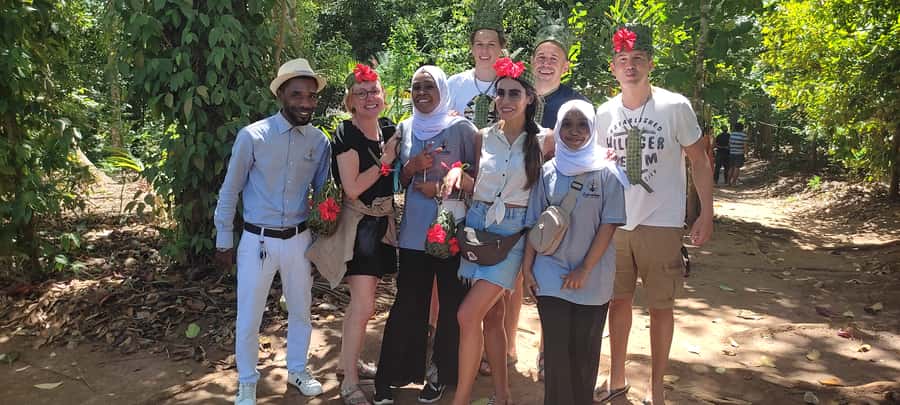
The tour may also include playful demonstrations involving leaves, such as a crown, tie, or handbag. One past participant found this part too touristy and disliked being asked for a tip afterward. It is worth treating these extras as optional entertainment rather than an essential part of the farm visit.
More spice farm mornings:
- Zanzibar: Stone Town, Spice Tour, Prison Island with Lunch
★ 4.4 · 1,219 reviews - Zanzibar: Prison Island, Stone Town, & Spice Farm Tour
★ 4.5 · 579 reviews - Zanzibar: Stone Town, Spice tour & Prison Island with Lunch
★ 4.6 · 453 reviews - Full-Day Private Stone Town +Spice Farm and Prison Island Tour
★ 4.5 · 216 reviews
From cassava leaves to coconut milk
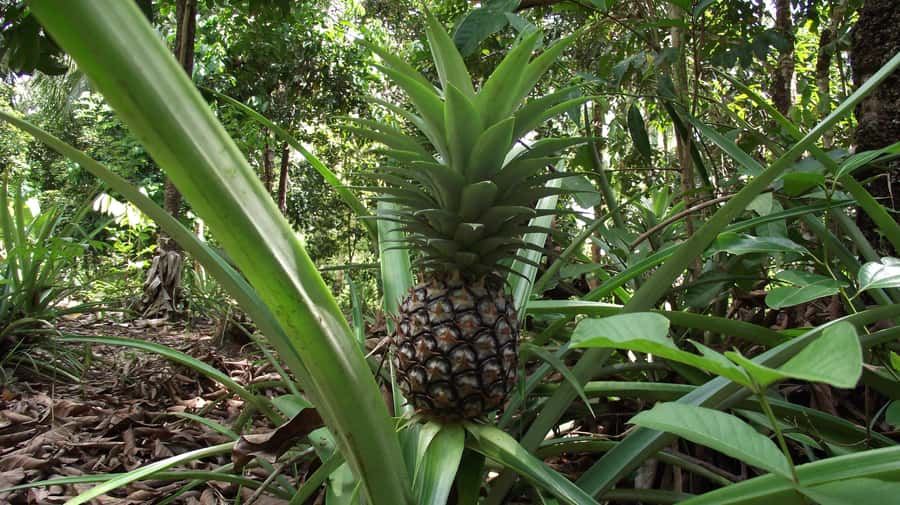
The cooking session gives the tour its strongest cultural element. You can join a cassava leaf harvest, help make coconut milk, and practice preparing local food with ingredients connected to the farm.
Making coconut milk is especially worthwhile because it shows a basic part of coastal cooking that is easy to miss when you only eat finished dishes in restaurants. Coconut is not just a garnish here. It helps form the base of many local recipes, and preparing it by hand makes the meal feel connected to the place.
The advertised experience says you help prepare lunch, but the amount of hands-on cooking can vary. Some people have taken part in cooking local dishes from scratch. Another account found that the farm staff mainly demonstrated ingredients for one side dish, with only a little participation from the group.
That difference is important. If you are booking a formal cooking class with a recipe-by-recipe lesson, this may not meet that expectation. If you want a relaxed farm visit where you can take part in some preparation and then eat a traditional meal, it fits better.
Follow instructions carefully around cutting tools and coconuts. The activity includes practical work, and rushing or treating a demonstration casually is not wise.
Eating a traditional Swahili lunch
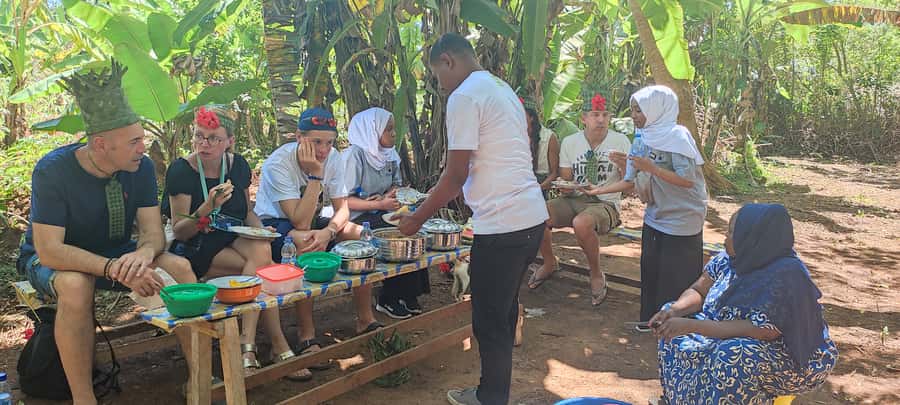
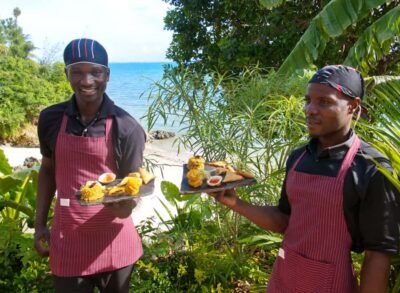
Lunch is served at the spice farm after the cooking activities. The meal is a traditional Swahili spread, and you will have helped with at least part of its preparation. The food is one of the strongest reasons this tour offers good value.
You are not simply handed a plate after a farm walk. You have already smelled the spices, seen the ingredients, and watched or joined the preparation. That context changes the meal. A coconut-based dish tastes more meaningful when you have just seen coconut milk made, and spices feel less abstract when you have handled the plants they came from.
Past accounts describe the lunch as generous and delicious, with local dishes prepared by the women at the farm. The food receives some of the most consistent praise, along with the guide’s explanations and the relaxed participation.
Do not expect a restaurant menu or a choice of several courses. The tour presents a local meal as part of the farm experience. If you have dietary needs, ask in advance because the supplied details do not list substitutions or a full menu.
Buying spices to take home
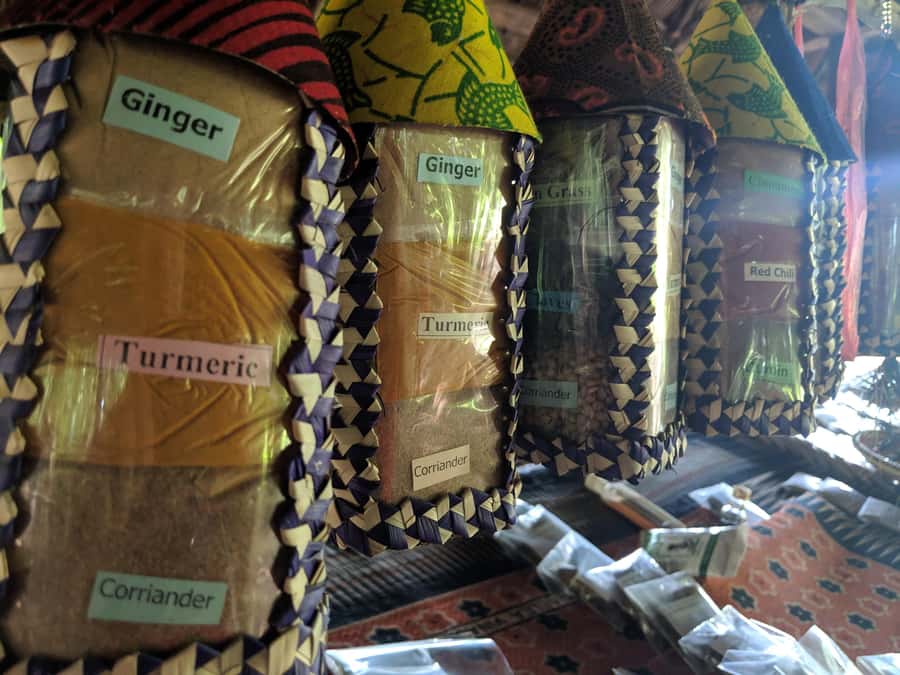
The farm shop is the natural final stop. You can buy fresh spices and teas to use at home, and this is a good place to purchase them if you want a direct reminder of the visit.
Bring cash. The tour information specifically says that spices can only be purchased with cash, and no card option is listed. Decide before the trip how much you want to spend, since the shop can be tempting after you have seen and tasted the plants.
Buying spices also supports the farm and local community, but compare quantities and prices before purchasing if you are watching your budget. The tour price already includes a contribution to the local community, so shopping is optional, not a required add-on.
Pack your purchases carefully for the journey home. The available information does not specify airline rules or customs requirements, so check the regulations that apply to your destination before buying large quantities.
What the $65 price really covers
At $65 per person, this is not the cheapest way to see a farm, but it includes several separate services: transportation from the Stone Town meeting point or a beach hotel, a local guide, the three-hour visit, the cooking activities, lunch, and a local community contribution.
A private group is another advantage. You are not being placed in a large mixed tour, and the guide can potentially give more attention to your group. The data does not specify the maximum number of people, so ask before booking if group size is important to you.
The value is strongest for someone who wants several experiences in one morning: an agricultural visit, a food lesson, a tropical fruit tasting, and a Swahili lunch. If you only want to buy spices, the price may feel high. If you want context and interaction, it is more reasonable.
The booking terms are also practical. You can reserve now and pay later, and cancellation is free up to 24 hours in advance for a full refund. Starting times beyond the listed 9:00 AM meeting should be checked for availability.
Who will enjoy this tour most
I would recommend this experience to first-time visitors who want a friendly introduction to Zanzibar’s food and farming traditions. It works particularly well for couples, families, and private groups that prefer an active morning over a formal museum visit.
It also suits anyone who cooks at home. Smelling fresh ginger, turmeric, cinnamon, pepper, and vanilla gives you a better feel for how spices behave before processing. The shop lets you carry that lesson into your own kitchen.
You should be comfortable with outdoor activity, tasting unfamiliar foods, and a flexible cooking format. The tour is listed as wheelchair accessible, but the information does not describe the exact farm paths or cooking setup, so discuss your needs when arranging the booking.
The activity is not suitable for pregnant women. If you have food allergies, medical restrictions, or other concerns, ask the provider before reserving because the available details do not list ingredients or adaptations.
Small drawbacks to consider
The three-hour schedule is compact. You may feel hurried if transportation runs late or if the farm walk includes many stops. One past experience was cut short because of timing, so punctuality matters.
The cooking lesson is another point to clarify. Some groups have cooked and prepared dishes from scratch, while others have mostly watched demonstrations and helped with one part of a dish. The wording suggests participation, but not a full professional cooking class.
The leaf crafts may not appeal to everyone, and one account found the tipping around that activity uncomfortable. You can focus on the plants, food, and explanations, which are the more worthwhile parts of the visit.
Finally, there is no included information about the quantity of food, the exact menu, or the farm’s full layout. That is not a reason to avoid the tour, but it means you should book it as a local food and farm experience rather than a tightly scripted culinary course.
Should you book the Zanzibar spice farm tour?
Yes, if you want to understand Zanzibar through its food. The combination of fresh plant tasting, tropical fruit, coconut preparation, local cooking, and lunch gives the $65 price solid value, especially with transport and a private group included.
Book it early in your Zanzibar stay if you want a warm introduction to local ingredients and customs. Leave room in your budget for cash spice purchases, and do not eat a large breakfast first.
Skip it if you want a quiet garden walk, a polished restaurant meal, or a detailed cooking school with guaranteed hands-on work at every stage. For everyone else, this is a lively, practical morning that helps you see the real source of the spices sold across Zanzibar.
FAQ
How long does the Zanzibar spice farm tour last?
The tour lasts three hours.
Where does the tour meet in Stone Town?
The meeting point is in front of the Old Fort on Mizingani Road in Stone Town. The listed meeting time is 9:00 AM.
Is hotel pickup available?
Yes. Optional pickup is available from beach hotels anywhere in Zanzibar. Pickup from the Stone Town meeting point is included.
What languages does the guide speak?
The tour is available with a live guide speaking English or Swahili.
Is lunch included?
Yes. Lunch at the spice farm is included in the price.
Do I get to cook during the tour?
You can join activities such as harvesting cassava leaves, making coconut milk, and preparing local dishes. The amount of hands-on cooking can vary, so this is not guaranteed to be a full cooking class.
Can I buy spices at the farm?
Yes. You can purchase fresh spices and teas from the farm shop. Purchases require cash.
Is the tour wheelchair accessible?
The activity is listed as wheelchair accessible.
Can pregnant women take this tour?
No. The activity is listed as not suitable for pregnant women.
More workshops and classes in Zanzibar
- Traditional Zanzibar Cooking Class including Spice Tour
★ 4.5 · 14 reviews - Mnemba Dolphin Tour, Clear Kayak, Cooking Class, Horse Riding
★ 4.5 · 14 reviews - A private half day spice farm with a cooking lesson
★ 5.0 · 13 reviews - Full-Day Private Tour in Zanzibar with Cooking Class
★ 5.0 · 11 reviews
More farm visits in Zanzibar
- Zanzibar: Stone Town & Spice Farm Tour with Lunch
★ 4.5 · 97 reviews - Zanzibar:Stone Town & Spice Farm Private Tour Lunch Included
★ 4.2 · 94 reviews - Zanzibar full day Jozani forest + Spice farm and stone town
★ 4.7 · 90 reviews - Zanzibar: Spice Farm & Stone Town Tour with Lunch
★ 4.5 · 80 reviews
Newly listed around Zanzibar
- Zanzibar: Nungwi/Kendwa Beach Sunset Dhow Cruise with Fruits★ 3.4 · 3 reviews
- Prison Island, Sea Turtles, Rock Restaurant & Relax in Beach★ 4.6 · 3 reviews
- Starfish Beach; The Rock; Kuza Cave; Paje Beach; Salaam Cave Tour★ 4.5 · 3 reviews
- Zanzibar: Half-Day Spice Farm Tour,the flavours of Zanzibar★ 4.7 · 3 reviews
- Joazani forest & Spice farm with lunch★ 5.0 · 3 reviews
- Nakupenda Island Snorkeling Sea trip & Lunch W/Transfer -Zanzibar★ 4.0 · 3 reviews
- Mnemba Island Snorkeling and Dolphin tour★ 5.0 · 3 reviews
- Zanzibar:Jozani forest, Spice farm with Swahili Cuisine clas★ 4.2 · 3 reviews
Spice Farm Tours, compared.



Full-Day Private Stone Town +Spice Farm and Prison Island Tour
Read our review →
The Swahili Spice Experience – Spice Tour + Culinary Journey
Read our review →Browse the lists this tour appears in