
Reviewed · STONE TOWN TOURS
Zanzibar:Stone Town & Spice Farm Private Tour Lunch Included
Zanzibar’s spices tell a bigger story than a souvenir shop ever can. On this private tour, you walk among cloves, cinnamon, nutmeg, ginger, black pepper, vanilla, bananas, and pineapples, then follow the island’s cultural story into Stone Town. I like that the farm visit is hands-on without being rushed, and that the tour includes a proper Swahili lunch rather than a quick roadside stop.
I also like the private format. Your Stone Town guide can shape the walk around your interests, and guides such as Abdul, Omar, and Kassim have been singled out for making the history clear and enjoyable. The main drawback is the driving time, especially from beaches in the north or southeast, and the tour may feel physically demanding if narrow streets, heat, or uneven walking are difficult for you.
Key points at a glance

- A private spice farm walk lets you smell and taste cloves, cinnamon, nutmeg, lemongrass, and other plants at their source.
- Fresh fruit tasting and Swahili lunch make the farm visit more than a short photo stop.
- Stone Town’s Old Slave Market site includes the Anglican Church, slave monuments, and small former slave chambers.
- The Old Fort and Forodhani Gardens provide an easy introduction to Stone Town’s waterfront and layered past.
- Guides can speak ten languages, including English, French, German, Arabic, Spanish, Italian, Swahili, Portuguese, Polish, and Afrikaans.
- Hotel pickup and drop-off are included in a private van, with departures available from many parts of Unguja.
Why the spice farm is the real starting point
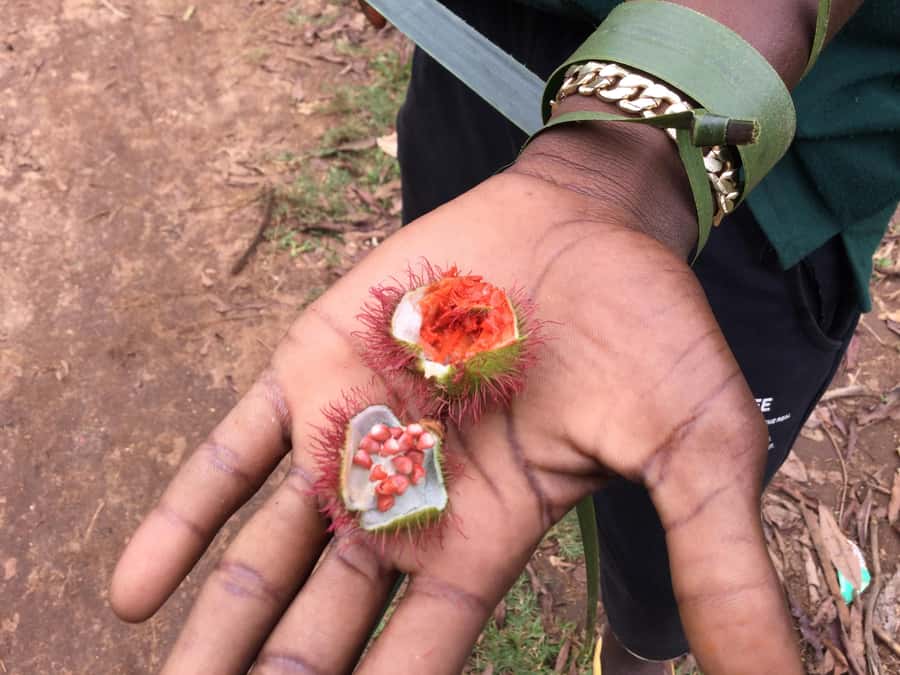
Zanzibar is often associated with beaches, but its spice trade gives the island another identity. The first half of this experience takes you into a working spice farm, where the guide explains how the farm was established and how its crops are grown.
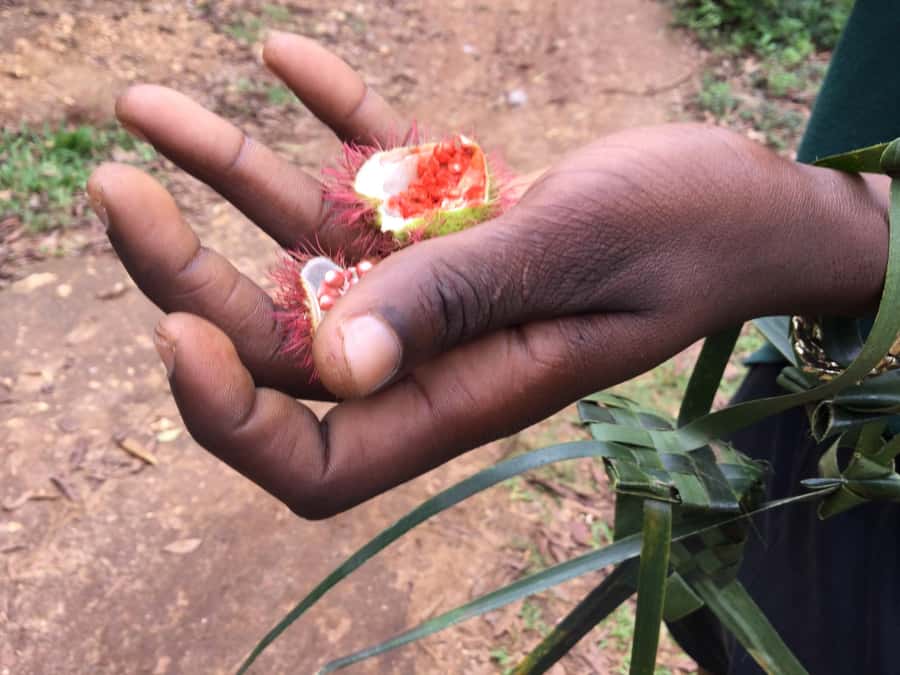
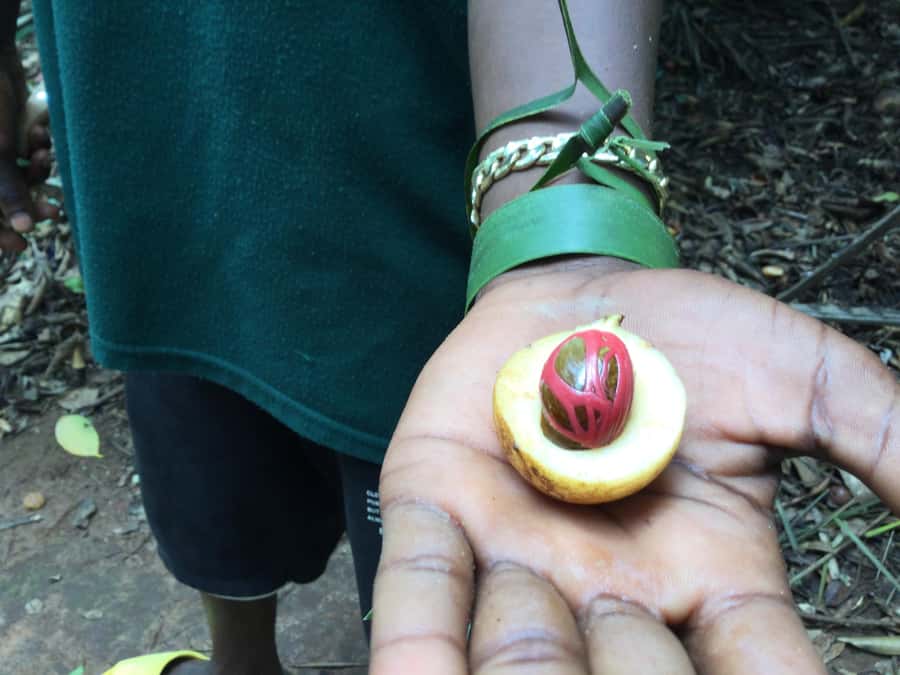
I find this valuable because spices are easy to understand in a packet and surprisingly different on a living plant. Cinnamon, for example, comes from bark, while cloves grow as flower buds. Nutmeg and black pepper also make more sense when you see their plants rather than simply buying them in a market.
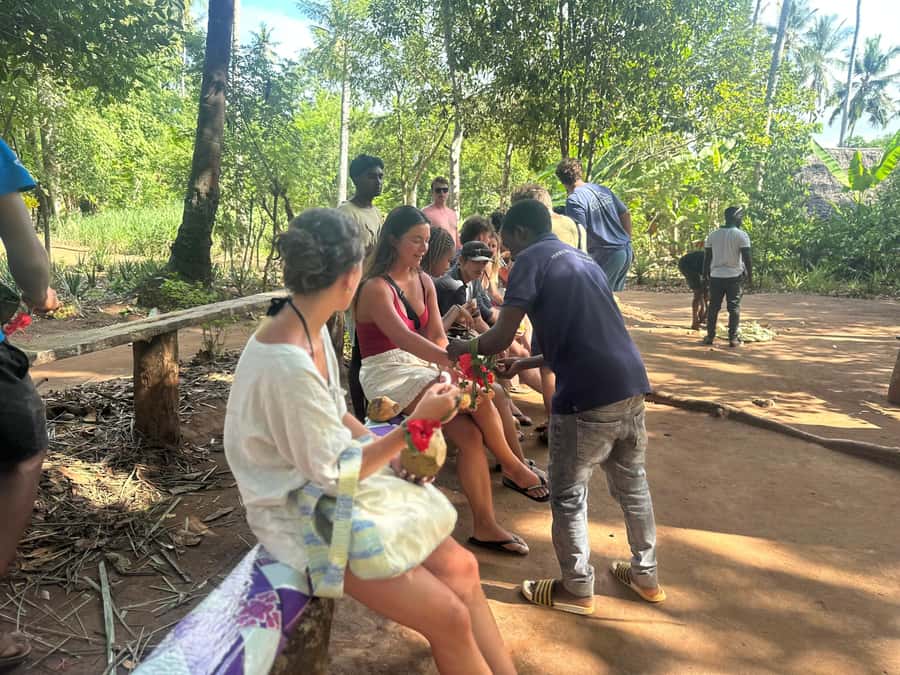
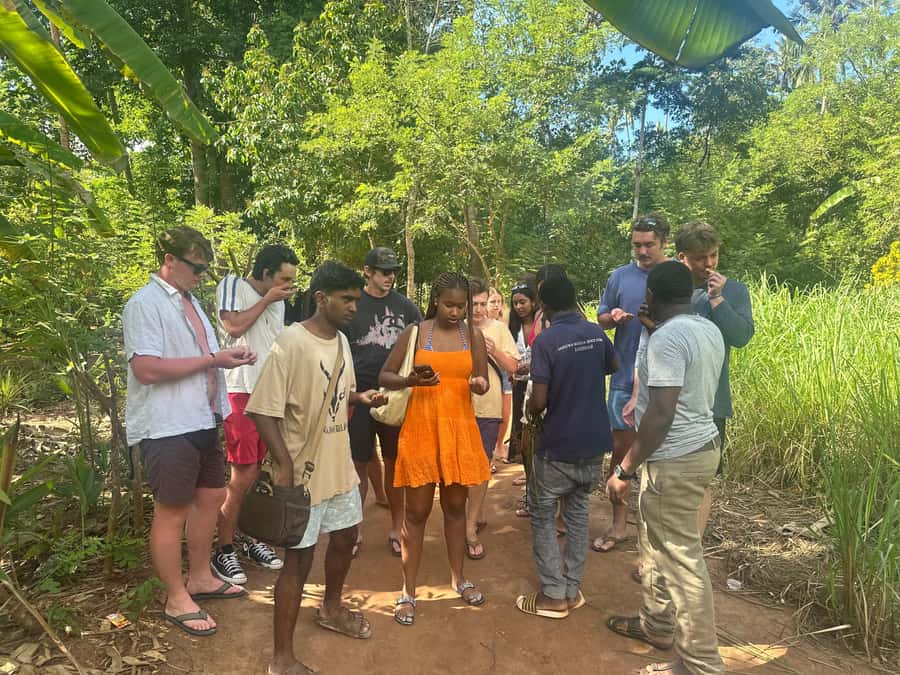
The visit is designed around your senses. You can smell cinnamon, vanilla, cloves, ginger, and lemongrass, and taste selected ingredients with the guide’s permission. You are specifically asked not to touch plants without permission, so this is an educational walk, not a free-for-all through the crops.
The farm also includes bananas, pineapples, black pepper, and other tropical produce. The guide may point out how the plants look, where the useful part grows, and how the crops fit into Zanzibar’s agricultural traditions. The information will be most useful if you ask questions, so do not be shy about asking how a spice is harvested or used in cooking.
More Stone Town walks:
- Zanzibar: Stone Town, Spice Tour, Prison Island with Lunch
★ 4.4 · 1,219 reviews - Zanzibar: Prison Island, Stone Town, & Spice Farm Tour
★ 4.5 · 579 reviews - Zanzibar; Prison Island, Nakupenda, StoneTown Tour with BBQ
★ 4.3 · 457 reviews
Tropical fruit and a generous Swahili lunch
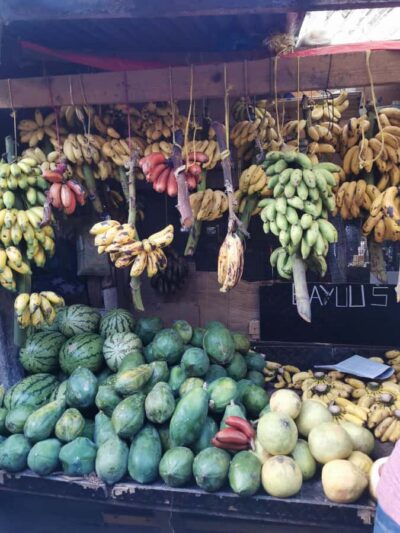
The fruit tasting is a simple feature, but it adds a lot to the farm visit. You can sample watermelon, red bananas, yellow bananas, pineapple, mangoes, and oranges. The different banana varieties are especially interesting if you usually see only one type at home.
The food is served at the farm and is prepared with fresh spices and fruit. The meal is described as a local Swahili lunch, and it is included in the $46 price. That matters because a private vehicle, two guided visits, entrance to the Old Slave Market site, fruit tasting, and lunch would otherwise add up quickly during a day of independent sightseeing.
I would allow time to sit and eat rather than treating lunch as fuel between stops. The meal is one of the few chances to connect the farm’s products with Zanzibar’s cooking. Guides may join you at the table, as Abdul did for one recent group, which gives you a natural chance to ask about local food and daily life.
Food allergies deserve careful thought. This experience is not suitable for people with food allergies, and the supplied information does not promise a customized menu. If that applies to you, ask before booking rather than hoping the meal can be adjusted on the day.
The drive to Stone Town and what the timing means

The tour includes private van transport from your hotel and back again. Pickup locations cover a wide part of Unguja, from Stone Town and nearby Chwaka to beach areas including Nungwi, Kendwa, Matemwe, Paje, Jambiani, Kizimkazi, and Michamvi Kae.
The listed duration ranges from three to six hours, but the route shows up to one hour of driving each way, about two hours at the spice farm, and about two hours in Stone Town. In practice, your total time will depend on where you are staying and the day’s schedule.
This is why the tour makes more sense as a planned day outing than a quick add-on. From a distant beach, the road time can take a large share of the day. The advantage is that you do not need to arrange several taxis or work out the order of the sights yourself. Your driver also returns you to your hotel.
Pickup instructions are straightforward. Wait in the hotel lobby at least five minutes before the scheduled time. The driver’s car number and your booking name are provided to help you identify the vehicle.
Walking into Stone Town’s layered past
Stone Town has been a UNESCO World Heritage Site since 2000. Its 19th-century buildings reflect Swahili, Arab, Indian, and European influences, and the old quarter is best understood on foot.
The streets are narrow, and the route takes you through the old town toward the City Market. Here, locals trade fresh produce and household goods. The market gives you a more useful sense of everyday Stone Town than a line of monuments does, though it can also feel crowded and intense. Keep your belongings secure and stay close to your guide.
The fish auction is another practical stop. You can watch the trading and learn how the market works, rather than simply passing through for photographs. This part of the walk may be especially interesting if you want to see Stone Town as a living town instead of an open-air museum.
The house associated with Freddie Mercury is included as a photo stop. It is a quick cultural marker rather than a full museum visit, so keep your expectations modest. It works best as one small detail in a longer walk through the old quarter.
More spice farm mornings:
- Zanzibar: Stone Town, Spice tour & Prison Island with Lunch
★ 4.6 · 453 reviews - Full-Day Private Stone Town +Spice Farm and Prison Island Tour
★ 4.5 · 216 reviews - Spice Tour + Stone Town Tour + Prison Island
★ 4.5 · 130 reviews - Zanzibar: Spice Tour & Stone Town Walking Tour
★ 4.8 · 115 reviews
The Old Fort and the waterfront
The Old Fort was built by the Portuguese and later became part of Stone Town’s changing political and military story. Its heavy walls make it one of the easiest sights to recognize, and the open spaces inside offer a change from the tight lanes.
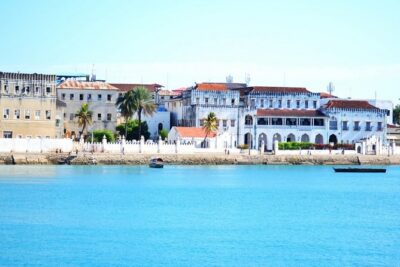
Nearby Forodhani Gardens face the waterfront. The gardens are included as a sightseeing stop, and their location makes them a useful place to understand how Stone Town connects to the sea. This is also a good point to ask your guide about the town’s links with Arabia, India, mainland Africa, and European powers.
The House of Wonders is included in the route, but it is currently undergoing renovation. You should expect to view it from outside or see limited access rather than plan on a full interior visit. The Arab Sultan’s Palace is also part of the walk, adding another piece to the story of Zanzibar’s former rulers.
Together, these stops give you a broad outline: Portuguese influence, the Omani sultanate, Indian and Swahili commercial life, and the modern town that grew around them. The value comes from the guide’s explanation, since several of the buildings are more meaningful when you understand what happened there.
The Old Slave Market site requires time and care
The most serious stop is the Old Slave Market historical site. Admission is included, and the visit covers the Anglican Church, slave monuments, and the small former slave chambers.
This is not a cheerful sightseeing stop, nor should it be. The spaces are stark, and the subject needs attention. I appreciate that the route includes the site because Zanzibar’s role in the East African slave trade is central to understanding its past. A walk focused only on forts, palaces, and famous names would leave out the people who suffered under that system.
One recent comment suggested allowing more time for the slave museum, which is useful advice. If this is the part of the tour you most want to understand, tell your Stone Town guide at the start. The published route includes the historical site, but the exact balance between stops may vary within the private format.
Guides Kassim and Omar have been praised for their French and for tailoring the Stone Town walk to personal interests. If you are assigned a different guide, the same practical tip applies: say clearly if you want more historical detail, more time at the market, or more space for photographs.
What makes the private format worth paying for
At $46 per person, this tour offers good value if you want both a spice farm and Stone Town in one outing. The package includes private van transfers, a private farm walk, a private Stone Town walk, the Old Slave Market entrance, fruit tasting, and lunch.
The value improves with more than one person in your booking, since the experience is private rather than a large shared group. You are paying for convenience as well as admission and food. You do not need to organize separate transport from the beach, find the farm, locate the Old Slave Market, or arrange a guide in Stone Town.
The private setup also gives you some control over the pace. A recent group described Omar as adapting the Stone Town visit to their preferences, while Abdul was praised for giving the right amount of information at the farm. Those details point to what you should ask for: a clear explanation, enough time to look around, and a pace that leaves room for lunch and photographs.
There are limits. The tour does not include every Stone Town museum, and the House of Wonders is under renovation. If you want a long museum visit or a specialist architectural tour, you may need a separate experience.
Language, walking, and comfort
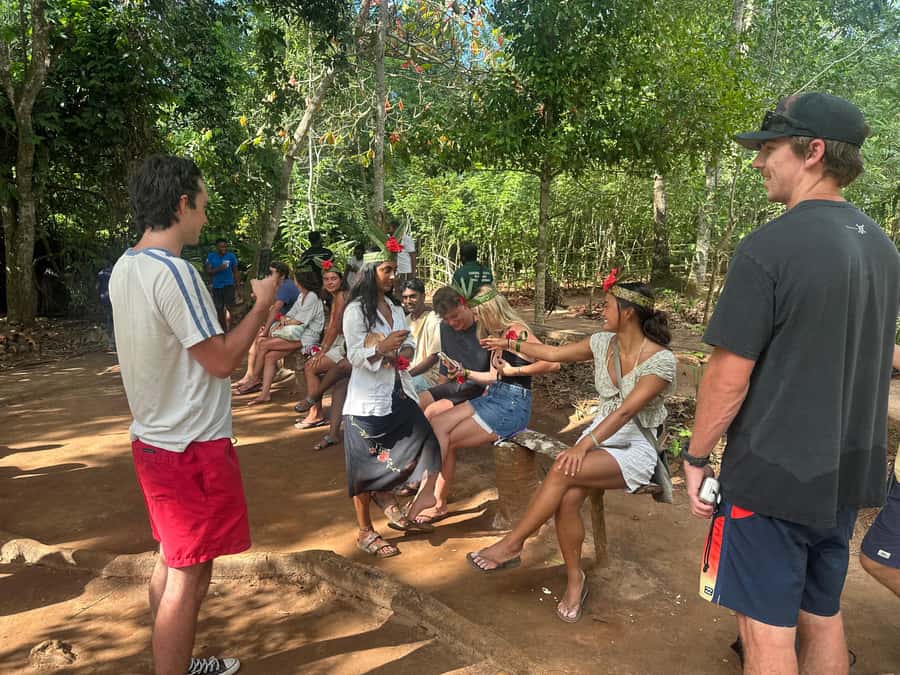
The tour can be provided in English, French, German, Polish, Arabic, Spanish, Italian, Swahili, Portuguese, or Afrikaans. That is useful in Stone Town, where historical names and sensitive subjects are easier to follow in a language you understand well.
Wear light clothing and comfortable walking shoes. Bring water, a hat, sunscreen, a camera, and insect repellent. The farm is outdoors, and Stone Town is explored on foot, so sun and heat can shape your comfort more than the distance alone.
The activity is marked wheelchair accessible, but the additional information says it is not suitable for people with mobility impairments. Those details do not fully match. If you use a wheelchair or have trouble with uneven paths, narrow lanes, or extended walking, confirm the exact route and vehicle arrangements before paying.
The same caution applies to anyone who tires easily. The farm visit lasts about two hours, followed by roughly two hours walking in Stone Town, plus driving. A private tour gives you more flexibility, but it does not remove the physical character of the route.
Who should book this Zanzibar day tour
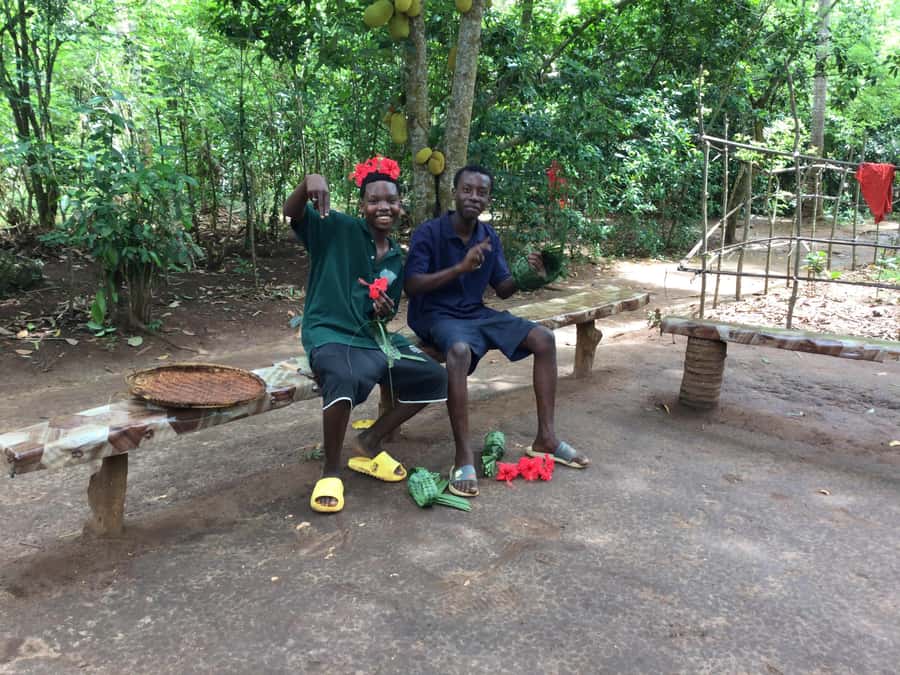
I would choose this experience if you want a first look at Zanzibar’s agriculture and history without arranging separate outings. It suits couples, families with older children, and small private groups that value hotel transfers and a guide who can answer questions.
It is also a good match for anyone who wants more than beach time. The farm gives you a direct connection to the island’s food and crops, while Stone Town adds architecture, trade, religion, politics, and difficult history.
I would hesitate if your main goal is a slow museum day. The route covers a lot in one outing, and the Old Slave Market site deserves more time if it is your central interest. I would also think twice if you are staying far from Stone Town and dislike long van rides.
The free cancellation period is up to 24 hours before departure, and you can reserve while paying later. Those options help if your Zanzibar plans are still shifting, but the more important decision is whether you want a full cultural day rather than a short city stroll.
Should you book it?
Book this tour if you want spices, local food, and Stone Town’s major historic sights in one private package. The lunch, fruit tasting, entrance fee, multilingual guiding, and hotel transport make $46 per person a sensible price for a broad introduction.
Before booking, check your hotel’s distance from Stone Town, tell the operator your preferred language, and ask for extra attention at the Old Slave Market site if that matters to you. Bring water and sun protection, and do not expect a full visit inside the House of Wonders while it is being renovated.
FAQ
How long does the Zanzibar spice farm and Stone Town tour take?
The stated duration is three to six hours. The route includes about one hour of van travel to the spice farm, two hours at the farm, two hours in Stone Town, and about one hour returning, so the total depends on your pickup location and schedule.
What is included in the price?
The $46 per person price includes private hotel pickup and drop-off by van, a private guided spice farm walk, a private guided Stone Town tour, entrance to the Old Slave Market historical site, a local lunch, and fresh fruit tasting at the farm.
Which languages are available?
Guiding is available in English, French, German, Polish, Arabic, Spanish, Italian, Swahili, Portuguese, and Afrikaans.
Where can pickup and drop-off be arranged?
Pickup and drop-off are available from locations including Pingwe, Chwaka, Uroa, Makunduchi, Bwejuu, Kizimkazi Mtendeni, Michamvi Kae, Paje, Matemwe, Nungwi, Kiwengwa, Jambiani, Kendwa, Stone Town, and Pwani Mchangani.
What should I bring?
Bring comfortable shoes, a hat, a camera, sunscreen, water, and insect repellent. Wear light clothing for the farm walk and Stone Town sightseeing.
Can I touch the spice plants?
Do not touch the plants without permission. Follow the guide’s instructions during the farm visit.
Is the tour suitable for people with food allergies or mobility impairments?
The activity is listed as unsuitable for people with food allergies and people with mobility impairments. It is also marked wheelchair accessible, so anyone needing accessibility support should confirm the exact arrangements before booking.
More farm visits in Zanzibar
- Zanzibar: Stone Town & Spice Farm Tour with Lunch
★ 4.5 · 97 reviews - Zanzibar full day Jozani forest + Spice farm and stone town
★ 4.7 · 90 reviews - Zanzibar: Spice Farm & Stone Town Tour with Lunch
★ 4.5 · 80 reviews - Zanzibar: Spice Farm Tour with Traditional Cooking Lesson
★ 4.8 · 77 reviews
More lunch stops in Zanzibar
- Zanzibar: Prison Island and Nakupenda Boat Trip with Lunch
★ 4.1 · 882 reviews - Mnemba Island: Dolphin Swim & Snorkeling with Optional Lunch
★ 4.3 · 591 reviews - Zanzibar: Prison Island & Nakupenda Boat Tour with BBQ Lunch
★ 4.4 · 554 reviews - Zanzibar: Safari Blue Lagoon Trip with Snorkeling and Lunch
★ 4.5 · 336 reviews
Newly listed around Zanzibar
- Zanzibar: Nungwi/Kendwa Beach Sunset Dhow Cruise with Fruits★ 3.4 · 3 reviews
- Prison Island, Sea Turtles, Rock Restaurant & Relax in Beach★ 4.6 · 3 reviews
- Starfish Beach; The Rock; Kuza Cave; Paje Beach; Salaam Cave Tour★ 4.5 · 3 reviews
- Zanzibar: Half-Day Spice Farm Tour,the flavours of Zanzibar★ 4.7 · 3 reviews
- Joazani forest & Spice farm with lunch★ 5.0 · 3 reviews
- Nakupenda Island Snorkeling Sea trip & Lunch W/Transfer -Zanzibar★ 4.0 · 3 reviews
- Mnemba Island Snorkeling and Dolphin tour★ 5.0 · 3 reviews
- Zanzibar:Jozani forest, Spice farm with Swahili Cuisine clas★ 4.2 · 3 reviews
Stone Town Tours, compared.

Full-Day Private Stone Town +Spice Farm and Prison Island Tour
Read our review →
Browse the lists this tour appears in