
Reviewed · ARUSHA TOURS
Mama Aziz Food Court
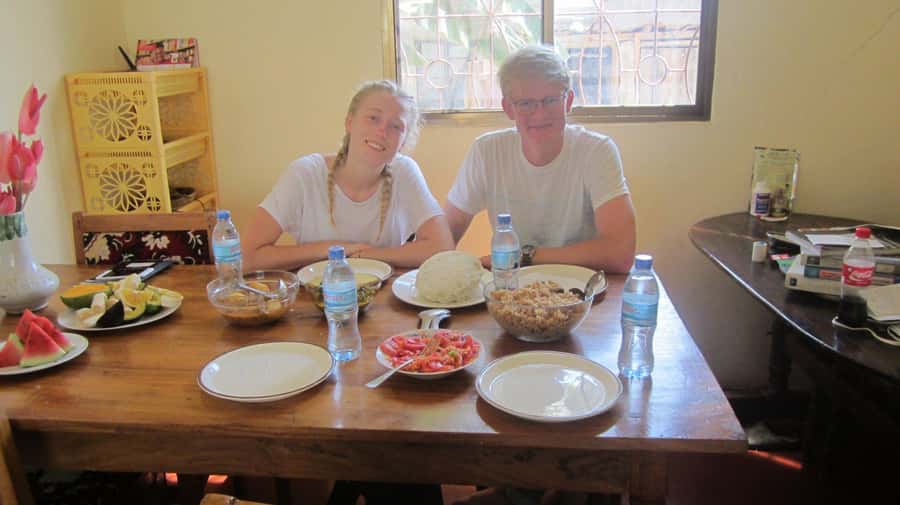
The best part of Mama Aziz Food Court is that you do not simply sit down to eat Swahili food. You visit the market, help choose the ingredients, prepare the dishes, and then share the meal. I like the market-to-table format and the chance to learn how African, Arab, Indian, and European influences meet in one kitchen.
I also like that the $25 price includes the groceries, fruit, ingredients, market visit, and cooking lesson. The possible drawback is practical: the meeting point can be a nearby restaurant at the Clock Tower roundabout or the museum by the monument, and the activity is not suitable for wheelchair users or people with visual impairments.
Key points to know before booking
- Market shopping comes first: You help buy the groceries and fruit used in the lesson, giving the meal a clear local connection.
- The menu has real variety: Dishes may include biryani, pilau, kachumbari, ugali, grilled meat, chapati, coconut food, spiced tea, and seasonal fruit.
- You cook, not just watch: The lesson covers spice combinations, preparation methods, and practical kitchen skills.
- The welcome is personal: The activity takes place through Mama Aziz Homestay, with a friendly family atmosphere and a garden visit included in the experience.
- Small groups keep it manageable: The limit is 10 people, a useful size for handling ingredients and following the cooking.
- The price covers the main costs: At $25 per person, groceries, fruit, ingredients, and the market visit are included.
Why this Arusha food lesson is different
Food is one of the quickest ways to understand a place. A dish tells you what grows locally, which spices arrived through trade, how families cook for celebrations, and what people eat day to day. Mama Aziz Food Court uses that simple idea well: instead of presenting Swahili cuisine as a finished product, it lets you see how the meal takes shape.
The focus is Swahili cooking from East Africa, with several outside influences folded into the food. You may notice African staples alongside Arab and Indian spices, as well as techniques shaped by long contact with other cultures. European influence is also part of the story, although the experience centers on local dishes rather than turning the class into a broad history lecture.
I find that useful because the menu is not just a collection of recipes. Biryani and pilau show how rice, spice, and careful cooking can produce very different results. Chapati brings another method into play, while ugali offers a plain, filling base for grilled meat and vegetables. Coconut dishes and spiced tea add still more layers.
This is best for you if food is part of how you plan a trip, not just something to fit between sightseeing stops. It is also a good choice if you want a social activity with a local family rather than a formal restaurant meal.
More Food Tours in Arusha:
- Arusha: Traditional Tanzania Cooking Class & Food Market Tour
★ 5.0 · 34 reviews - Organic Coffee Tour and Local Food Experience in Arusha
★ 5.0 · 29 reviews - Arusha: Traditional Tanzania Cooking class& Food Market Tour
★ 4.9 · 12 reviews
Starting with the market near Arusha’s Clock Tower
The activity includes pickup from a nearby restaurant at the Clock Tower roundabout or from the museum along the monument. Confirm the exact meeting point when you book, since the wording allows for more than one nearby pickup location.
From there, the experience includes a city market visit. This is an important part of the lesson, not an extra stop added for decoration. You help buy the groceries and fruit that will be used later, so you can connect the raw ingredients with the finished dishes.
The market also gives you a useful look at how cooking begins before anyone reaches the stove. You may see the spices, herbs, tropical fruit, vegetables, and other ingredients that give Swahili food its character. The supplied information does not promise a fixed market route or a fixed shopping list, so the exact selection can change with availability and the season.
That flexibility is a strength for a food lesson. A menu built around available produce is more grounded than one that depends on ingredients selected months ahead. It also means you should not book expecting one guaranteed list of dishes every time.
Bring cash and a credit card. The activity price includes the food purchases, but cash is still listed among the recommended items, and carrying a camera makes sense if you want to record the market and cooking stages.
Cooking the Swahili menu by hand
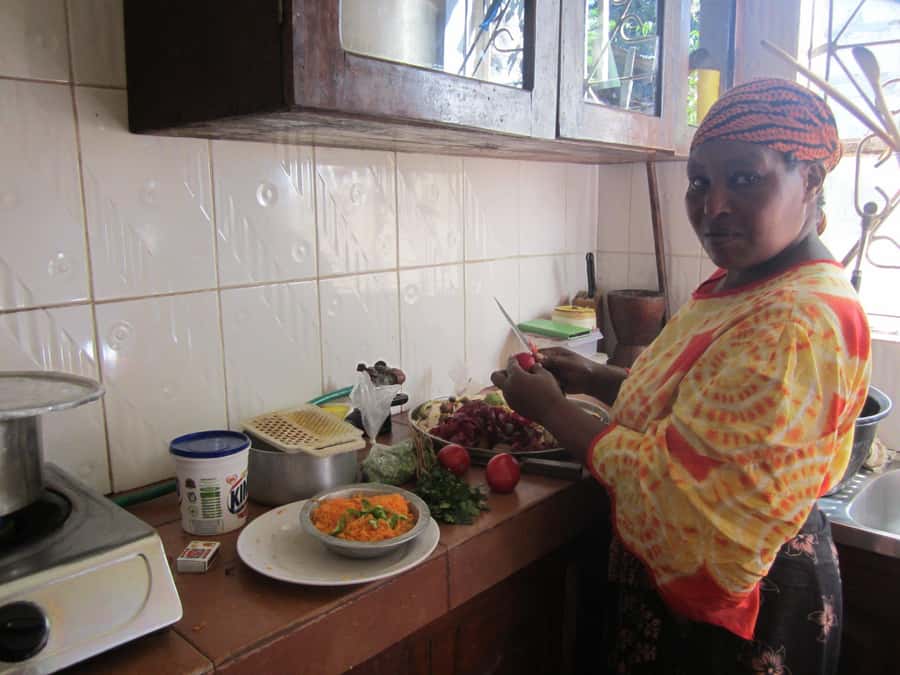
After shopping, you move into the cooking portion. The session lasts three hours in total, so the timing covers the market, preparation, cooking, tasting, and the garden visit rather than offering a long specialist course on one recipe.
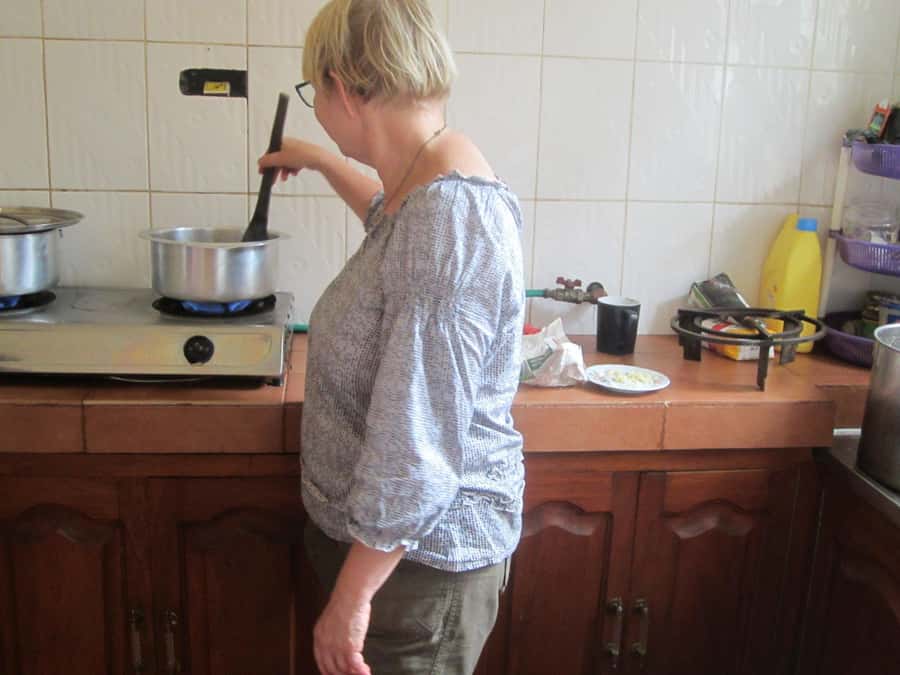
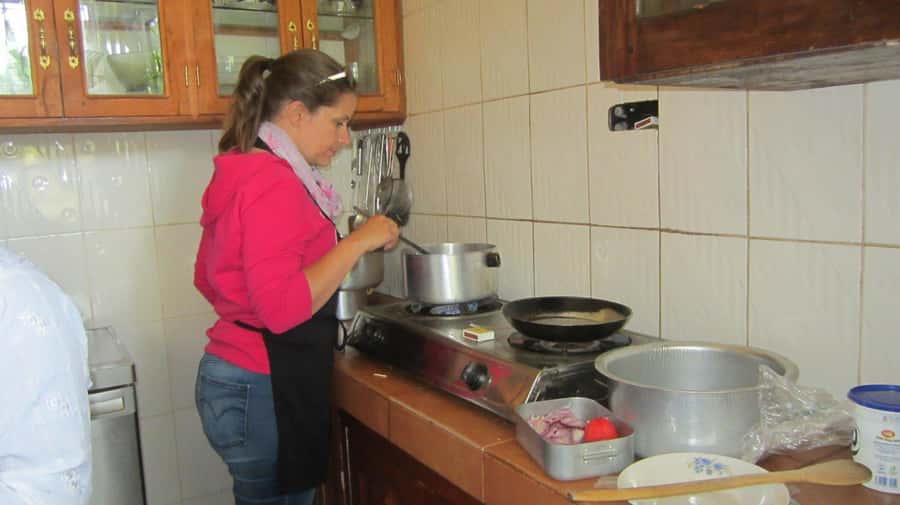
The lessons are hands-on. You should expect to take part in the work, from handling ingredients to learning how spices are combined and how traditional dishes are prepared. The exact jobs will depend on the day’s menu and the group, but the purpose is practical: you leave with methods you can try in your own kitchen.
That matters more than a long explanation. When you help prepare a spice mixture or work with dough for chapati, the food becomes easier to understand. You can see how aroma, texture, and cooking time affect the final result.
The class is conducted in English. Since the group is limited to 10 people, you should have a better chance of following the process than in a large demonstration class. Still, a small group is not the same as a private lesson. If all 10 places are filled, you may share tasks and attention with other people.
The experience is presented as a welcoming family activity through Mama Aziz Homestay. The warm family atmosphere is one of its strongest features. You are not only learning what goes into the food, but also getting a look at the social side of preparing and sharing a meal.
The signature dishes you may prepare
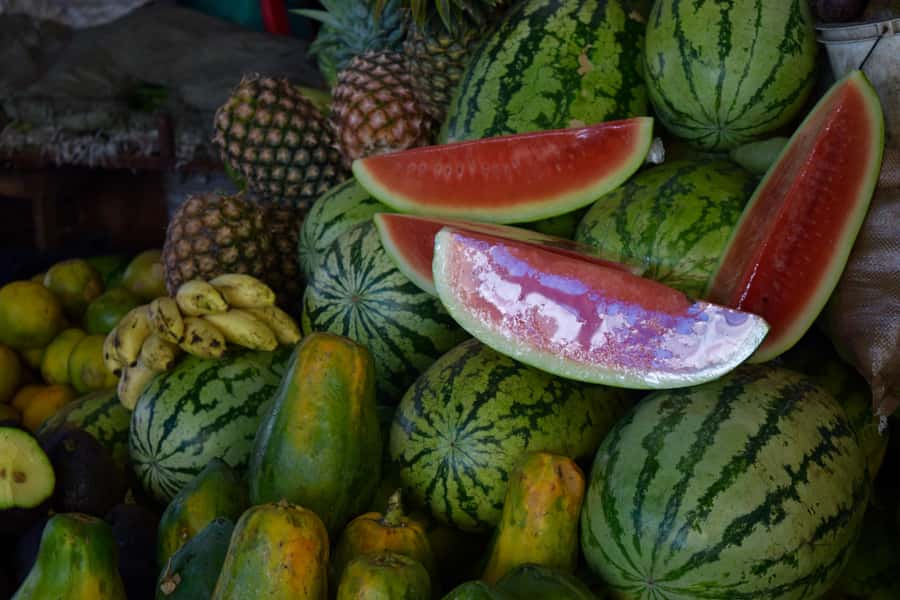
The menu lists several well-known Swahili and Tanzanian foods. Since the information describes a selection rather than a guaranteed fixed menu, think of these as possible dishes rather than promises that every item will appear.
A change of scene while you are in Arusha:
- Balloon Safari & Bush Breakfast in Serengeti – Miracle Experience
★ 5.0 · 1,646 reviews - Tanzania Classic – 7 Days
★ 5.0 · 1,151 reviews - 4 Days Group Camping Safari
★ 5.0 · 1,101 reviews - 5 Days Group Camping Safari
★ 5.0 · 730 reviews
Biryani and pilau with kachumbari
Biryani and pilau are both rice dishes, but they are not interchangeable. The lesson gives you a chance to compare their spice combinations and preparation methods. The aromatic rice is served with kachumbari, a fresh accompaniment that adds a crisp contrast to the cooked grains and spices.
This pairing is useful for understanding balance. A strongly seasoned rice dish benefits from something fresh alongside it, and kachumbari helps make the meal feel lighter and more varied.
Ugali with grilled meat and vegetables
Ugali is a staple made from a stiff grain mixture. Here it is paired with succulent grilled meat and vegetables. The combination shows how a simple foundation can work with smoky, savory food and fresh produce.
You should be aware that meat is part of the stated menu. If you have dietary restrictions, ask about the available dishes before booking, since the supplied information does not promise vegetarian, vegan, gluten-free, or allergy-specific substitutions.
Chapati with gravy
Chapati adds a bread-making element to the class. You can expect this part to involve more direct handling than a rice dish, with attention to shaping and cooking the dough. Served with gravy, it becomes both a cooking lesson and a way to experience how bread is used with saucy foods.
For many people, chapati is one of the most useful dishes to learn because it can be made again at home with ordinary kitchen equipment. The class does not state what flour or exact technique is used, so ask questions during the session if you want to recreate it accurately.
Chai masala and coconut iftaar
Chai masala introduces spiced tea, while coconut iftaar brings together plantains, sweet plantains, sweet potatoes, Irish potatoes, and arrow roots. This part of the menu gives the lesson a different pace from the rice and grilled dishes.
The coconut-based food also points to the importance of tropical ingredients in Swahili cooking. It is a good reminder that the experience is not built only around meat and rice. Root vegetables, fruit, spices, and coconut all have a place at the table.
Seasonal fruit
Seasonal fruit is included among the possible foods. The selection can change, which is exactly what you would expect from a market-led experience. Fruit may be served as part of the meal or tasting, but the information does not specify which varieties will be available.
Eating the food and visiting the garden
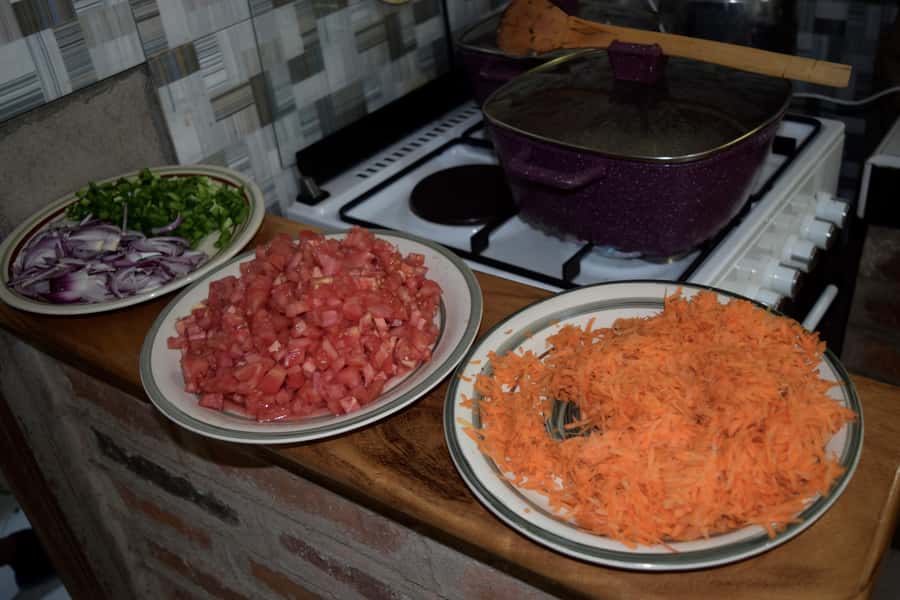
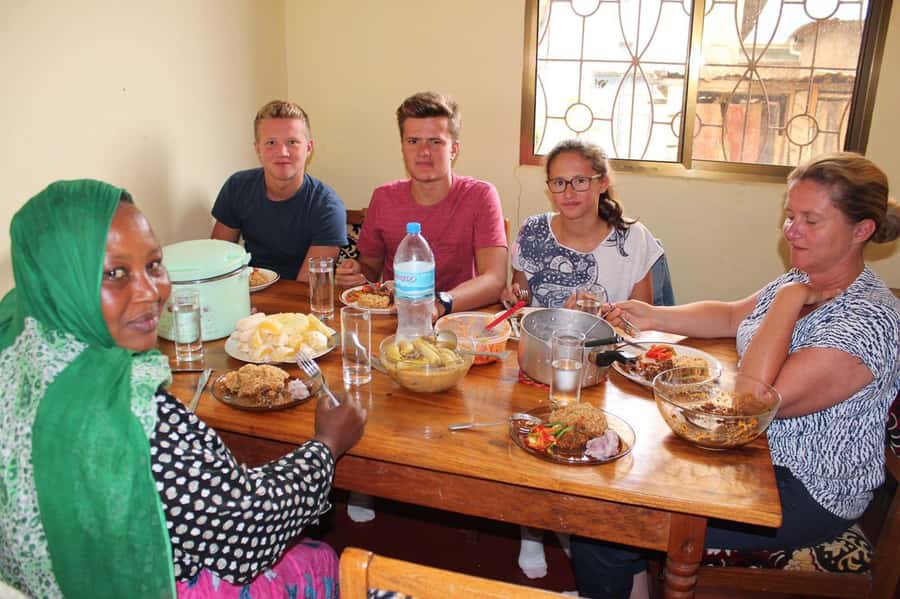
The cooking ends with a shared tasting of the dishes you have prepared. This is where the lesson becomes a social experience rather than a series of separate kitchen tasks. You can compare the different flavors, see how the dishes work together, and enjoy the result of the group’s effort.
The experience also includes a visit to the garden. That detail adds a pleasant change of setting and reinforces the connection between food, home, and everyday life. The available information does not specify the size of the garden or which plants you will see, so treat it as a short part of the visit rather than a separate garden tour.
A meal like this can be more informative than a restaurant order. In a restaurant, you taste the result but may not know how the spices were balanced or how much preparation went into it. Here, the process is part of the meal, and the hosts can explain the cultural importance of traditional dishes as you work.
The family welcome is especially important. The setting is informal and personal, which suits anyone who prefers conversation and shared food over a polished culinary studio. If you want a quiet, private class with a tightly controlled menu, this may feel less tailored.
Is $25 a good value?
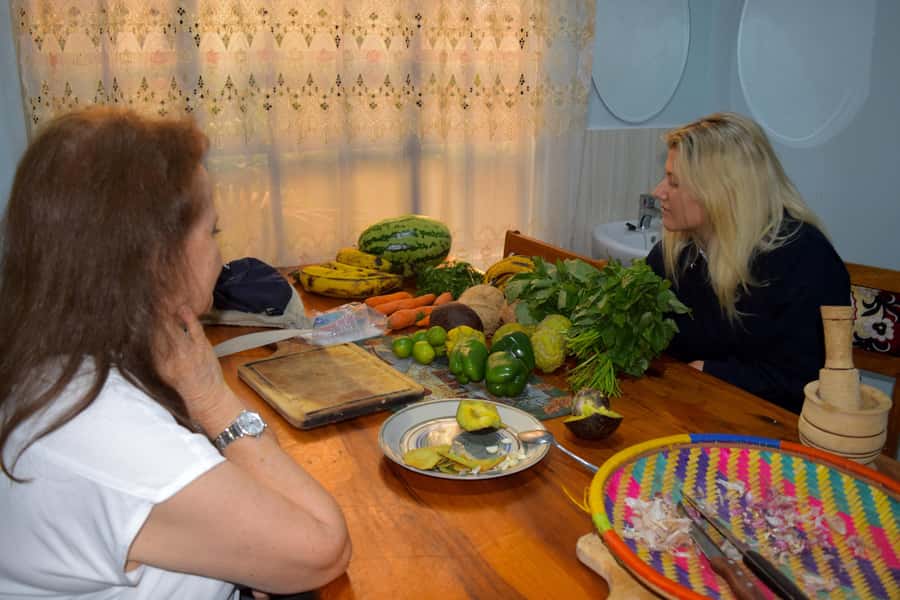
At $25 per person, the price is strong for a three-hour activity that includes a market visit, groceries, fruit, cooking ingredients, instruction, a meal, and a garden visit. You are not paying only for a plate of food. You are paying for the work of sourcing, preparing, explaining, and serving it.
The value is highest if you would otherwise spend money on both a meal and a separate cultural activity. The market trip and cooking lesson give the price more substance than a standard lunch. The included ingredients also remove the need to pay extra for the core food used in class.
There are limits. The menu is not clearly fixed, and no specialist dietary options are listed. The activity is also conducted in English only, so it may not suit you if you need instruction in another language.
Group discounts and special rates for recurring participants are available. That could make the activity more attractive for families, friends, or people staying in Arusha for several cooking sessions. The standard group limit is 10 participants, keeping the class small without making it a private experience.
Who will enjoy Mama Aziz Food Court most?
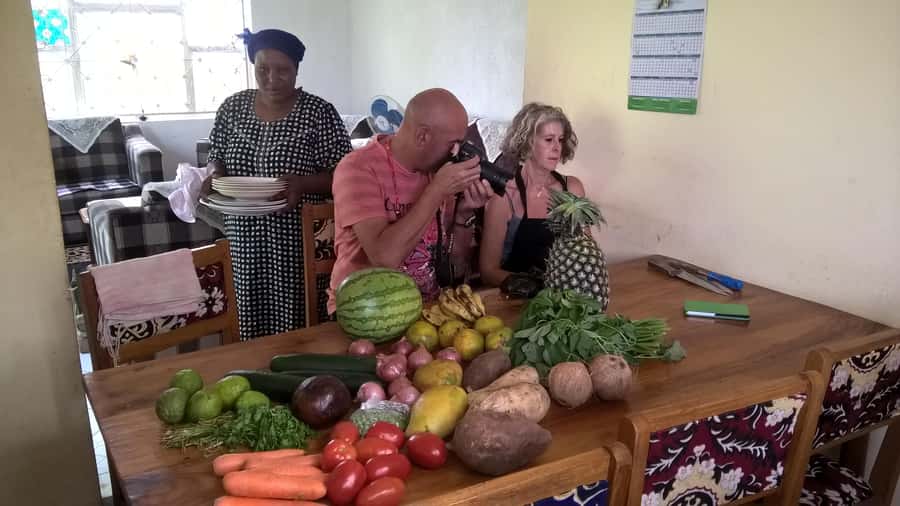
I would choose this for you if you want:
- A practical introduction to Swahili food
- A meal connected to a local market
- A friendly family setting
- A short activity that fits into an Arusha visit
- A chance to learn recipes rather than only taste them
- A social experience with a small group
Families and couples may find the mix of shopping, cooking, and eating easy to enjoy together. Solo visitors can also fit in comfortably because the group setting provides a natural way to meet other food enthusiasts.
It is less suitable if you need a wheelchair-accessible activity or have a visual impairment. The activity is specifically listed as unsuitable for wheelchair users and people with visual impairments. Pets, alcohol, and drugs are not allowed.
You should also ask about the menu if you avoid meat, dairy, gluten, or particular spices. The listed dishes include grilled meat, chapati, rice, vegetables, coconut food, and tea, but no special dietary arrangements are confirmed.
Timing, meeting points, and what to bring
The total duration is three hours. Starting times vary, so check availability for the date you want. Because the activity combines several stages, allow yourself enough room before and after it rather than booking a tight transfer or appointment.
Pickup is included from a nearby restaurant at the Clock Tower roundabout or from the museum along the monument. The exact meeting arrangement should be clear before the day begins. If you are unfamiliar with central Arusha, arrive with your phone charged and your meeting point confirmed.
Bring a camera, cash, and a credit card. Wear something practical for food preparation, although no specific clothing requirement is given. Alcohol and drugs are prohibited, and pets are not permitted.
You can cancel up to 24 hours in advance for a full refund. The reserve-now, pay-later option is useful if your Arusha schedule is still moving around. It lets you hold a place without paying at the time of booking.
My verdict: book it if food helps you understand a place
I would book Mama Aziz Food Court if I wanted a warm, affordable introduction to Swahili cooking in Arusha. The market visit, family welcome, hands-on preparation, and shared meal give the activity a clear sense of place. The strongest feature is the full path from buying ingredients to eating the finished food.
Go in with flexible expectations. The menu may change with seasonal availability, the class is shared with up to nine other people, and dietary substitutions are not promised. If those points work for you, $25 buys more than lunch: it buys a practical look at how Swahili food is chosen, cooked, and shared.
FAQ
How long does the Mama Aziz Food Court experience last?
The experience lasts three hours, including the city market tour, shopping for ingredients, cooking, tasting the food, and visiting the garden.
How much does the experience cost?
The listed price is $25 per person. The price includes the groceries and fruit, all ingredients needed for the recipes, and the city market tour.
What dishes might I prepare?
Possible dishes include biryani, pilau with kachumbari, chai masala, ugali with grilled meat and vegetables, chapati with gravy, coconut iftaar with plantains and root vegetables, and seasonal fruit.
Is the menu fixed?
The information describes a selection of dishes rather than one guaranteed menu. Seasonal ingredients are used, so the exact food available may vary.
Is the cooking class conducted in English?
Yes. English is the listed language for the instructor and activity.
How many people can join the group?
The activity is limited to 10 participants, making it a small-group cooking lesson rather than a large demonstration.
Where is pickup available?
Pickup is included from any nearby restaurant at the Clock Tower roundabout or from the museum along the monument. Confirm the exact meeting point before the activity.
Can I cancel the booking?
Yes. You can cancel up to 24 hours in advance for a full refund. A reserve-now, pay-later option is also available.
Newly listed around Arusha
- 5-Day Private Safari Tour in Tanzania’s Wildlife★ 5.0 · 3 reviews
- 3 Days private safari Tarangire ,Ngorongroro crater &Manyara★ 5.0 · 3 reviews
- 3 Day Sharing Safari – Manyara, Ngorongoro Crater and Tarangire National Parks★ 5.0 · 3 reviews
- Tarangire National Park Day Trip★ 5.0 · 3 reviews
- 6 -Day Tarangire, Manyara, Serengeti & Ngorongoro★ 5.0 · 3 reviews
- 2 Days Tarangire and Ngorongoro Crater Tour★ 5.0 · 3 reviews
- 5 Days Group Camping Safari★ 4.7 · 3 reviews
- 7-Day Mt. Kilimanjaro Hiking: Machame Route★ 5.0 · 3 reviews
Arusha Tours, compared.

Balloon Safari & Bush Breakfast in Serengeti – Miracle Experience
Read our review →






Browse the lists this tour appears in