
Reviewed · MAASAI VILLAGE VISITS
24 Hours in Arusha—Arusha Museum, Cultural Heritage, Maasai Market, Shanga
Arusha’s best city sights are spread out, so this private day tour saves you from piecing together taxis and timing on your own. You’ll move from tanzanite and local crafts at the Cultural Heritage Centre to Shanga’s workshops, then browse the Maasai Market and finish with fossils and colonial-era exhibits at the Arusha Museum.
I like the door-to-door transport and the chance to see four very different sides of the city in one day. I also like that lunch and entrance fees are covered, which makes the $205 price easier to assess. The main concern is timing: four stops listed at three hours each add up to more than the advertised 12 hours once driving and lunch are included.
Key points at a glance
- Private transport from 8:00 am: Your group travels together, with pickup and drop-off at your accommodation.
- Tanzanite and handmade crafts: The Cultural Heritage Centre combines art, jewelry, spices, clothing, antiques, and precious stones.
- A working social enterprise: Shanga lets you watch glass-blowing, weaving, sewing, bead-making, metalwork, and Tinga Tinga painting.
- A hands-on market stop: The Maasai Market is a good place to compare baskets, ornaments, textiles, and other souvenirs, but expect persistent sales pitches.
- Human evolution exhibits: The museum inside Arusha’s old German boma has fossils, insects, colonial-era displays, and wildlife specimens.
- Lunch and admission included: You pay separately for drinks beyond the stated inclusions, personal purchases, tips, and other personal costs.
A practical way to see Arusha in one day
This is not a safari, and it does not try to be one. Instead, it gives you a city day built around culture, shopping, craft production, and a small but worthwhile museum.
That makes it a useful choice if you have only one free day before or after a safari. Arusha can be awkward to navigate on a tight schedule. A private vehicle removes much of the work, while a guide can help explain what you are seeing and keep the day moving.
The tour starts at 8:00 am. Pickup is offered at your accommodation, and only your group participates. That private format matters most if you want to spend longer at one display, need help with bargaining, or prefer not to wait for strangers.
One account names Daniel as the guide and describes him as punctual, courteous, personable, and well informed about Arusha and Tanzania. You should not assume Daniel will lead every departure, but his name gives you a useful point of reference when confirming your booking.
The advertised duration is about 12 hours. The four stops are each described as lasting three hours, which would already fill the entire day before road time and lunch. I would confirm the planned order and approximate length of each visit before you go. The schedule may be flexible, but you will want to know which stops receive the most attention.
More History Tours in Arusha
- Arusha Guided Walking City Tour, Culture, Lifestyle & History
★ 5.0 · 150 reviews - Materuni Waterfalls & Coffee making Cultural Tour | BURIGI CHATO SAFARIS LTD
★ 5.0 · 15 reviews - Arusha: City Walking Tour Historic and Modern Highlights
★ 4.5 · 12 reviews
Cultural Heritage Centre: shopping with a strong Tanzanian focus
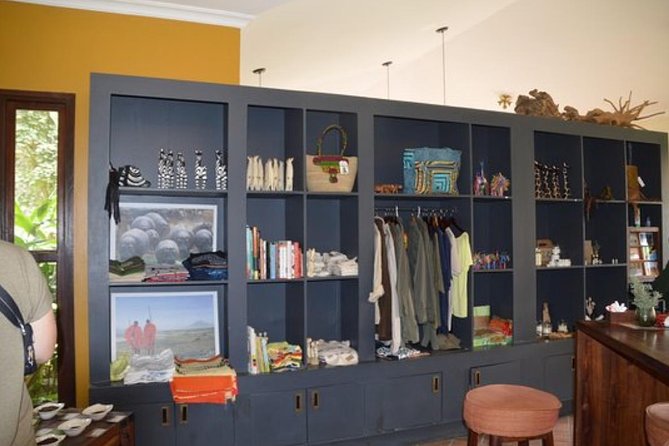
The Cultural Heritage Centre is likely to be the longest and most commercial stop. It is a large complex on the outskirts of Arusha with curio shops, a jewelry boutique, a tanzanite and precious-stone counter, a restaurant, a bargain centre, and an art gallery.
You can browse ornaments, antiques, clothing, textiles, accessories, books, spices, and local crafts in one place. That variety is useful if you are buying gifts for several people. You might find small, affordable items alongside more expensive jewelry and artwork, so it helps to decide your budget before you begin.
The stone counter is a major draw. The collection includes rubies, emeralds, tsavorite, diamonds, sapphires, opals, and tanzanite. Tanzanite is especially associated with Tanzania and is known for its blue to violet color. If you are considering a purchase, ask for clear information about the stone, its documentation, and the return or export arrangements before paying. The tour includes admission, not your shopping.
I like this stop for its range. You can look at serious art and jewelry, then switch to spices or textiles without finding another shop across town. The drawback is that it can feel more like a polished retail centre than an everyday local market. That is not a flaw if you want reliable browsing and many choices, but it is worth knowing what kind of experience you are getting.
Three hours is a long time for shopping unless you are interested in art or gemstones. If you are not buying, ask your guide how much time you need and use the remainder to look carefully at the gallery, books, textiles, or craft displays.
Shanga: handmade work with a clear social purpose
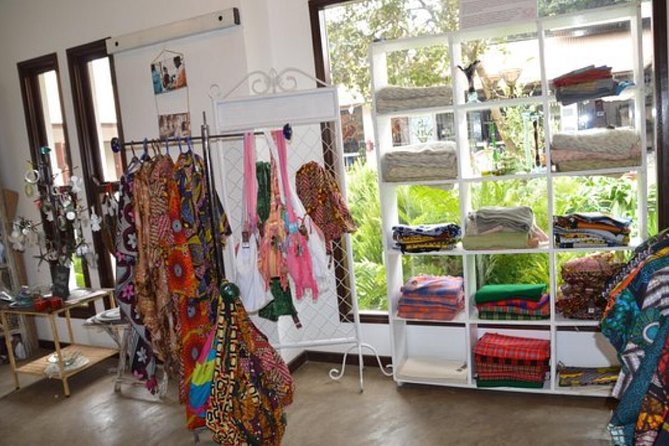
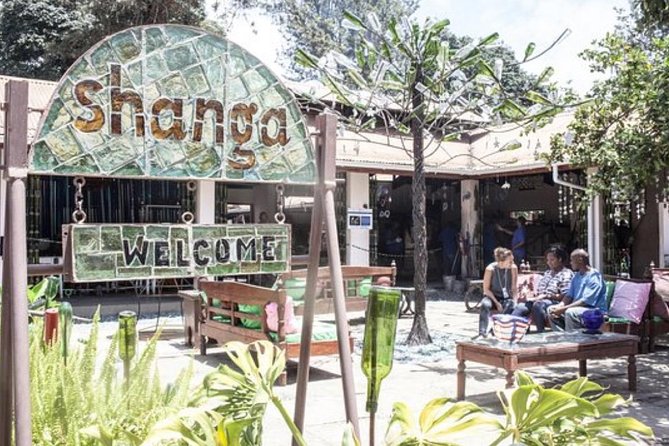
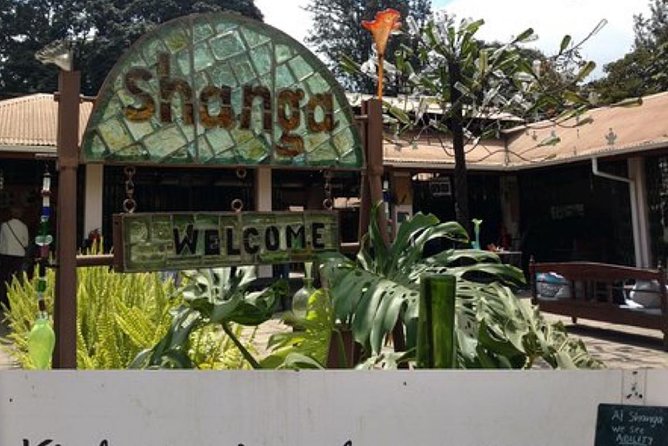
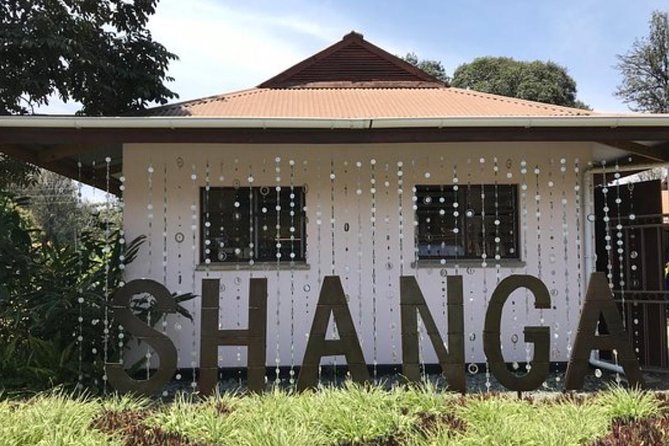
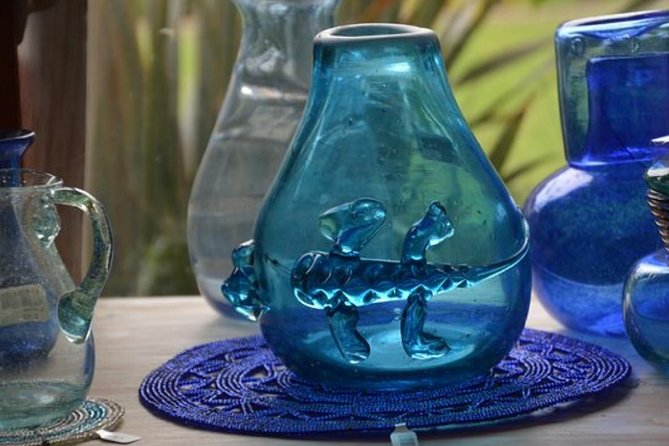
Shanga offers a different kind of stop. It is a social enterprise that employs people with disabilities to make jewelry, glassware, home items, and other products from handmade and recycled materials.
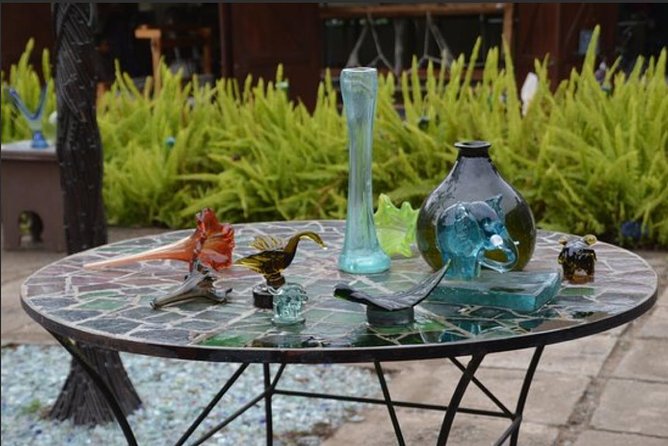
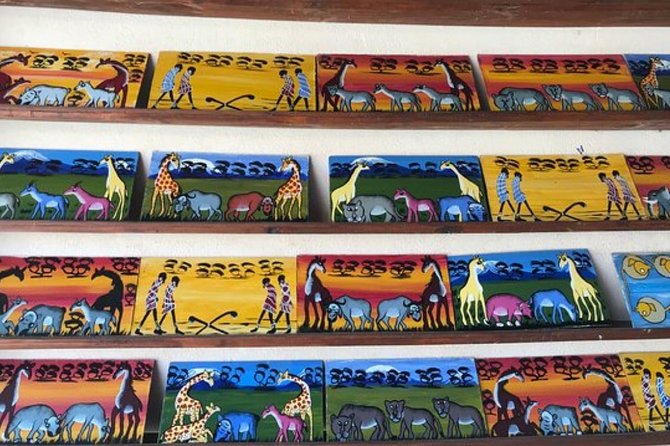
You visit the workplace rather than only entering a salesroom. The workshops include glass-blowing, weaving, sewing, bead-making, metalwork, and Tinga Tinga painting. Seeing these processes gives the shopping a useful context. You can understand how an item is made, who makes it, and why the purchase supports further employment opportunities.
The shop carries Shanga products sold in Tanzania and abroad. Profits are put back into creating more work opportunities for people with disabilities. That does not mean every item will suit every budget, so take time to compare prices and choose something you genuinely want rather than buying out of obligation.
The glass-blowing area should be a highlight for many people, particularly if you have never watched glass being shaped by hand. The range of techniques also gives children and non-shoppers something to focus on. You might enjoy the process even if you leave without a purchase.
I see Shanga as one of the strongest parts of the day because it links craft, employment, and buying local products. Still, the exact amount of live production you see may depend on the workshop schedule. The information provided does not promise that every craft will be active during your visit, so treat the list as the work available at the centre, not a guaranteed performance.
Allow three hours only if you want a careful workshop visit and time in the shop. If your interests are narrow, this may be another place where a private tour gives you useful flexibility.
Maasai Market: good finds, firm bargaining
The Maasai Market Curios and Crafts area is the most traditional shopping stop on the route. It has many stalls, with several sellers offering similar products and others carrying different items.
Expect baskets, carvings, ornaments, jewelry, textiles, and other things that fit easily into luggage. The market can be overwhelming at first because there is so much to see. Sellers may invite you into their stalls, offer a basket for collecting possible purchases, and encourage you to handle items while you browse.
The sales approach is direct. You may hear sellers call you mzungu, a Swahili word commonly used for a foreign visitor, and ask you to look at their goods. The provided account describes the vendors as respectful and polite even when no purchase is made, but you should still expect repeated invitations to enter and buy.
A private guide is helpful here. You can ask for time to browse before making decisions, get advice about how to compare similar items, and return to a stall if you find something worth buying. Do not feel that accepting a basket commits you to a purchase. It is simply part of the way some stalls help you carry items while you look.
I would use the market for small gifts rather than expensive stones. Compare several stalls, check the quality of stitching and carving, and agree on the price before handing over money. The tour price does not include purchases, and bargaining is part of the shopping experience.
Three hours may be more than enough for this stop unless you enjoy shopping at an unhurried pace. If markets tire you, tell your guide. The benefit of a private tour is that you may not have to spend the full scheduled period there.
More Maasai village visits:
- 5 Days Camping Tarangire, Serengeti & Ngorongoro crater & Visiting Maasai
★ 5.0 · 229 reviews - Maasai village visit, Materuni waterfalls & coffee experience
★ 4.5 · 95 reviews - 7-Day Private Tanzania Safari with Sunset Walking on the Crater Rim and Maasai
★ 5.0 · 40 reviews - Kilimanjaro: Maasai Village Visit, Waterfalls, & Coffee Tour
★ 4.9 · 27 reviews
Arusha Museum: fossils inside the old German boma
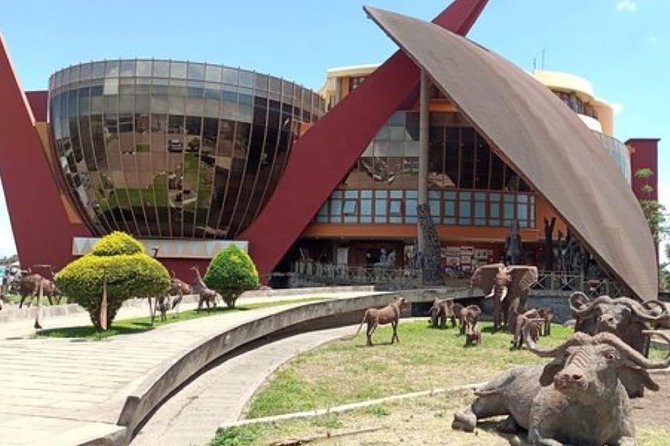
The Arusha National Natural History and Cultural Museum occupies an old German boma, a fortified compound completed in 1900. The setting gives the museum a direct link to Arusha’s colonial period, but the strongest displays concern human evolution.
The human evolution section matters because Tanzania is central to fossil research on human origins. The museum presents that subject alongside displays on insects, Arusha during the German colonial period, wildlife photographs, and mounted specimens.
This is not a huge museum, but it adds context to the rest of your time in Tanzania. After seeing crafts and modern city life, you get a chance to consider the country’s archaeological and colonial story. I would pay close attention to the human evolution displays rather than rushing through every room.
The museum is also a useful option if the heat or shopping begins to wear you down. Indoor exhibits offer a change of pace, though the tour information does not specify air-conditioning or the exact amount of time spent inside.
The term natural history can suggest a large, modern institution, so keep expectations measured. This is a compact museum in a historic building, with a few clear areas of focus. Its value comes from the subject matter and location, not from a vast collection.
Lunch, transport, and what the $205 price covers
The cost is $205 per person. For a private 12-hour outing, that figure needs to be judged against what is included: private transportation, lunch, admission fees and taxes, drinking water, and soft drinks during game drives. Since this is a city tour rather than a game drive, confirm which refreshments are supplied during this experience.
The price is easier to justify for a small group that values convenience. You are not paying only for entry to four sites. You are also paying for a vehicle, a guide, pickup and drop-off, and the ability to shape the day around your group.
For a solo visitor or couple, $205 is a significant spend. You could potentially spend less by arranging individual visits, but that would require finding transport, checking opening times, managing traffic, and handling each stop yourself. The private format is the main value, not a low-cost admission package.
Group discounts are offered, though the amount is not stated. If you are traveling with family or friends, ask for the exact group rate. A larger group can make the per-person cost more attractive while keeping the private format.
Lunch is included, but the meal details are not specified. Alcoholic drinks are not included. You should also budget for personal purchases, tips, visa costs, camera-related expenses, and anything else not listed as part of the tour.
How the day may feel in practice
The four stops cover different interests, but they all require attention and walking around shops, workshops, or exhibits. The day could feel full, especially if you spend several hours bargaining or examining jewelry.
I would begin by deciding what matters most to you. If you care about gemstones, give the Cultural Heritage Centre proper time. If you want to support local craft production, make Shanga the priority. If you mainly want history and archaeology, ask for enough time at the museum and shorten the shopping stops.
Because this is a private activity, you can state those preferences at the start. That is more useful than trying to follow four equal three-hour blocks. The written schedule appears to use three hours for each stop, but the total does not fit neatly into 12 hours once lunch and driving are counted.
The tour requires good weather, and a minimum number of participants may apply even though the activity is private. If poor weather cancels the day, you are offered another date or a full refund. Cancellation is free up to 24 hours before the start time, while changes or cancellations made later are not refunded.
Most people can participate, according to the available information. Specific details about wheelchair access, child pricing, or walking distances are not provided, so ask the operator before booking if those points matter to you.
Who should book this Arusha day tour?
I would recommend it to you if you have one open day in Arusha and want a broad introduction rather than a single specialist activity. It works particularly well for people who enjoy craft shopping, cultural exhibits, jewelry, and a guide-led schedule.
It also suits you if you dislike arranging several short taxi rides or negotiating transport in an unfamiliar city. Door-to-door pickup and private participation make the day simpler.
You may want a different plan if you are looking for an unstructured local-food crawl, nightlife, or a full safari experience. The Cultural Heritage Centre and Maasai Market are shopping-heavy, and the museum is fairly focused. Someone who does not enjoy buying souvenirs may find the middle of the day long.
Should you book it?
Book this tour if convenience, private guiding, and variety matter more to you than finding the cheapest way around Arusha. The best parts are the access to Shanga’s working craft centre, the wide choice at Cultural Heritage, and the museum’s human evolution displays.
Before paying, confirm the guide, the order of stops, the real time allowed at each one, lunch details, and the refreshments included. If the schedule is adjusted sensibly, this can be a useful city day that gives you art, shopping, social enterprise, and Tanzania’s archaeological story in one outing.
FAQ
What time does the tour start?
The stated start time is 8:00 am.
How long does the experience last?
The tour lasts approximately 12 hours.
Is this a private tour?
Yes. Only your group participates in the activity.
Is pickup and drop-off available?
Yes. Pickup and drop-off at your accommodation are included.
Is lunch included?
Yes. Lunch is included in the tour price, though specific meal details are not provided.
Are entrance fees included?
Yes. Admission to the Cultural Heritage Centre, Shanga, the Maasai Market, and the Arusha National Natural History and Cultural Museum is listed as included, along with taxes and other fees.
What is the cancellation policy?
You can cancel at least 24 hours before the start time for a full refund. Cancellations or changes made less than 24 hours before the start time are not refunded. The experience may also be rescheduled or refunded if poor weather occurs or the minimum number of participants is not met.
More shopping trips in Arusha
- Tanzanite experience tour – Tanzanite shopping in Arusha
★ 5.0 · 12 reviews - Stone Town Private Tour with Slave Market Tickets
★ 5.0 · 13 reviews - Zanzibar:Stone town Street food market walking tour,transfer
★ 4.5 · 9 reviews - Private Market Tour and Tanzanian Cooking Class in Moshi
★ 5.0 · 7 reviews
More markets in Arusha
- Arusha: Traditional Tanzania Cooking Class & Food Market Tour
★ 5.0 · 34 reviews - Arusha: Traditional Tanzania Cooking class& Food Market Tour
★ 4.9 · 12 reviews - Stone Town Guided Tour: Culture, Slave Market & Spice Market
★ 4.8 · 44 reviews - Spice , Prison Island ,Stone Town and Slave Market Site Tour
★ 5.0 · 24 reviews
Newly listed around Arusha
- 5-Day Private Safari Tour in Tanzania’s Wildlife★ 5.0 · 3 reviews
- 3 Day Sharing Safari – Manyara, Ngorongoro Crater and Tarangire National Parks★ 5.0 · 3 reviews
- 3 Days private safari Tarangire ,Ngorongroro crater &Manyara★ 5.0 · 3 reviews
- Tarangire National Park Day Trip★ 5.0 · 3 reviews
- 6 -Day Tarangire, Manyara, Serengeti & Ngorongoro★ 5.0 · 3 reviews
- 2 Days Tarangire and Ngorongoro Crater Tour★ 5.0 · 3 reviews
- 5 Days Group Camping Safari★ 4.7 · 3 reviews
- 7-Day Mt. Kilimanjaro Hiking: Machame Route★ 5.0 · 3 reviews
Maasai Village Visits, compared.

5 Days Camping Tarangire, Serengeti & Ngorongoro crater & Visiting Maasai
Read our review →
Maasai village visit, Materuni waterfalls & coffee experience
Read our review →5 Days Camping Tarangire, Serengeti & Ngorongoro crater & Visiting Maasai
Read our review →
7-Day Private Tanzania Safari with Sunset Walking on the Crater Rim and Maasai
Read our review →
Maasai village visit and Chemka hot-springs with hot lunch.
Read our review →
Kilimanjaro: Maasai Village Visit, Waterfalls, & Coffee Tour
Read our review →Browse the lists this tour appears in