

Reviewed · ARUSHA TOURS
Arusha: City Walking Tour Historic and Modern Highlights
Arusha’s everyday life is the main attraction here. In three hours, you move from Soko Kuu Central Market to the Clock Tower and a former German fort housing the Natural History Museum, with snacks, beadwork, and street scenes filling the gaps.
I like the way this walk puts local life first, not just famous sights. I also like the chance to ask questions as you go, a feature that guide Elia used especially well by explaining plants, trees, and daily routines around the city.
The main drawback is the walking itself. This is not a good choice if you have mobility limitations or use a wheelchair, and the market can feel busy and close-quartered. At $45, the price makes the most sense if you value a guide, hotel transport, and a focused introduction to Arusha.
Key points at a glance
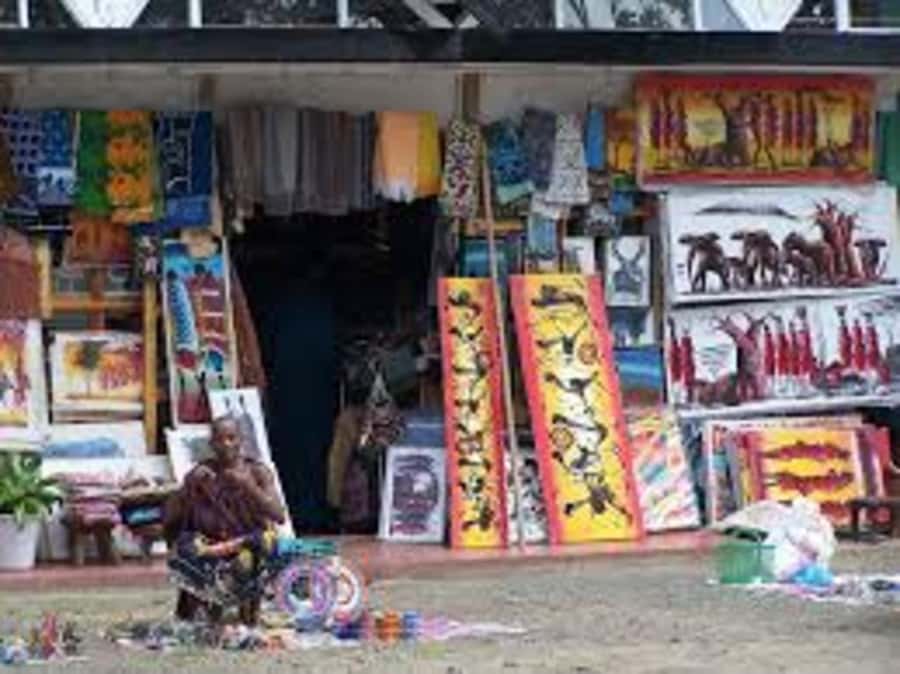
- Soko Kuu comes first: See produce, spices, crafts, and the working rhythm of Arusha’s main market.
- The Clock Tower adds a landmark: Learn why the monument is linked with the route between Cairo and Cape Town.
- The Natural History Museum occupies a German fort: Its displays cover human evolution and local cultures.
- Snacks are part of the walk: You can sample traditional Tanzanian food, while meals and drinks beyond the included tasting are extra.
- Artisans add a hands-on touch: Look for beadwork and fabrics, and speak with people making them.
- Hotel pickup and drop-off are included: You still spend most of the experience on foot, so wear proper shoes.
Why this three-hour walk is a useful introduction to Arusha
Arusha is best understood at street level. The city is known as Tanzania’s safari capital, but this tour shifts your attention from safari vehicles and park gates to markets, monuments, museums, crafts, and ordinary city life.
I see this as a strong first-day activity. You get a broad introduction without giving up a full day, and you can use what you learn later when you visit other parts of Tanzania. The English-speaking guide is there to explain what you are seeing and help you ask questions, rather than leaving you to decode the city alone.
The route combines several kinds of stops. Soko Kuu shows commerce and food culture. The Clock Tower gives you a quick piece of local geography and civic history. The museum adds a formal setting for human evolution and local traditions. Street stops and artisan visits bring the focus back to current life.
That balance matters. A market visit alone can be lively but confusing. A museum alone can feel removed from daily life. Here, the two are connected by a walk through the city.
More History Tours in Arusha
- Arusha Guided Walking City Tour, Culture, Lifestyle & History
★ 5.0 · 150 reviews - Materuni Waterfalls & Coffee making Cultural Tour | BURIGI CHATO SAFARIS LTD
★ 5.0 · 15 reviews - Marangu waterfall & Coffee making Cultural Tour | BURIGI CHATO SAFARIS CO LTD
★ 5.0 · 12 reviews
Starting among produce and spices at Soko Kuu
Soko Kuu, Arusha’s Central Market, is likely to be the most immediate part of the experience. Expect stalls filled with fresh produce, spices, handmade crafts, and the steady movement of people buying and selling.
This is not a polished attraction built for sightseeing. That is precisely its value. You see the place where daily shopping happens, and your guide can help explain what you are looking at. The market is also a good setting for questions about food, plants, prices, and customs.
Bring patience and awareness. Markets can be crowded, and you should keep your belongings secure while staying close enough to hear your guide. Comfortable shoes matter here, since you will be walking through an active public space rather than along a quiet museum corridor.
The market is also where the tour’s local focus becomes clear. Instead of simply passing through a scenic street, you get a look at the goods that support everyday life in Arusha. The exact products and conversations can vary, but the stated focus includes produce, exotic spices, and crafts.
Reading the Clock Tower’s Cairo to Cape Town story
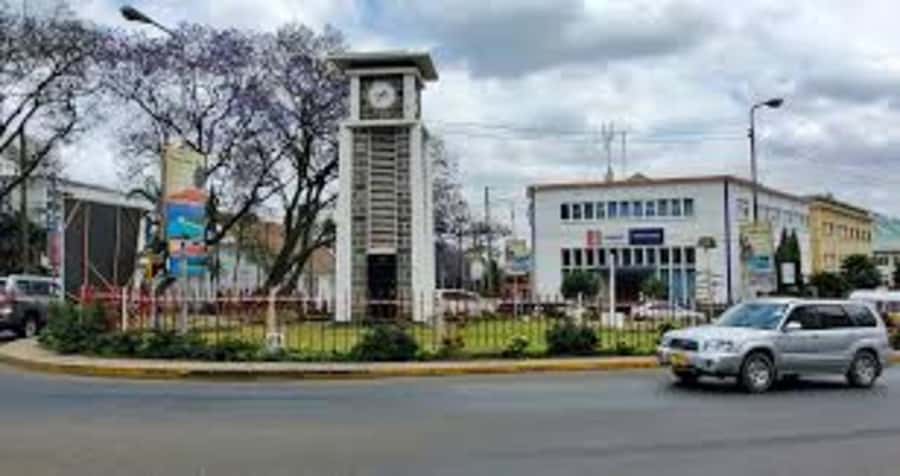
The Clock Tower Monument is one of Arusha’s best-known reference points. The tour presents it as a symbol of the city’s position halfway between Cairo and Cape Town, a detail that gives the stop more meaning than a quick photo opportunity.
You will not spend hours here. That is fine. The Clock Tower works as a short landmark stop within a wider walk, giving you a point of reference as you understand the city center.
I like this kind of stop because it helps you connect Arusha with the wider map of Africa. The monument is both practical and symbolic: a place people use to orient themselves, and a reminder of the city’s position along a major north-south route.
Your guide can also place the tower in the flow of the walking route. After the market, it gives you a change of pace before the museum and the craft-focused parts of the experience.
Inside the Natural History Museum’s German fort
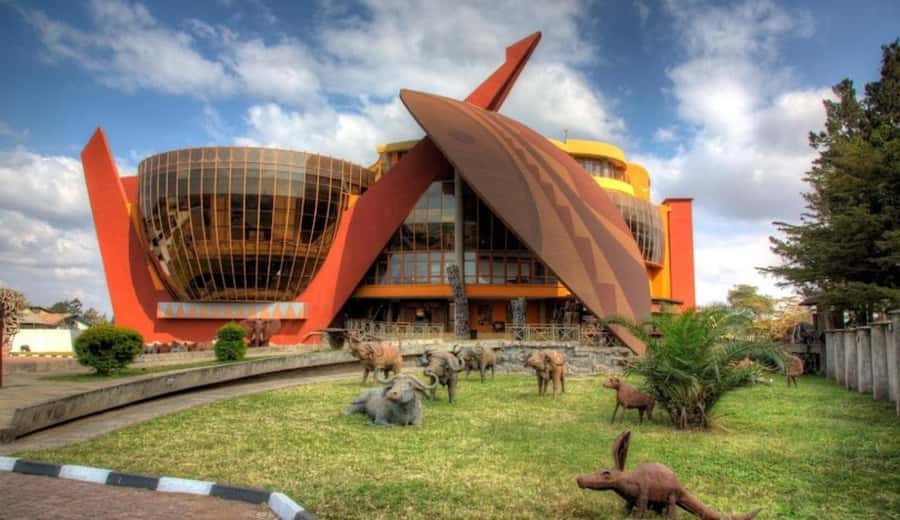
The Natural History Museum is housed in a German colonial fort, which gives the visit a strong sense of place before you even reach the exhibits. The setting adds architectural context to displays about human evolution and local cultures.
For many people, this will be the most educational stop. The museum gives you a chance to consider Tanzania not only as a safari destination but also as a major setting for the study of human origins. It also provides information about local cultures, broadening the tour beyond landmarks and shopping.
The museum is especially useful if you have little background on the region. Rather than seeing isolated objects at the market, you can begin to connect people, place, and history. Your guide can explain the displays in plain language and answer questions as you go.
Keep your expectations measured. The activity description does not promise a long museum session or specialist lecture. This is one part of a three-hour city walk, not a full museum study visit. If you want to examine every display carefully, you may find the schedule too short.
Still, the museum earns its place on the route. It adds substance to a walk that could otherwise lean heavily toward shopping and street scenes.
More Walking Tours in Arusha
- 7-Day Private Tanzania Safari with Sunset Walking on the Crater Rim and Maasai
★ 5.0 · 40 reviews - 4 Days lodge safari Tarangire , Ngorongoro crater & Walking
★ 5.0 · 39 reviews - Tanzania – Arusha NP – Private Guided 4×4 Safari – Game Drive & Walking
★ 5.0 · 30 reviews - Private Walking Tour with Giraffes
★ 5.0 · 18 reviews
Meeting artisans over beadwork and fabrics
The artisan portion brings you back outdoors and into the creative side of Arusha. You will have a chance to see beadwork and fabrics, interact with local makers, and learn more about the work behind the finished pieces.
This can be one of the most personal parts of the experience. A craft is not just a souvenir when you can see how it is made and speak with the person producing it. The tour does not promise a formal workshop, so think of this as an opportunity to meet artisans and understand their work rather than a hands-on class.
You may also find items you want to buy. Personal expenses are not included, so set your own spending limit before you go. A friendly conversation does not require a purchase, and you should feel free to look carefully before deciding.
The beadwork and fabrics also make good subjects for photographs, but ask before taking pictures of people or their work. A polite question is part of respectful sightseeing, especially in a working market or craft setting.
Tasting traditional Tanzanian snacks
A small food tasting helps break up the walking and gives you another way to connect with local culture. Traditional Tanzanian snacks are included, while full meals and drinks are not.
Do not book this as a food tour. The tasting is an added feature within a city walk, not a meal replacement or a long series of restaurant stops. If you need a substantial meal or have dietary restrictions, plan separately because the available snack details are not specified.
I like the inclusion because food often explains a place faster than a monument does. A snack gives you something concrete to discuss with your guide and connects the market scenes with what people actually eat.
Bring water. The tour advises a hat, sunscreen, and light clothing, and Arusha’s sun can make three hours on foot feel longer than expected. A camera is also listed among the suggested items, but water and sun protection are the practical priorities.
What the guide adds to the walk
The guide is the key part of this experience. The route itself is useful, but the quality of the walk depends on how well the guide explains the market, museum, plants, landmarks, and local customs.
Elia is one guide associated with this experience, and his approach included showing everyday life, taking time in the central market, and explaining local plants and trees. That detail is worth noting because it shows the walk can go beyond a fixed list of stops. You can ask questions and shape the conversation around what interests you.
Other visitors described their guides as competent, friendly, and willing to give them time. The practical takeaway is simple: use the guide. Ask about the Clock Tower, food, crafts, local plants, and the museum displays instead of treating the walk as a silent sightseeing circuit.
The tour is offered in English. If you need another language, this experience may not fit your needs based on the stated information.
Is $45 a fair price for three hours?
At $45 per person, this is not the cheapest way to take a walk around Arusha. But the comparison should include more than the walking time.
The price includes hotel pickup and drop-off, a guided three-hour route, traditional snack samples, and interaction with local artisans. You are paying for orientation, interpretation, and a planned path through places that may be difficult to understand on your own.
The value is strongest for a first visit, a short stay, or anyone who wants a local guide before heading on safari. It is also useful if you prefer an organized introduction instead of working out the market, museum, and city center independently.
The value is weaker if you already know Arusha well, dislike guided walks, or mainly want a shopping trip. Meals, drinks, and personal purchases are extra, so the $45 price does not cover every expense during the outing.
Hotel transport adds convenience, but the core activity remains a walking tour. You are not paying for a sightseeing vehicle. You are paying for access, explanation, and a compact route through several parts of the city.
How to prepare for the streets of Arusha
Wear comfortable walking shoes and light clothing. The operator specifically advises a sun hat, sunscreen, water, and a camera.
I would treat the shoe advice as essential, not decorative. The tour covers a market, streets, a museum, and artisan areas, and you should expect to be on your feet for much of the three hours.
Smoking is not allowed. The activity is also not suitable for people with mobility impairments or wheelchair users. If you have a condition that makes extended walking difficult, ask for exact route details before booking, since the available information does not describe rest stops or alternate access.
The starting time is not fixed in the information provided. You need to check availability for the date you want. Free cancellation is available up to 24 hours before the activity for a full refund, and you can reserve now and pay later, which helps if your safari schedule is still changing.
Who will get the most from this experience?
This tour suits you if you want a short, guided introduction to Arusha before or after a safari. It is also a good fit if you enjoy markets, museums, food samples, crafts, and conversations with local people more than formal sightseeing from a vehicle.
First-time visitors will benefit most. The route gives you several reference points, while the guide can explain what you are seeing and help you feel more comfortable in the city.
It also suits curious families with older children who can manage three hours of walking, though no child-specific details are provided. Photography enthusiasts may enjoy the market colors, fabrics, beadwork, and street scenes, provided they ask before photographing people.
This is less suitable for anyone seeking a relaxed cafe outing, a dedicated museum tour, or a full-day food experience. It is also a poor match for wheelchair users and people with limited mobility.
Should you book the Arusha city walk?
I would book it if you want to understand Arusha as a living city rather than use it only as a base for safari departures. The strongest parts are the central market, the chance to ask a local guide questions, the German fort museum, and the contact with artisans.
The $45 price is reasonable when you count hotel transport and the guide’s time, especially for a first visit. Go in expecting a brisk, people-focused walk, not a polished attraction or a full meal.
Book this experience if you have comfortable shoes, three hours to spare, and an interest in markets, local culture, and everyday city life. Skip it if walking is difficult or if you prefer a private vehicle tour with little time on foot.
FAQ
How long does the Arusha city walking tour last?
The tour lasts three hours. Starting times depend on availability for your chosen date.
What language is the tour offered in?
The tour includes a live English-speaking guide.
Does the tour include hotel pickup and drop-off?
Yes. Hotel pickup and drop-off are included in the activity.
What places will I visit?
The route includes Soko Kuu Central Market, the Clock Tower Monument, and the Natural History Museum in a German colonial fort. You will also walk through city streets and visit artisan areas.
Is food included?
Traditional Tanzanian snack samples are included. Full meals and drinks are not included.
What should I bring?
Bring comfortable walking shoes, light clothing, a sun hat, sunscreen, water, and a camera.
Is the tour suitable for wheelchair users?
No. The activity is not suitable for wheelchair users or people with mobility impairments.
Newly listed around Arusha
- 5-Day Private Safari Tour in Tanzania’s Wildlife★ 5.0 · 3 reviews
- 3 Days private safari Tarangire ,Ngorongroro crater &Manyara★ 5.0 · 3 reviews
- 3 Day Sharing Safari – Manyara, Ngorongoro Crater and Tarangire National Parks★ 5.0 · 3 reviews
- Tarangire National Park Day Trip★ 5.0 · 3 reviews
- 2 Days Tarangire and Ngorongoro Crater Tour★ 5.0 · 3 reviews
- 6 -Day Tarangire, Manyara, Serengeti & Ngorongoro★ 5.0 · 3 reviews
- 5 Days Group Camping Safari★ 4.7 · 3 reviews
- 7-Day Mt. Kilimanjaro Hiking: Machame Route★ 5.0 · 3 reviews
Arusha Tours, compared.
Balloon Safari & Bush Breakfast in Serengeti – Miracle Experience
Read our review →

Browse the lists this tour appears in