
Reviewed · KILIMANJARO CLIMBS
7-Day Kilimanjaro Trekking Tour via Machame Route
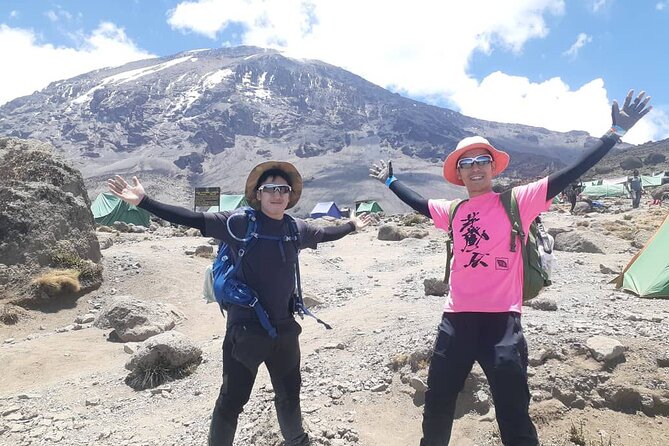
Kilimanjaro’s Machame Route earns its reputation with variety: thick rainforest on the first day, open moorland at Shira, volcanic desert near Lava Tower, and a hard, cold push to Uhuru Peak. The camps are part of the reward, especially Shira’s sunset views, Barranco’s stars, and Karanga’s clear-day outlook.
I like the route’s slow acclimatization plan and the fact that you climb high to Lava Tower before sleeping lower at Barranco. I also like the strong support system: porters carry most of the gear, a cook prepares large meals, and the crew sets up a separate dining tent with tables and chairs.
The catch is simple: this is not a gentle mountain walk. The Barranco Wall requires hands and feet, the summit day begins around midnight, and the route includes steep climbs, descents, cold, dust, and long hours at altitude.
Key points to know before booking
- Seven days gives you a useful acclimatization rhythm: The route reaches Lava Tower at about 4,640 meters before dropping to Barranco Camp.
- The Barranco Wall is hands-on but not technical climbing: You use your hands and feet, with guides focused on safety.
- Summit day is the hardest test: Expect 5 to 7 hours to Stella Point, another 1 to 2 hours to Uhuru Peak, then a descent.
- Porter and camp support are substantial: Your crew carries food and much of your equipment, while you carry a smaller daypack.
- The private format suits couples and self-contained groups: Only your group participates, rather than joining an open departure.
- The price reflects a full mountain operation: At $2,850 per person, you are paying for park access, guiding, porters, meals, camps, transfers, hotel nights, and post-trek support.
Why the Machame Route is worth the extra effort
The Machame Route is often called the Whiskey Route, a nickname that hints at its steeper, more demanding character. The important point for you is not the label. It is the changing terrain and the way the route makes you work for its best views.
The first day moves through rainforest. By Shira, the trees have given way to heath and moorland. Later, the trail crosses alpine desert, volcanic ash, valleys, exposed ridges, and rocky sections before reaching the summit zone.
I like that this route does not rush straight upward every day. Day 4 is designed around acclimatization. You climb to Lava Tower, then descend toward Barranco, giving your body time at higher elevation while you sleep lower than the day’s highest point.
The route is still demanding. A seven-day schedule is more forgiving than a shorter version, but altitude affects people differently. A moderate fitness level is required, and you should expect several days of steady walking before the summit push.
More Hiking Tours in Moshi
- Private Kilimanjaro Hike 7 Day Lemosho Route
★ 5.0 · 60 reviews - Best Kilimanjaro hiking day trip tour with Kilinge Adventures
★ 4.5 · 54 reviews - #1. Best Kilimanjaro Day hike Tour-Machame Route-ISMANI
★ 4.2 · 47 reviews
Arrival in Moshi and the pre-trek briefing
Your trip begins with pickup at Kilimanjaro International Airport, known as JRO. The driver takes you to Keys Hotel in Moshi, where you spend the first night and receive a briefing before the climb.
This first night matters. You are not being taken straight from the airport to a mountain gate with no time to ask questions. The hotel gives you a place to organize your bag, meet the support team, and learn how the seven days will work.
The stated start time is 8:00 am, but airport arrival and transfer timing can affect the day. Keep your important items with you during the transfer, and use the briefing to confirm what belongs in your daypack and what will go with the porters.
The company operates the trip as a private activity. That means the group is your own party, not a mixed public departure. A couple, family, or group of friends may value that control, especially when people in the same group walk at different speeds.
Day 1: Moshi to Machame Camp through rainforest
After breakfast, you drive for about an hour from Keys Hotel to the Kilimanjaro National Park gate. The formalities take place while the guide completes entrance forms and the mountain crew prepares the loads.
This gate area gives you a useful first look at how much work goes into a Kilimanjaro trek. Porters load food, camping gear, and equipment before the group starts walking. The scale of the operation can be surprising, particularly if you imagined carrying everything yourself.
The walk to Machame Camp takes about five to six hours. The route passes through old rainforest, with tall trees and a cooler, shaded feel than the open ground above.
This is a full first day, but it is not the summit test. Walk slowly, drink regularly, and resist the urge to race ahead while you still feel fresh. The guide sets the pace, and the phrase pole pole, meaning slowly slowly, becomes a useful rule for the week.
Day 2: Shira Plateau and a dramatic change in scenery
The second trekking day is shorter than the first, though the schedule still begins early. The forest thins out and gives way to moorland and heath, opening your views across the mountain.
Shira Camp sits on the Shira Plateau. Its position is one of the highlights of this route. At sunset, the glacier on Kibo can catch the last light, giving you a striking view from camp.
This is also the point when the mountain feels less like a forest trek and more like a high-altitude expedition. The air, plants, and open ground change quickly. Small details matter here, including the contrast between the lower forest and the exposed plateau.
Plan for about six hours of walking. The day may feel manageable, but do not treat it as a free afternoon for strenuous activity. Rest, eat, and stay warm after sunset. The open camp can feel very different once the light fades.
More Kilimanjaro routes:
- Kilimanjaro climb by Lemosho Route (7-day)
★ 5.0 · 651 reviews - Kilimanjaro climb, Machame Route (7-day)
★ 5.0 · 262 reviews - Kilimanjaro Climbing Lemosho Route 8 Days.
★ 5.0 · 186 reviews - Climbing Kilimanjaro – Machame Route
★ 5.0 · 170 reviews
Day 3: Lava Tower, alpine desert, and Barranco Camp
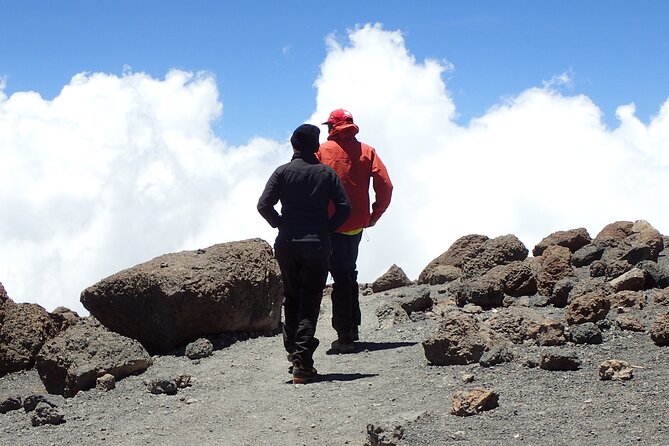
Day 3 is the clever part of the itinerary. You climb from Shira Plateau toward Lava Tower, reaching roughly 4,640 meters, then continue through the Barranco Valley to camp at a lower level.
The trek takes about six to seven hours. Along the way, the green lower zones disappear and the alpine desert takes over. You may see lobelia plants and giant senecios in the Barranco Valley, unusual high-altitude plants that make this section feel distinct from the earlier days.
Lava Tower is not simply a viewpoint or lunch stop. It is part of the acclimatization plan. You spend time climbing higher than your sleeping elevation, then descend to Barranco. That pattern can help your body adjust, although no itinerary can remove the risk of altitude illness.
Barranco Camp is one of the memorable overnight spots. The valley is known for clear night skies, and stargazing can be exceptional when conditions cooperate. You should also expect a tiring evening. Dinner comes after a long day, and the next morning begins with the Barranco Wall.
Day 4: Climbing the Barranco Wall
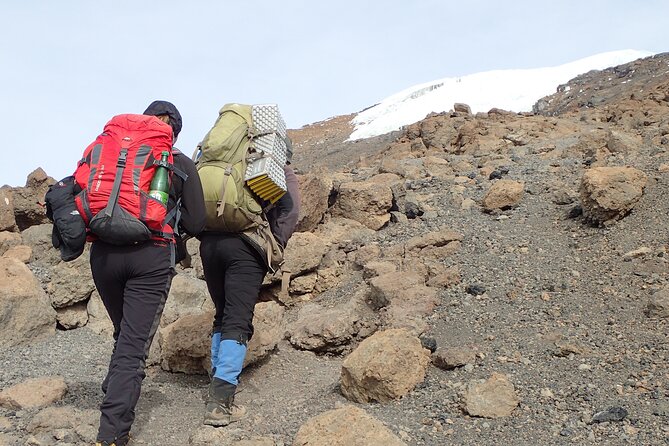
The Barranco Wall is the day’s signature obstacle. It looks intimidating from below, but the route is described as a hands-and-feet scramble rather than technical climbing.
You will use your hands for balance and progress over rocky sections. Guides may secure you when needed, with safety taking priority over speed. If you dislike heights or awkward rock steps, this is the section to think about before booking.
After the wall, the trail continues through repeated climbs and descents. You cross streams, wind through the terrain, and stop for lunch in Karanga Valley. The route then climbs for another two to three hours toward Barafu Camp, reaching about 4,640 meters.
This day takes around eight hours and can feel harder than the distance suggests. The repeated ups and downs use your legs, while the altitude slows every movement. Barafu is the staging point for the summit attempt, so the mood changes here from scenic trekking to preparation.
Drink as much as you reasonably can, try to eat a proper meal, and go to bed early. The midnight wake-up leaves little room for a late evening.
Day 5: The midnight start and Uhuru Peak
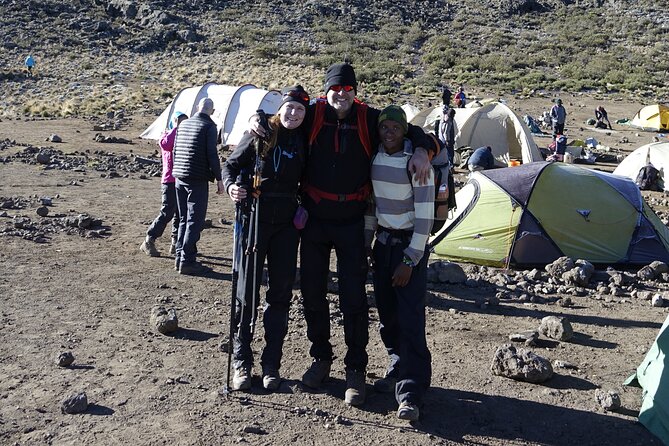
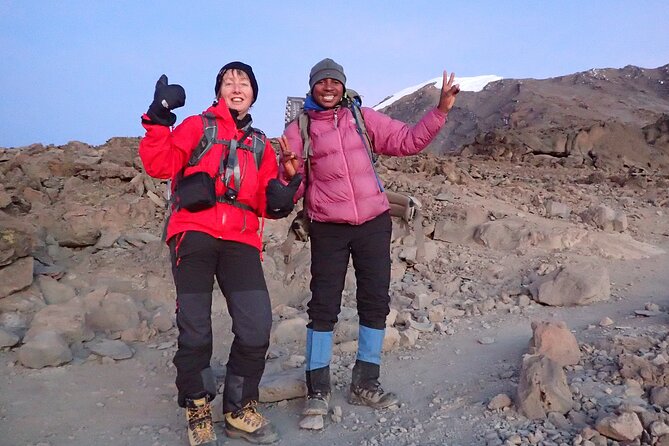
Summit day begins in the midnight hours, with tea and a biscuit before you leave. You dress warmly, switch on your headlamp, and carry a daypack while the guide leads you into the darkness.
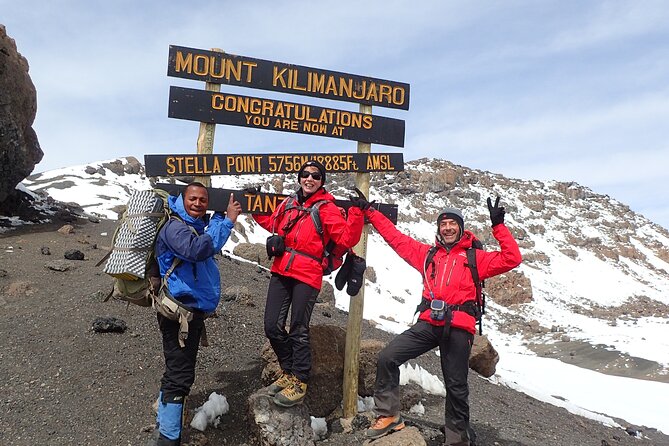
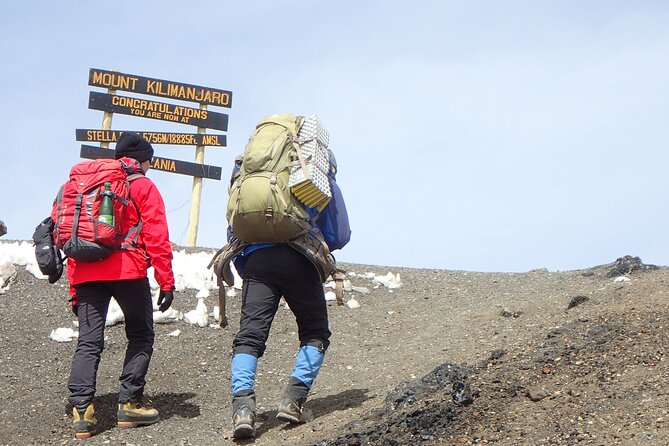
The climb to Stella Point on the crater rim takes about five to seven hours at a slow pace. This is the most physically and mentally demanding part of the trek. The cold, darkness, altitude, and steady uphill movement can make the hours feel long.
From Stella Point, you continue along the crater edge for another one to two hours to Uhuru Peak, at 5,895 meters. The early morning light over the surrounding country is the payoff, and reaching the Roof of Africa is a major achievement.
The summit schedule is not a quick photo stop. You have already climbed for hours before reaching Stella Point, then continue upward, and still need to descend. Keep your expectations sensible. The guide may need to adjust the pace or turn a person around if altitude symptoms become serious.
The descent is easier in terms of direction, but it brings volcanic ash and dust. Your return to Barafu Camp forms part of a roughly 10-hour day. You should expect tired legs, a dry mouth, and a strong desire to sleep.
Day 6: Leaving the high camps for the rainforest
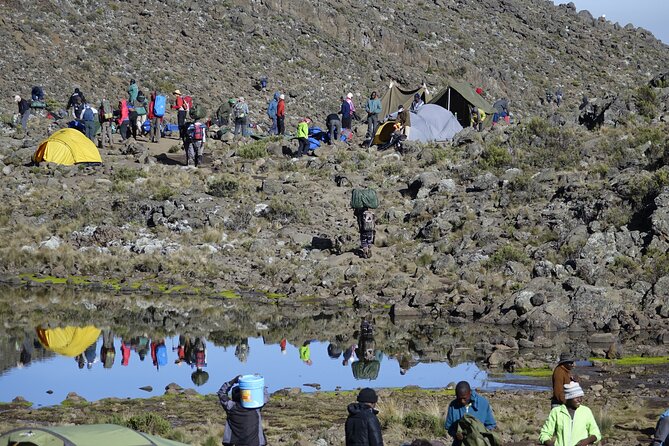
After the summit effort and time at Barafu, the final walking day brings you down through the rainforest toward Mweka Gate. The listed walk takes about two to three hours after breakfast, followed by the transfer back to Keys Hotel.
The change from high, open ground to forest is welcome. You regain shade, warmer air, and a sense that the mountain is ending. At Mweka Gate, the crew holds a traditional farewell ceremony before you leave.
Back at Keys Hotel, you can shower, have a cold drink, attend a debrief, and receive a certificate of achievement. The rest of the day is open for rest and reflection.
The schedule describes this as Day 7, while the summit attempt is Day 6. Exact sleeping arrangements and the timing between the summit return and the final forest walk should be confirmed with the operator before departure, especially because the summit day is listed as approximately 10 hours.
The guides, porters, cook, and dining setup
A Kilimanjaro trek depends heavily on the mountain crew. The company’s associated guides and support staff include Mwinyi, Gloria, Kelvin, David, James, Maulid, Ombeni, Prosper, Amiri, Gasper, and others. Your exact crew will depend on the departure.
The guide’s role goes far beyond showing the path. You need someone who controls the pace, watches how you are coping with altitude, explains the route, and handles the practical decisions that keep the group moving safely.
Porters carry food and much of your gear. You generally carry a smaller personal daypack while the support team moves the heavier loads between camps. This makes the trek more manageable, but it does not make it easy. You still walk for hours at altitude and must look after your own water, layers, and personal essentials.
Meals are a strong part of the setup. The mountain crew prepares large, multi-course meals, and the separate dining tent has a table and chairs. That arrangement gives you a proper place to eat and regroup rather than forcing every meal inside your sleeping tent.
For a private tour, the quality and attitude of the crew will shape much of your week. Names frequently connected with this operator include Mwinyi as a lead guide, with Gloria, Kelvin, and Salum among the wider guide and cooking team. Ask who is assigned to your group during the briefing.
What $2,850 per person represents
The listed price is $2,850 per person. That is a high upfront cost, but a Kilimanjaro trek involves far more than guiding you along a trail.
The package includes pickup, hotel arrangements at Keys Hotel, park entrance admission, guiding, porters, food, camping support, transport to and from the mountain, the farewell ceremony, debrief, and certificate. The private format also means the service is arranged for your own group.
I see the value most clearly in the staffing. You are not simply hiring one guide and carrying a tent. A cook, porters, assistants, and drivers all contribute to the operation. The dining tent and cooked meals add comfort at altitude, when eating well can become difficult.
You should still ask for a written list of inclusions before paying. The supplied details do not specify every item covered by the price, such as equipment rental, tips, travel insurance, flights, or personal clothing. Those costs can change the true budget.
Who should book this trek
This trip suits you if you want a scenic route, can handle long uphill days, and prefer a private arrangement. It is a strong choice for couples, families with suitable fitness, and friend groups that want the same guide team throughout.
You should be comfortable with early mornings, basic mountain camping, cold nights, steep ground, and a midnight summit departure. The operator sets a moderate fitness requirement, but I would treat that as a minimum, not a promise that the trek will feel moderate.
The Machame Route is less suitable if you want a short, gentle walk or dislike exposed rocky sections. The Barranco Wall is hands-on, and the summit day can last about 10 hours. Anyone with concerns about altitude or general health should get appropriate medical advice before booking.
The 7-day version is a better choice than compressing the route into fewer days if you want more time to adjust. It remains tough, but the Lava Tower and Barranco pattern gives the schedule a sensible acclimatization feature.
Practical details that matter
Pickup is offered, and the meeting point is given as Kilimanjaro Airport and Kilimanjaro National Park, Tanzania. The stated start time is 8:00 am. Confirmation is received at booking, and the activity is near public transportation.
The tour is described as private, with only your group participating. Mobile tickets are available, which is useful for keeping the booking details accessible, but carry the key information in a form you can reach if phone service is limited.
The cancellation policy is generous if your plans change early: cancel at least 24 hours before the local start time for a full refund. Cancellations or changes made within 24 hours are not accepted for a refund.
Should you book the 7-day Machame Route?
Book it if you want Kilimanjaro’s varied scenery, value a well-staffed private operation, and accept that the summit requires real effort. The best reasons to choose this trip are the seven-day pace, the dramatic camps at Shira and Barranco, the high-low acclimatization day, and the practical support of guides, porters, a cook, and a dining tent.
Think twice if your fitness is below the stated moderate level, if you want a soft adventure, or if you need every cost listed before committing. Ask for the final inclusions, confirm your assigned crew, and clarify the exact sleeping schedule around summit night.
For a prepared group that wants a serious but supported route to Uhuru Peak, this is a convincing choice. The mountain will still demand patience, stamina, and humility, but the structure gives you a fair chance to enjoy the climb as well as finish it.
FAQ
Where does the tour start?
The experience starts with pickup at Kilimanjaro International Airport, also known as JRO. The meeting information also lists Kilimanjaro National Park in Tanzania.
What time does the tour start?
The stated start time is 8:00 am.
How long does the experience last?
The tour lasts approximately seven days.
Is the tour private?
Yes. Only your group participates in the activity.
What fitness level is required?
You should have a moderate level of physical fitness. The trek includes several long walking days, steep sections, high altitude, and a midnight summit attempt.
How high is Uhuru Peak?
Uhuru Peak reaches 5,895 meters.
How long does the summit day take?
The summit day is listed as approximately 10 hours. The climb to Stella Point takes about 5 to 7 hours, followed by another 1 to 2 hours along the crater edge to Uhuru Peak.
Do porters carry equipment?
Yes. The mountain crew carries food and most of your gear, while you use a daypack for your personal needs during the walking sections.
Are meals provided?
Yes. The mountain setup includes a cook, large multi-course meals, and a separate dining tent with a table and chairs.
What is the cancellation policy?
You can cancel at least 24 hours before the experience start time for a full refund. Cancellations or changes made less than 24 hours before the start time are not accepted and are not refunded.
More week long trips in Moshi & Kilimanjaro
- Climbing Kilimanjaro through 7 days Machame Route
★ 5.0 · 151 reviews - 7 Days Kilimanjaro via Machame route affordable price
★ 5.0 · 110 reviews - 7-Day Magical Tanzania Safari -Premium High End Package
★ 5.0 · 53 reviews - 7 Days Machame route – Kilimanjaro
★ 5.0 · 45 reviews
More Hiking Tours in Moshi & Kilimanjaro
- Best Kilimanjaro Adventure 7 days Machame route Trekking
★ 5.0 · 42 reviews - Kilimanjaro 7 Day Private Trekking Experience
★ 5.0 · 40 reviews - 8 Days Kilimanjaro Hike via Lemosho Route
★ 5.0 · 39 reviews - The Best & Unique Kilimanjaro Hiking tour 7 days Machame route
★ 5.0 · 34 reviews
Newly listed around Moshi & Kilimanjaro
- Climb Mount Kilimanjaro: 7 Days Machame Route★ 5.0 · 3 reviews
- 6 Days Mount Kilimanjaro Climbing via Rongai Route★ 5.0 · 3 reviews
- Explore 1 day Ngorongoro Crater Budget Group Safari from Arusha★ 5.0 · 3 reviews
- Mt. Kilimanjaro Day Hiking★ 5.0 · 3 reviews
- Chemka (Kikuletwa) Hot Springs, Tanzania★ 5.0 · 3 reviews
- Guided City tour of Moshi★ 4.3 · 3 reviews
- 8 Day Tanzania Family Safari★ 5.0 · 3 reviews
- Serengeti Safari with Sirikwa Travel★ 5.0 · 3 reviews
Kilimanjaro Climbs, compared.








Browse the lists this tour appears in