
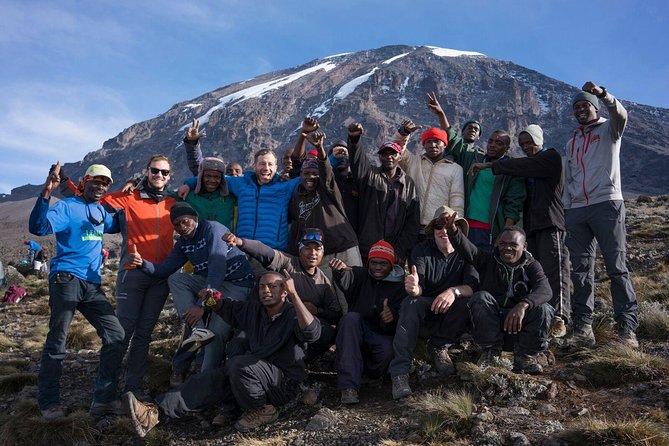
Reviewed · KILIMANJARO CLIMBS
Machame 7 days Kilimanjaro climb
Machame earns its Whiskey Route nickname with a tougher, more rugged feel than Kilimanjaro’s hut-based option. You start at Machame Gate, approach the summit from the east, then leave the mountain by the Mweka route. That changing scenery is the main draw.
I like the seven-day schedule because it gives your body more time to adjust, and I like the tented setup because it keeps the trip close to the mountain. The main concern is that this is a serious high-altitude climb, not a casual hike, and the package details are unclear about exactly which four meals are included.
Key points to know before booking
- Seven days gives you a better acclimatization plan: The longer Machame schedule allows a climb-high, sleep-low rhythm over several days.
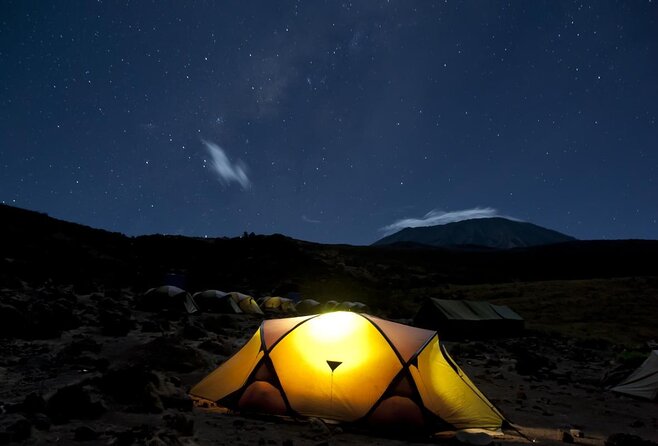
- The route uses tents only: You will not sleep in mountain huts, so personal gear and comfort outdoors matter.
- The trail goes up one way and down another: The climb begins at Machame Gate and finishes at Mweka Gate.
- Summit night is the hardest test: Expect a demanding overnight push, with the goal of reaching Uhuru Peak around sunrise.
- Jackson is the main contact: He is praised for quick communication, airport help, and extensive summit experience.
- The $2,800 price includes useful basics: Park fees, taxes, camping equipment, crew wages, two hotel nights with breakfast, and four trek meals are covered, but insurance, personal gear, and flights are not.
What the seven-day Machame climb is really like
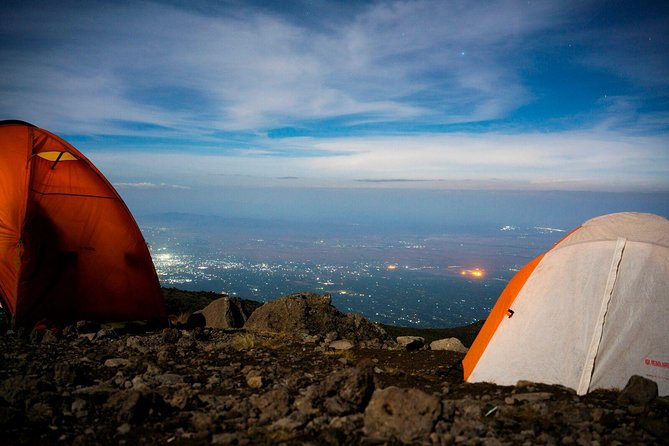
This is a private climb, so only your own group takes part. That can make a major difference on a mountain where people walk at different speeds and respond differently to altitude.
The route is known for scenery and for giving your body time to adjust. Machame begins on Kilimanjaro’s southern side, while the summit approach comes from the east. You then descend through Mweka Gate, giving you a sense of the mountain from more than one direction.
You should think of the seven days as a steady physical project rather than a sightseeing tour with a mountain attached. The pace is designed to help you keep going when the air gets thin. Your guides will set the rhythm, but you still need the fitness and patience to follow it.
The company has received a five-star rating from 13 published ratings, with a 100 percent recommendation rate. That is a small sample, so I would not treat it as a guarantee. Still, the consistent praise focuses on the things that matter most on Kilimanjaro: safety, organization, guide support, food, and getting people to the summit.
More Kilimanjaro routes:
- Kilimanjaro climb by Lemosho Route (7-day)
★ 5.0 · 651 reviews - Kilimanjaro climb, Machame Route (7-day)
★ 5.0 · 262 reviews - Kilimanjaro Climbing Lemosho Route 8 Days.
★ 5.0 · 186 reviews
Day 1: Reaching Machame Gate and starting the climb
Your climb begins with an 8:00 am start time and a transfer toward Machame Gate. This is the point where the trip changes from a hotel-based adventure into a mountain expedition.
At the gate, expect the practical beginning of a national park climb: preparation, equipment checks, and the transition to the trail. The supplied information does not give a precise walking distance, camp name, or elevation for this day, so you should ask Kili Footprints for the current day-by-day schedule before you pay.
The first day is important psychologically. You are not trying to prove anything in the opening hours. I would use the day to settle into a slow pace, watch how the crew manages camp, and learn how your body feels while carrying your personal daypack.
Camping equipment is included, which saves you from arranging tents through a separate provider. Your personal climbing gear is not included, so clothing, boots, sleeping equipment, and other individual items remain your responsibility.
Days 2 and 3: Letting the route do its work
The middle part of the Machame climb is where the seven-day version makes sense. Rather than rushing toward the summit, you gain time for the mountain’s changing altitude to affect you gradually.
The route’s climb-high, sleep-low pattern is one of its strongest practical features. You may walk higher during the day, then sleep at a lower camp, allowing your body more time to adjust. This does not remove the risk of altitude sickness, but it gives the schedule a better acclimatization structure than a rushed climb.
The exact camp sequence is not provided, so do not rely on a generic Machame itinerary found elsewhere. Ask for the planned camps, daily walking hours, elevation gains, water arrangements, and rest stops. These details help you compare operators properly.
Your guides are central here. Several accounts praise the crew for being friendly, experienced, flexible, and reassuring. One climber described the guide team as helping them feel safe and well cared for, while another noted that the guides adjusted to personal goals during the climb.
That flexibility is useful, but it should not be confused with an easy route. You may find that the guides ask you to slow down even when you feel strong. On Kilimanjaro, restraint is part of the strategy.
Days 4 and 5: Tents, food, and the long middle stretch
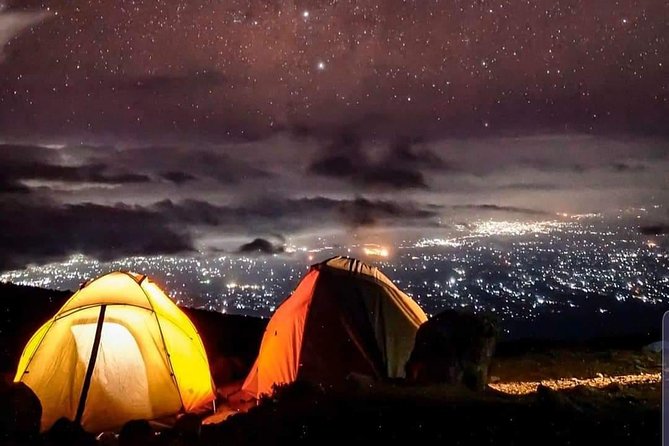
By the middle of the trek, the novelty of camping fades and small comforts matter. Machame offers tents only, which means you should be ready for basic mountain living rather than lodge-style accommodation.
The package includes two nights in a midrange hotel on a bed-and-breakfast basis. Those nights are useful before and after the trek, giving you a proper bed and a place to prepare or recover. The remaining mountain nights are in tents.
The food receives strong praise, especially the work of the cook. That can be a major advantage because you need steady energy through long walking days. However, the package wording says four meals during the trek, not full board for every mountain day. This is the biggest detail I would clarify before booking. Ask whether four meals means four cooked meals total, four daily meal services, or a shortened description of a broader food plan.
The support crew also gets repeated credit for making the trip feel organized. Crew wages are included, which is important because porter and guide costs can otherwise appear later as unexpected additions. You should still ask how tipping is handled, since no tipping guidance is provided here.
These days may be the least dramatic on a calendar, but they are where good organization pays off. You are building reserves for summit night. Drink as directed by your guide, eat even when appetite drops, and keep your personal gear dry and easy to reach.
More week long trips in Moshi & Kilimanjaro:
- Climbing Kilimanjaro through 7 days Machame Route
★ 5.0 · 151 reviews - 7 Days Kilimanjaro via Machame route affordable price
★ 5.0 · 110 reviews - Private Kilimanjaro Hike 7 Day Lemosho Route
★ 5.0 · 60 reviews - 7-Day Magical Tanzania Safari -Premium High End Package
★ 5.0 · 53 reviews
Day 6: The summit push and sunrise at Uhuru Peak
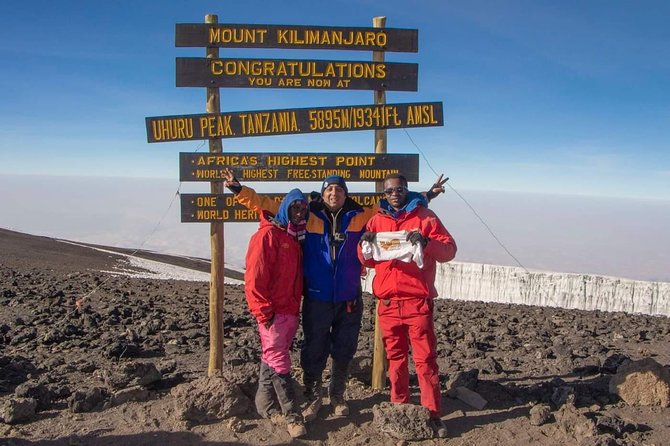
Summit night is the defining part of the climb. One account describes it as challenging but successful, with the group reaching the peak in time for sunrise. That timing is common to the experience described here: you should expect to climb through the night or very early morning, with the summit attempt planned around sunrise.
This is not a normal hiking day. You will be tired from the previous stages, the temperature can feel severe, and the altitude makes every step more demanding. The guide’s role becomes especially important. You need calm pacing, clear decisions, and honest checks of how you are coping.
The strongest praise for this operator centers on safety and summit support. Jackson is described as having summited Kilimanjaro more than 100 times, and his experience is presented as part of the company’s approach to planning successful climbs. Other accounts describe the guides as personable and attentive while also keeping safety first.
That said, no guide can promise a summit. Altitude affects people unpredictably, and a responsible crew may turn someone around. I would see that as proper mountain judgment, not poor service.
Reaching the summit near sunrise can be an extraordinary payoff. You get the mountain at its most dramatic, with the day beginning below you. But the view is only one part of the achievement. The harder victory is managing the slow pace, discomfort, cold, fatigue, and uncertainty of the final ascent.
Day 7: Descending through Mweka Gate
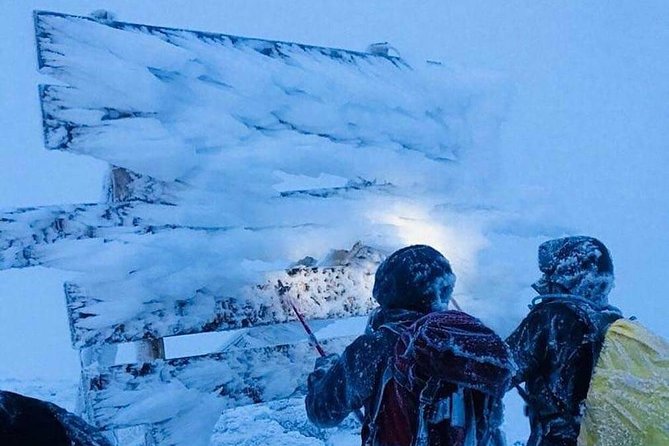
The descent uses a different route and ends at Mweka Gate. This gives the climb a satisfying shape: you do not simply retrace your steps from the summit.
Downhill walking can feel easier at first, but tired legs and uneven ground create their own problems. Your knees and feet may take a beating, so good footwear and walking poles, if you normally use them, are worth considering. Personal climbing gear is not included, and the operator does not list equipment rental in the package.
Finishing at Mweka Gate also gives you a clear endpoint for the mountain portion. From there, the trip returns to the lowlands and the comfort of a hotel night, depending on the exact schedule arranged with the company.
Because the published duration is shown as seven days, four hours, and 59 minutes, I would treat that figure as an approximate booking-system display rather than a precise promise. Your actual start, finish, transfer time, and hotel arrangements should be confirmed directly.
How much value is in the $2,800 price?
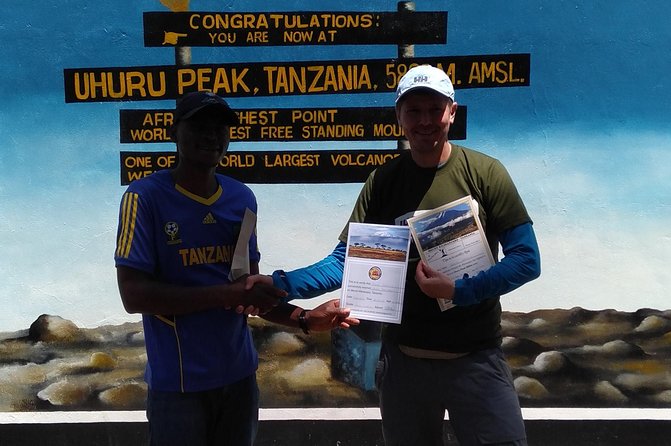
At $2,800 per person, this is a substantial purchase. The price makes more sense when you count the costs it groups together: park fees and taxes, camping equipment, crew wages, two hotel nights with breakfast, and four trek meals.
The included camping equipment is useful, especially if you are flying from far away and do not want to transport bulky shared gear. Included crew wages also make budgeting easier. The hotel nights add comfort around a physically demanding trip.
The weak point is the meal description. Four meals may be perfectly adequate if it is shorthand for a larger plan, but the wording is too vague to assume that. Get the food schedule in writing.
You will also need to budget for travel insurance, personal climbing gear, and international or local flights. These are not minor extras. Insurance is particularly important for a high-altitude climb, and personal gear can cost a lot if you are starting from scratch.
The price is most attractive if you value private-group attention and a longer acclimatization schedule. It is less attractive if you expect a fully all-inclusive trip with every meal, all personal equipment, flights, and insurance covered.
The guide team and the human side of the climb
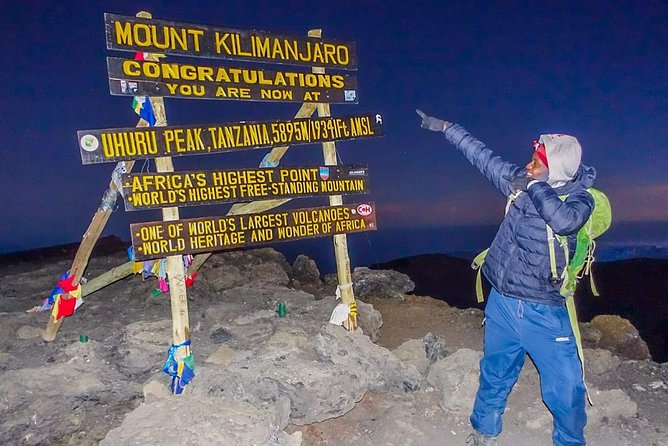
Kili Footprints is led by Jackson, who appears to handle much of the communication and trip coordination. His prompt replies before booking are singled out as helpful, and he is also described as assisting with airport arrivals, including a very late arrival.
That kind of personal contact matters in Moshi. A climb involves transfers, hotel arrangements, park entry, equipment, guides, porters, cooks, and weather. Having a clear contact person can reduce stress before you even reach the trailhead.
The crew is repeatedly praised for warmth, humor, flexibility, and care. One group found the team welcoming and fun, while another international group felt the climb was well organized from start to finish. A separate account describes the operator tailoring the hike around personal goals.
I would still ask practical questions before booking: who will be the lead guide, how many climbers will each guide supervise, what medical checks are used, and what happens if a climber needs to descend. The available information supports confidence in the company’s personal service, but it does not provide those operating details.
Who should choose this route?
I would recommend this climb to you if you want a scenic Kilimanjaro route, prefer a longer schedule, and are comfortable sleeping in tents. It suits someone who wants a private trip with a local team and values guide support over a luxury setup.
The seven-day option is the better choice compared with a six-day Machame climb if your main concern is acclimatization. The longer schedule gives your body more time to adjust, although it cannot guarantee that you will reach the summit.
You should be in strong physical condition. The operator specifically requires a strong fitness level, and summit night is a serious effort. If you dislike camping, struggle with long uphill days, or want a soft hotel bed every night, this is not the right format.
The route can also suit an international group, since the company has experience organizing climbers from different countries. Still, a private group means you should know who is joining you and agree on expectations about pace and summit goals before departure.
Booking details worth checking first
Pickup is offered, and the listed start time is 8:00 am. Mobile tickets make the booking side simple, but the important work is confirming the operational details.
Booking confirmation is expected within 48 hours, subject to availability. The experience is weather dependent. If poor weather forces cancellation, you are offered another date or a full refund.
You can cancel for a full refund up to 24 hours before the start time. Changes or cancellations inside that 24-hour window are not accepted for a refund, and cut-off times follow local Tanzanian time.
Before committing, I would ask for these details:
- The exact seven-day route and camp elevations
- The full meal plan, since only four meals are clearly listed
- The personal gear checklist
- The guide-to-climber ratio
- The plan for altitude problems or an early descent
- The hotel names and the nights included
- Any porter, park, or transfer costs not already covered
Should you book the seven-day Machame climb?
I would book this trip if you want Machame’s scenery and a better acclimatization schedule, and if you are happy with tent camping and a demanding summit night. The strongest reasons are the private format, the experienced local leadership associated with Jackson, the included camping setup, and the repeated attention to safety and organization.
I would pause before booking if the meal plan remains unclear or if you have not priced insurance, personal gear, and flights. Ask those questions first. If the answers are solid, this $2,800 package offers a sensible route to Kilimanjaro’s summit, with enough structure to give you a fair chance without pretending that the mountain is easy.
FAQ
Where does the Machame climb begin?
The climb begins at Machame Gate on the southern base of Kilimanjaro.
Where does the climb finish?
The descent finishes at Mweka Gate, using a different route from the approach to the summit.
How long is the Machame climb?
This experience is scheduled for seven days. The listed duration is approximately seven days, four hours, and 59 minutes.
Is the climb suitable for beginners?
The operator requires a strong physical fitness level. The provided information does not classify the climb by experience level, so you should discuss your fitness and prior hiking experience with Kili Footprints before booking.
Do I sleep in mountain huts?
No. Machame uses tented accommodation only. Camping equipment is included.
What is included in the price?
The price includes all fees and taxes, camping equipment, crew wages, two hotel nights with breakfast, and four trek meals.
What is not included?
Travel insurance, personal climbing gear, and international or local flights are not included.
What happens if bad weather cancels the climb?
You will be offered a different date or a full refund if the experience is canceled because of poor weather.
Newly listed around Moshi & Kilimanjaro
- Climb Mount Kilimanjaro: 7 Days Machame Route★ 5.0 · 3 reviews
- 6 Days Mount Kilimanjaro Climbing via Rongai Route★ 5.0 · 3 reviews
- Explore 1 day Ngorongoro Crater Budget Group Safari from Arusha★ 5.0 · 3 reviews
- Mt. Kilimanjaro Day Hiking★ 5.0 · 3 reviews
- Chemka (Kikuletwa) Hot Springs, Tanzania★ 5.0 · 3 reviews
- Guided City tour of Moshi★ 4.3 · 3 reviews
- 8 Day Tanzania Family Safari★ 5.0 · 3 reviews
- Rongai Route 7 Days★ 5.0 · 3 reviews
Kilimanjaro Climbs, compared.








Browse the lists this tour appears in