
Reviewed · KILIMANJARO CLIMBS
Hiking Mt Kilimanjaro 8 days, the most scenic route up Kili
The Lemosho route gives you Kilimanjaro at its most varied. You begin beneath thick rainforest, cross the high Shira Plateau, circle the mountain through volcanic country, and approach Uhuru Peak from the south. It is a long, demanding climb, but the eight-day schedule gives your body useful time to adjust.
I like two things here: the route has quieter early stages than the more crowded approaches, and the itinerary includes several acclimatization walks before summit night. The main drawback is simple: this is not an easy holiday. The midnight summit push, thin air, cold, and long descent will test you even if you hike regularly.
Key points before you book
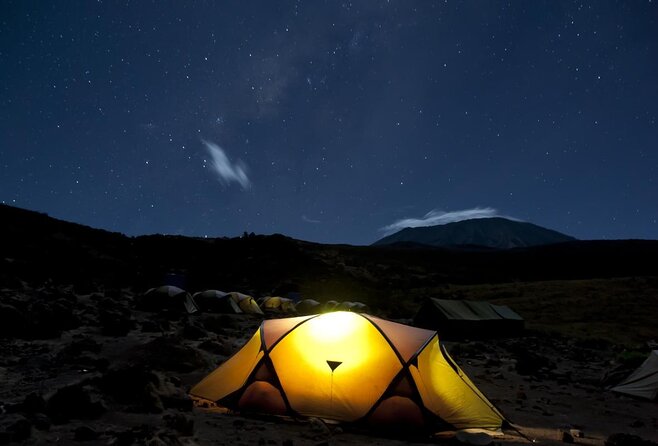
- Lemosho offers the mountain’s broadest scenic progression, from rainforest and heather to moorland, volcanic rock, and high alpine desert.
- The eight-day plan gives you time to acclimatize, especially around Shira, Lava Tower, Barranco, and Karanga.
- The summit day is the hardest section, beginning around midnight and lasting about 12 hours.
- The group is limited to seven people, a useful size for communication and support on a strenuous climb.
- The listed price is $2,900 per person, with pickup, mobile ticketing, and group discounts offered.
- Past guide names include Emanuel Mkumbo and Franky, but you should confirm your assigned guide before departure.
Why the Lemosho route works so well
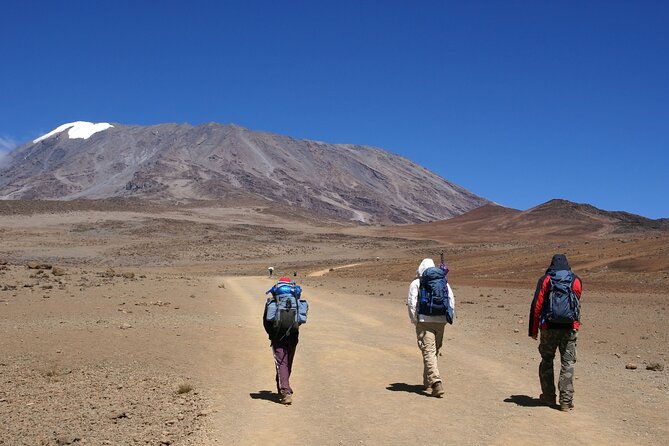
Kilimanjaro is not one steady uphill path. The mountain changes character as you climb, and Lemosho lets you see those changes at a measured pace. You start at roughly 7,800 feet and finish at Uhuru Peak, Africa’s highest point. That increase is the central challenge, not technical climbing.
The first half is especially attractive. Lemosho approaches from the west, where the trail begins in forest and opens onto the Shira Plateau. You get wide views of Kibo, Kilimanjaro’s main summit, from different sides rather than seeing the same slope day after day.
I also like the balance between scenery and traffic. The route is described as having low traffic, while still connecting with the southern circuit for the final approach. That means you get quieter walking early on, then the well-known Barranco and Barafu sections later.
The eight-day format matters. Some itineraries compress Lemosho into six or seven days, and past climbs with this operator have been adjusted to six or seven days depending on fitness. For most people, though, the extra day is worth more than the bragging rights. Slow progress gives you more time to respond to altitude.
More Hiking Tours in Moshi
- Private Kilimanjaro Hike 7 Day Lemosho Route
★ 5.0 · 60 reviews - Best Kilimanjaro hiking day trip tour with Kilinge Adventures
★ 4.5 · 54 reviews - #1. Best Kilimanjaro Day hike Tour-Machame Route-ISMANI
★ 4.2 · 47 reviews
Day 1: Londorossi Gate to Big Tree Camp
Your first transfer from Arusha or Moshi to Londorossi Gate takes about four hours. From there, allow another hour to reach the Lemosho trailhead. This is a substantial start before your boots even hit the path, so keep water and personal items close during the drive.
After lunch at the trailhead, you enter rainforest. The route winds through undisturbed forest toward Forest Camp, also called Big Tree Camp. The day covers about 6 kilometers and takes three to four hours, climbing from approximately 7,800 to 9,500 feet.
This is a sensible opening day. The mileage is short, but the forest provides shade and a gentle introduction to the rhythm of walking, eating, resting, and sleeping at altitude. You will spend the night on full board at camp.
Do not judge the whole climb by this first section. The rainforest is the easiest habitat on the route, and the real altitude work begins once the trail rises above the trees.
Day 2: Leaving the forest for Shira One
After breakfast, the forest gives way to tall grasses, heather, volcanic rock, and lichen. The change is quick and memorable. You climb through rolling ground, cross streams, and reach Shira Ridge before making a gentle descent to Shira One Camp.
The reward is your first major view across the plateau toward Kibo. Shira is one of the highest plateaus on Earth, so even a day that feels manageable can leave you breathing harder than expected.
The supplied schedule does not give a precise distance or walking time for this day, but you should expect a full mountain day. The important point is the pattern: climb gradually, reach a high point, then sleep at a slightly lower camp. That rhythm supports acclimatization better than rushing directly toward the summit.
Day 3: Shira Plateau and the Lent Hills
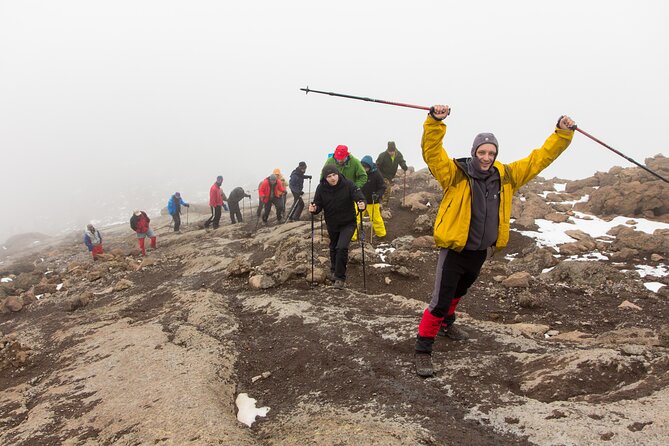
Day three is a long but gentle eastward walk across the Shira Plateau. You cover about 14 kilometers in five to seven hours, moving through moorland from roughly 11,500 to 13,800 feet.
You may stay at Shira Two Camp or continue toward Moir Hut, a less-used site at the base of Lent Hills. Walks on Lent Hills provide an extra acclimatization opportunity, and this is one of the most useful days in the schedule. You gain altitude during the day, then give your body time to handle it before summit week.
The views here are broad and open. There is little forest cover, so weather matters more. The high plateau can feel exposed, and the walking may seem easy underfoot while the altitude quietly drains your energy.
This is a good day to follow the guide’s pace rather than your own. Guides on past departures included Emanuel Mkumbo and Franky, names associated with close attention to safety and steady summit preparation. Guide assignments can change, so confirm who will lead your group.
More Kilimanjaro routes:
- Kilimanjaro climb by Lemosho Route (7-day)
★ 5.0 · 651 reviews - Kilimanjaro climb, Machame Route (7-day)
★ 5.0 · 262 reviews - Kilimanjaro Climbing Lemosho Route 8 Days.
★ 5.0 · 186 reviews - Climbing Kilimanjaro – Machame Route
★ 5.0 · 170 reviews
Day 4: Lava Tower, Shark’s Tooth, and Barranco
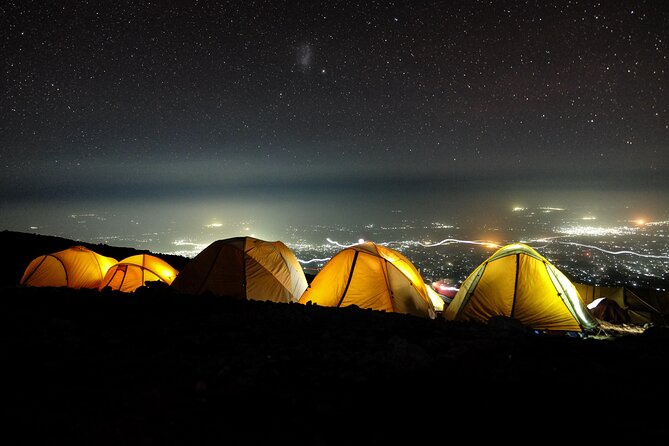
Day four is the route’s classic climb high, sleep lower day. From the Shira area, you walk southeast toward Lava Tower, then continue toward the volcanic formation known as Shark’s Tooth. The day covers about 7 kilometers and takes four to six hours.
The high point reaches about 16,000 feet near the Arrow Glacier junction before you descend to Barranco Hut at roughly 13,000 feet. The habitat changes to semi-desert, with sparse plant life and more volcanic rock.
This day can feel strange. You climb high enough to notice the thin air, then drop down to sleep. That is the point. The physical effort is not just scenery seeking, it is preparation for the summit.
The schedule includes full board and refers to Barranco overnight, though the camp line also mentions Shira Two or Moir Hut. Confirm the exact overnight camp with the operator before departure, since it affects the day’s walking plan.
Day 5: The Barranco Wall to Karanga
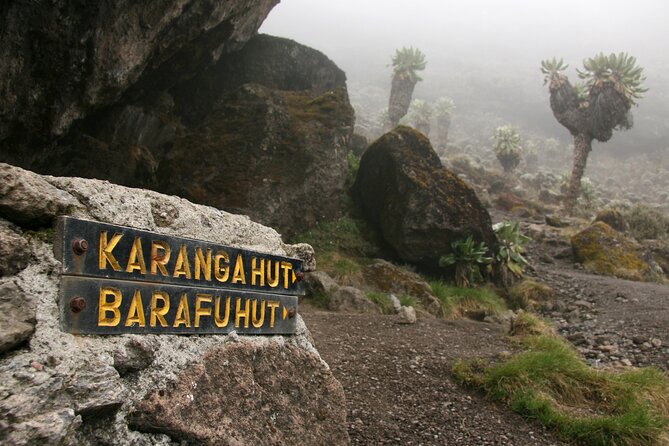
After breakfast, you leave Barranco and tackle the steep ridge beside the Barranco Wall. This section looks intimidating from below, but the day is short by Kilimanjaro standards. You walk about 5 kilometers in four to five hours, gaining only about 100 feet overall before reaching Karanga Camp at approximately 13,100 feet.
The modest elevation gain is deliberate. You have already spent time high on the mountain, and this shorter day gives your body another chance to adjust.
Expect hands-on movement in places, but the supplied information does not describe the route as technical climbing. Your guide’s pacing and instructions matter here, especially if you dislike exposed or steep sections.
Karanga is one of the better-rested nights before the summit attempt. Use it well. Eat, drink, organize your layers, and avoid wasting energy on unnecessary movement around camp.
Day 6: Karanga to Barafu Camp
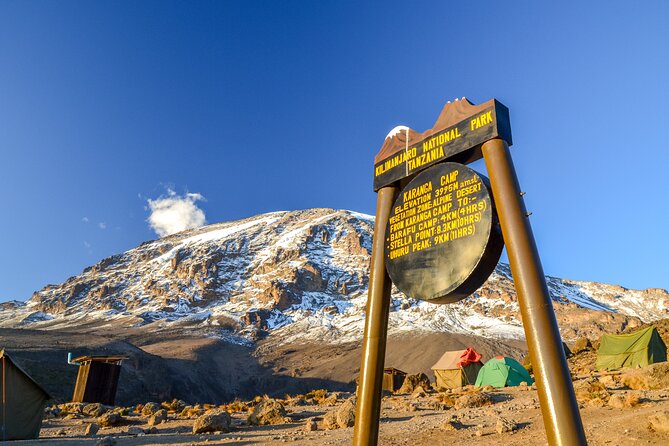
From Karanga, you join the junction with the Mweka Trail and continue up to Barafu Hut Camp. The distance is only about 4 kilometers, but the climb from 13,100 to 15,300 feet takes four to five hours.
You are now in alpine desert, with sparse surroundings and a much harsher feel than the lower forest. Barafu marks the completion of the southern circuit, which is valuable because you have seen Kibo from several angles rather than approaching it by one direct line.
From camp, you can see Mawenzi and Kibo. This is also your staging point for summit night, so the mood changes. Dinner comes early, rest is essential, and your gear needs to be ready before you try to sleep.
Many people find this afternoon harder than the short distance suggests. Altitude can reduce appetite, make sleep difficult, and turn simple packing into a chore. Keep your routine simple and listen closely to your guide.
Day 7: Stella Point, Uhuru Peak, and the long descent
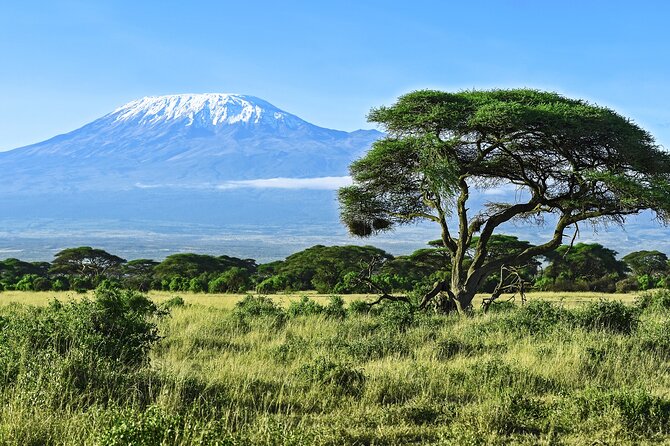
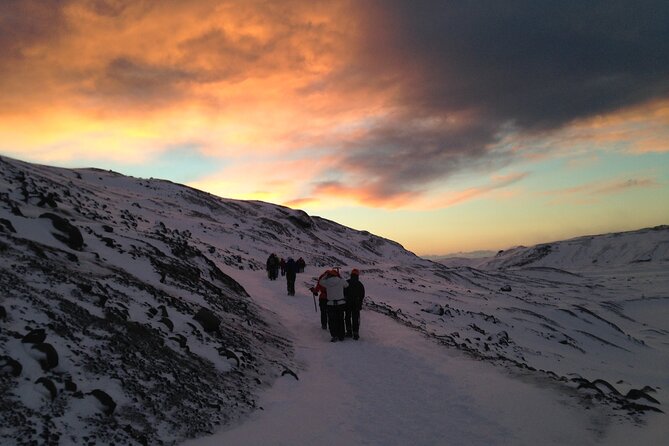
Summit day begins around midnight. You climb northwest between the Rebmann and Ratzel glaciers, working up heavy scree toward Stella Point on the crater rim. This is the most physically and mentally demanding part of the trek.
The ascent to Stella Point reaches about 18,600 feet. If the weather is clear, sunrise from the rim can be extraordinary. From there, you continue for roughly another hour toward Uhuru Peak, where you reach the highest point on Kilimanjaro and in Africa. Snow may appear along this final section.
The provided schedule allows about 12 hours for the summit day. That includes the ascent, time near the summit, and descent. You then return toward the lower camp area, where the exact overnight arrangement should be confirmed with the operator.
Do not treat the summit as the end of the day. The descent can be rough on tired knees, and scree makes footing uncertain. Your success depends as much on steady pacing and following safety advice as on fitness.
Day 8: Mweka descent and return to town
After breakfast, you descend to Mweka Park Gate. The descent takes about three hours, after which a vehicle takes you back to your hotel in Arusha or Moshi.
Mweka is a practical finish because it avoids retracing the Lemosho approach. You end in a lower, warmer setting after moving through several distinct habitats.
The final day is not merely a ride home. It is when the scale of the climb often sinks in. You have crossed rainforest, moorland, semi-desert, and alpine desert, then returned to the gate on foot.
What the $2,900 price means
At $2,900 per person, this is a serious purchase, but the price should be judged against the length and structure of the climb rather than the number of walking hours alone. The package runs about eight days, uses a low-traffic scenic route, includes full-board camping at the listed camps, and provides transport from the gate area back to Arusha or Moshi.
Pickup is offered, and group discounts may reduce the cost for people booking together. The maximum group size is seven, which can make a major difference on a high-altitude trek. A smaller group usually means clearer communication and less waiting, though the exact staffing and inclusions should be confirmed before you pay.
Do not assume that every expense is included simply because the trek has a listed price. Ask what camping equipment, transfers, park fees, meals, tips, and hotel nights cover. The supplied details confirm admission tickets on the hiking days, full board at named camps, and the return vehicle, but they do not spell out every inclusion.
Who should choose this eight-day climb?
You should consider this trip if you have a moderate level of physical fitness and want scenery as much as the summit certificate. The route suits hikers who prefer a gradual approach, varied habitats, and extra time for altitude adjustment.
It is also a strong choice if you value a small group. With no more than seven people, the experience should feel more manageable than a large departure, though you still need to be comfortable walking for several hours on consecutive days.
This is not the right pick if you want a relaxed safari-style holiday with a little walking added. The summit day starts around midnight, and the combined ascent and descent can take about 12 hours. You must be ready for cold, fatigue, high altitude, and an uncertain summit outcome.
Past departures have paired the Kilimanjaro climb with a Serengeti safari, including one two-week Tanzania trip. That combination makes sense if you want both a demanding mountain challenge and time at lower altitude afterward, but the safari is not part of this experience.
Practical details that matter
You receive booking confirmation at the time of reservation, and a mobile ticket is offered. Free cancellation is available until 24 hours before the local start time. Cancellations or changes inside that window are not accepted for a refund.
The climb depends on good weather. If poor weather forces cancellation, you are offered another date or a full refund. That policy is useful, since mountain conditions are outside your control.
Past departures included guides named Emanuel Mkumbo and Franky, with Bryson also praised for arranging both mountain and safari travel. These names give you useful points to ask about, but they do not guarantee who will lead your group. Request the guide and staffing details before booking.
Should you book the Lemosho eight-day route?
I would choose this tour if your priority is a scenic, measured route with a strong focus on acclimatization. The extra days on Shira Plateau, the Lava Tower high point, and the short Karanga stage all make sense for a better summit attempt.
The price is fair if the confirmed inclusions match the advertised transport, park access, full-board camp stays, and guiding service. Ask for the full cost sheet first, and be clear about what you need to bring.
Book it if you can handle the midnight start, long summit day, and changing mountain conditions. Skip it if you are looking for an easy Kilimanjaro sample. For a fit hiker who wants the mountain’s best scenery and a small group, this is one of the more sensible route choices.
FAQ
Where does the Kilimanjaro trek start?
The trip departs from Arusha or Moshi and drives to Londorossi Gate. From there, you continue by vehicle to the Lemosho trailhead.
How long is the experience?
The planned duration is approximately eight days. The listed itinerary includes seven mountain days followed by a descent to Mweka Gate and a transfer back to Arusha or Moshi.
What route is used to climb Kilimanjaro?
The ascent follows the Lemosho route. The descent finishes through the Mweka route.
How large is the group?
The experience has a maximum of seven travelers.
How fit do I need to be?
A moderate physical fitness level is required. The itinerary includes several days of four to seven hours of walking, plus a summit day of about 12 hours.
What is the highest point reached?
The climb reaches Uhuru Peak, the highest point on Mount Kilimanjaro and the highest point in Africa. You also reach Stella Point at about 18,600 feet during the summit ascent.
What happens if bad weather cancels the climb?
If poor weather causes cancellation, you can choose a different date or receive a full refund. You can also cancel for a full refund if you do so at least 24 hours before the experience begins.
More Hiking Tours in Moshi & Kilimanjaro
- Best Kilimanjaro Adventure 7 days Machame route Trekking
★ 5.0 · 42 reviews - Kilimanjaro 7 Day Private Trekking Experience
★ 5.0 · 40 reviews - 8 Days Kilimanjaro Hike via Lemosho Route
★ 5.0 · 39 reviews - The Best & Unique Kilimanjaro Hiking tour 7 days Machame route
★ 5.0 · 34 reviews
Newly listed around Moshi & Kilimanjaro
- Climb Mount Kilimanjaro: 7 Days Machame Route★ 5.0 · 3 reviews
- 6 Days Mount Kilimanjaro Climbing via Rongai Route★ 5.0 · 3 reviews
- Explore 1 day Ngorongoro Crater Budget Group Safari from Arusha★ 5.0 · 3 reviews
- Mt. Kilimanjaro Day Hiking★ 5.0 · 3 reviews
- Chemka (Kikuletwa) Hot Springs, Tanzania★ 5.0 · 3 reviews
- Guided City tour of Moshi★ 4.3 · 3 reviews
- 8 Day Tanzania Family Safari★ 5.0 · 3 reviews
- Serengeti Safari with Sirikwa Travel★ 5.0 · 3 reviews
Kilimanjaro Climbs, compared.








Browse the lists this tour appears in