
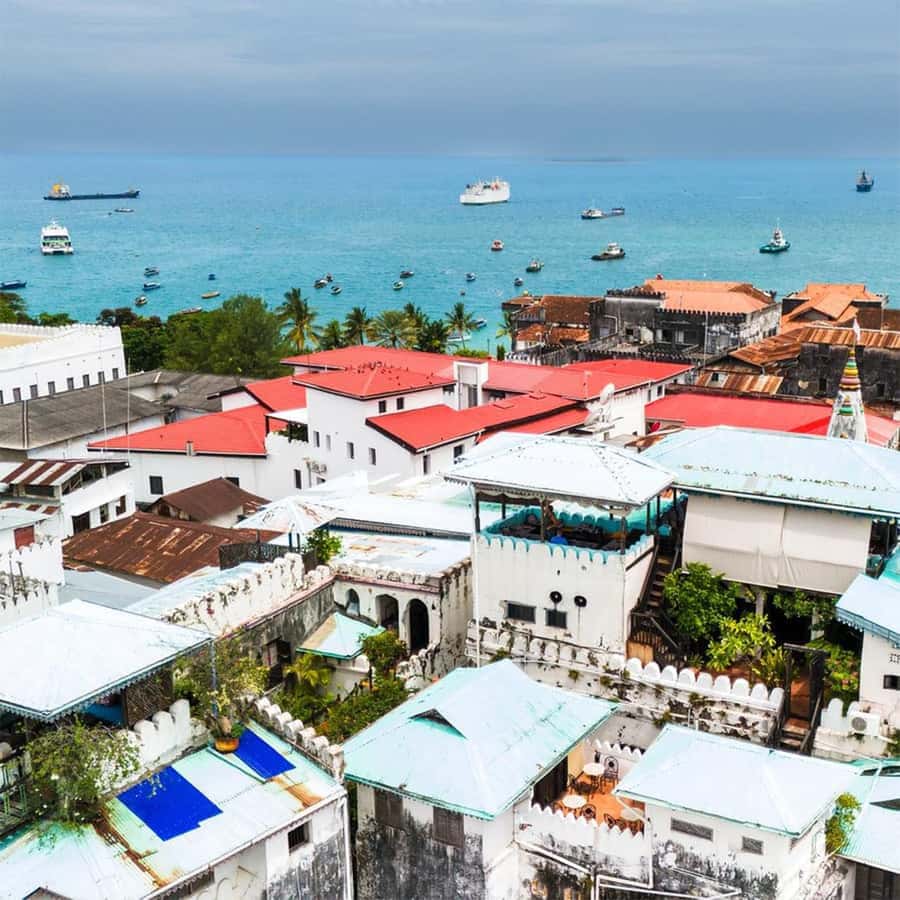
Reviewed · STONE TOWN TOURS
Stone Town Guided Tour: Culture, Slave Market & Spice Market
Stone Town’s narrow lanes tell Zanzibar’s story better than any single museum. This 2 to 3-hour walk moves from the painful history of the Old Slave Market to grand palaces, carved doors, local markets, and the waterfront. Guides such as Abdul and Mundhir add the local context that makes the buildings easier to understand.
I like the way the tour combines major sights with ordinary city life, especially the Darajani Market stop and the chance to see spices, produce, fish, and crafts. I also like the flexible pace. Abdul has accommodated late starts, extra shopping time, ATM stops, and help buying a SIM card.
The main thing to watch is admission pricing. The $29 tour price covers the guide and walking experience, but entrance fees are not normally included. One guest paid for a higher-priced admissions option and found that it covered only one museum, so confirm exactly what you are paying for before upgrading.
Key points to know before you book

- The Old Slave Market anchors the tour: Allow time for a serious, sometimes difficult look at Zanzibar’s slave-trade history.
- The route covers Stone Town’s essential sights: You visit the House of Wonders, Old Fort, Freddie Mercury’s House, the Anglican Cathedral, and Darajani Market.
- Abdul is the guide most often named: He is praised for clear English, patience, local knowledge, and a willingness to adjust the walk.
- The market stop adds everyday Zanzibar: Darajani brings spices, vegetables, meat, fish, food, and crafts into the picture.
- Stone Town is best seen on foot: Wear comfortable shoes, since the route uses narrow lanes and includes substantial walking.
- Forodhani Gardens may be a useful finish: You can request a late start or end near the waterfront for street food and sunset.
Why this Stone Town walk works so well

Stone Town can feel confusing at first. Its lanes bend sharply, streets change character without warning, and major buildings often sit beside small shops, homes, and market stalls. A guide gives you a clear thread through it all.
This is not simply a checklist of old buildings. The walk explains how African, Arab, Indian, and European influences shaped Zanzibar’s architecture, food, religion, and daily life. You may notice a carved door, a balcony, or a market ingredient differently once you know what it says about the city.
The private-group setup is useful if you want to ask questions or slow down for photographs. It also helps explain why the tour can work for solo visitors. One person who toured alone found the guide especially helpful for navigating the lanes and felt safe during the walk.
The pace is not designed for a full day. That is a strength if you have limited time or want a first introduction before exploring independently. If you want long museum visits, extensive shopping, and a relaxed meal, you will need extra time after the official route.
More Stone Town walks:
- Zanzibar: Stone Town, Spice Tour, Prison Island with Lunch
★ 4.4 · 1,219 reviews - Zanzibar: Prison Island, Stone Town, & Spice Farm Tour
★ 4.5 · 579 reviews - Zanzibar; Prison Island, Nakupenda, StoneTown Tour with BBQ
★ 4.3 · 457 reviews
The Old Slave Market and Anglican Cathedral
The tour begins at one of Stone Town’s most important and painful sites, the former slave market. The visit lasts about 30 minutes, giving your guide time to explain the slave trade and its place in Zanzibar’s past.
This part calls for attention and respect. It is not a light sightseeing stop, and it should not be treated as one. The site helps you understand the economic and political forces that shaped the island, as well as the human cost behind Zanzibar’s position in the Indian Ocean trade.
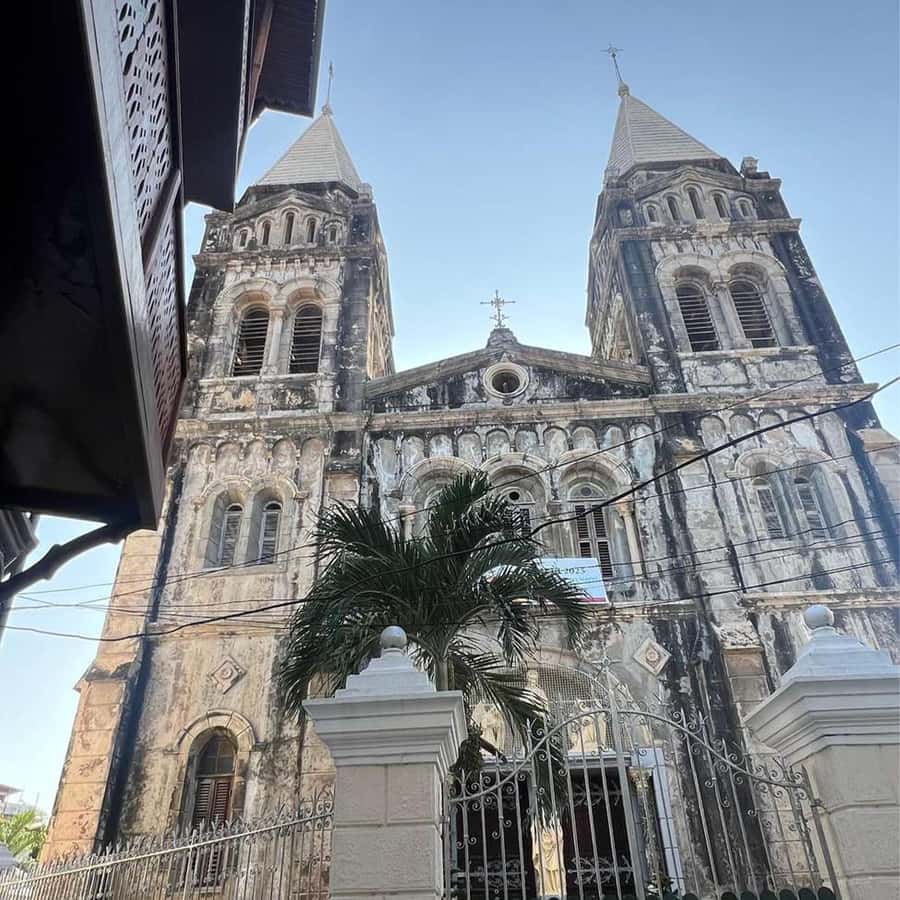
The nearby Anglican Cathedral adds another layer. Built on the former market site, it connects the city’s religious and colonial history to the earlier slave trade. The contrast between the cathedral and the market area makes the stop especially valuable, since you can see how later institutions were built into an older and more painful setting.
The cathedral portion is listed at about 15 minutes. That is enough for an introduction, but not a lengthy architectural study. If religious buildings are a major interest, ask your guide for extra detail and allow some time for independent viewing.
House of Wonders and the waterfront landmarks
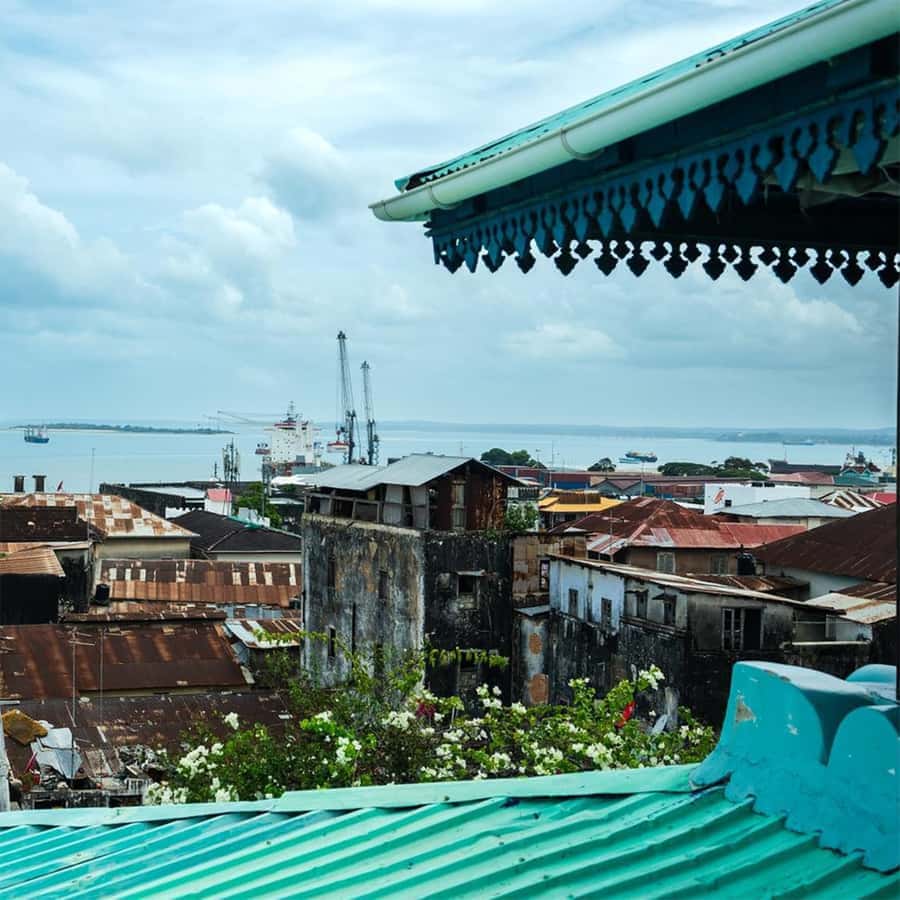
The House of Wonders is one of Stone Town’s best-known buildings and receives about 15 minutes of guided attention. Its scale and position make it a natural reference point for understanding the old ceremonial and political center of the city.
The tour also brings you to the Old Fort, with about 25 minutes of guided time. The fort represents a different side of Zanzibar’s past from the palace buildings nearby. Here, military history and public life meet, and the thick walls offer a useful contrast with Stone Town’s more decorative residences.
The itinerary also includes the Sultan’s Palace Museum in the wider tour description, though the timed route specifically lists the House of Wonders and Old Fort. Ask at the start which buildings you will enter and which you will see from outside. This matters because admission fees and opening arrangements can affect the route.
The House of Wonders, Old Fort, and Sultan’s Palace area are close enough to connect easily on foot. You do not lose time to long vehicle transfers. Instead, the spaces between the buildings become part of the experience, with lanes, doorways, balconies, and street scenes filling in the gaps.
Freddie Mercury’s House and the modern city
A stop at Freddie Mercury’s House adds a modern cultural note to a tour otherwise focused on earlier centuries. The Queen frontman was born in Zanzibar, and his former home is now a familiar point of interest in Stone Town.
The guided stop lasts about 15 minutes. Treat it as a quick landmark visit rather than a full music-history museum experience. The value is in seeing how Zanzibar’s story continues into the modern era, with a world-famous musician linked to the same old streets.
This stop also gives the tour some variety. After the serious subject of the slave market and the formal buildings around the fort, Freddie Mercury’s connection offers an easier, more personal topic. You can ask your guide how the city remembers him and how his story fits into present-day Stone Town.
The tour description refers to both Freddie Mercury’s House and a Freddie Mercury Museum. Because those names can imply different admission arrangements, check whether your route includes an interior visit or simply a stop outside. Do not assume the basic price covers museum entry.
Other visits to the slave trade history sites:
- Spice , Prison Island ,Stone Town and Slave Market Site Tour
★ 5.0 · 24 reviews - Stone Town Private Tour with Slave Market Tickets
★ 5.0 · 13 reviews - Zanzibar: Stone Town Heritage & Slave Market Tour
★ 4.4 · 7 reviews - Zanzibar: Stone Town Tour with Slave Market Ticket
★ 3.5 · 5 reviews
Stone Town’s doors, alleys, and mixed influences
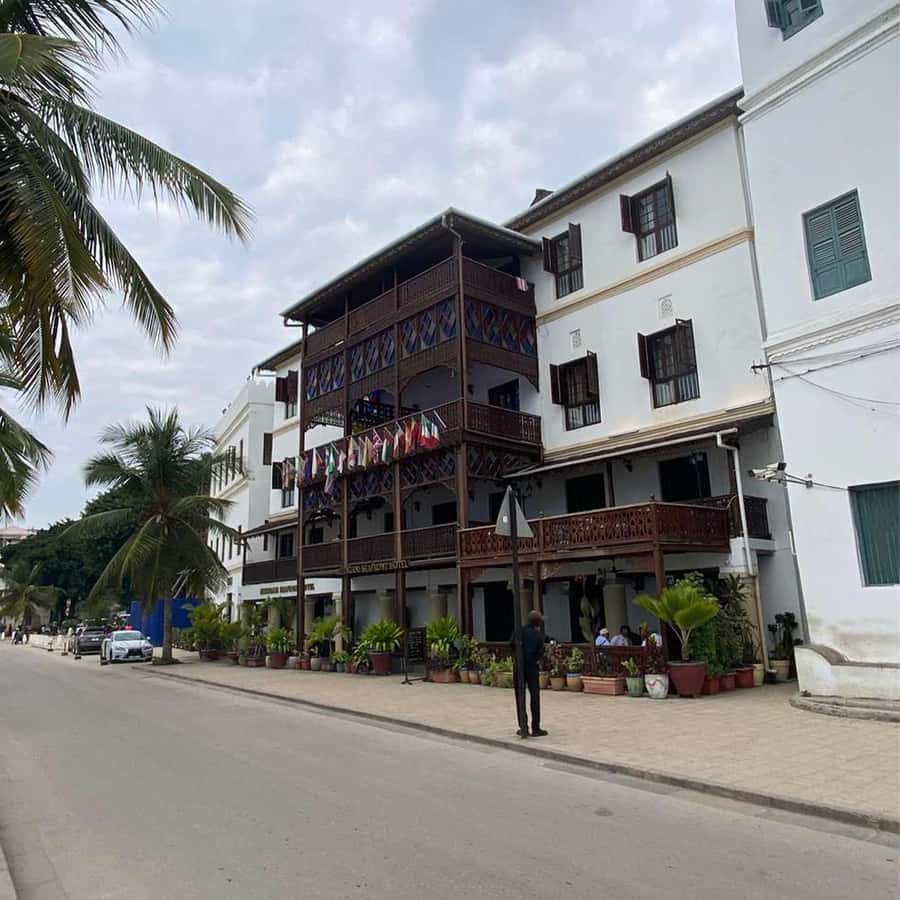
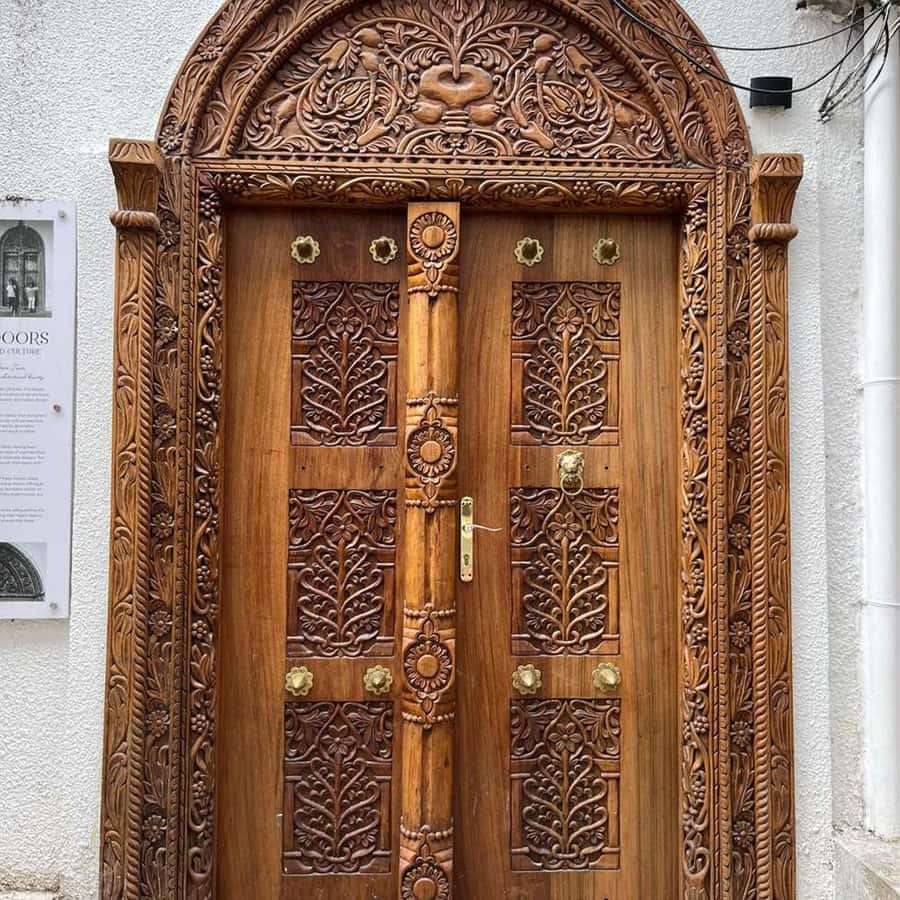
For me, the walking between major sights is one of the strongest parts of this experience. Stone Town’s character appears in small details: carved wooden doors, old facades, narrow passages, and buildings shaped by several cultures.
Your guide explains how African, Arab, Indian, and European influences appear in the architecture. The doors are especially worth watching. Their decoration and scale offer clues about wealth, family tradition, and the city’s links to the wider Indian Ocean world.
The lanes are also where the tour feels most local. You pass shops, homes, food sellers, and people handling the practical business of daily life. That makes the walk feel less like a series of isolated monuments and more like a working town with a long memory.
Google Maps may not be much help in the older lanes, so a guide has real practical value here. You can still wander alone afterward, but taking the first walk with someone who knows the turns saves time and reduces the chance of missing important sites.
Darajani Market: spices, food, and daily life
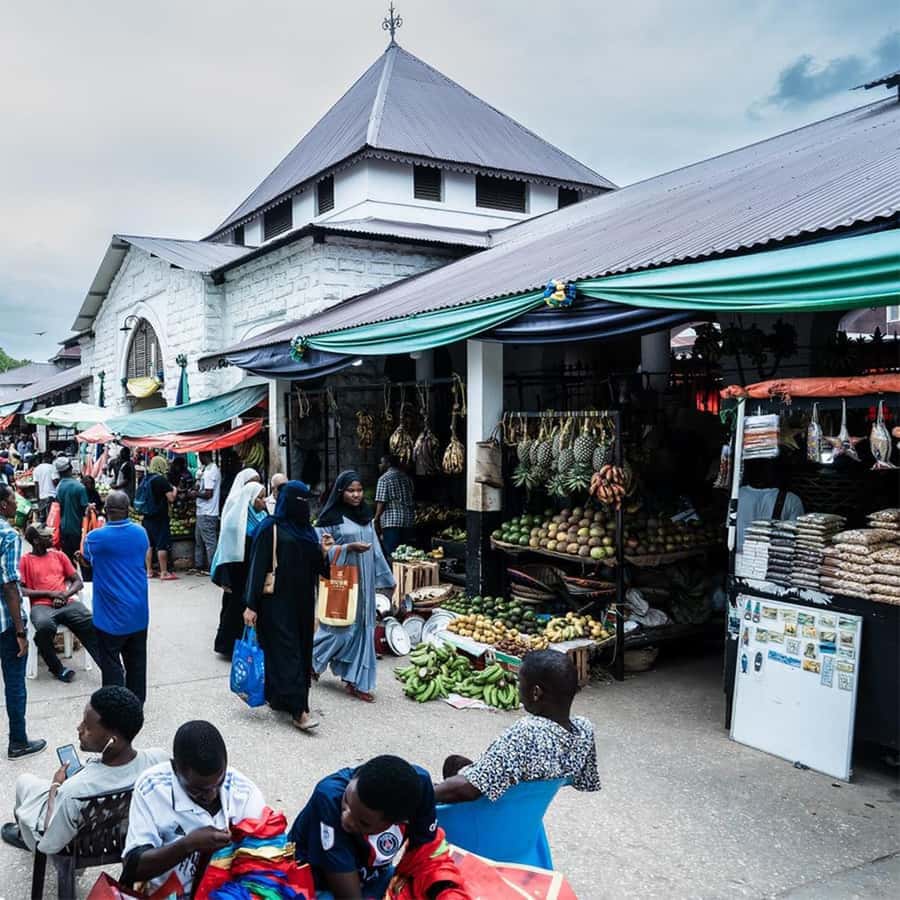
The final major stop is Darajani Market, with about 20 minutes set aside for a guided visit. This is where the tour shifts from grand history to the food and trade that shape everyday Zanzibar.
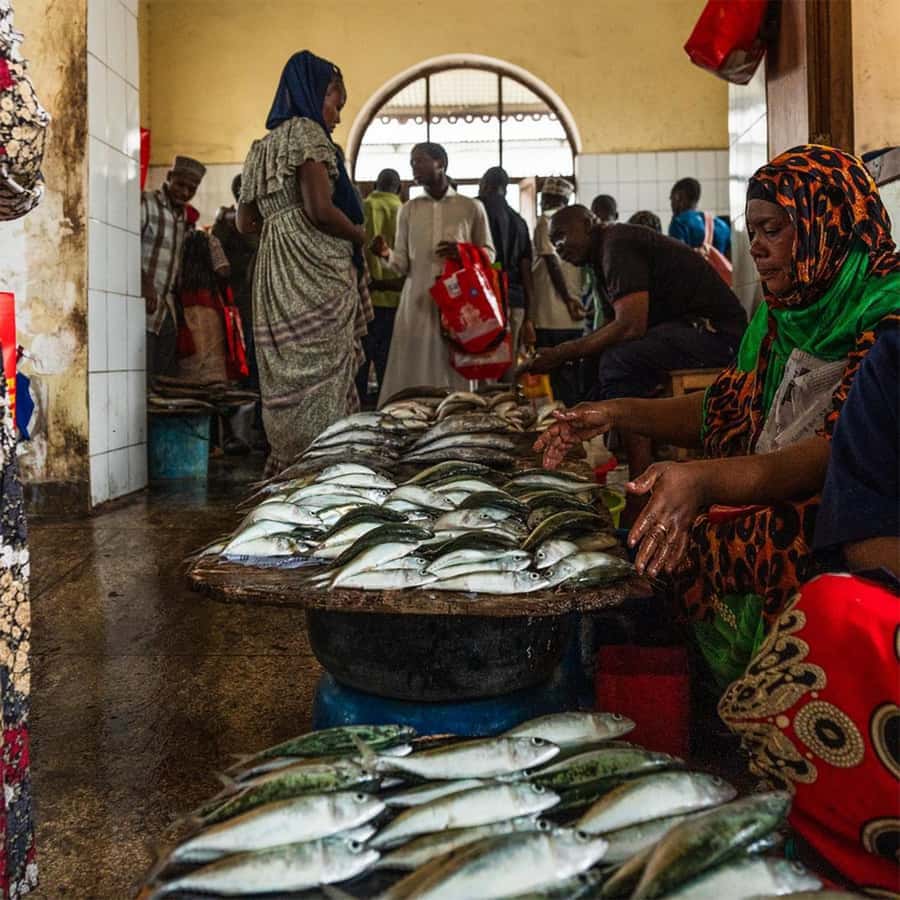
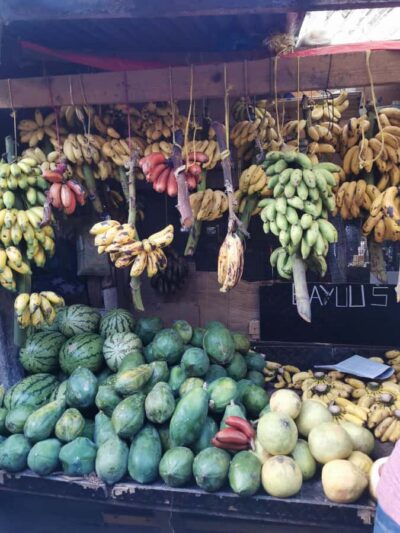
You may see spices, vegetables, meat, and fish, along with food and arts-and-crafts stalls. The market helps explain why Zanzibar is associated with cloves and other spices, but it also shows that the city is more than a postcard version of spice tourism.
This is a good place to ask questions. You can learn how local ingredients appear in cooking and how the market serves residents. The visit is guided, but you should also have a chance to look around and take photographs where appropriate.
Shopping time may be possible, especially if you speak with your guide at the beginning. Abdul has allowed extra time for shopping on request. Still, do not expect a long market session within the standard two to three hours. If you want to buy spices, crafts, or food, plan to return later.
Ending at Forodhani Gardens
Forodhani Gardens is an optional way to finish the experience. The waterfront is known for evening street food and is a pleasant place to continue your time in Stone Town after the formal walk ends.
A late start can work well if your priority is the night food market. One couple arranged a later beginning so they could finish near Forodhani Gardens and enjoy the evening scene. This kind of adjustment is worth requesting in advance rather than assuming it will happen automatically.
The standard route includes drop-off in Stone Town, but the exact ending can depend on the timing and your guide. If you want the waterfront finish, mention it when arranging the tour. You will then have a better chance of matching the walk with sunset or the evening food stalls.
Guide style and flexibility
Abdul is the guide most frequently named in the supplied booking information. The consistent strengths are clear English, patience, enthusiasm, and a strong grasp of Stone Town’s history. He has also helped with practical errands such as finding an ATM and buying a SIM card.
That flexibility matters because a good city walk should leave room for questions. Guests have been able to request later starts, spend more time shopping, and focus on places that interest them. A private group makes those changes easier than they would be on a large scheduled coach tour.
Mundhir is also named as a guide, and the available feedback describes his explanations as good and his manner as friendly. Since guide assignment can vary, do not book solely on the expectation of one particular person. The experience is built around a local English-speaking guide, but the individual guide may depend on availability.
The tour is wheelchair accessible according to the activity details. Stone Town’s narrow streets can still present practical challenges, so it is sensible to discuss your mobility needs before arrival. The route is on foot, not a vehicle sightseeing tour.
Price, entrance fees, and what you receive
At $29 per person, the tour offers good value if you want a guided introduction to Stone Town rather than a private car-based sightseeing day. The price includes a walking tour, an English-speaking guide, bottled water, and pickup and drop-off within the Stone Town area.
The price does not normally include food, drinks, tips, or extra charges. Hotel pickup outside Stone Town may cost more, although a cheaper transfer can be requested. That is worth settling before the tour begins.
Entrance fees need the closest attention. The base cost should not be treated as an all-inclusive museum pass. One booking option reportedly cost $45 instead of $20 but provided entry to only one museum, priced at $10, so ask for a written explanation of every admission included in an upgraded package.
If you are mainly interested in streets, buildings, doors, history, and the market, the $29 option may be enough. If you want to enter several museums, confirm each one by name and compare the total admission cost yourself. This simple check protects the value of the tour.
Timing, comfort, and practical advice
The official duration is two to three hours. The timed stops add up to a fairly compact route, but questions, photographs, shopping, and museum entry can push the walk toward the longer end.
Wear comfortable walking shoes. Stone Town’s lanes are narrow, and the route involves walking between several stops. Bring a camera and water is provided, but you may still want sun protection and modest clothing suitable for religious and historic sites.
Alcohol and drugs are not allowed. Food and drinks are not included, so save room in your plan for Darajani Market or Forodhani Gardens if you want to eat.
Stone Town pickup is included, which is convenient if you are staying in the old city. Pickup beyond that area requires an additional arrangement and may involve an extra fee. The tour is offered in English, and cancellation is free up to 24 hours before the start, with a full refund. You can also reserve now and pay later.
Who should book this Stone Town tour?
I would choose this walk if you are visiting Stone Town for the first time, have only one day, or want a strong orientation before exploring alone. It is also a good fit for solo visitors who prefer local guidance in the maze of old streets.
History-minded visitors will value the Slave Market, Anglican Cathedral, Old Fort, and palace area. Food-focused visitors will appreciate Darajani Market and can add Forodhani Gardens afterward. Architecture fans should pay close attention to the carved doors and the mix of cultural influences.
This may not suit you if you dislike walking, want a long and quiet museum visit, or prefer to explore without a set route. The experience is compact and guided, so it gives you a useful framework rather than unlimited time at each stop.
Should you book it?
Book this tour if you want the main Stone Town sights explained by a local guide, with enough flexibility to ask questions, shop, or adjust the timing. The strongest reasons are Abdul’s practical approach, the well-chosen mix of serious history and everyday market life, and the low base price.
Before paying, confirm the guide, pickup area, start time, museum entries, and whether Freddie Mercury’s stop is inside or outside. If those details suit your plans, this is a sensible first walk through Stone Town and a good way to get your bearings before setting off on your own.
FAQ
How long does the Stone Town guided tour last?
The tour lasts approximately two to three hours. The exact timing can change based on the start time, questions, shopping, and museum visits.
What places are included on the walking route?
The route includes the House of Wonders, Old Fort, Freddie Mercury’s House or museum stop, the Anglican Cathedral, the Old Slave Market, and Darajani Market.
Is hotel pickup included?
Pickup and drop-off are included for hotels in the Stone Town area. Pickup outside Stone Town may require an additional fee.
Is the tour private?
Yes. The activity is offered for a private group rather than as a large shared group.
What language does the guide speak?
The live tour guide speaks English.
Are museum admission fees included in the $29 price?
The base price does not normally include entrance fees. Ask which admissions are included if you are offered an upgraded package, since different options may cover different museums.
Is food included?
No. Food and beverages are not included. You can ask about ending near Forodhani Gardens, where street food is available in the evening.
What should I bring?
Bring a camera and wear comfortable walking shoes. The tour involves walking through narrow Stone Town streets.
Can I cancel the booking?
Yes. You can cancel up to 24 hours before the tour for a full refund. You can also reserve now and pay later.
More shopping trips in Zanzibar
- Stone Town walking tour, shopping, history and culture
★ 5.0 · 6 reviews - Tanzanite experience tour – Tanzanite shopping in Arusha
★ 5.0 · 12 reviews - 24 Hours in Arusha—Arusha Museum, Cultural Heritage, Maasai Market, Shanga
★ 5.0 · 4 reviews - Full-Day Moshi Private Forest Walk and Local Market Tour
★ 5.0 · 4 reviews
More markets in Zanzibar
- Zanzibar:Stone town Street food market walking tour,transfer
★ 4.5 · 9 reviews - Arusha: Traditional Tanzania Cooking Class & Food Market Tour
★ 5.0 · 34 reviews - Arusha: Traditional Tanzania Cooking class& Food Market Tour
★ 4.9 · 12 reviews - Private Market Tour and Tanzanian Cooking Class in Moshi
★ 5.0 · 7 reviews
Newly listed around Zanzibar
- Zanzibar: Nungwi/Kendwa Beach Sunset Dhow Cruise with Fruits★ 3.4 · 3 reviews
- Prison Island, Sea Turtles, Rock Restaurant & Relax in Beach★ 4.6 · 3 reviews
- Starfish Beach; The Rock; Kuza Cave; Paje Beach; Salaam Cave Tour★ 4.5 · 3 reviews
- Joazani forest & Spice farm with lunch★ 5.0 · 3 reviews
- Zanzibar: Half-Day Spice Farm Tour,the flavours of Zanzibar★ 4.7 · 3 reviews
- Nakupenda Island Snorkeling Sea trip & Lunch W/Transfer -Zanzibar★ 4.0 · 3 reviews
- Mnemba Island Snorkeling and Dolphin tour★ 5.0 · 3 reviews
- Zanzibar:Jozani forest, Spice farm with Swahili Cuisine clas★ 4.2 · 3 reviews
Stone Town Tours, compared.




Full-Day Private Stone Town +Spice Farm and Prison Island Tour
Read our review →
Browse the lists this tour appears in