
Reviewed · STONE TOWN TOURS
Stone Town Private Tour with Slave Market Tickets
Stone Town’s narrow lanes tell a complicated story. This private walk brings you from the former Slave Market and its chambers to Arab forts, Indian-influenced buildings, Catholic and Anglican churches, old trading houses, and the Indian Ocean waterfront. You’ll see how Zanzibar’s Swahili culture grew from African, Arabian, Indian, Portuguese, and European connections.
I like the included entry to the former Slave Market because it gives the tour a serious historical center, not just a pretty stroll. I also like having a private guide such as Maulid Omar, whose storytelling can adapt to your questions and take you through the local markets and less-touristed lanes.
The main drawback is the pace. Ten stops are packed into about three to four hours, so some visits are brief. The Freddie Mercury Museum is also extra, and the tour requires good weather.
Key points to know before you book
- The former Slave Market is the tour’s emotional core, with access to the chambers, slave monuments, sale site, and Anglican Cathedral.
- Maulid Omar leads a private experience, so only your group participates and you can ask questions as you go.
- Darajani Market adds everyday Zanzibar, with fruit, fish, meat, vegetables, spices, and local shopping.
- The Freddie Mercury Museum costs extra, while the other listed stops are free or included.
- The 8:30 am start helps you cover the old city before the day gets too hot, though the tour still moves quickly.
- Forodhani Gardens, the Old Fort, and Stone Town’s coast give the walk a pleasant finish, with open views after the enclosed lanes.
Why this private Stone Town walk works
I see this as a good first introduction to Zanzibar City because it combines major sights with ordinary street life. You are not confined to one museum or one theme. In a few hours, you move from painful chapters in East African history to markets, palaces, churches, coffee, and the seafront.
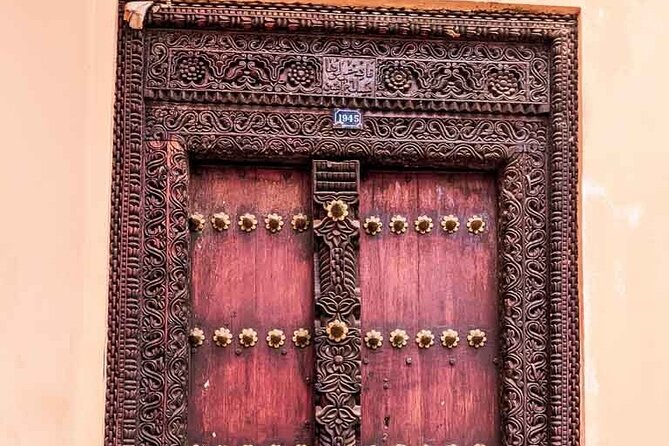
Stone Town became a UNESCO World Heritage Site in 2000. That designation makes sense once you notice the mixture of architectural details: carved doors, mosques, old palaces, forts, churches, and buildings shaped by several trading cultures. The point is not simply to photograph old walls. The point is to understand why the town looks unlike a standard European, Arab, or African city.
The private format matters here. Stone Town is made for slow looking, but the lanes can feel confusing if you do not know what you are seeing. Maulid Omar can explain the setting as you walk and respond to your interests. One especially useful part of the experience is the chance to move through the market and winding streets with a local guide rather than only following a fixed sightseeing route.
At $30 per person, the tour offers good value if your main goal is orientation and context. You get guiding, bottled water, and admission to the former Slave Market. The price does not include the Freddie Mercury Museum, and you should allow extra money if that stop matters to you.
More Stone Town walks:
- Zanzibar: Stone Town, Spice Tour, Prison Island with Lunch
★ 4.4 · 1,219 reviews - Zanzibar: Prison Island, Stone Town, & Spice Farm Tour
★ 4.5 · 579 reviews - Zanzibar; Prison Island, Nakupenda, StoneTown Tour with BBQ
★ 4.3 · 457 reviews
Starting at Forodhani at 8:30 am
The meeting point is Forodhani Park, listed as R5QQ+VJ6 Forodhani Park, Zanzibar. The tour ends back at the same place, which makes the arrangement simple if you are staying nearby or using public transportation.
Starting at 8:30 am gives you a useful morning block. The route includes many short stops, so arriving on time matters. This is a walking tour through narrow streets, markets, and historic buildings, not a vehicle-based city circuit. Wear shoes suited to walking and keep your schedule flexible at the end, since the total duration is approximately three to four hours.
You receive bottled water, but personal purchases and other expenses are your responsibility. Forodhani is also known for its evening food market, yet this tour starts in the morning. If you want to return later for seafood, sugarcane juice, barbecue, or Zanzibar pizza, you can treat the tour as a useful orientation to the area.
The former Slave Market and Anglican Cathedral
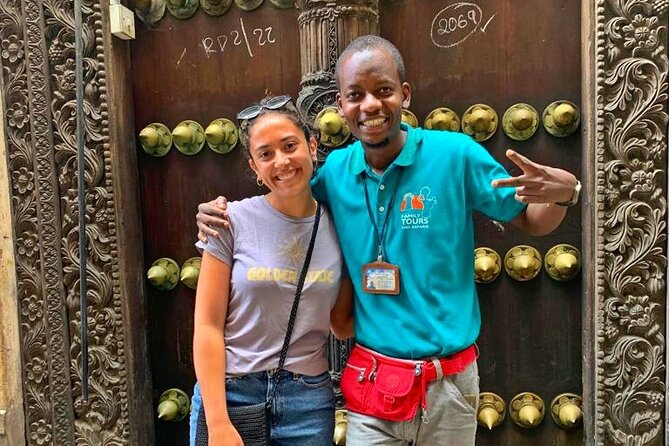
The first stop lasts about an hour, making it the longest and most important part of the route. Here, you trace the history of the slave trade in Zanzibar and East Africa through the former market, slave monuments, chambers, and the place where people were sold.
This section deserves time and attention. It is not light sightseeing, and the subject can be difficult. A guide’s role is especially valuable because the site contains physical remains and memorials that need explanation. You can also learn about artefacts found at the site and their historical importance.
The Anglican Cathedral occupies the former market area, adding another layer to the story. The tour also points to the work of missionaries and the connection with Dr. David Livingstone, the well-known explorer. The setting shows how religious buildings, abolition efforts, and the commercial history of Zanzibar overlap.
I appreciate that entry is included here. You do not have to decide at the gate whether this essential part of the tour fits your budget. Give yourself room to listen rather than rushing through for photographs.
Freddie Mercury’s Zanzibar connection
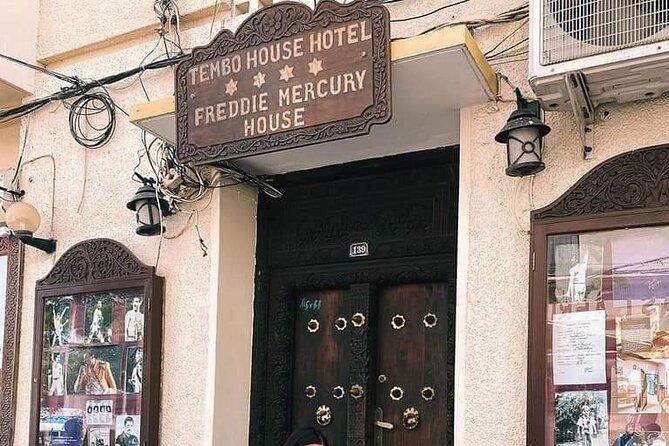
The Freddie Mercury Museum is scheduled for about 20 minutes. The stop focuses on the singer, songwriter, guitarist, and Queen frontman, whose connection to Zanzibar gives the tour a more personal and modern angle.
Admission is not included. The supplied information does not state the entrance price, so check the current cost before booking or carry enough money for an additional ticket. Twenty minutes is a short visit, which makes this more of a focused introduction than a long museum session.
This stop will suit you if you already have an interest in Freddie Mercury or want to connect Stone Town with a famous 20th-century figure. If your priority is architecture or the history of the slave trade, you may see it as an optional add-on rather than a central reason to book.
Other visits to the slave trade history sites:
- Stone Town Guided Tour: Culture, Slave Market & Spice Market
★ 4.8 · 44 reviews - Spice , Prison Island ,Stone Town and Slave Market Site Tour
★ 5.0 · 24 reviews - Zanzibar: Stone Town Heritage & Slave Market Tour
★ 4.4 · 7 reviews - Zanzibar: Stone Town Tour with Slave Market Ticket
★ 3.5 · 5 reviews
Old Fort and Portuguese traces

The Old Fort, or Ngome Kongwe, takes about 20 minutes. The site includes an open amphitheater, an old Portuguese chapel, and the Busaid Arab fort. These layers show how the building changed purpose and identity over time.
The fort is a helpful contrast to the enclosed historic houses and narrow lanes. You can see a more open space and hear how Portuguese and Arab influences shaped the city. Admission is free, so this stop adds substance without adding to the tour price.
Twenty minutes allows for an explanation and a look around, but not a slow examination of every corner. If you love old military buildings, ask Maulid to focus on the fort’s changing role and architectural details. If your group is taking photographs, keep an eye on the clock because the route has several more stops ahead.
Darajani Market’s sights and smells
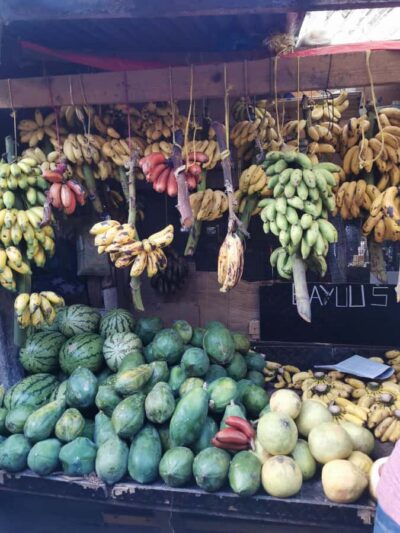
Darajani Bazaar brings you into the practical heart of Stone Town. The market sells fruits, vegetables, fish, meat, spices, and other daily goods. You may see the fresh catch from the Indian Ocean alongside produce grown by local Zanzibari farmers.
This is one of the strongest parts of the tour for anyone who wants more than monuments. Markets show how people shop, trade, and eat. You can look, take photographs, test some local products, and buy souvenirs, though personal purchases are not included.
The market may feel crowded and sensory, particularly compared with the quiet of a church or palace. Keep your belongings secure and ask before taking close photographs of people or stalls. A private guide helps you move through the displays without missing the point of what you are seeing.
Coffee and the narrow streets of Stone Town

After Darajani Market, the route moves through Stone Town’s narrow streets toward Zanzibar Coffee House. The scheduled stop is about 15 minutes, with time to rest and choose an aromatic coffee.
This is a small pause, but it matters. Historic districts can become tiring when every stop requires concentration. A short break lets you sit, cool down, and reset before the palace and waterfront sections.
The coffee itself is not listed as included, so plan to pay for anything you order. The stop also gives you a chance to notice the street details that are easy to miss when you focus only on major sights: doors, balconies, shopfronts, mosques, and the mix of building styles that gives Stone Town its character.
Sultan Palace and the People’s Palace Museum
The People’s Palace Museum, also described as the Sultan Palace, offers a look at Zanzibar’s ruling dynasty. You can explore the palace interior and see how the Sultan’s household and political world shaped the city.
The building provides a different kind of historical evidence from the former Slave Market. Instead of focusing mainly on trade and abolition, it helps explain the authority, wealth, and social order of the Sultanate. Seeing both locations in one morning gives the tour a broader view of Zanzibar’s past.
The planned visit lasts about 20 minutes. That is enough for an introduction and selected rooms, but you should not expect a full museum day. The tour lists admission as free for this stop, though the included entrance fee wording mainly highlights the former Slave Market. The practical takeaway is simple: ask your guide what is covered if you want to budget precisely for every interior visit.
Forodhani Gardens and the Indian Ocean
Forodhani Gardens is both a waterfront park and a well-known evening food area. During the scheduled 20-minute stop, you learn about the vendors and foods associated with the gardens, including seafood, sugarcane juice, barbecue, and Zanzibar pizza.
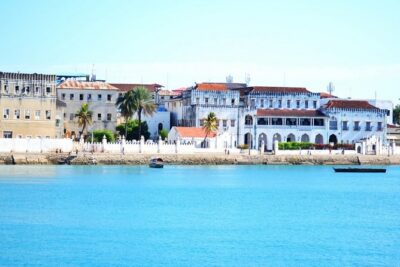
The coastal setting gives the tour a welcome change of mood. After the serious first stop and the tight market lanes, the Indian Ocean opens the view. You can also use this part of the walk to understand why Stone Town became such an important trading center.
Because the tour begins and ends here, Forodhani is easy to revisit later. The experience does not state that food samples are included, so treat eating and drinks as personal expenses. If you want the full evening market atmosphere, return after dark rather than expecting the morning tour to provide it.
St. Joseph’s Cathedral and the Old Dispensary
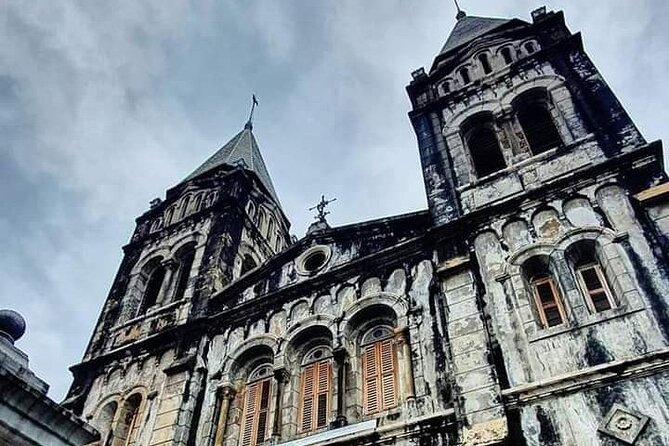
St. Joseph’s Roman Catholic Cathedral is a French Catholic church in the center of Stone Town. Its interior and construction offer another reminder that the city’s religious and architectural influences came from outside Zanzibar as well as from local traditions.
The cathedral stop lasts around 20 minutes and is free. The visit will appeal to you if you enjoy religious buildings, painted interiors, and the way different faiths share a historic city. Dress and behave respectfully inside, as you would at any active place of worship.
The Old Dispensary provides a more civic and commercial story. It was the first dispensary in town and was established by Tharia Thopan, a business adviser to the Sultan. Its presence on the route shows that Stone Town’s past is not limited to palaces and forts. Health care, trade, and public life also shaped the town.
Tippu Tip’s House on Shangani Street
The final major historic stop is Tippu Tip’s House on Shangani Street. Here, you learn about Tippu Tip, described as a powerful and famous slave trader, and see the house connected with him.
This visit links back to the morning’s first stop. The former Slave Market shows the system and site of sale, while Tippu Tip’s House connects that system to an individual associated with the trade. The pairing can make the subject more concrete and help you understand that Stone Town’s beautiful architecture existed alongside exploitation and human suffering.
The scheduled stop is about 20 minutes and admission is free. As with several other points on the route, the time is enough for a guided explanation but not an extended independent visit. Listen closely, and ask questions if you want to understand how the house fits into the wider story of Zanzibar.
What the three to four hour pace feels like
The tour lists ten stops, most lasting 20 minutes, plus a full hour at the former Slave Market. That is a lot for one morning. I would choose this tour if you prefer a strong overview with a guide, not if you want to spend half an hour at every building or shop slowly in every market.
The private format helps because your group does not have to match the interests of a large party. You can ask for more detail at the sites that matter to you, though the overall route still has a fixed morning rhythm. The short visits also mean the experience covers a wide range of subjects: slavery, religion, music, royal power, food, trade, markets, and architecture.
Most travelers can participate, and the tour is near public transportation. The supplied details do not specify accessibility arrangements or the exact amount of walking, so contact the provider if you have mobility concerns or need a tailored pace.
Who should book this Stone Town experience
I would recommend it to first-time visitors who want a private introduction to Stone Town without paying for a full-day tour. It also suits history-minded visitors who want the former Slave Market placed within the wider story of Zanzibar.
Food lovers and photographers will appreciate Darajani Market and Forodhani Gardens. Architecture fans get forts, churches, a palace, the Old Dispensary, and the town’s carved doors and mixed building styles. Freddie Mercury fans have a clear optional stop, though the extra museum fee should be part of your decision.
You may want a different experience if you dislike difficult historical subjects, prefer long museum visits, or want an evening food tour centered on eating. This tour discusses slavery directly and moves at a fairly brisk pace.
Should you book it?
At $30 per person, I think this is a sensible buy for a private, guided Stone Town overview. The included former Slave Market admission, bottled water, and local guiding give the price real value, while the range of stops saves you from arranging several separate visits.
Book it if you want context, local market access, and a flexible private guide such as Maulid Omar. Skip it if the Freddie Mercury Museum is your main goal and you want a long museum visit, since that admission is extra and the stop is limited to about 20 minutes.
The free-cancellation policy is useful: cancel at least 24 hours before the 8:30 am start for a full refund. Changes made within 24 hours are not accepted, and there is no refund inside that period. The tour also depends on good weather, with a different date or full refund offered if poor conditions cause cancellation.
FAQ
How long does the Stone Town private tour last?
The tour lasts approximately three to four hours.
Where does the tour start and finish?
It starts at 8:30 am at Forodhani Park in Zanzibar and ends back at the same meeting point.
Is the former Slave Market entrance included?
Yes. Entry to the former Slave Market, including the historic site connected with the Anglican Cathedral, is included.
Is Freddie Mercury Museum admission included?
No. Entry to the Freddie Mercury Museum is not included in the tour price.
Is this a private activity?
Yes. Only your group participates in the private tour.
Can I cancel for a full refund?
Yes, if you cancel at least 24 hours before the experience start time. Cancellations made less than 24 hours before the start receive no refund.
More shopping trips in Zanzibar
- Stone Town walking tour, shopping, history and culture
★ 5.0 · 6 reviews - Tanzanite experience tour – Tanzanite shopping in Arusha
★ 5.0 · 12 reviews - 24 Hours in Arusha—Arusha Museum, Cultural Heritage, Maasai Market, Shanga
★ 5.0 · 4 reviews - Full-Day Moshi Private Forest Walk and Local Market Tour
★ 5.0 · 4 reviews
More markets in Zanzibar
- Zanzibar:Stone town Street food market walking tour,transfer
★ 4.5 · 9 reviews - Arusha: Traditional Tanzania Cooking Class & Food Market Tour
★ 5.0 · 34 reviews - Arusha: Traditional Tanzania Cooking class& Food Market Tour
★ 4.9 · 12 reviews - Private Market Tour and Tanzanian Cooking Class in Moshi
★ 5.0 · 7 reviews
Newly listed around Zanzibar
- Zanzibar: Nungwi/Kendwa Beach Sunset Dhow Cruise with Fruits★ 3.4 · 3 reviews
- Prison Island, Sea Turtles, Rock Restaurant & Relax in Beach★ 4.6 · 3 reviews
- Starfish Beach; The Rock; Kuza Cave; Paje Beach; Salaam Cave Tour★ 4.5 · 3 reviews
- Zanzibar: Half-Day Spice Farm Tour,the flavours of Zanzibar★ 4.7 · 3 reviews
- Joazani forest & Spice farm with lunch★ 5.0 · 3 reviews
- Nakupenda Island Snorkeling Sea trip & Lunch W/Transfer -Zanzibar★ 4.0 · 3 reviews
- Mnemba Island Snorkeling and Dolphin tour★ 5.0 · 3 reviews
- Zanzibar:Jozani forest, Spice farm with Swahili Cuisine clas★ 4.2 · 3 reviews
Stone Town Tours, compared.
Full-Day Private Stone Town +Spice Farm and Prison Island Tour
Read our review →
Browse the lists this tour appears in