
Reviewed · KILIMANJARO CLIMBS
6 Days Machame Route Kilimanjaro Climbing
The Machame Route gives you Kilimanjaro in six distinct acts: thick rainforest, open moorland, high desert, steep ridges, volcanic scree, and the summit at Uhuru Peak. You’ll camp each night, climb slowly toward 5,895 meters, and make the final ascent in darkness so sunrise finds you near the crater rim.
I like the route’s changing scenery and the careful high-altitude pattern of climbing toward Lava Tower before descending to Barranco Camp. I also like the strong focus on guide support, with Sebastian named as a particularly capable leader. The main drawback is the six-day schedule: it is demanding, and the short itinerary leaves less time for acclimatization than longer Kilimanjaro routes.
Key points to know before you book
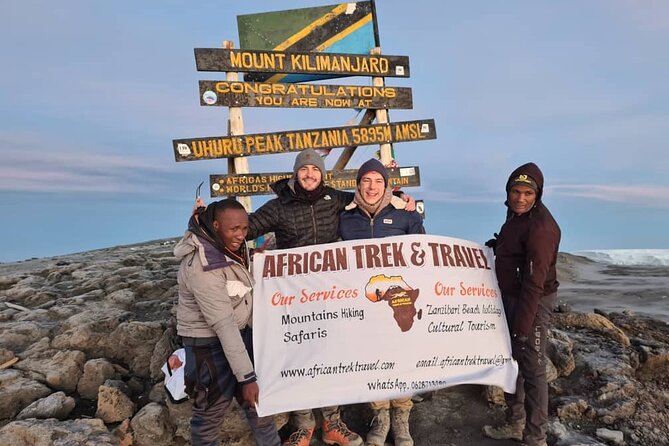
- Uhuru Peak is the main prize: The summit push begins around midnight from Barafu Camp and reaches Stella Point before the final crater-rim walk.
- The scenery changes fast: You move from rainforest to moorland, high desert, volcanic ridges, and snow or scree near the top.
- Barranco Wall is a real highlight: Day four includes a steep climb over the wall before the route continues toward Karanga and Barafu.
- The support team matters: Guides, porters, and cooks handle camp setup, meals, and route support while you focus on walking.
- The price is for one group: The advertised cost is $2,600 per group of up to one person, so confirm the final price if your booking includes more than one climber.
- Fitness is not optional: The operator lists a moderate fitness requirement, but summit day is much harder than an ordinary hike.
Why the Machame Route is worth considering
Machame is often chosen for its varied scenery and direct approach to the mountain. It does not simply send you uphill through one type of forest. Each day brings a noticeable change in plants, air, views, and footing.
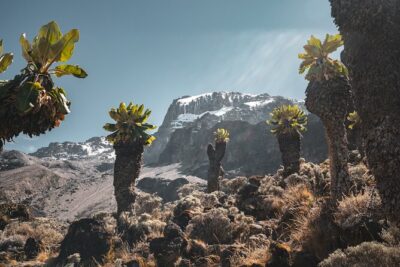
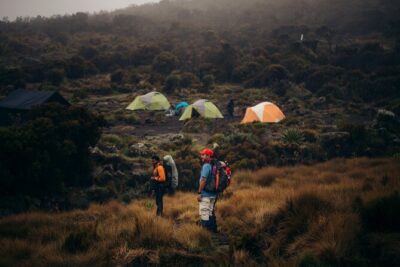
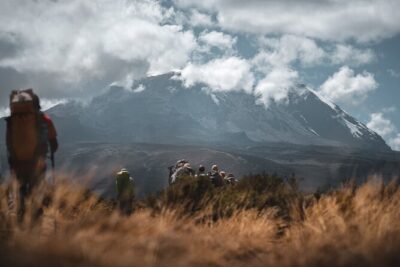
The first camp sits in the rainforest. A day later, the trees thin out and the trail reaches the Shira Plateau. By day three, you are walking through high volcanic country, with the broad bulk of Kibo and the summit area ahead.
I especially like the route’s climb-high, sleep-lower rhythm on day three. You pass Lava Tower at about 4,600 meters, then descend to Barranco Camp. That descent does not erase the altitude gain, but it gives your body a useful break before the harder days ahead.
This is still a six-day climb, not a gentle holiday walk. The route includes long uphill sections, rough ground, cold nights, and a summit day that combines darkness, altitude, steep scree, and fatigue. You need to arrive ready for a serious physical effort.
More Kilimanjaro routes:
- Kilimanjaro climb by Lemosho Route (7-day)
★ 5.0 · 651 reviews - Kilimanjaro climb, Machame Route (7-day)
★ 5.0 · 262 reviews - Kilimanjaro Climbing Lemosho Route 8 Days.
★ 5.0 · 186 reviews
Starting at Machame Gate and entering the rainforest
Your climb begins at Machame Gate, where you register with park authorities before setting off. The first walking day is listed at about five hours and finishes at Machame Camp.
This opening section is a pleasant way to meet the mountain. The forest is thick, with giant ferns, vines, and varied plant life. The lower slopes also offer the best chance of seeing forest wildlife, although no particular animal sighting is promised.
The elevation gain is described as relatively gentle compared with the days that follow. That makes day one useful for finding your walking pace, adjusting your boots, and learning how the guide wants the group to move.
You should not treat the easy start as proof that the whole climb will feel easy. The trail soon becomes steeper, and every hour spent walking at altitude matters. Keep your first day controlled. A slow start is a good start on Kilimanjaro.
Shira Cave Camp and the first big change in scenery
Day two takes about three hours according to the schedule, but it includes a steeper climb through the moorland zone. The trees give way to shorter vegetation and more open views as you gain height.
The destination is Shira Cave Camp on the Shira Plateau. This is one of the first moments when Kilimanjaro feels like a high mountain rather than a forest hike. You can expect broader views and a more exposed setting than at Machame Camp.
The shorter walking time may look easy on paper. The important detail is the elevation gain. You are moving higher, and the reduced oxygen can make a modest distance feel surprisingly hard.
This is where a guide’s judgment becomes valuable. The climb should be steady, with plenty of attention to how you feel. The operator’s material emphasizes safety and preparation, and Sebastian is specifically identified as a guide who helps climbers plan gear and understand what they should bring.
Lava Tower and the descent to Barranco Camp
Day three is one of the most useful days on the route. You cross the high desert plateau, reach Lava Tower at about 4,600 meters, then descend to Barranco Camp. The walking time is listed at roughly five hours.
Lava Tower is important because it takes you to a serious altitude before you sleep lower down. The trail here is more barren and volcanic, with fewer signs of the rainforest below. You get a clear sense of the mountain’s scale and the hard upper route ahead.
The day finishes in a scenic valley below Barranco Wall. Barranco Camp is not just a place to sleep. It positions you well for the next morning and gives you a dramatic view of the wall you must climb.
Some climbers find day three difficult because the body is beginning to feel the altitude. Others appreciate the change in terrain. Either way, do not judge your summit chances by one uncomfortable afternoon. Follow the guide’s pace, eat what you can, drink regularly, and save energy.
More six day trips in Moshi & Kilimanjaro:
- Kilimanjaro climb, Lemosho Route (6-day)
★ 5.0 · 129 reviews - Kilimanjaro climb, Marangu route (6-day)
★ 5.0 · 72 reviews - 6 Days 5 Night Safari
★ 5.0 · 57 reviews - 6 Days Tanzania Classic Safari
★ 5.0 · 52 reviews
Barranco Wall, Karanga Valley, and Barafu Camp
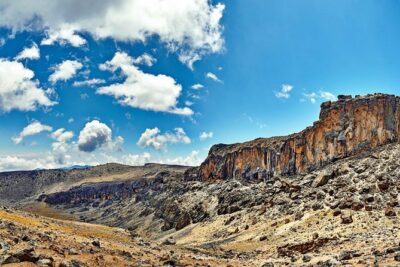
Day four is the route’s most visually memorable walking day before the summit. After breakfast, you climb Barranco Wall, reaching roughly 4,250 meters. The trail then passes through Karanga Valley at about 4,050 meters before joining the Mweka Trail and continuing to Barafu Camp.
The wall sounds intimidating, but the key point is that this is a steep trekking section, not a technical rock-climbing pitch based on the information provided. You should still expect hands-on movement in places, uneven footing, and a slow pace.
From the wall, the route continues along the southern circuit. The schedule notes that you complete the South Circuit on this day, with views of the summit from several directions. That wider perspective is one of the route’s rewards.
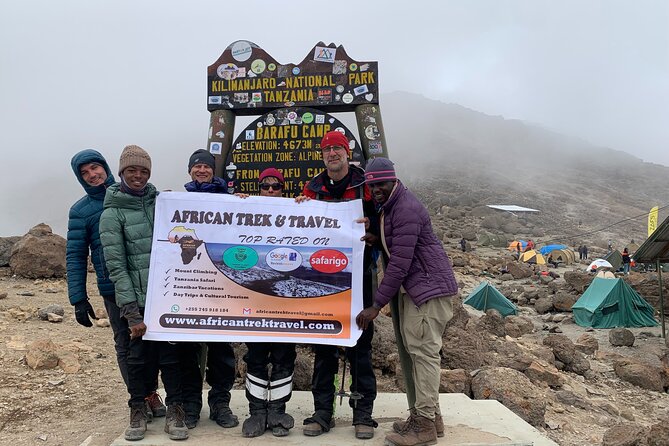
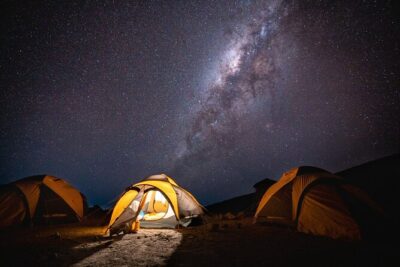
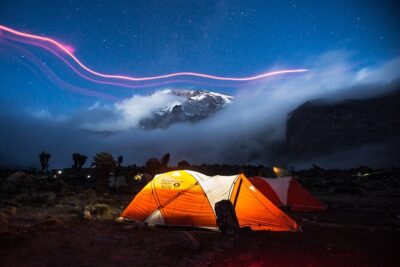
Barafu Camp sits high and exposed, with the summit visible in the distance. The walking day takes about six hours, but the real challenge is what comes next. You need to rest at camp, prepare your clothing and headlamp, eat a light meal, and try to sleep before the midnight start.
The listing describes a support team that handles meals and camp setup. That service has real value here. At Barafu, your energy is better spent resting and organizing your summit gear than dealing with camp chores.
Midnight to Uhuru Peak
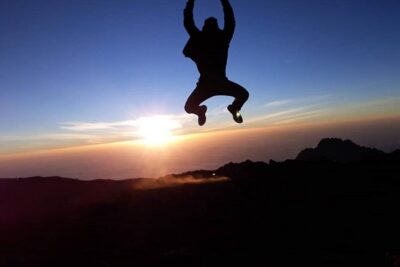
Summit day begins around midnight with a light breakfast. You climb before dawn, aiming to reach Stella Point on the crater rim between about 4 and 5 AM.
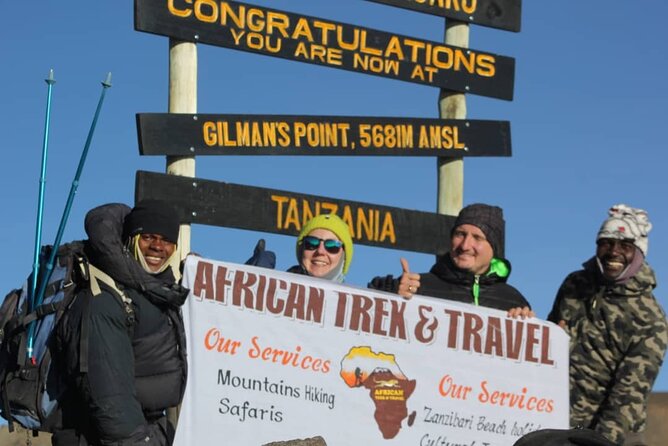
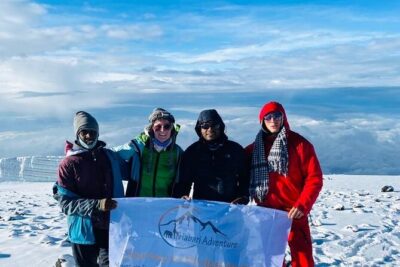
The trail is a series of switchbacks over steep scree, with possible snow depending on conditions. At 5,861 meters, Stella Point gives you views toward the crater and its glaciers. From there, you walk for about another hour along the crater rim to Uhuru Peak, Kilimanjaro’s highest point at 5,895 meters.
The schedule allows about six hours for the summit section, though the full effort also includes the descent afterward. Exact timing depends on your pace, how you respond to altitude, and how long you spend at the top.
You may have time for photographs at Uhuru Peak, but the plan sensibly puts your condition first. The summit is not the place to linger if you are cold, weak, confused, or struggling to breathe. Listen closely to your guide.
Reaching Stella Point or Uhuru Peak brings an official certificate. A green certificate is listed for Stella Point, while a gold certificate is listed for Uhuru Peak. That gives you a clear marker of achievement even if altitude forces you to stop short of the true summit.
This is the day that separates a mountain trek from a normal hiking trip. You will be tired before the climb starts, the air will be thin, and the final slopes may feel slow. The strong point of going with an experienced local team is having people nearby who can monitor your progress and help make safe decisions.
The descent through forest to Mweka Gate
After breakfast on day six, you descend through the lower rainforest to Mweka Gate. The schedule gives the walk as about three to four hours over roughly nine kilometers, or 5.5 miles.
The descent is physically easier than the summit push, but it can be hard on tired knees and feet. Trekking poles, careful steps, and dry socks can make this final section more comfortable.
Mweka Gate is where the trek formally ends. After the park process and any certificate presentation, the crew is customarily tipped before transport back to your hotel in Moshi.
Tipping is not included in the price, so plan for it before you start. It is also worth carrying enough personal spending money for this purpose, since the final moment can feel rushed after a long descent.
Guides, porters, and the human side of the climb
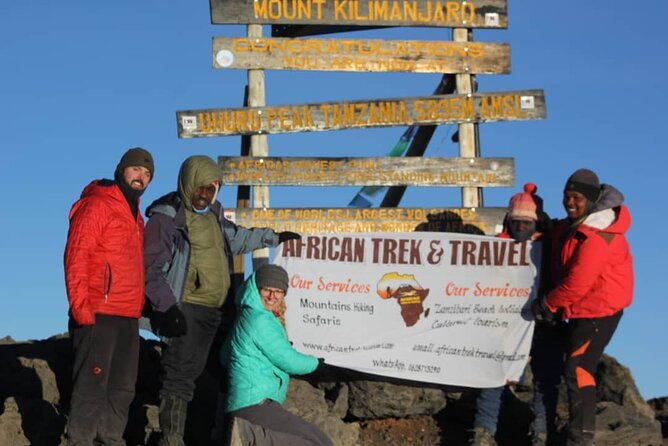
A Kilimanjaro itinerary is only as good as the people running it. The experience is provided by African Trek & Travel l.t.d in Moshi, and the supplied information repeatedly points to organized guiding, supportive staff, and a strong safety focus.
Sebastian is named as a climbing leader and guide. Specific praise centers on his preparation, resilience, clear gear advice, and ability to keep climbers comfortable and motivated. You should still confirm who will lead your own departure, since a named guide in past trips may not be assigned to every group.
The porters and cooks are also central to the experience. They carry equipment, set up camp, and prepare meals while you walk. The meal plan lists breakfast, lunch, and dinner, along with bottled water at three liters per person.
There is a small inconsistency in the meal details, which list both day-by-day quantities and broader totals. Ask the provider to confirm the exact meal schedule and water arrangements before departure. That is a minor booking check, but it is worth making before a six-day climb.
The group limit is listed as a maximum of 10 people. That is small enough for direct contact with the guide, though the group size can affect pace, rest stops, and summit decisions.
What the $2,600 price means
The advertised price is $2,600 per group of up to one person. Read that wording carefully. If you are booking alone, it may be a straightforward private-group rate. If you are booking with companions, ask how the price changes, since the stated capacity is unusual.
The package includes park fees and taxes, five breakfasts, five dinners, and six lunches according to the listed inclusions. Bottled water is also included at three liters per person. Camp support, guide services, and porter and cook assistance are reflected in the overall arrangement, though you should request a detailed inclusions sheet if you need a precise cost breakdown.
The value is strongest if you want one company to coordinate the mountain logistics from Moshi. You are paying for more than trail access. You are paying for preparation, camp operations, meals, route support, and a team that can focus on your safety during the summit attempt.
The cost does not cover tips, alcoholic drinks, or restroom access on board. Alcohol is also not allowed for anyone under 18, as stated in the conditions. Since the climb itself is the main event, the missing restroom detail matters mostly during transfers rather than on the trail.
The vehicle description includes spacious seating, climate control, panoramic windows, storage, safety equipment, experienced drivers, audio systems, and Wi-Fi. Pickup is offered, with the meeting point in Moshi. These features are useful for the ride to or from the mountain, but they should not be confused with comfort on the trail, where you will be camping and walking for hours.
Who should book this six-day climb?
I would point this trip toward a fit adult who wants a direct Kilimanjaro challenge and accepts basic mountain conditions. The operator asks for moderate physical fitness, but the summit day demands more than that phrase may suggest.
You should be comfortable with:
- Five to six hours of walking on several days
- Steep uphill and downhill sections
- Cold, exposed camps at high altitude
- A midnight start for the summit
- Rough scree, possible snow, and reduced oxygen
- Camping for five nights
- Following guide decisions about pace and safety
This route may suit younger climbers especially well, but age alone does not determine success. Preparation, pacing, health, and response to altitude matter more.
You may prefer a longer route if your main goal is the best possible acclimatization schedule. The six-day Machame plan is efficient and scenic, but it is not the most relaxed way to approach Kilimanjaro.
Practical details before you go
Confirmation is received at booking, and the activity accepts service animals. The meeting point is in Moshi, Tanzania, and pickup is offered.
Bring suitable clothing for changing temperatures, sturdy footwear, a headlamp for the midnight summit start, and enough personal water capacity to manage the stated three liters per person. The supplied information does not provide a full equipment list, so ask Sebastian or the provider for current gear advice before arrival.
The company allows free cancellation if you cancel at least 24 hours before the experience start time. Cancellations or changes made less than 24 hours ahead are not accepted for a refund. Cutoff times use local Tanzanian time.
Should you book the Machame Route?
Book it if you want a compact, scenery-filled Kilimanjaro climb with a local support team, clear camp-to-camp structure, and a serious summit attempt. The praise for Sebastian, the guides, camp crew, meals, and safety planning makes this a compelling choice for climbers who value hands-on support.
Think twice if you want a leisurely schedule, private comforts, or the extra acclimatization time of a longer route. Before paying, confirm the group pricing, assigned guide, meal totals, equipment list, and tipping expectations.
For a strong climber ready for an early summit morning and six demanding days, this route offers a practical path from Moshi to Uhuru Peak without padding the itinerary with extra rest days.
FAQ
Where does the climb start?
The experience starts in Moshi, Tanzania. The listed meeting point is M89C+XGR, Moshi, and pickup is offered.
How long is the Machame Route experience?
The climb lasts approximately six days.
What is the maximum group size?
The activity has a maximum of 10 climbers. The advertised price is shown per group of up to one person, so confirm pricing for your booking party.
Which mountain camps are included?
The itinerary includes Machame Camp, Shira Cave Camp, Barranco Camp, and Barafu Camp, followed by the descent to Mweka Gate.
When does the summit attempt begin?
You wake around midnight on day five, have a light breakfast, and start the ascent before dawn.
How high is Uhuru Peak?
Uhuru Peak is listed at 5,895 meters. Stella Point on the crater rim is listed at 5,861 meters.
What meals are included?
The package includes breakfast, lunch, and dinner during the climb. The listed details show five breakfasts, five dinners, and six lunches, so confirm the exact meal schedule with the provider.
Is bottled water included?
Yes. The stated allowance is three liters of bottled water per person.
Are park fees and taxes included?
Yes. All fees and taxes are listed as included.
What is not included?
Tips for the climbing team, alcoholic beverages, and restroom access on board are not included. Alcohol is not permitted for anyone under 18.
What fitness level is required?
The activity lists a moderate physical fitness level. You should also be prepared for steep terrain, high altitude, a midnight start, and a demanding summit day.
Can I cancel for a full refund?
You can cancel at least 24 hours before the experience start time for a full refund. Cancellations or changes made less than 24 hours before the start are not accepted for a refund.
Newly listed around Moshi & Kilimanjaro
- Climb Mount Kilimanjaro: 7 Days Machame Route★ 5.0 · 3 reviews
- 6 Days Mount Kilimanjaro Climbing via Rongai Route★ 5.0 · 3 reviews
- Explore 1 day Ngorongoro Crater Budget Group Safari from Arusha★ 5.0 · 3 reviews
- Mt. Kilimanjaro Day Hiking★ 5.0 · 3 reviews
- Chemka (Kikuletwa) Hot Springs, Tanzania★ 5.0 · 3 reviews
- Guided City tour of Moshi★ 4.3 · 3 reviews
- 8 Day Tanzania Family Safari★ 5.0 · 3 reviews
- Serengeti Safari with Sirikwa Travel★ 5.0 · 3 reviews
Kilimanjaro Climbs, compared.
Browse the lists this tour appears in