
Reviewed · KILIMANJARO CLIMBS
Mt Kilimanjaro Climb – 6 days Marangu
Kilimanjaro’s Marangu Route gives you Africa’s highest summit through rainforest, moorland, alpine desert, and Arctic cold, all in six demanding days. You sleep in mountain huts rather than carrying a tent, then make the final push to Uhuru Peak just before midnight.
I like the extra acclimatization day at Horombo Hut, and I like that this private trip includes park fees, meals, water, transport, and an oxygen cylinder. The main caution is simple: Marangu is called the easiest route, but the summit night is still a very hard 13-hour effort.
Key points to know
- A planned acclimatization day: Day 3 at Horombo includes a walk toward Mawenzi Saddle and Zebra Rocks.
- Hut-based mountain lodging: You stay in dormitory-style huts, with limited facilities at higher camps.
- A private group: Only your party takes part, with a professional guide leading the climb.
- Strong team reputation: Past climbs have featured guides including Musa, Francis, Freddy, Benny, Eric, Nicolas, and Steven.
- A full-service package: Park fees, meals, drinking water, transport to the gate, oxygen, and five nights of accommodation are included.
- A tough summit night: You leave Kibo Hut before midnight and may hike 6 to 7 hours to Uhuru Peak.
Why the six-day Marangu Route appeals
Marangu is often called the Coca-Cola Route, a nickname tied to its established path and hut accommodation. It is also presented as Kilimanjaro’s easiest route, but that label needs care. The trail may be less rough than some alternatives, yet you still climb to 5,895 meters and face cold, thin air, steep scree, and a long summit day.
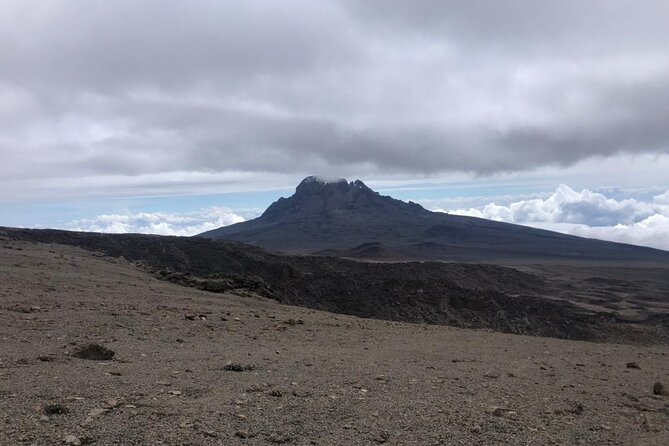
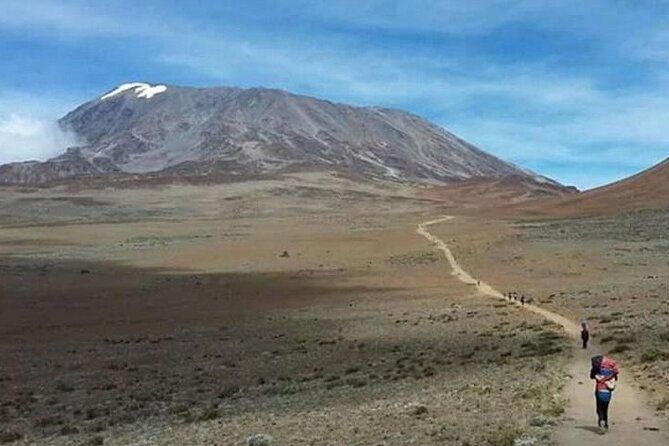
The route has a clear rhythm. You begin under tall forest, move into open moorland, cross an alpine desert, and finish in Arctic conditions near the summit. That change in plant life and temperature gives the walk a strong sense of progress. You can watch the mountain shift around you, not just count miles on a trail.
The six-day schedule is better than a rushed five-day version because it gives you one full day to adjust at Horombo. That day does not make altitude risk disappear, but it gives your body more time and lets you walk higher before sleeping lower. On Kilimanjaro, that matters.
This is a private activity, so your group is not joined by unrelated climbers. That can make the pace, breaks, and guide support more personal. It may also be useful if one person in your party needs to slow down or discuss symptoms with the guide.
More Kilimanjaro routes:
- Kilimanjaro climb by Lemosho Route (7-day)
★ 5.0 · 651 reviews - Kilimanjaro climb, Machame Route (7-day)
★ 5.0 · 262 reviews - Kilimanjaro Climbing Lemosho Route 8 Days.
★ 5.0 · 186 reviews
What the $2,185.90 price covers
At $2,185.90 per person, this is not a cheap holiday, but the price includes many of the unavoidable costs of a Kilimanjaro climb. Park entry, camping and forest department fees, rescue fees, government taxes, transport to and from the gate, five nights of accommodation, meals, drinking water, a professional guide, and an oxygen cylinder are included.
You also receive camping facilities listed as a tent, mattresses, and mess tent, while the daily plan describes dormitory huts along the Marangu route. Ask Nyange Adventures to explain exactly which accommodation and dining setup applies to your departure. The practical point is that this is not a self-supported hike. A team handles food, permits, transport, and mountain logistics.
The package includes breakfast, lunch, and dinner for the climb. Lunch is listed separately as four lunches, so I would confirm the meal count and format before you pay. Small details like this are worth settling in advance, particularly on a six-day trip where food and water affect your energy.
The price does not include tips for the guide, cook, and porters. It also excludes personal climbing equipment, travel insurance, pre-trip or post-trip hotel stays, and airport transfers. Those extras can change your final budget. If you fly into Tanzania, arrange insurance that covers high-altitude trekking and ask about airport transport, since the included pickup is described for your hotel or hostel in Moshi.
Day 1: Marangu Gate to Mandara Hut
The first morning begins with pickup after breakfast in Moshi. The drive to Marangu Gate takes about 45 minutes, where you register before entering Kilimanjaro National Park.
You gain about 870 meters on a 4 to 5-hour walk through montane forest. The route passes dense rainforest and coffee plantations, giving your first day more variety than a simple uphill march. Your guide can point out local plants and animals, and black-and-white colobus monkeys are possible along with brightly colored bird species.
This is a pleasant introduction, but do not mistake it for an easy stroll. The damp forest can make the trail feel warm and humid, while the steady climb begins the work of the week. Keep your first day slow. You want enough energy left for the higher camps.
Mandara Hut is the first overnight stop. The daily details describe a group of huts, while the package lists mountain camping facilities, so confirm the exact sleeping arrangements. Either way, accommodation on this route is basic and shared rather than private hotel-style lodging.
Day 2: Moorland and giant plants at Horombo
Day 2 is longer and steeper. You hike 6 to 8 hours and gain roughly 1,020 meters before reaching Horombo Hut.
The trail first continues through forest, then changes into moorland. Here the trees thin out, and rolling alpine meadows replace the enclosed feel of the rainforest. Giant heather trees, giant lobelia, and giant groundsel give this section its Kilimanjaro character. Some giant plants can reach about 16 feet, an odd and memorable sight at high altitude.
Horombo is a major camp and an important pause point. You receive hot water for washing, an evening meal, and a place to rest. Facilities remain basic, and the description specifically notes dormitory-style accommodation. You should expect shared sleeping space and limited comfort, not a private room or a full shower.
The six to eight-hour range is significant. Your actual pace may depend on weather, group condition, and stops. This is a good day to practice the guide’s pole, pole approach, meaning slowly, slowly. Walking too fast early on can leave you tired before the altitude becomes the real issue.
More six day trips in Moshi & Kilimanjaro:
- Kilimanjaro climb, Lemosho Route (6-day)
★ 5.0 · 129 reviews - Kilimanjaro climb, Marangu route (6-day)
★ 5.0 · 72 reviews - 6 Days 5 Night Safari
★ 5.0 · 57 reviews - 6 Days Tanzania Classic Safari
★ 5.0 · 52 reviews
Day 3: The acclimatization walk to Mawenzi Saddle
Day 3 is the strongest reason to choose this six-day plan over a quicker schedule. You spend another night at Horombo and take a 4 to 5-hour round-trip walk in the area.
The suggested outing heads toward Mawenzi Saddle and passes Zebra Rocks. You return to Horombo to sleep, rather than moving higher for the night. This pattern lets you gain altitude during the day while keeping your sleeping elevation unchanged, a useful way to give your body more time to adjust.
Take this day seriously. It is not a free day for wandering off or burning all your energy. Drink enough water, maintain a slow pace, and tell your guide about headaches, nausea, dizziness, unusual tiredness, or other altitude symptoms. The itinerary specifically advises keeping the guide informed as symptoms appear.
The Mawenzi area also gives you a visual change from the rounded moorland around Horombo. The walk is part of the climb’s scenery, but its main value is preparation for the next two days.
Day 4: Across the saddle to Kibo Hut
Day 4 begins with an early start for sunrise and photographs. After breakfast, you leave the heathland and cross the broad saddle between Mawenzi and Kibo.
The walk takes about 6 to 8 hours, with an elevation gain near 980 meters. Vegetation fades as you enter alpine desert, and the ground takes on an almost lunar appearance. This is one of the route’s starkest sections. The views toward Kilimanjaro’s summit improve as Kibo comes closer, but the open terrain offers little shelter.
You may begin to notice altitude symptoms here. That does not automatically mean you must turn around, but it does mean you need to speak plainly with your guide. The guide’s judgment, your condition, and the weather all matter more than a fixed timetable.
Kibo Hut has drystone walls, dormitories, and limited facilities. It is a staging point, not a place for a comfortable evening. You eat, organize your cold-weather clothing, prepare your headlamp and water, and try to rest before the midnight start.
This is the day to pack your summit bag carefully. Keep warm layers, gloves, a hat, water, snacks if you use them, and personal medication within easy reach. The operator supplies meals and water, but your personal equipment remains your responsibility.
Day 5: Uhuru Peak and the long return to Horombo
The summit day is the physical test. You leave just before midnight, climbing through Arctic conditions in darkness.
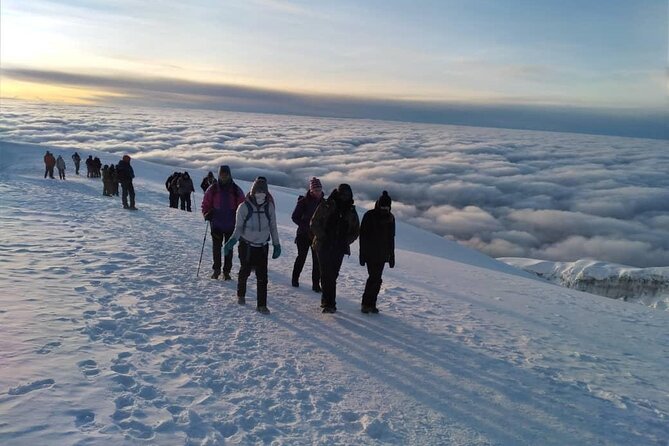
The route heads northwest over heavy stone scree and follows switchbacks between the Ratzel and Rebmann glaciers toward Stella Point at 5,685 meters. This section is described as the hardest part of the route, and that is easy to understand: the air is thin, the ground is loose, and the climb comes after several days of hiking.
You may need 6 to 7 hours to reach Uhuru Peak. The route then drops about 2,785 meters, with another 5 to 6 hours to Horombo. The full day can last around 13 hours. That combination of summit climb and descent is why the Marangu Route should not be sold to anyone expecting a gentle mountain walk.
The guide’s job matters greatly here. Follow the slow pace, communicate often, and do not hide symptoms because you want to reach the top. Oxygen and an oximeter are included as safety equipment, but they are not a substitute for careful altitude decisions or travel insurance.
At Stella Point, successful climbers can continue toward Uhuru Peak. The final section brings you to Africa’s highest point, where weather can change quickly and cold can be severe. If you reach the summit, you still have a long descent ahead. Save some strength for going down.
Day 6: Forest descent and certificates at Marangu Gate
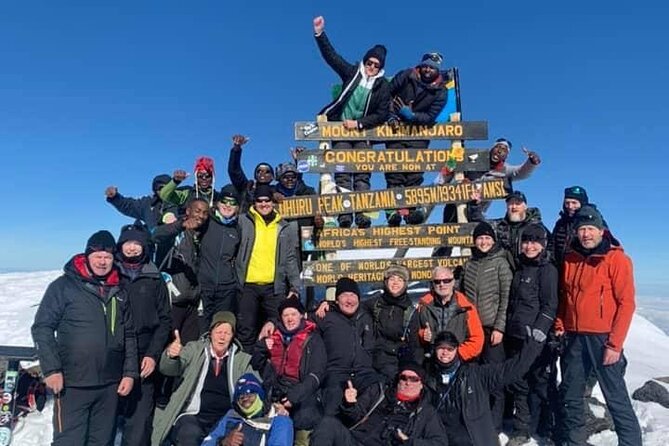
After breakfast, you return through the forest toward Marangu Gate. The descent takes about 5 to 7 hours and loses roughly 1,890 meters.
After the harsh summit environment, the forest feels like a different world. The trail becomes greener, and the air grows warmer as you lose height. Your legs may be tired, so poles and steady footing are useful even though the downhill direction feels easier.
At the gate, hikers who reached Stella Point and Uhuru Peak receive certificates. The operator then drives you back to your hotel, where the plan calls for a shower, dinner, and a Kilimanjaro beer. That final celebration is more than a photo opportunity. It marks the end of a week in which meals, sleep, weather, and effort all followed the mountain’s schedule.
Guides, support, and the human side
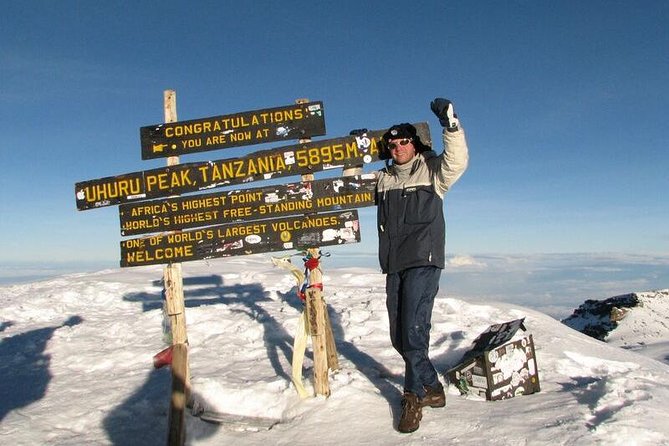
The private format means your group has its own guide rather than joining a large mixed party. The supplied information names Musa, Francis, Freddy, Benny, Eric, Nicolas, and Steven in connection with past climbs. Do not assume one of them will lead your trip. Ask for the assigned guide’s name and experience before departure.
Past feedback gives particular weight to patient instruction, explanations of nature and the route, and careful support during the climb. The team has also been praised for friendly service, organization, and ethical treatment of porters. Nyange Adventures says team salaries follow KPAP guidelines, which will matter to you if responsible trekking is part of your buying decision.
Tips are not included. Budget separately for the guide, cook, and porters, and ask the company for its recommended tipping practice. Fair treatment should not depend on guesswork at the end of the climb.
Who should book this climb
This trip suits you if you want the established Marangu path, prefer hut accommodation to carrying a personal tent, and value a private guide. It is also a good fit if you can handle long walking days and want a built-in acclimatization day.
You need moderate physical fitness, but the phrase should not be taken lightly. Day 5 is especially demanding, with a midnight start, a high summit, and a long descent. You should be comfortable walking for several hours on consecutive days and prepared for cold, altitude, and basic facilities.
This may not suit you if you want a relaxed holiday, private rooms, guaranteed summit success, or a short and simple hike. The route is cheaper than some alternatives, but its low cost does not remove the mountain’s risks.
Booking details worth checking
Pickup is offered, and the meeting information gives an 8:30 a.m. start at Kilimanjaro Airport and Kilimanjaro National Park. The main itinerary, however, says pickup from a hostel or hotel in Moshi after breakfast. Confirm the actual meeting place and pickup time, especially if you are arriving by air rather than already staying in Moshi.
Booking confirmation is provided at the time of purchase. The experience is offered as a private activity, and group discounts may be available. Free cancellation applies if you cancel at least 24 hours before the local start time. Cancellations or changes made inside that period are not accepted for a refund.
Should you book the six-day Marangu climb?
I would choose this trip if you want a practical Kilimanjaro package with a private guide, an extra acclimatization day, and a route that keeps logistics fairly straightforward. The included fees, food, water, transport, mountain accommodation, and safety equipment give the $2,185.90 price solid value, though tips, gear, insurance, and airport transport will add to it.
I would not book it based only on the phrase easiest route. The summit night remains severe, and the sleeping facilities are basic. Before paying, confirm your guide, the exact hut or camping arrangements, meal details, recommended personal gear, and transfer plans. If those answers suit you, this is a strong option for a first Kilimanjaro climb that favors structure, support, and a little more time to adjust.
FAQ
How long is the Kilimanjaro Marangu climb?
The experience lasts approximately six days, including the summit attempt and the return to Marangu Gate.
Where does the climb begin?
The climb begins at Marangu Gate in Kilimanjaro National Park after registration. The drive from Moshi takes approximately 45 minutes.
Is this a private tour?
Yes. Only your group participates in the activity, with a professional guide.
Is accommodation included?
Yes. Five nights of accommodation are included. The daily plan describes dormitory-style mountain huts, while the included facilities also list tents, mattresses, and a mess tent. Confirm the exact setup with Nyange Adventures.
Are meals included?
Yes. The package includes breakfast, lunch, and dinner, along with drinking water. Lunch is also listed as four lunches, so confirm the precise meal schedule before booking.
Is an acclimatization day included?
Yes. Day 3 is spent at Horombo Hut, with a recommended 4 to 5-hour walk toward Mawenzi Saddle and Zebra Rocks.
Is personal climbing equipment included?
No. Personal mountain climbing gear and equipment are not included.
What happens if I need to cancel?
You can receive a full refund if you cancel at least 24 hours before the experience start time. Cancellations or changes made less than 24 hours before the local start time are not accepted for a refund.
Newly listed around Moshi & Kilimanjaro
- Climb Mount Kilimanjaro: 7 Days Machame Route★ 5.0 · 3 reviews
- 6 Days Mount Kilimanjaro Climbing via Rongai Route★ 5.0 · 3 reviews
- Explore 1 day Ngorongoro Crater Budget Group Safari from Arusha★ 5.0 · 3 reviews
- Mt. Kilimanjaro Day Hiking★ 5.0 · 3 reviews
- Chemka (Kikuletwa) Hot Springs, Tanzania★ 5.0 · 3 reviews
- Guided City tour of Moshi★ 4.3 · 3 reviews
- 8 Day Tanzania Family Safari★ 5.0 · 3 reviews
- Serengeti Safari with Sirikwa Travel★ 5.0 · 3 reviews
Kilimanjaro Climbs, compared.








Browse the lists this tour appears in