
Reviewed · KILIMANJARO CLIMBS
8 Day Kilimanjaro Trek via Lemosho Route
Kilimanjaro’s Lemosho Route gives you the mountain in chapters: rainforest, high plateau, volcanic rock, and glacier country. The route takes eight hiking days, with two extra days for arrival, hotel stays, transfers, and departure. It is a serious climb, but the gradual rise and careful acclimatization plan make it one of the more sensible ways to approach Africa’s highest peak.
I like two things right away. First, the route crosses several distinct climate zones instead of repeating the same trail each day. Second, Soraka puts real attention on care: guides such as Baraka and Baltazar, twice-daily oxygen checks, fresh meals, emergency oxygen, and experienced porters. The main drawback is the summit day, which can run 14 to 16 hours and begins in the middle of the night. You need strong fitness, patience, and a willingness to be uncomfortable.
Key things to know before booking
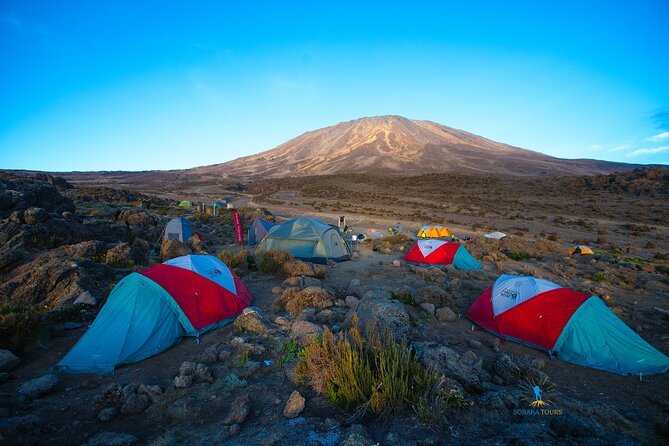
- The Lemosho Route starts at 7,824 feet, then climbs through rainforest and across the Shira Plateau before reaching the summit.
- Day 5 is the key acclimatization day, climbing to Lava Tower at 15,091 feet before sleeping lower at Barranco.
- Summit day lasts 14 to 16 hours, taking you from Barafu Camp to Uhuru Peak and down to Mweka Camp.
- Three mountain meals are prepared daily, with vegetarian, gluten-free, halal, and kosher plans available.
- The price includes major park costs, transport, two Moshi hotel nights, tents, guides, meals, and safety equipment, but not airfare, insurance, personal gear, or tips.
- This is a private trek, so only your own group takes part.
Why Lemosho is a smart route to Kilimanjaro
The Lemosho Route is a strong choice if you want scenery and a gradual climb rather than the shortest possible trip. You begin in thick forest, move above the tree line, cross wide volcanic ground, and finally walk over bare rock toward Uhuru Peak at 19,340 feet.
That variety matters. Each change in vegetation gives you something new to notice, and the slower rise gives your body more time to adjust to thinner air. Kilimanjaro is not mainly a technical climbing problem. The challenge is altitude, cold, fatigue, and the sheer number of hours spent walking uphill.
You carry only your day pack. Porters handle the rest of your equipment, and a chef prepares three meals per day. That arrangement lets you keep your energy for walking, though it also means you should pack carefully for the items you personally need during the day.
The route is described as quieter than some other approaches, but you should not expect solitude on every section. Kilimanjaro is a popular mountain. The benefit here is the route design, not a promise of an empty trail.
More Hiking Tours in Moshi
- Private Kilimanjaro Hike 7 Day Lemosho Route
★ 5.0 · 60 reviews - Best Kilimanjaro hiking day trip tour with Kilinge Adventures
★ 4.5 · 54 reviews - #1. Best Kilimanjaro Day hike Tour-Machame Route-ISMANI
★ 4.2 · 47 reviews
Arrival in Moshi and the pre-climb briefing
Your trip begins with pickup at Kilimanjaro International Airport, followed by transport to a hotel in Moshi. Two hotel nights are included, at Kili Wonders Hotel or a similar property, with breakfast.
This first night is more useful than it may sound. You can recover from the flight, check your gear, and attend the trek briefing before heading into the park. Soraka’s pre-trip communication also received strong praise, which is helpful if this is your first visit to Tanzania or your first high-altitude trek.
Lunch and dinner at the hotel are not included, so plan for those meals separately. Airfare, visas, travel insurance, mountaineering insurance, and personal climbing equipment are also outside the package price.
Day 2: Lemosho Gate to Mti Mkubwa Camp
The hiking begins at Lemosho Gate, at 7,824 feet. From there, you walk through lush rainforest to Mti Mkubwa Camp, at 9,251 feet.
The distance is moderate, with about three to four hours of hiking. This is a good opening day because the climb is not yet punishing. You have time to settle into the group’s pace, learn how your day pack feels, and see how the support system works.
The rainforest is one of the route’s best early features. The air is cooler and wetter than it will be higher up, and the forest gives the first part of the trek a strong sense of place. You are not simply walking toward a summit. You are moving through a sequence of natural zones.
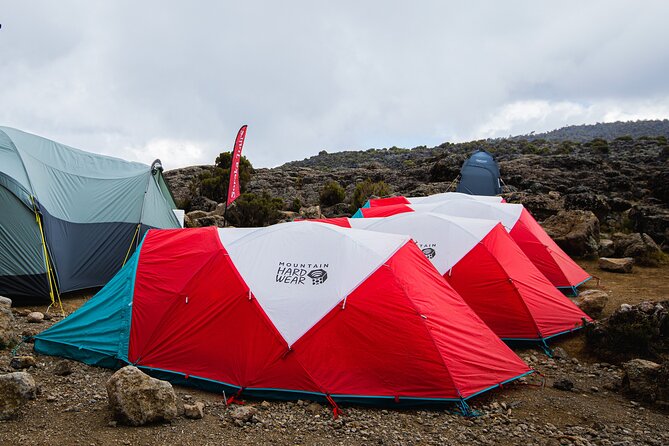
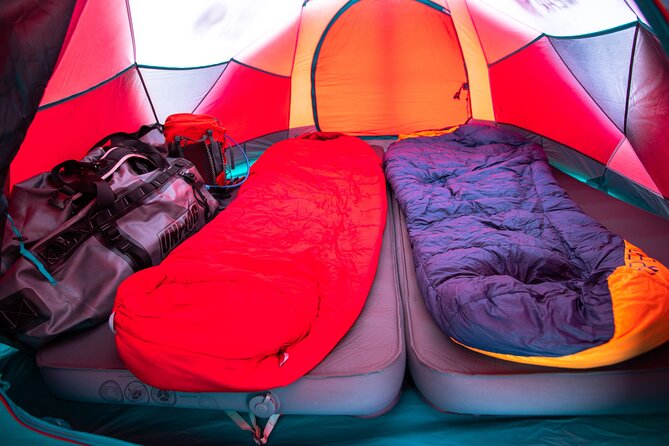
At camp, your tented setup includes a warm sleeping mat. The tents are four-season Mountain Hardware models, with two people sharing each tent. Single accommodation is available for an extra charge.
Day 3: Mti Mkubwa to Shira 1 Camp
The third day takes you from Mti Mkubwa to Shira 1 Camp, at 11,499 feet. The walking time is about five to six hours, and the route gradually leaves the forest behind.
This is where the climb begins to feel like a high-altitude trek rather than a forest hike. Vegetation thins, the air changes, and the open views become part of the reward. You are also gaining altitude at a meaningful rate, so the guide’s pace matters.
Soraka says its guides are certified Wilderness First Responders and each has more than a decade of climbing experience. That is important here. A good guide does more than point toward the trail. The guide watches your pace, asks direct health questions, and notices changes before they become emergencies.
More Kilimanjaro routes:
- Kilimanjaro climb by Lemosho Route (7-day)
★ 5.0 · 651 reviews - Kilimanjaro climb, Machame Route (7-day)
★ 5.0 · 262 reviews - Kilimanjaro Climbing Lemosho Route 8 Days.
★ 5.0 · 186 reviews - Climbing Kilimanjaro – Machame Route
★ 5.0 · 170 reviews
Day 4: Shira 1 to Shira 2 across the plateau
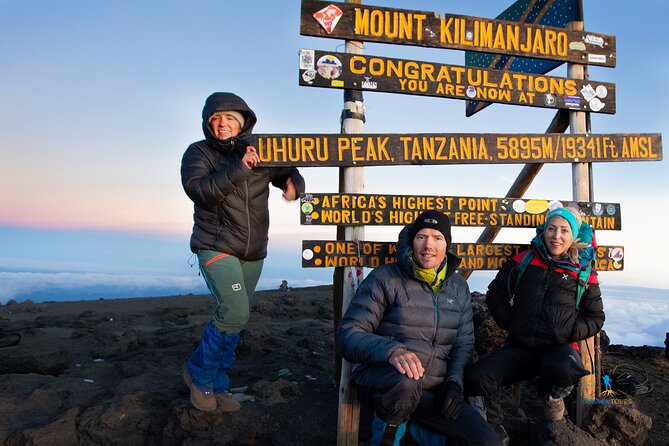
From Shira 1, you continue to Shira 2 Camp at 12,598 feet. The hike lasts about four to five hours and crosses the Shira Plateau.
The plateau is a major scenic shift. You are now above the forest, with wider views and more exposed ground. The route may feel less steep than later days, but altitude can make an easy-looking walk surprisingly tiring.
This is a good day to follow the old mountain rule of walking slowly. Do not race because the trail looks manageable. Eat what you can, drink regularly, and tell the guide if you feel unwell. You are still building toward the summit, not proving anything on this afternoon.
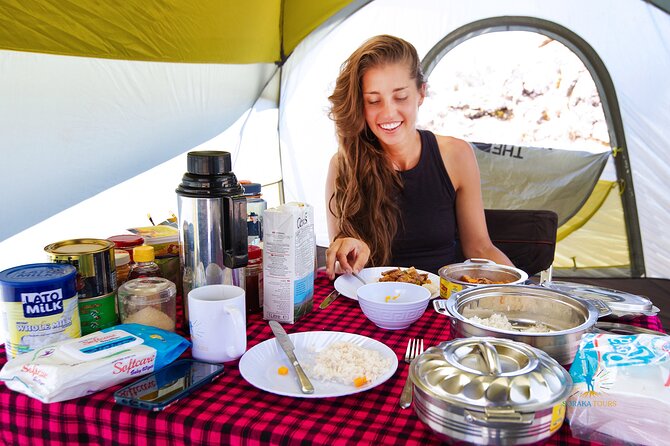
The dining tent adds comfort at this stage. Soraka provides tables, chairs, cutlery, and a dedicated chef, so meals are more organized than simply eating from a bag outside your sleeping tent. That does not turn the mountain into a hotel, but it gives you a warm place to sit and refuel.
Day 5: Lava Tower and the descent to Barranco
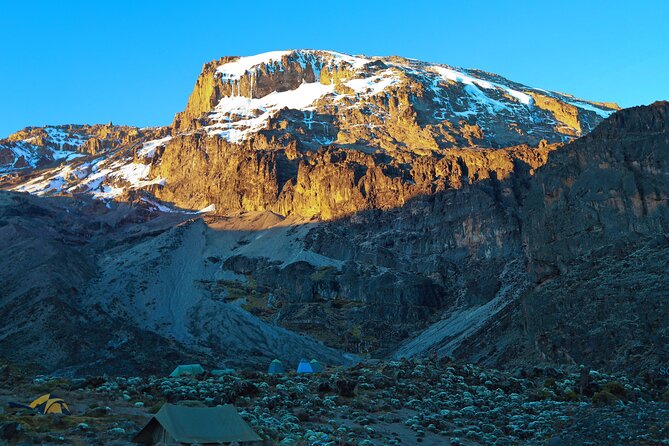
Day 5 is the route’s most useful acclimatization exercise. You leave Shira 2 and climb to Lava Tower at 15,091 feet before descending to Barranco Camp, at 12,959 feet. The day lasts about six to seven hours.
The point is simple: climb high, sleep lower. Your body gets exposure to a higher altitude during the day, then rests at a lower camp overnight. This is one of the reasons the Lemosho itinerary is appealing for people who want a measured approach to Kilimanjaro.
Lava Tower is also a turning point in the scenery. The rainforest is far below, and the surroundings become more barren and volcanic. The alpine desert can look stark, but it has its own beauty in the rock, open sky, and changing light.
Do not treat this as an ordinary walking day. You may feel fine at the start and slow down later. The guides carry emergency oxygen and a medical kit, and they conduct two daily health checks using an oximeter and specific questions. Those checks are useful, but they do not replace your responsibility to report symptoms honestly.
Day 6: The Barranco Wall to Karanga Camp
The trek from Barranco Camp to Karanga Camp covers four to five hours and includes the famous Barranco Wall. Karanga Camp sits at 13,106 feet.
The wall is one of the route’s memorable physical features. You should expect hands-on scrambling in places, although the supplied information does not describe the route as technical climbing. Your guide will set the pace and help you manage the rockier sections.
This is a short day by Kilimanjaro standards, which is welcome after the previous day’s high point. The shorter schedule gives you time to rest, eat, and prepare for the final push. It also shows why you should not judge a trek only by daily mileage. At altitude, a few hours can be plenty.
Day 7: Karanga to Barafu Camp
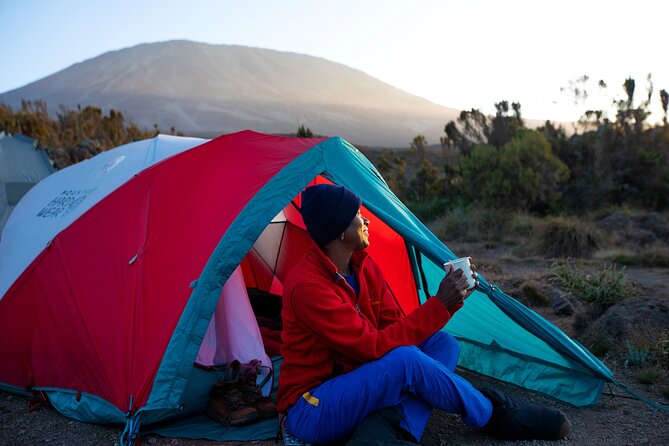
From Karanga, you climb to Barafu Camp at 15,223 feet. The walk takes about four to five hours, and Barafu is your final camp before the summit.
The name of this stage matters more than the mileage. By the time you arrive, you are high, tired, and focused on the night ahead. This is when a comfortable tent, a hot meal, warm sleeping mats, and a well-run camp make a practical difference.
You will need to rest even if sleep is difficult. Summit departures happen in the early hours, so there is not much time to recover. Keep your summit clothing and headlamp ready, and make sure the contents of your day pack are easy to reach.
The support crew carries your main equipment, but you remain responsible for personal items such as boots, sleeping bag, warm layers, and other climbing gear. Those costs are not included in the $3,450 price.
Day 8: Uhuru Peak and the long descent
Summit day starts early from Barafu Camp. The goal is Uhuru Peak at 19,340 feet, followed by a descent to Mweka Camp. The full day can last 14 to 16 hours.
This is the hardest part of the trek. The coldest hours come before sunrise, and the thin air slows every step. The final ascent demands steady effort rather than speed. Your guides are there to keep the pace controlled, monitor your condition, and help you make sensible decisions.
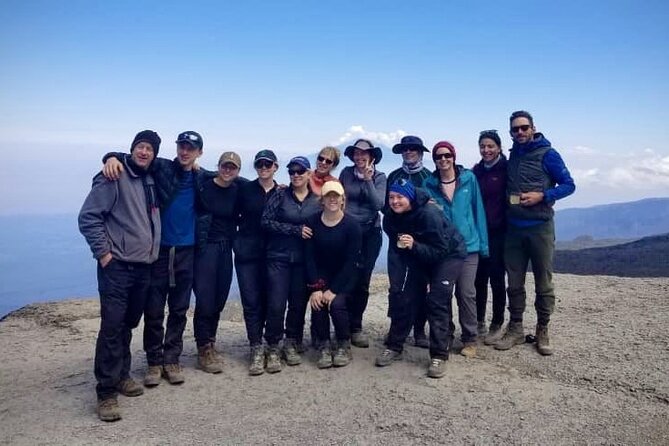
Reaching the summit around sunrise is one of the route’s great rewards. The view from Uhuru Peak is the high point of the trip, but do not forget that half the day remains. The descent to Mweka Camp is long and can be rough on tired knees.
The strongest praise for Soraka centers on this support. People who climbed with Baraka, Baltazar, and other Soraka staff described an attentive crew, steady encouragement, high-quality food, and careful help from arrival through the summit. One particularly useful lesson comes from a climb completed after an ankle injury: determination helps, but physical problems still need to be taken seriously. A guide can support you, not remove the risks of a major mountain.
Day 9: Mweka Camp to the park gate
The final hiking day takes you from Mweka Camp to Mweka Gate. After leaving the mountain, ground transport returns you to the hotel for another overnight stay.
The walk down is shorter than summit day, but do not assume it will feel easy. Descending on tired legs can bring its own strain. This is also the day when the change from mountain camp to road transport may feel especially dramatic.
The hotel night gives you a proper place to wash, rest, and sort your belongings before departure. Breakfast is included at the hotel, while lunch and dinner are not.
Day 10: Airport transfer and departure
The final day includes airport drop-off. Soraka also provides airport pickup at the start, along with ground transportation during the trip.
This is a useful package for anyone who wants the basic logistics handled in one booking. You do not need to arrange separate transfers between the airport, Moshi, and the mountain. Still, build flexibility into your wider travel plans. The trek is physically demanding, and summit day can run late.
Food, tents, and the meaning of full support
Three freshly prepared meals each day are included on the mountain. Vegetarian, gluten-free, halal, and kosher meal plans can be accommodated, which is a real advantage for people with dietary needs.
Food is not a minor detail on a trek like this. You need regular meals to keep moving, and a chef who knows the demands of mountain days can make camp life much easier. The available information does not provide sample menus, so ask about favorite foods, snacks, and how dietary requests are handled before booking.
The package includes four-season tents, two people per tent, warm sleeping mats, and a separate dining tent with tables, chairs, and cutlery. Single accommodation costs extra. This is sometimes described as a luxury-style camp, but keep your expectations grounded. You are still sleeping outdoors at high altitude, with cold nights and limited privacy.
The crew is described as professional and fairly paid according to KINPA standards. That matters because porters do much of the physical work that makes your trek possible. You should still budget for tips, which are not included.
Safety and altitude support
The safety plan is one of the strongest reasons to consider this operator. Guides are certified Wilderness First Responders, with more than ten years of climbing experience each. The team also carries emergency oxygen and a medical kit.
Twice-daily health checks use an oximeter and direct questions aimed at your condition. This creates a routine for discussing symptoms instead of waiting until you feel seriously ill. It is a good system, but no operator can guarantee a summit. Altitude affects people differently, and turning around can be the correct decision.
You need a strong level of physical fitness. The trek involves several consecutive days of uphill walking, nights above 12,000 feet, and one exceptionally long summit day. Training should focus on endurance, uphill walking, and time on your feet, not just short bursts of gym exercise.
Travel insurance and mountaineering insurance are highly recommended and not included. Check that your policy covers high-altitude trekking, evacuation, and the exact conditions of your trip.
Is $3,450 a fair price?
At $3,450 per person, this is not a budget walk. The price makes more sense when you count what is included: Kilimanjaro National Park charges, rescue and camping fees, airport transfers, ground transport, two hotel nights with breakfast, mountain tents, sleeping mats, dining equipment, three meals per day, experienced guides, porters, medical supplies, and daily health checks.
You still need to pay for airfare, a visa, hotel lunches and dinners, tips, insurance, a sleeping bag, boots, and personal climbing clothing. Those extras can add up, so use the headline price as the base rather than the final trip budget.
I see the best value here in the logistics and staff support. You are paying for a private trip, a full mountain crew, a chef, and a route with a gradual acclimatization plan. If you only want the cheapest route to the summit, this may not be the right package. If you want a carefully supported climb with fewer arrangements to manage yourself, the price is easier to justify.
Who should book this Lemosho trek?
This trek suits you if you want a full Kilimanjaro experience rather than a quick ascent. It is a good match for fit hikers who value varied scenery, structured health checks, fresh meals, and a private group.
It can also work well for solo international visitors who want help with airport transfers, hotel arrangements, equipment logistics, and mountain support. The private format means your own group participates, but ask how group size and guide ratios will work for your booking.
I would not choose it if you dislike camping, struggle with long days on foot, or want a relaxed holiday with only a little walking. The word trek is doing real work here. You will spend long hours outdoors, sleep at altitude, and face a demanding summit night.
Soraka currently has a 5 rating from 17 reviews and a 100 percent recommendation figure in the supplied booking information. The repeated themes are clear: strong communication, caring guides, good food, professional porters, and support that continues from airport arrival to departure. Those are useful strengths, but they do not change the basic difficulty of Kilimanjaro.
Should you book it?
Book this trek if you want a well-supported, private climb on a scenic route and are prepared to pay for experienced staff, meals, transport, and safety systems. The Lemosho schedule is thoughtfully paced, especially the Lava Tower to Barranco day, and the crew structure removes much of the practical strain.
Before paying, confirm the exact hotel, group size, personal gear list, dietary arrangements, single-tent supplement, tipping guidance, and insurance requirements. If you can handle the fitness demands and the 14 to 16-hour summit day, this is a strong all-in-one option for reaching Uhuru Peak.
FAQ
How long does the Kilimanjaro Lemosho trek take?
The hiking itinerary lasts eight days, but the full trip takes about 10 days. It includes arrival and hotel time before the climb, a hotel night after descending, and airport drop-off on the final day.
Where does the trek begin?
The mountain hike begins at Lemosho Gate in Kilimanjaro National Park, at an elevation of 7,824 feet. Airport pickup is offered from Kilimanjaro International Airport.
What meals are included?
Three freshly prepared meals per day are included while you are on the mountain. Vegetarian, gluten-free, halal, and kosher meal plans can be accommodated. Hotel lunch and dinner are not included.
What accommodation is provided?
Two hotel nights at Kili Wonders Hotel in Moshi or a similar hotel are included, with breakfast. On the mountain, you share a four-season tent with one other person. Single accommodation is available for an additional charge.
Is personal climbing equipment included?
No. You must provide personal equipment such as a sleeping bag, hiking boots, and other climbing gear. Warm sleeping mats and mountain tents are included.
Is this a private tour?
Yes. Only your own group participates in the trek. The booking information does not specify a maximum group size.
What happens if I need to cancel?
You can receive a full refund if you cancel at least 24 hours before the experience start time. Cancellations or changes made less than 24 hours before the start time are not accepted for a refund. Cut-off times use local time.
More Hiking Tours in Moshi & Kilimanjaro
- Best Kilimanjaro Adventure 7 days Machame route Trekking
★ 5.0 · 42 reviews - Kilimanjaro 7 Day Private Trekking Experience
★ 5.0 · 40 reviews - 8 Days Kilimanjaro Hike via Lemosho Route
★ 5.0 · 39 reviews - 6 Days Machame Route Kilimanjaro Climbing Trekking Tour
★ 5.0 · 34 reviews
Newly listed around Moshi & Kilimanjaro
- Climb Mount Kilimanjaro: 7 Days Machame Route★ 5.0 · 3 reviews
- 6 Days Mount Kilimanjaro Climbing via Rongai Route★ 5.0 · 3 reviews
- Explore 1 day Ngorongoro Crater Budget Group Safari from Arusha★ 5.0 · 3 reviews
- Mt. Kilimanjaro Day Hiking★ 5.0 · 3 reviews
- Chemka (Kikuletwa) Hot Springs, Tanzania★ 5.0 · 3 reviews
- Guided City tour of Moshi★ 4.3 · 3 reviews
- 8 Day Tanzania Family Safari★ 5.0 · 3 reviews
- Serengeti Safari with Sirikwa Travel★ 5.0 · 3 reviews
Kilimanjaro Climbs, compared.








Browse the lists this tour appears in