
Reviewed · KILIMANJARO CLIMBS
7-Day Kilimanjaro Climb Machame Route
The Machame Route gives you Kilimanjaro in changing acts: wet rainforest, open moorland, black volcanic slopes, glaciers, and a sunrise summit at Uhuru Peak. It is the mountain’s popular Whiskey Route, and the name fits. You sleep in tents and tackle steeper trails than on the hut-based Marangu Route.
I like two things here. First, the seven-day plan includes an important acclimatization day over Lava Tower before dropping to Barranco. Second, the route crosses several habitats and gives you views of Kibo and Mawenzi from the South Circuit. The drawback is clear: this is a demanding trek, and the summit night is long, cold, and physically taxing.
Key points at a glance
- Machame Gate to Uhuru Peak: The route rises from 5,400 feet to 19,341 feet, then descends through the Mweka Route.
- Five mountain habitats: You pass through rainforest, moorland, semi-desert, alpine desert, and rainforest again.
- Built-in acclimatization: Day 3 climbs to about 16,000 feet near Lava Tower before descending to Barranco Camp.
- Tent camping throughout the climb: This is a more rugged option than the hut accommodation on Marangu.
- Small enough to stay manageable: The maximum group size is 20 people.
- Included value: Park fees, accommodation, six dinners, seven lunches, six breakfasts, and airport transfers are included.
Why the seven-day Machame Route earns its popularity
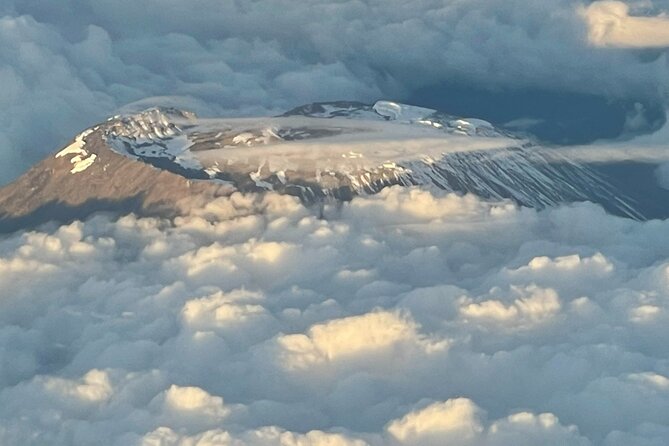
Kilimanjaro is not a technical climb in the usual mountaineering sense, but that does not make it easy. You walk uphill for several days, sleep at altitude, and then begin the summit push in the middle of the night. The main challenge is thin air, not rock climbing skill.
Machame is popular because it offers strong scenery and a varied route at a lower price than some longer itineraries. The seven-day schedule is especially useful because it gives your body more time to adjust than the shortest Machame plans. That extra day matters on a mountain where altitude can end an otherwise well-prepared trip.
The route is also a good fit if you want a genuine mountain experience rather than a simple walk to a summit. You camp, carry personal gear, cross rough ground, and deal with mud in the forest and loose scree near the top. The price is $2,280 per person, which is a serious expense, but it covers major costs such as national park fees, meals, accommodation, and transfers.
More Kilimanjaro routes:
- Kilimanjaro climb by Lemosho Route (7-day)
★ 5.0 · 651 reviews - Kilimanjaro climb, Machame Route (7-day)
★ 5.0 · 262 reviews - Kilimanjaro Climbing Lemosho Route 8 Days.
★ 5.0 · 186 reviews
From Moshi to Machame Gate at 5,400 feet
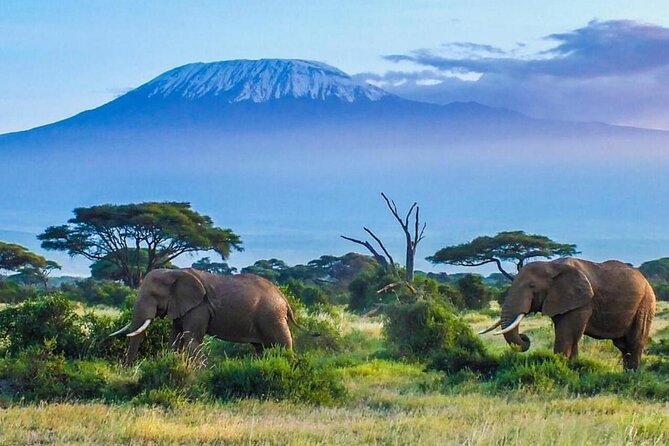
Your climb starts with a drive of about 50 minutes from Moshi to Kilimanjaro National Park. The road passes through Machame village on the lower slopes, giving you a first look at the community connected to the mountain.
At the park gate, the walking begins in the rainforest. The trail winds uphill along a ridge, and the lower section can be muddy and slippery. This is not the glamorous part of the climb, but it is a useful first test of your boots, rain gear, and pacing.
The first day covers about 11 kilometers and takes five to seven hours. You gain roughly 4,000 feet before reaching Machame Camp at about 9,400 feet. The forest is thick, damp, and shaded, and the trail may feel busy because this is one of Kilimanjaro’s most used routes.
Bring gaiters and trekking poles for this stage. You may not need them every hour, but wet mud can turn a simple path into a tiring balancing act. Keep your rain jacket easy to reach, too. Packing it at the bottom of your duffel is a poor decision on a rainforest day.
Machame Camp to Shira Camp through moorland
Day 2 leaves the forest behind and moves into moorland. The path becomes more open as you cross a small valley and follow a steep, rocky ridge covered with heather. The trail then turns west toward a river gorge and Shira Camp.
This is a shorter day, about five kilometers and four to six hours, but the altitude rises from 9,400 feet to 12,500 feet. Do not let the distance fool you. Steep ground at altitude can take more out of you than a longer walk at sea level.
Shira is one of the first places where Kilimanjaro feels broad and exposed. You have left the shelter of the trees, and the changing vegetation makes the route feel like a different mountain. Dinner and overnight accommodation are at the Shira campsite.
Your best tactic is slow walking and steady breathing. The point is not to prove that you can move quickly. It is to arrive with enough energy to eat, drink, and sleep before the harder days ahead.
The Lava Tower acclimatization day
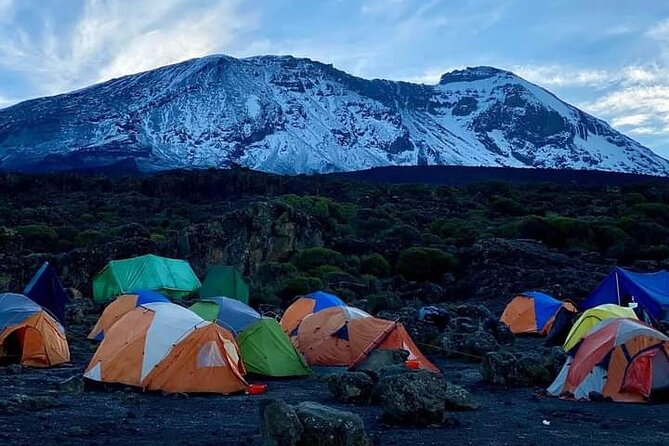
Day 3 is the route’s key acclimatization stage. From the Shira Plateau, you head east along a ridge, pass the junction toward Kibo, and continue toward Lava Tower, also called the Shark’s Tooth. The route reaches about 16,000 feet before descending to Barranco Camp at roughly 13,000 feet.
The day covers about 10 kilometers and takes six to eight hours through semi-desert terrain. You begin at approximately 12,500 feet and finish only slightly higher, at 13,000 feet. That limited net gain is deliberate. Your body gets time at a higher elevation, then you sleep lower than the day’s highest point.
This is one of the most valuable features of the itinerary. Altitude does not care how fit you are, and strong legs do not guarantee an easy summit. A planned climb high, sleep lower pattern gives you a better chance to adjust.
The approach to Lava Tower can feel stark. Vegetation thins, rock dominates, and the mountain seems less welcoming. After the tower, the descent to Barranco provides some relief, but you should still expect a tiring day. Eat even if your appetite fades, drink regularly, and tell your guide if you develop concerning symptoms.
More week long trips in Moshi & Kilimanjaro:
- Climbing Kilimanjaro through 7 days Machame Route
★ 5.0 · 151 reviews - 7 Days Kilimanjaro via Machame route affordable price
★ 5.0 · 110 reviews - Private Kilimanjaro Hike 7 Day Lemosho Route
★ 5.0 · 60 reviews - 7-Day Magical Tanzania Safari -Premium High End Package
★ 5.0 · 53 reviews
Barranco Wall and the short day to Karanga
After breakfast on Day 4, you leave Barranco Camp and tackle the Barranco Wall before reaching Karanga Valley Camp. The day covers only five kilometers and takes four to five hours, with a tiny net elevation gain from 13,000 to 13,100 feet.
Do not assume this is an easy stroll. The Barranco Wall is steep, and the route requires careful foot placement. The short distance leaves more time for acclimatization and recovery, but the terrain still demands attention.
This is a good day to manage your energy. You do not need to race the wall, and you should not feel embarrassed about using your hands for balance where appropriate. Keep your poles folded or secured if they get in the way on steeper sections.
Karanga Camp lies in the alpine desert zone. The surroundings are sparse, dry, and exposed compared with the forest below. The shift in habitat is one of the pleasures of the Machame Route, but it also means you need protection from sun and cold.
Karanga to Barafu Camp and the South Circuit
Day 5 takes you from Karanga to Barafu Hut Camp. The walk is only four kilometers and usually takes four to five hours, but you climb from about 13,100 feet to 15,300 feet. This is another short day with a serious altitude gain.
At the junction, the route connects with the Mweka Trail. From there, you continue to Barafu, where the South Circuit is complete. The circuit provides views of the summit from different angles, and from Barafu you can see both Mawenzi and Kibo.
Barafu is the launch point for summit night. The practical purpose of this day is to reach camp, eat, rest, and prepare. You should have your warm layers, headlamp if supplied or packed, water, snacks, and personal summit gear organized before trying to sleep.
The timetable is not luxurious. You arrive in the afternoon, have dinner, and rest before the early-morning ascent. Try to treat rest as part of the climb, not as wasted time. Your legs and lungs will need every advantage.
Summit night, Stella Point, and Uhuru Peak
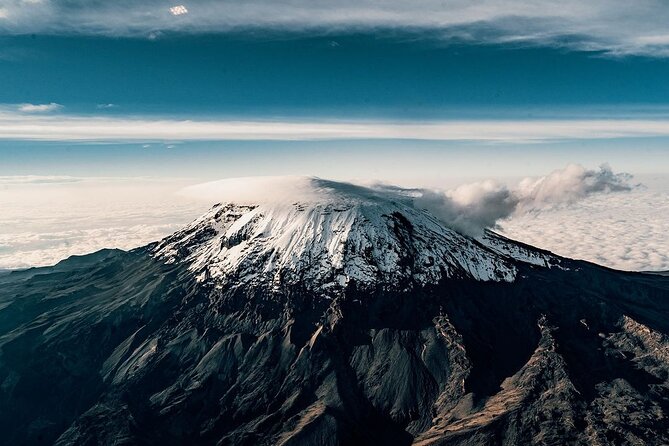
Day 6 is the hardest part of the trek. You start very early and ascend between the Rebmann and Ratzel glaciers, moving northwest through heavy scree toward Stella Point on the crater rim at about 18,600 feet.
Scree is loose volcanic gravel. Each step can slide slightly, so progress may feel slow and frustrating. This is where patience matters. Your guide’s job is not only route finding but also helping you keep moving at a safe pace.
At Stella Point, you get a short rest and, if the weather cooperates, sunrise. The final ascent to Uhuru Peak takes about another hour and may include snow. Uhuru Peak is the highest point on Kilimanjaro and the highest point in Africa.
The listed summit-day schedule is approximately eight hours, though your actual time can vary with pace, weather, and how your body handles altitude. The supplied itinerary ends partway through the summit description, so I would confirm the exact summit-day plan, rest schedule, and expected timing with Unique Planet Safaris before departure.
After reaching Uhuru Peak, you descend. This is important: reaching the summit is only part of the day. The descent can be hard on tired knees, and loose gravel makes it easy to lose footing. Keep warm clothing and rain protection available because conditions can change quickly.
The Mweka descent and return to Moshi
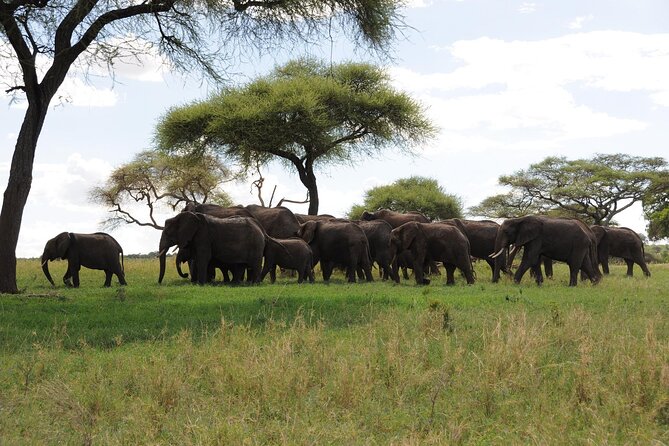
Day 7 brings you down from about 10,000 feet to 5,400 feet through rainforest. The walk covers about 10 kilometers and takes three to four hours, ending at Mweka Park Gate, where you receive summit certificates.
The lower forest may be wet and muddy again. Gaiters and trekking poles are useful, while shorts and a T-shirt may be comfortable once you reach warmer elevations. Keep rain gear and warmer clothing handy rather than packing them away too soon.
From the gate, you continue for about an hour to Mweka village. A vehicle meets you there and takes you back to your hotel in Moshi. That final ride is more than transport. After several days in a tent and on mountain trails, a hot shower and a proper bed will feel like major attractions.
What the $2,280 price includes
The cost is $2,280 per person. For a seven-day Kilimanjaro climb, the value depends heavily on what is included, and this package covers several unavoidable expenses:
- Airport transfers
- All national park fees
- Accommodation
- Six dinners
- Seven lunches
- Six breakfasts
The inclusion of park fees is important because Kilimanjaro charges are a major part of the cost of climbing. Meals also reduce the amount of planning you need to do before setting out each day.
The package does not include personal gear rentals, a visa, international flights, or mountaineering insurance. Those omissions can add a noticeable amount to your final budget. Ask about available gear rentals if you do not own suitable cold-weather or trekking equipment, and arrange insurance that specifically covers mountaineering at Kilimanjaro’s altitude.
One detail deserves clarification before you pay. The meal list says six dinners, seven lunches, and six breakfasts, which matches much of the seven-day schedule but may not describe every meal in the way you expect. Confirm what is provided on arrival day, summit day, and departure day.
Camping, group size, and physical demands
Machame uses tents rather than huts. That makes the route feel more rugged, and you should be comfortable with basic camping at altitude. Accommodation is included, but the information does not specify tent type, sleeping arrangements, luggage limits, or whether sleeping bags and mats are supplied.
The maximum group size is 20 people. That is not a private trek, but it is smaller than a large mass departure. Ask how many people are expected on your specific date, since the stated maximum is not a promise that every group will be full.
A moderate fitness level is required. You should be ready for several consecutive days of uphill walking, rocky trails, mud, altitude, and a long summit push. You do not need to be a technical climber, but you do need to prepare your legs and your patience.
The Machame Route is not the right choice if you want easy access, indoor sleeping, or a gentle incline. The Marangu Route is described as easier and uses huts, while Machame is steeper and tent-based. The reward is greater route variety and a more adventurous feel.
The strongest part of the operator’s service
The clearest strength is the human support. Feedback about Unique Planet Safaris repeatedly points to professional guides, good organization, supportive staff, and strong motivation during summit night. One account specifically credits the team with keeping the group moving until the top, which is exactly when practical encouragement matters most.
The food also receives positive attention. On a climb where appetite often becomes unreliable, well-prepared meals can make a real difference. The combination of good food, organized planning, and staff support helps explain why the experience has a 4.9 rating from 11 ratings and a 100 percent recommendation figure.
The praise is enthusiastic, but the sample is small, and the material includes duplicated comments and some incomplete text. I would treat the high rating as a useful signal, not a guarantee. Ask direct questions about guide-to-climber ratios, emergency procedures, equipment, porter welfare, and the exact schedule before booking.
Who should book this Kilimanjaro climb
I would consider this trip if you want a popular route with strong scenery, several habitat changes, and a seven-day schedule that gives you a real acclimatization day. It suits people who accept tent camping and want the challenge of a steeper route.
It is also a sensible option if you value a full package with park fees, meals, accommodation, and airport transfers already arranged. The maximum group size of 20 keeps the trip from being completely open-ended, though you should confirm the expected group size.
I would hesitate if you are looking for a relaxed holiday, have little experience with long hikes, or do not want to budget for insurance and personal gear. The summit day is demanding even for fit people, and success is never automatic.
Practical details before you commit
Pickup is offered, and airport transfers are included. The activity ends back at the meeting point after the return to Moshi. It operates Monday through Sunday from 8:00 AM to 5:30 PM during the stated operating period, which runs from November 12, 2023, through June 17, 2026.
Confirmation is provided at booking. The activity is near public transportation, although the mountain portion itself is naturally far removed from ordinary city transport.
Free cancellation is available if you cancel at least 24 hours before the experience start time. A cancellation within 24 hours is not refunded, and changes within that same period are not accepted. Cutoff times use local time in Tanzania.
Should you book the seven-day Machame Route?
I would book this climb if you want Kilimanjaro’s classic variety and are ready for a serious physical challenge. The Lava Tower acclimatization day, the South Circuit views, and the seven-day pacing make this a stronger choice than a rushed itinerary.
The price is reasonable for a package that includes park fees, meals, accommodation, and transfers, but you must add flights, visa costs, insurance, and personal gear. Before booking, get clear answers about equipment, meal timing, summit-day logistics, and the size of your actual group.
Choose Machame for the mountain experience, not for comfort. If you walk slowly, prepare properly, and accept the tent camping and altitude, this route offers a demanding but memorable way to reach Africa’s highest point.
FAQ
Where does the Kilimanjaro climb begin?
The climb begins after a drive of about 50 minutes from Moshi to the Mount Kilimanjaro National Park Gate, passing through Machame village.
How long is the Machame Route experience?
The experience lasts approximately seven days, with hiking on each day of the stated itinerary.
How high does the climb reach?
The route reaches Uhuru Peak, the highest point on Mount Kilimanjaro and the continent of Africa. Stella Point is at about 18,600 feet, and the route also reaches about 16,000 feet near Lava Tower.
What accommodation is provided?
Accommodation is included. The Machame Route uses tents rather than the hut accommodation found on the Marangu Route.
Are meals included?
Yes. The package includes six dinners, seven lunches, and six breakfasts.
What is not included in the price?
Personal gear rentals, a visa, international flights, and mountaineering insurance are not included.
Can I cancel for a full refund?
Yes, if you cancel at least 24 hours before the experience start time. Cancellations within 24 hours are not refunded, and changes made within 24 hours are not accepted.
Newly listed around Moshi & Kilimanjaro
- Climb Mount Kilimanjaro: 7 Days Machame Route★ 5.0 · 3 reviews
- 6 Days Mount Kilimanjaro Climbing via Rongai Route★ 5.0 · 3 reviews
- Explore 1 day Ngorongoro Crater Budget Group Safari from Arusha★ 5.0 · 3 reviews
- Mt. Kilimanjaro Day Hiking★ 5.0 · 3 reviews
- Chemka (Kikuletwa) Hot Springs, Tanzania★ 5.0 · 3 reviews
- Guided City tour of Moshi★ 4.3 · 3 reviews
- 8 Day Tanzania Family Safari★ 5.0 · 3 reviews
- Rongai Route 7 Days★ 5.0 · 3 reviews
Kilimanjaro Climbs, compared.








Browse the lists this tour appears in