
Reviewed · KILIMANJARO CLIMBS
Kilimanjaro Marangu Route 6 Days
The Marangu Route gives you Kilimanjaro with a roof over your head each night, a rare comfort on Africa’s highest mountain. You walk through rainforest, moorland, high alpine desert, and finally the cold volcanic slopes toward Uhuru Peak. The six-day plan adds an acclimatization night at Horombo, which is a smart choice.
I like the hut accommodation, since you avoid tents and carry less camping gear. I also like the extra day near Horombo and the serious safety setup, including oxygen, radios, a Gamow Bag, and a pulse-oximeter. The main drawback is summit day: up to 13 hours of walking, little sleep, high altitude, and a long descent make this far harder than the gentle first days suggest.
Key points to know before you book
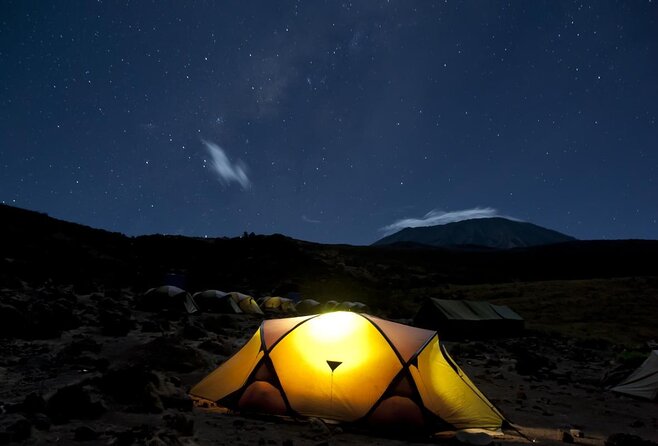
- Huts instead of tents: Sleep at Mandara, Horombo, and Kibo huts, with simple rooms and dining areas.
- Extra acclimatization night: Day three at Horombo gives your body more time before the high-altitude push.
- Long summit day: Expect a pre-midnight start and as much as 13 hours of walking on day five.
- Serious safety equipment: Oxygen, VHF radios, a Gamow Bag, rescue fees, and a pulse-oximeter are included.
- Full mountain support: Meals, purified water, warm washing water, porters, park fees, and transfers are covered.
- Private departure: Only your group takes part, with group discounts available and pickup offered.
Why the six-day Marangu Route makes sense
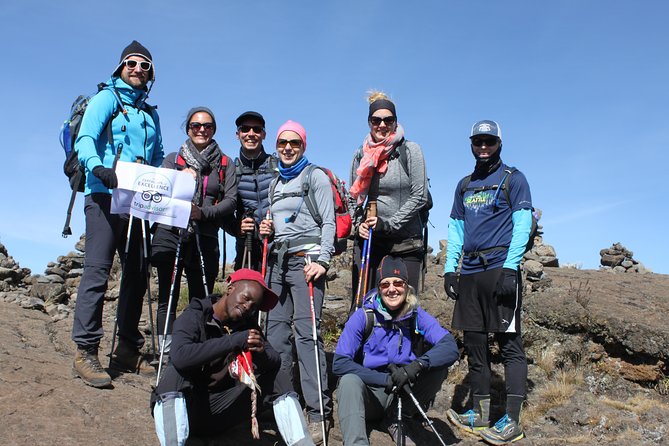
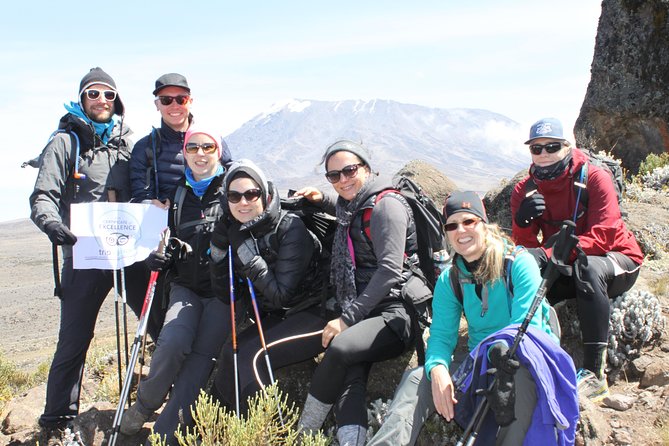
Marangu is often called the easier Kilimanjaro route because its trail has a moderate slope and straightforward walking. That description needs a little care. The lower sections are manageable for anyone with decent fitness, but altitude changes the rules. At 5,895 meters, even a fit person can feel weak, breathless, or sick.
The strongest feature of this version is the extra night at Horombo Hut. A five-day Marangu climb moves faster, while this six-day schedule lets you spend day three walking toward Mawenzi Hut and Zebra Rocks before returning to Horombo. That extra time at altitude is useful preparation for Kibo and summit night.
You will stay in huts rather than tents. They are simple, not hotel rooms, but they give you a bed and a place to eat out of the weather. Dining tables and large aluminum chairs with backs and armrests are provided, a small comfort that matters after several hours on your feet.
The price is $2,179.49 per person. That is a substantial sum, but it includes far more than the guiding itself. Park entrance fees, government taxes, rescue fees, transportation in Tanzania, airport transfers, two hotel nights, mountain meals, drinking water, porters, safety equipment, and guide services are all part of the package. You still need to budget for tips, a Tanzanian visa, personal expenses, and optional trips such as a safari.
More Kilimanjaro routes:
- Kilimanjaro climb by Lemosho Route (7-day)
★ 5.0 · 651 reviews - Kilimanjaro climb, Machame Route (7-day)
★ 5.0 · 262 reviews - Kilimanjaro Climbing Lemosho Route 8 Days.
★ 5.0 · 186 reviews
Day 1: Marangu Gate to Mandara Hut
Your climb begins with breakfast and a short transfer from your hotel to Marangu National Park Gate. There, the necessary entry formalities are handled before you start walking.
The trail enters tropical rainforest, with thick vegetation and a damp, shaded feel. This is the most enclosed part of the route, and the change from town to mountain comes quickly. You walk for about five to six hours before reaching Mandara Hut at 2,700 meters.
Mandara is the first overnight stop. Dinner is provided, and you can rest around the hut or take in the forest nearby. Do not let this first day fool you. The walking is not yet extreme, but it gives you a first look at how steadily the route climbs.
Your hotel night before the trek is included, as is the arrival transfer. That takes some pressure off the first morning, especially if you are arriving in Moshi after a long journey. The package also includes departure transfers and one hotel night after the mountain.
Day 2: Mandara to Horombo through open moorland
The second day begins with a steeper section through forest. The trees then thin out, and the trail opens into moorland, giving you a much wider view of Kibo and Mawenzi peaks when the weather is clear.
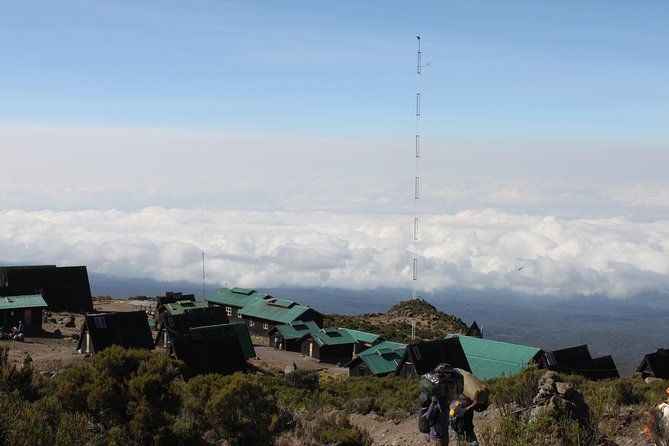
You walk about four to six hours to Horombo Hut at 3,720 meters. This is a noticeable gain in altitude from Mandara, so pace matters. The practical rule here is simple: walk slowly, drink water, and do not race ahead because you feel strong during the first hour.
Horombo is a major stopping point on the route, and the scenery becomes more open and stark. You have time in the afternoon to rest around camp and take in the peaks. The hut setup is basic, but you will have dinner and a bed rather than a tent.
All mountain meals are included. The food is described as fresh, healthy, nutritious, and served in generous portions. That matters more than it may sound. You need regular meals and fluids when walking at altitude, and you will not need to arrange your own cooking or food supply.
Day 3: Zebra Rocks and the acclimatization walk
Day three is the reason I would choose this six-day plan over the shorter Marangu schedule. You walk toward Mawenzi Hut, passing Zebra Rocks, then return to Horombo for another night.
The route moves from the low alpine zone toward the high alpine zone, with about six hours of walking. The purpose is not simply to add another scenic outing. It gives your body more time to adjust before you sleep at Kibo Hut and attempt the summit.
This is also a good day to notice how altitude affects you. You may find that an easy pace feels necessary, or that you tire sooner than expected. Drink enough water and keep your walking speed steady. The schedule specifically emphasizes slow walking, and that is sound advice for the entire climb.
Meals remain included at Horombo. You do not need to pack a separate lunch for this day, and the mountain support team handles breakfast, lunch, and dinner throughout the trek.
More six day trips in Moshi & Kilimanjaro:
- Kilimanjaro climb, Lemosho Route (6-day)
★ 5.0 · 129 reviews - Kilimanjaro climb, Marangu route (6-day)
★ 5.0 · 72 reviews - 6 Days 5 Night Safari
★ 5.0 · 57 reviews - 6 Days Tanzania Classic Safari
★ 5.0 · 52 reviews
Day 4: Across the Saddle to Kibo Hut
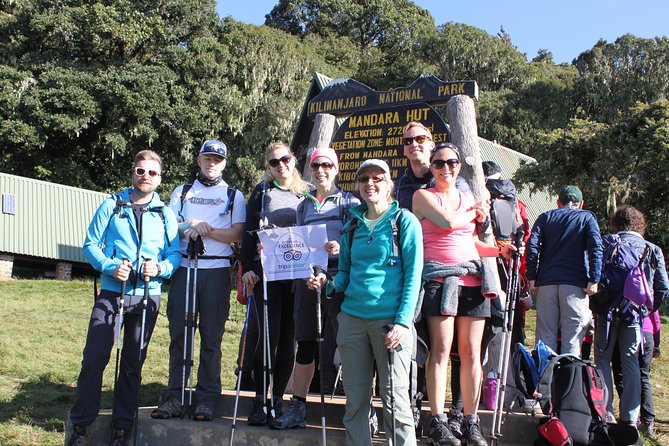
The trail climbs gradually toward the Saddle, the broad, stark area between Mawenzi and Kibo. Vegetation fades, and the surroundings feel more like a lunar desert than a conventional mountain trail.
This section takes roughly four to six hours according to the schedule, although the route description also describes six to seven hours of walking. Plan for a full, unhurried day rather than relying on the shortest estimate. You reach Kibo Hut at 4,700 meters.
There is no running water at Kibo Hut. That is an important practical detail. The package includes clean, purified drinking water and warm water for washing each day, but you should not expect normal bathroom or shower facilities at this high camp.
The rest of the day is for eating, resting, and preparing for the final ascent. You will have an early night, though the pre-midnight wake-up means sleep may be brief. Keep your summit clothing and essentials ready before lying down. This is not the moment to search through every bag in the dark.
Day 5: Gillman’s Point, Uhuru Peak, and the long return
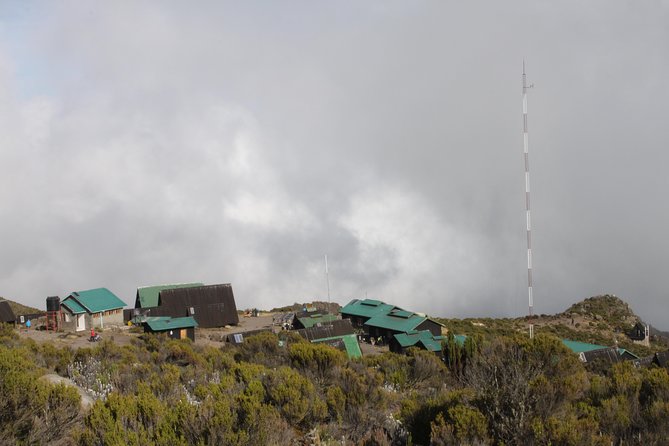
Summit day starts before midnight. You climb in darkness over loose volcanic scree, following a series of zigzags at a slow, steady pace.
The first major goal is Gillman’s Point on the crater rim at 5,685 meters. The schedule allows a short rest there, with sunrise views toward Mawenzi. Reaching Gillman’s Point is a major achievement, but the route can continue along the crater rim.
If you still feel strong, the round trip from Gillman’s Point to Uhuru Peak takes about three hours. Uhuru is listed at 5,895 meters, the highest point in Africa. At this height, the final section can feel much harder than its distance suggests. You should listen closely to your guide and be honest about how you feel.
After a brief moment at the summit, you descend to Kibo Hut for refreshments, then continue down to Horombo Hut. The entire day is listed at about 13 hours. That number tells you what this day really is: a long physical test, not a quick photo stop at the top.
A porter carries your day-pack during the summit attempt, which is helpful. Even so, you should expect cold, darkness, steep ground, loose rock, fatigue, and a second climb after reaching the crater rim. The safety equipment carried by the team includes emergency oxygen, VHF handheld radios, a Gamow Bag, rescue coverage, and a pulse-oximeter. These tools do not remove altitude risk, but they show that the operator has planned for emergencies.
Day 6: The rainforest descent to Marangu Gate
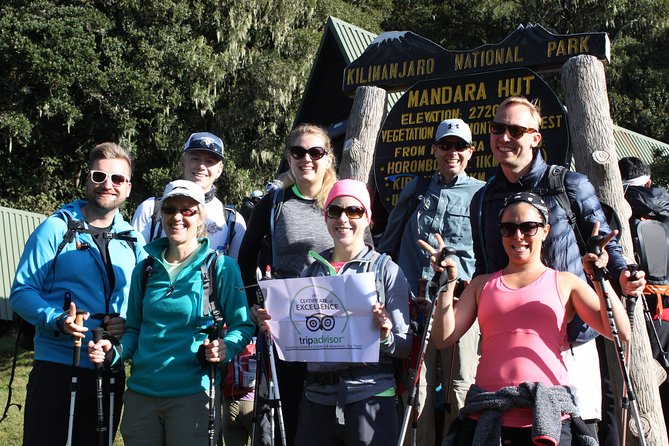
The final day takes you from Horombo down past Mandara Hut and through the rainforest to Marangu National Park Gate. The descent is listed at six to seven hours.
Downhill walking is easier on your breathing, but it can be tiring on knees and feet after summit day. Take care with your pace, especially on uneven ground. At the gate, successful climbers receive summit certificates.
Afterward, transportation takes you to Mountain Inn for dinner, a summit celebration, and an overnight stay. That final hotel night gives you a proper place to wash, eat, sleep, and recover after the mountain. It is a welcome finish to a demanding week.
What the price covers, and what it does not
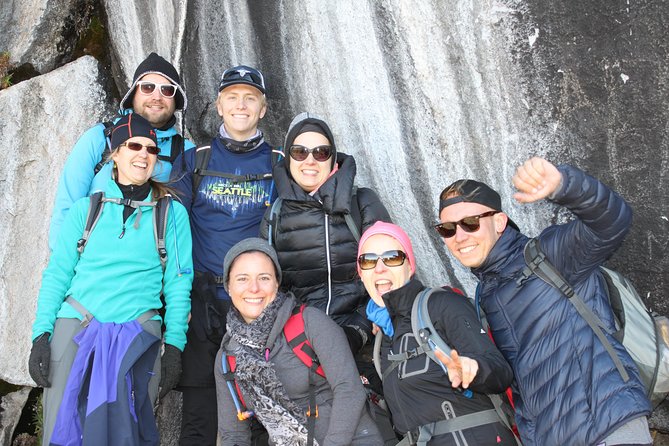
At $2,179.49 per person, the cost is best judged by the amount of support included. You receive two nights in a standard hotel, bed and breakfast at the hotel, full board on the mountain, all listed park and government charges, and transportation in the destination.
Mountain logistics are also covered. These include purified drinking water, warm washing water, meals, hut accommodation, porters, an English-speaking professional guide, rescue fees, and the listed medical and communication equipment.
Tips are not included. You should also allow money for a Tanzania visa on arrival, laundry, telephone use, beverages, and optional tours. A short safari after the climb is specifically listed as an extra, so do not assume that this package includes a Serengeti visit or a Zanzibar stay.
The operator also says it treats porters fairly and ethically. That is an important point to consider when comparing climbing companies. A lower price is not automatically better if it depends on poor treatment of the people carrying equipment and supporting the climb.
Food, safety, and daily comfort
The food plan is stronger than a bare-bones mountain package. Breakfast, lunch, and dinner are included every day, with large portions of fresh and nutritious food. You also receive clean drinking water rather than needing to arrange your entire supply independently.
The dining setup includes aluminum tables and large chairs with backs and armrests. These are modest details, but a proper place to sit can make meals more comfortable after a long day.
The safety provisions deserve attention. Each trek carries VHF radios for communication, and the team has emergency oxygen, a Gamow Bag, a pulse-oximeter, and mountain rescue fees included. The guide is English-speaking, and the company identifies George Mtaki as its director of sales and marketing. George handles trip introductions in the company’s communication, while the mountain itself is supported by the guiding team.
No safety kit can guarantee a summit. The climb still requires a moderate level of physical fitness, and altitude remains the central concern. You should be prepared to turn back if your condition worsens.
Who this climb suits best
This trip suits you if you want a private climb with only your own group taking part. It also works well if you prefer huts to tents, want meals organized for you, and value a longer schedule for acclimatization.
It is a good fit for someone with moderate fitness who is ready for long walking days. You do not need to be an elite athlete, but you do need to handle up to six or seven hours on ordinary mountain days and around 13 hours on summit day.
I would not choose it for a person seeking a relaxed sightseeing holiday. The lower trail may feel friendly, but the combination of altitude, cold, little sleep, and a long descent demands commitment. The five-day option may look attractive on a calendar, yet the extra Horombo night makes the six-day version the wiser choice for many climbers.
Pickup is offered, and group discounts are available. Confirmation is received at booking, and the tour is listed near public transportation. If weather forces cancellation, you can choose another date or receive a full refund. For other cancellations, you must cancel at least 24 hours before the start time for a full refund.
Should you book the six-day Marangu climb?
Book this climb if you want the practical comforts of huts, a private group, full mountain meals, and a planned acclimatization day. The safety equipment and broad list of included services also make the $2,179.49 price easier to understand.
Think twice if you dislike basic accommodation or if the idea of a 13-hour summit day sounds beyond your current fitness. The key decision is not simply Marangu versus another route. It is whether you are ready for high altitude and willing to move slowly, eat well, drink water, and follow your guide’s advice.
For most people choosing Marangu, I would favor this six-day schedule over five days. It gives you more time at Horombo, a clearer acclimatization plan, and a better chance to approach the summit with patience rather than hurry.
FAQ
How long is the Kilimanjaro Marangu Route tour?
The experience lasts approximately six days. The mountain itinerary runs from Marangu Gate to the summit and back to the gate, with hotel accommodation before and after the trek.
Where does the climb begin?
The climb begins at Marangu National Park Gate after breakfast and a transfer from the hotel in Moshi, Tanzania.
What type of accommodation is provided on the mountain?
You stay in huts at Mandara, Horombo, and Kibo. The huts have simple rooms and dining areas. Kibo Hut has no running water.
Is food included during the climb?
Yes. Breakfast, lunch, and dinner are included on the mountain each day. The package also includes clean, purified drinking water.
What safety equipment is included?
The trek includes emergency oxygen, VHF handheld radios, a Gamow Bag, a pulse-oximeter, and mountain rescue fees. A porter carries your day-pack during the summit attempt.
What is not included in the price?
Tips, a Tanzania visa on arrival, personal expenses such as laundry, telephone use, and beverages, and optional tours are not included. A short safari after the climb is listed as an optional extra.
Newly listed around Moshi & Kilimanjaro
- Climb Mount Kilimanjaro: 7 Days Machame Route★ 5.0 · 3 reviews
- 6 Days Mount Kilimanjaro Climbing via Rongai Route★ 5.0 · 3 reviews
- Mt. Kilimanjaro Day Hiking★ 5.0 · 3 reviews
- Explore 1 day Ngorongoro Crater Budget Group Safari from Arusha★ 5.0 · 3 reviews
- Chemka (Kikuletwa) Hot Springs, Tanzania★ 5.0 · 3 reviews
- Guided City tour of Moshi★ 4.3 · 3 reviews
- 8 Day Tanzania Family Safari★ 5.0 · 3 reviews
- Serengeti Safari with Sirikwa Travel★ 5.0 · 3 reviews
Kilimanjaro Climbs, compared.








Browse the lists this tour appears in